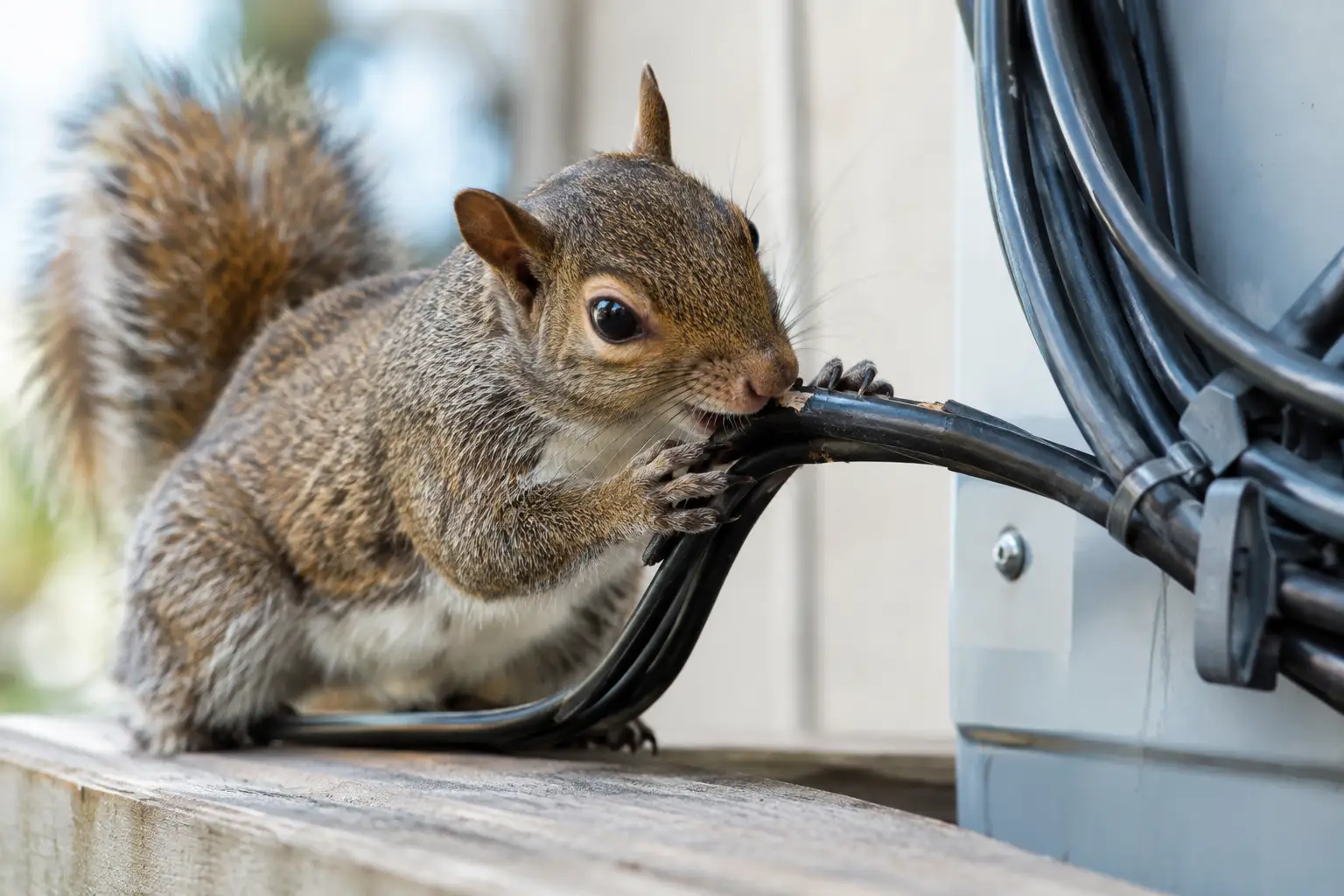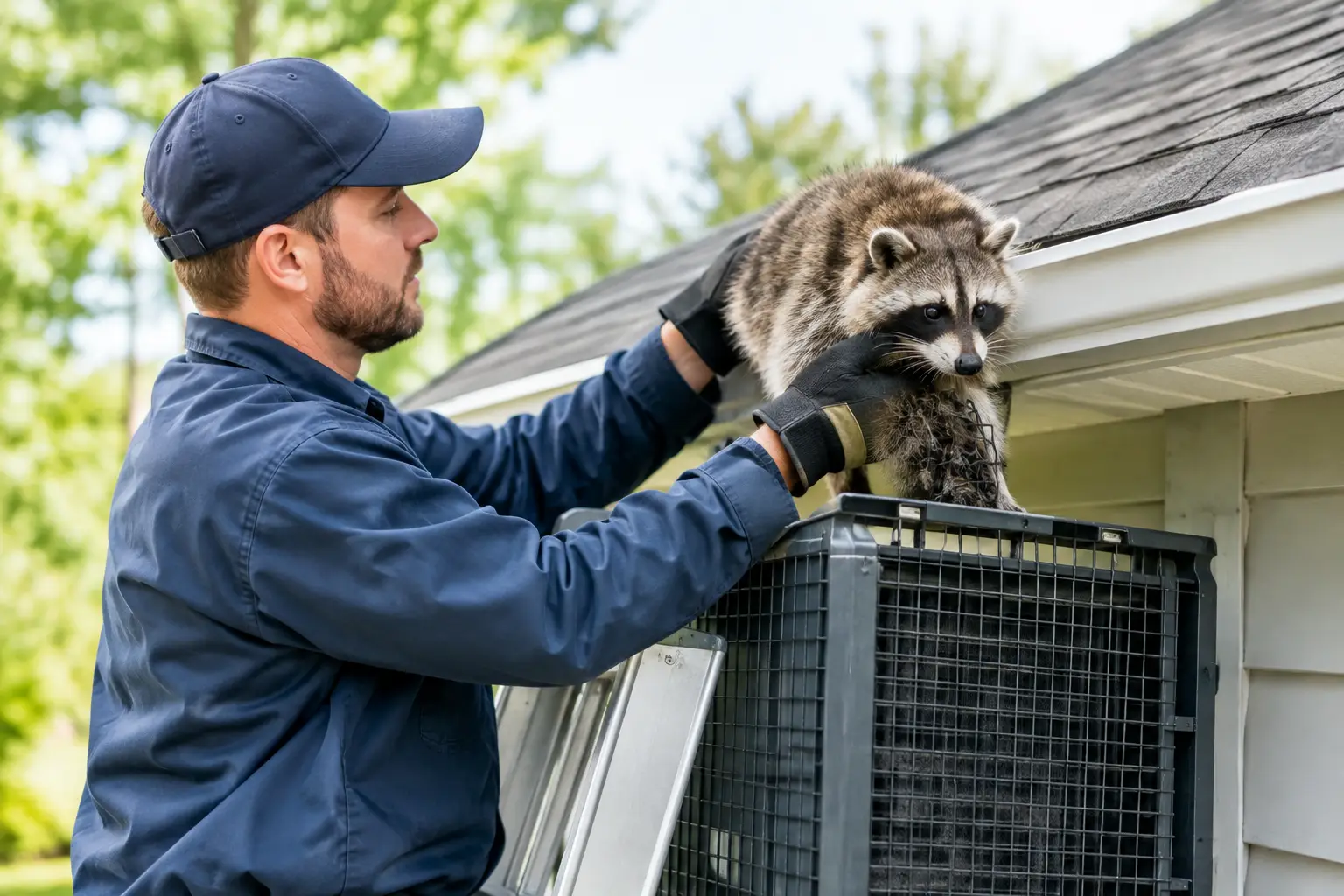
You found small dark pellets in the attic, behind a stove, or along a basement wall. The next move matters. If you are searching for how to clean rodent droppings, the biggest mistake is treating it like ordinary dirt and sweeping it up dry. That can push contaminated dust into the air and increase exposure to harmful bacteria and viruses.
In homes, apartment buildings, restaurants, offices, and storage spaces across NYC and New Jersey, rodent contamination is rarely just a cleanup issue. It is usually a sign of active mice or rat activity, hidden nesting material, urine contamination, and entry points that still need to be sealed. Cleaning has to be done carefully, and in some cases, it should not be a DIY job at all.
How to clean rodent droppings without spreading contamination
The safe approach starts before you touch anything. Open windows and doors in the affected area if possible and let the space air out for at least 30 minutes. If the contamination is in a tight enclosed area, ventilation helps reduce the concentration of airborne particles before cleanup begins.
Wear disposable gloves at minimum. In heavier contamination areas, especially attics, crawl spaces, utility rooms, and commercial back-of-house spaces, add eye protection and a well-fitted mask or respirator. Regular cleaning gloves are not enough if you are dealing with a large volume of droppings, urine staining, or nesting debris.
The rule is simple: never sweep, vacuum, or use a leaf blower on rodent droppings. Dry disturbance is what creates risk. Instead, thoroughly wet the droppings and surrounding area with a disinfectant or a bleach solution made for hard non-porous surfaces. Let it soak for several minutes so the material is saturated before removal.
Once the area is wet, use paper towels or disposable rags to pick up the droppings. Place everything directly into a sealed plastic bag. That includes droppings, nesting material, insulation fragments, food packaging debris, and any disposable cleaning materials used during the process. Then bag it again if you want extra protection before placing it in the trash.
After the visible waste is removed, disinfect the surface again. Wipe it down thoroughly and allow the disinfectant to remain on the surface for the contact time listed on the label if you are using a commercial product. Then remove gloves carefully and wash your hands with soap and warm water right away.
What you need before you start
For a small, isolated cleanup, you do not need a truck full of equipment, but you do need the right supplies. Most property owners should have disposable gloves, paper towels, trash bags, disinfectant, and basic protective gear ready before entering the area. Trying to gather materials in the middle of cleanup usually leads to contamination spreading into hallways, kitchens, or living areas.
If droppings are on insulation, stored boxes, fabric, cardboard, or unfinished wood, the situation gets more complicated. Porous materials can absorb urine and odors, and surface wiping may not be enough. That is where people underestimate the job. The droppings may be gone, but the contamination remains inside the material.
This is also why attics and crawl spaces often require more than spot treatment. If rodents have been active for weeks or months, there may be widespread contamination under insulation, around ductwork, near soffits, and along framing members.
When DIY cleanup is not the right move
There is a difference between a few droppings under a sink and a full contamination site. If you are seeing heavy accumulations, strong odors, shredded insulation, grease marks, nesting areas, or dead rodents, stop and reassess. Cleanup alone will not solve the problem if the infestation is still active.
Professional service is the better choice when contamination covers a large area, when droppings are found in HVAC-adjacent spaces, when tenants or employees may have been exposed, or when the affected area is difficult to access safely. Property managers and business owners should be especially cautious. Improper cleanup can create health complaints, odor issues, and liability problems.
In many NYC and NJ properties, rodents enter through roof gaps, utility penetrations, foundation openings, and damaged vents. If those access points remain open, fresh contamination will return. That is why a complete response usually includes inspection, removal, sanitization, and exclusion work, not just a quick wipe-down.
How to clean rodent droppings from different surfaces
Hard surfaces like tile, sealed concrete, metal, and finished wood are the most straightforward. Wet the area, remove the droppings with disposable materials, disinfect again, and allow it to dry. Countertops, shelving, and utility room floors can usually be treated this way if contamination is light and localized.
Soft or porous surfaces take more judgment. Carpet with a few isolated droppings may be salvageable if the material is disinfected properly, but carpet with repeated rodent activity or urine saturation often holds odor and contamination below the surface. Upholstered furniture, cardboard storage boxes, and heavily soiled fabrics are often better discarded than cleaned.
Insulation is a separate category. Once attic insulation has been contaminated by rodents, spot cleaning rarely fixes it. Urine spreads, droppings break apart, and hidden nesting material stays behind. In those cases, removal and replacement is often the only reliable option, especially if odor, staining, or repeat activity is present.
Common mistakes that make the problem worse
The biggest mistake is dry sweeping or vacuuming. The second is underestimating how far contamination spreads. Rodents do not stay in one neat corner. They travel, drag nesting material, urinate along runways, and leave droppings in multiple zones.
Another mistake is cleaning first and inspecting later. If you remove the visible evidence without identifying where rodents entered, where they nested, and whether they are still active, the property owner gets a false sense of progress. A few days later, the same droppings reappear.
People also overlook nearby materials. If droppings are behind a stove, look at wall gaps, cabinet voids, and food storage areas. If they are in the attic, check insulation depth, duct penetrations, roofline openings, and soffit intersections. Effective cleanup depends on seeing the whole problem, not just the pellets on the floor.
Health and safety concerns to take seriously
Rodent droppings are not just unpleasant. They can expose people to serious health hazards, especially in enclosed spaces where contamination has built up over time. Children, elderly adults, immunocompromised occupants, and maintenance staff working repeatedly in infested areas face higher concern.
That does not mean every small cleanup turns into a medical emergency. It does mean you should treat every rodent-contaminated area with caution, avoid shortcuts, and use proper disinfection methods. If anyone develops symptoms after significant exposure, medical guidance is the right next step.
For commercial properties, sanitation matters beyond health. Rodent contamination can affect inspections, employee confidence, tenant satisfaction, and business operations. Fast response is not just about cleanliness. It is about controlling risk and restoring a usable space.
After cleanup, stop the source
Once the droppings are gone, the real test is whether they come back. If there is no trapping, removal, exclusion, and repair plan, cleanup becomes a temporary cosmetic fix. Mice can squeeze through tiny gaps. Rats exploit damaged doors, broken vents, drain lines, and structural openings that are easy to miss without a trained inspection.
A complete response may involve sealing entry points, replacing contaminated insulation, disinfecting large areas, removing dead rodents, and repairing damage caused by nesting or chewing. That is often the most efficient route for landlords, facility operators, and homeowners who want the issue handled once instead of dealing with repeat service calls.
Animal Control NYC & NJ handles rodent problems the same way serious property owners do – remove the animals, clean the contamination, and secure the structure so the problem does not restart.
If you are looking up how to clean rodent droppings because you found evidence this morning, take the contamination seriously, avoid dry cleanup methods, and do not ignore what caused it. A clean surface is good. A clean, safe, rodent-free property is the result that actually lasts.