The Art of Bird Control: How to Safely and Humanely Remove Unwanted Guests
Birds are beautiful creatures that bring joy and wonder to our lives. However, when they invade our properties and pose a threat to our health and safety, it becomes necessary to implement bird control measures. Understanding the importance of bird control is crucial in protecting both our property and our health.
Understanding the Importance of Bird Control: Protecting Your Property and Health
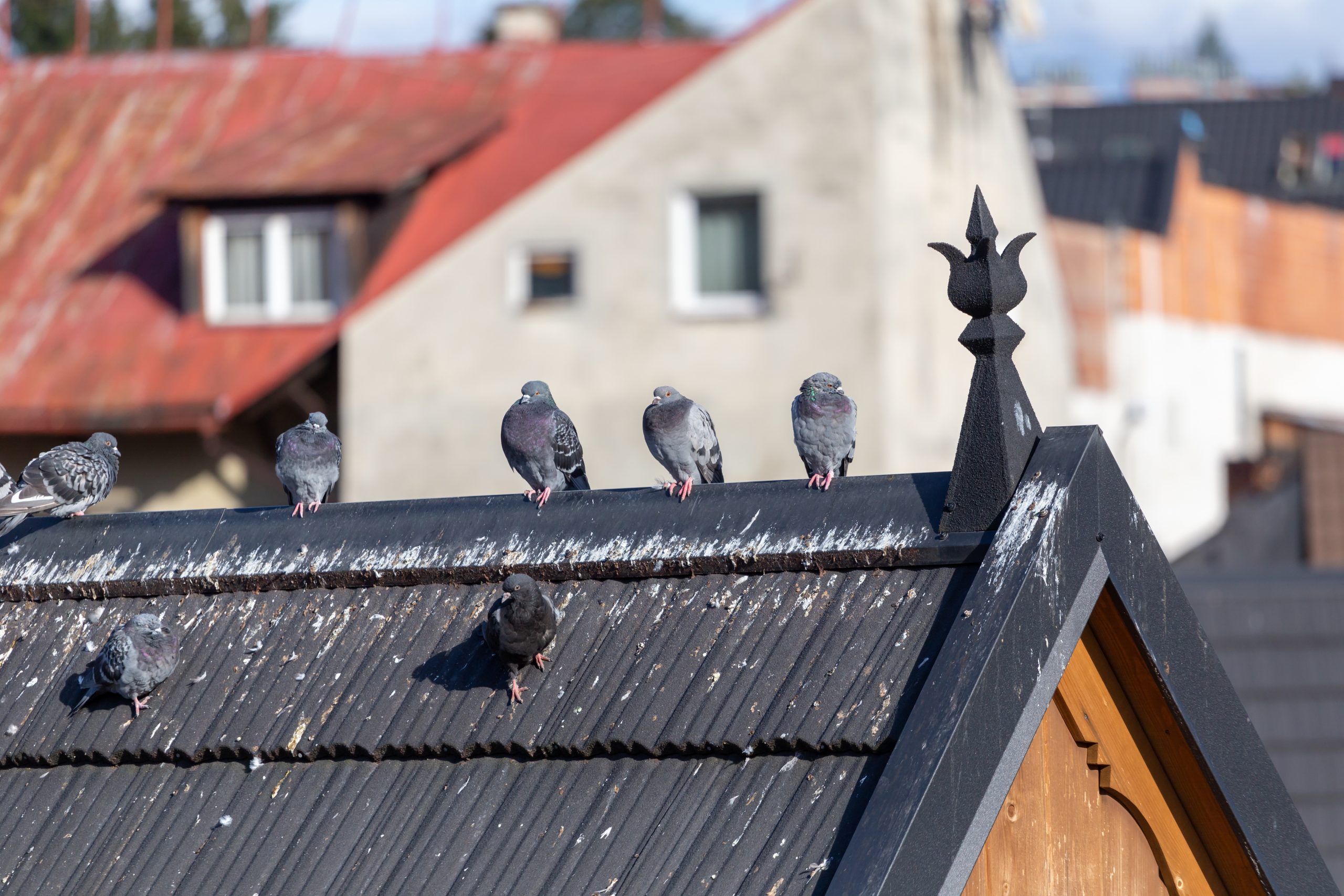
Birds can cause significant damage to our properties. Their droppings can corrode buildings, vehicles, and machinery, leading to costly repairs. In addition, their nests and feathers can clog drains and ventilation systems, causing further damage. For example, the acidic nature of bird droppings can eat away at the paint on cars, leading to unsightly and expensive damage.
Furthermore, birds can pose health risks to humans. Their droppings contain bacteria, fungi, and parasites that can cause diseases such as histoplasmosis, salmonellosis, and cryptococcosis. These diseases can be transmitted to humans through inhalation of contaminated dust or direct contact with bird droppings. According to the Centers for Disease Control and Prevention (CDC), bird droppings are a known source of over 60 diseases.
Implementing effective strategies for safely removing unwanted birds is essential to ensure the well-being of both humans and birds.
Effective Strategies for Safely Removing Unwanted Birds: A Guide to Humane Bird Control
When it comes to bird control, it is important to prioritize humane methods that do not harm the birds. One effective strategy is the use of bird deterrents such as bird spikes, bird netting, and bird repellents. Bird spikes are physical barriers that prevent birds from landing on ledges, roofs, and other surfaces. Bird netting is a mesh material that can be used to cover areas where birds tend to roost or nest. Bird repellents, on the other hand, use natural or chemical substances to deter birds from specific areas.
Another effective method is the use of bird traps. These traps are designed to capture birds without causing them harm. Once captured, the birds can be safely released in a more suitable location away from human habitation.
It is important to note that bird control should be carried out by professionals who are trained in handling birds and implementing humane methods. They have the knowledge and experience to ensure that the birds are safely removed without causing unnecessary harm.
The Art of Bird Deterrence: Proven Techniques to Keep Unwanted Guests at Bay
Preventing birds from invading your property in the first place is the key to effective bird control. Creating a bird-friendly environment involves implementing proven techniques to deter birds from roosting and nesting on your property.
One technique is the use of visual deterrents such as scarecrows, reflective objects, and predator decoys. These visual deterrents create the illusion of a predator presence, making birds feel unsafe and deterring them from settling in the area.
Another technique is the use of sound deterrents. Birds are sensitive to certain sounds, and by playing recordings of distress calls or predator sounds, you can effectively deter them from your property. However, it is important to use sound deterrents responsibly and avoid causing unnecessary distress to the birds.
Creating a bird-friendly environment also involves removing potential food sources and nesting sites. By keeping your property clean and free of food scraps, garbage, and standing water, you can discourage birds from settling in the area.
Creating a Bird-Friendly Environment: Balancing Conservation and Pest Management
While bird control is necessary to protect our property and health, it is also important to balance conservation efforts and pest management. Birds play a vital role in ecosystems as pollinators and seed dispersers. Therefore, it is crucial to implement bird control measures that do not harm or disrupt bird populations.
One way to achieve this balance is by providing alternative habitats for birds. By creating birdhouses, bird feeders, and bird baths in suitable areas away from human habitation, you can attract birds to these designated spaces while keeping them away from areas where they pose a threat.
Additionally, it is important to stay informed about local bird populations and their conservation status. By understanding the specific needs and behaviors of different bird species, you can implement bird control measures that are tailored to their specific requirements.
In conclusion, the art of bird control involves understanding the importance of protecting our property and health, implementing effective and humane strategies for safely removing unwanted birds, and creating a bird-friendly environment that balances conservation and pest management. By prioritizing humane methods and staying informed about bird populations, we can ensure the well-being of both humans and birds.