
Toms River, New Jersey
Solar panels above.
Protection below.
Solar panel critter guards in Toms River, NJ
Birds or squirrels getting beneath your panels? Start with the animal activity, roof access and panel edges—then plan the right perimeter protection.
Tell us what you’re seeing. Service scope and access are reviewed for your property.
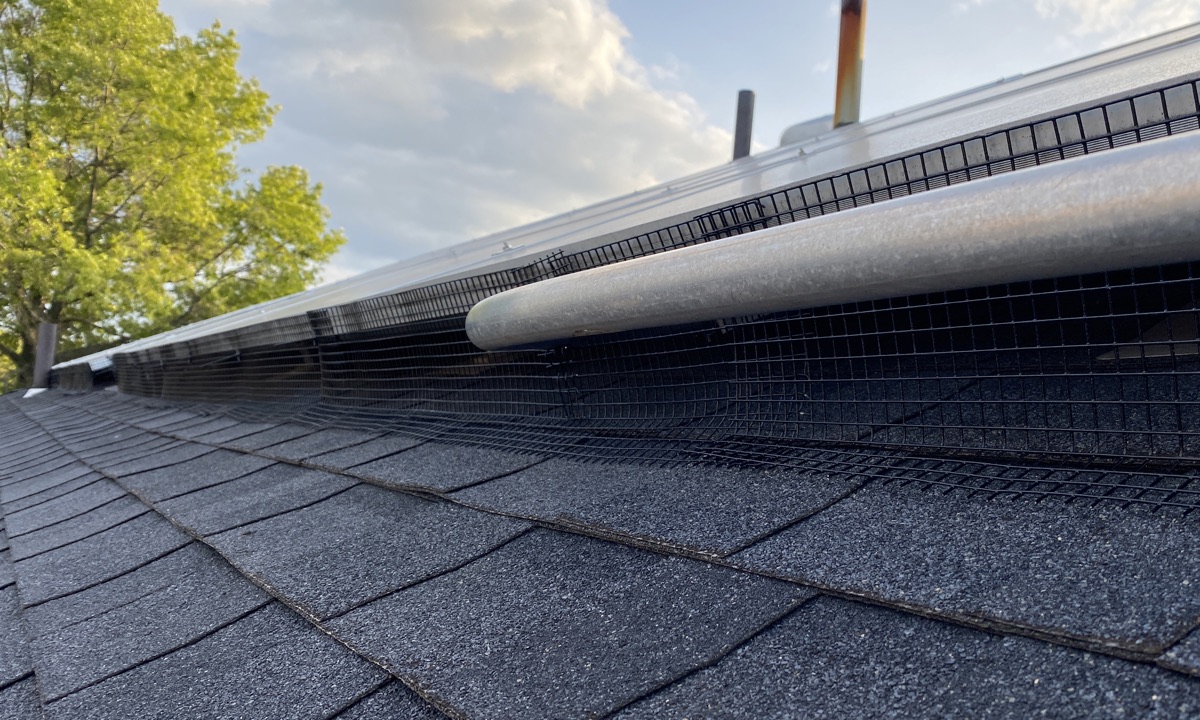
Understand what is getting in.
Review animals, debris and access.
Plan a guard for the actual array.
A closer look at the problem
Start with what’s
under the panels.
A guard is one part of the solution. Animal Control NY/NJ reviews the activity and surrounding roofline before recommending how to close the gaps.
Animal activity
Birds, squirrels, nesting material or repeated movement beneath the array. Active wildlife needs attention before gaps are closed.
Activity before installation
Panel edges & access
Roof height, pitch, array spacing and ladder access all influence the work. Nearby gutters, soffits and vents may also matter.
A plan for your roof
Debris & damage
Droppings, nesting debris, drainage and visible damage concerns help define preparation. Cleanup and repair needs are reviewed separately.
Scope before a quote
Understand your solar space
Less room for wildlife.
More clarity for you.
The space beneath a solar array can attract wildlife. Understanding the activity comes first; a protection plan follows the conditions at your property.
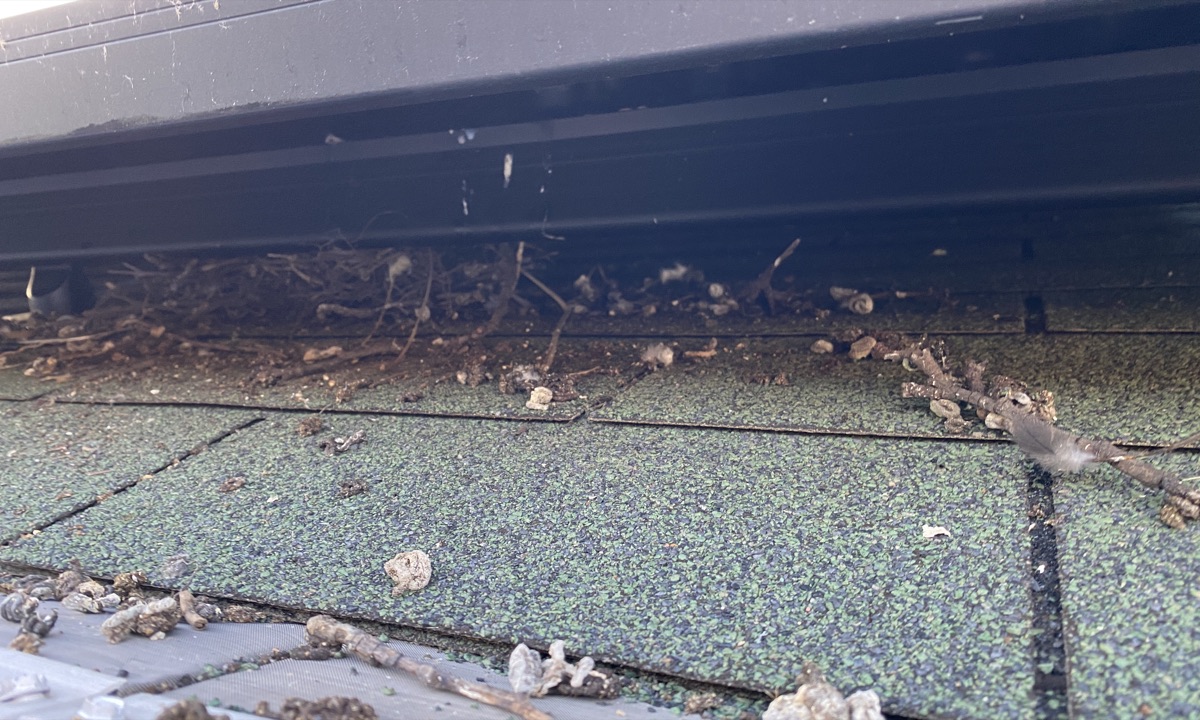
An inviting space underneath.
Birds or squirrels may find shelter beneath panels. Recurring movement, noise or nesting debris can help explain what needs attention.
Nesting material and debris beneath solar panels.
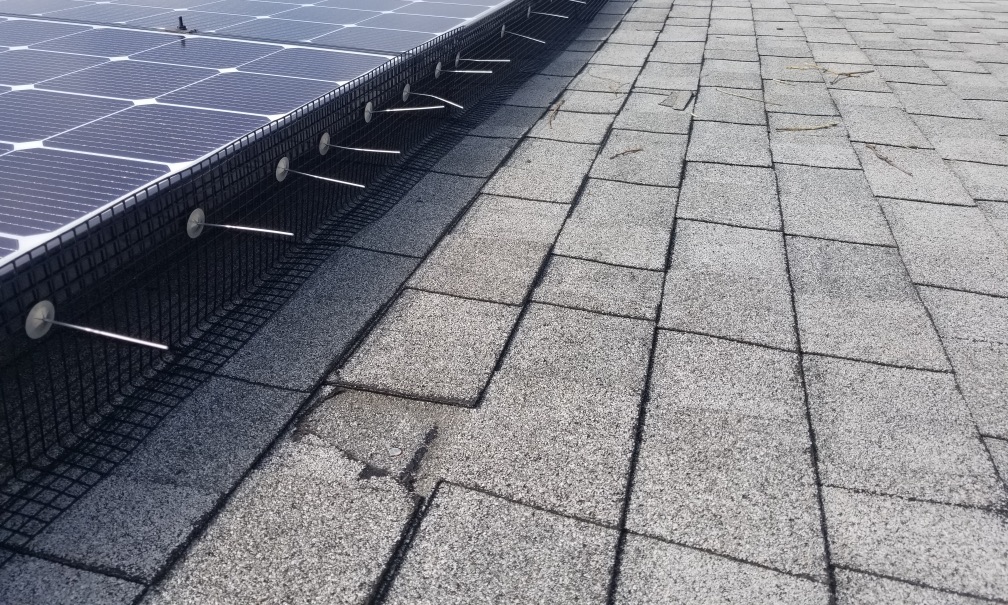
A plan around your property.
Review the wildlife activity, access and preparation needs, then discuss perimeter protection suited to the array. The scope depends on what is found.
A closer view of the guard along a panel edge.
Examples from our solar-panel wildlife work.
A considered sequence
Inspect first.
Close the gaps last.
The right scope depends on what is found at your property. Guard installation should not trap wildlife beneath an array.
New Jersey wildlife guidance advises caution around nuisance wildlife and property-entry concerns. Read NJ Fish & Wildlife guidance.
- 01
Review the property
Discuss animal activity, panel layout, roof height and safe access.
- 02
Address active wildlife
Determine what needs to happen before the perimeter can be closed.
- 03
Plan preparation
Review nesting debris, droppings and any cleanup or damage concerns.
- 04
Fit the perimeter protection
Choose the guard approach for the panel layout and access conditions.
For your Toms River property
A more useful
first conversation.
When you contact us, start with the town and what you’ve noticed. These details help us discuss the next step without guessing about your roof.
Availability and service scope are confirmed for each property.
Helpful details to have ready
- Town and property typeA Toms River house, managed building or other property.
- What you can see or hearAnimal activity, nesting debris or recurring noise.
- Roof height and accessNumber of stories and known access constraints.
- Existing panel or roof concernsMention prior work or any issue your solar provider is reviewing.
Describe what you can observe from the ground. You do not need to climb onto the roof to contact us.
Before you decide
A few useful
answers.
Clear expectations before the work is planned.
What is a solar panel critter guard?
A critter guard is a protective barrier around the perimeter of a solar array to help reduce wildlife access underneath. The approach depends on the panel layout, activity and roof conditions.
Can a guard be fitted while animals are underneath?
Active wildlife needs to be assessed before the gaps are closed. Let us know about movement, noises or nesting material so the plan can address the animal issue first.
What affects the cost?
Roof height and pitch, access, array size, the number of exposed edges, animal activity and preparation needs all matter. Cleanup or repair work may change the scope.
Does this include solar panel or electrical repairs?
This page is about wildlife access and perimeter protection. We do not troubleshoot solar wiring or repair solar panels. Discuss wiring or panel-performance concerns with your solar provider.
Will guards address every roofline entry point?
Guards address access around the solar array. Nearby vents, gutters, soffits or other openings may need separate attention. That is why the surrounding roofline is part of the discussion.
What Customers Say About Animal Control NY/NJ
Read recent Google reviews from customers who contacted Animal Control NY/NJ for wildlife removal, animal entry inspection, exclusion, and prevention work.


Let’s start with your property
What’s happening
under your solar panels?
Tell Animal Control NY/NJ your town, the activity you’ve noticed and the roof access.