The Hidden Dangers of Bat Infestations: How Professionals Can Protect Your Home
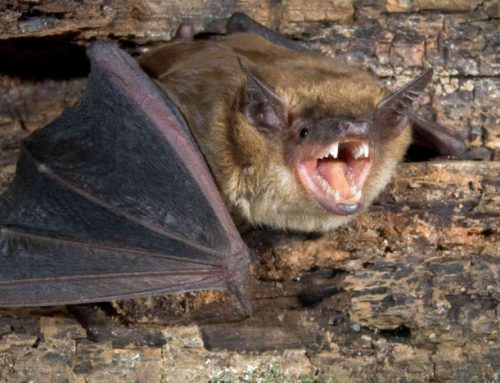
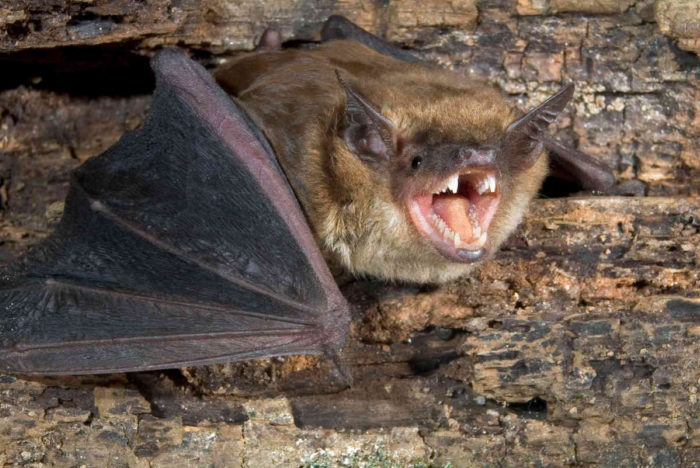
Bats are fascinating creatures that play a crucial role in our ecosystem by controlling insect populations and pollinating plants. However, when these winged mammals decide to take up residence in our homes, they can pose significant threats to our health and property. Understanding the hidden dangers of bat infestations is essential for homeowners to take appropriate action and protect their homes. In this article, we will explore the health risks and structural damage caused by bat infestations, the importance of professional intervention, and the expert strategies and techniques used by professionals to effectively safeguard your home from bats.
Understanding the Hidden Dangers: The Threats Posed by Bat Infestations
Bat infestations can bring about a range of hidden dangers that homeowners may not be aware of. One of the primary concerns is the transmission of diseases. Bats are known carriers of various pathogens, including rabies. According to the Centers for Disease Control and Prevention (CDC), bats are responsible for the majority of rabies cases in the United States. While direct contact with bats is the most common route of transmission, it is also possible to contract the virus through bat droppings, urine, or saliva.
Aside from the health risks, bat infestations can also lead to significant structural damage to your home. Bats often roost in attics, crawl spaces, and wall voids, causing destruction to insulation, electrical wiring, and wooden structures. Their droppings, known as guano, can accumulate over time and create a foul odor, as well as pose a fire hazard due to their high nitrogen content. Moreover, the acidic nature of bat droppings can corrode metal surfaces and cause damage to ceilings and walls.
Furthermore, bat infestations can result in noise disturbances and sleepless nights for homeowners. Bats are nocturnal creatures, and their activity during the night can be disruptive, especially if they are roosting in close proximity to living areas. The constant scratching, squeaking, and fluttering sounds can be highly irritating and affect the overall quality of life in your home.
Health Risks and Structural Damage: Unveiling the Consequences of Bat Infestations
The health risks associated with bat infestations are not to be taken lightly. As mentioned earlier, bats can carry and transmit diseases such as rabies. While the percentage of bats infected with rabies is relatively low, it is crucial to exercise caution and avoid direct contact with these animals. In addition to rabies, bats can also harbor other pathogens, including histoplasmosis, a fungal infection caused by inhaling spores present in bat droppings. Histoplasmosis can lead to flu-like symptoms, respiratory issues, and even severe complications in individuals with weakened immune systems.
Structural damage caused by bat infestations can be extensive and costly to repair. The accumulation of bat guano can compromise the integrity of insulation, rendering it less effective in regulating temperature and increasing energy costs. The destruction of electrical wiring poses a fire hazard and can result in power outages or even electrical malfunctions. Additionally, the acidic nature of bat droppings can eat away at wooden structures, leading to rot and weakening of the overall framework of your home.
Moreover, the presence of bats and their constant activity can disrupt your sleep and cause stress and anxiety. Sleep deprivation can have detrimental effects on your physical and mental well-being, affecting your productivity, mood, and overall quality of life. It is essential to address bat infestations promptly to restore peace and tranquility to your home.
The Importance of Professional Intervention: Safeguarding Your Home from Bat Infestations
When faced with a bat infestation, seeking professional intervention is crucial for the safety and protection of your home. Professional bat removal experts have the knowledge, experience, and specialized equipment to effectively handle bat infestations while minimizing risks. They understand the behavior and habits of bats, allowing them to develop tailored strategies for removal and prevention.
Attempting to remove bats on your own can be dangerous and ineffective. Bats are protected species in many regions, and improper handling or extermination methods can lead to legal consequences. Professionals are well-versed in the laws and regulations surrounding bat removal and will ensure that the process is carried out in compliance with local guidelines.
Furthermore, professionals can conduct a thorough inspection of your home to identify entry points and potential vulnerabilities that may attract bats. By sealing off these entry points and implementing preventive measures, such as installing bat exclusion devices or netting, professionals can help safeguard your home from future infestations.
Expert Strategies and Techniques: How Professionals Can Effectively Protect Your Home from Bats
Professional bat removal experts employ a range of strategies and techniques to effectively protect your home from bats. One commonly used method is the installation of bat exclusion devices. These devices allow bats to exit your home but prevent them from re-entering. By strategically placing exclusion devices at entry points, professionals can ensure that bats are safely and permanently removed from your property.
Another technique used by professionals is the installation of bat netting. Bat netting is a physical barrier that prevents bats from accessing certain areas of your home, such as attics or crawl spaces. This method is particularly effective in situations where bats have multiple entry points or when exclusion devices are not feasible.
Additionally, professionals may recommend the installation of bat houses as an alternative roosting option for bats. Bat houses provide a safe and suitable habitat for bats, encouraging them to relocate from your home to these designated structures. This approach not only protects your home but also supports bat conservation efforts by providing them with a suitable environment.
In conclusion, bat infestations can pose significant threats to your health and property. Understanding the hidden dangers, such as the transmission of diseases and structural damage, is crucial for homeowners to take appropriate action. Seeking professional intervention is essential for the effective and safe removal of bats from your home. Professionals employ expert strategies and techniques, such as the use of exclusion devices, netting, and bat houses, to protect your home from bats and prevent future infestations. By addressing bat infestations promptly and relying on professional expertise, homeowners can ensure the safety and well-being of their homes and families.