Dead-animal inspection and removal
Dead Animal Removal in NYC and New Jersey
A persistent odor, flies, staining, or animal sounds that suddenly stop can indicate a carcass inside or around a property. Animal Control NY/NJ helps homeowners, landlords, property managers, and businesses locate and remove dead animals from attics, walls, ceilings, crawl spaces, basements, and other hard-to-reach areas. We serve houses, townhomes, apartments, condos, multifamily properties, and commercial buildings throughout NYC and in our covered New Jersey service areas. Each service begins with an in-person inspection to determine the likely location, access needs, and cleanup scope.
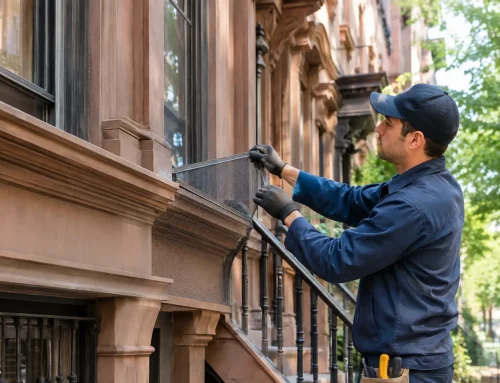
The first visit is an in-person inspection. We evaluate the likely location, access conditions, affected materials, and possible entry route before recommending the appropriate removal and cleanup scope.
Signs a dead animal may be present
One sign by itself does not confirm the source. The pattern, location, and timing help determine what should be inspected.
Persistent odor
An odor may become stronger in a particular room, wall, ceiling, attic, or exterior area.
Flies or insects
Increased fly or insect activity near one area can help narrow the inspection. An increase in flies or the appearance of fly larvae, commonly called maggots, can be another indication that a carcass may be nearby.
Staining
New discoloration on drywall, ceilings, insulation, or nearby materials may require evaluation.
Activity suddenly stops
Previously heard scratching or movement that abruptly ends may be relevant, but it is not a diagnosis by itself.
Odor alone is not enough to identify a carcass. Plumbing, moisture, trash, drains, and other building conditions can produce similar complaints. An in-person assessment helps determine the likely source.
What happens first
The first visit is an in-person inspection
We begin by reviewing where the odor or activity is strongest, when it started, and what animal signs were noticed beforehand. The inspection may include accessible attics, crawl spaces, basements, rooflines, utility areas, and exterior entry points.
When the source may be inside a wall or ceiling, the building layout, animal travel paths, staining, insect activity, and access limitations are considered before an opening is recommended.
The assessment helps define
- The likely animal and carcass location
- How the area can be accessed safely
- Whether insulation or other materials are affected
- Whether insects, nesting, or nearby contamination are present
- The likely entry route and any related animal activity
- Removal, cleanup, repair, and exclusion options
Availability, scope, and pricing depend on the property and what the inspection finds.
Common places where dead animals are found
Attics and insulation
Attics may contain a carcass along with disturbed insulation, nesting material, or evidence of an entry point. Learn about attic animal cleanup.
Walls and ceilings
Finished cavities can make the source difficult to pinpoint. Access decisions depend on the strongest evidence and the construction of the building.
Crawl spaces and basements
Low-clearance areas may have moisture, insulation, or limited access that affects the removal plan. See our guidance on crawl-space odor after animal activity.
Rooflines, soffits, and vents
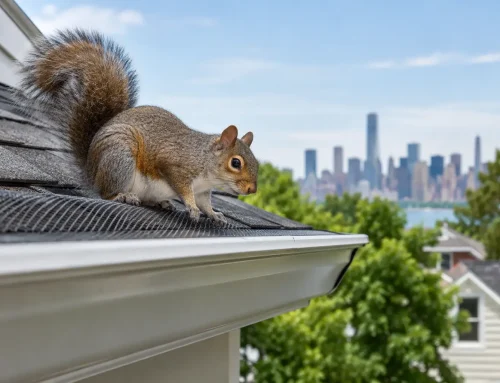
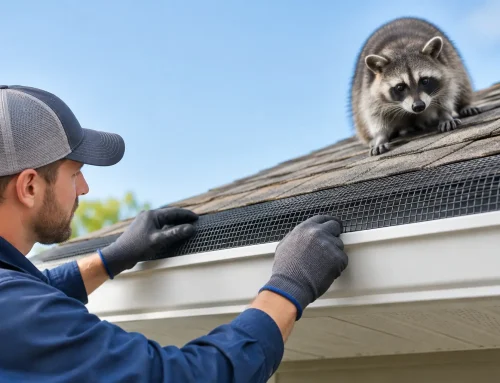
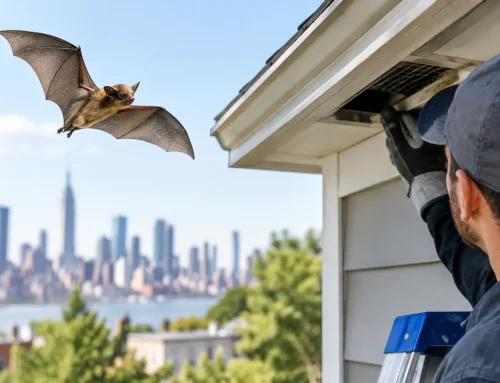
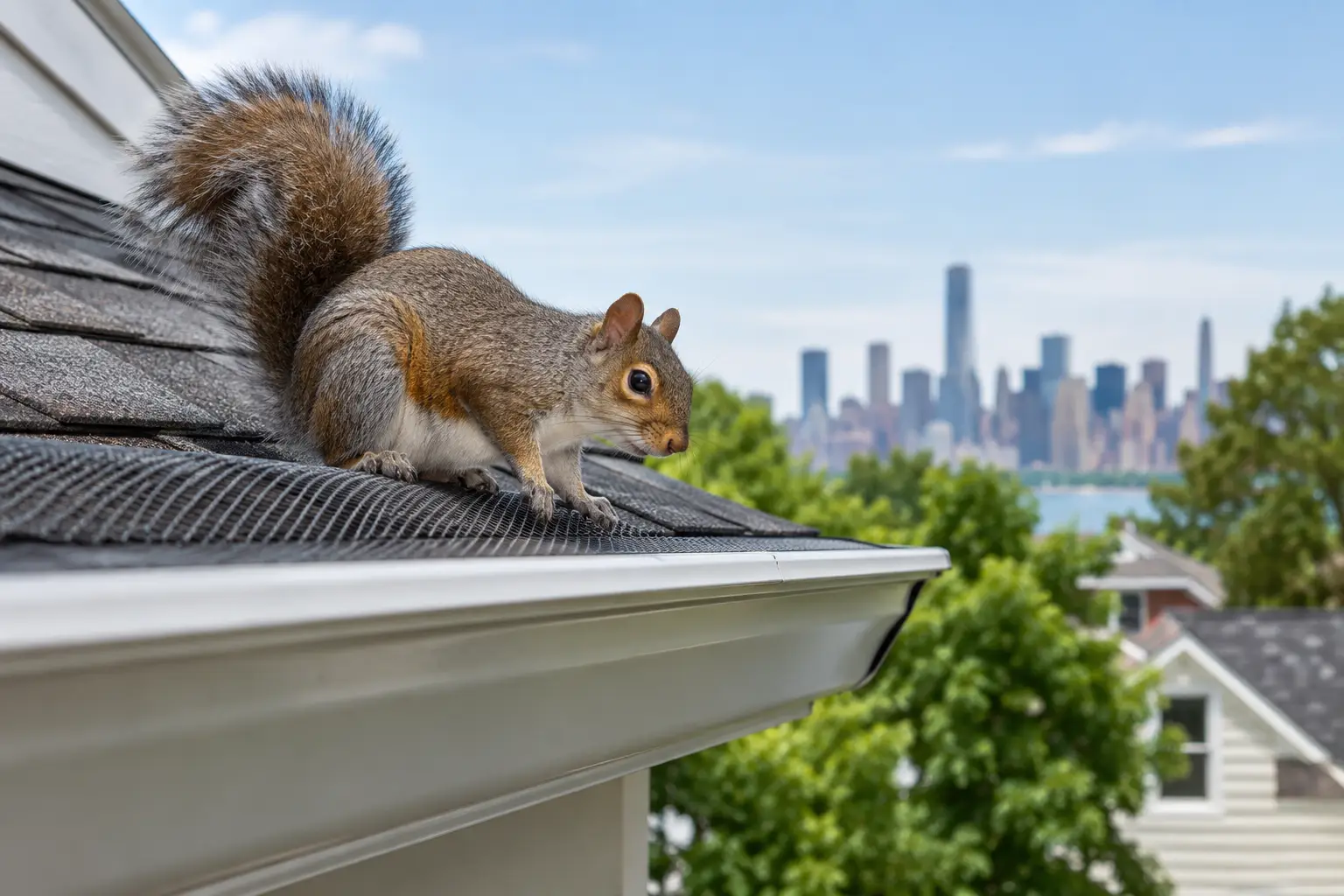
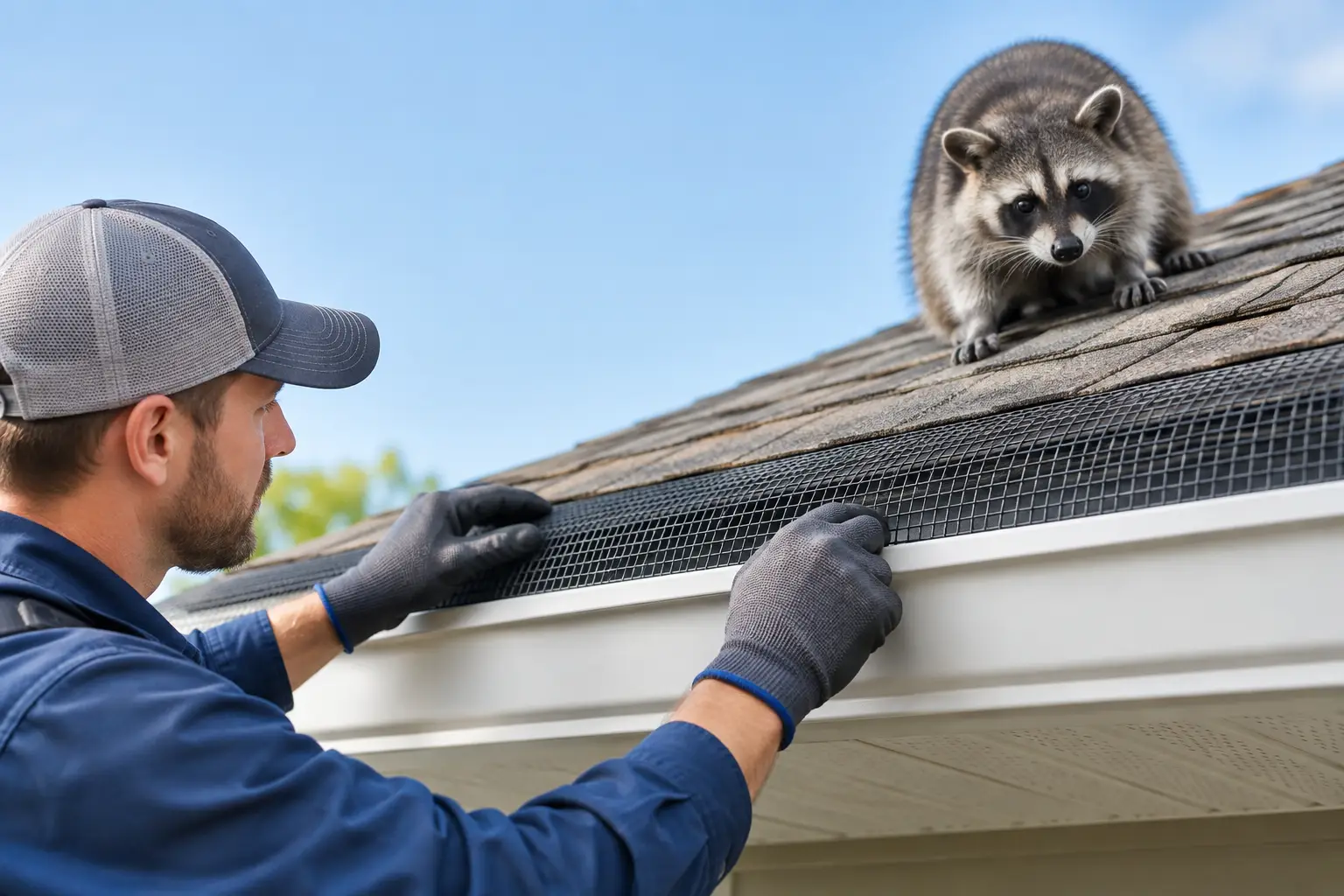
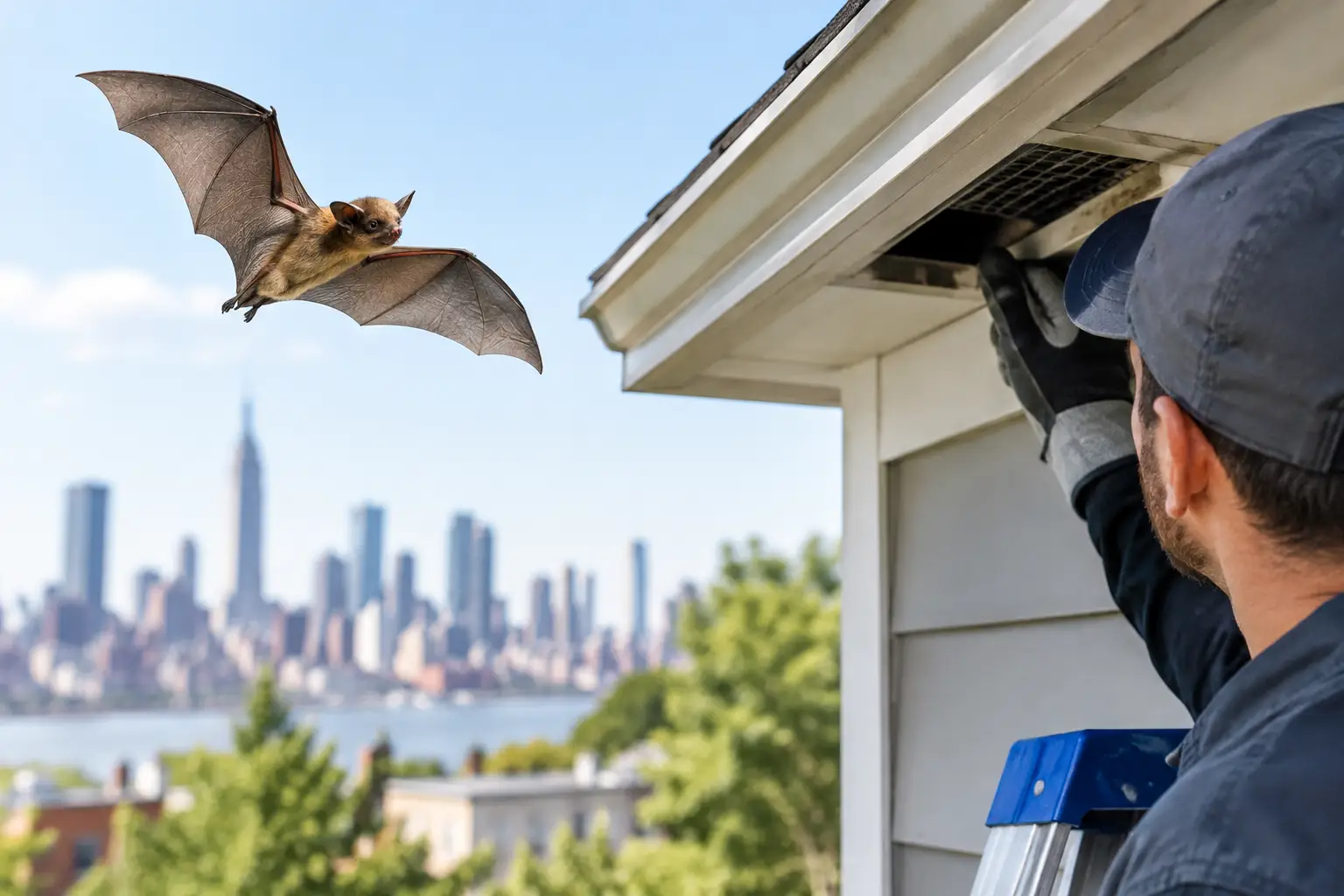
Birds, squirrels, raccoons, and other animals may enter or become trapped near vulnerable roof and ventilation areas.
Utility and mechanical areas
Chases, equipment rooms, drop ceilings, and back-of-house spaces can allow odor to travel beyond the source.
Yards and exterior areas
Carcasses may be found beneath decks, near foundations, in sheds, or elsewhere around the property.
Removal and access depend on the exact location
A visible exterior carcass and a source inside a finished wall require different plans. The goal is to reach the source with the least disruption practical for the location and construction—not to guess or open building materials without enough evidence.
Locate
Use the inspection findings to identify the most likely source area and access route.
Plan access
Account for wall, ceiling, roof, attic, crawl-space, or exterior construction before work begins.
Remove the source
Remove the carcass when accessible and evaluate nearby nesting, fluids, insects, and affected materials.
Review next steps
Identify cleanup, material replacement, repair, or exclusion work that may be appropriate after removal.
Some wall or ceiling situations require an access opening. Whether that is necessary, where it should be made, and how repair will be handled are determined from the property conditions.
Odor-source removal and cleanup
When the carcass is accessible, locating and removing the source is the priority. The surrounding area is then evaluated for affected insulation, absorbent materials, nesting debris, insects, staining, and other nearby contamination.
Depending on the animal and conditions, fleas, ticks, mites or other insect activity may also be present. During the inspection, we evaluate the surrounding area and explain any additional cleanup concerns we observe.
Cleanup or sanitation options depend on access and the condition of the materials. Some porous materials may need to be removed or replaced. Odor may improve after source removal, but the timing varies with the animal, location, temperature, airflow, and affected materials. Complete or immediate odor elimination should not be assumed.
Related cleanup information
For a closer look at odor conditions, see dead-animal odor removal.
If droppings, nesting, or broader post-infestation conditions are present, review our post-infestation disinfection services.
Cleanup, sanitation, restoration, and repair are recommended only when supported by the assessment and approved scope.
Entry-point inspection and exclusion
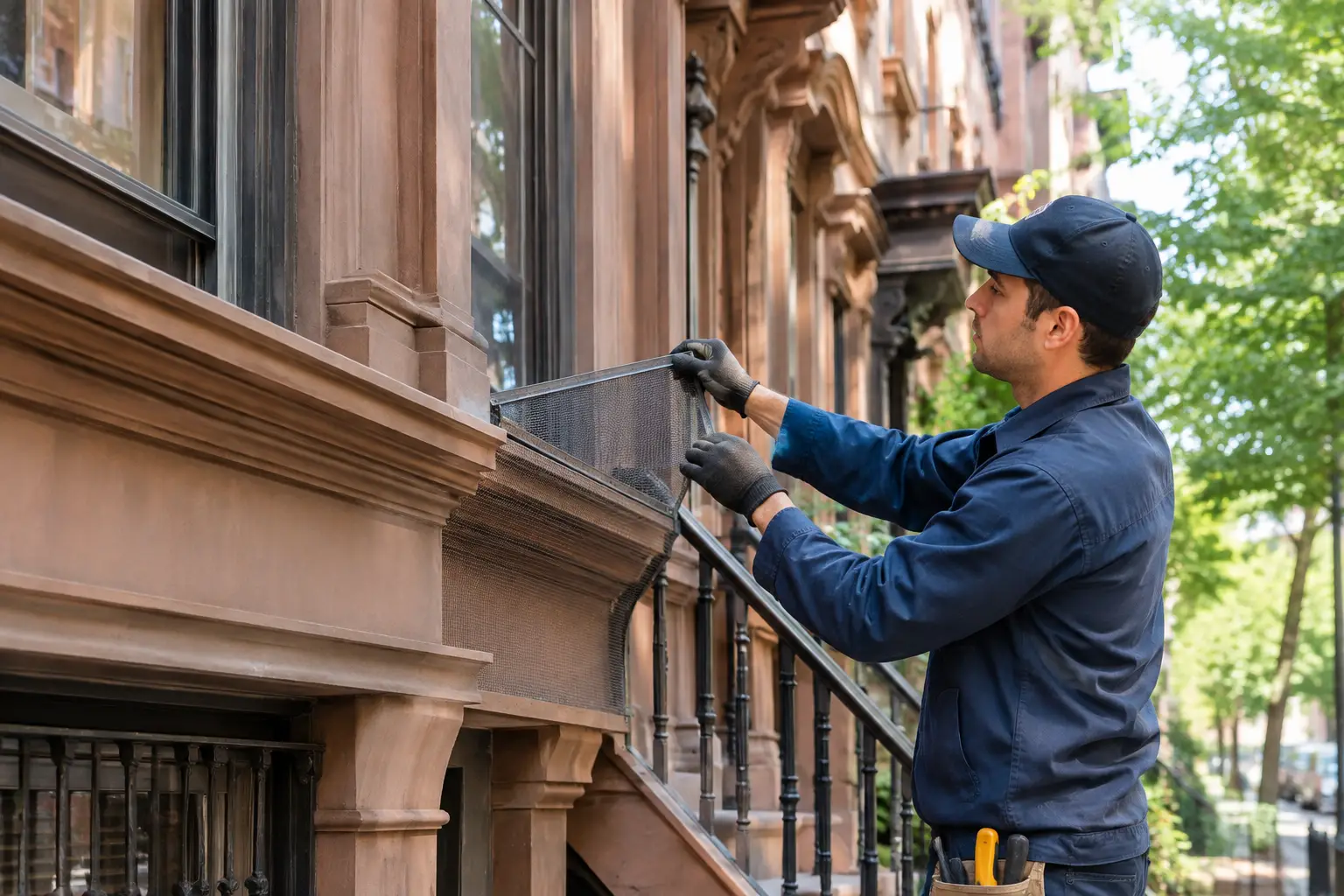
A carcass inside a structure can point to an opening or an active animal issue. We inspect likely access points such as roof returns, soffits, vents, foundations, crawl-space openings, and utility penetrations where relevant to the property.
Repair or exclusion recommendations depend on the animal, construction, access, and current conditions. These measures are intended to reduce future access, but no property should be represented as permanently protected from every possible recurrence.
Property-specific service
Homes, multifamily properties, and commercial buildings
Dead-animal complaints can affect living spaces, shared walls, common areas, tenant operations, offices, facilities, and managed properties. Access, occupant coordination, building rules, and the work area are evaluated for each property.
See our residential animal control and commercial animal control pages for additional property-specific information.
NYC and covered New Jersey service areas
Available throughout NYC and in our covered New Jersey service areas.
New Jersey availability is confirmed using the property location, access needs, and current scheduling. Contact us with the address and the areas where odor, insects, staining, or earlier animal activity have been noticed.
What to do while arranging an inspection
- Keep people and pets away from the suspected area where practical.
- Avoid touching or disturbing visible remains.
- Do not open walls, ceilings, or enclosed building areas without an assessment.
- Note where the odor or insect activity is strongest and when it began.
- Contact Animal Control NY/NJ to arrange an in-person inspection.
Dead animal removal FAQ
Can you locate a dead animal inside a wall or ceiling?
We inspect the building conditions, odor pattern, animal history, staining, insect activity, and likely travel paths to identify the most probable source area. Some concealed locations cannot be confirmed until access is available.
Will a wall or ceiling need to be opened?
Not in every case. An access opening may be necessary when the carcass is inside a finished cavity. The location and repair implications are evaluated before that work is recommended.
Do you remove dead animals from attics and crawl spaces?
Yes, when the area can be accessed safely. The inspection also considers insulation, nesting, insects, entry points, and other affected materials.
Does removing the animal eliminate the odor immediately?
Not always. Removing the source is the priority, but odor timing depends on the animal, location, temperature, airflow, access, and whether porous materials were affected.
Can you inspect how the animal entered?
Yes. When conditions allow, we inspect likely access points and recommend repair or exclusion options appropriate to the animal and structure.
Do you serve both NYC and New Jersey?
Yes. Service is available throughout NYC and in our covered New Jersey service areas. New Jersey availability is confirmed for the property location.
Related Animal Control NY/NJ services
Request an In-Person Inspection
Tell Animal Control NY/NJ where the problem is occurring, when it began, and what signs you have noticed. The inspection findings determine the recommended removal, cleanup, repair, or exclusion scope and pricing.
NYC: 646-741-4333
New Jersey: 732-387-4135