A single mouse dropping beside a pallet, a chewed corner on a food carton, or a rat seen near a loading dock can turn into a major warehouse problem fast. This warehouse rodent control checklist helps facility managers, landlords, and operators identify active risk, protect stock, and correct the building conditions that allow rodents to keep returning.
Rodent control in a warehouse is not only about setting traps. Mice and rats can contaminate inventory, damage wiring, compromise packaging, create employee safety concerns, and trigger tenant or regulatory complaints. The lasting solution is a coordinated program of inspection, removal, sanitation, and exclusion.
Start With an Active Rodent Inspection
Inspect the entire property before moving equipment, placing traps, or sealing holes. A warehouse is full of hiding areas, travel routes, and food sources that may not be obvious from the main floor. Check at different times of day when possible, especially near shipping and receiving activity.
Look for fresh droppings, gnaw marks, greasy rub marks along walls, nesting material, urine odor, tracks in dust, and holes near utility lines. Small mice can enter through openings around one-quarter inch wide. Rats need more space, but they can chew and widen weak materials around doors, pipes, rooflines, and foundation gaps.
Check the highest-risk warehouse zones
Rodents usually follow predictable routes. Focus your inspection on loading docks, dumpster areas, employee break rooms, dry-storage aisles, mechanical rooms, utility chases, suspended ceilings, floor drains, roof penetrations, and the perimeter where pavement meets the building.
Pay special attention to pallets stored against walls. They provide concealment and make it hard to spot droppings or damaged packaging. If inventory must sit close to a wall, establish regular inspection access rather than allowing long-term blind spots.
Document where evidence is found, the type of evidence, and whether it appears fresh. A map of activity helps distinguish a one-time entry from an established infestation. It also shows whether the problem is centered at the exterior, in a storage area, or above the ceiling line.
Warehouse Rodent Control Checklist for Daily Operations
Daily operations often determine whether a rodent issue stays contained or spreads across a facility. Assign responsibility to a shift supervisor, facility manager, or maintenance lead so warning signs are not lost between teams.
Use this working checklist during routine walkthroughs:
- Keep exterior doors closed when they are not actively in use, and repair door sweeps, dock seals, and damaged weatherstripping promptly.
- Remove food waste at the end of each shift. Empty break-room trash, rinse beverage containers, and keep garbage lids closed.
- Store products on sound pallets and keep a clear inspection space along walls and behind racks whenever the layout allows.
- Report torn bags, chewed cartons, droppings, dead rodents, unusual odors, and damaged wiring immediately.
- Clean spills the same day, including grain, pet food, snack products, birdseed, and ingredients that may be stored temporarily.
- Inspect incoming deliveries and returned goods before they are brought deep into the warehouse.
This checklist needs adjustment based on the facility. A food distribution center, restaurant supply warehouse, pharmaceutical facility, or building with sensitive inventory may require stricter sanitation records and faster disposal procedures than a warehouse storing sealed industrial equipment. The basic rule remains the same: do not give rodents reliable food, water, cover, or entry.
Protect Inventory and Employee Safety
Never assume contaminated inventory can simply be wiped down and returned to storage. Rodent droppings, urine, and chewing damage can affect the product itself, its packaging, and the safety of anyone handling it. Isolate affected pallets or cartons until management can determine whether disposal, repackaging, or further review is necessary.
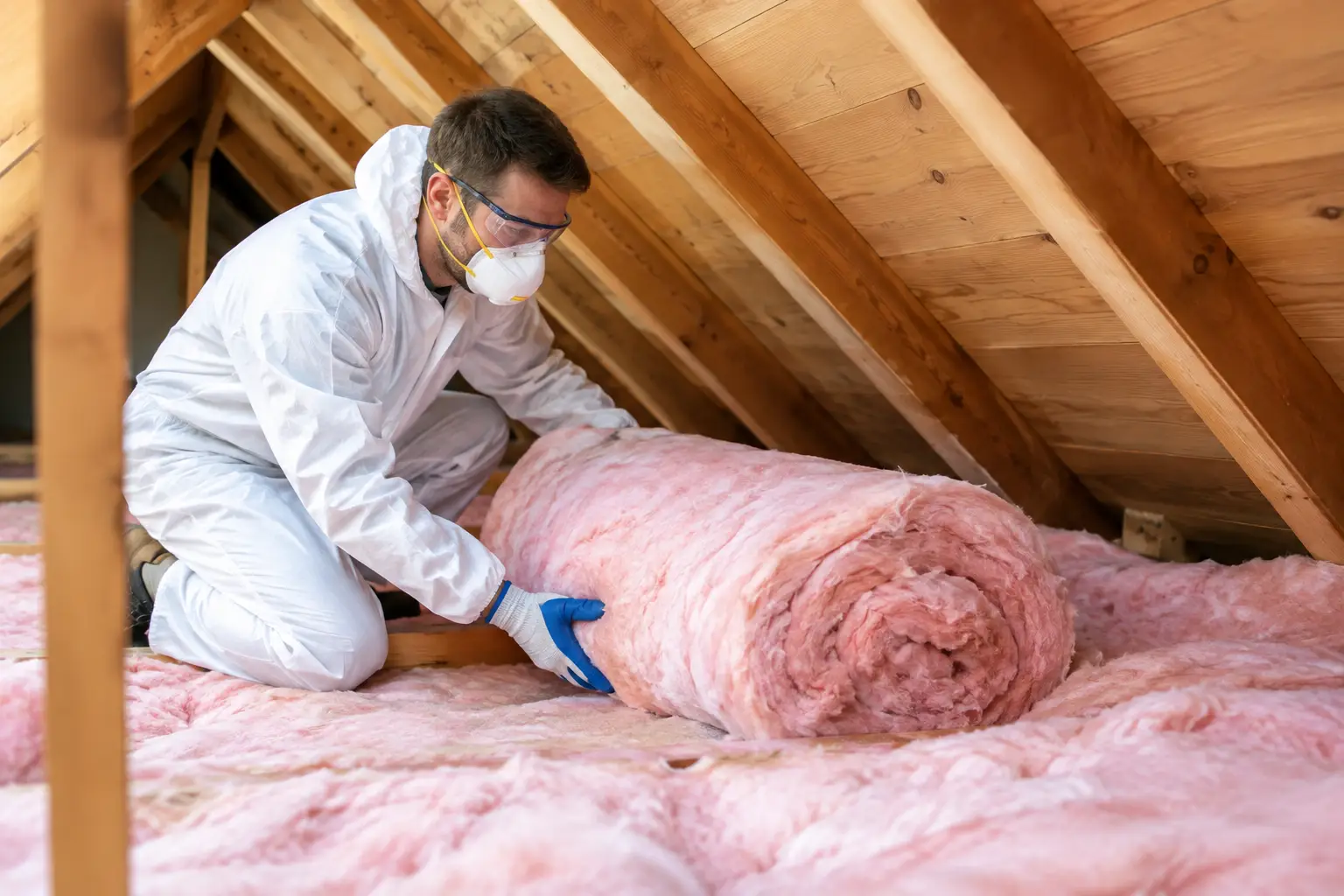
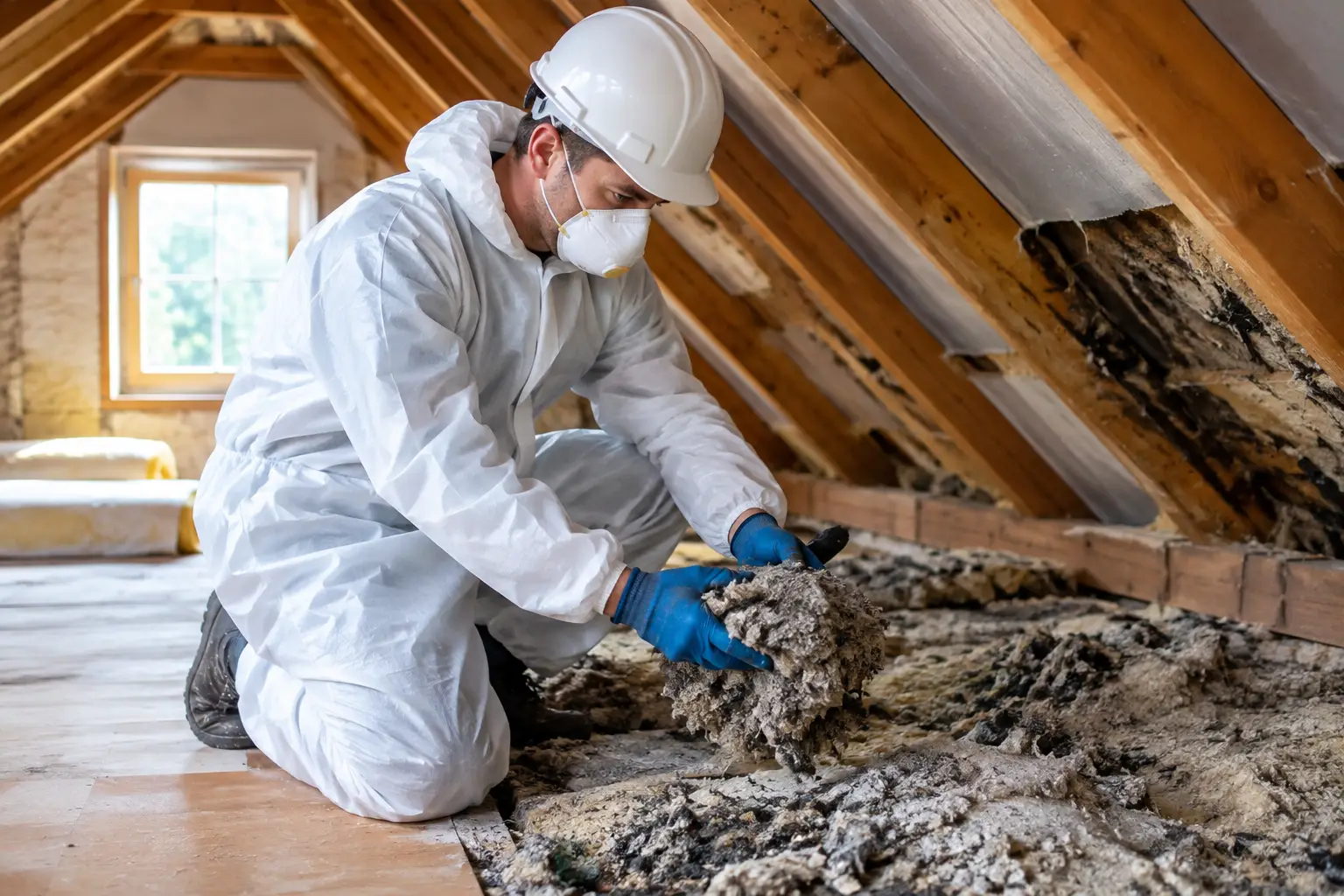
Employees should not sweep or vacuum dry droppings into the air. Restrict access to the contaminated area, use appropriate protective equipment, and follow a controlled cleaning process. For larger contamination events, nesting material, or carcasses in hard-to-reach areas, professional cleanup and disinfection are the safer choice.
Rodents also create electrical and fire concerns. Chewed wiring near compressors, charging stations, control panels, and mechanical equipment is not a minor maintenance issue. Shut down access to damaged equipment as appropriate and have qualified personnel inspect the area.
Keep food and break areas separate from stock
Break rooms attract rodents because crumbs, snacks, coffee supplies, and overflowing trash provide an easy meal. Keep employee food in sealed containers, clean under appliances and vending machines, and avoid storing employee snacks in lockers or desks for long periods.
If the warehouse handles edible goods, pet products, or animal feed, treat every damaged package as a priority. Rodents can move between the exterior, garbage area, loading dock, and inventory racks in a single night.
Remove Rodents With a Controlled Plan
Trapping should be targeted, documented, and monitored. Randomly placing a few traps in open areas rarely solves an established infestation. Rodents travel along edges, behind stored goods, near wall voids, and along utility pathways, so devices need to be placed where activity is confirmed.
The right approach depends on the species, the number of animals, the building layout, and the type of inventory. Mice often nest within wall cavities, ceiling voids, rack bases, and insulation. Rats may be active around dumpsters, drains, crawl spaces, foundations, or dock areas before entering the warehouse. A facility with multiple fresh sightings or recurring evidence needs more than a one-time trapping visit.
Avoid using loose poison inside an active warehouse environment. Rodenticides can create secondary risks, leave rodents dead in inaccessible walls or ceilings, and lead to severe odor and insect problems. In facilities with food, pets, public access, or sensitive stock, the control method requires even greater care.
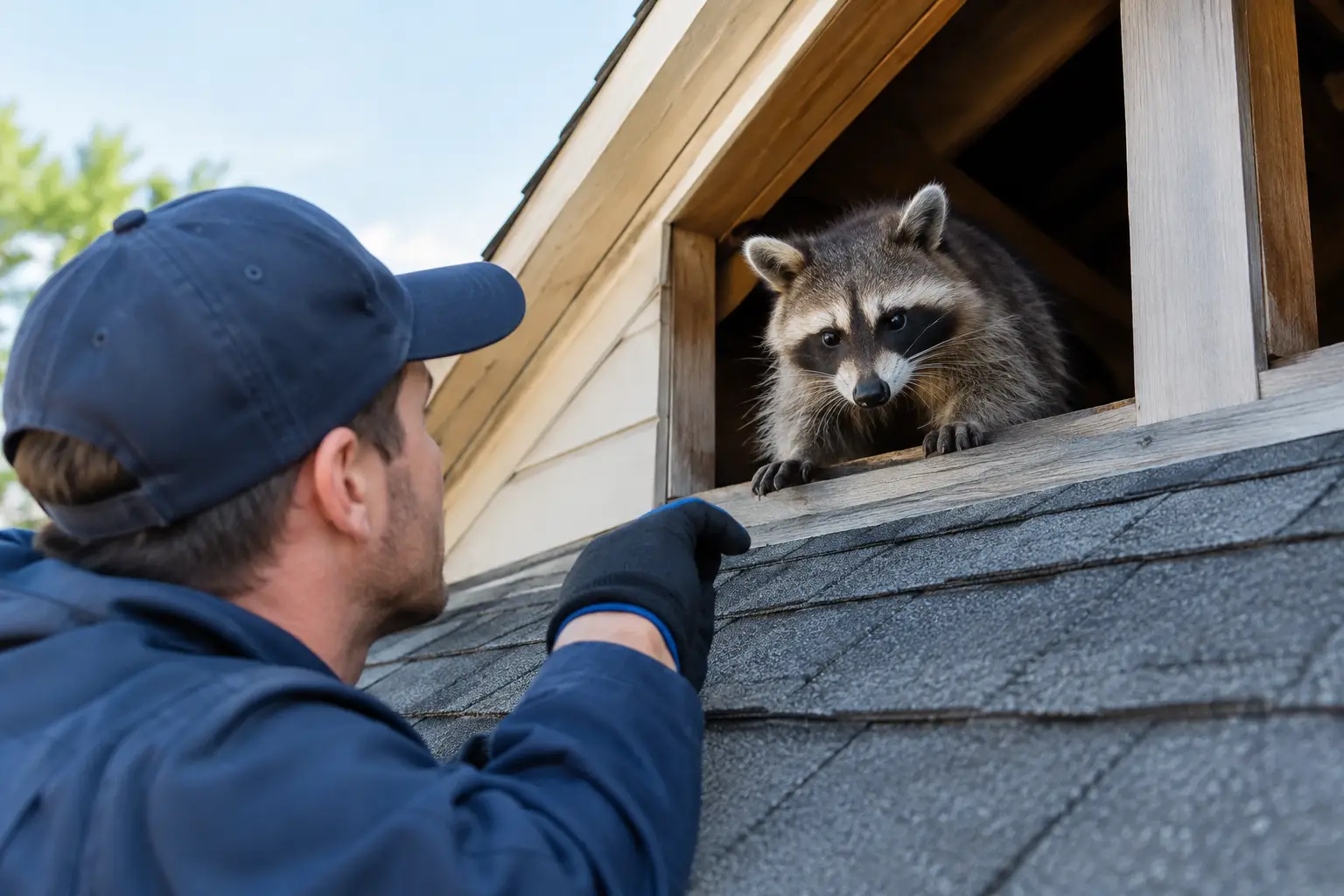
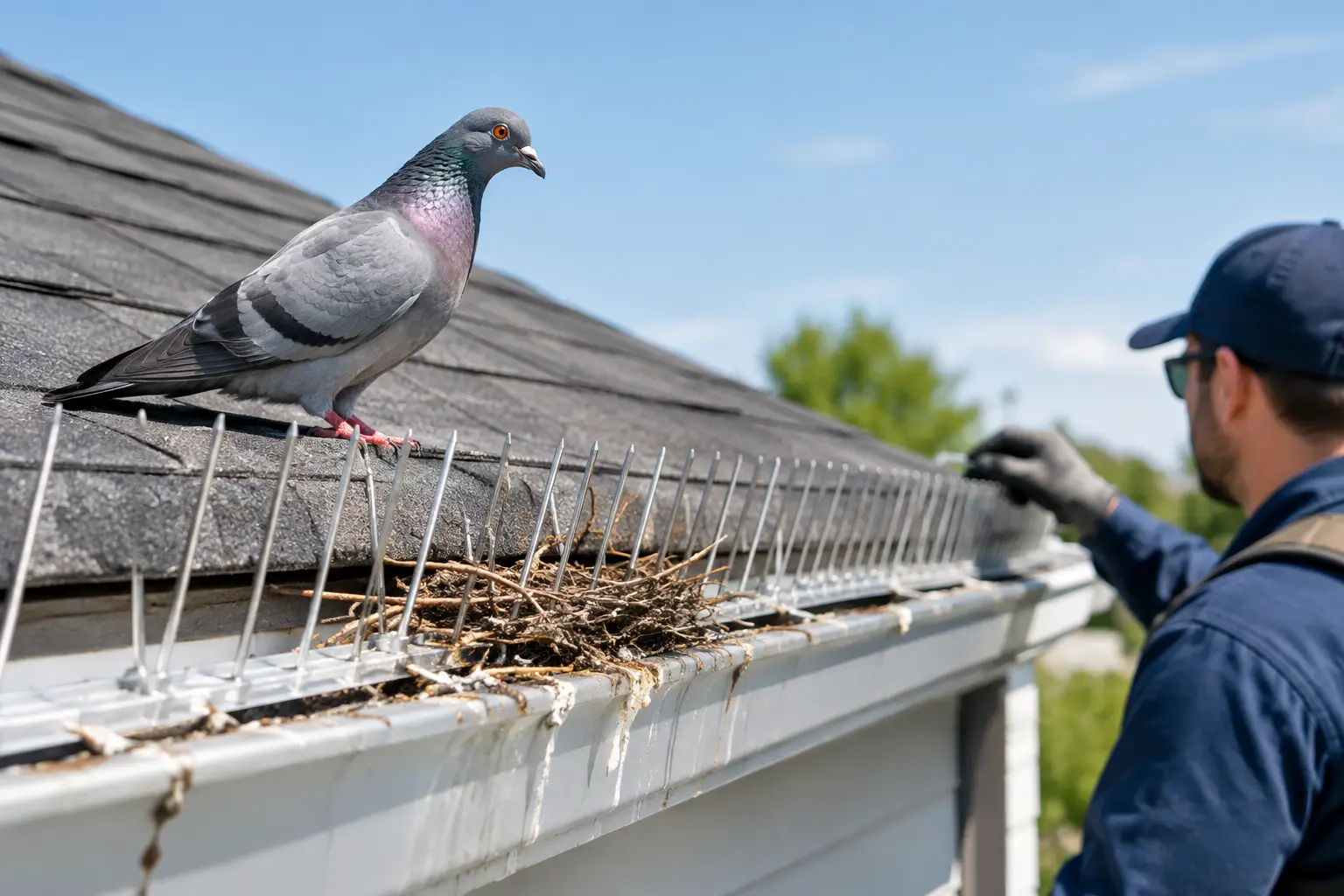
Professional wildlife and rodent control technicians can identify travel routes, use appropriate trapping methods, remove carcasses, and establish follow-up monitoring. Humane handling and species-specific methods matter, especially when an apparent rodent issue also involves squirrels, birds, or other animals entering through the same damaged areas.
Seal the Building After Activity Is Controlled
Exclusion is what keeps a warehouse from becoming a repeat service call. Do not rush to close every opening before an inspection confirms how rodents are entering and whether animals remain inside. Sealing an active rat or mouse population into wall cavities can shift the problem, create odors, and lead to new interior damage.
Once activity is under control, repair entry points with materials rodents cannot easily chew through. Common repairs include replacing door sweeps, repairing dock doors, sealing gaps around pipes and conduit, screening vents, securing roof and wall penetrations, and repairing damaged siding, masonry, or foundation openings.
Rooflines deserve attention. Rodents can climb utility lines, vegetation, stacked materials, and exterior structures to reach upper-level gaps. Trim vegetation away from walls, keep stored materials off the exterior perimeter, and correct drainage issues that leave standing water near the building.
Do not overlook the exterior trash area
Dumpsters, compactors, grease areas, and recycling bins can support a rodent population that later enters through the nearest dock or wall opening. Keep waste containers closed, clean spilled debris beneath them, and position them away from the building when site conditions permit. If the enclosure has gaps, damaged gates, or accumulated clutter, it may be functioning as rodent shelter.
Maintain Records and Reinspect
A warehouse rodent program should be measurable. Keep inspection notes, trap service records, employee reports, photos of damage, sanitation corrections, and exclusion repairs in one location. This protects the facility during audits and helps management see whether activity is declining or simply moving.
Reinspect after repairs, after major deliveries, after construction work, and after severe weather. In New York City and New Jersey, dense commercial areas, aging buildings, shared walls, and busy trash corridors can make rodent pressure persistent. A neighboring tenant’s waste issue or a construction disturbance may change conditions quickly.
If you see fresh droppings after trapping, hear activity above a suspended ceiling, find repeated package damage, or spot rodents during daytime operations, treat it as an active escalation. Daytime sightings can indicate strong population pressure or a disrupted nesting area.
A clean warehouse is only part of the answer. The facility also needs a sealed perimeter, controlled waste, disciplined reporting, and professional follow-through when activity is confirmed. For urgent infestations, Animal Control NYC & NJ can inspect the property, remove rodents, sanitize affected areas, and help close the openings that put your inventory and operations at risk.