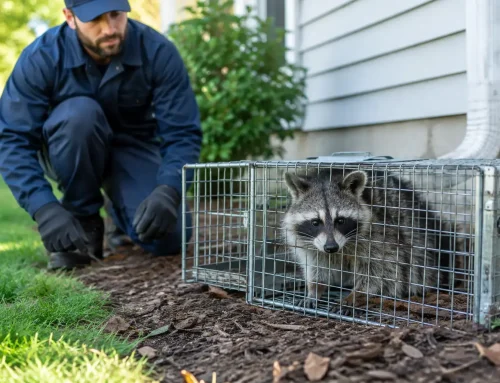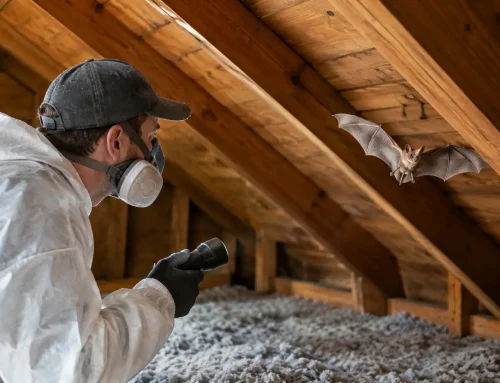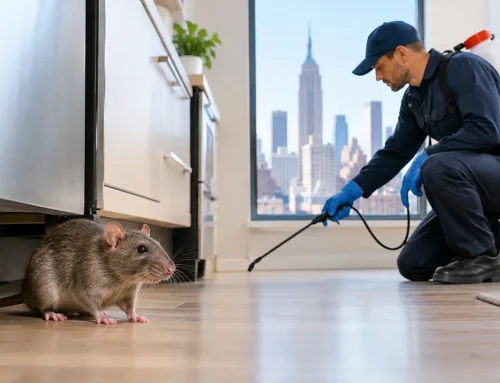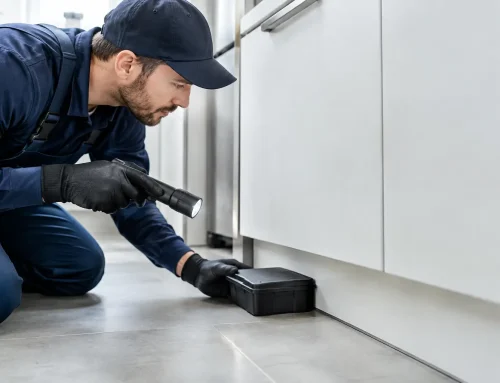
A raccoon on a roof is rarely just passing through. When one keeps returning after dark, it has likely found a food source, a protected route, or an opening that leads to a warm attic. Understanding what attracts raccoons to roofs helps NYC and New Jersey property owners act before a nighttime visitor becomes an attic infestation.
Raccoons are strong climbers with sensitive paws, excellent memories, and a practical approach to shelter. A roof gives them height, cover from traffic and people, and access to weak points around vents, chimneys, soffits, and gutters. For a mother raccoon looking for a den, those features can be more appealing than a hollow tree.
What attracts raccoons to roofs in the first place?
The short answer is opportunity. Raccoons are drawn to properties that offer easy climbing access, dependable food, and an entry point that is easier to use than it is for the property owner to notice. In dense neighborhoods, where natural den sites are limited, a roof and attic can become prime real estate.
1. Accessible garbage, pet food, and outdoor food sources
Food may be on the ground, but raccoons often travel across roofs to reach it safely. Overflowing trash cans, unsecured dumpster lids, bird feeders, fallen fruit, compost, and pet food left outside can all establish a regular feeding route.
Once a raccoon learns that a property provides food, it may inspect the roofline for a place to sleep or raise young. This is especially common behind restaurants, multi-unit buildings, and homes where garbage is set out overnight. Removing food attractants matters, but it may not solve the problem if the animal has already entered the structure.
2. Tree branches and vines that create a roof bridge
Overhanging limbs are one of the most common ways raccoons reach a roof. They can climb trunks, jump short distances, and use thick vines, fences, stacked materials, or attached sheds as a pathway upward.
A branch does not need to rest directly on the roof to be a problem. If a raccoon can jump from it to the gutter or shingles, it is close enough. Trimming access points can reduce repeat roof traffic, but it should be done carefully and only after confirming that no raccoon is denning inside.
3. Weak roof vents, soffits, and attic openings
A roof is attractive when it offers an easy way inside. Raccoons commonly target plastic roof vents, loose soffit panels, damaged fascia boards, uncapped chimneys, and gaps where utility lines or roof additions meet the main structure.
Their paws are dexterous, and their strength is often underestimated. A small loose section of siding or vent cover may be pulled apart and enlarged quickly. Once inside, a raccoon can tear insulation, crush ductwork, damage wiring, and contaminate the attic with urine and droppings.
4. Warm, quiet attic space
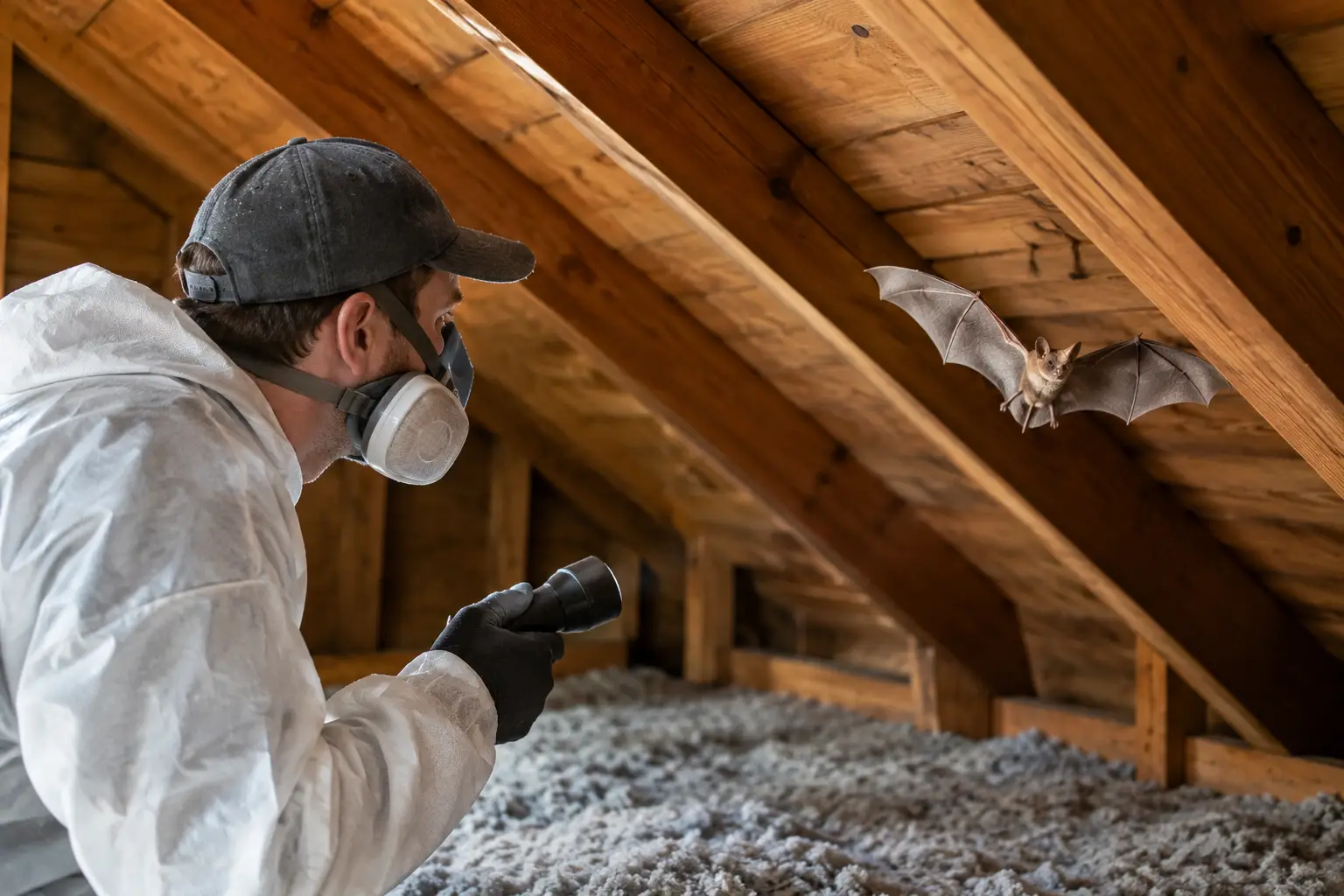
An attic offers warmth in winter, shade in summer, and protection from rain, predators, and human activity. For a female raccoon, it can also provide a secluded nursery site during spring and early summer.
This is why hearing heavy footsteps, thumping, or chattering at night should not be ignored. Mice and squirrels can make noise in an attic, but raccoons are larger. Their movement often sounds like a person walking overhead, especially when they are pulling nesting material or moving through insulation.
5. Gutters holding water, debris, or nesting material
Clogged gutters can make a roof more inviting. Standing water gives wildlife a reliable drink, while wet leaves and built-up debris create cover near vulnerable roof edges. Gutter guards are helpful when properly installed, but they are not a substitute for sealing roof-level entry points.
Raccoons may also pull apart loose gutter sections or use them as a handhold while investigating the fascia and soffit. If gutters are sagging, separated from the roofline, or packed with debris, schedule repairs before the damage becomes an access route.
6. Chimneys and uncapped flues
A chimney can resemble a hollow tree to a raccoon. An uncapped flue offers a dark, vertical shelter that is particularly tempting during denning season. Even a chimney with a damaged cap or loose screening can become accessible.
Do not light a fireplace or attempt to smoke an animal out if you suspect a raccoon is in the chimney. That can injure the animal, create a fire or carbon monoxide risk, and leave a dead animal inside the flue. Professional removal and a properly fitted chimney cap are the safer solution.
7. Previous damage that was never fully repaired
Raccoons return to places that have worked before. A temporary patch, foam-filled hole, loosely fastened mesh, or vent cover installed without inspecting the surrounding roofline may fail when an animal tests it again.
The same is true after a prior wildlife problem. Odors from urine, droppings, or nesting material can signal that a den site was successful. Full cleanup, sanitization, odor control, and durable exclusion repairs help prevent another raccoon from claiming the same attic.
Why roof raccoon activity can become an urgent problem
A raccoon on the roof does not always mean one is in the attic. Still, waiting for visible damage is a costly gamble. Raccoons can create entry holes large enough for other wildlife, including squirrels, rats, and birds. They can also leave contamination in insulation and void spaces that is difficult to address after the fact.
Health risks are another concern. Raccoon droppings can contain parasites, and contact with wildlife waste should be treated carefully. Avoid sweeping dry droppings, handling nesting material without protection, or allowing children and pets near areas where a raccoon has been active.
For landlords and property managers, roof wildlife issues can also become tenant complaints fast. Scratching in ceilings, odors, leaks caused by damaged vents, and animals visible near trash areas affect both habitability and property operations.
What to do when raccoons are on your roof
Start by observing from a safe distance. Note where the animal climbs up, where it disappears, and whether activity occurs around a roof vent, chimney, eave, or attic access area. Do not climb onto the roof at night, corner a raccoon, or block an opening if there may be babies inside.
Secure outdoor garbage, bring in pet food, and clean up spilled birdseed or fallen fruit. These steps reduce the reason for a raccoon to keep visiting, but they should be paired with a professional inspection if roof activity is repeated.
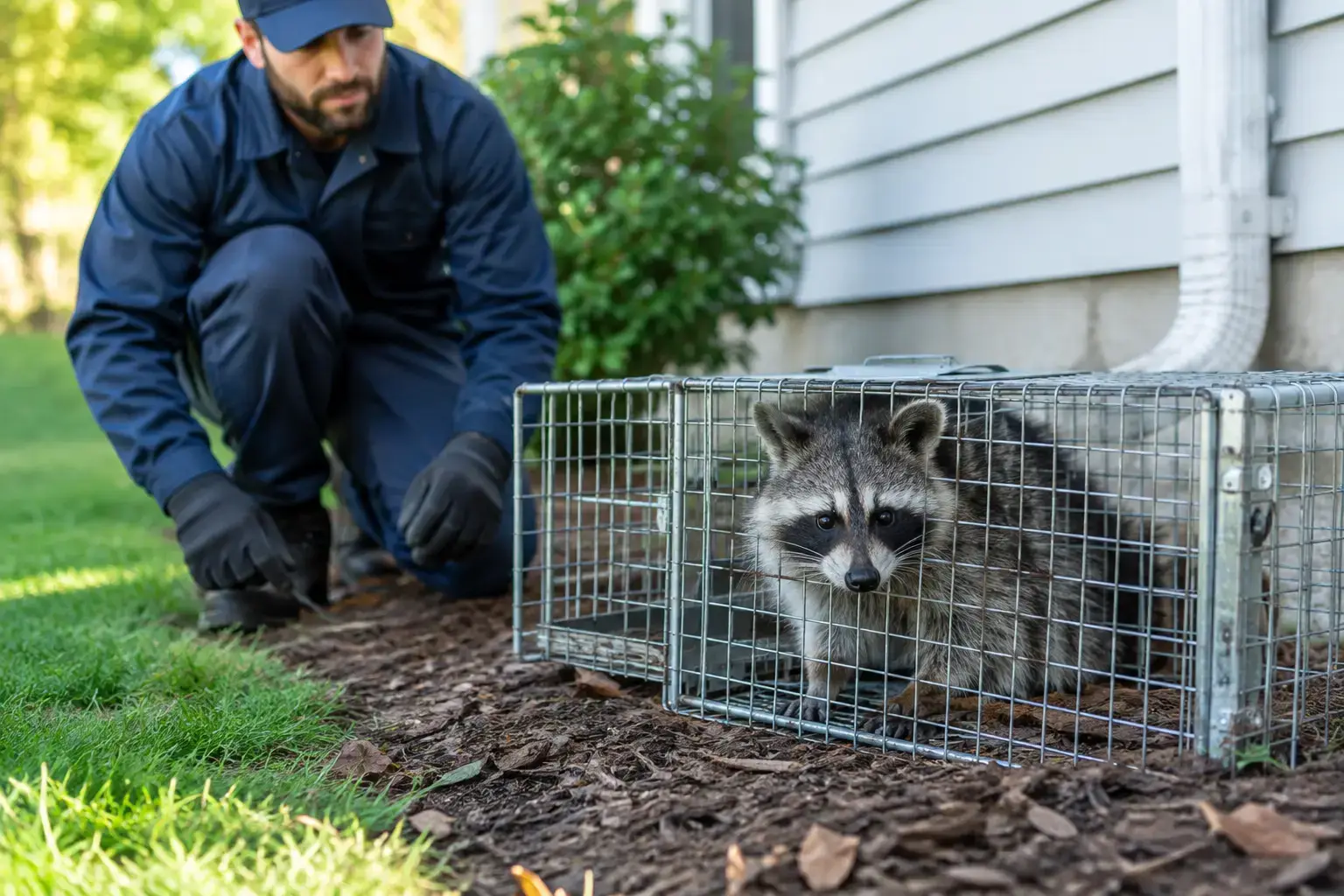
A qualified wildlife technician can identify active entry points, determine whether a mother and young are present, remove the animals humanely, and install exclusion materials designed for the specific weak points on the structure. The order matters. Sealing first can trap animals inside and turn a nuisance issue into odor, damage, and animal welfare problems.
Roof repairs that actually deter raccoons
Effective raccoon prevention is not one-size-fits-all. A detached home with mature trees needs a different approach than a brownstone, apartment building, warehouse, or restaurant property. However, durable work usually focuses on reinforced roof vents, secured soffits and fascia, chimney caps, repaired gutter lines, and exclusion at gaps around the roof perimeter.
Repairs should use materials raccoons cannot easily tear, bend, or pull loose. Screening must be properly fastened, not simply placed over a hole. Any damaged insulation or contaminated attic material may also need removal so odors and health concerns are addressed instead of covered up.
Animal Control NYC & NJ provides humane raccoon removal, attic cleanup, exclusion, and damage repair for properties across New York City and New Jersey. A full inspection is the best way to determine whether you are seeing occasional roof traffic or an active attic den.
If you hear heavy nighttime movement, see damaged vents, or spot a raccoon using the same route repeatedly, treat it as an early warning. Addressing the access point now is far easier than rebuilding an attic after a family of raccoons has settled in.