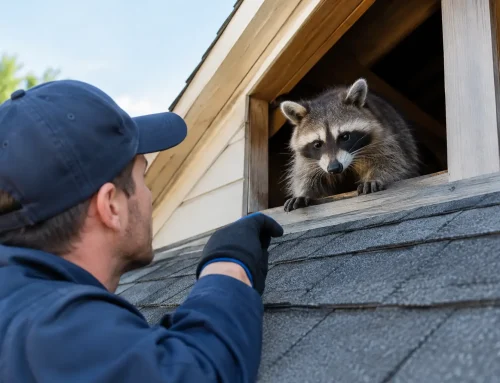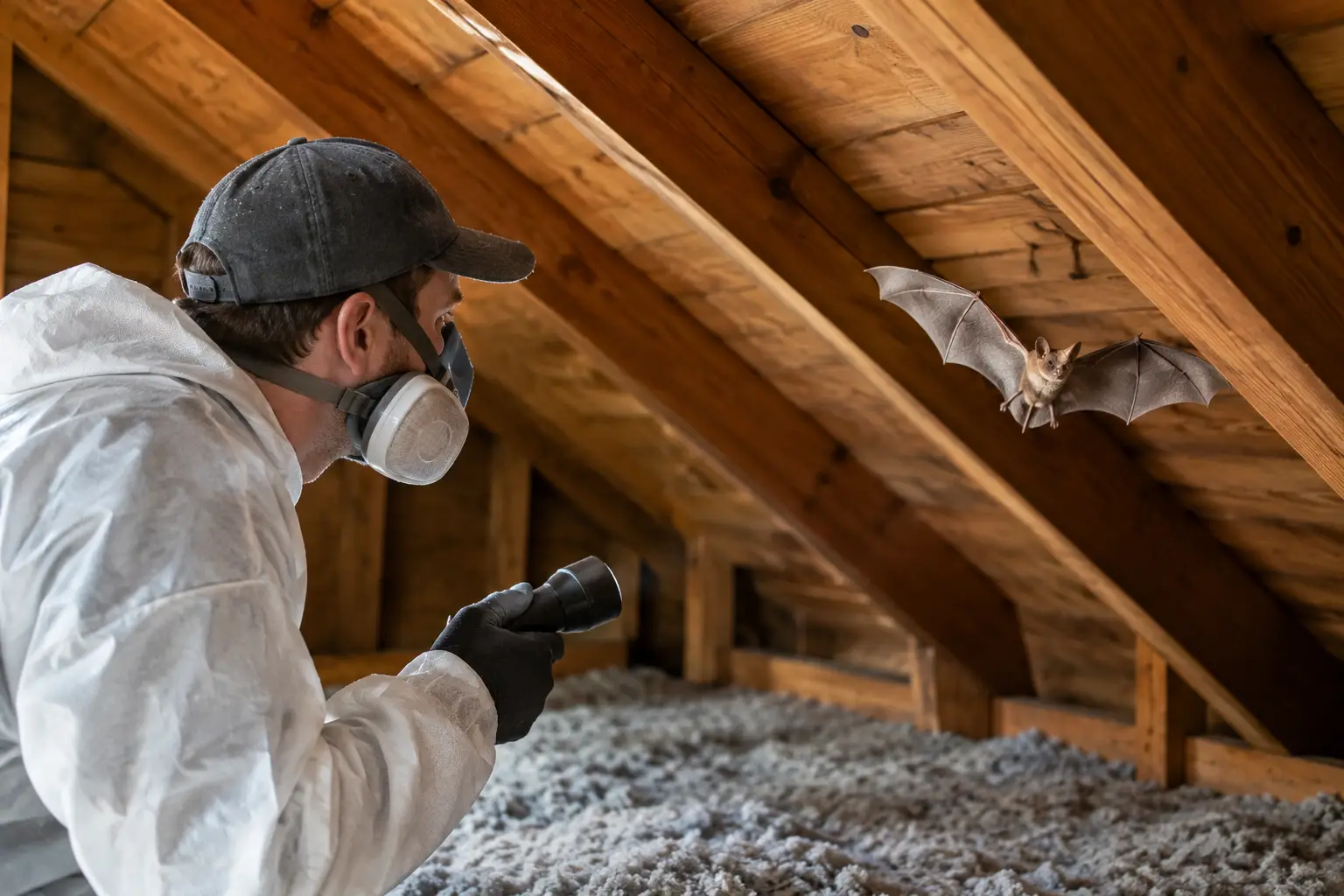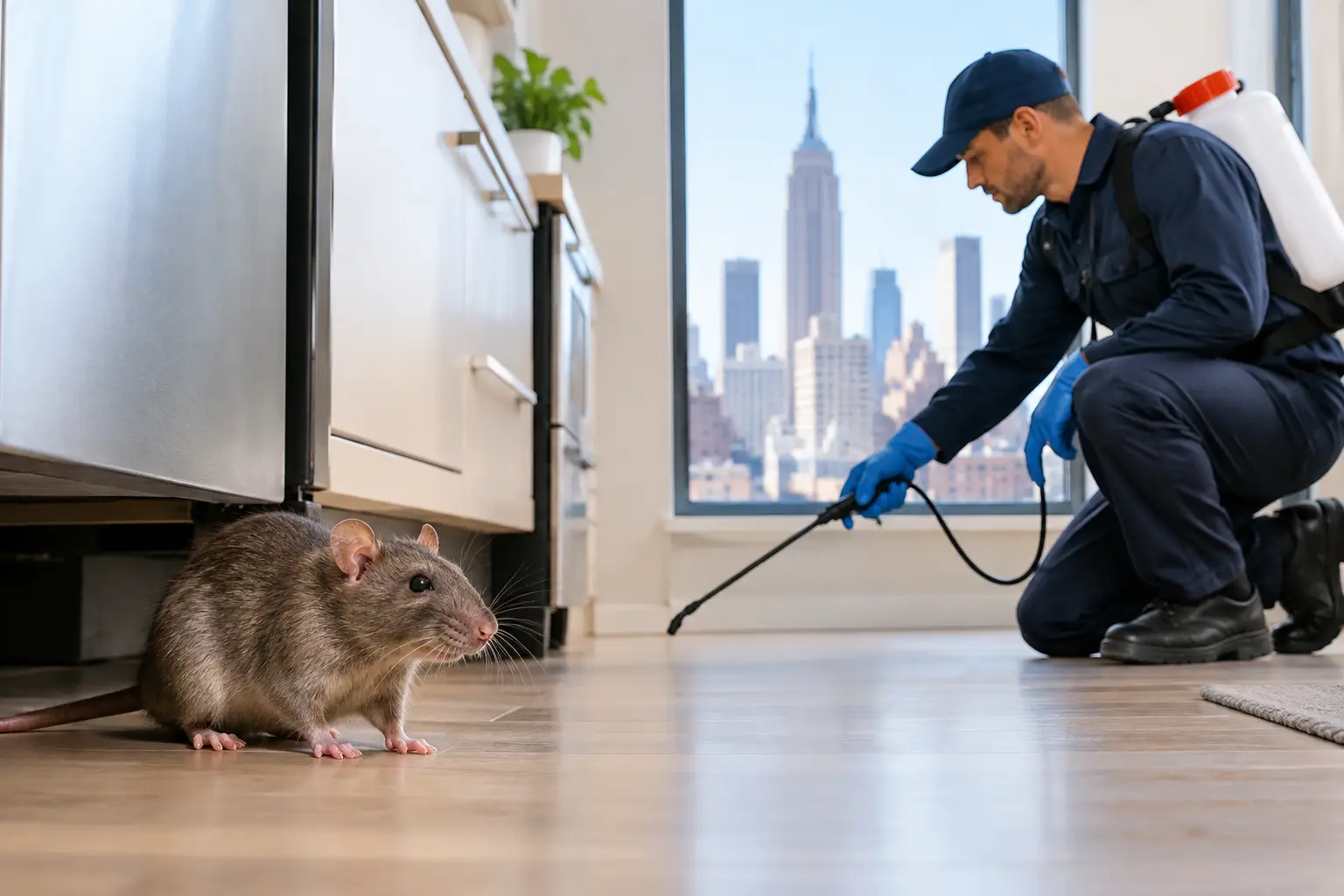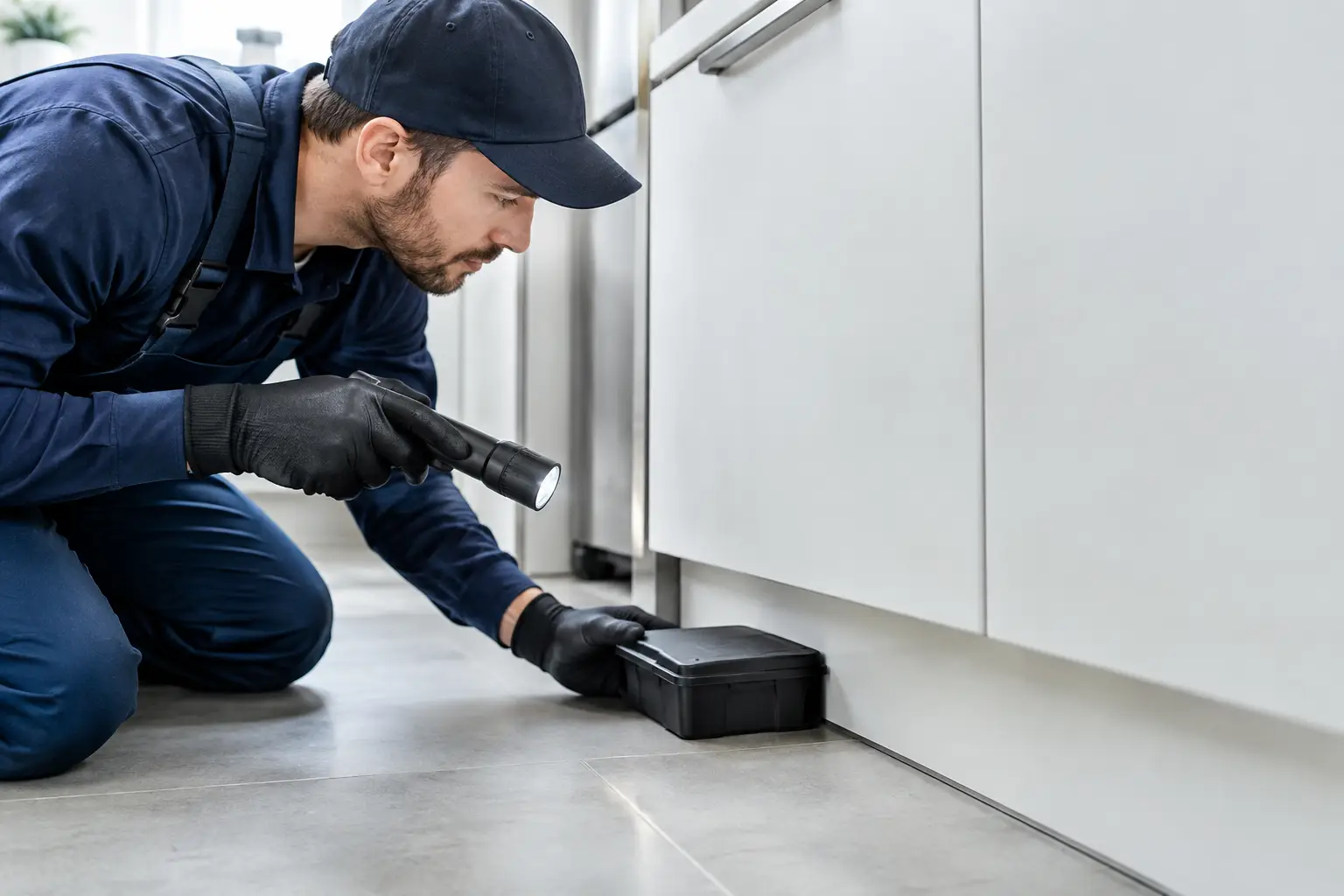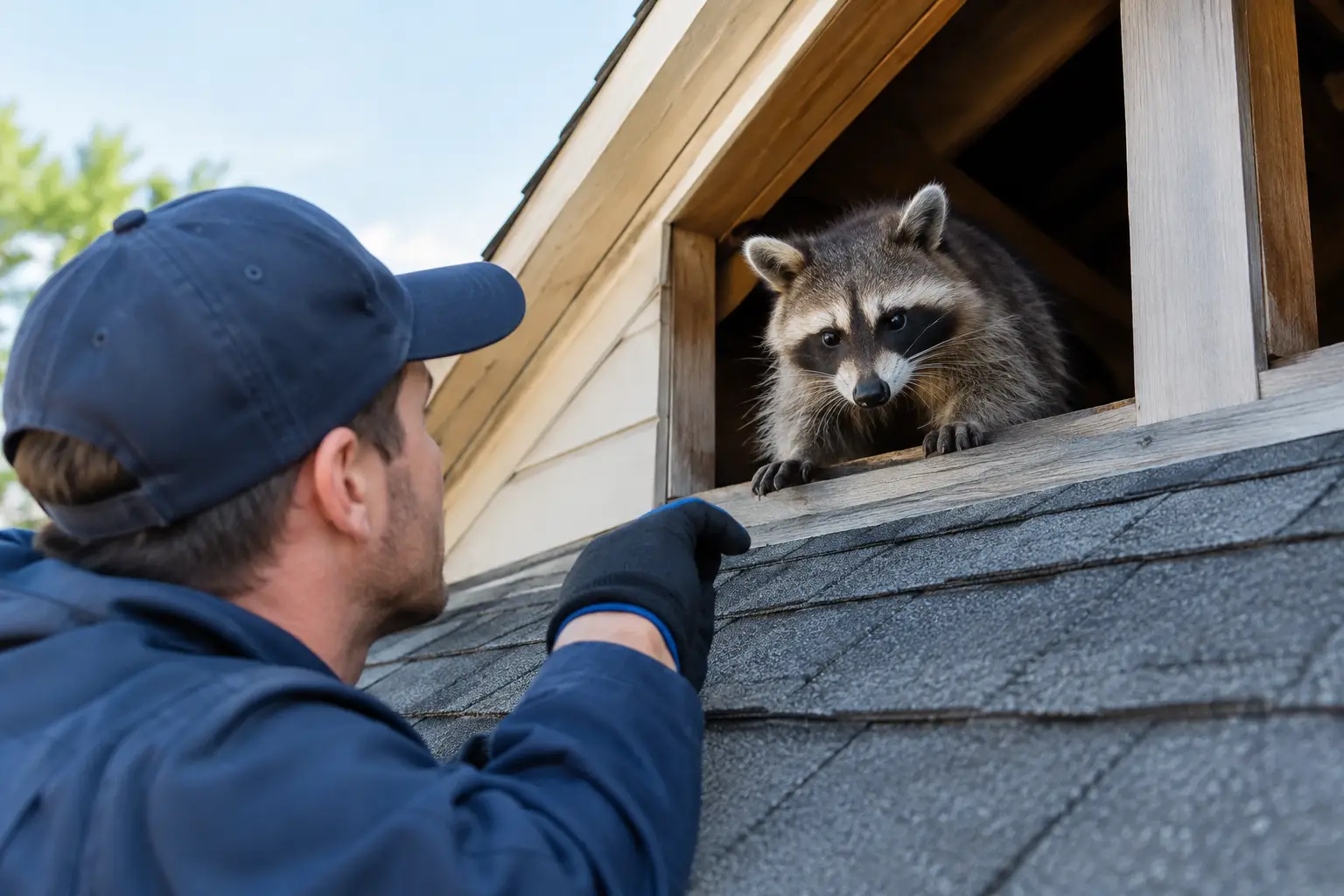
A raccoon in the attic is not a problem to watch for a few days. The scratching overhead, damaged soffit, torn ductwork, and strong odor can get worse quickly, especially when a mother raccoon has babies nearby. Professional raccoon trapping services address the immediate animal intrusion, but the real goal is to return the property to a clean, secure condition that does not invite the next raccoon in.
For homeowners, landlords, property managers, and business operators across New York City and New Jersey, a complete response matters. Removing one raccoon without locating the entry point or cleaning contaminated materials can leave the same structure vulnerable within days.
Why Raccoons Choose Homes and Buildings
Raccoons are resourceful, strong, and exceptionally good climbers. In dense NYC neighborhoods, suburban NJ communities, and commercial areas with accessible food waste, they find plenty of reasons to stay close to people. A loose roof vent, open chimney, damaged fascia board, uncapped pipe, or gap along a soffit can become an easy route into an attic or wall void.
Once inside, raccoons look for warmth, cover, and a quiet space to nest. Attics, crawl spaces, garages, sheds, and areas beneath decks offer all three. Spring and early summer are especially sensitive periods because a female may be denning with kits. That changes the removal plan. Trapping an adult without considering dependent young can create noise, odor, and animal welfare problems inside the structure.
Outside, unsecured garbage, pet food, bird feeders, fallen fruit, and accessible dumpsters can keep raccoons returning night after night. The food source should be addressed, but food control alone rarely solves an active attic or roof intrusion.
Signs You Need Raccoon Trapping Services
Raccoons are usually active at night, so many property owners first hear the problem after dark. Their movement is heavier and more deliberate than the light scurrying commonly associated with mice. You may hear thumping, dragging, vocal sounds, or persistent scratching above a ceiling or inside a wall.
Physical evidence often appears around the exterior. Look for bent attic vents, torn screens, damaged shingles, loose siding, claw marks, or an opening near the roofline. Raccoons can pull apart weak materials and enlarge small gaps, particularly around ridge vents and eaves.
Indoors, stains on ceilings, foul odors, droppings, insulation disturbance, and damaged air ducts can point to a longer-term issue. Do not handle droppings, nesting material, or a dead animal without proper protection. Wildlife waste can contain parasites and bacteria, and contamination may spread through insulation or HVAC pathways.
For multi-family and commercial properties, the warning signs may be tenant reports, recurring trash-area activity, ceiling damage, or complaints about noise near a top-floor unit. Waiting can turn a contained problem into a maintenance, sanitation, and tenant-relations issue.
What Professional Raccoon Trapping Services Should Include
Effective raccoon removal is a process, not a trap left on a property. The work begins with a detailed inspection of the building and surrounding conditions. A trained wildlife technician identifies likely travel routes, access points, signs of babies, and damage that could permit re-entry.
The trapping strategy depends on the property, season, and animal behavior. Placement must protect people, pets, and non-target wildlife while giving the raccoon a realistic path to enter. Professionals also follow applicable wildlife regulations and handle animals humanely. DIY trapping can create legal issues, increase the risk of bites or exposure, and fail if the animal is not the only one using the entry point.
After removal, the property needs follow-through. A complete service plan may include:
- Inspection of the attic, roofline, vents, crawl space, and exterior access areas
- Humane trapping and removal based on the conditions at the site
- Identification and removal of nesting materials or animal remains when needed
- Sanitization and odor treatment for affected spaces
- Insulation removal or replacement when contamination is extensive
- Exclusion repairs such as vent covers, ridge-vent protection, chimney caps, and sealing of entry points
Not every job requires every step. A raccoon caught entering through a damaged garage soffit may need focused repair and cleanup. A family that has lived in an attic for weeks may require attic restoration, contaminated insulation removal, disinfection, and more extensive proofing.
Why Sealing Too Soon Can Make the Problem Worse
A common mistake is closing the hole as soon as raccoon activity is discovered. If an adult or young animal is still inside, sealing an entry point can trap it in the attic, wall, or crawl space. The result may be louder damage, a dead animal odor, or a desperate raccoon finding a new way into the living space.
Timing matters even more during denning season. A professional inspection helps determine whether babies are present and whether the mother is using a single route to access them. The correct approach protects the property while avoiding separation issues that can lead to ongoing noise and contamination.
Exclusion work should be completed when the structure is clear and the right materials can be installed correctly. Flimsy mesh, foam alone, or a loosely attached cover is not a lasting raccoon repair. These animals are capable of pulling, chewing, and climbing around weak fixes.
The Damage Goes Beyond the Noise
Raccoon damage can be expensive because it often occurs where property owners cannot easily see it. Insulation can be crushed, saturated, or contaminated. Air ducts may be torn apart. Electrical wiring can be exposed or disturbed. In crawl spaces, damaged vapor barriers and waste buildup can affect indoor air quality.
There is also a health and safety concern. Raccoons may carry fleas, ticks, and other parasites, while their droppings can contaminate surfaces and insulation. Direct contact should always be avoided. If a raccoon appears injured, unusually aggressive, disoriented, or active during unexpected hours, keep people and pets away and call for professional assistance.
At Animal Control NYC & NJ, the service approach is built around full property recovery: inspection, humane removal, cleanup, sanitation, and repairs coordinated as one job. That means property owners do not have to chase separate contractors after the animal is gone.
What to Do While You Wait for Help
Keep the area calm and do not attempt to corner a raccoon. If it is inside a living area, close interior doors if you can do so safely, move pets away, and give the animal a clear separation from people. Never try to grab it, use poison, or block it into a confined room.
For an attic or roof issue, avoid climbing onto the roof or opening a suspected den area. Do not seal holes, set traps, or disturb nesting materials before the property has been inspected. If you have outdoor trash, secure the lids and remove pet food from exterior areas. These steps may reduce additional activity, but they will not replace removal and exclusion.
Document visible damage from a safe distance. Photos of a bent vent, torn soffit, or staining can help explain the situation during a service call and may be useful for property records.
When Raccoon Removal Is an Emergency
Some calls should not wait. Request immediate help if a raccoon is inside an occupied room, trapped in a chimney or wall, injured on the property, threatening pets, or causing active damage that could create a roof leak or electrical hazard. Property managers should also act quickly when raccoon activity affects common areas, tenant units, food-service spaces, or building access.
A fast response is especially valuable when you hear ongoing attic activity and suspect young animals are present. The longer raccoons remain, the more likely cleanup and restoration needs will expand.
If you hear heavy movement above the ceiling tonight or see a damaged vent at the roofline, treat it as an active property issue. Professional help can remove the immediate threat, protect the animals from improper handling, and close the weaknesses that brought them in.