When you hear scratching above the ceiling at 2 a.m., find a raccoon in the soffit before tenants arrive, or smell a dead animal spreading through a hallway, you are not dealing with a problem that can wait. 24 hour emergency wildlife removal is built for exactly these situations – fast response, safe handling, and a complete plan to stop the damage from getting worse.
In New York City and New Jersey, wildlife emergencies move quickly. A squirrel in the attic can tear insulation and chew wiring overnight. A bird issue in a vent can affect air movement and sanitation. Bats, raccoons, rats, and opossums do not stay politely contained once they get into a structure. By the time most property owners notice the signs, the problem is already active.
That is why emergency service has to mean more than showing up with a trap. The right response starts with finding entry points, identifying the species, protecting people on site, and making sure the job does not turn into a repeat visit a week later.
What counts as a wildlife emergency?
Not every animal sighting is an emergency, but many building intrusions are. If an animal is inside occupied living space, trapped in a wall, circling inside a commercial building, or creating an immediate health or safety issue, the clock matters. The same is true when there is a strong odor from a dead animal, visible contamination, damage to vents or roofing, or aggressive behavior around entry points.
For homeowners, the most common emergencies involve raccoons in attics, squirrels in ceilings, bats in living areas, birds entering vents, and rats moving through walls or crawl spaces. For landlords and property managers, the trigger is often tenant complaints, noise at night, sanitation concerns, or visible animal activity around rooflines, courtyards, garages, and utility areas. For commercial properties, urgency goes up fast when wildlife threatens operations, customer areas, storage zones, or building systems.
It also depends on timing. A minor issue on a weekday afternoon can become a true emergency overnight if weather changes, young animals are present, or access points widen. Waiting usually increases cleanup costs and repair scope.
Why 24 hour emergency wildlife removal matters
Wildlife problems are different from standard maintenance calls because the source is active, mobile, and unpredictable. Animals do not stop moving because it is late, a weekend, or a holiday. If anything, many nuisance species are more active after dark, which is exactly when property owners realize they need help.
A real emergency response protects more than comfort. It helps limit contamination from droppings and urine, reduce the chance of bites or scratches, prevent additional structural damage, and keep one intrusion from becoming a nest site. Fast action also matters for liability. In multifamily buildings, retail locations, offices, and mixed-use properties, delays can lead to tenant complaints, health concerns, and avoidable building damage.
The other reason speed matters is species behavior. A raccoon denning in an attic requires a different approach than a squirrel using a roof gap as a travel route. A bat issue may involve legal and seasonal restrictions depending on conditions. A dead animal inside a wall is not solved the same way as live animal trapping. Emergency work is not one-size-fits-all, and a rushed but incorrect response can make the situation worse.
What to expect from 24 hour emergency wildlife removal
Professional emergency service should begin with an on-site assessment, not guesswork over the phone. The first job is to locate the animal activity, identify likely access points, and determine whether the issue involves one animal, a nesting situation, or a wider infestation. In dense urban and suburban properties across NYC and NJ, more than one issue may be happening at once.
Immediate control and humane removal
Once the source is confirmed, the response should focus on humane removal and site safety. That may involve live trapping, one-way exit devices, hand removal of nesting materials where appropriate, or species-specific control methods based on the structure and the law. Humane handling is not just the right approach – it is also practical, because it reduces panic behavior and lowers the risk of animals scattering deeper into walls, ducts, or inaccessible voids.
Cleanup, sanitation, and odor control
Removal alone is rarely enough. Wildlife leaves behind urine, droppings, nesting debris, food waste, parasites, and odor. In attics, crawl spaces, and wall cavities, that contamination can affect air quality and attract new animals. Dead animal removal is especially time-sensitive because odor spreads fast and can seep into occupied areas.
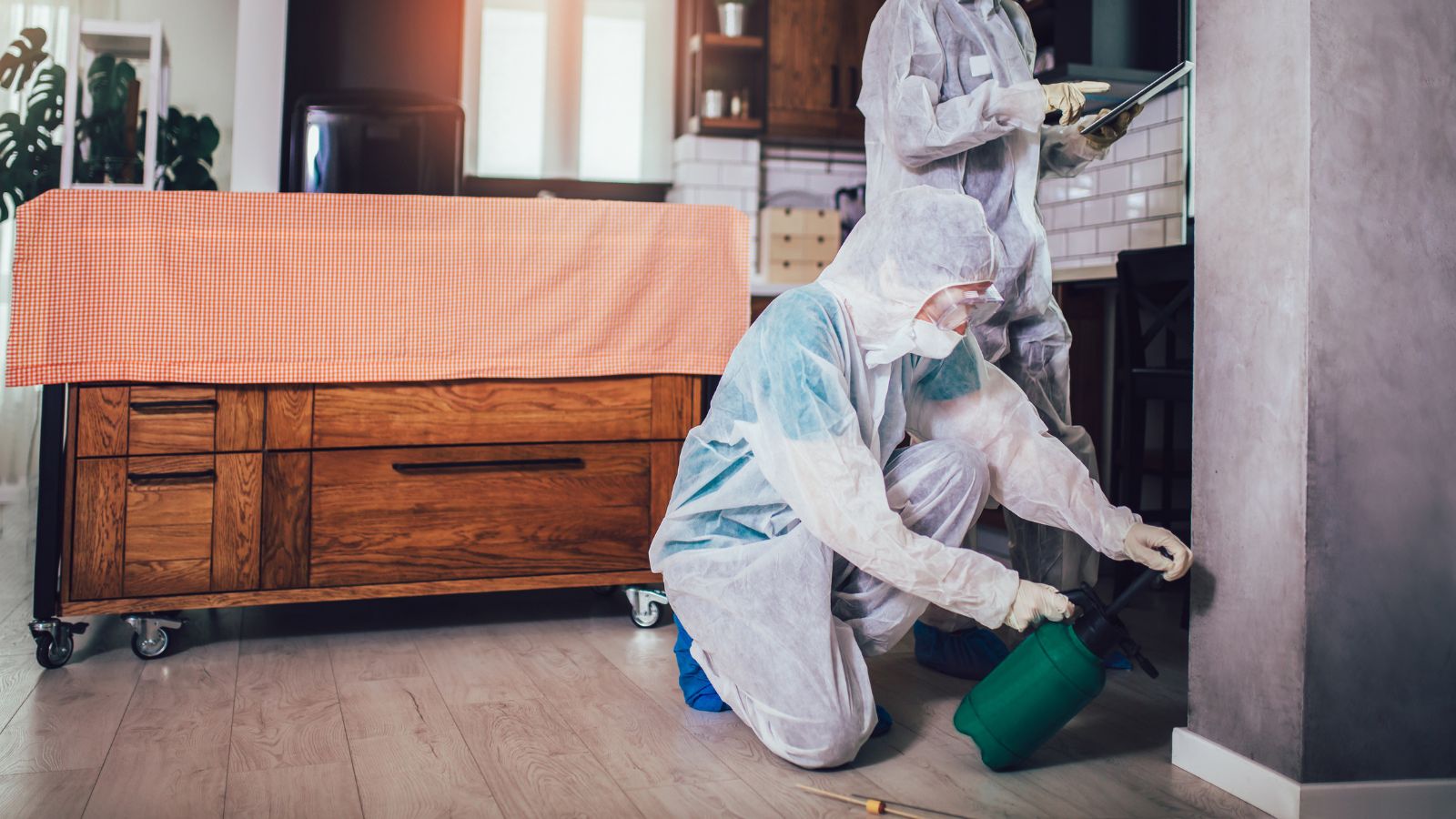
A professional response should include disinfection and removal of contaminated materials when needed. If insulation is damaged or saturated, replacement may be part of the job. This is where many low-cost operators fall short. They remove the animal but leave the mess, and the property owner is forced to hire someone else for the recovery work.
Exclusion and repair
The final phase is what prevents the callback. Wildlife gets in because a building has a vulnerability – damaged soffits, open ridge vents, loose flashing, torn screens, roof gaps, uncapped chimneys, broken crawl space access, or other weak points. Emergency removal without exclusion is temporary.
A full-service provider should be able to seal openings, protect vents, address roofline entry points, and recommend repair work based on the actual path of intrusion. In some cases, that means attic restoration, crawl space sealing, gutter protection, or proofing around solar panels and exterior utility penetrations.
Common emergency wildlife calls in NYC and NJ
Raccoons are one of the most destructive emergency calls because they are strong, persistent, and often enter attics through roofing or soffit damage. They can tear ductwork, compress insulation, and create heavy contamination fast. Squirrels are smaller but often cause expensive damage by chewing wood and wiring.
Bats require a careful response because the handling process depends on where they are located and whether there may have been human exposure. Birds in vents or commercial structures create noise, droppings, and sanitation problems. Rats and mice move quickly through dense building environments and can turn a localized issue into a wider infestation if access points are not closed.
Dead animal removal is another urgent category that many property owners underestimate. Odor is not just unpleasant. It can affect occupied units, common areas, retail spaces, and work environments, and it often signals hidden contamination inside a wall, ceiling, crawl space, or mechanical area.
How to choose the right emergency wildlife company
If you need immediate help, the wrong hire can cost you time and money. Look for a company that handles more than trapping. Emergency wildlife work should include inspection, humane removal, cleanup, sanitizing, exclusion, and repair options. If the provider cannot address the damage after removal, you may end up coordinating multiple contractors during an already stressful situation.
You also want local experience. Wildlife pressure in NYC and NJ is different from less dense markets. Rooflines, row homes, multifamily buildings, brownstones, warehouses, restaurants, and mixed-use properties all create unique access patterns. A company that understands local building types will usually diagnose the problem faster and secure it more effectively.
Animal Control NYC & NJ is built around that full-service model – emergency response, humane removal, and property recovery handled under one roof. That matters when the goal is not just to get the animal out, but to get the building back to safe condition without delay.
What you should do before help arrives
Keep people and pets away from the area as much as possible. Do not corner the animal, try to trap it yourself, or block the only visible exit unless you have been told to do so by a professional. If the issue involves a room inside the home, close interior doors when safe and give the animal space.
If you notice entry points, fresh droppings, strong odor, or visible damage, document what you see. That can help speed up the inspection once the technician arrives. But avoid climbing onto roofs, reaching into wall voids, or handling nesting material. Wildlife emergencies are easy to underestimate until someone gets hurt or contamination spreads.
The best time to call is as soon as you know the problem is active. Waiting until morning, the next business day, or after a tenant sends a second complaint usually means more damage, more cleanup, and a harder removal.
When wildlife gets into a structure, the real emergency is not just the animal – it is the damage, contamination, and risk that keep growing while you wait.