When you hear scratching in the attic at 2 a.m. or find droppings in a crawl space before tenants arrive, you do not need a lecture on wildlife. You need humane animal control that removes the animal safely, protects people on the property, and fixes the conditions that allowed the problem to start.
That distinction matters more than most property owners realize. A raccoon in the soffit, birds in a vent, bats in the attic, or rats behind a commercial wall are not just nuisance issues. They can create contamination, structural damage, odor problems, noise complaints, and ongoing entry points that turn one incident into a repeat call. Humane service is not simply about being kind to the animal. It is about using the right process so removal is effective, lawful, and less likely to make the situation worse.
What humane animal control really means
In the field, humane animal control means more than setting a trap and leaving. It starts with identifying the species, locating active entry points, checking for young animals, and choosing a removal method that fits the situation. That matters because what works for a squirrel in an attic does not work for bats in a roost, and what works for a single groundhog does not fit a rat infestation in a multifamily building.
A humane approach also avoids the shortcuts that create bigger problems. Poisoning wildlife inside a structure can leave dead animals in walls, trigger odor issues, attract insects, and create secondary health concerns. Sealing an opening before all animals are out can trap them inside, leading to panic damage, noise, and carcass removal later. For mothers with young, poor timing can separate animals and leave dependent babies in insulation, chimneys, or wall voids.
Professional humane control focuses on removal, exclusion, cleanup, and repair as one connected job. If the animal is removed but the entry hole stays open, the problem is incomplete. If the opening is sealed but contaminated insulation is left behind, the property is still not restored. That is why experienced wildlife control is different from basic pest work.
Humane animal control is only effective when the whole property is addressed
A lot of failed jobs have the same pattern. The animal is gone for a few days, but the smell remains, droppings are still present, vents are unsecured, or roofline gaps were never repaired. Then the same species, or a new one, moves right back in.
For homeowners, this can mean recurring attic noise, damaged ductwork, ruined insulation, and expensive repairs that grow month by month. For landlords and property managers, it can mean tenant complaints, sanitation issues, and pressure to resolve the problem quickly without disrupting occupancy. For commercial properties, especially restaurants, warehouses, and mixed-use buildings, delayed action can turn into health concerns and business risk.
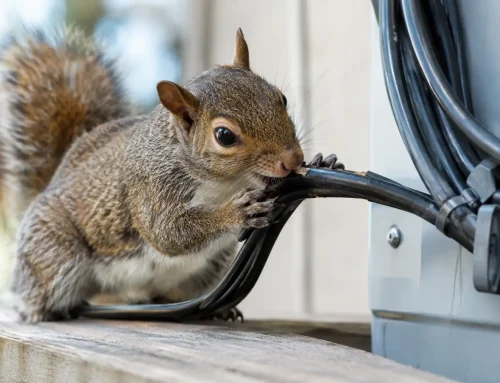
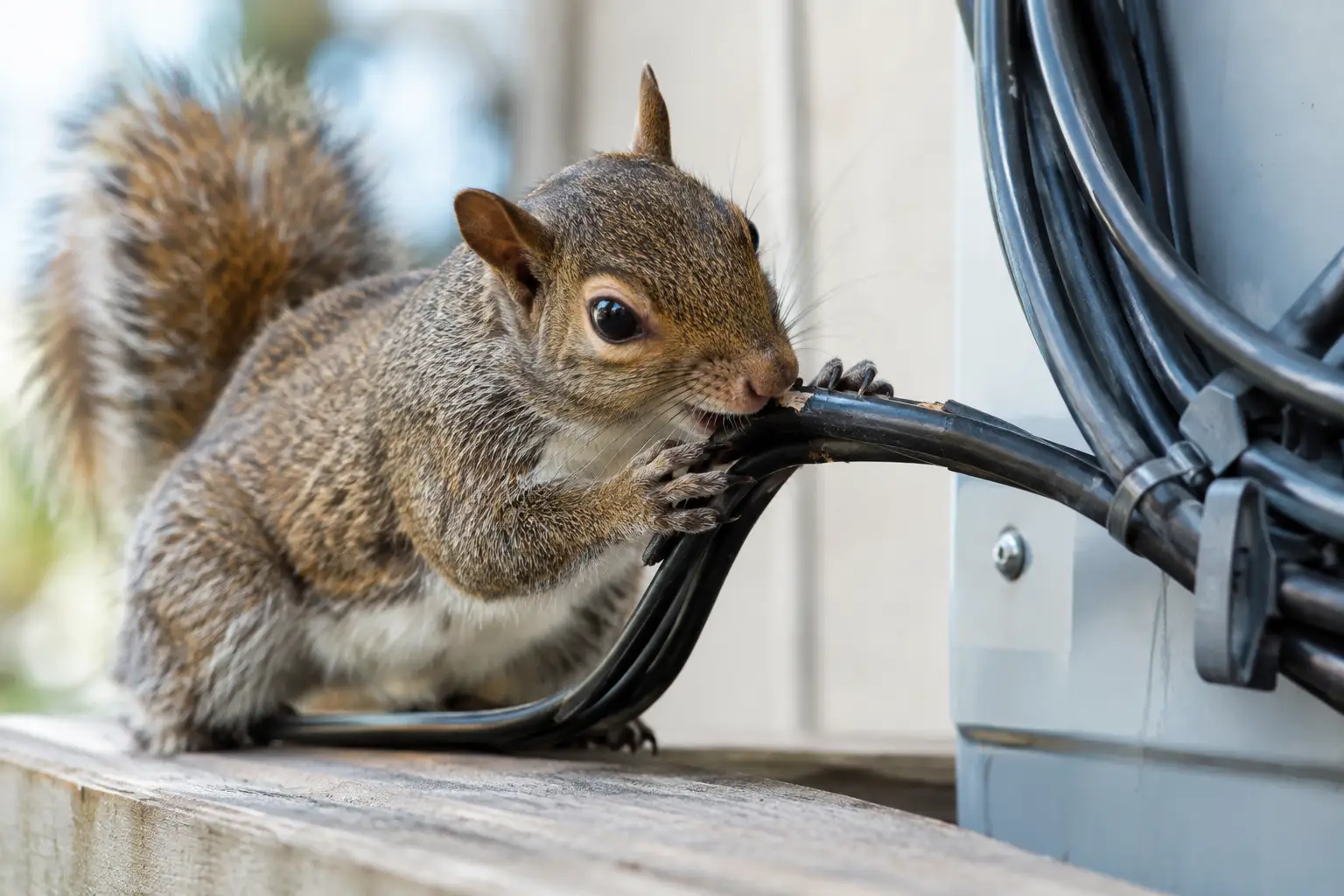
That is why humane wildlife control has to go beyond capture. A complete service should include a full inspection, species-specific removal, sanitation where needed, and exclusion work to close vulnerable gaps. In some cases, the real cost is not the animal itself. It is the nesting damage, urine-soaked insulation, torn vent covers, chewed wiring, and contaminated crawl spaces left behind.
Different animals require different humane methods
There is no one-size-fits-all approach, especially in New York City and New Jersey where properties range from row homes and apartment buildings to warehouses, retail sites, and suburban homes with attics, decks, sheds, and solar panels.
Raccoons and squirrels
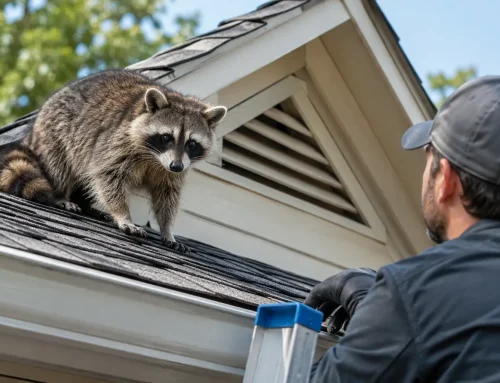
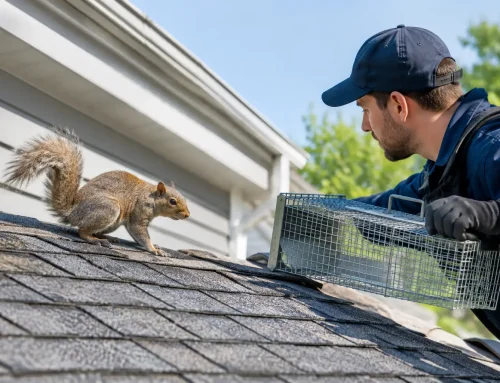
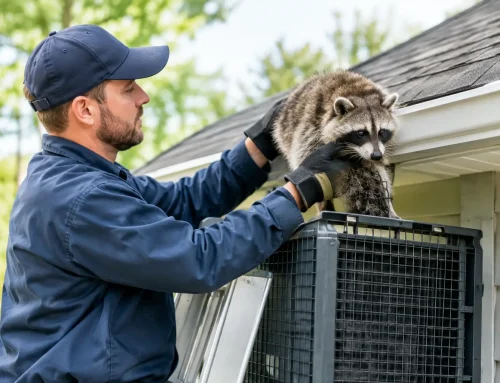
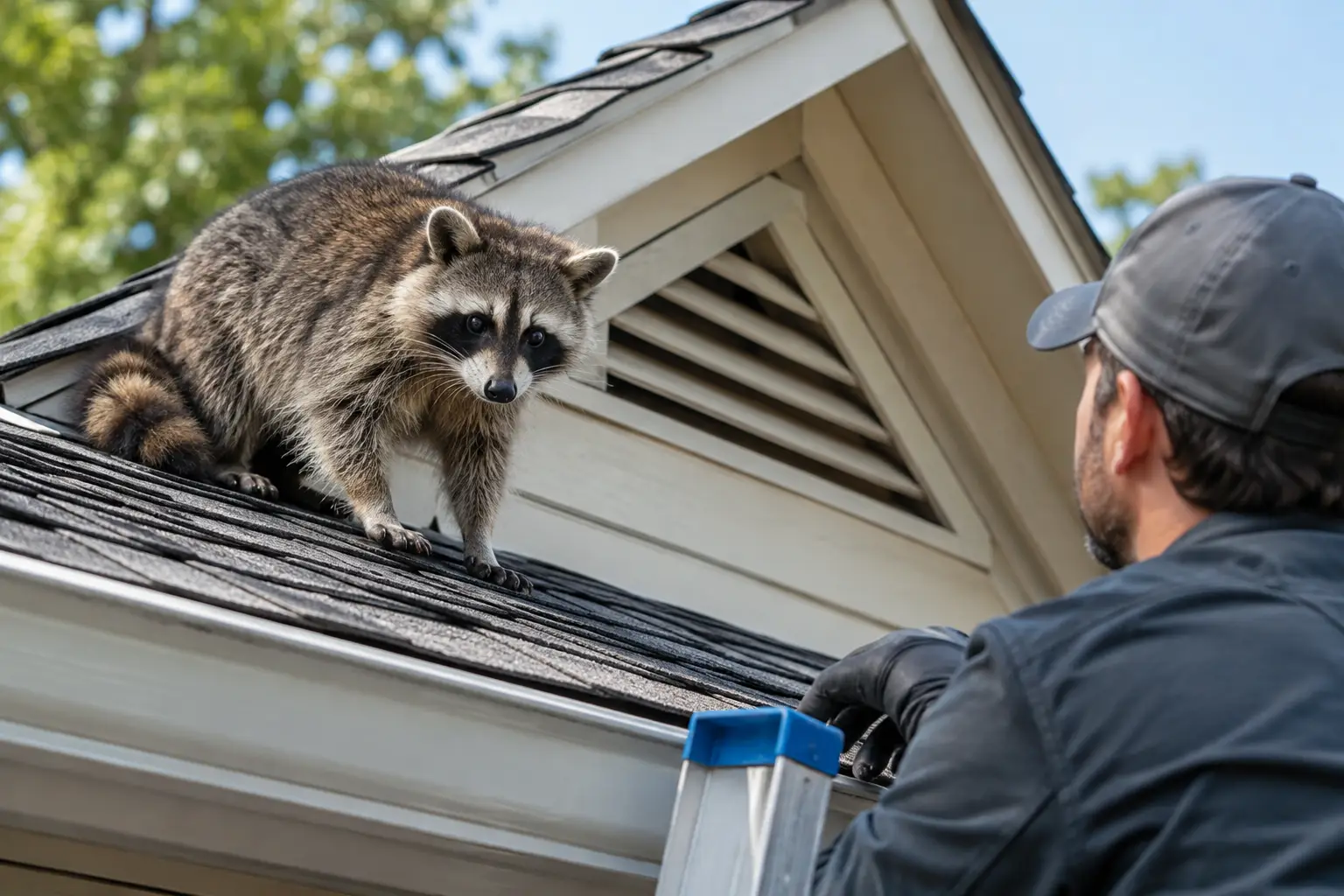
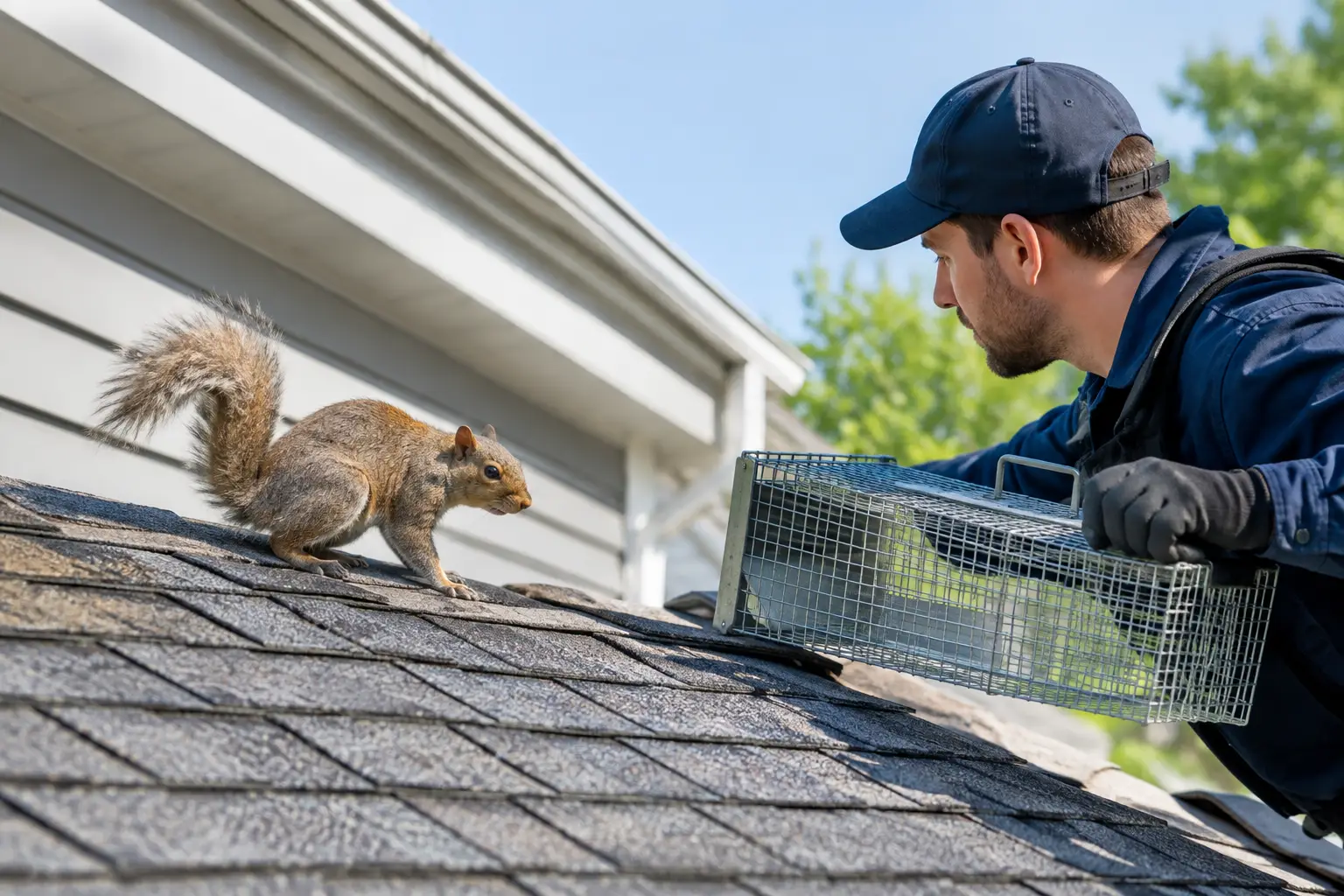
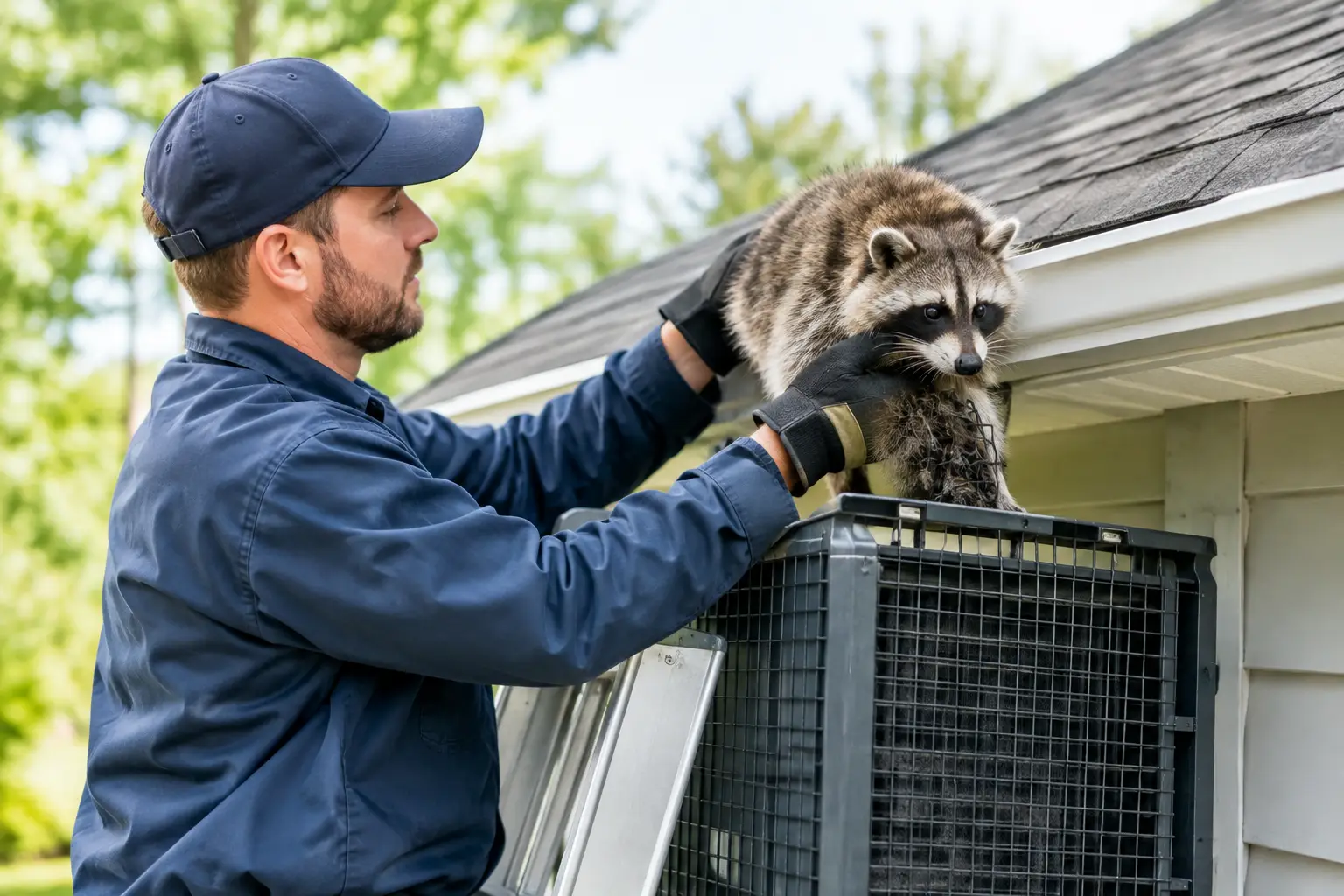
Raccoons and squirrels often target attics, roof edges, chimneys, and soffits. Humane removal depends on identifying whether there is a nesting female, how the animal is entering, and what damage has already been done. Immediate sealing is not always the first step. First, the animals must be removed safely and completely. Then the openings can be secured and damaged areas repaired.
Bats and birds
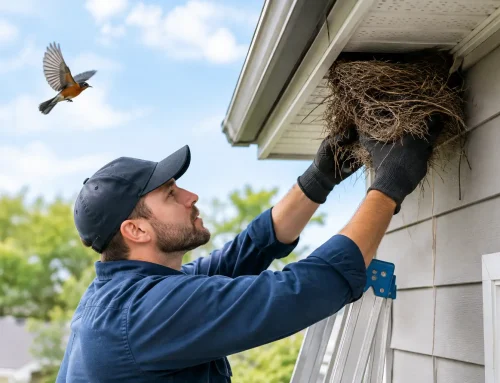
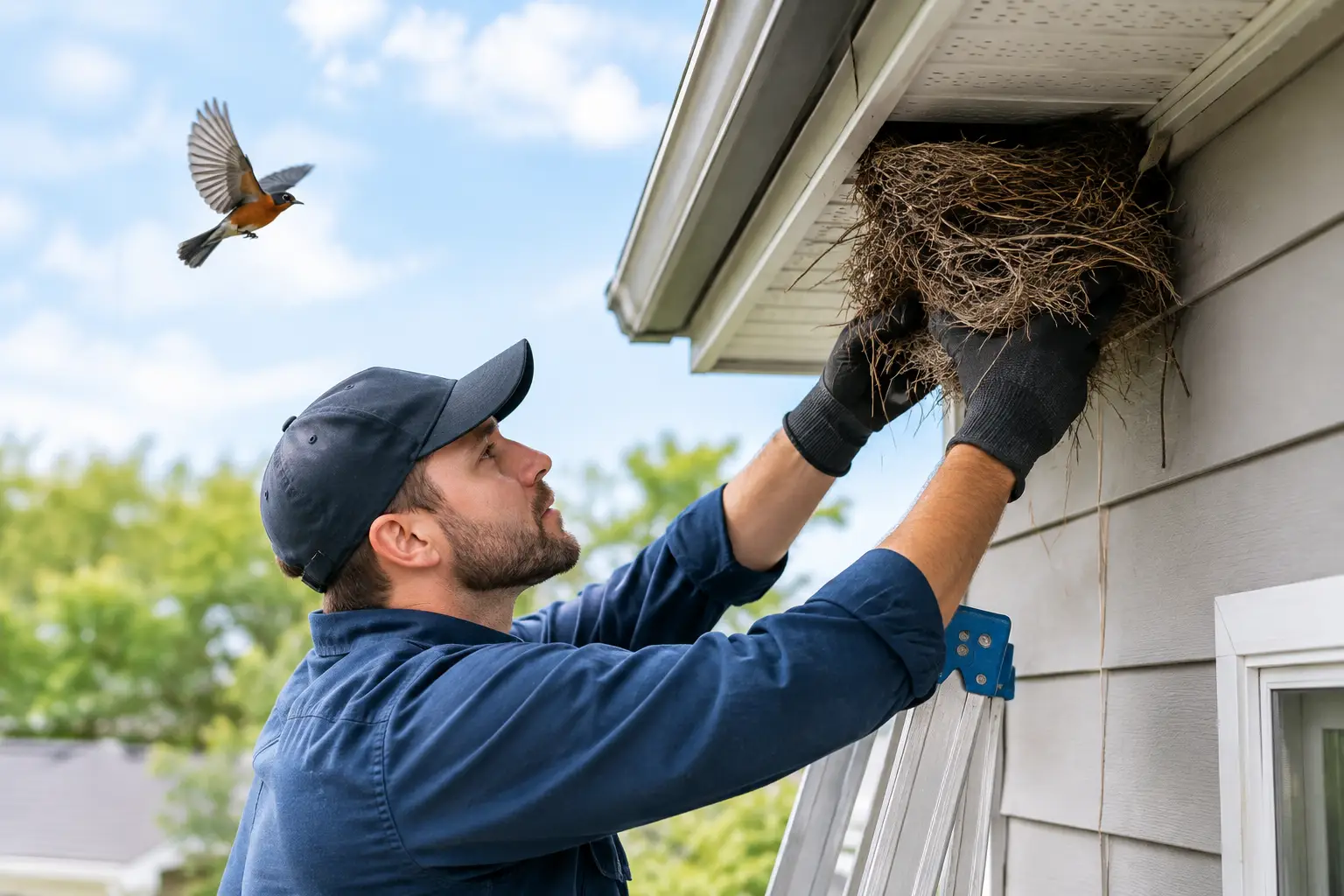
Bats and birds require careful handling because exclusion timing and structural conditions matter. With bats especially, the wrong approach can create legal and safety issues. Birds nesting in vents, signs, rooftops, or commercial façades also need a controlled removal plan followed by proofing so the same ledges and openings do not stay attractive.
Rats and mice
Rodents are often grouped into standard pest control, but serious infestations in walls, basements, crawl spaces, or commercial structures often require deeper structural work. Humane control here means reducing suffering while also addressing the harborage and access points that support the infestation. Simply placing bait or traps without sealing gaps, correcting sanitation issues, and evaluating building vulnerabilities rarely solves the problem for long.
Groundhogs, opossums, snakes, and other nuisance wildlife
These cases are often more situational. A groundhog undermining a foundation area, an opossum under a deck, or a snake in a crawl space each requires a different response. The right method depends on safety, location, access, and whether there are young animals involved.
Why DIY humane animal control often fails
Property owners usually call after trying something first. A store-bought trap, a can of repellent, a sealed hole, or a late-night search online after hearing movement overhead. That is understandable, but wildlife inside structures rarely behaves like a simple outdoor nuisance issue.
The main problem with DIY is not effort. It is misdiagnosis. Many people hear one sound and assume squirrels when the issue is rats, or they close one opening while missing three others along the roofline. Others remove one visible animal and never realize babies, nesting material, or contaminated insulation remain inside.
There is also the safety side. Wildlife can carry parasites, leave hazardous droppings, and react unpredictably when cornered. Ladder work, attic entry, crawl space exposure, and handling unknown animals all increase risk. If the animal has been inside for a while, the cleanup can be just as important as the removal.
What to expect from a professional humane animal control service
A professional job should move in a clear order. First comes inspection, because species identification and entry-point mapping determine everything that follows. Next comes the humane removal plan based on the animal, the structure, and whether nesting is active.
After removal, the focus should shift to cleanup and protection. That may include droppings removal, disinfection, odor control, attic restoration, insulation replacement, crawl space sealing, vent protection, gutter guard installation, or solar panel proofing. Not every property needs every service, but many need more than a trap.
This is where full-service wildlife control stands out. If one company removes the animal and another later handles cleanup, then another repairs the roof edge, delays and gaps can follow. A complete response keeps the process faster and more accountable. For urgent calls in NYC and NJ, that matters.
When fast response matters most
Some wildlife problems can wait a day. Others should not.
If you have a bat inside occupied space, a raccoon in a ceiling, strong odor from a wall void, rodent activity in a food-related business, or signs that animals are damaging insulation and wiring, speed matters. The longer the issue continues, the more likely the property damage and contamination will spread. In multifamily or commercial settings, delay also increases complaints and liability exposure.
A fast response is not the opposite of humane work. Done right, it supports it. Quick inspection and proper removal reduce stress on both the animal and the people dealing with it, while also limiting preventable damage.
Choosing the right humane animal control company
Not every company that advertises animal removal handles the full scope of wildlife problems. Ask whether they deal with the specific species involved, whether they inspect for hidden entry points, and whether they provide sanitation, exclusion, and repair after removal. If the answer stops at trapping, you may be paying for only part of the solution.
For property owners in this region, local experience matters too. Buildings in New York City and New Jersey create very specific wildlife patterns, from roofline squirrel access and raccoon denning to birds nesting in commercial structures and rats exploiting older utility gaps. A company that understands these conditions can usually spot the real source of the problem faster.
Animal Control NYC & NJ is built around that full-service model, with humane removal, emergency response, cleanup, proofing, and structural recovery handled as one job instead of a patchwork of vendors.
If an animal has already made it into your attic, walls, crawl space, vents, or roofline, the goal should not be a temporary fix. The right job removes the animal humanely, restores the affected area, and makes the property harder to invade again. That is what real peace of mind looks like when wildlife shows up where it does not belong.