A raccoon in the attic at 2 a.m. is not the same problem as a lost dog, and that is usually where the confusion starts. If you are asking what is the difference between animal control and humane society, the short answer is this: one typically deals with public safety, enforcement, and animal-related municipal issues, while the other is usually focused on sheltering, adoption, rescue, and animal welfare services.
That sounds simple, but in real situations, the lines can feel blurry. In NYC and NJ, property owners, landlords, and business operators often lose time calling the wrong place first. When an animal is inside a structure, damaging insulation, contaminating a crawl space, or creating a health risk for tenants, knowing who actually handles what matters.
What is the difference between animal control and humane society in practice?
Animal control is usually a government agency or municipal department. Its job is tied to public health, public safety, local ordinances, and response to certain animal-related complaints. Depending on the city or county, animal control may pick up stray dogs, respond to bite incidents, investigate dangerous animals, or enforce licensing and leash laws.
A humane society is usually a nonprofit organization. Its focus is more often animal welfare, sheltering, rescue, adoption, education, and sometimes cruelty prevention. Some humane societies operate adoption centers and provide low-cost veterinary support or community outreach. Some also assist in neglect or abuse reporting, but they are not always the enforcement authority.
The key phrase is usually. Services vary by town, county, and state. One humane society may run a shelter but not handle wildlife inside buildings. One animal control office may respond to stray domestic animals but not remove squirrels from an attic or birds from a warehouse ceiling.
Animal control: public authority and enforcement
When most people hear animal control, they think of officers picking up stray animals. That is part of it, but the role is broader. Animal control often exists to protect the public and enforce local animal laws. If there is a dog running loose, a bite complaint, a dangerous animal situation, or a concern involving rabies exposure, animal control is often the first official call.
In some jurisdictions, animal control also handles dead animals on public property, quarantine procedures after bites, and citations related to animal ownership. Their authority comes from the local government, which means they can enforce rules in ways private organizations cannot.
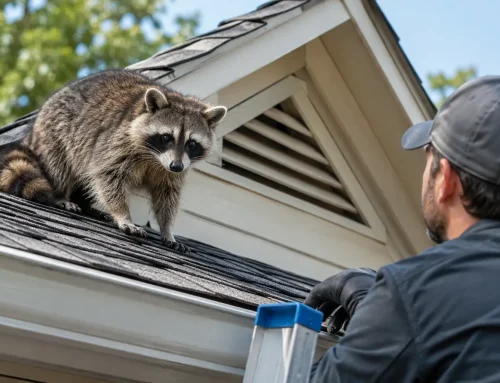
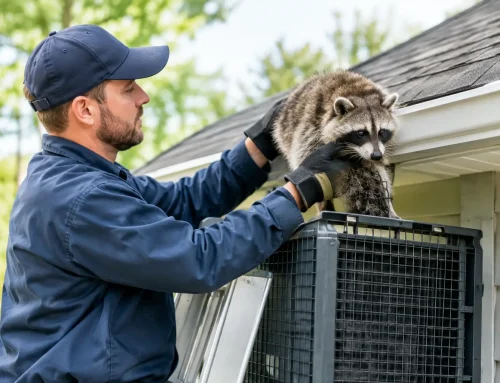
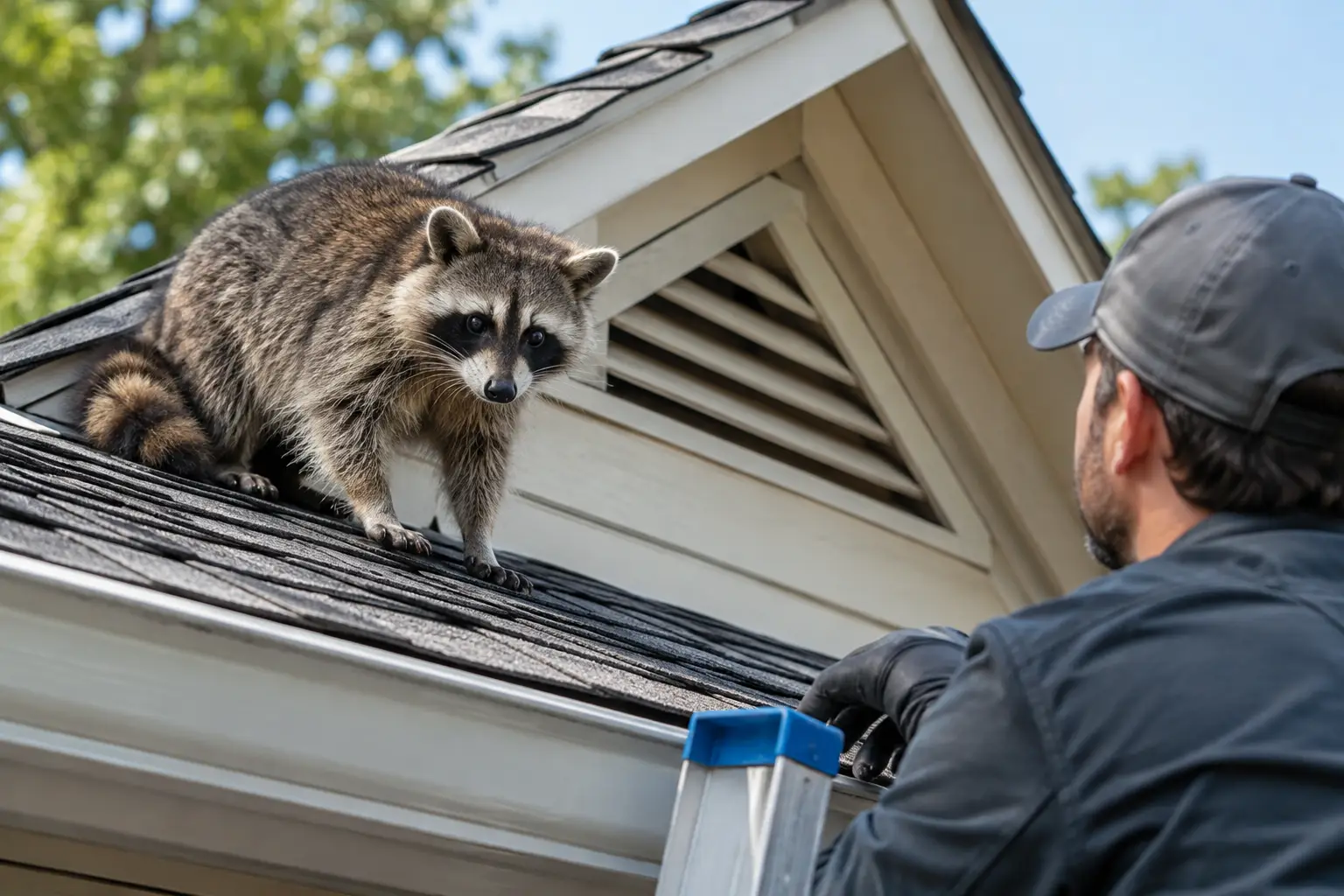
What they often do not do is full-service wildlife removal from private structures. If raccoons are tearing into roofing, bats are roosting in an attic, or rats are moving through wall voids in a commercial property, animal control may not provide trapping, cleanup, exclusion, and repair. They may refer you elsewhere, especially when the issue is on private property and requires specialized wildlife work.
Humane society: rescue, shelter, and welfare support
A humane society is generally centered on the care and protection of animals. That may include sheltering stray or surrendered pets, facilitating adoptions, helping with rescue cases, promoting spay and neuter programs, and educating the public about responsible pet ownership.
Some humane societies are deeply involved in cruelty prevention and may work with law enforcement or investigators. Others are more shelter-focused and less involved in active field response. That depends on the organization.
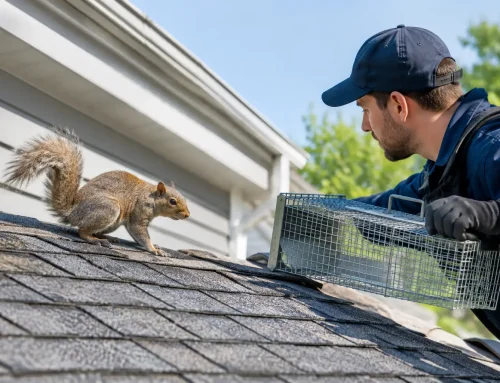
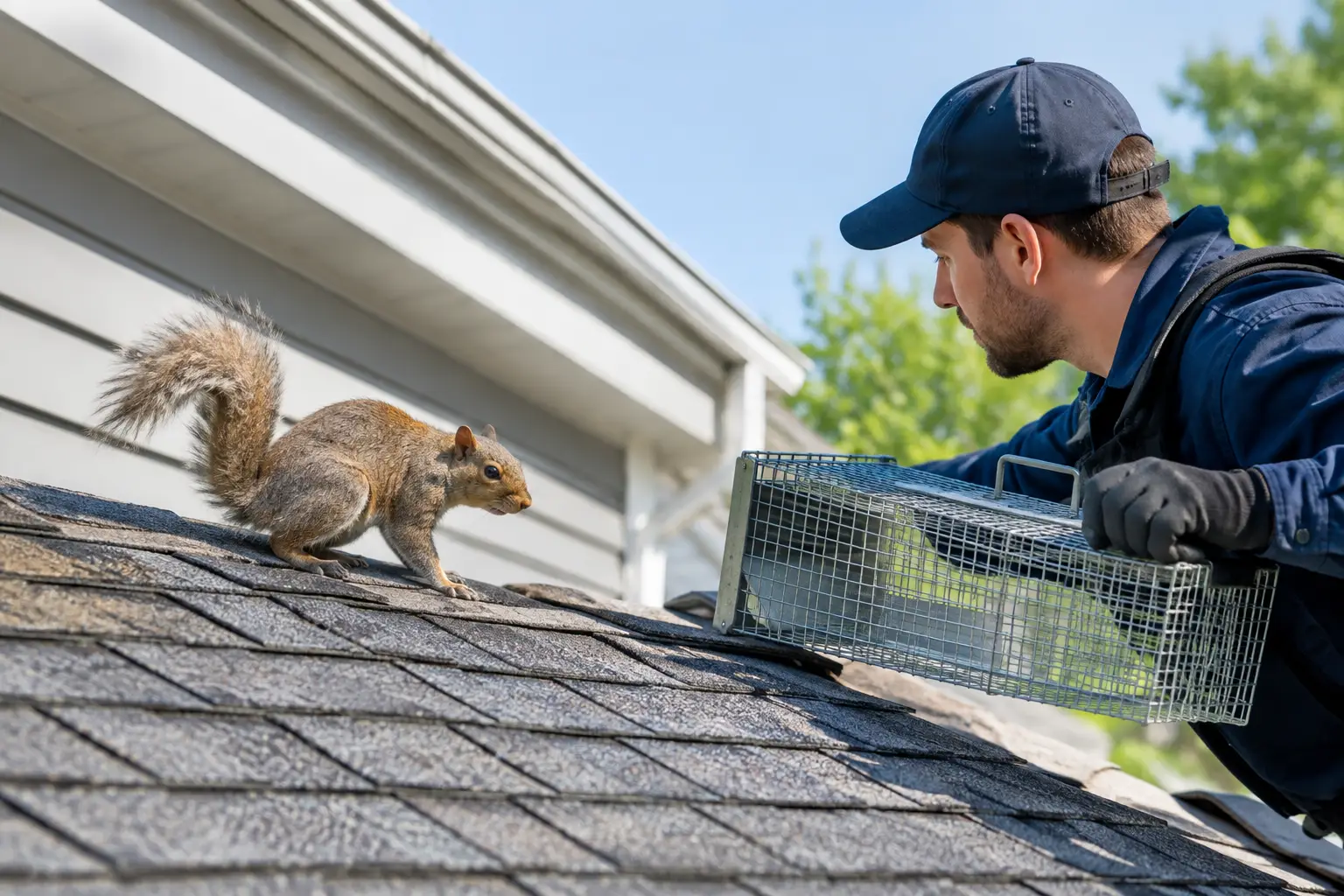
For a homeowner or property manager, the practical limitation is this: a humane society is usually not set up like an emergency wildlife control company. If you have a squirrel nest in the soffit, bird droppings contaminating a loading dock, or a dead animal odor inside a wall, most humane societies are not going to inspect the structure, trap the animal, sanitize the area, replace insulation, and seal the entry points.
The biggest source of confusion: wildlife vs. pets
This is where many calls go sideways. Animal control and humane societies are often associated with domestic animals such as dogs and cats. Wildlife problems are different.
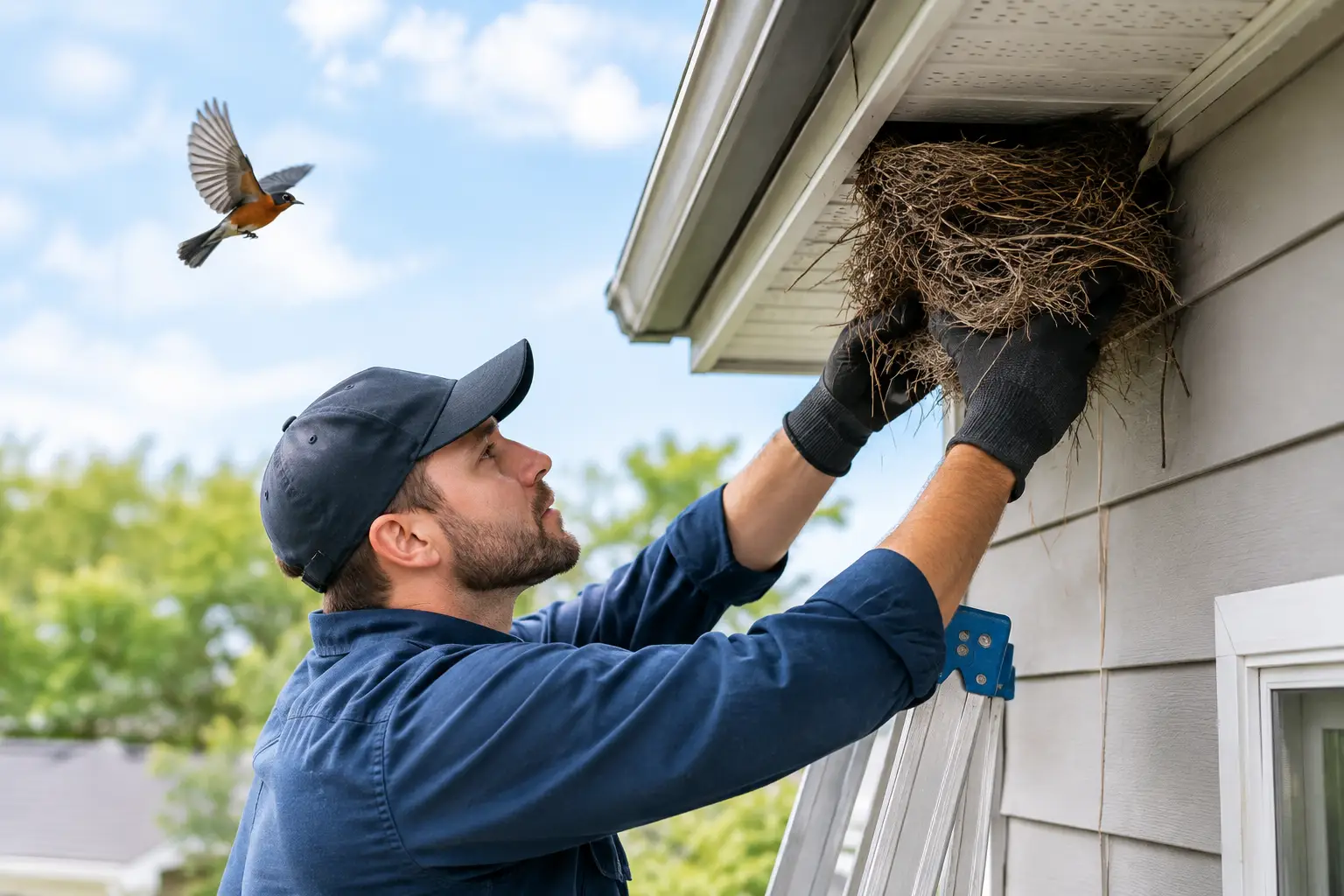
A loose dog in a neighborhood, a found kitten, or an adoption question may fit with animal control or a humane society, depending on the local setup. A raccoon in a ceiling cavity, bats in a church attic, pigeons nesting around rooftop equipment, or rats spreading through a restaurant basement is a wildlife control problem.
That matters because wildlife work is not just about capture. It often requires species-specific handling, safe removal, contamination control, legal compliance, and structural repair. If the animals got in through roof gaps, vents, broken soffits, crawl space openings, or utility penetrations, removing them without sealing the access points just creates a repeat problem.
Who should you call for common situations?
If you found a stray dog, local animal control or a local shelter may be the right first call. If you want to surrender a pet, report a possibly neglected domestic animal, or ask about adoption, a humane society may be the better fit.
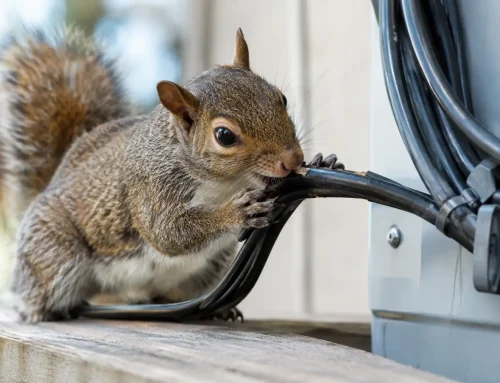
If an animal is living in your attic, under your deck, inside a wall, above a drop ceiling, or around commercial equipment, you likely need a professional wildlife removal service. The same is true if there is animal waste, nesting debris, chewed wiring, torn insulation, odors, or visible entry damage.
This is the part many property owners learn the hard way. The animal is only half the problem. The contamination, damage, and access points are what turn a one-time nuisance into an ongoing property issue.
What is the difference between animal control and humane society when there is an emergency?
In an emergency, speed matters, but so does choosing the right responder. If there is an aggressive stray dog in a public area, a bite incident, or an immediate public safety concern involving domestic animals, animal control or law enforcement may be appropriate.
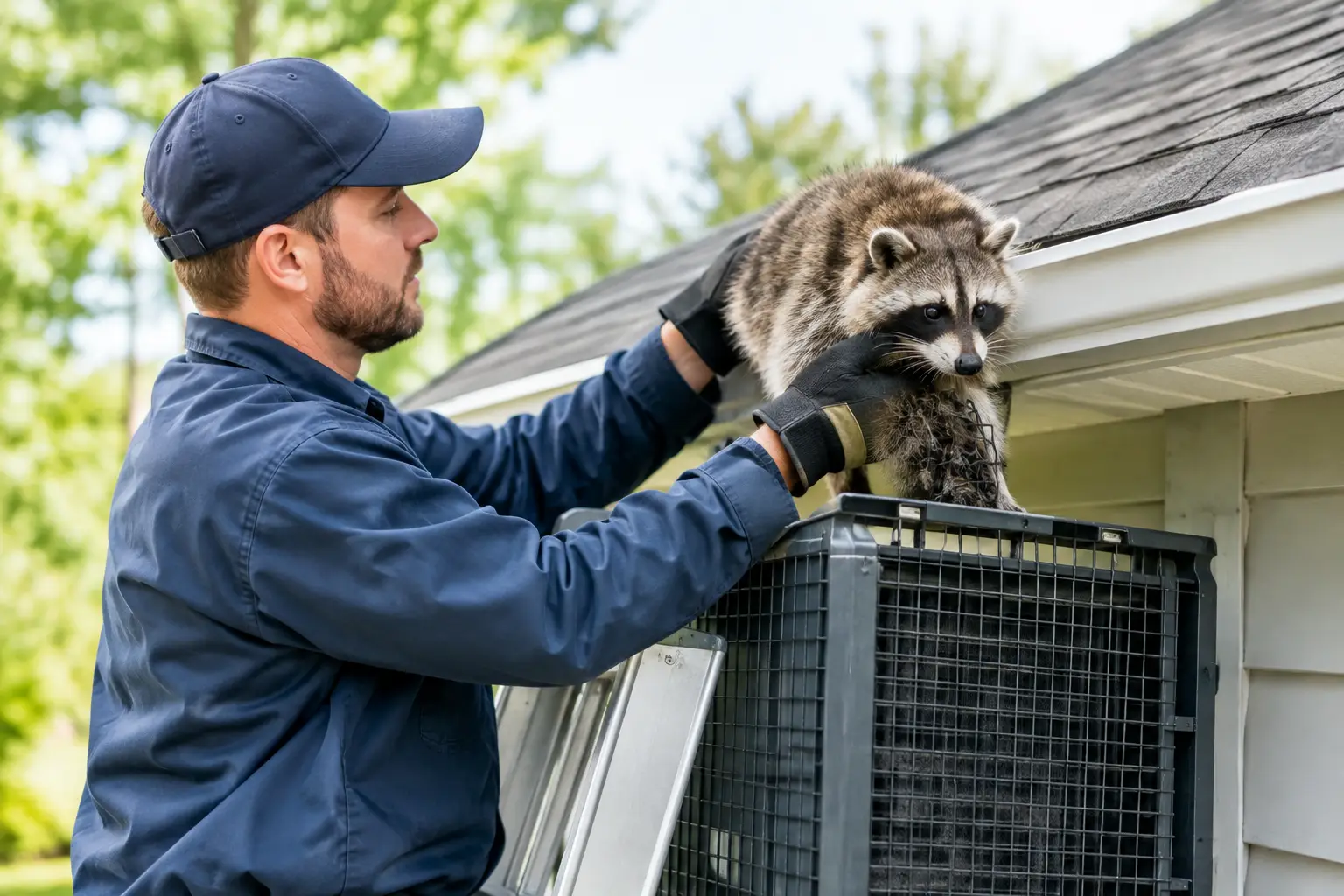
If the emergency is inside your building, the right call may be completely different. A bat in a bedroom, a raccoon in a school ceiling, or a dead animal causing odor inside a multifamily property usually requires hands-on field service. That means inspection, safe removal, sanitation, and exclusion work performed on-site, often fast.
A humane society may care deeply about animal welfare, but that does not mean it operates as a 24/7 structural wildlife response team. Municipal animal control may have legal authority, but that does not mean it performs restoration work after an infestation. Those are separate capabilities.
Why this matters for NYC and NJ properties
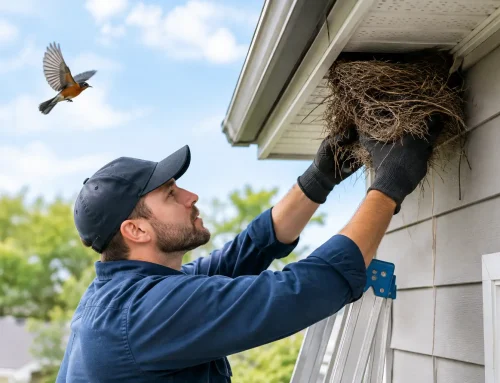
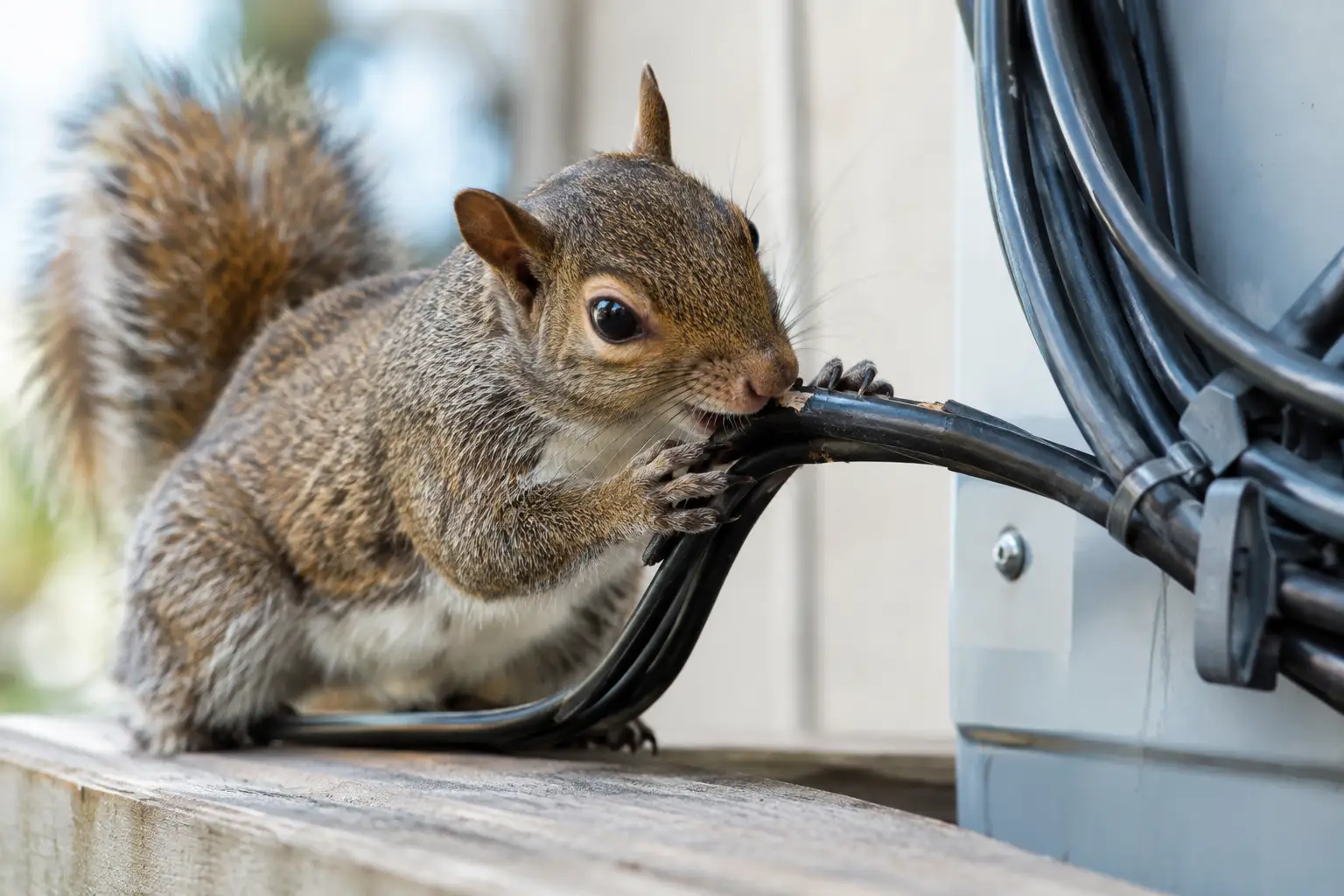
In dense urban and suburban areas, animal issues move quickly from nuisance to liability. A squirrel colony in an attic can destroy insulation and create fire risk through chewing. Birds nesting in vents can affect airflow and sanitation. Rats in wall voids can trigger tenant complaints, health concerns, and repeat service calls. Raccoons and opossums under porches or in crawl spaces can leave behind waste and parasites.
For landlords, property managers, and business owners, the real cost is not just the animal. It is downtime, resident frustration, health risk, code exposure, and damage that spreads while everyone figures out who is responsible.
That is why specialized wildlife control exists. Companies like Animal Control NYC & NJ are built for this exact gap between public agencies and nonprofit shelters. The work is not limited to removing the animal. It includes inspection, humane trapping, dead animal removal, disinfection, insulation replacement, exclusion repairs, and proofing so the problem does not come back next week.
The trade-off most people miss
People often assume animal control or a humane society is the best first call because the names sound broad. Sometimes they are. But broad does not always mean equipped for your specific situation.
Animal control can be the right authority for legal or public safety matters, but it may not solve a private property wildlife intrusion from start to finish. A humane society can be an excellent resource for rescue, sheltering, and animal welfare, but it may not offer emergency removal from buildings or post-removal restoration.
If you are dealing with a pet issue, a stray, or a cruelty concern, those organizations may be exactly right. If you are dealing with nuisance wildlife in or around a structure, they may only be a starting point, not the solution.
How to make the right call the first time
Ask one simple question: is this a public animal issue, a shelter and rescue issue, or a wildlife-in-the-building issue?
If it involves stray pets, leash law enforcement, bites, or municipal complaints, start with animal control. If it involves adoption, surrender, rescue support, or welfare-focused shelter services, start with a humane society. If it involves an attic, roofline, crawl space, wall cavity, vent, basement, warehouse, or sanitation problem tied to wildlife, call a professional wildlife control company.
That distinction saves time, cuts down on repeat calls, and gets the right team on the job faster. When animals are affecting your property, safety, or operations, the fastest path is not just getting help. It is getting the right kind of help.