Scratching over the ceiling at 5 a.m. is usually not a mystery for long. In NYC and New Jersey, squirrels move fast once they find a weak roof edge, attic vent, crawl space gap, or solar panel opening. If you are searching for how to prevent squirrel damage, the key is simple: stop access early, remove food pressure, and repair vulnerable parts of the structure before chewing and nesting begin.
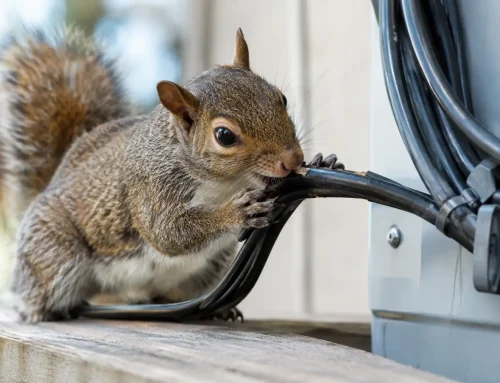
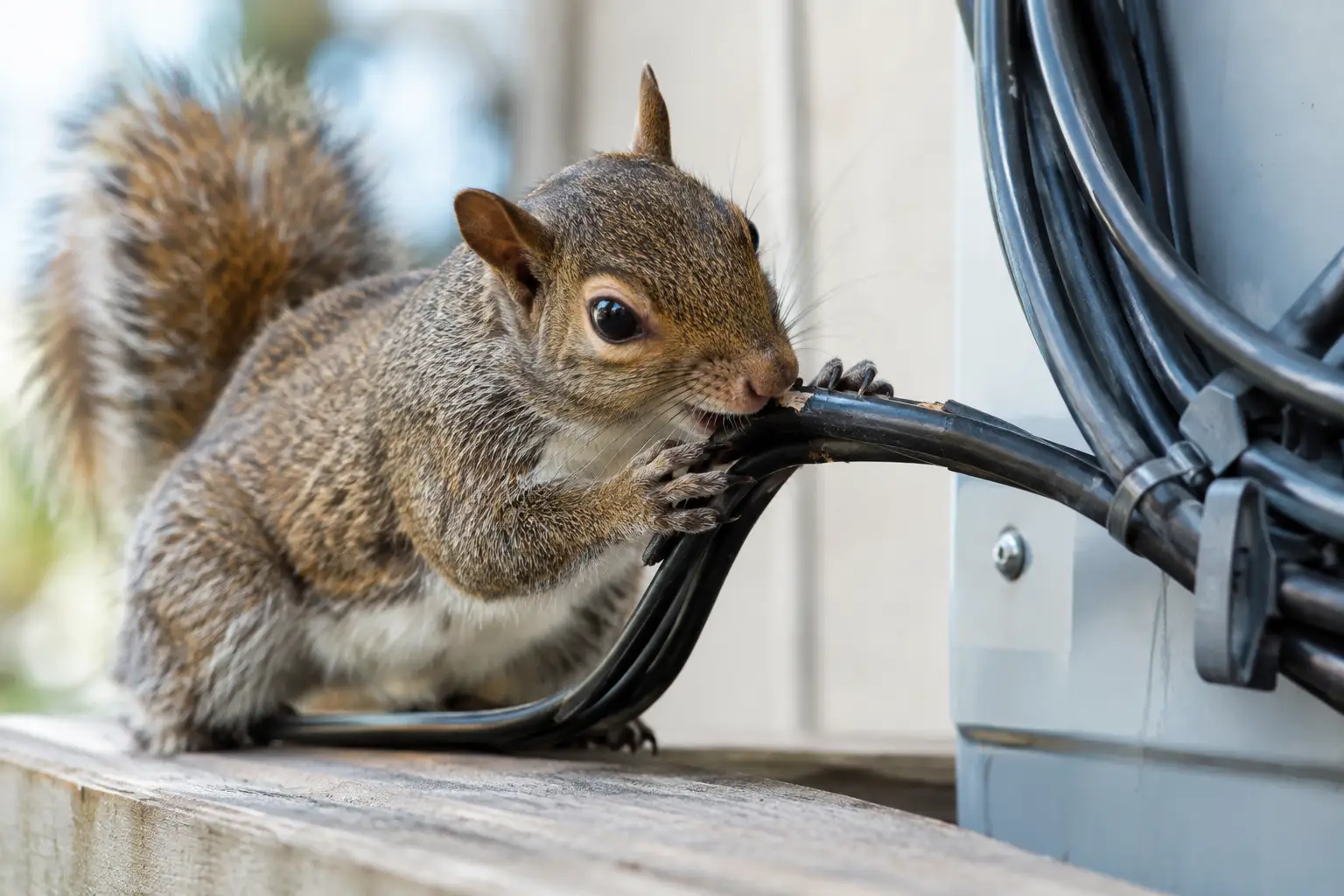
Squirrels are small, but the damage is not. They chew fascia boards, soffits, vents, trim, and wiring. They pull apart insulation for nesting and leave behind droppings, urine, and odor. In multifamily buildings and commercial properties, one squirrel problem can quickly turn into tenant complaints, ceiling stains, contaminated insulation, and repeat entry if the access point is not professionally sealed.
Why squirrel damage gets expensive quickly
Most property owners notice squirrels only after the noise starts. By then, the animal may already be living inside the attic, wall void, or roofline. A single entry hole can lead to chewed wood, damaged ductwork, torn screens, and insulation loss. If the squirrel is a female with babies, the situation gets more sensitive because timing matters and removal has to be handled humanely.
The other reason costs rise fast is that squirrels do not use a structure gently. They gnaw constantly to widen gaps and keep their teeth worn down. That means a small roof defect can become a major opening in a short period of time. On homes with older soffits, loose flashing, ridge vents, or worn vent covers, squirrels often choose the weakest point and return to it repeatedly.
How to prevent squirrel damage on your property
Prevention starts outside. If a squirrel cannot find an easy food source or a reliable opening, it usually keeps moving. That is why the best protection is not one product or one quick repair. It is a combination of inspection, exclusion, cleanup, and follow-through.
Inspect the roofline and upper structure first
Squirrels usually enter from above, not from ground level. Start with the roof edge, soffits, fascia, gable vents, ridge vents, and chimney areas. Look for chew marks, staining, loose trim, bent screening, or gaps where roofing materials have separated. In attached buildings, they may also travel along utility lines, fences, and neighboring tree limbs to reach upper sections.
If you already hear movement in the attic or walls, do not seal holes blindly. Trapping an animal inside can lead to more damage, odor, and contamination. The right order is inspection, humane removal if needed, and then full exclusion.
Cut back access from trees and structures
Tree limbs hanging over roofs act like bridges. Squirrels do not need much clearance to jump onto a house, garage, shed, or commercial roof. Trimming branches back helps, but it is not a complete fix on its own. In dense neighborhoods, squirrels can also use fences, utility lines, masonry ledges, and adjacent buildings.
That is why trimming should be paired with structural sealing. Otherwise, you may reduce visits without actually preventing entry.
Seal entry points with materials squirrels cannot chew through
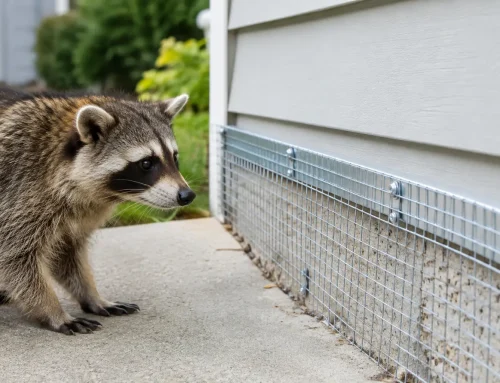
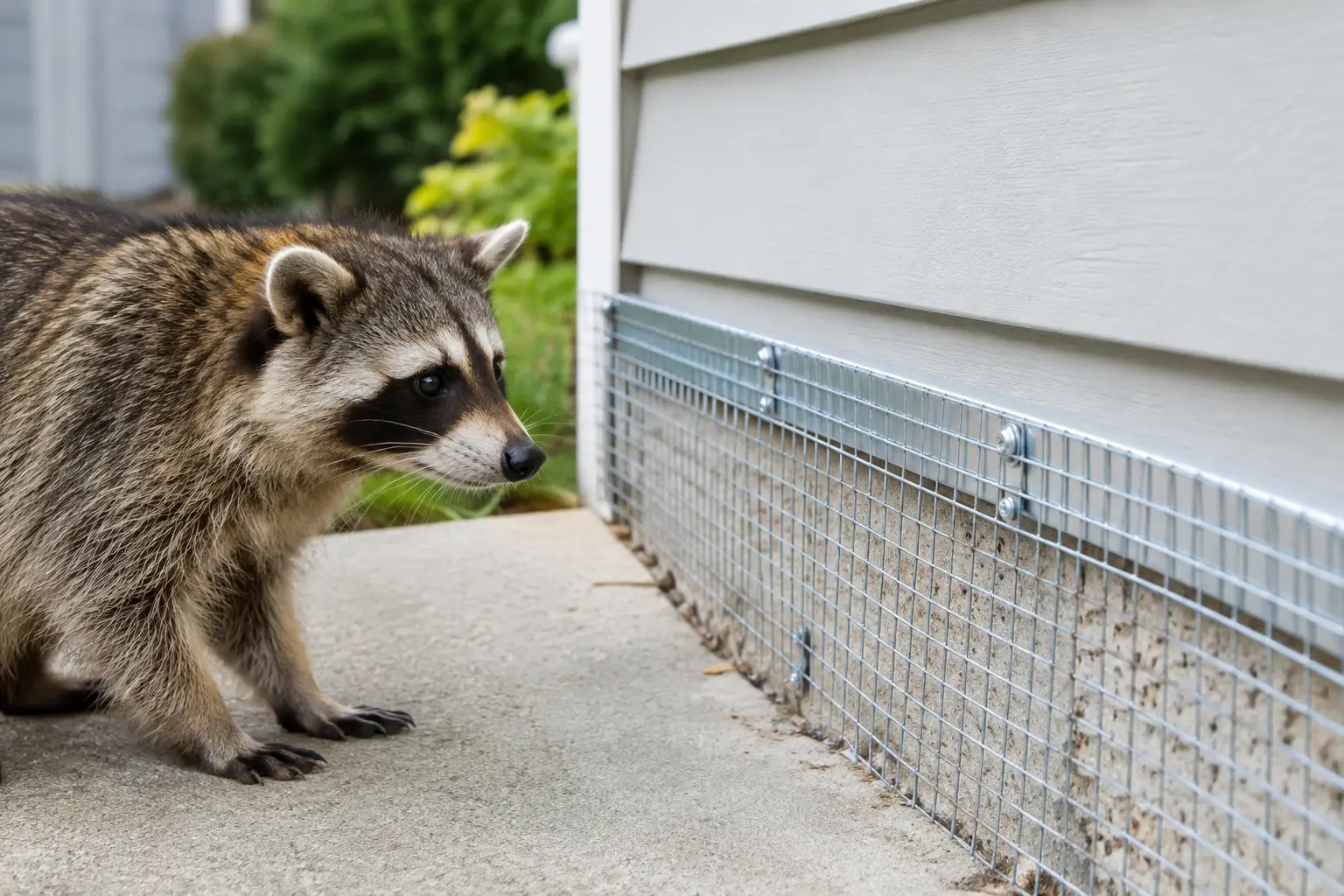
Caulk alone is not enough. Foam alone is not enough. Squirrels can tear through weak patch jobs quickly, especially around vents and roof edges. Durable exclusion usually requires metal screening, reinforced vent protection, heavy-gauge repair materials, and secure fastening that holds up to weather and chewing.
The quality of the repair matters as much as the location. A patch that looks fine from the ground can fail within days if it is attached poorly or installed over rotted wood. If soffits or fascia are already compromised, they may need repair or replacement before exclusion materials can do their job.
The areas squirrels target most
Attics are the most common trouble spot because they are warm, dry, and protected. Once inside, squirrels shred insulation for nesting and may chew electrical wiring, which creates a serious fire hazard. Wall voids come next, especially in older structures with gaps around roof intersections or utility penetrations.
Garages, crawl spaces, and sheds are also vulnerable. In some cases, squirrels nest under solar panels where the shelter is ideal and the damage stays hidden until wires or roofing components are affected. Gutters and downspout areas can become access routes when guards are missing or roof edges are loose.
Yard conditions can make the problem worse
Bird feeders, open trash, fallen fruit, pet food, and unsecured bulk storage all attract squirrels. A property with easy food and water gives them a reason to stay close to the building. That does not always mean they will get inside, but it increases pressure on every weak point around the structure.
For residential properties, cleaning up feeding areas and reducing attractants can make a real difference. For multifamily and commercial sites, routine exterior maintenance matters even more because food waste and clutter tend to build up around dumpsters, loading areas, courtyards, and roof access zones.
When prevention becomes removal
If squirrels are already inside, prevention shifts into active control. This is where many do-it-yourself efforts go wrong. Store-bought repellents rarely solve an active attic or wall infestation. Loud noises and scent products may move the animal temporarily, but they do not close the entry point or address babies, nesting material, and contamination.
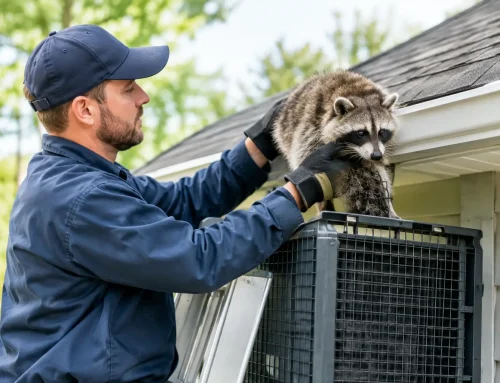
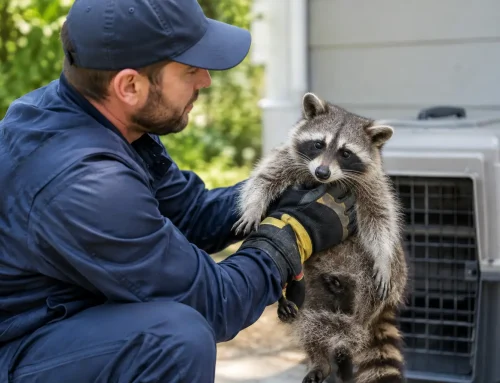
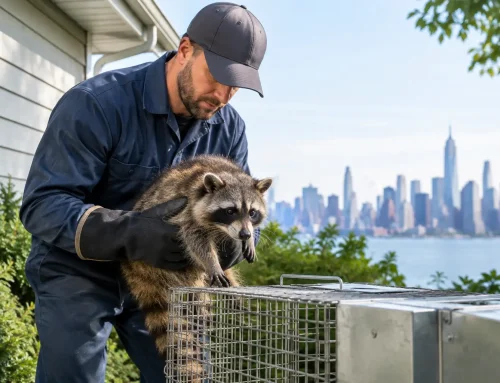
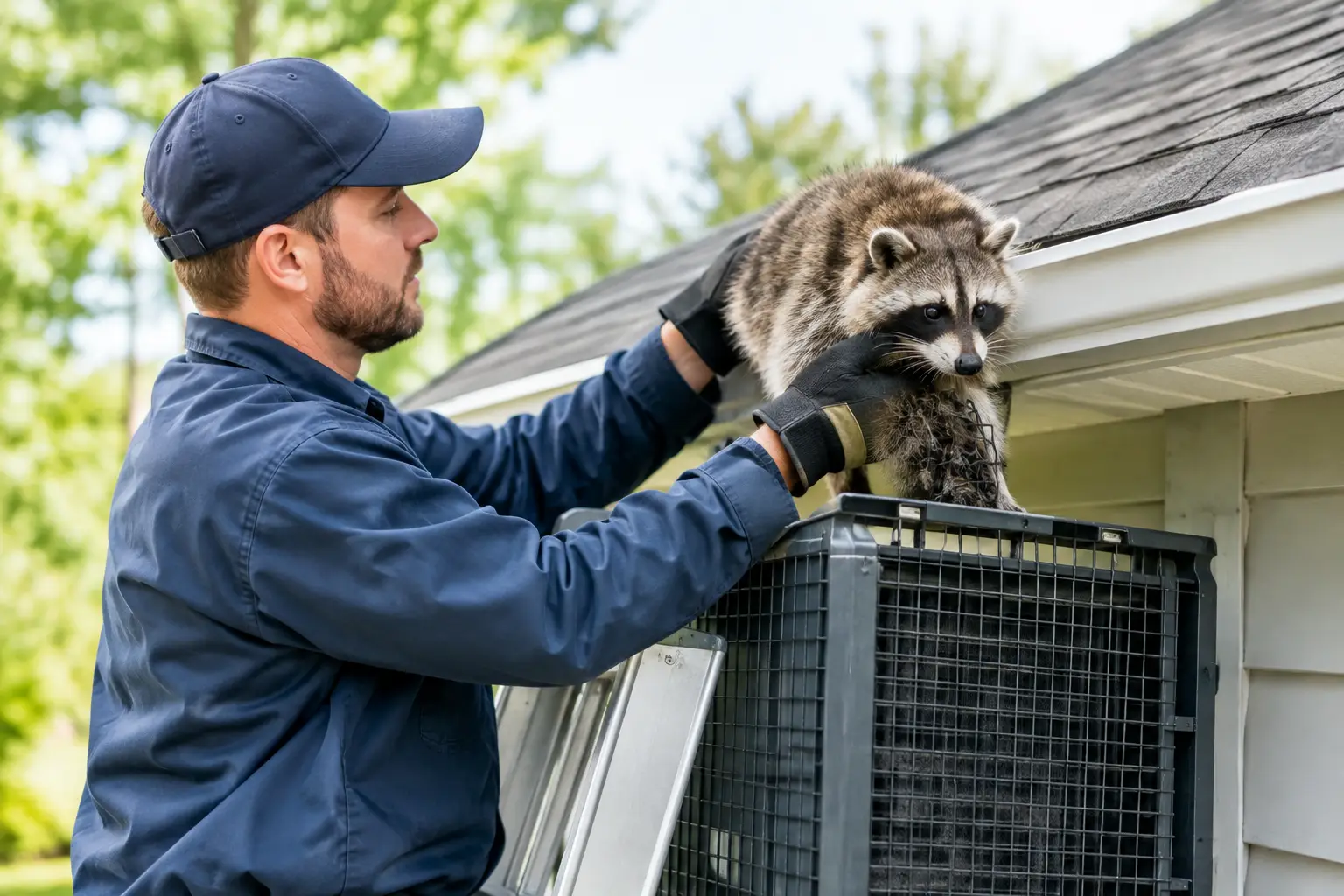
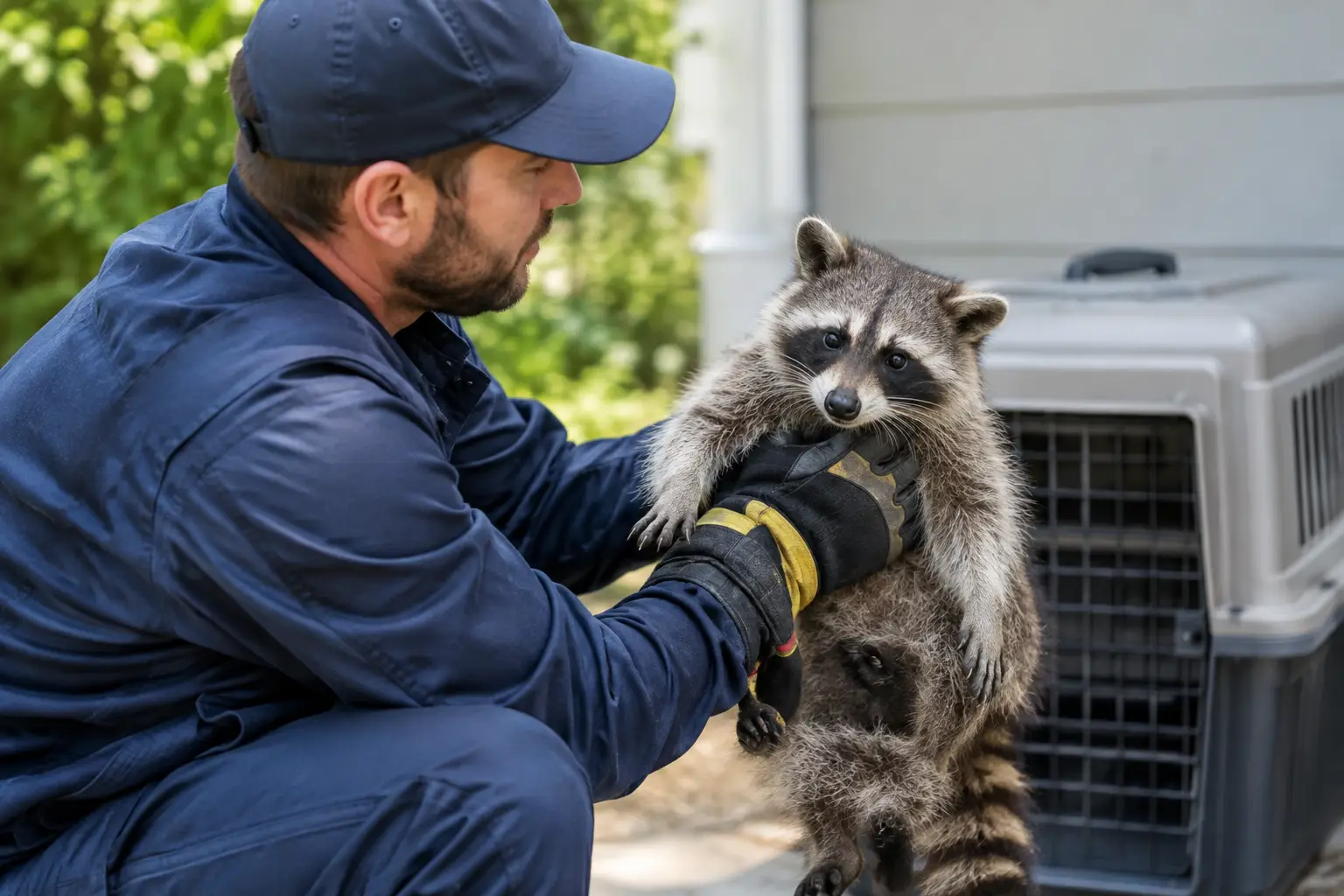
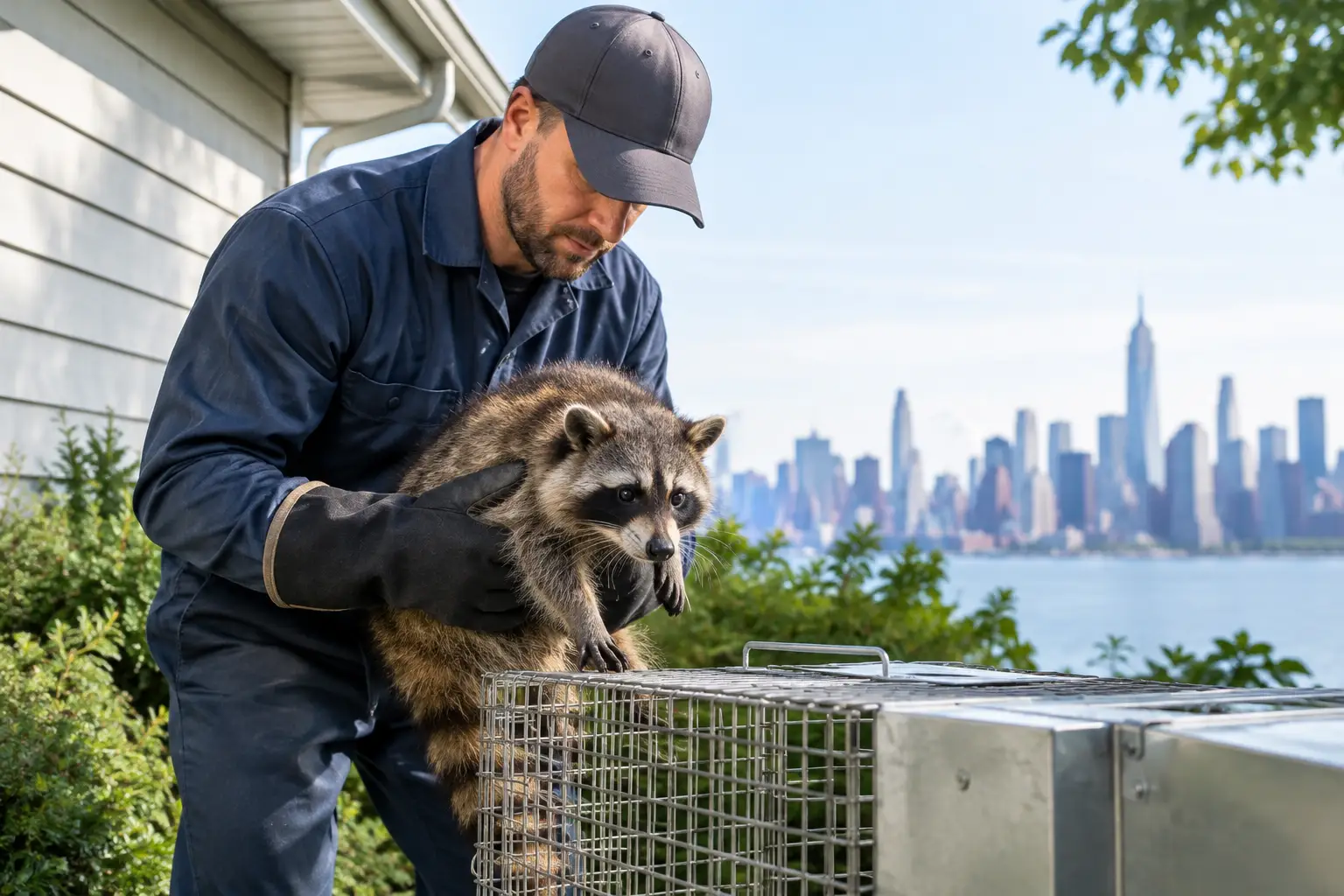
Humane trapping and removal is often the safest path when squirrels have established themselves in the structure. After that, the property needs cleanup, sanitization where necessary, and permanent exclusion. Skipping the last step is why so many squirrel problems come back.
It depends on the season
Spring and late summer are common problem periods because they align with squirrel nesting activity. During these times, there may be young present inside the attic or wall. That changes the removal approach. Fast action still matters, but it needs to be done correctly to avoid separating mothers from babies or leaving animals trapped inside inaccessible spaces.
In colder months, the urgency is different. Squirrels may be less visible outdoors but more determined to get into warm structures. Property owners often notice them only after insulation has already been disturbed or interior noises become frequent.
Why DIY prevention often falls short
Some tasks are reasonable for property owners, such as trimming branches, removing food attractants, and reporting roofline wear early. But once there is active entry, repeated chewing, attic noise, or visible damage near vents and soffits, the issue usually needs professional handling.
The challenge is not just catching or scaring off one squirrel. It is finding every entry point, identifying hidden damage, removing contamination, and sealing the structure in a way that holds. Miss one gap and the problem continues. Seal too early and you may create a worse problem inside the structure.
That is why service-driven wildlife control tends to save money compared with repeated patch jobs. A complete response addresses the animal, the opening, and the damage at the same time.
How professional squirrel prevention works
A proper squirrel control plan begins with a full inspection of the roofline, attic, vents, crawl spaces, and exterior access routes. If squirrels are active inside, humane trapping or species-specific removal is used first. Once the animals are out, technicians remove nesting material if needed, assess insulation damage, and disinfect contaminated areas when appropriate.
Then comes the part that determines whether the fix lasts: exclusion and repair. That can include vent protection, ridge-vent reinforcement, soffit and fascia repair, crawl space sealing, gutter protection, and animal-proofing around roof vulnerabilities and solar panels. When the job is done correctly, the property is harder for squirrels to re-enter and easier to maintain over time.
For property managers and landlords, this full-cycle approach is especially important. It reduces repeat complaints, limits ongoing building damage, and avoids the need to coordinate multiple contractors for removal, cleanup, and repairs.
A practical standard for preventing squirrel damage
If you want a realistic answer to how to prevent squirrel damage, think in three parts: reduce attraction, remove access, and fix damage before it spreads. Keep trees and food sources under control, inspect the roofline regularly, and treat any chewing or attic noise as an urgent structural issue rather than a minor nuisance.
In NYC and NJ, squirrel problems rarely stay small for long. Dense neighborhoods, aging buildings, and constant roofline exposure create ideal conditions for repeat intrusion. When prevention is done early and done thoroughly, you protect more than the attic. You protect wiring, insulation, indoor air quality, and the long-term condition of the property.
If squirrels are already testing your roof, vents, or attic, the smartest move is not to wait for louder noises or bigger repair bills. Get the structure inspected, get the animals handled humanely, and make sure the weak points are closed the right way before they turn into an ongoing problem.