
Rodent entry inspection and control for NYC and New Jersey
Physical Sealing to Keep Mice and Rats Out
Animal Control NY/NJ helps keep mice and rats out by finding and physically sealing their entry points. Where appropriate, humane trapping can be part of the plan, but sealing is essential to address the access that allowed rodents inside.
When you call, tell us your borough or town, property type, where you’ve noticed activity, and whether rodents have returned after earlier work.
Mice and Rat Entry Concerns
Rodent calls often involve droppings, gnawing, scratching in walls or ceilings, odor, food storage damage, basement activity, crawl-space access, and openings around utilities, doors, vents, foundations, or exterior gaps.
The right plan depends on activity level, access, sanitation conditions, property type, entry points, and whether exclusion or follow-up prevention work is needed.

Signs of Mice and Rat Activity
Where Rodents Enter Buildings
An inspection should look beyond the room where activity was first noticed. Mice and rats can move through utility openings, foundation gaps, worn door sweeps, basements, crawl spaces, garages, vents, pipe penetrations, siding gaps, and shared-wall areas.
Finding likely travel paths and access points helps connect control work with practical exclusion and prevention recommendations.
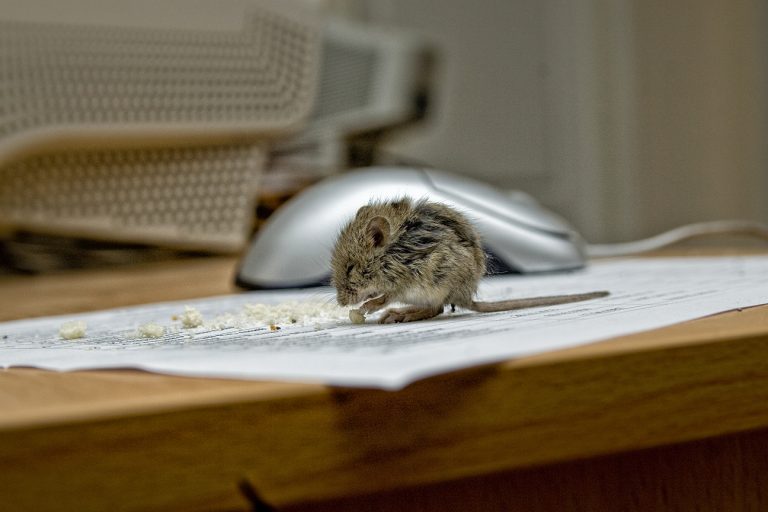
How Mice and Rat Service Usually Works
- Inspect for rodent activity and entry points
- Explain the openings and sealing work needed
- Physically seal or screen identified entry points
- Explain prevention and maintenance steps
Why Entry Points and Attractants Matter
Traps or bait alone may not address open entry points, food access, sanitation conditions, or a dead-rodent odor problem. A practical plan considers how rodents are entering, where they are moving, what may be attracting them, and which openings or building conditions need attention.
For city prevention background, review NYC Health guidance about rats. Follow product labels and local requirements when using any rodent-control product.
Rodent Activity in Different Building Areas
Kitchens, basements, wall voids, closets, garages, crawl spaces, pantries, utility rooms, common areas, and exterior openings can require different inspection and prevention steps. Notes about where you found droppings, heard sounds, noticed odor, or saw damaged packaging can make the inspection more useful.
What Customers Say About Animal Control NY/NJ
Read recent Google reviews from customers who contacted Animal Control NY/NJ for wildlife removal, animal entry inspection, exclusion, and prevention work.


Mice and Rat Control FAQ
What are common signs of mice or rats in a building?
Common signs include droppings, gnaw marks, scratching sounds, wall or ceiling activity, odors, food or storage damage, nesting material, rub marks, burrows, and repeated sightings near food or trash areas.
Does rodent control include finding entry points?
Entry-point inspection is an important part of rodent control because mice and rats can re-enter through small gaps around utilities, foundations, doors, vents, crawl spaces, and exterior openings.
What affects mice and rat control cost?
Cost depends on property size, activity level, access, number of entry points, sanitation concerns, trapping needs, monitoring, and exclusion or prevention work.
Do mice and rats require the same control plan?
No. Mice and rats behave differently, use different openings, and may require different control and exclusion strategies. Inspection helps determine which rodent is active and where the pressure is coming from.
Why can rodents return after traps are used?
Traps may reduce activity, but rodents can return if entry points, food sources, trash access, clutter, or building gaps remain. Exclusion and prevention are important parts of long-term control.
What information should I note before an inspection?
Note where you saw droppings, heard sounds, noticed odor, found damaged packaging, or saw a rodent. Keep food and trash secured when practical, and avoid disturbing heavy droppings without appropriate precautions.
Need Mice or Rat Control?
Call for mice and rat activity, droppings, wall sounds, chewing, basement or crawl-space concerns, entry-point inspection, and exclusion recommendations.
Getting Rid of Burrowing Rats
Getting Rid of Burrowing Rats The species of rats that lives in NYC is the Norway rat. This larger rat prefers subterranean spaces for its nest. In your property, this means these rats [...]
Why Problems with Energy Efficiency Could Also Cause Rodent Issues
Why Problems with Energy Efficiency Could Also Cause Rodent Issues As you are heating your home in NYC this winter, having an energy efficient home is important for both your comfort and savings [...]
What Types of Rodents Infest NYC Homes
What Types of Rodents Infest NYC Homes There are several different rat and mouse species living in New York. Of these rodents, 4 separate species make up almost all of the city’s infestations [...]
Mistakes Homeowners Make with Mouse Control
Mistakes Homeowners Make with Mouse Control Mice are a relatively common pest in NYC, especially in the wintertime, when they get into homes in order to find a warm place to nest. Mice [...]
What Makes Rat Droppings Dangerous?
What Makes Rat Droppings Dangerous? Seeing a rat can be a relatively disgusting experience as rats are known for their ability to spread disease. But it is not just the rats themselves you [...]