You usually hear them before you see them – scratching over the ceiling at dawn, rolling noises in the attic, or sudden movement near soffits and rooflines. If you are asking, how do I get rid of squirrels permanently, the real issue is not just the squirrel you saw. It is the nest, the entry point, the damage, and the reason your property keeps attracting them.
Permanent squirrel control is possible, but it does not come from a quick trap set in the yard or a spray from the hardware store. Squirrels return when the structure is still easy to access and still offers shelter. The only lasting fix is a full process: inspection, humane removal, nest removal if needed, cleanup, and exclusion work that closes every active and potential entry point.
How do I get rid of squirrels permanently in a house?
If squirrels are in your attic, walls, crawl space, chimney, or roofline, the first step is confirming where they are getting in. In NYC and New Jersey, common squirrel entry points include roof vents, ridge vents, loose fascia, damaged soffits, gaps near dormers, broken louvers, and openings along gutters or roof returns. A squirrel does not need a huge hole. If wood is already weak or separated, it can widen the gap quickly.
This is where many property owners lose time and money. They hear the noise, set one trap, catch one squirrel, and assume the problem is over. A week later, the scratching starts again. That usually means there are more squirrels, a nesting female remains inside, or the entry point was never sealed.
Permanent removal starts with a full inspection of the structure, not just the attic. You have to identify all access routes, not only the obvious one. On residential and commercial buildings alike, squirrels often use trees, fences, utility lines, and adjoining structures to reach the roof.
Why squirrels keep coming back
Squirrels return to buildings for the same reasons they return to any good nesting site: warmth, safety, and reliable access. An attic gives them insulation from weather, protection from predators, and enough quiet space to raise young. If there is nearby food – bird feeders, unsecured trash, fruit trees, pet food, or easy foraging in landscaped areas – the property becomes even more attractive.
There is also a timing issue. During breeding season, a squirrel problem gets more complicated. If babies are present, sealing the hole immediately can trap young inside and create a worse situation. That can lead to dead animal odor, insect activity, staining, and even desperate chewing from the mother trying to re-enter. Humane wildlife control means knowing when to remove, when to reunite, and when to exclude.
This is why permanent squirrel control is not a one-step job. It depends on the season, the structure, and whether the animals are living in the building or only visiting the exterior.
The right way to remove squirrels for good
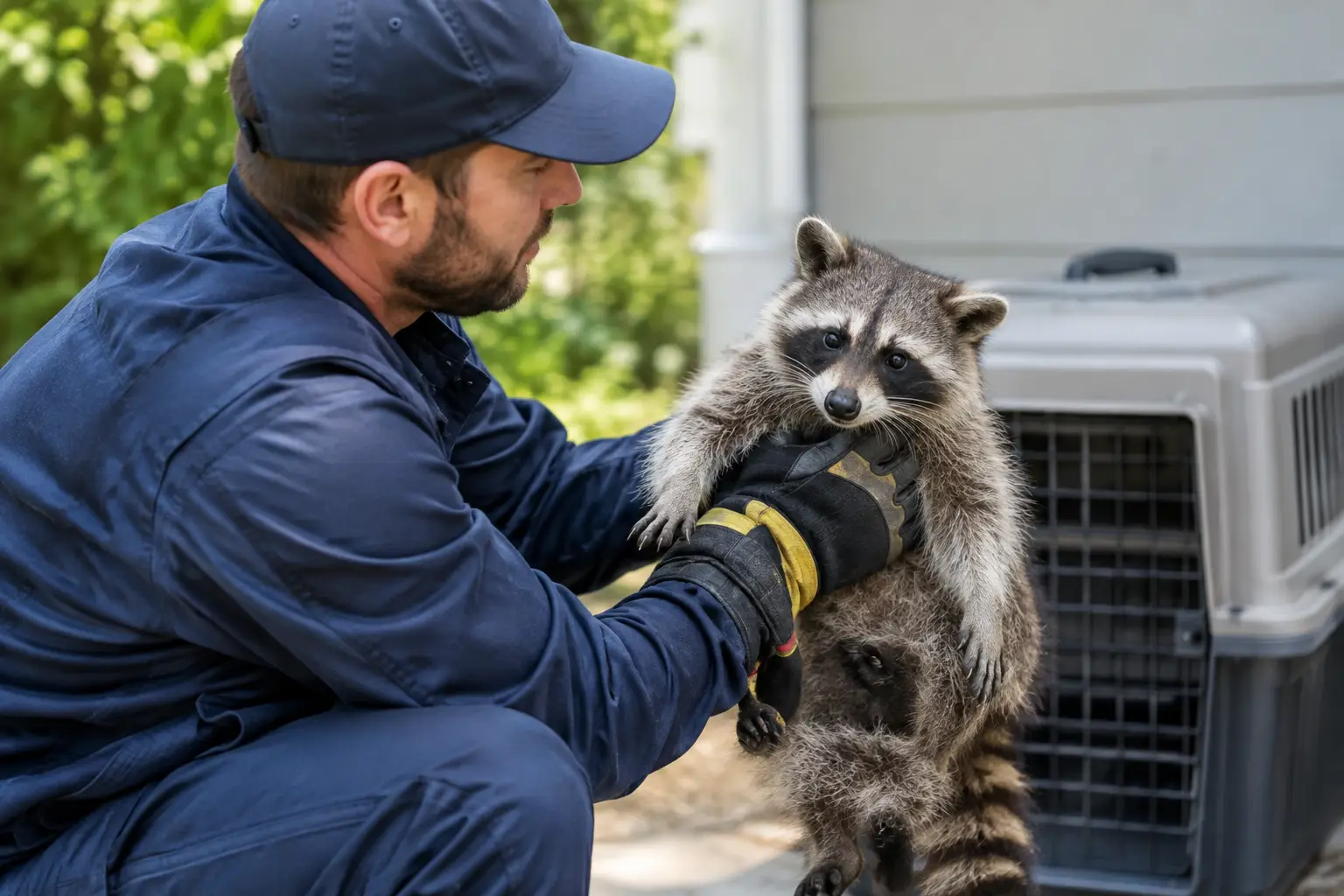
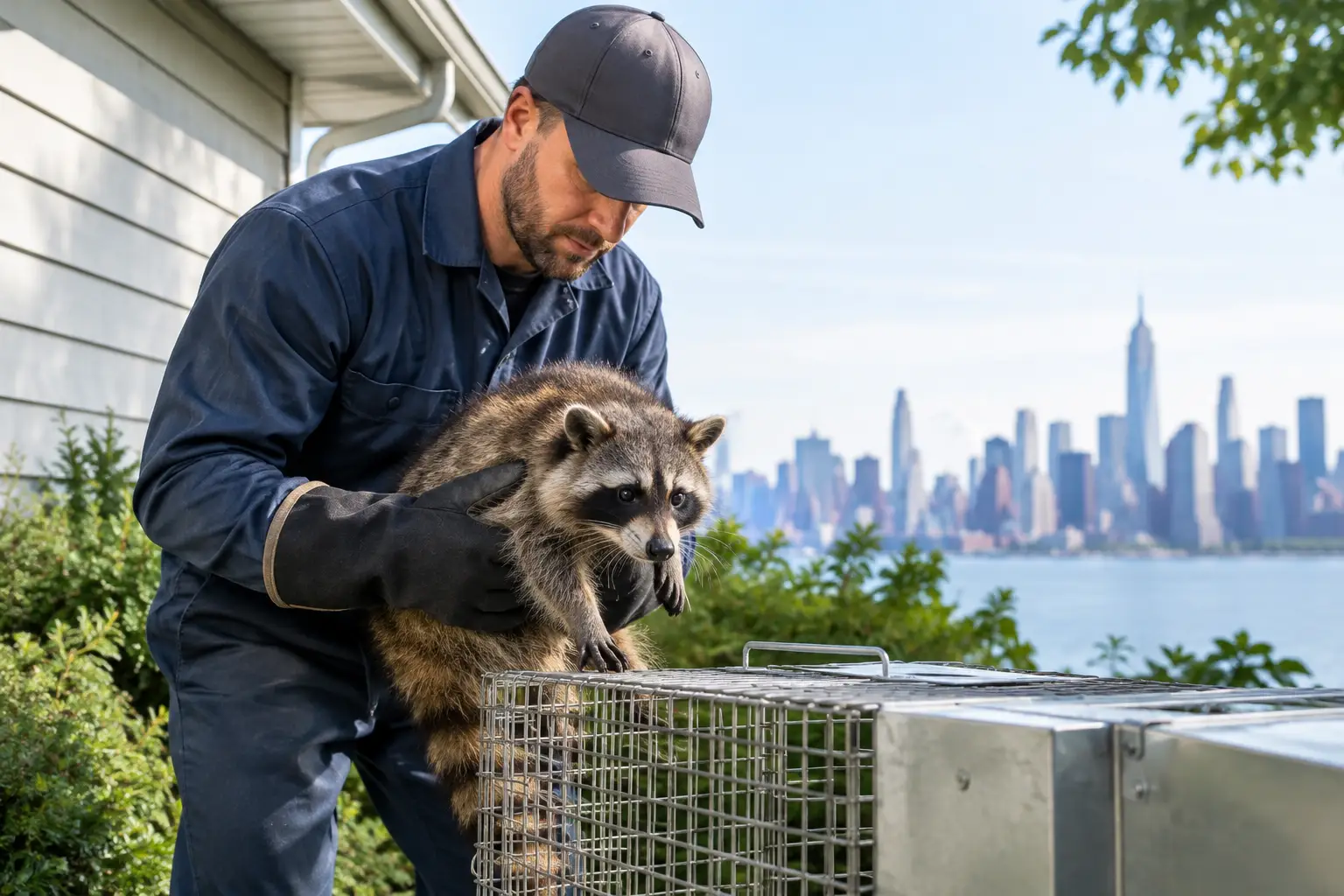
The most effective approach is targeted and structural. First, remove the squirrels safely and humanely. Second, remove nesting material and contaminated debris if they have been inside. Third, repair and seal the building so no squirrel can get back in.
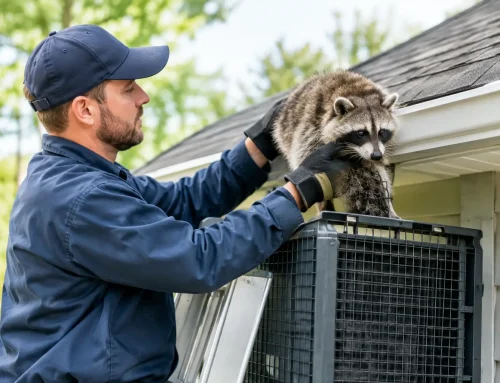
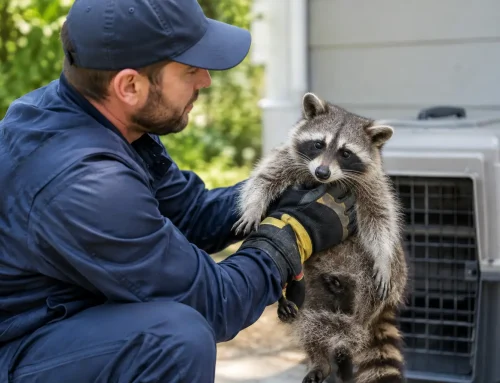
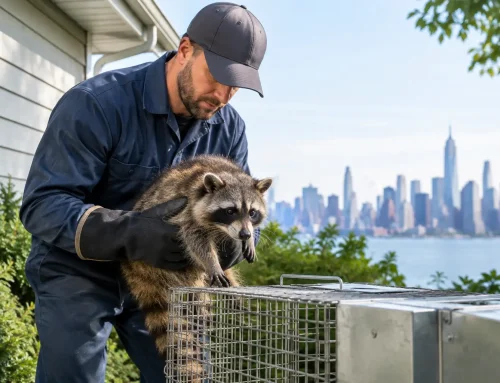
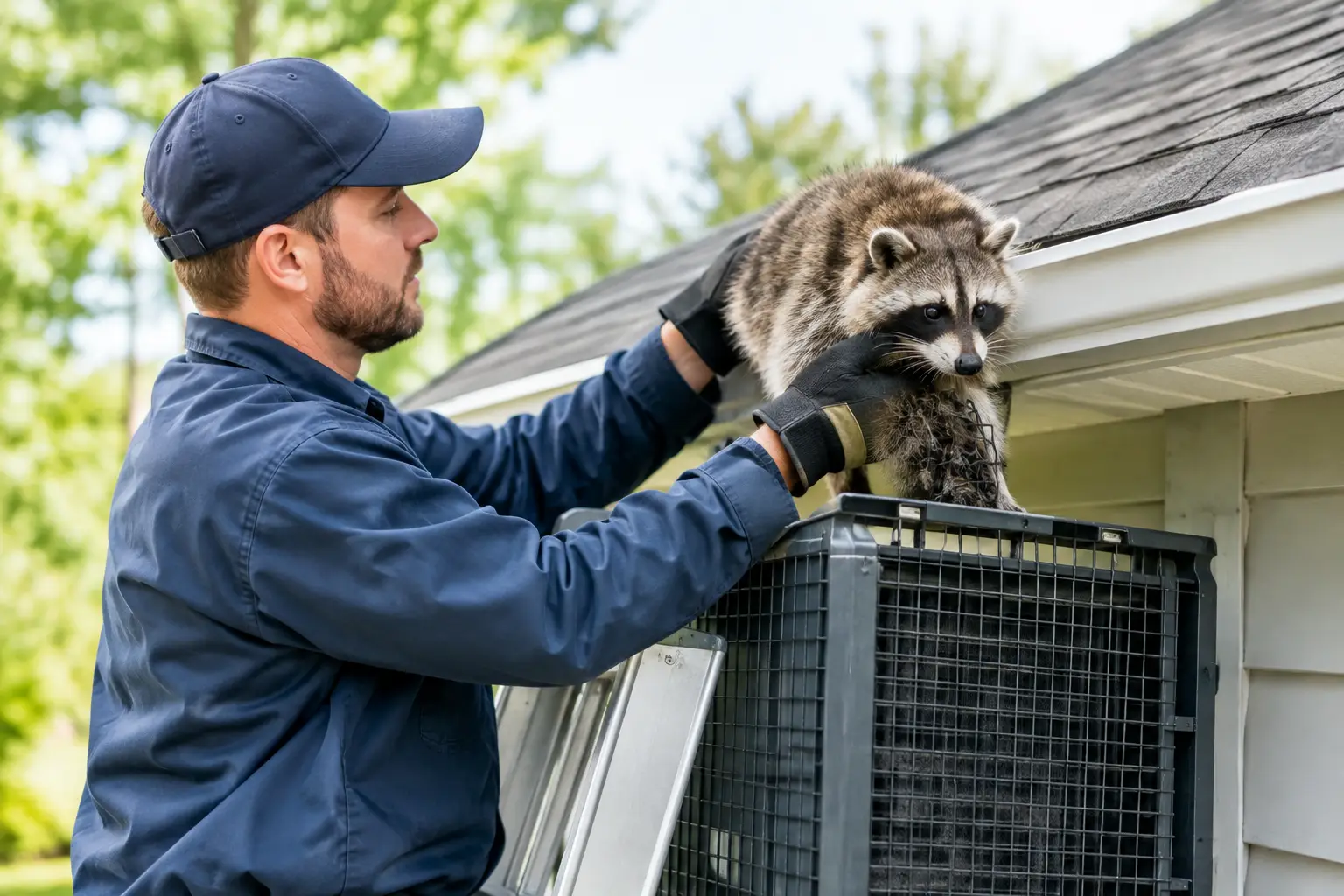
Removal methods vary. In some cases, one-way devices are appropriate because they allow squirrels to exit but not re-enter. In other cases, direct trapping is the better option, especially when access is limited or the layout of the structure makes one-way exclusion unreliable. What works on a detached home may not be the best fit for a rowhouse, mixed-use building, warehouse, or multifamily property.
The key is that removal and exclusion must happen as part of the same plan. If you only remove the animal, the opening stays active. If you only seal the opening without confirming all squirrels are out, you risk trapping animals inside.
Why DIY squirrel control usually fails
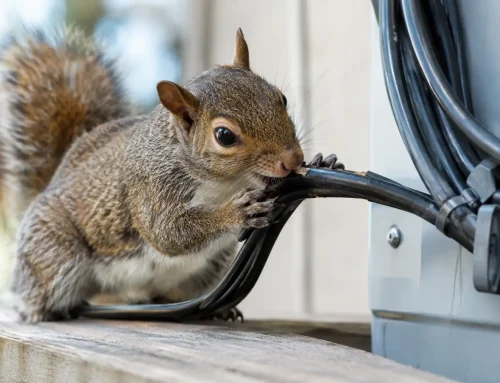
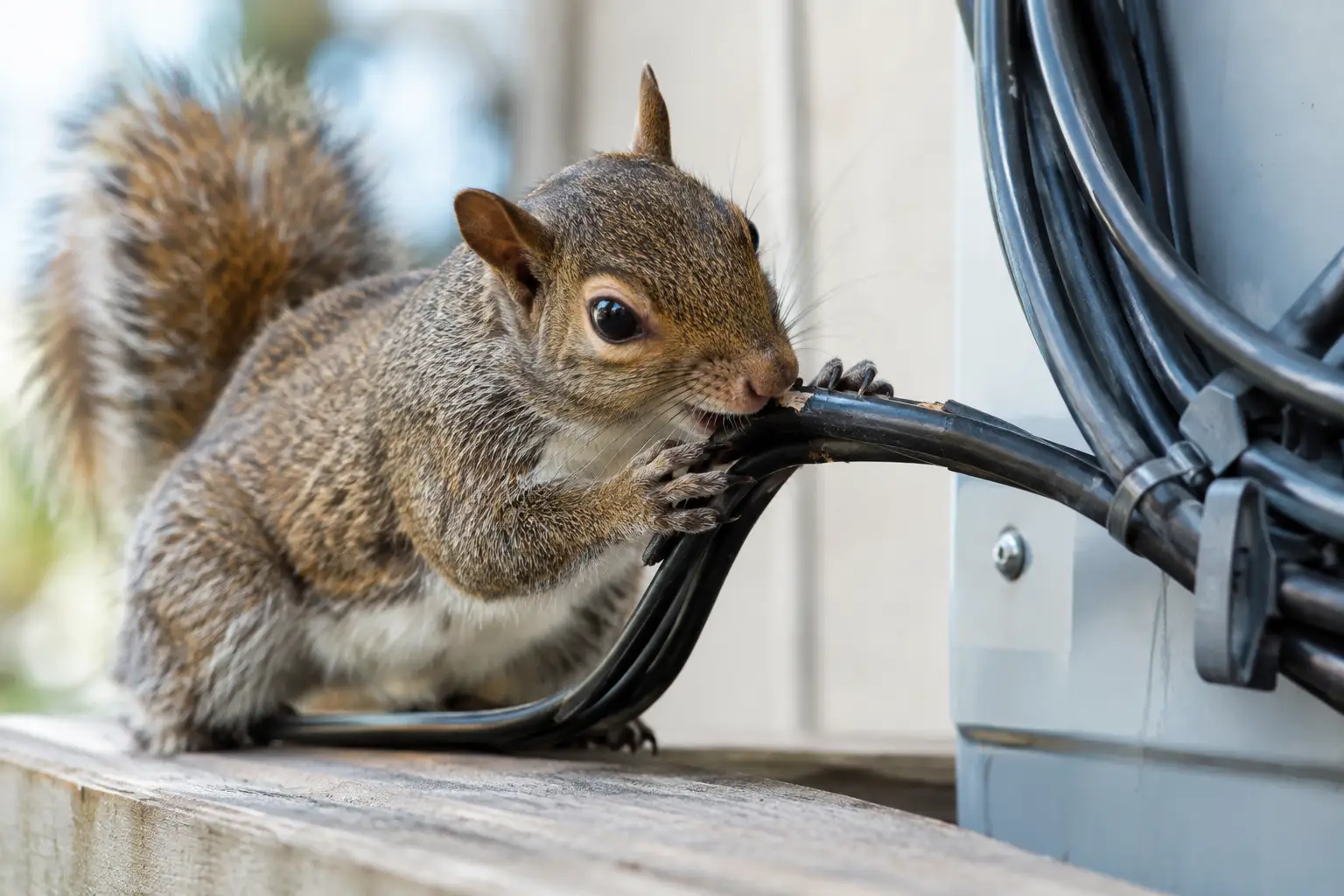
DIY methods tend to focus on repelling squirrels instead of removing the reason they are there. Noise machines, predator urine, mothballs, strobe lights, and over-the-counter repellents rarely solve a structural squirrel problem. At best, they may shift activity briefly. At worst, they delay proper action while squirrels keep chewing insulation, wiring, ductwork, and wood.
Store-bought traps also create problems when they are set without a plan. Improper placement can miss the target animal entirely. Catching one squirrel does not address the nest or secondary access points. And in dense neighborhoods across NYC and NJ, a squirrel released nearby often does not stay gone for long if the building is still open.
There is also the safety issue. Squirrels may look harmless, but inside a structure they create fire hazards, contamination, and aggressive situations when cornered. A squirrel in a wall void or attic is not just a nuisance. It is a property damage problem that can escalate quickly.
Permanent squirrel prevention depends on exclusion
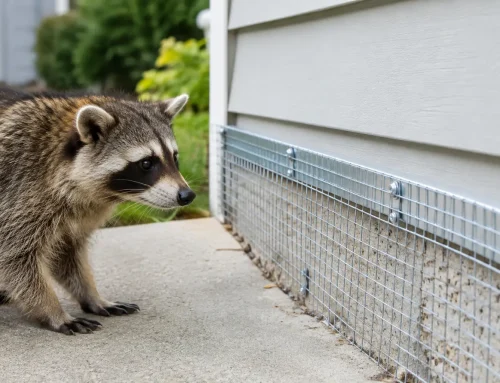
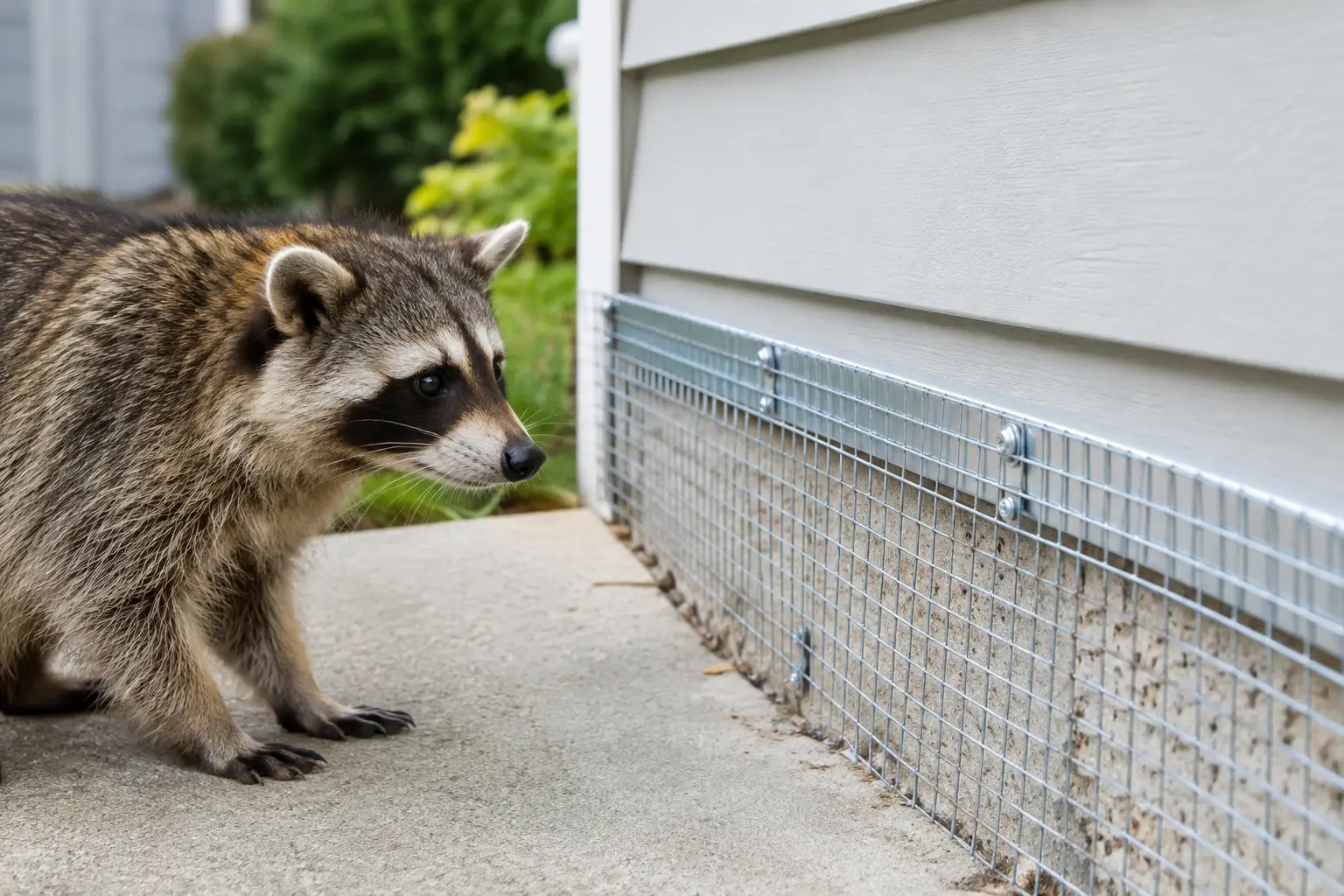
If your goal is a permanent result, exclusion is the part that matters most. That means professionally sealing all current and likely squirrel entry points using materials that stand up to chewing, weather, and building movement. Foam alone is not enough. Lightweight screening often fails. Temporary patchwork usually buys a little time and not much more.
Strong exclusion may include vent protection, ridge-vent protection, repairs to soffits and fascia, chimney cap work, screening of vulnerable openings, and reinforcement around roofline gaps. On some properties, tree trimming also helps by reducing direct roof access, but trimming alone will not solve the problem if the building already has open entry points.
A real permanent solution also addresses what squirrels left behind. Nesting material, droppings, urine, and damaged insulation can continue to cause odor and sanitation issues after the animals are gone. In attics and crawl spaces, restoration work may be necessary to return the area to a safe condition.
What a professional squirrel service should include
When squirrel activity is inside a building, property owners need more than trapping. They need a complete wildlife control response. That means inspection, humane removal, exclusion, cleanup, sanitizing, and repairs handled together.
For homeowners, that can prevent repeat attic invasions and avoid hidden damage spreading through insulation or wiring. For landlords and property managers, it reduces tenant complaints, liability, and recurring service calls. For commercial buildings, it protects operations and limits damage to roof systems, storage areas, and service spaces.
A full-service wildlife company should also understand local building conditions. In this region, squirrel problems show up in brownstones, single-family homes, multifamily buildings, warehouses, retail sites, and older structures with aging rooflines. The permanent fix often depends on knowing how squirrels exploit those exact vulnerabilities.
Animal Control NYC & NJ handles squirrel removal with that full-structure approach – remove the animals, identify every entry point, clean up the damage, and secure the building so the problem does not repeat.
When to act fast
If you hear movement in the attic early in the morning, notice chewing around soffits, see squirrels entering the same roof gap, or find insulation scattered near vents or access panels, do not wait. The longer squirrels stay inside, the more likely you are dealing with nesting, contamination, and structural damage.
Fast action matters even more if there are strong odors, visible droppings, water intrusion where squirrels damaged roof edges, or signs they have chewed near electrical lines. What starts as a wildlife problem can turn into a repair problem very quickly.
The honest answer to how do I get rid of squirrels permanently
You get rid of squirrels permanently by removing the animals humanely, finding every place they are getting in, sealing those openings with durable materials, and correcting the conditions that made your building a target. There is no magic spray, no single trap, and no shortcut that replaces exclusion and repair.
If squirrels are only visiting your yard, prevention may be enough. If they are in your roof, attic, or walls, permanent control requires professional removal and structural proofing. That is the difference between temporary relief and a real fix.
When squirrel activity is happening inside your property, treat it like what it is – an active wildlife intrusion with damage potential. The sooner you solve the access point, the sooner your building stops being part of their routine.