A raccoon, squirrel, rat, mouse, or bat problem can turn attic insulation into a health and property-damage issue fast. The best attic insulation after infestation is not simply the thickest material or the lowest price per square foot. It is insulation installed only after contaminated material is removed, the attic is disinfected, and every animal entry point is professionally sealed.
For homes and buildings in NYC and New Jersey, that order matters. Re-insulating an attic before the source of the problem is fixed can trap odors, leave parasites behind, and give the same animals a clean nesting area to return to. Complete wildlife removal, cleanup, exclusion, and insulation replacement protects the structure as well as the people inside it.
Why Damaged Attic Insulation Usually Needs Replacement
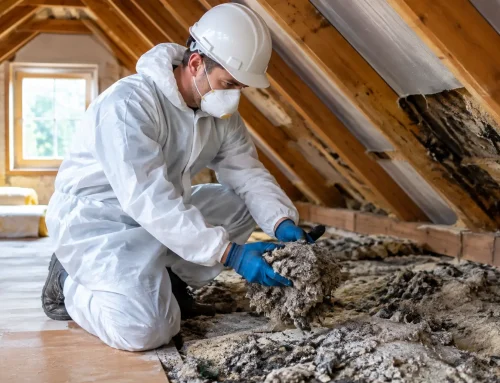
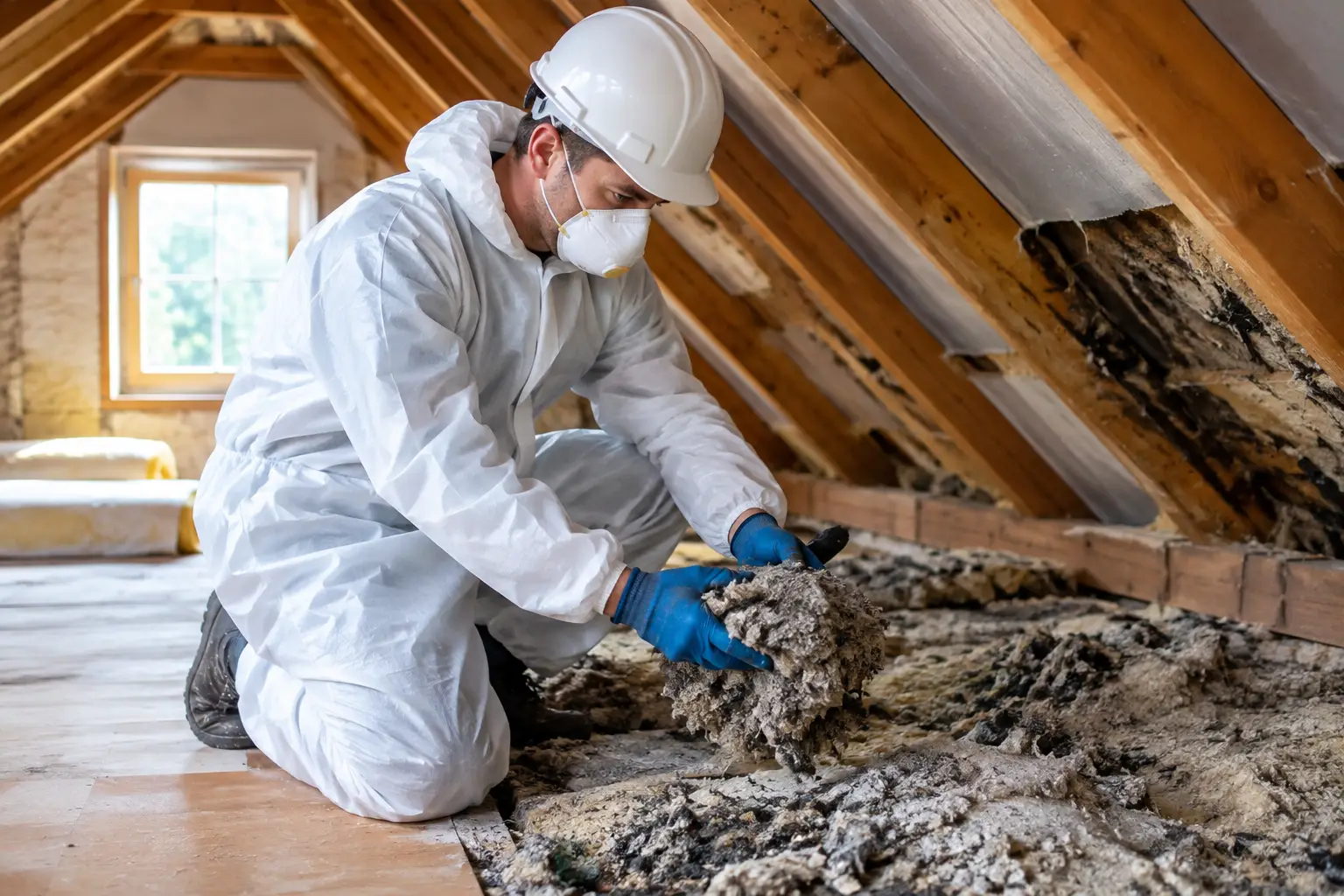
Animals rarely leave insulation the way they found it. Squirrels shred it to build nests. Raccoons compress it with their weight and soak it with urine. Mice and rats spread droppings throughout loose-fill or batt insulation, while bats can leave concentrated guano below a roosting area. Even when visible damage looks limited, contamination can spread farther than expected through air movement, animal travel paths, and nesting activity.
Insulation that has been saturated, heavily soiled, or disturbed by droppings cannot reliably perform as intended. Compressed insulation loses R-value, meaning the home loses more heat in winter and gains more heat in summer. Odors may continue to move through ceiling penetrations, recessed lights, duct openings, and wall cavities.
There is also a safety concern. Rodent droppings, urine, fleas, ticks, mites, bird waste, and bat guano should not be handled as a basic household cleanup project. Dry sweeping or vacuuming contaminated material can send dust and potential pathogens into the air. A proper attic restoration plan uses appropriate protective equipment, controlled removal methods, sanitation, and disposal practices.
Best Attic Insulation After Infestation: Material Options
The right insulation depends on the attic layout, the type of infestation, the condition of existing material, moisture history, and the building’s ventilation. No insulation product can compensate for an unsealed roofline, open soffit, damaged vent, or gap around utility penetrations.
Blown-In Cellulose for Full, Even Coverage
Blown-in cellulose is often a practical choice after a complete attic cleanup. It fills irregular spaces well, including areas around ceiling joists, wiring, and difficult corners. This can be especially useful in older NYC and NJ homes where attic framing is not uniform.
Cellulose is dense and provides solid thermal performance when installed to the appropriate depth. However, it is still a loose-fill product. If wildlife gets back into the attic, animals can tunnel through it, nest in it, and contaminate it again. It should be installed only after exclusion work is complete and the attic is dry.
Blown-In Fiberglass for Moisture Resistance
Blown-in fiberglass is another common choice for attic restoration. It does not absorb moisture as readily as cellulose, which can be helpful in attics with a past condensation issue or a roof leak that has been fully repaired. It is lightweight, noncombustible, and can provide consistent coverage across open attic floors.
The trade-off is that fiberglass can still be displaced by animal activity. It is not animal-proof, and no standard insulation should be marketed that way. Its value comes from energy performance and moisture characteristics, not from preventing squirrels, mice, or raccoons from returning.
Fiberglass Batts for Accessible, Defined Areas
Fiberglass batts work well in attics with standard joist spacing and clear access. They can be a good fit when a restoration involves a smaller, contained area rather than full attic-floor replacement. Batts are also easier to inspect visually than loose-fill materials.
Their limitation is coverage. Gaps around obstacles, uneven installation, and compressed sections reduce performance. In an attic with many pipes, wires, cross-braces, or odd framing details, blown-in insulation may create a more complete thermal layer.
Spray Foam for Air Sealing, With Important Limits
Spray foam can help address air leakage in selected areas, particularly around penetrations, rim areas, or certain roof-deck assemblies. Closed-cell foam can also add moisture resistance and structural rigidity. It is not automatically the best answer for every attic after an infestation.
Spray foam is more expensive, requires careful installation, and can complicate future repairs or inspections if used improperly. In a vented attic, applying foam to the wrong surfaces may interfere with the ventilation strategy. It should be specified based on the building assembly, not sold as a one-size-fits-all upgrade.
The Order of Work Matters More Than the Product
A clean attic is not just an attic with new insulation on top. The work should begin with identifying the animal, locating every active and former entry point, and confirming that no young animals remain inside. Sealing an entry hole too soon can trap animals in the structure or force them into living spaces.
After humane removal, contaminated insulation should be removed when conditions warrant it. The attic floor, framing, and accessible surfaces can then be treated with professional disinfectants and odor-control methods. Damaged wiring, chewed ducts, stained sheathing, and mold concerns should be identified before new material covers the area.
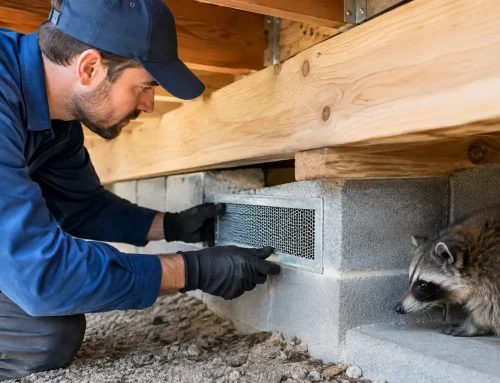
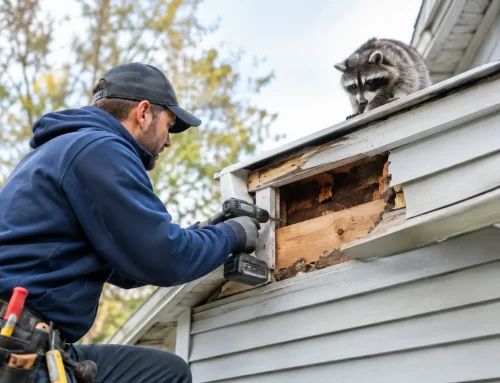
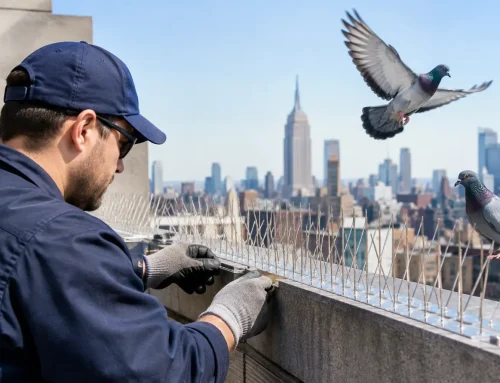
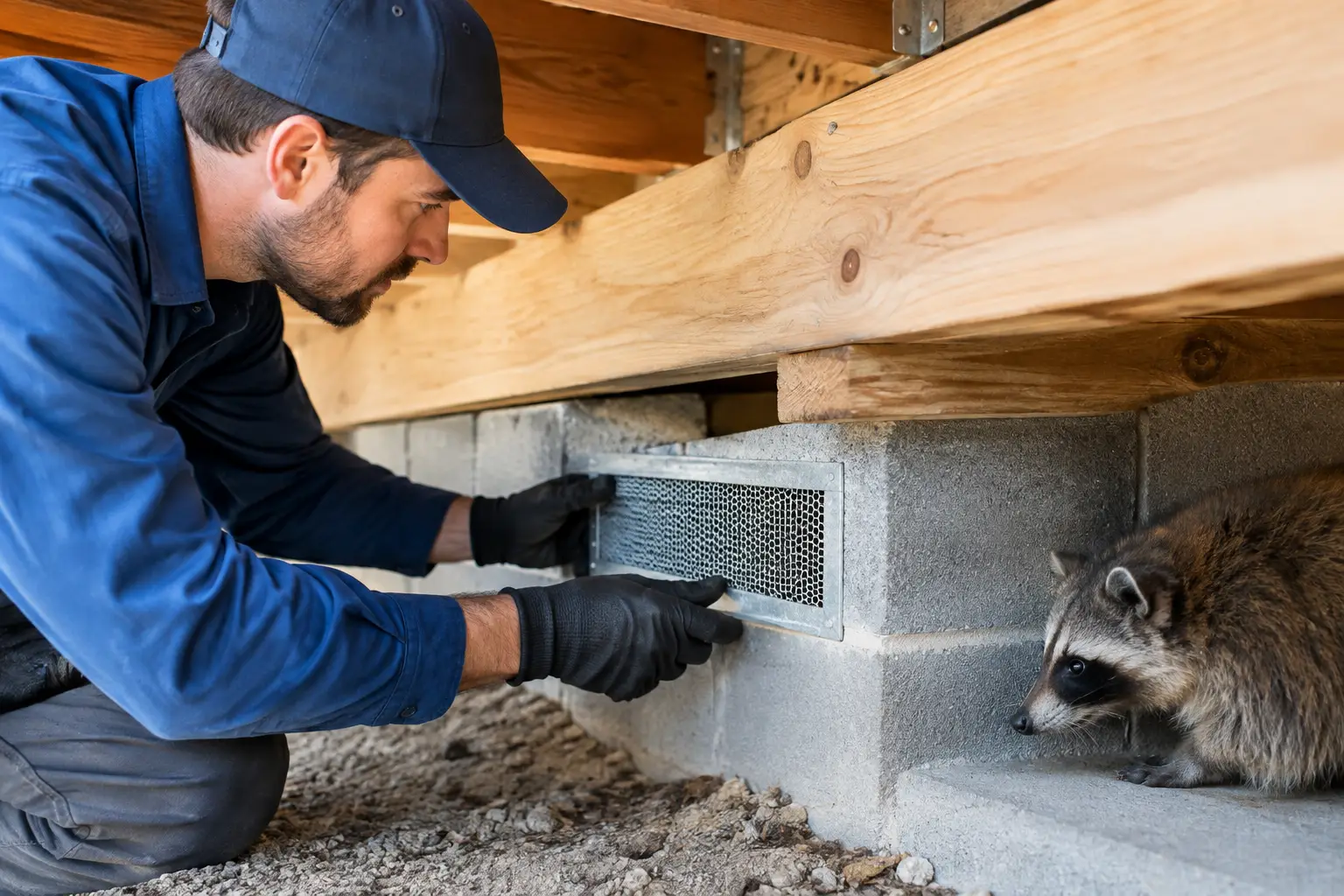
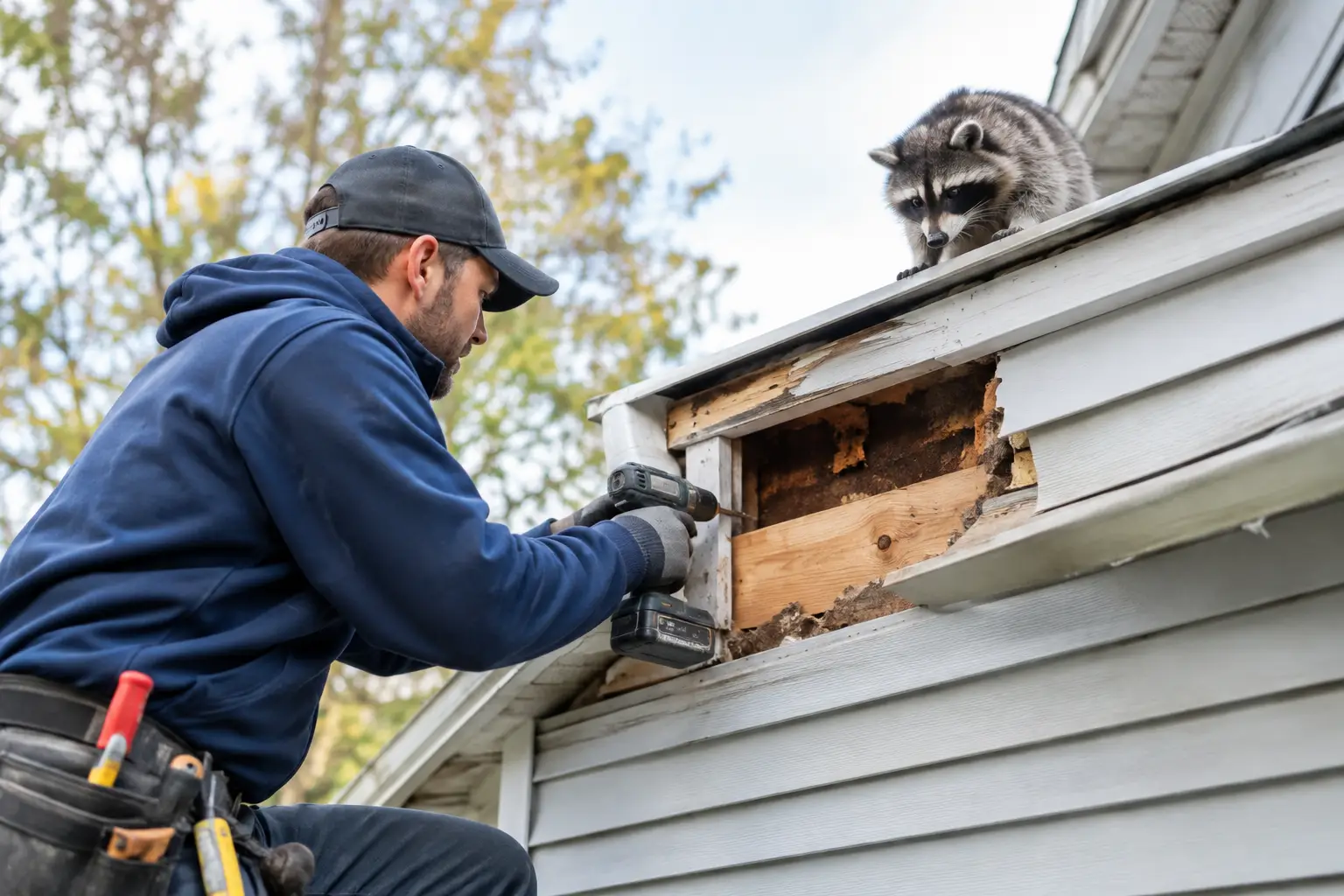
Only then should exclusion repairs be completed. Typical weak points include roof returns, ridge vents, soffits, fascia gaps, chimney flashing, plumbing penetrations, attic vents, and gaps where utility lines enter the building. Heavy-duty vent protection and properly secured repairs are essential because wildlife will test vulnerable areas repeatedly.
Once the attic is clean, dry, sealed, and inspected, insulation can be installed to meet the home’s needs. This approach stops the cycle of removing animals today and paying for another insulation replacement next season.
How Much Insulation Is Enough in NYC and NJ?
Most attics in this region benefit from an insulation level that provides strong resistance to winter heat loss and summer heat gain. The exact target depends on the home’s construction, existing insulation, heating system, roof design, and local code requirements. An attic with old insulation that is merely thin may be suitable for an upgrade, while an attic exposed to extensive urine, droppings, nesting, or moisture often needs a full removal and replacement.
Depth alone is not the full story. Air leaks can make even a deep layer of insulation underperform. Before replacement, common leakage points at the attic floor should be evaluated, including plumbing stacks, electrical openings, top plates, duct chases, and gaps around fixtures. Air sealing these areas helps the new insulation do its job and can reduce odor migration from the attic into occupied rooms.
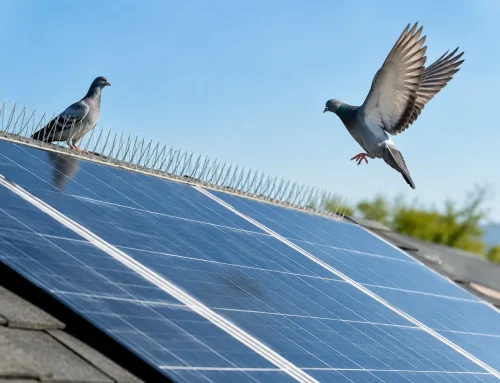
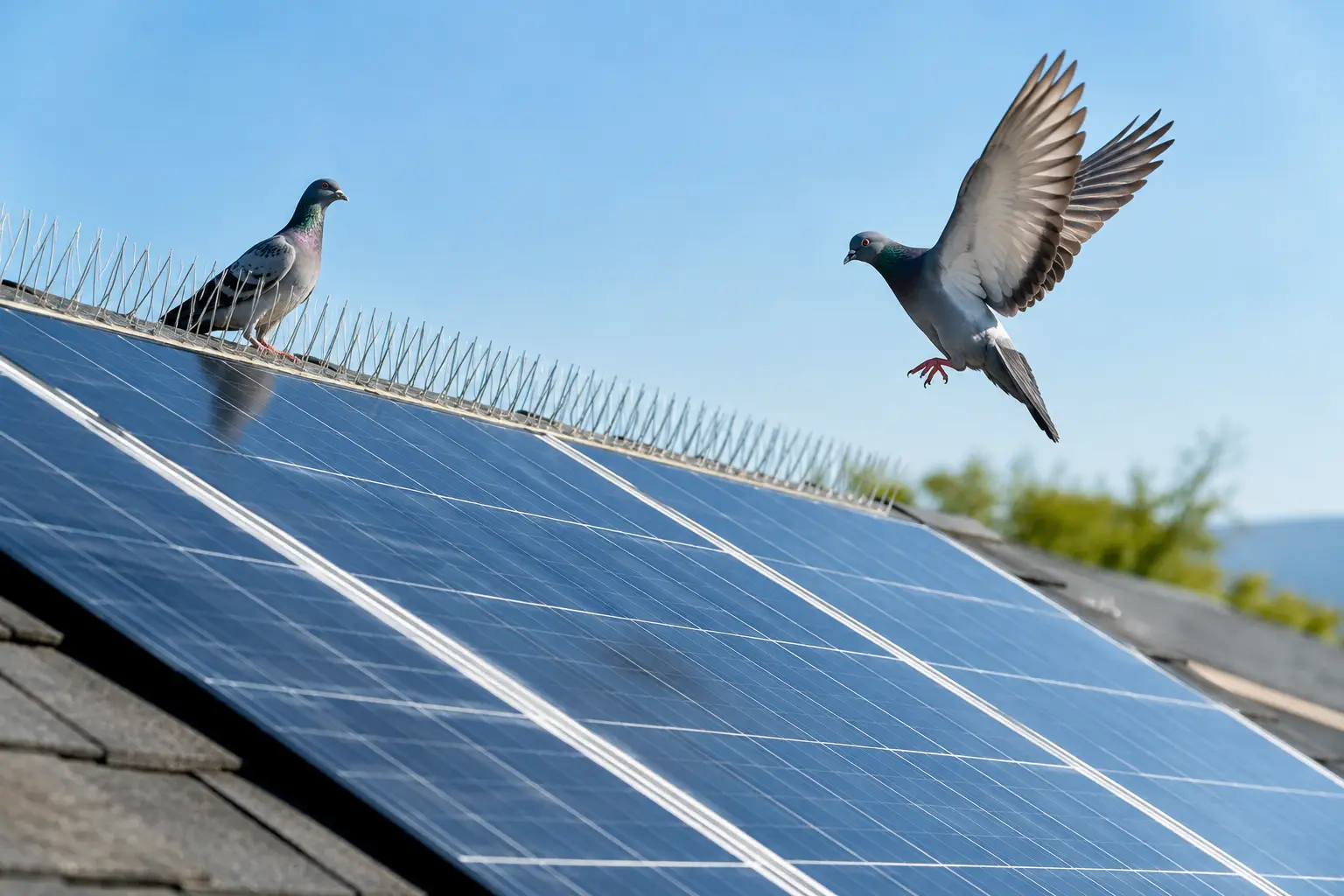
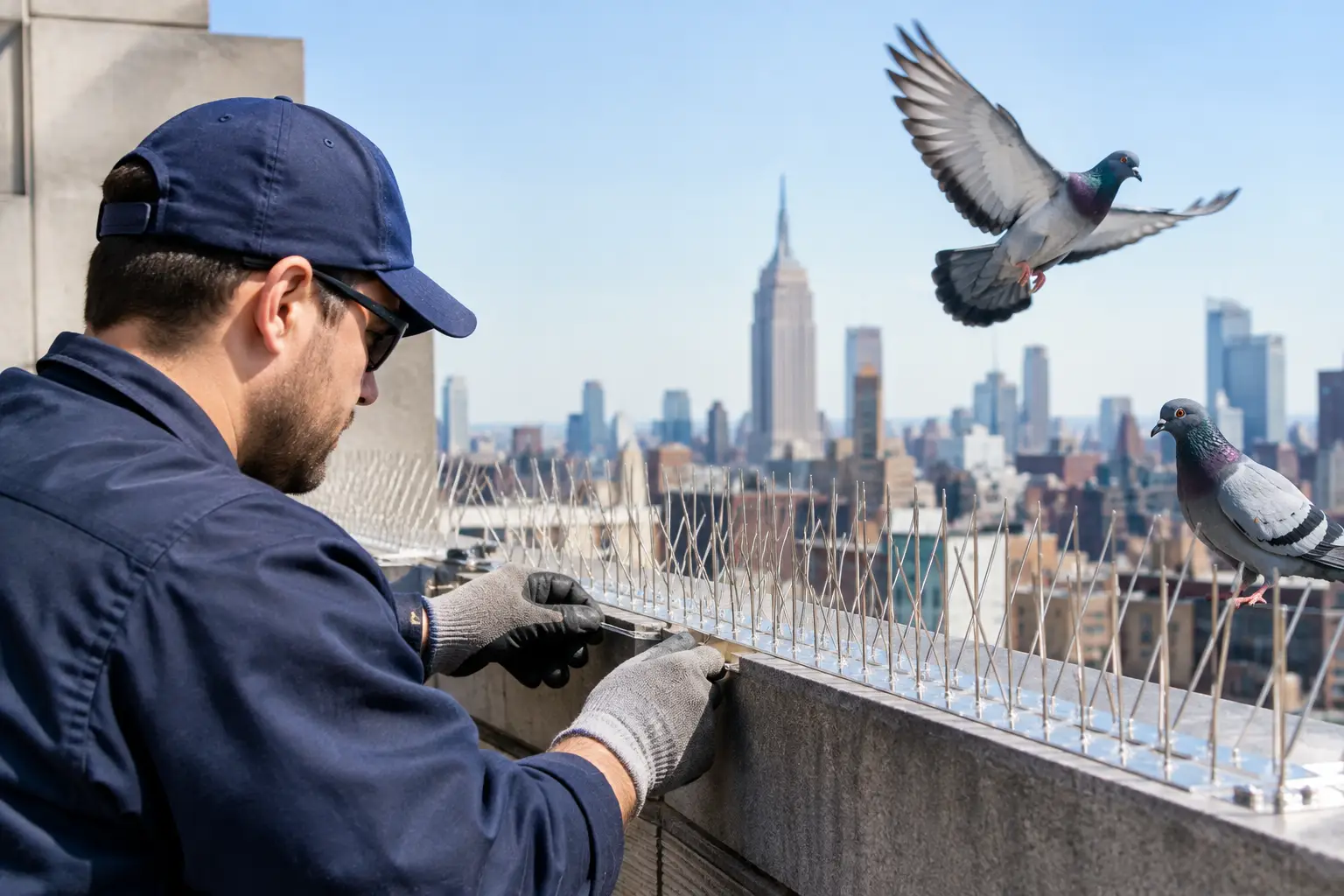
Proper ventilation also matters. Soffit and ridge ventilation, when appropriate for the roof system, helps manage heat and moisture. But open vents must be protected against birds, squirrels, bats, and rodents without blocking needed airflow.
Signs You Should Not Reuse Existing Insulation
Some insulation can remain if it is dry, undisturbed, free of droppings, and outside the affected area. In practice, homeowners often underestimate how far an infestation has traveled. Strong urine odor, visible pellets, nests, flattened pathways, staining on ceilings, insect activity, or chewed materials are signs that a closer inspection is needed.
Full replacement is commonly the smarter choice after raccoon occupation, long-term rodent activity, extensive bird nesting, or a bat colony. These situations can involve contamination across multiple sections of the attic, not just where the animal was first seen. Replacing affected insulation provides a clean baseline and makes future inspections easier.
Get the Attic Fixed Before the Animals Return
Choosing the best attic insulation after infestation starts with stopping the infestation for good. Animal Control NYC & NJ handles the full process: humane wildlife removal, attic inspection, contaminated insulation removal, sanitation, exclusion repairs, and restoration. That means property owners do not have to coordinate separate trappers, cleaners, roof repair crews, and insulation installers while the problem remains active.
If you hear scratching overhead, smell urine, see droppings, or notice a new roofline opening, act before cold weather, nesting season, or a small rodent issue becomes major attic damage. A properly restored attic should be clean, insulated, protected, and ready to stay that way.