Scratching over the ceiling at 2 a.m., a raccoon tearing through a soffit, or rats appearing near a restaurant dumpster is not a problem to put off until next week. When you search for animal control near me, you need more than someone who can remove the visible animal. You need a local wildlife professional who can find the entry point, address contamination, and stop the same problem from returning.
For homeowners, landlords, property managers, and business operators across New York City and New Jersey, fast action protects people, tenants, inventory, and the building itself. Professional wildlife control should be humane, safety-conscious, and complete from inspection through repair.
When “Animal Control Near Me” Is an Urgent Search
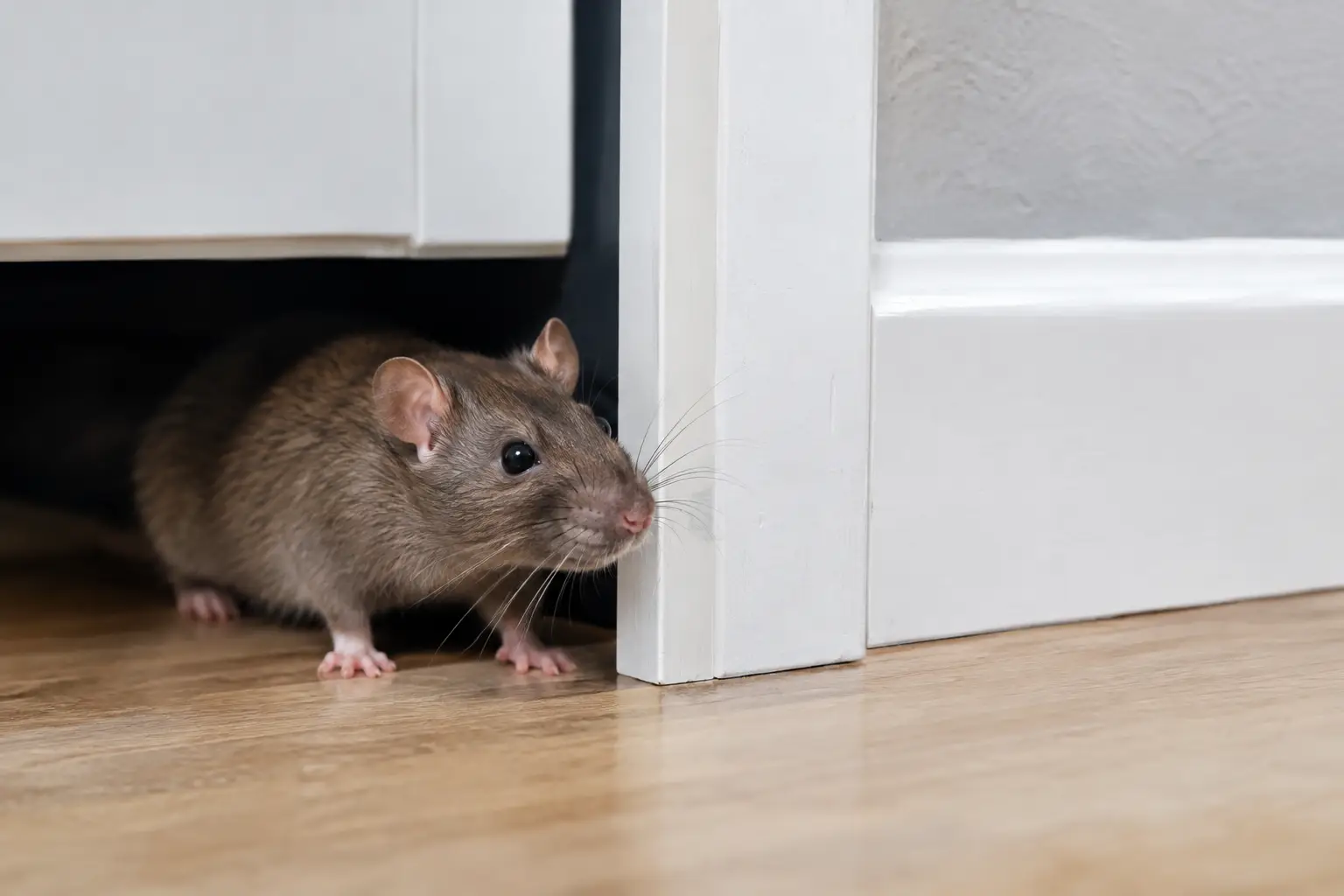
Some wildlife issues can wait for a scheduled inspection. Others need immediate attention. A bat inside a living space, a raccoon in an occupied attic, an active rat infestation, or a dead animal causing strong odors can create health concerns and escalating property damage quickly.
Call for professional help as soon as you notice animals entering through the roofline, vents, crawl space, basement, or exterior wall. The longer wildlife has access to a structure, the more likely it is to chew wiring, crush insulation, tear ductwork, contaminate stored items, or create nesting areas that attract more animals.
For commercial properties, speed matters even more. A bird problem around loading areas, rodents near food storage, or wildlife activity in a multi-unit building can lead to complaints, sanitation concerns, and operational disruption. A qualified local response team should be able to assess the situation, control access to the affected area, and build a plan that fits the property’s use.
What Professional Wildlife Control Should Include
Removal alone is rarely a complete solution. If an animal got inside once, there is usually an opening, damaged material, or an attractant that needs attention. The best animal control service works from the source of the problem outward.
A Species-Specific Inspection
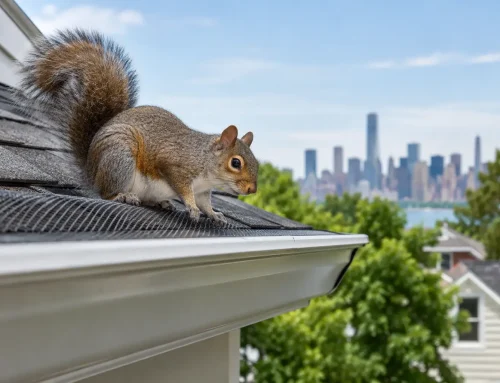
Raccoons, squirrels, rats, mice, bats, birds, and opossums leave different signs and require different removal methods. A squirrel in the attic may be entering through a roof gap near the fascia. Rats may be traveling through utility openings, foundation cracks, or gaps around pipes. Birds can nest under solar panels, in vents, and behind building signs.
A proper inspection identifies the species, entry routes, nesting areas, damage, and conditions that are helping the activity continue. Guesswork can lead to ineffective trapping or sealing an animal inside the structure.
Humane Trapping and Removal
Humane removal means using methods appropriate for the animal and situation while following applicable rules and seasonal considerations. In many cases, professionals use controlled trapping, one-way exclusion devices, or targeted removal strategies that prevent unnecessary harm.
Timing matters. For example, removing an adult animal without accounting for young in an attic or wall void can create a worse problem. Professionals assess whether dependent young may be present before determining the safest removal approach.
Exclusion That Closes the Door for Good
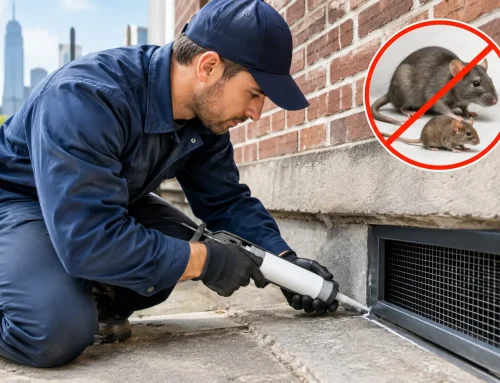
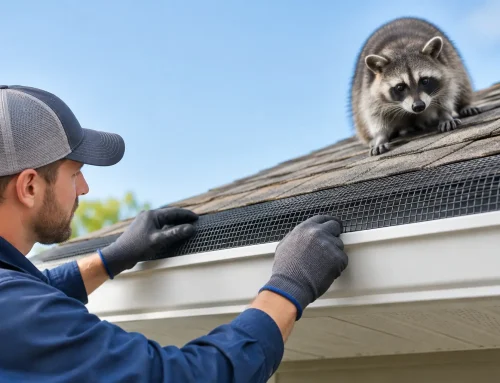
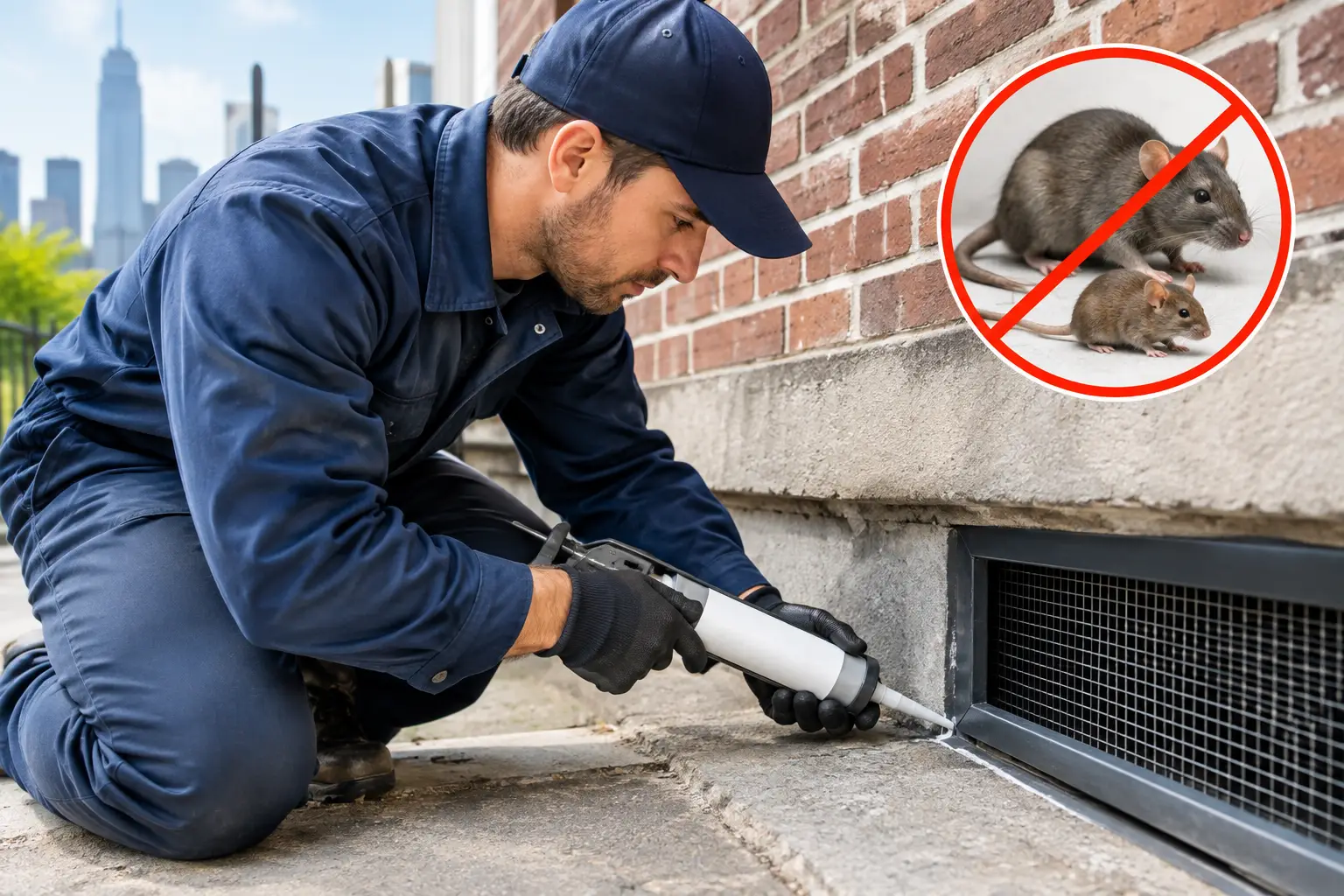
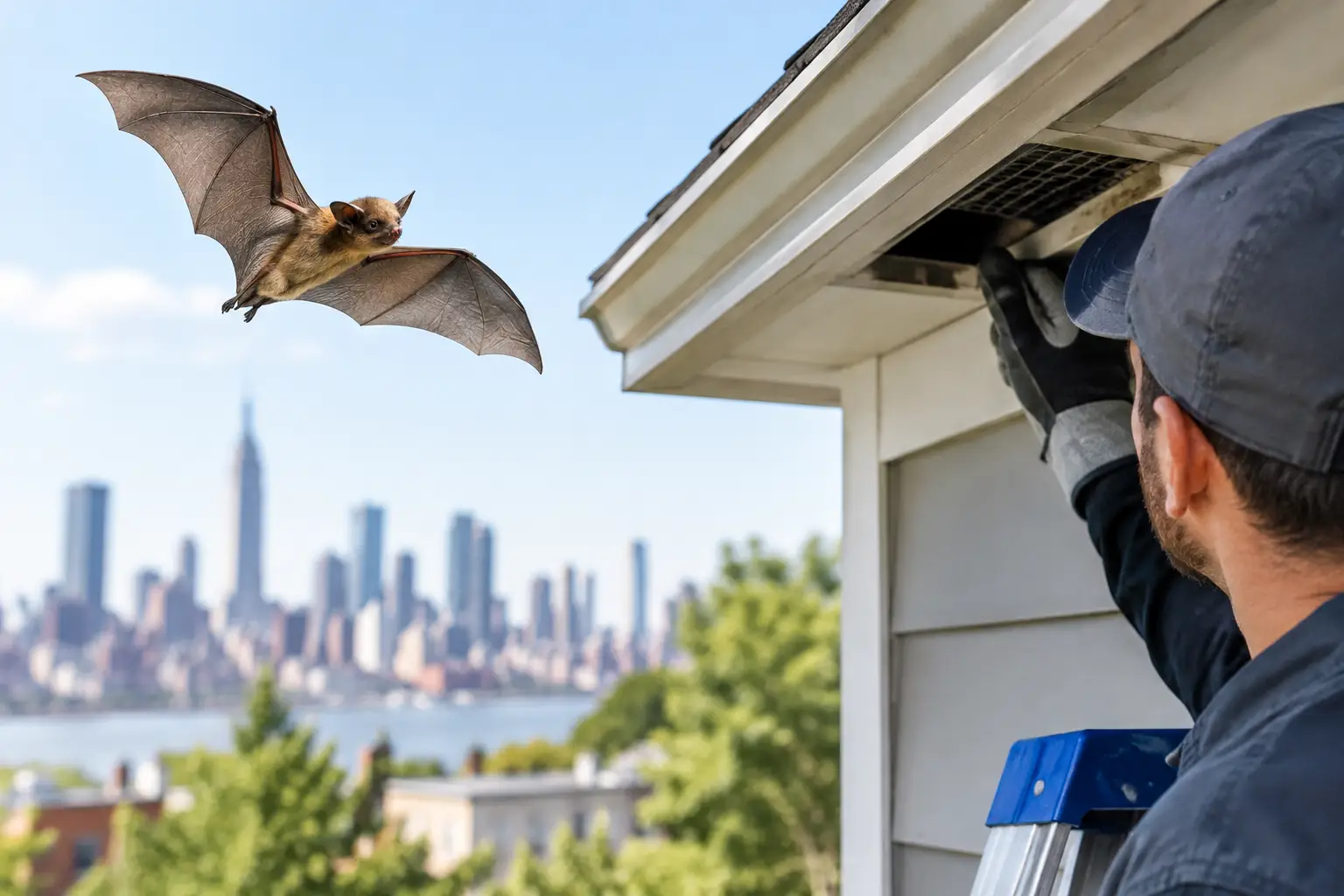
Once the active animal issue is under control, exclusion work is what protects the property. This may include sealing construction gaps, reinforcing roofline openings, protecting ridge vents, screening vulnerable vents, repairing soffits, and securing crawl space access points.
Quality exclusion is not just stuffing a hole with temporary material. Wildlife can chew, pull, or push through weak repairs. The right materials and installation method depend on whether the threat is mice, rats, squirrels, raccoons, birds, or bats.
Cleanup, Sanitization, and Damage Repair
Animal droppings, urine, nesting debris, and carcasses can contaminate insulation and building materials. Rodent waste may be found in attics, cabinets, basements, and utility spaces. Bird droppings can accumulate on roofs, ledges, and commercial exteriors. Dead animals can create odor, insect activity, and staining inside walls or ceilings.
A full-service wildlife control provider should be able to remove contaminated materials, disinfect affected areas, address odor sources, and restore damaged spaces. Depending on the situation, that can include attic restoration, insulation replacement, crawl space sealing, mold removal, gutter guard installation, or solar panel animal proofing.
Common NYC and NJ Wildlife Problems
Dense neighborhoods and older building stock create plenty of wildlife access points. In the city, rodents often move through utility lines, basement areas, trash storage zones, and shared walls. In suburban New Jersey, squirrels, raccoons, groundhogs, and chipmunks frequently target attics, crawl spaces, decks, sheds, and garages.
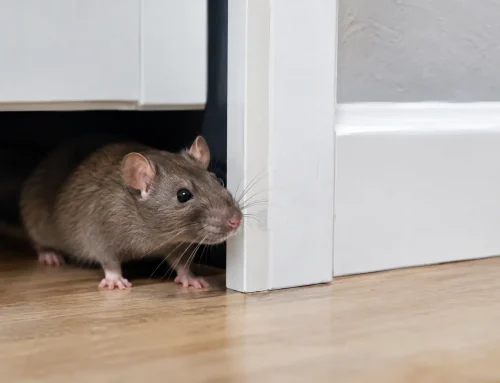
Rats and mice are often treated as a simple pest issue, but an established infestation can be a structural and sanitation problem. They may damage electrical wiring, contaminate food areas, and travel throughout wall voids. Effective control requires locating activity zones and sealing the gaps that allow ongoing entry.
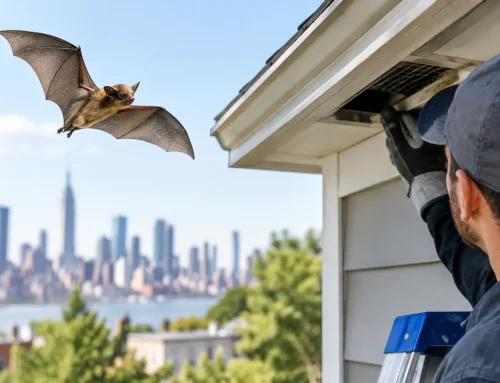
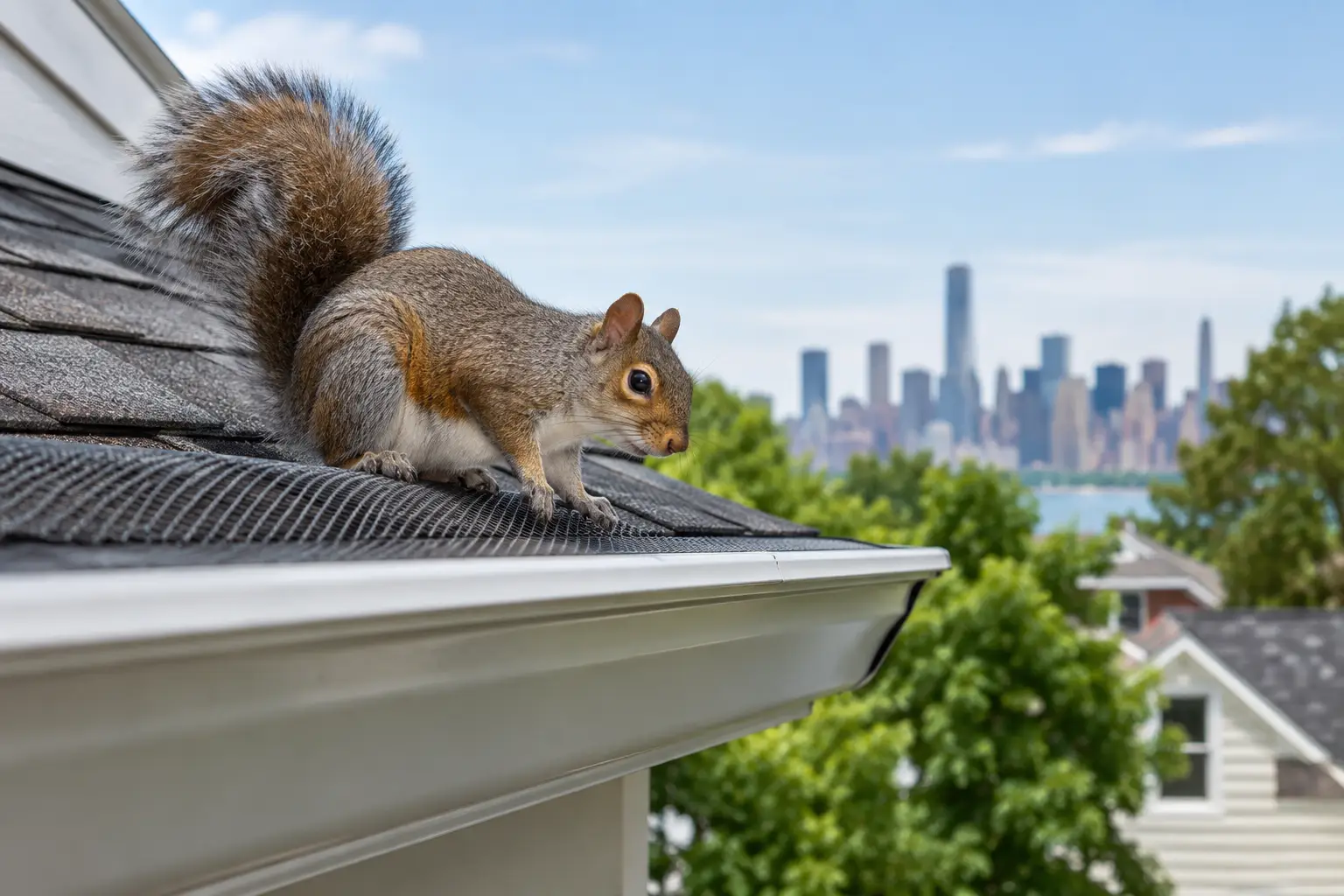
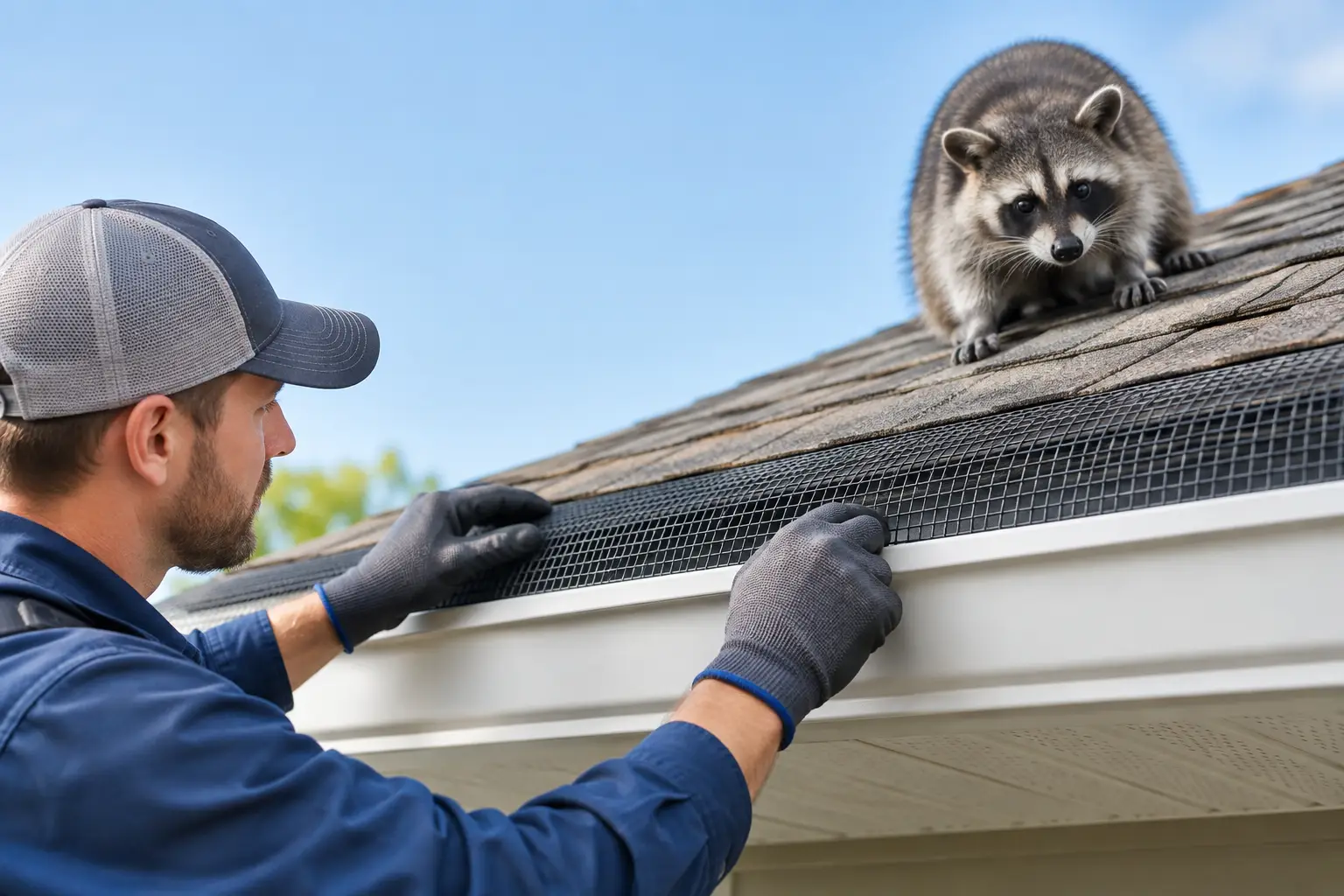
Raccoons are strong, resourceful animals that can tear open vents, roofing, and weak soffits. Squirrels can chew through wood, trim, and wiring to reach warm attic spaces. Bats may enter through openings that look too small to matter, then roost in attic gaps, chimneys, or siding voids. Birds can clog vents and gutters with nesting materials or create ongoing mess beneath rooftop equipment and solar arrays.
The animal may be different, but the goal stays the same: remove it safely, clean up the affected area, and make the structure harder to enter again.
How to Choose the Right Local Animal Control Company
The closest listing is not always the right provider. Ask whether the company handles the entire job or only sets traps. A trap-only service can leave behind damaged insulation, contaminated surfaces, open entry points, and the conditions that attracted wildlife in the first place.
Look for a company that can clearly explain what it found, which species is involved, how removal will be handled, and what repairs are recommended. You should understand the difference between urgent work needed to stop active damage and preventative work that improves long-term protection.
Availability also matters. Wildlife does not follow business hours, and a problem discovered at night may need immediate direction. A 24/7 service is especially valuable for animals inside occupied spaces, severe odors from a dead animal, active raccoon damage, bats in living areas, or commercial sanitation concerns.
For property managers, request a plan that accounts for tenant communication, access coordination, common areas, and documentation of the work performed. For businesses, the provider should understand how to work around operating hours, customer-facing areas, food-handling spaces, and exterior service zones.
What to Do Before Help Arrives
Keep people and pets away from the animal whenever possible. Do not corner, touch, feed, or attempt to handle wildlife yourself. An animal that appears calm may react defensively when frightened or trapped.
If the animal is in an attic, wall, crawl space, or ceiling, avoid sealing the opening before an inspection. Closing access too soon can trap the animal inside and force it deeper into the structure. It can also separate a mother from young animals.
For a rodent issue, secure food, clean up spills, and keep garbage containers closed, but do not rely on store-bought products as the only answer when activity is widespread. For a dead animal odor, avoid opening walls or ceilings without identifying the exact source. Unnecessary demolition can add cost without solving the problem.
Take note of where and when you see activity, hear noises, or find droppings. Those details help a wildlife technician identify travel patterns and likely entry points faster.
Get the Whole Property Back Under Control
The right response is not simply getting an animal out of sight. It is restoring control of the property – from humane removal and emergency response to sanitization, exclusion, and structural repair. Animal Control NYC & NJ provides this full-service approach for wildlife problems across NYC and New Jersey, including difficult attic, roof, crawl space, and commercial-property cases.
If you are hearing movement overhead, seeing fresh droppings, finding damage around vents, or dealing with an animal inside the building, act before the issue grows. A professional inspection can turn a stressful wildlife problem into a clear repair and prevention plan.