A tenant calls about scratching in the wall. Another reports droppings under the sink. By the time the third unit complains, you are no longer dealing with a small nuisance. Mice control for landlords is a property protection issue, a tenant satisfaction issue, and in many cases a health issue that gets worse when response is delayed.
In New York City and New Jersey, mice spread fast through multifamily buildings, mixed-use properties, basements, boiler rooms, storage areas, and wall voids. A few traps in one apartment rarely solve the real problem. If the entry points stay open and contaminated areas are left behind, the activity usually returns.
Why mice become a landlord problem so quickly
Mice do not need much space to get inside. Gaps around utility lines, damaged door sweeps, pipe penetrations under sinks, cracks near foundations, and openings behind appliances can all become access points. In older buildings, the problem is often multiplied by aging materials, shared wall cavities, and patchwork repairs from years of turnover.
The real issue is not just the mouse you see. It is the movement you do not see between units, ceilings, crawl spaces, trash areas, and utility chases. That is why recurring complaints often happen in clusters. One tenant may notice droppings in the kitchen while another hears activity above the bathroom ceiling. Those reports are usually connected.
For landlords, there is also a timing problem. A small infestation can turn into a larger building-wide issue between lease renewals, after vacancies, during renovations, or when weather shifts push rodents indoors. Waiting for more evidence usually costs more than acting early.
Effective mice control for landlords starts with inspection
Fast action matters, but random action wastes time. The first step in effective mice control for landlords is a focused inspection that identifies where mice are traveling, nesting, feeding, and entering the structure.
That means looking beyond the unit where the complaint started. A proper inspection should account for common areas, trash storage, basement conditions, mechanical spaces, pipe runs, exterior gaps, and the specific apartment or commercial unit reporting activity. In multifamily housing, one of the biggest mistakes is treating only the visible room and ignoring the route that allowed the infestation to spread.
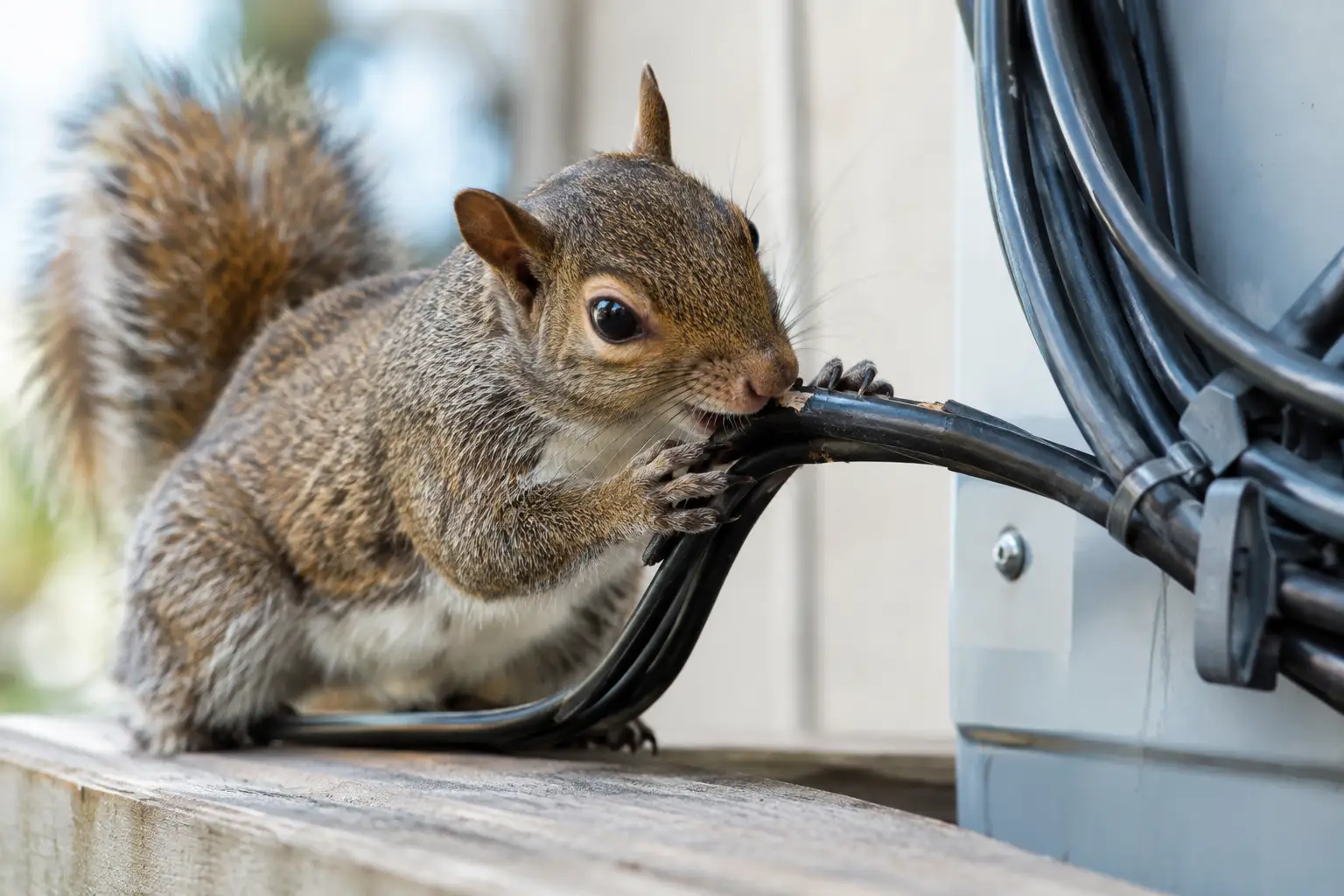
This is also where experience matters. Mice leave patterns. Rub marks, greasy trails, shredded nesting material, droppings in hidden corners, and gnawing around food sources all help map the problem. Professional wildlife and rodent control teams know how to read those patterns and build a response that matches the building layout.
Trapping alone is not enough
Many landlords have already tried bait stations, glue boards, or hardware store traps before calling for service. Those tools can catch mice, but they do not fix why mice are there. If the opening behind the stove is still active, the gap around the gas line is still unsealed, and the basement door still has daylight underneath it, trapping becomes a revolving door.
There is also a liability and sanitation side to think about. Poorly placed traps in occupied units can create problems with children, pets, and tenant compliance. Dead mice in inaccessible areas can add odor issues. Baits used without a clear plan can fail, especially in cluttered environments or buildings with multiple food sources.
The stronger approach is integrated control – remove active mice, identify the access points, sanitize affected areas, and close the structure back up. Without that final step, most properties stay vulnerable.
Exclusion is what stops repeat infestations
The most reliable long-term fix is exclusion. That means sealing the gaps, penetrations, cracks, and construction defects mice are using to enter and move through the building.
This work has to be done with the right materials and the right priorities. Not every hole is equal. Some are active entry points from outside. Others are interior travel routes between units. Some openings are around plumbing and electrical penetrations. Others are at loading areas, cellar doors, vents, or foundation transitions. A cosmetic patch may look fine during a walkthrough and still fail within days.
For landlords and property managers, this is where a full-service provider saves time. If one company handles inspection, trapping, sanitation, exclusion, and repair, you avoid the usual handoff problem where the pest issue is addressed but the structural vulnerability remains untouched.
Sanitation matters more than many owners realize
Mice leave behind more than droppings. Urine, nesting debris, contaminated insulation, and hidden waste in wall voids or under cabinets can create lingering odor and unsanitary conditions. In occupied rental properties, that matters for tenant health, odor complaints, and the perception that management is not fully resolving the problem.
This is especially important after a larger infestation, in vacant units being turned over, or in basements and crawl spaces where activity may have gone unnoticed for months. Cleanup is not just cosmetic. It removes attractants, reduces contamination, and helps reset the space after the infestation is brought under control.
In some cases, remediation goes further than simple cleaning. Damaged insulation, soiled materials, and compromised access points may need to be removed and replaced. That is one reason many landlords look for a company that can handle both animal control and property recovery in the same visit cycle.
Tenant cooperation can make or break the job
Even the best treatment plan can be slowed by poor access or inconsistent tenant cooperation. If one resident leaves food exposed, blocks inspection areas, or refuses entry, the infestation may keep moving. Landlords know this part well – rodent control in rental housing is rarely just a technical issue.
Clear communication helps. Tenants should know when service is scheduled, what areas need to be accessible, how food should be stored, and why temporary preparation steps matter. In multifamily properties, it also helps to explain that the problem may involve more than one unit, even if only one resident is currently seeing activity.
There is a balance here. You do not want to shift responsibility away from ownership if the building has entry point issues, but you also cannot ignore housekeeping and access conditions that give mice easy cover and food sources. The best results come when both sides do their part.
Mice control for landlords in multifamily buildings
Single-family rentals and duplexes are usually more straightforward. Apartment buildings, mixed-use properties, and larger complexes are not. In those environments, mice can move through shared systems quickly, especially around utility chases, suspended ceilings, storage rooms, compactor areas, and old construction joints.
That changes the strategy. Instead of treating one complaint as one isolated incident, landlords often need a broader building assessment. If multiple units stack above one another or share plumbing walls, it may make sense to inspect vertically, not just side to side. If a ground-floor retail tenant stores food or produces trash that attracts rodents, that may be feeding the residential problem upstairs.
This is where local experience in NYC and NJ matters. Dense buildings, older housing stock, narrow service alleys, and constant exterior pressure from neighboring properties all make rodent control more complex than a simple set-and-forget service.
When to call for professional help
If you are getting repeat complaints, seeing droppings after prior treatment, finding activity in more than one unit, or dealing with odor and contamination, it is time for a professional response. The same goes for vacant units with visible evidence of nesting, common areas with rodent movement, or properties where prior do-it-yourself efforts have failed.
A professional team can move faster from diagnosis to resolution because the work is not limited to catching mice. It includes identifying hidden travel paths, sealing the building, addressing contaminated areas, and reducing the chance that the next tenant inherits the same problem.
For landlords, speed matters, but completeness matters more. A cheap short-term fix can easily become a second service call, a new complaint, or a preventable turnover issue.
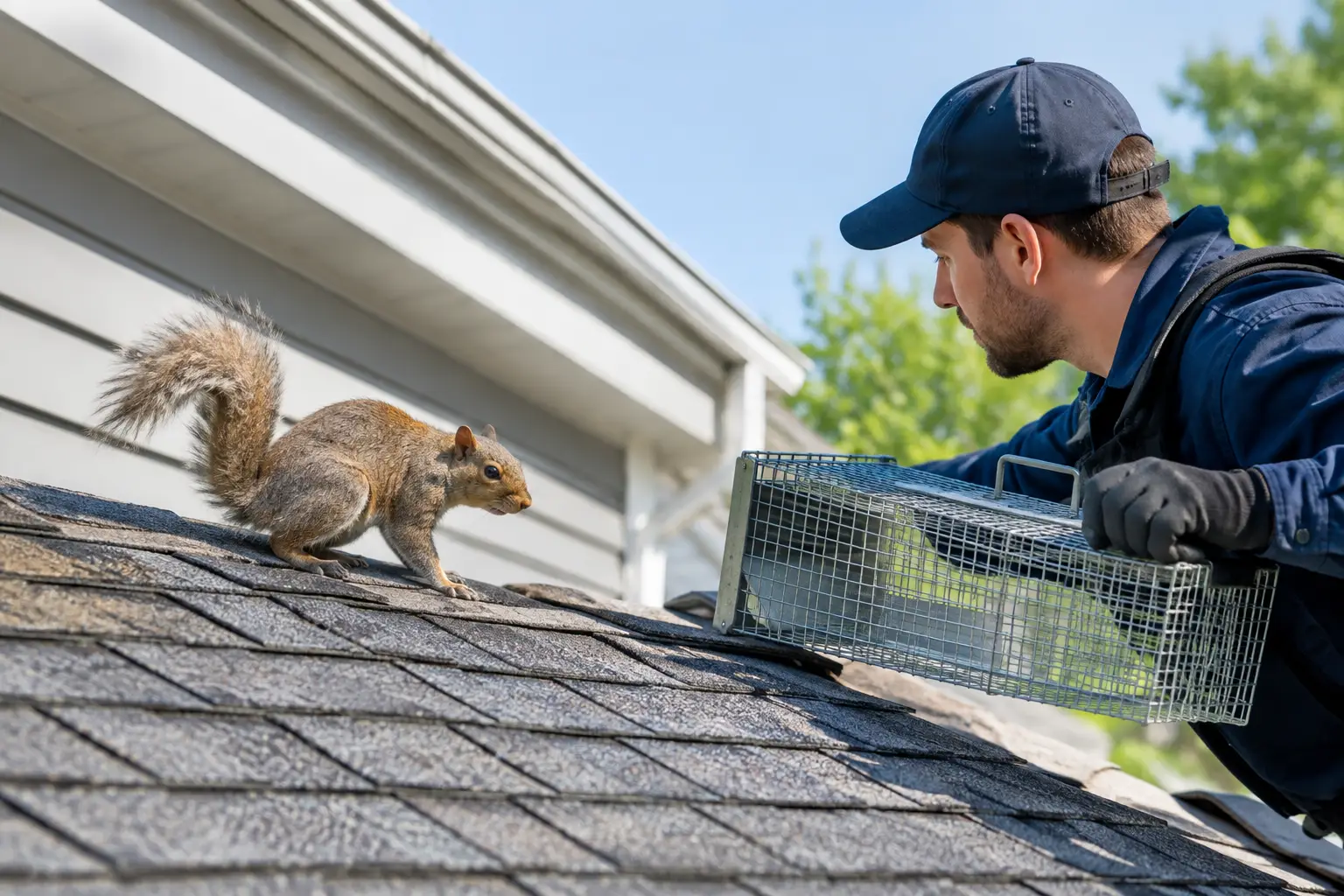
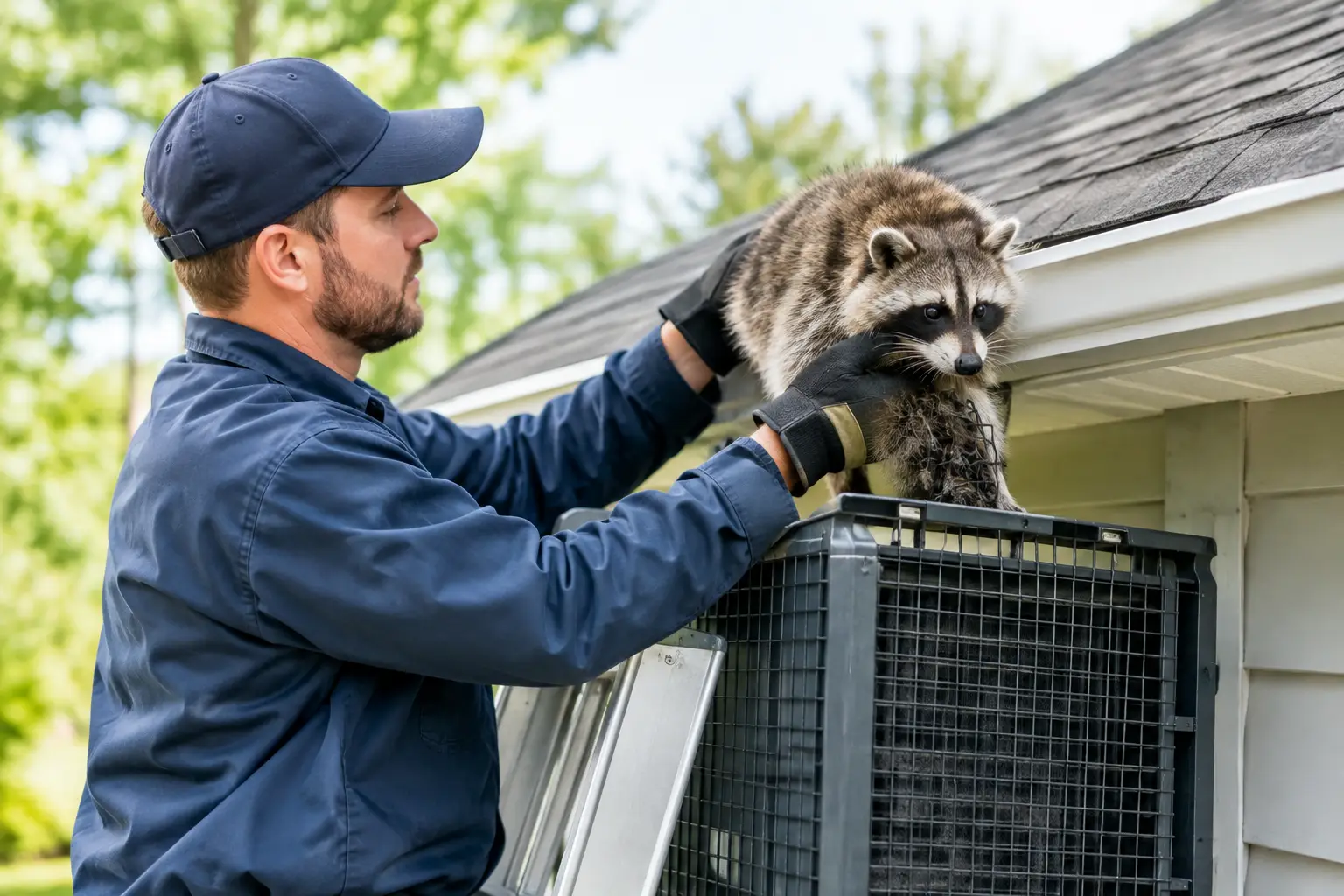
Animal Control NYC & NJ approaches rodent problems the way property owners need them handled – with inspection, humane control methods, exclusion, cleanup, and repair done as one coordinated job.
The best time to deal with mice is before the next complaint comes in. If your building is already showing signs, act early, fix the structure, and make sure the problem is solved at the source.