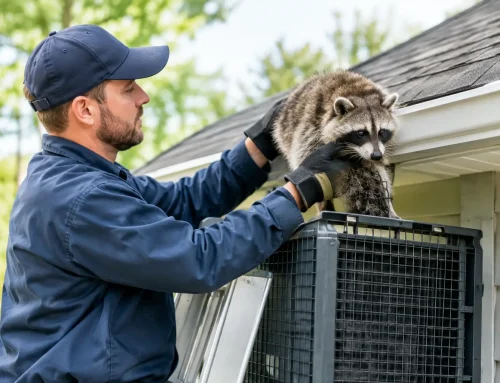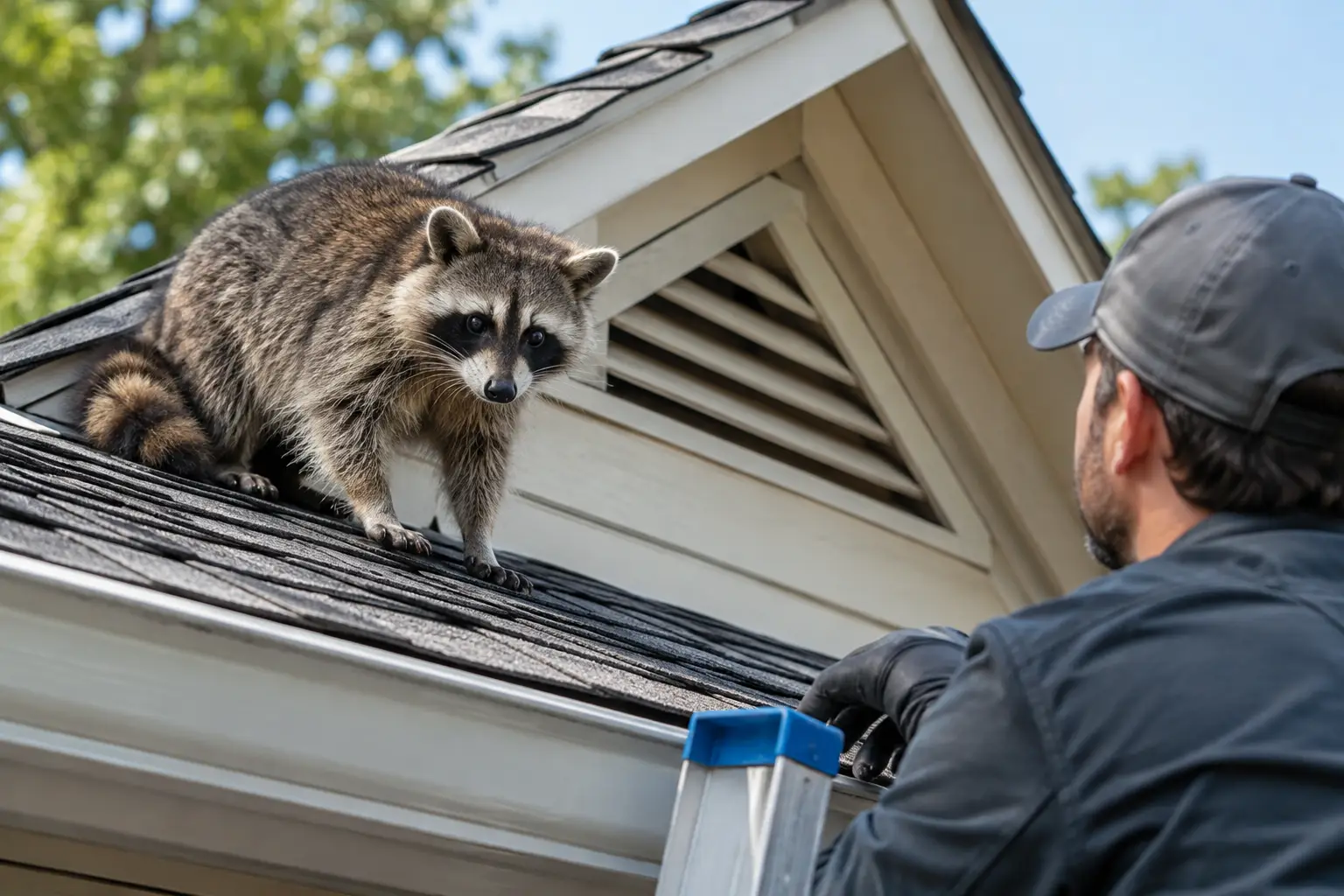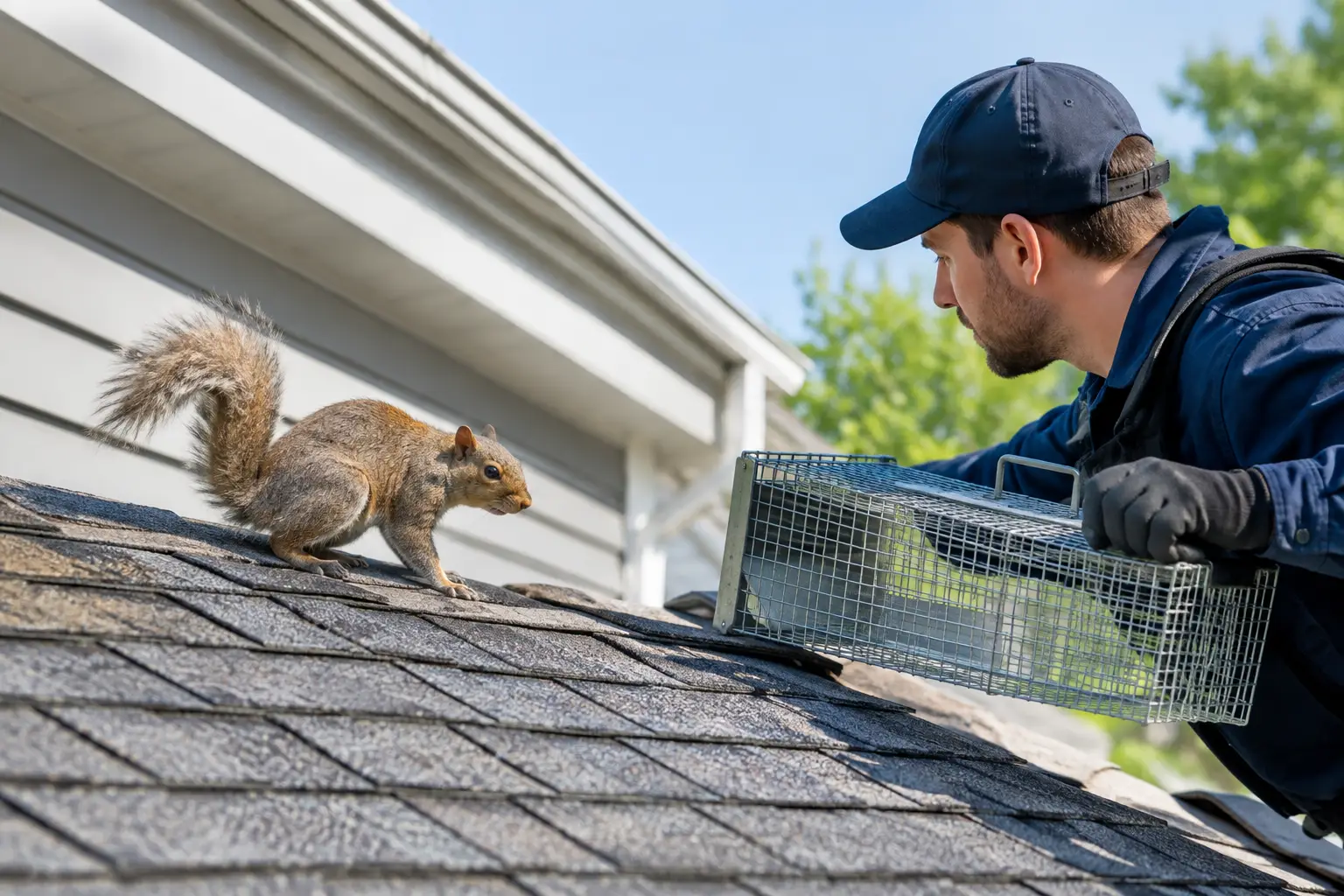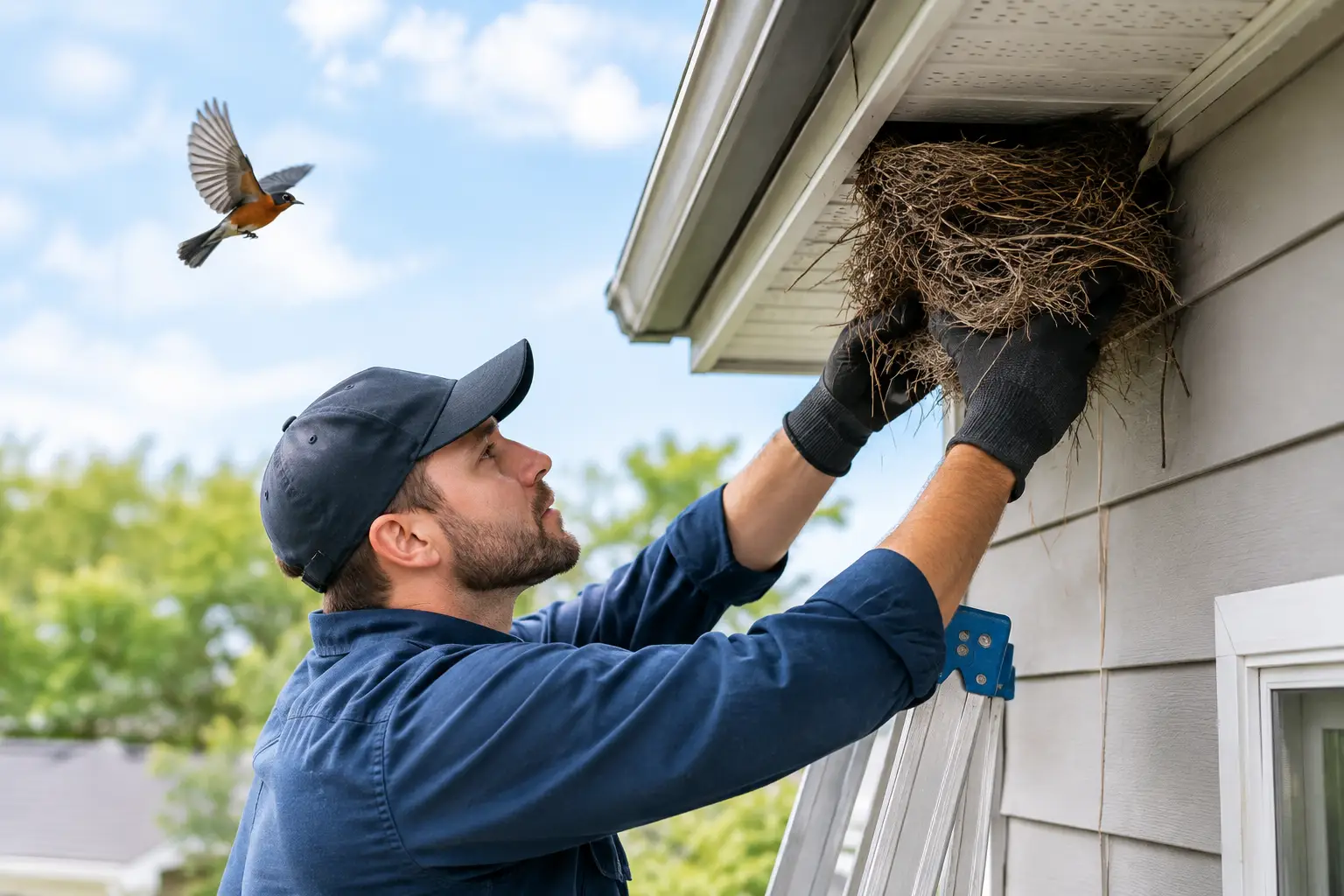
A few birds on the roof can turn into a real property problem fast. Once they start nesting under flashing, crowding vents, or roosting along ledges and gutters, the mess and damage build quickly. If you are searching for how to bird proof roof areas effectively, the goal is not to scare birds off for a day. The goal is to block access, remove attractants, and protect the structure so they do not come back.
In New York City and New Jersey, rooflines give birds exactly what they want – height, shelter, warmth, and easy access to food and water nearby. On houses, multifamily buildings, warehouses, and retail properties, the trouble usually starts at the weak points. Ridge vents, soffits, gaps around rooftop equipment, solar panel edges, drainage areas, and unused chimneys are common entry and nesting zones.
How to bird proof roof areas without making the problem worse
The biggest mistake property owners make is treating birds like a surface problem. They see droppings on shingles or hear activity near the eaves, then put out a plastic owl, a noise device, or a cheap strip of spikes in one spot. That may move birds temporarily, but it rarely solves the full issue.
Bird proofing works when it matches the species, the structure, and the pressure points on the building. Pigeons, sparrows, and starlings do not behave the same way. A steep residential roof presents different challenges than a flat commercial roof with HVAC units and parapet walls. Humane exclusion has to be precise. If you seal the wrong opening while birds are active inside, you can create a worse sanitation issue and a dead animal problem.
That is why inspection comes first. Before any material goes on the roof, you need to identify where birds are landing, where they are nesting, and how they are accessing protected areas. You also need to check whether eggs or active young are present, since timing matters with humane removal.
The most common bird trouble spots on a roof
Most roof infestations do not happen in the middle of an open shingle field. They happen where the roof design creates cover.
Ridge vents are a major target because they offer warmth and airflow. Birds can pull at weak vent materials or exploit damaged sections to gain access. Gutters are another hot spot, especially where leaves, standing water, and roof runoff create nesting conditions. Around chimneys and flashing, even a small gap can become a recurring entry point.
On commercial buildings, birds often settle on ledges, parapets, signs, and the protected spaces around rooftop equipment. Solar panels are another growing issue. The gap beneath the panels acts like a sheltered tunnel, and once birds establish a nest there, the droppings, feathers, and debris can spread across the roof system.
If the roof problem connects to attic noise, interior odor, or stained ceilings, that usually means the issue has gone beyond simple roosting. At that point, bird proofing should include cleanup and repair, not just exclusion.
Best materials for bird proofing a roof
The right material depends on where the birds are and what behavior you are trying to stop.
Bird spikes work best on narrow landing surfaces such as ledges, signs, beams, and some parapet edges. They are good for preventing roosting, but they do not seal openings. If birds are getting under a vent or inside a roof cavity, spikes alone will not solve it.
Bird netting is useful for blocking access to larger voids and covered spaces. It can be very effective around loading docks, courtyards, overhangs, and some commercial roof features. It has to be installed tightly and correctly. Loose netting can fail quickly and create an entanglement hazard.
Metal screening and vent guards are often the better answer for residential roof vulnerabilities. Galvanized steel or other durable chew-resistant and weather-resistant materials can protect ridge vents, attic vents, soffit gaps, and similar openings without restricting necessary airflow. For solar panels, purpose-built exclusion mesh is usually the safest option because it closes the perimeter while preserving panel function.
Visual deterrents and sound devices tend to be the least reliable long term. In dense urban settings, birds get used to them fast. They may help as a short-term support measure, but they should not be your main plan.
How to bird proof roof structures step by step
Start with a full inspection from the ground and on the roof. Look for droppings, nesting material, feathers, damaged vent covers, clogged gutters, and repeated landing patterns. If birds are entering the structure, identify every opening before sealing anything.
Next, address active nesting humanely. This is the step where many do-it-yourself jobs go wrong. If protected species are involved, or if young birds are present, removal timing and handling matter. Rushing this stage can lead to legal problems, trapped birds, and contamination inside the building envelope.
Once the nesting issue is handled, clean the affected areas properly. Bird droppings are not just unpleasant. They are corrosive, they can stain roofing materials, and they can create health concerns for residents, workers, and maintenance staff. Contaminated insulation or attic material may also need removal if the activity has been ongoing.
After cleanup, install exclusion materials at all access points. That may mean vent protection, screening, panel mesh, chimney caps, or roost deterrents on repeat landing zones. The key is coverage. Leaving one unprotected gap often means the birds simply relocate ten feet away and continue the problem.
Finally, reduce conditions that attract birds back. Keep gutters clear, remove food sources, manage standing water, and inspect roof areas regularly after storms or repair work. Bird proofing is strongest when exclusion and maintenance work together.
When DIY roof bird proofing is enough and when it is not
A very minor roosting issue on an accessible one-story structure may be manageable if there is no nesting, no interior access, and no safety risk. For example, a small section of ledge above a porch might only need a properly installed deterrent.
Most real roof bird problems are not that simple. If the roof is steep, multi-story, fragile, or connected to attic access, the job becomes a safety issue fast. If there are droppings around vents, repeated bird noise inside walls or ceilings, or evidence of damage under solar panels or inside insulation, you are no longer dealing with a simple nuisance. You are dealing with wildlife intrusion and property remediation.
That is especially true for multifamily housing, mixed-use buildings, schools, warehouses, and retail properties. There, one untreated bird problem can become a tenant complaint issue, a sanitation issue, and a maintenance cost issue at the same time.
Why roof bird proofing often fails
Most failures come from partial work. A property owner blocks one visible spot but misses the secondary access points. Or a handyman installs materials that are not designed for exterior wildlife exclusion, so they loosen, rust, or detach under weather exposure.
Another common failure is skipping cleanup. Even after birds are excluded, droppings and nesting debris left behind continue to smell, attract insects, and signal a safe roosting area to other birds. On some properties, contamination is half the problem.
Timing also matters. Roof work done during active nesting season without proper planning can delay the job or force a second visit. Humane bird control is not just about getting birds off the roof. It is about resolving the situation without creating a bigger one.
Professional bird proofing for homes and commercial buildings
Professional service makes the biggest difference when the roof issue is active, widespread, or tied to structural damage. A qualified wildlife control company does more than install barriers. The job should include species identification, humane removal, sanitation, exclusion, and repairs to the areas birds have compromised.
That full-service approach matters in NYC and NJ, where bird pressure is constant and buildings have a mix of older construction, tight rooflines, and hard-to-reach architectural features. Animal Control NYC & NJ handles these problems the way they need to be handled – quickly, safely, and with repairs that keep the issue from coming right back.
If birds are already nesting on your roof, making noise in the attic, or leaving droppings around vents, waiting usually costs more. The longer they stay, the more cleanup and damage correction the property may need.
The right move is simple: stop the access, clean the contamination, and protect the structure before a roof nuisance turns into a larger wildlife and repair problem.