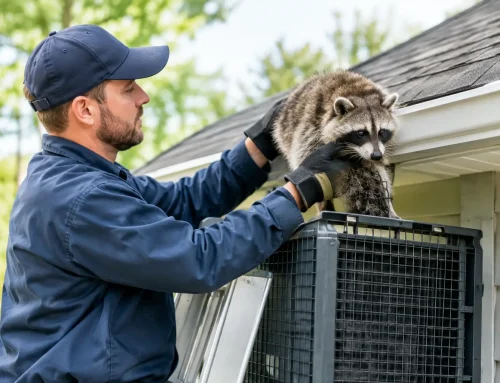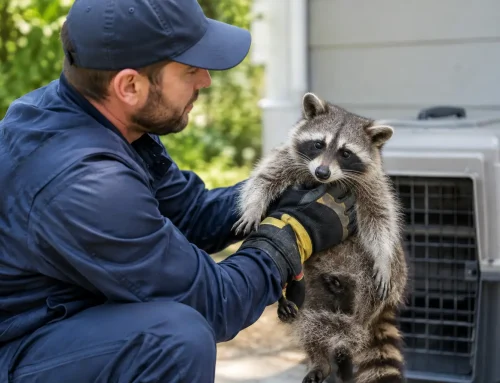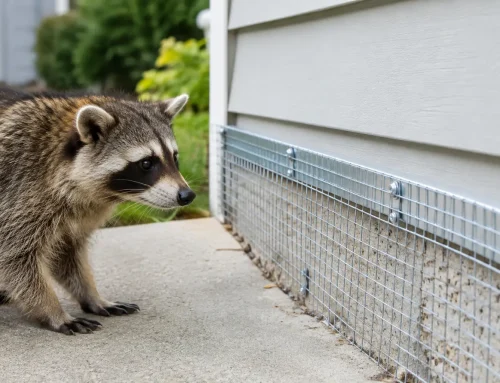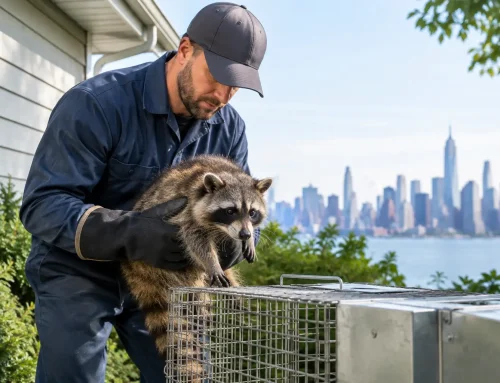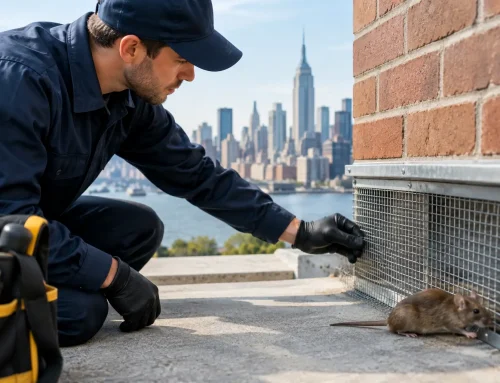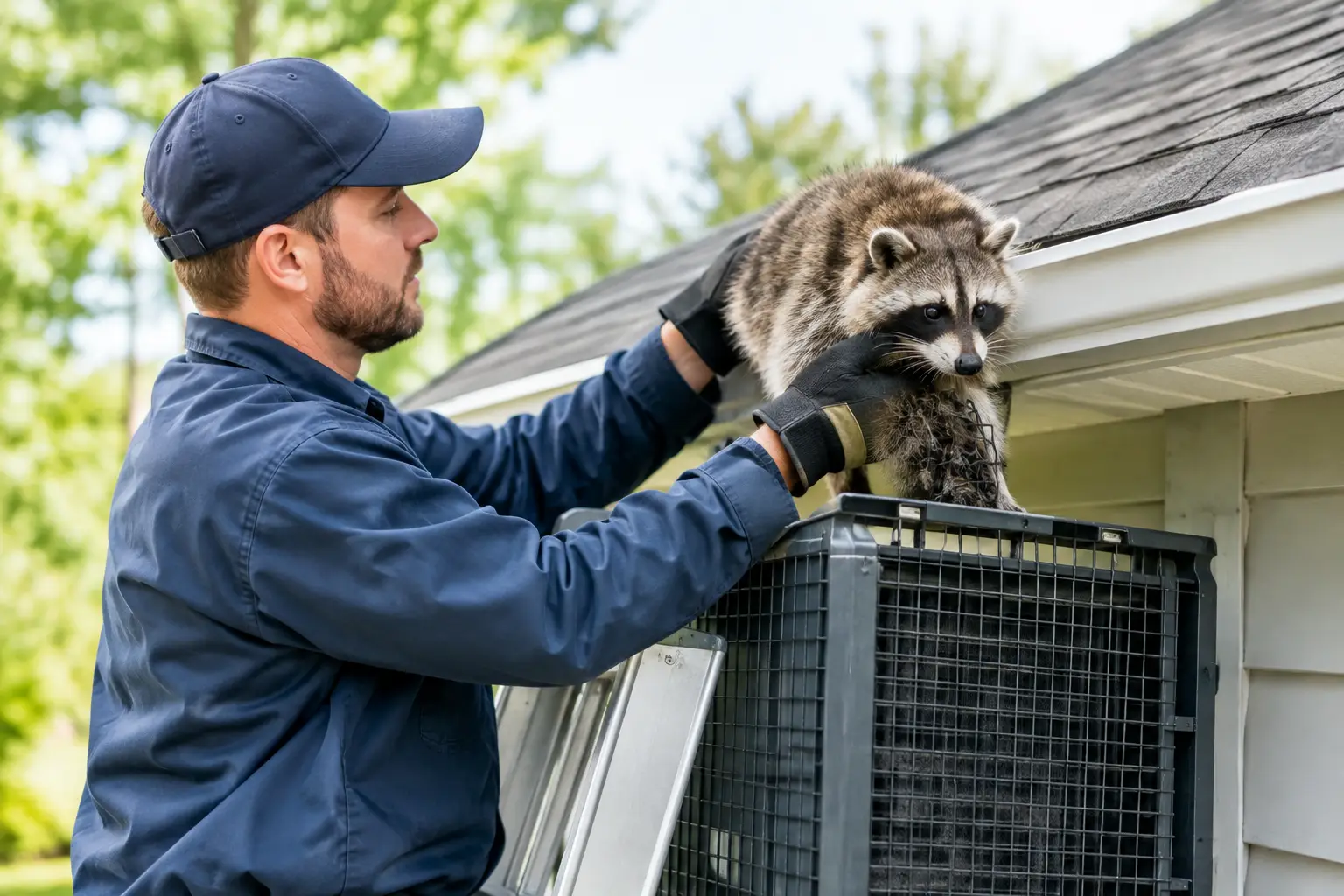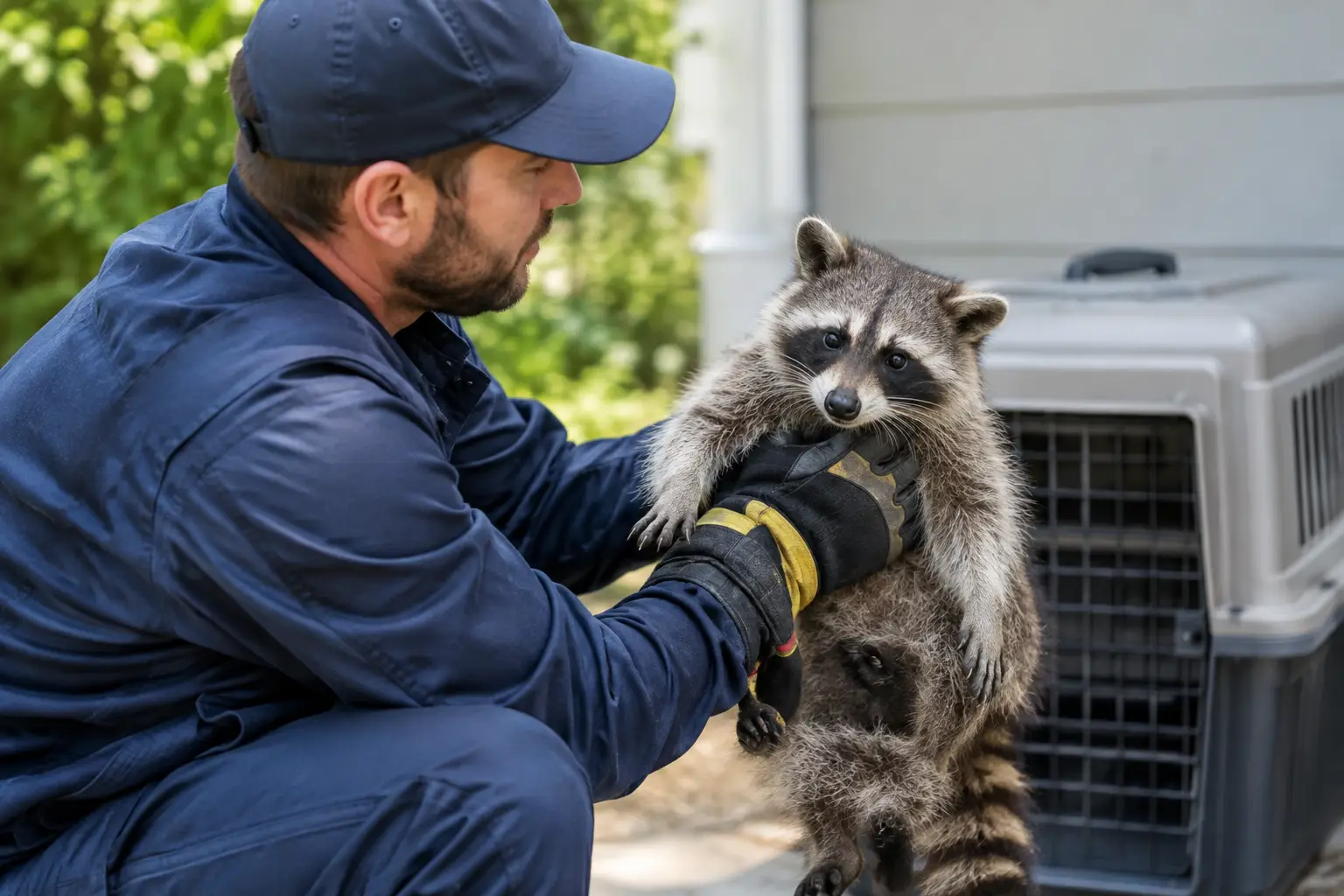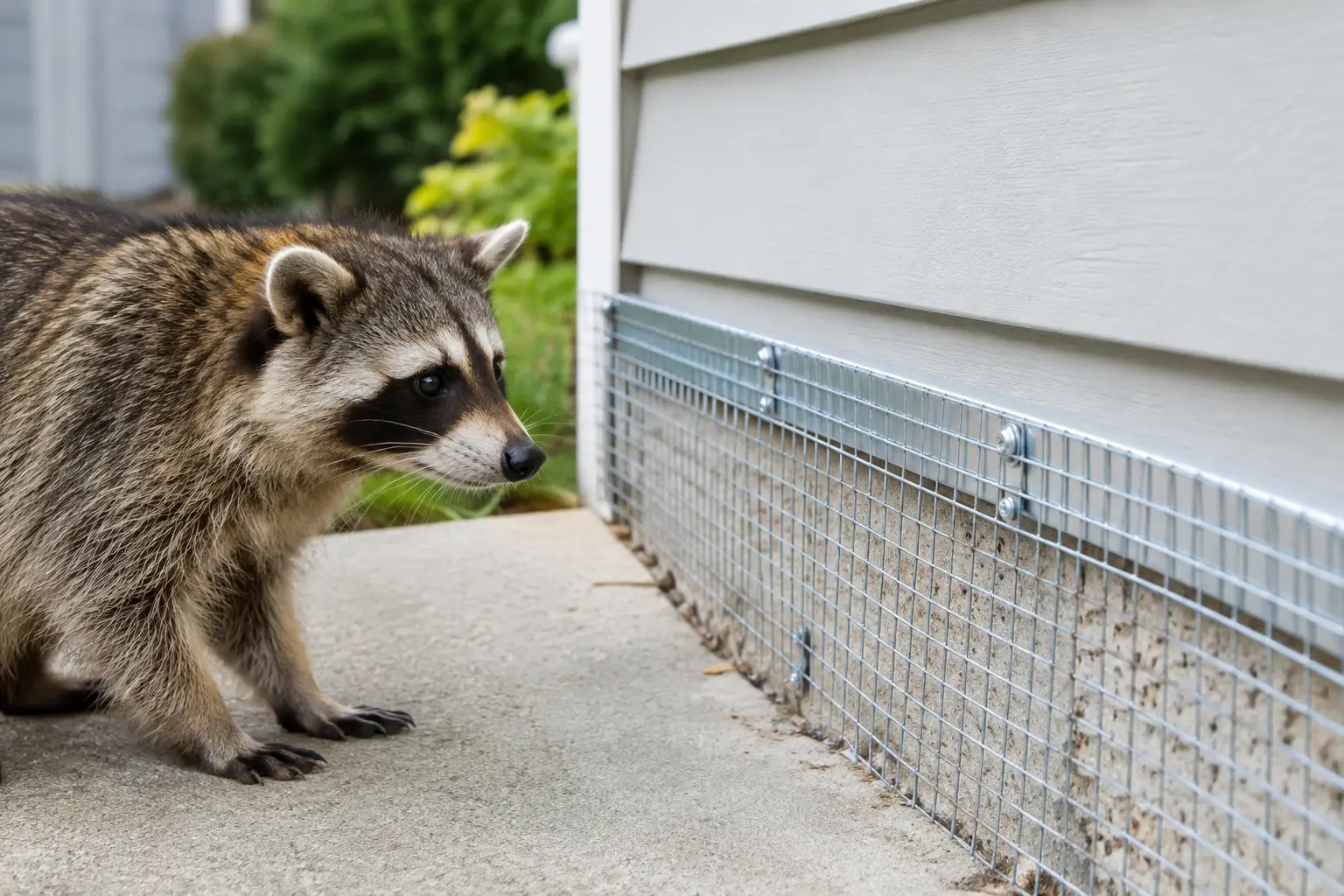
A vent opening can look too small to matter until you hear scratching above a bedroom ceiling, find nesting material around a bathroom fan, or smell an animal that cannot get back out. Professional vent cover installation closes one of the most common wildlife entry points in NYC and NJ properties without compromising the airflow your building needs.
This is not a job for foam, duct tape, or a piece of screen pushed over an opening. A proper exclusion repair starts with identifying the vent type, confirming whether animals are inside, removing them humanely, and installing a durable cover suited to that specific system. When one detail is missed, animals may become trapped indoors, airflow may be restricted, or a determined raccoon may tear the repair away within days.
Why Vent Covers Matter for NYC and NJ Properties
Rooflines, side walls, soffits, crawl spaces, and exterior utility areas create protected access points for wildlife. Birds use open vents to build nests. Squirrels chew weak plastic louvers and move into attics. Raccoons pull apart damaged covers with surprising force. Mice and rats can slip through openings that appear far too narrow to be a concern.
In dense neighborhoods, wildlife does not need a wooded backyard to become a property problem. A row of attached homes, a multi-family building, or a commercial facility can give animals easy travel routes along utility lines, roofs, fences, and trees. Once an animal gets into a vent, it may reach insulation, wall cavities, duct chases, or attic spaces.
The damage can extend beyond noise. Nesting material can hold moisture, block airflow, and attract insects. Droppings and urine can contaminate insulation and surfaces. Chewed wiring, torn duct connections, and damaged vent components can create expensive repair issues. For landlords and property managers, an open vent can quickly become a tenant complaint, a maintenance emergency, and a health concern at the same time.
Vent Cover Installation Is Not One-Size-Fits-All
The right cover depends on what the vent does and where it is located. Bathroom exhaust vents, kitchen vents, dryer vents, attic vents, plumbing vents, and crawl space vents each have different airflow and safety requirements. Treating every opening the same is how problems begin.
A dryer vent, for example, must exhaust lint and moisture efficiently. Installing fine mesh over it may seem like an easy rodent barrier, but it can collect lint and restrict airflow. That increases maintenance needs and may create a fire hazard. The repair must use a dryer-safe wildlife guard or properly designed vent termination that maintains required clearance and airflow.
Attic and gable vents need protection that keeps birds, squirrels, and rodents out while preserving ventilation. Covers should be securely fastened and sized to eliminate gaps at the edges. On roof vents, the work often requires careful access, weather-resistant fastening, and an inspection of nearby ridge vents, flashing, and roofline gaps.
Plastic covers are often the first component to fail. They become brittle in weather, loosen from siding, or crack after wildlife pressure. For vulnerable locations, heavy-gauge galvanized or stainless steel materials are generally a better long-term choice. The best material still depends on the vent’s purpose, exposure, and the animal pressure around the property.
Never Cover an Active Entry Point Before Inspection
A cover should not be installed over an active animal entry without first confirming what is inside. A squirrel, bird, raccoon, or bat may have young in a nest or roosting area. Sealing the opening too soon can trap animals in walls or attics, leading to odor, damage, and additional escape attempts through the interior.
A professional inspection looks for fresh droppings, rub marks, nesting debris, chewed edges, staining, tracks, and the time of day activity occurs. Technicians also inspect secondary openings. Wildlife commonly has more than one route in, and sealing a single visible vent may simply push the animal to another weak point.
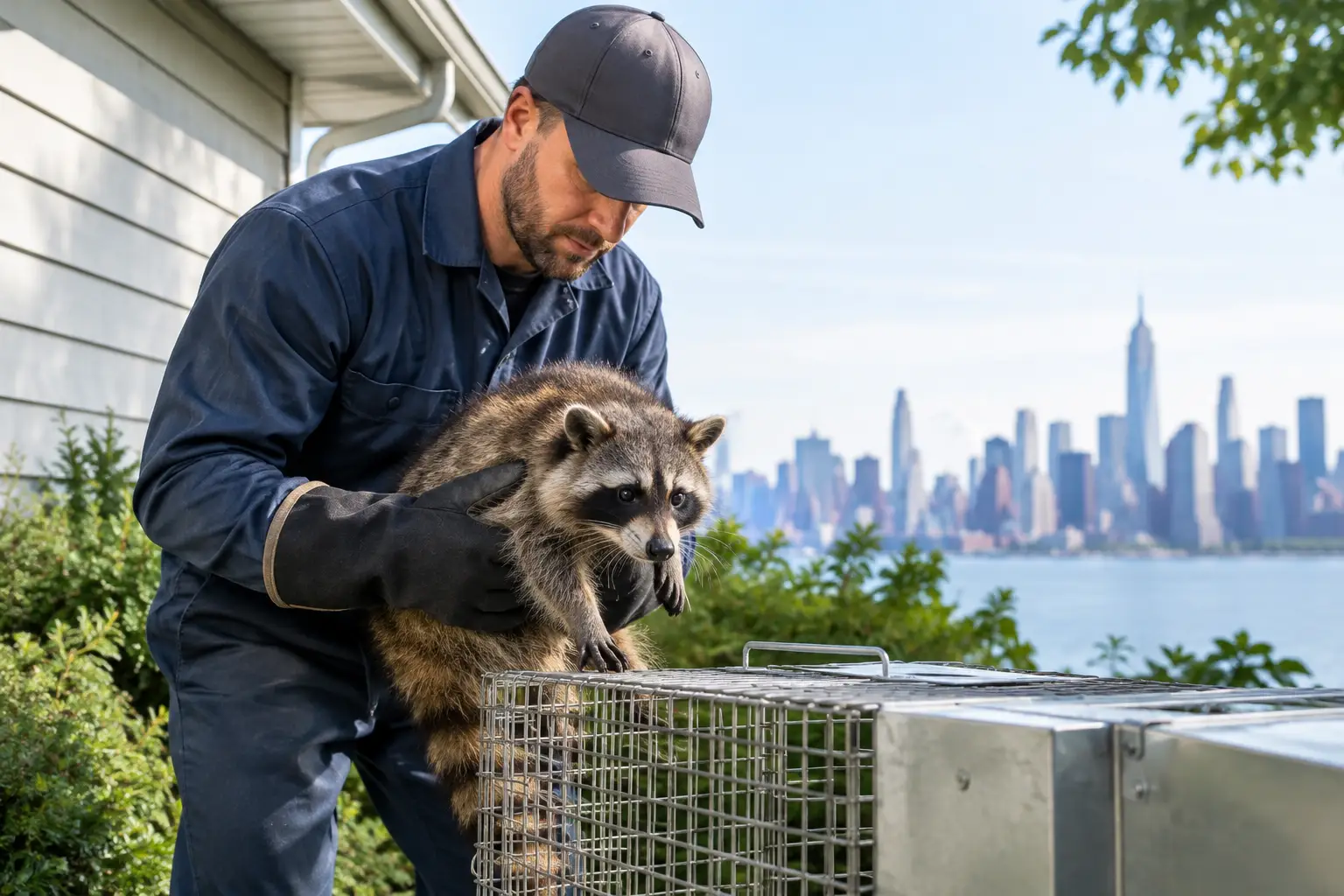
When animals are active, humane removal or one-way exclusion may be needed before final repairs. Timing matters, particularly during baby season and where protected bird or bat species may be involved. The goal is simple: get the animals out, make sure none remain, then close every usable access point.
What Professional Vent Cover Installation Includes
A lasting repair is a small project with several critical steps. Skipping one can turn a straightforward exclusion job into a repeat infestation.
First, the technician identifies the vent type and checks whether it is functioning as intended. The surrounding siding, roof material, soffit, ductwork, or masonry must also be evaluated because a cover cannot compensate for rotted wood, a detached duct, or a large gap behind the vent hood.
Next, any animal activity is addressed. Nesting material, droppings, and contaminated debris may need to be removed safely before a cover goes in. If the animal has accessed an attic, crawl space, or wall cavity, cleanup may include disinfection, odor treatment, insulation removal, or damaged-material repair.
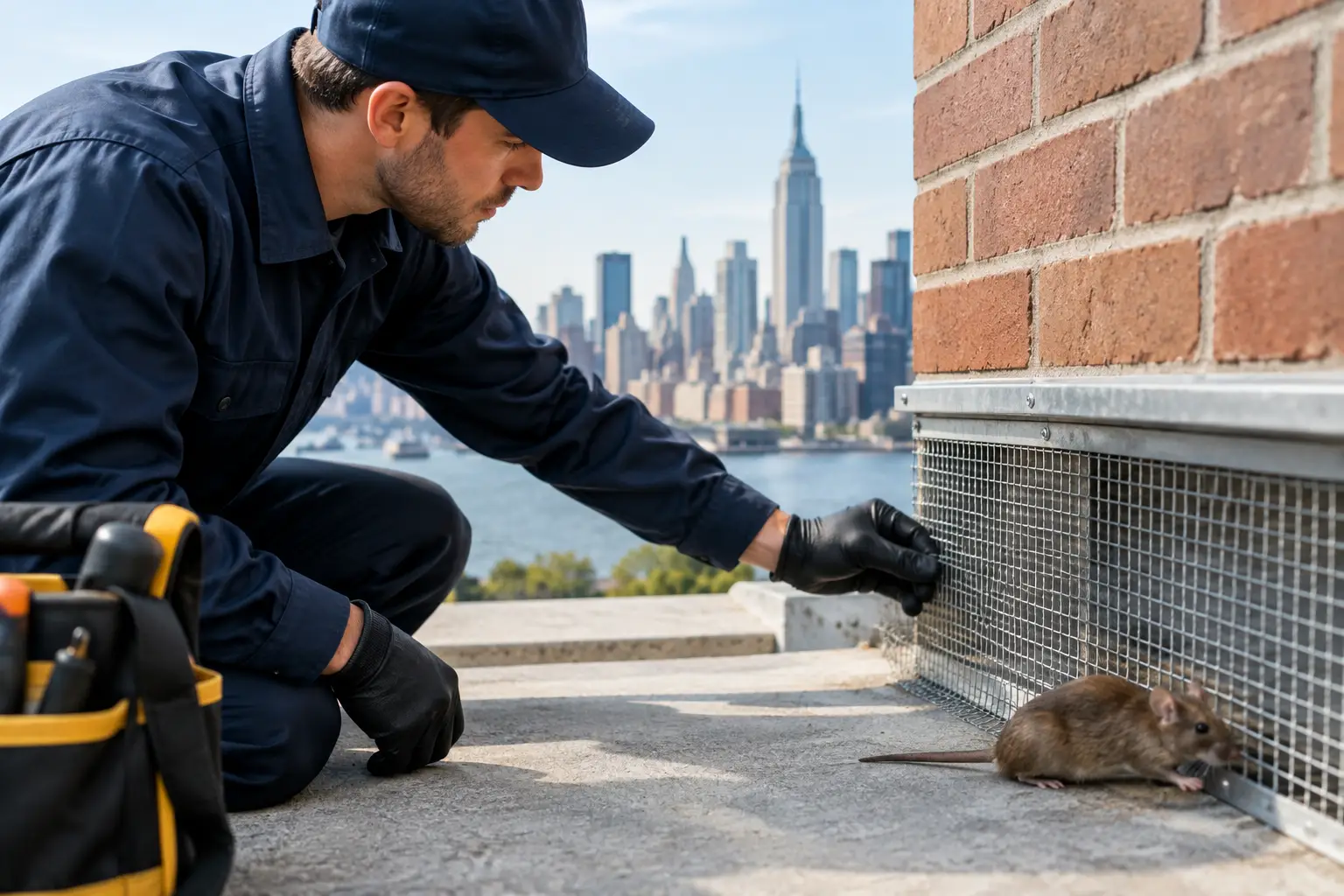
The cover is then measured and installed with durable fasteners. It should sit flush, resist pulling and chewing, and allow the vent to operate normally. Openings around the frame are sealed only where appropriate for that vent system. A professional will not block an exhaust path simply to make an opening look closed.
Finally, the surrounding structure is checked for related vulnerabilities. Open soffits, loose fascia, roof returns, uncapped pipes, damaged ridge vents, and gaps at utility penetrations often need attention. Wildlife exclusion works best when it is treated as a system, not a single patch.
Signs Your Property Needs a Vent Cover Repair
Visible damage is not the only warning sign. Many property owners notice the effects of an open vent before they find the opening itself. Schedule an inspection if you notice repeated scratching or chirping near a wall or ceiling, a vent flap that is bent or missing, debris falling from a vent, odors from an attic or crawl space, or a sudden increase in flies around an exterior opening.
You may also see squirrels or birds repeatedly visiting the same roofline, vent hood, or soffit area. Raccoons tend to leave more obvious damage, including torn screens, pulled louvers, and widened openings. Rodent activity can be quieter, but gnaw marks, droppings, and insulation fragments near vents are clear reasons to act quickly.
For commercial properties, inspect vents after roof work, siding repairs, storm damage, and tenant reports. Loading areas, restaurant exhaust zones, storage buildings, and upper-level utility rooms can all become access points when exterior covers are damaged or missing.
DIY Covers Can Create Bigger Problems
A hardware-store screen may keep out a small bird for a while, but it is rarely a complete wildlife-proofing repair. Lightweight mesh can be chewed, bent, or pulled loose. Improper screws can crack vinyl siding or create leaks in roofing materials. Adhesives often fail with heat, rain, and winter freeze-thaw cycles.
The larger risk is installing a barrier without knowing what is behind it. If a mother squirrel is entering a vent to reach a nest, sealing the vent can leave young animals inside. If a bathroom or dryer vent is blocked with an unsuitable material, moisture or lint may accumulate where it should not.
DIY work may be reasonable for a clean, accessible, inactive non-exhaust opening where the correct cover and fastening method are clear. It is not the right choice when there is animal activity, roof access, electrical damage, contaminated nesting material, or an exhaust system that must remain code-compliant. In those situations, professional removal and repair protect both the building and the animals.
Protect the Entire Entry Route
Vent protection is most effective when paired with an inspection of the areas wildlife uses to reach it. Tree branches hanging over a roof, loose gutter sections, climbing vines, open construction gaps, and damaged roof edges can all make a newly secured vent easier to attack again.
Animal Control NYC & NJ provides professional wildlife removal, exclusion, cleanup, and structural repair for homes and commercial properties. That means a damaged vent can be addressed as part of the full problem: humane removal first, secure vent cover installation, sanitation where needed, and repairs that help keep the next animal from getting in.
If you have heard activity near a vent or found a cover that is loose, broken, or missing, do not wait for the problem to move deeper into the structure. A prompt inspection can turn a vulnerable opening into a durable barrier while the repair is still simple.