A scratching sound above the ceiling is rarely just a noise problem. By the time a squirrel, raccoon, rat, bird, or bat is heard inside a wall or attic, it may have already contaminated insulation, chewed wiring, damaged ductwork, or opened a path for more animals to enter. Professional wildlife damage repair addresses the full problem: removal, cleanup, sanitization, and repairs that keep the property protected.
For homeowners, landlords, property managers, and commercial operators in New York City and New Jersey, waiting can turn a small opening near a roofline into a costly restoration job. Animals return to familiar den sites, and an unsealed entry point can become an open invitation for the next season.
What Wildlife Damage Repair Must Include
Animal removal alone does not restore a building. A proper repair plan begins with identifying the species, locating every active and potential entry point, and determining where contamination or structural damage has occurred. The work should be based on what is actually happening inside the property, not just the visible hole outside.
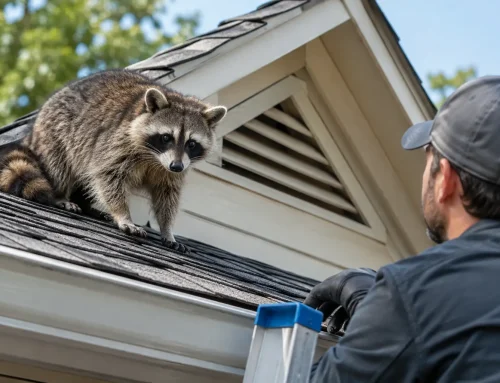
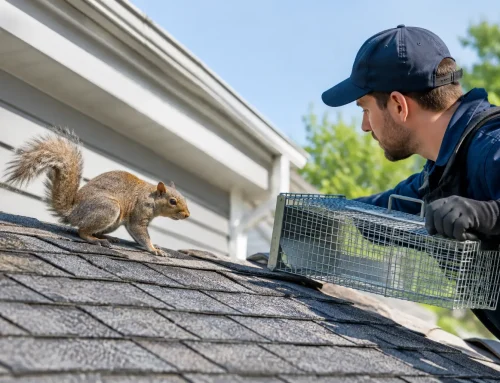
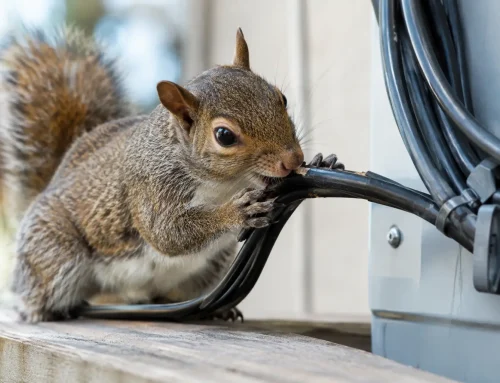
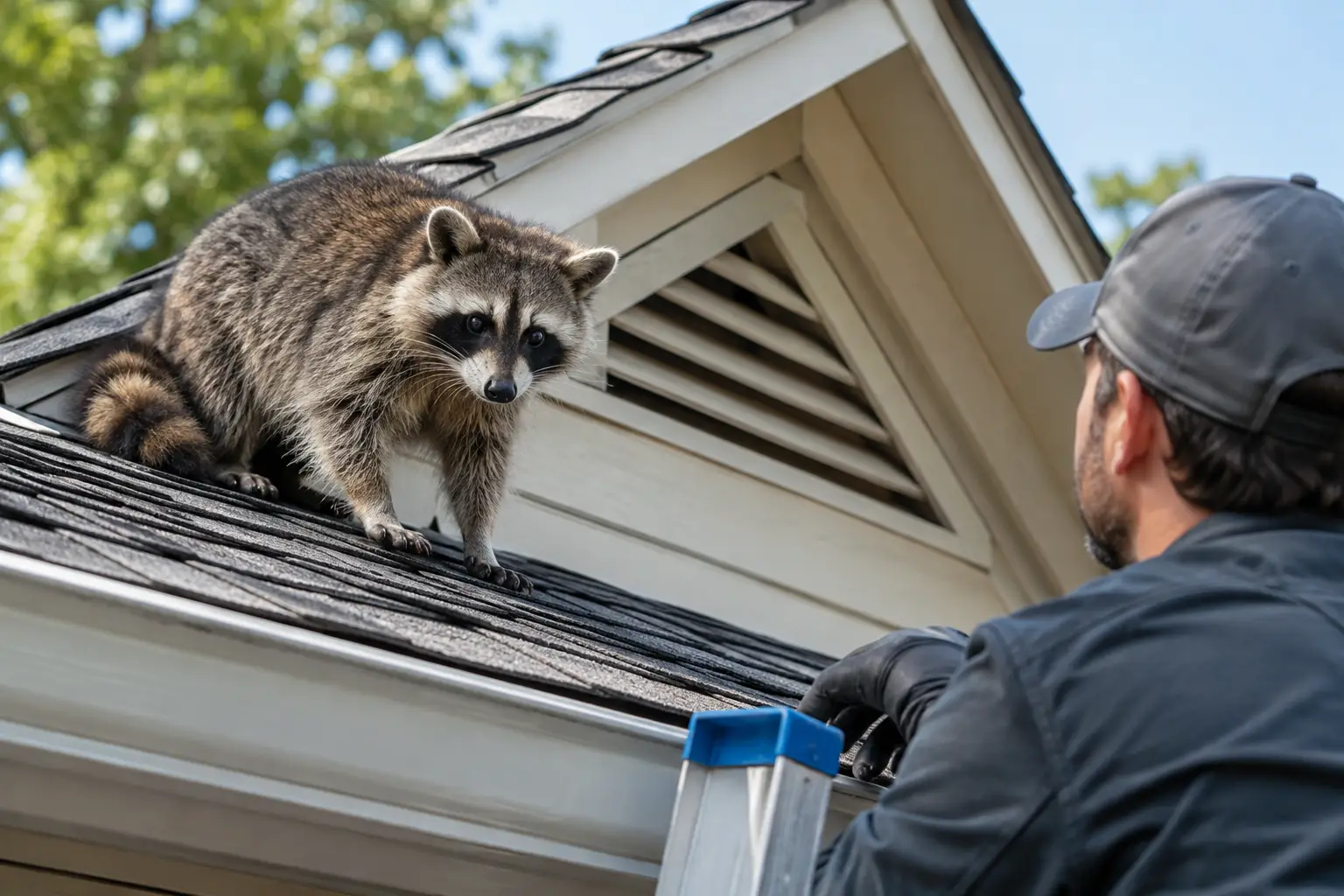
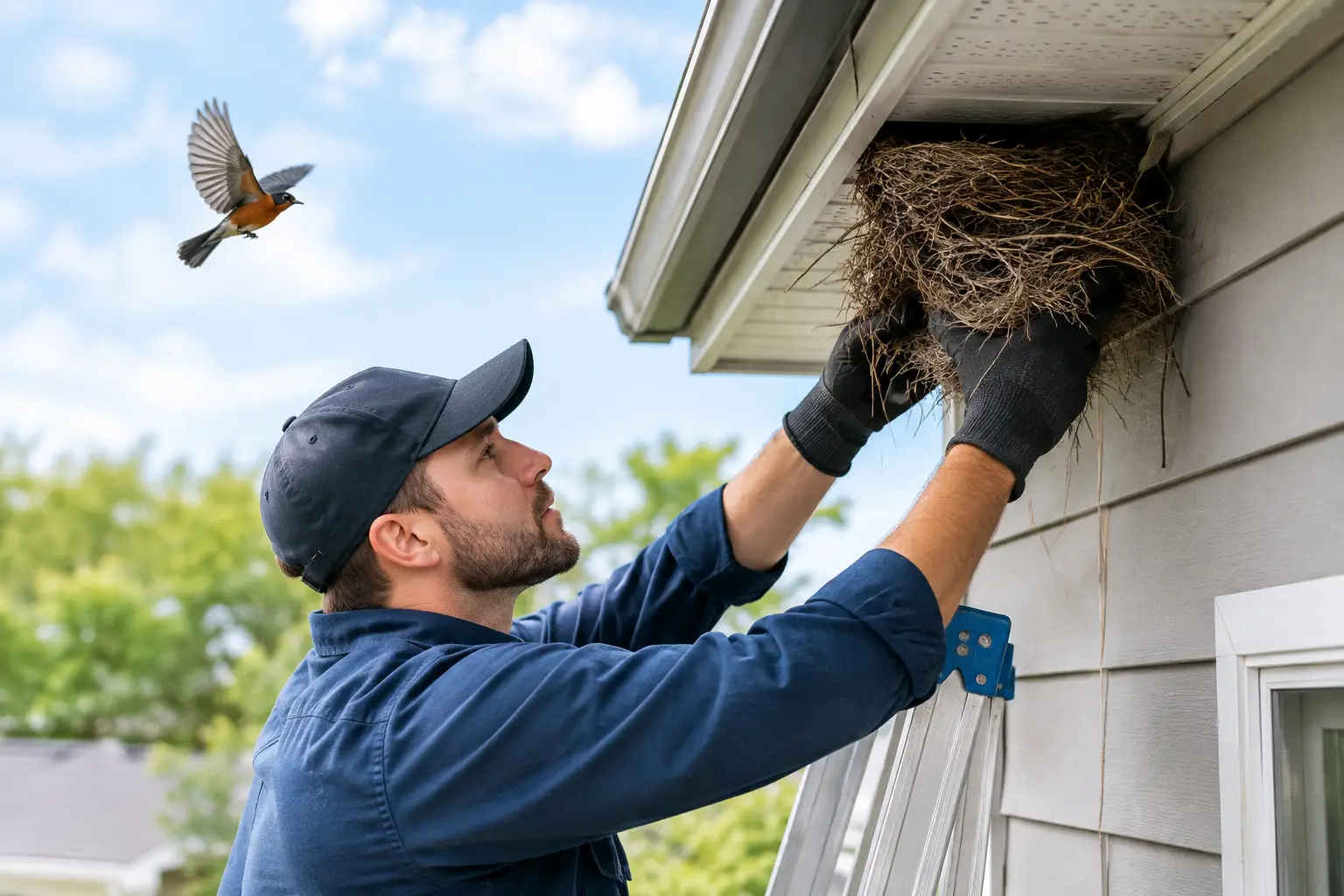
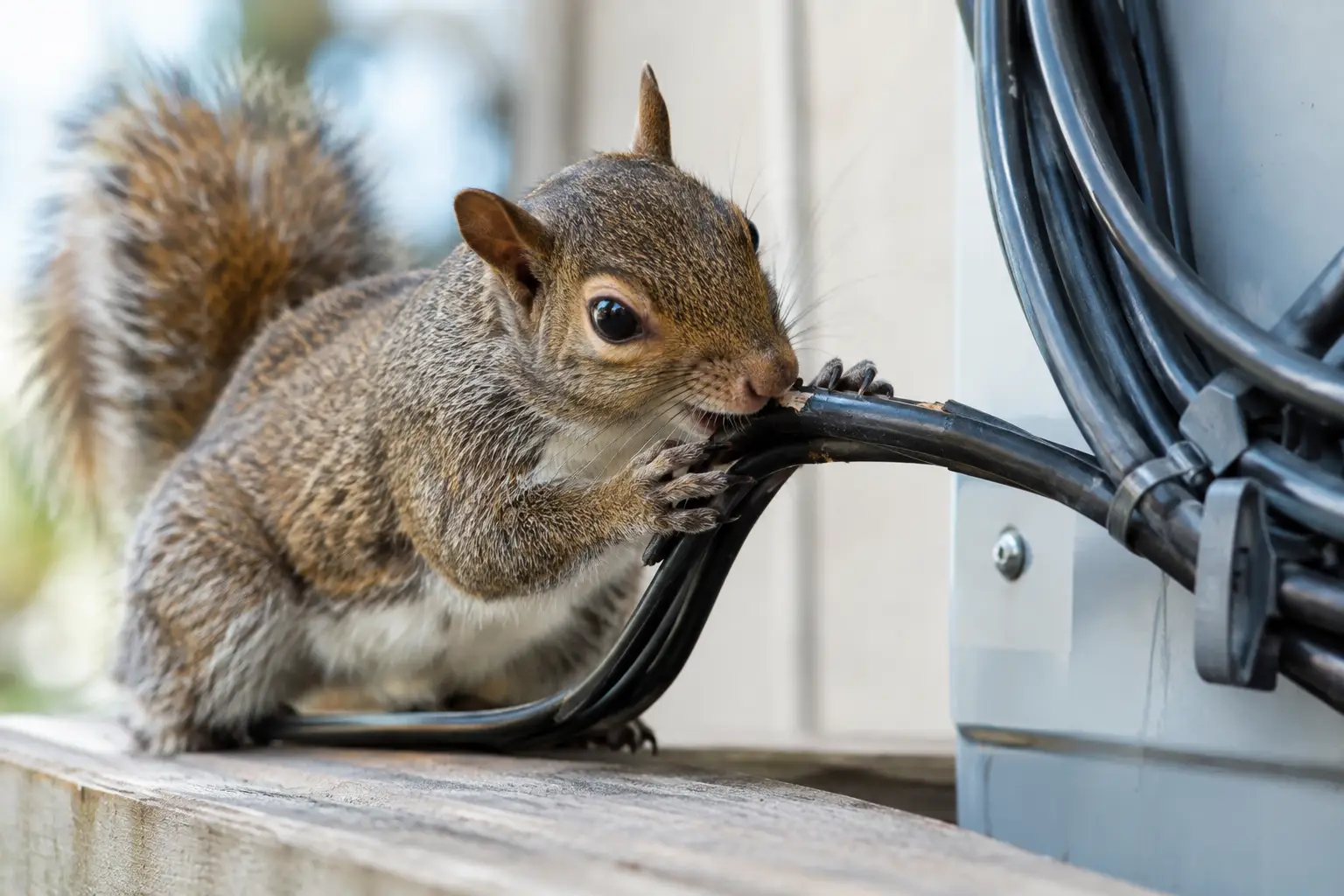
A raccoon can tear apart soffits, roof vents, and fascia boards to reach an attic. Squirrels and rats commonly chew wood, insulation, cable lines, and electrical wiring. Birds can block vents and gutters with nesting material, while bats may leave droppings in wall voids, attic spaces, or around roof gaps. Each animal creates a different repair and health-risk profile.
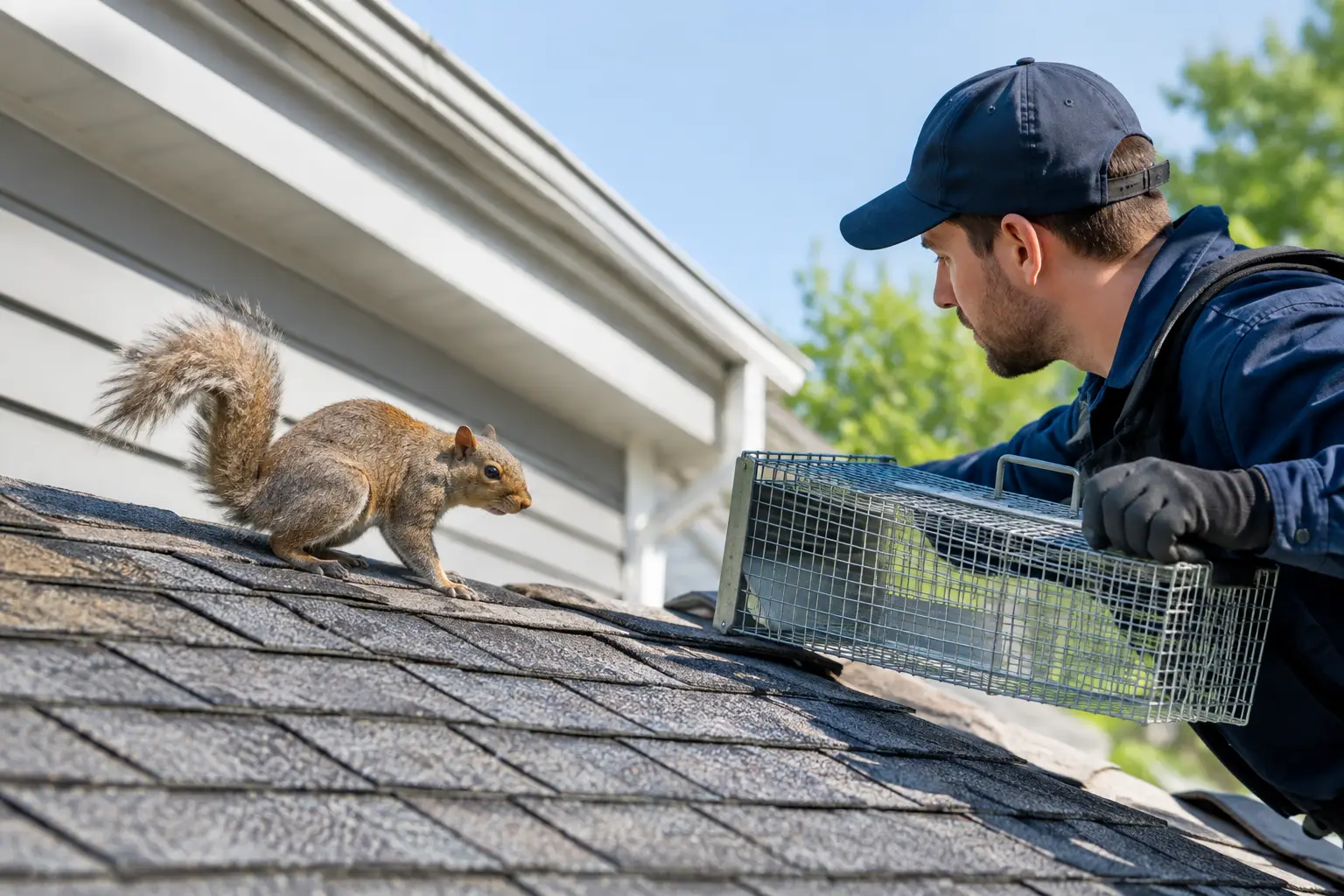
The right process combines humane trapping or eviction methods with exclusion work. Exclusion means closing access points only after technicians confirm animals are no longer trapped inside. Sealing too early can leave young animals behind, create odor problems, or push wildlife farther into the structure.
Inspection Comes Before Repairs
An exterior inspection should cover the roofline, ridge vents, chimney areas, attic vents, dormers, gutters, siding transitions, utility penetrations, crawl space vents, and foundation gaps. In dense NYC neighborhoods, roof access points can be hidden behind parapets, adjoining structures, and aging exterior details. In New Jersey homes, rooflines, garage eaves, crawl spaces, sheds, and decks are common trouble spots.
Inside, the attic, crawl space, basement, utility room, and affected wall areas may need to be checked for droppings, nesting, urine staining, torn insulation, chewed materials, moisture, and odor. A technician should also look for signs of secondary damage, such as mold growth caused by a damaged vent or water entering through a torn roof opening.
The Damage You Should Never Ignore
Some wildlife damage is obvious, such as a broken attic vent or piles of insulation on the floor. Other damage is hidden until it causes a larger failure. Electrical chewing is one of the most serious examples. Rodents and squirrels gnaw continuously, and exposed wiring can create a fire risk even if power is still working normally.
Contaminated insulation is another frequent issue. Animal urine, feces, nesting debris, and carcass material can leave odors that spread through ceilings and HVAC pathways. Simply spraying a deodorizer over soiled insulation does not remove the source. If contamination is widespread, affected insulation should be removed, the surfaces beneath it cleaned and disinfected, and new insulation installed as needed.
Roof and vent damage also demand prompt attention. An animal-sized opening can admit rain, wind-driven debris, insects, and additional wildlife. During cold weather, an unprotected attic can lose heat quickly. During heavy storms, water intrusion can damage framing, drywall, and personal property below.
For rental and commercial properties, there is another concern: recurring tenant complaints. Noises in walls, odors in hallways, droppings around loading areas, or birds nesting near ventilation equipment can affect habitability, operations, and customer confidence. Fast, documented service helps property decision-makers address the source instead of repeatedly treating symptoms.
A Complete Repair Plan After Animal Removal
The scope of work depends on the animal, how long it was present, and the condition of the building. A mouse problem limited to one utility gap may require targeted sealing and sanitation. A raccoon family in an attic may require extensive removal, cleanup, insulation replacement, and roofline repair.
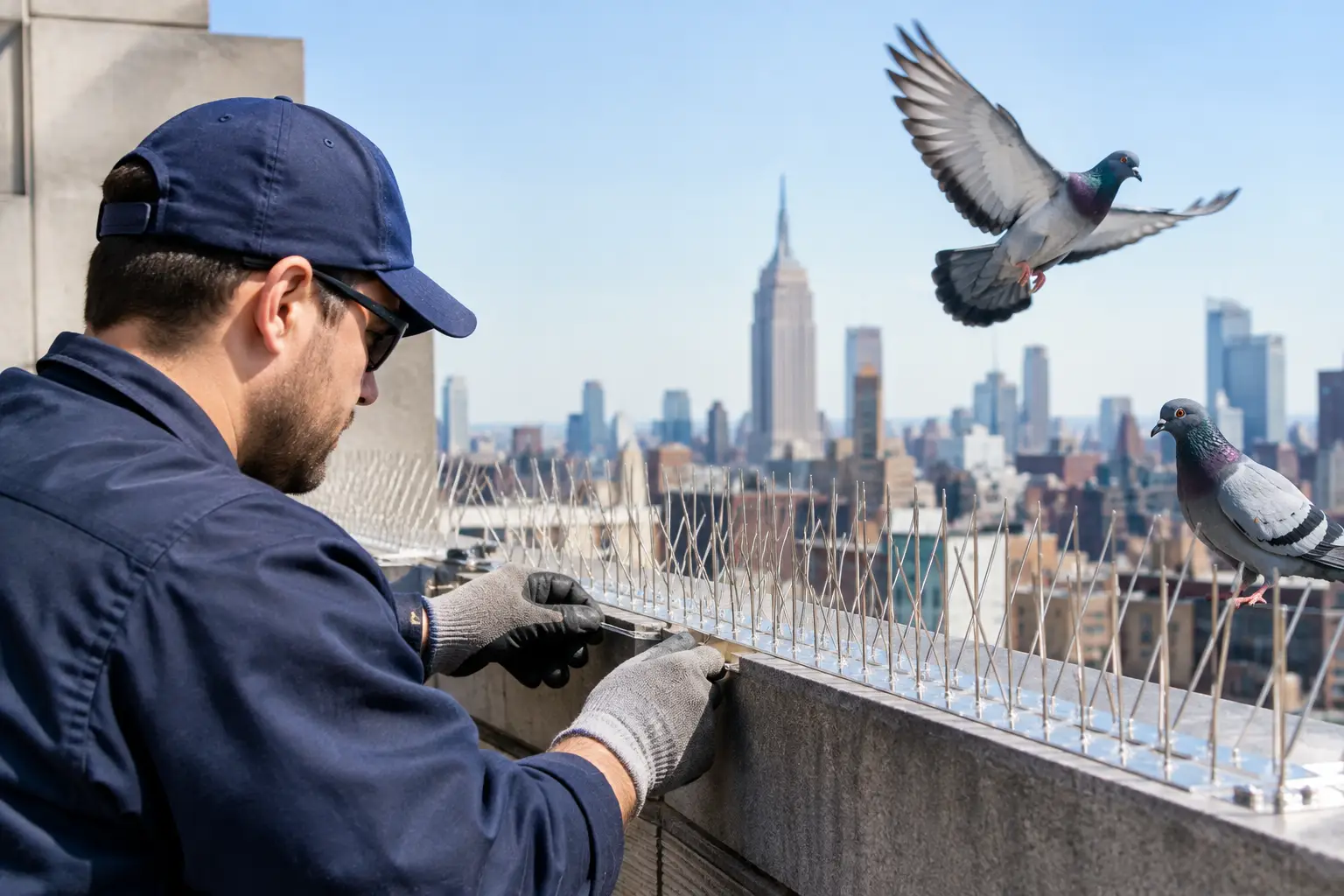
A complete service often includes trapping or humane removal, removal of nesting material and animal waste, surface disinfection, odor treatment, insulation removal and replacement, and structural repairs. It may also include crawl space sealing, ridge-vent protection, chimney or vent screening, gutter guard installation, and solar panel animal proofing.
Materials matter. Lightweight screen, expanding foam, or a quick patch may look acceptable from the ground, but determined wildlife can often defeat weak repairs. Exclusion materials should be selected for the location and species pressure. Rodent-proofing needs different reinforcement than raccoon-proofing, and a bat exclusion system must allow animals to leave without creating a trapped colony.
Cleaning Requires Safety Controls
Droppings and nesting material should not be swept or vacuumed casually. Disturbing dry waste can release contaminated dust into the air. Professional cleanup uses appropriate protective equipment, controlled removal methods, disposal procedures, and disinfectants suited to the affected area.
Dead animal removal also needs to be handled quickly. A carcass in a wall, ceiling, crawl space, or commercial utility area can attract insects, produce strong odors, and contaminate nearby materials. Locating the source matters as much as removing it. If the access point remains open, the same issue can repeat.
When to Repair Immediately and When to Monitor
Some situations should be treated as urgent. Active chewing sounds, a visible roof opening, droppings in living or food-service areas, a dead animal odor, bats inside occupied spaces, or wildlife near electrical wiring all justify immediate professional attention. The same is true when a raccoon, squirrel, or bird has entered an attic during nesting season.
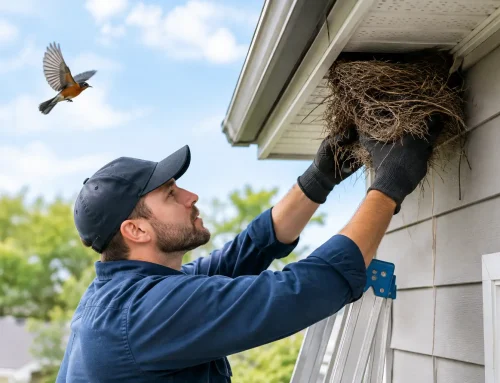
Other situations may allow for a measured inspection and scheduled repair. For example, an old, inactive bird nest in an exterior fixture may not require emergency response if no animals remain and the area is safe. Even then, the opening or damaged screen should be corrected before the next nesting cycle.
Do not assume an animal has left simply because the noise stopped. Wildlife activity often changes with weather, feeding patterns, and time of day. A quiet attic can still contain young animals, nesting material, or contaminated insulation. Inspection is the only reliable way to determine the actual condition.
Preventing Repeat Wildlife Damage
The most effective prevention is building-focused, not trap-focused. Trapping solves the immediate animal problem. Exclusion and repair solve the reason the animal got inside.
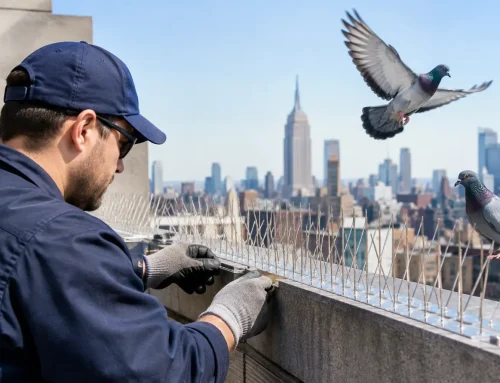
Keep tree branches cut back from rooflines where practical, but understand that trimming alone will not stop climbing animals. Secure garbage and food waste around multi-family and commercial properties, repair loose soffits and siding, maintain gutters, and inspect roof vents after storms. If solar panels create a sheltered space for pigeons or squirrels, protective barriers can prevent nesting and wire damage without affecting panel function.
Property managers should also build seasonal inspections into maintenance planning. Squirrel activity often rises in spring and fall. Raccoon denning can become urgent before and during breeding periods. Rodent pressure increases as temperatures drop and animals seek indoor shelter. Addressing small defects early is usually less disruptive than repairing an attic after a full infestation.
Choose a Provider That Handles the Whole Job
Wildlife problems frequently get passed between an exterminator, roofer, cleaner, and general contractor. That can delay repairs and leave gaps in responsibility. A full-service wildlife damage repair provider can inspect, remove animals humanely, clean affected areas, identify damage, and complete exclusion and restoration work in a coordinated plan.
Animal Control NYC & NJ provides 24/7 professional wildlife trapping, removal, sanitation, exclusion, and repair for residential and commercial properties across the region. The goal is not just to get the animal out of sight. It is to return the structure to a clean, secure condition and reduce the chance of another intrusion.
If you see damage, hear movement, or smell an unexplained odor near an attic, wall, crawl space, or roofline, protect the area and arrange an inspection promptly. Early action can preserve your insulation, wiring, roof, and peace of mind before a small entry point becomes a larger repair.