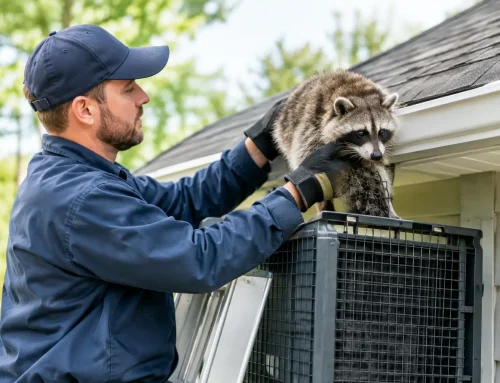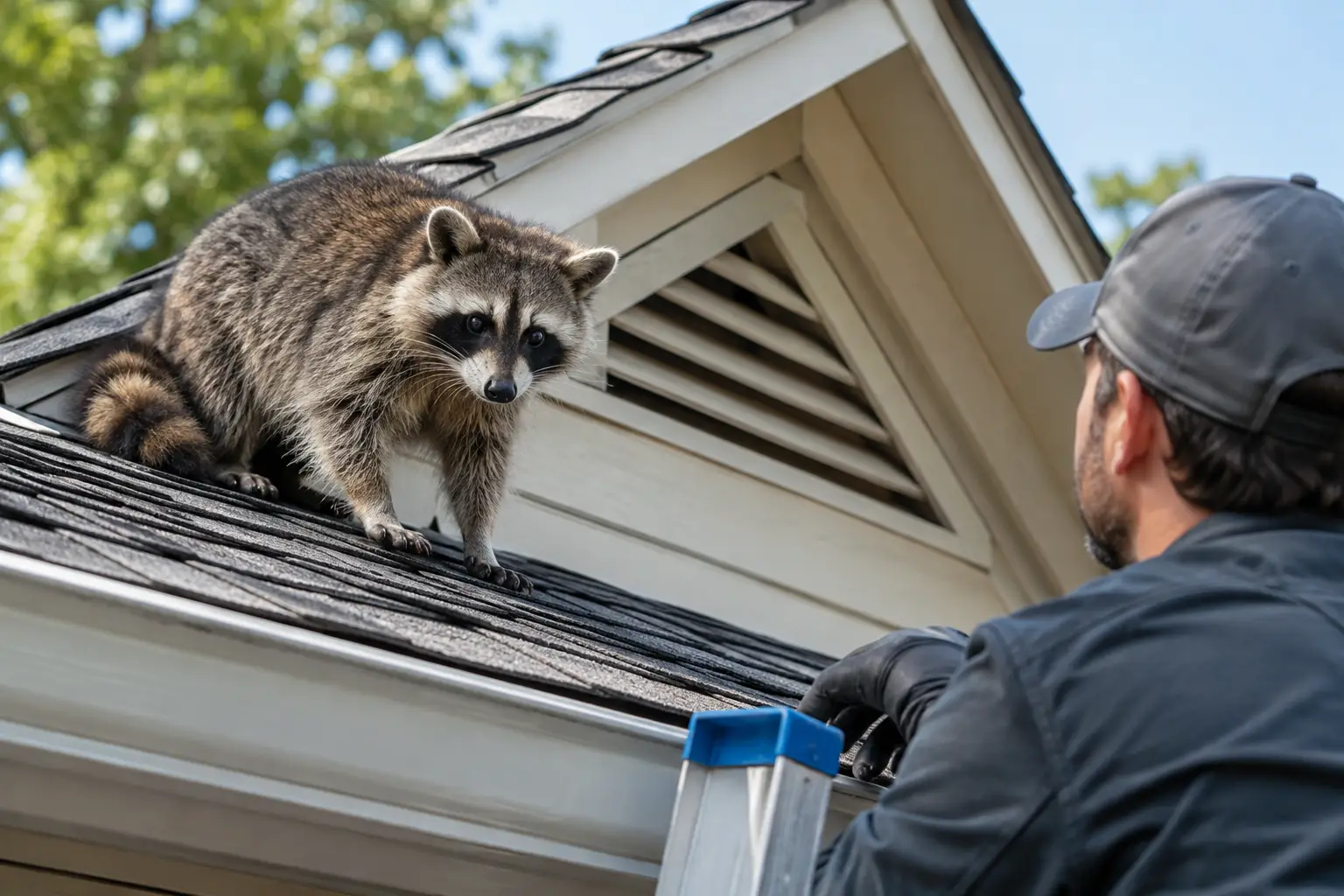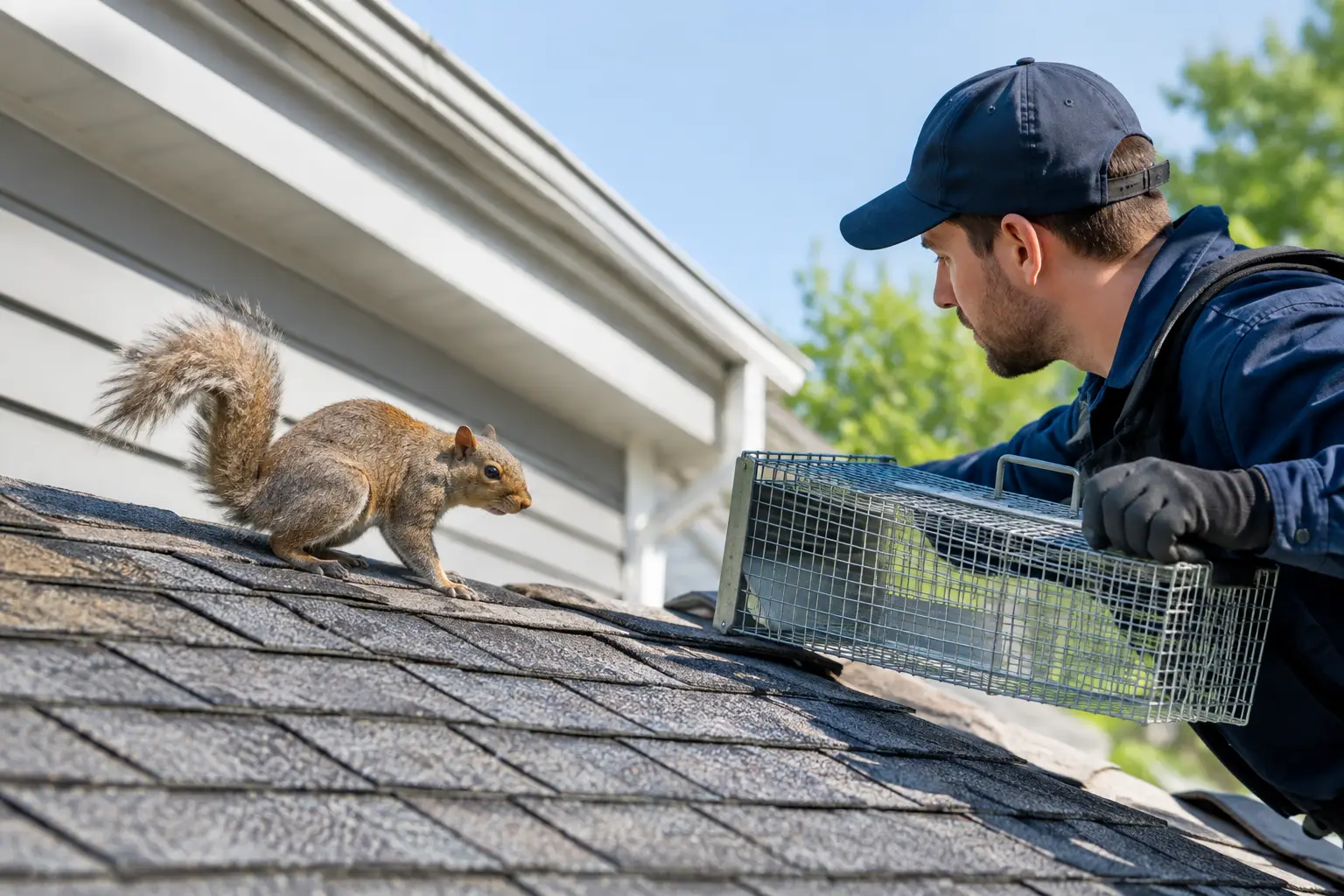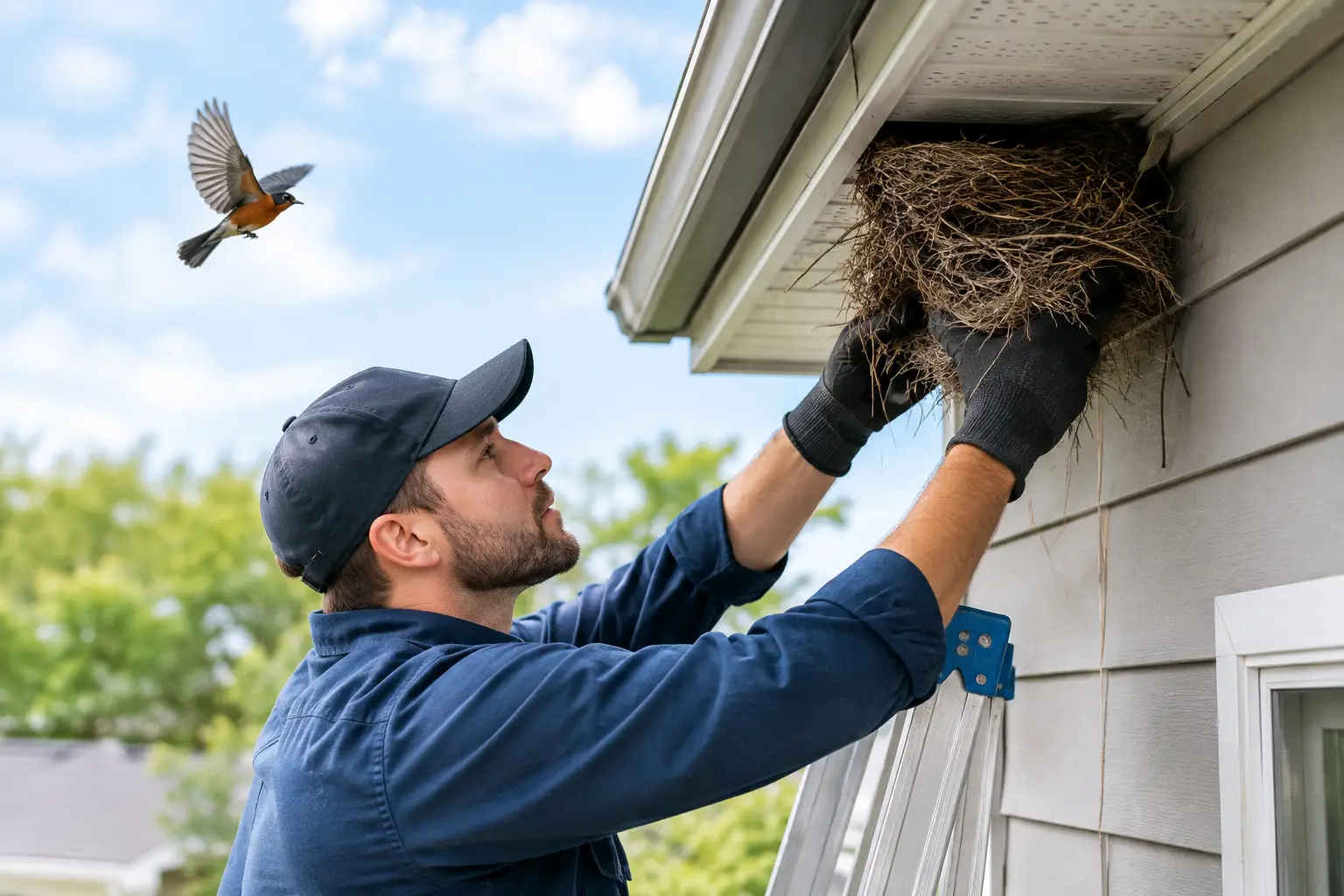
A few pigeons on a ledge can turn into a building-wide sanitation and maintenance problem faster than most property owners expect. Pigeon removal NYC service is not simply about getting birds to leave for a day. It means addressing nests, droppings, access points, and the protected surfaces that keep pigeons from returning to the same roofline, balcony, sign, or mechanical area.
For homeowners, landlords, facility managers, and business owners, the stakes can be high. Pigeon waste damages finishes, clogs drains and gutters, creates slip hazards, and can attract insects. At commercial properties, visible bird activity can also lead to tenant complaints, customer concerns, and failed maintenance inspections. Fast action helps contain the problem before a small roost becomes an established colony.
Why Pigeons Become a Serious Property Problem
New York City offers pigeons exactly what they need: sheltered ledges, warm mechanical spaces, accessible food, and countless protected nesting areas. Flat roofs, parapet walls, HVAC units, fire escapes, loading docks, awnings, solar panels, balconies, and exterior signs are especially common problem locations.
Once pigeons identify a dependable roosting spot, they tend to return. Nesting material accumulates in gutters and behind equipment. Droppings build up on walkways, windowsills, roof surfaces, and ventilation components. The mess is more than cosmetic. Droppings are acidic and can contribute to deterioration on metal, paint, masonry, and roofing materials over time.
The health and safety concerns also deserve attention. Large accumulations of bird droppings can create airborne dust when disturbed. Nests and waste may support mites, flies, and other secondary pests. For employees, tenants, maintenance crews, and residents with respiratory sensitivities, an untreated roosting area can become a real concern.
Pigeon Removal NYC Requires More Than a Quick Cleanup
Sweeping away droppings or knocking down a nest may provide a brief improvement, but it rarely solves the source of the activity. Pigeons return to places that feel safe, particularly when the structure still offers cover and a stable landing area.
A professional approach begins with a full inspection. The goal is to identify where birds are landing, feeding, nesting, entering protected voids, and moving across the property. On a townhouse, the issue may be concentrated around a roofline or chimney. On a multifamily building, it may involve several balconies, a rear alley, and rooftop equipment. Commercial sites can have larger roosts on signs, warehouses, loading areas, parking structures, or exterior utility systems.
The right solution depends on the site. Exclusion is usually more effective than repeated removal alone, but exclusion must be designed around the property. A poorly placed barrier can be ineffective, interfere with maintenance access, or create a new debris trap. Experienced wildlife technicians look at how the birds use the structure before recommending a control plan.
Humane Removal and Nesting Considerations
Humane bird control means handling the situation responsibly while protecting people and property. Pigeons may be deterred, removed, or excluded using methods appropriate to the site and the level of activity. When nests, eggs, or young birds are present, the work must be handled carefully and in accordance with applicable requirements.
This is one reason DIY bird removal can be risky. Property owners may unknowingly disturb an active nesting area, expose themselves to contaminated material, or climb onto a dangerous roof without proper equipment. A professional team can assess conditions and perform removal work safely, especially in hard-to-reach areas above sidewalks, balconies, and commercial entrances.
Cleanup Is Part of the Job
Removal without sanitation leaves behind the conditions that create complaints and damage. Professional cleanup may include removing nesting debris, bagging contaminated materials, treating affected surfaces, and clearing clogged gutter sections or drainage points. The extent of cleaning depends on the amount of accumulation and the surface involved.
In severe cases, droppings may be layered around rooftop units, attic vents, exterior ductwork, or behind signage. These areas should not be dry-swept or casually power-washed by unprotected staff. Disturbing dried waste can spread contaminated dust, while excessive pressure can drive debris into seams, drains, and building openings.
A complete service plan also checks for related damage. Bird activity can expose loose flashing, blocked drainage, damaged screens, compromised vent covers, and worn roof penetrations. Addressing these issues during the same visit can reduce the need for separate contractors and prevent a repeat problem.
Bird Proofing That Fits Your Building
The most effective long-term pigeon control is physical prevention. The specific materials and methods should match the building type, access needs, and target areas. A residential balcony needs a different strategy than a warehouse sign or a high-rise rooftop.
Common proofing options include durable netting, exclusion screening, wire systems, ledge deterrents, vent guards, and protected barriers around equipment or solar panels. The best choice is rarely the cheapest item on its own. It is the option that prevents landing and nesting without creating maintenance problems or damaging the appearance and function of the structure.
For example, netting can be highly effective over courtyards, open loading areas, and recessed spaces when professionally installed and properly tensioned. Ledge systems may work well on parapets, signs, and narrow landing surfaces. Screening can protect rooftop equipment, attic openings, and vents where birds attempt to nest inside sheltered voids.
Visual deterrents and sound devices may have limited value in certain short-term situations, but pigeons often adapt to them. They should not be treated as a permanent answer for an active, established roost. Physical exclusion and targeted site corrections produce more dependable results.
When to Call for Professional Bird Control
Call for service as soon as you see recurring pigeon activity, fresh nests, increasing droppings, blocked gutters, or birds entering a structural opening. Waiting is especially risky when pigeons are roosting near food-service areas, schools, healthcare facilities, shared entrances, ventilation systems, or rooftop mechanical equipment.
Immediate help is also appropriate when birds are trapped inside a building, a nest is affecting a vent or exhaust outlet, droppings are creating a slip hazard, or a tenant complaint requires a fast response. Property managers often need clear documentation of what was found, what was removed, and what repairs or proofing measures were completed.
Animal Control NYC & NJ provides professional wildlife trapping and removal, sanitation, exclusion, and damage repair for residential and commercial properties throughout New York City and New Jersey. A coordinated service plan can address the birds, the contamination, and the vulnerabilities that allowed the activity to start.
What Affects the Cost of Pigeon Control?
The cost of pigeon removal and bird proofing depends on the size of the affected area, the amount of waste present, roof access, building height, nesting activity, and the type of exclusion required. A small balcony cleanup and screening job is different from securing a large rooftop with multiple HVAC units and extensive droppings.
It also depends on whether the problem is isolated or widespread. A single roosting ledge may need limited deterrent work. A property with birds nesting under solar panels, inside vents, and across several roof elevations will require a more detailed plan. An inspection gives the property owner a practical scope of work instead of a one-size-fits-all recommendation.
Steps Property Owners Can Take Between Service Visits
Do not feed pigeons or leave open food waste near the building. Secure dumpster lids, clean spills around outdoor dining or loading areas, and ask tenants not to leave pet food on balconies. These steps will not remove an established roost by themselves, but they reduce the food sources that keep birds close.
Maintenance teams should also watch for blocked drains, loose screens, damaged vent covers, and new nesting material around rooftop equipment. Report those conditions early rather than waiting for a major cleanup. The sooner a preferred landing or nesting spot is protected, the less extensive the removal and restoration work is likely to be.
Pigeon problems do not improve because the birds are chased away once. The lasting answer is a clean, protected building where pigeons no longer have a safe place to land, nest, or return.