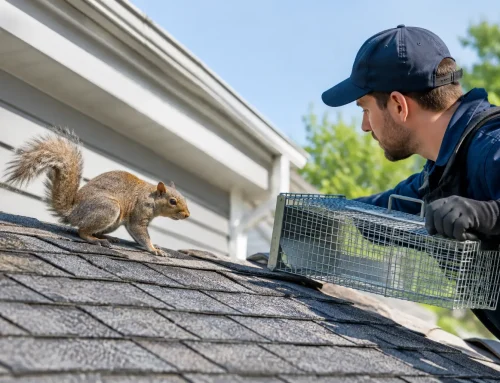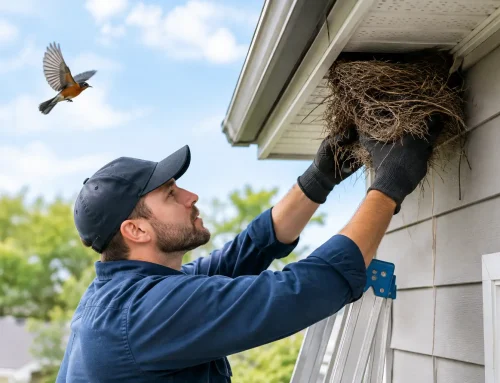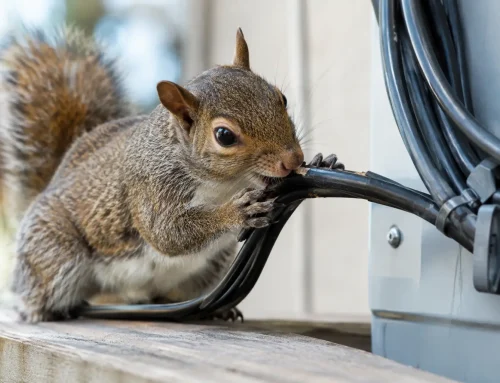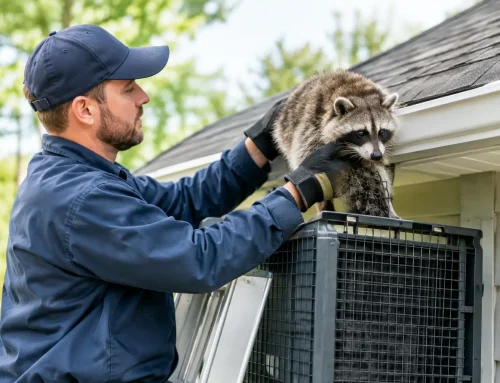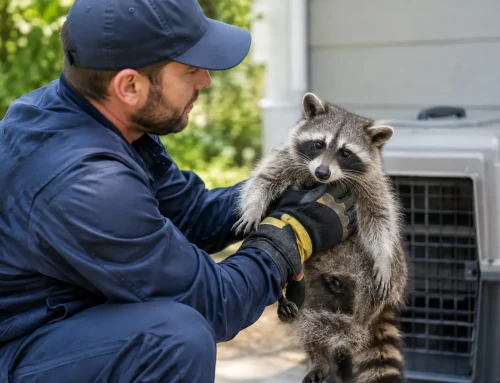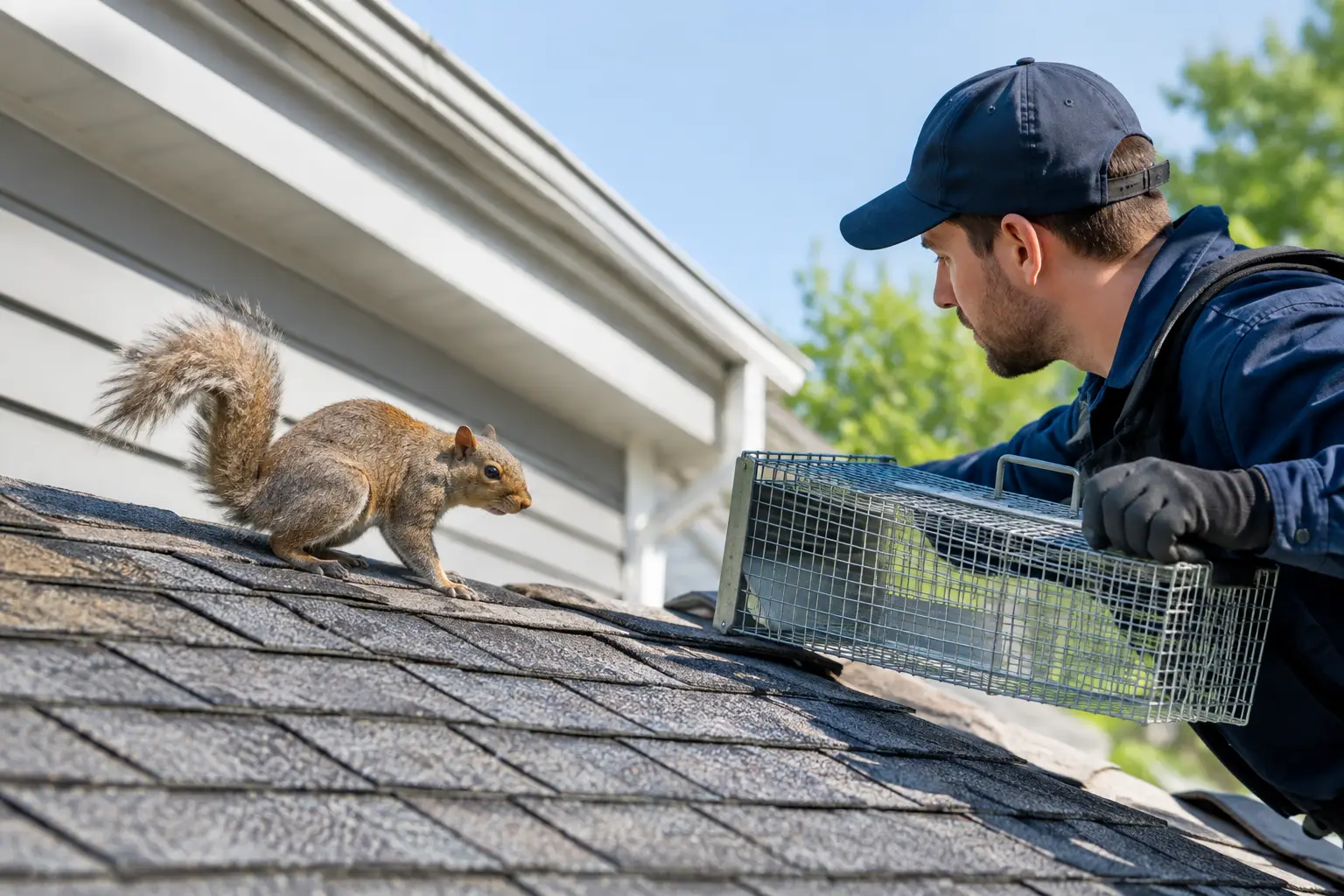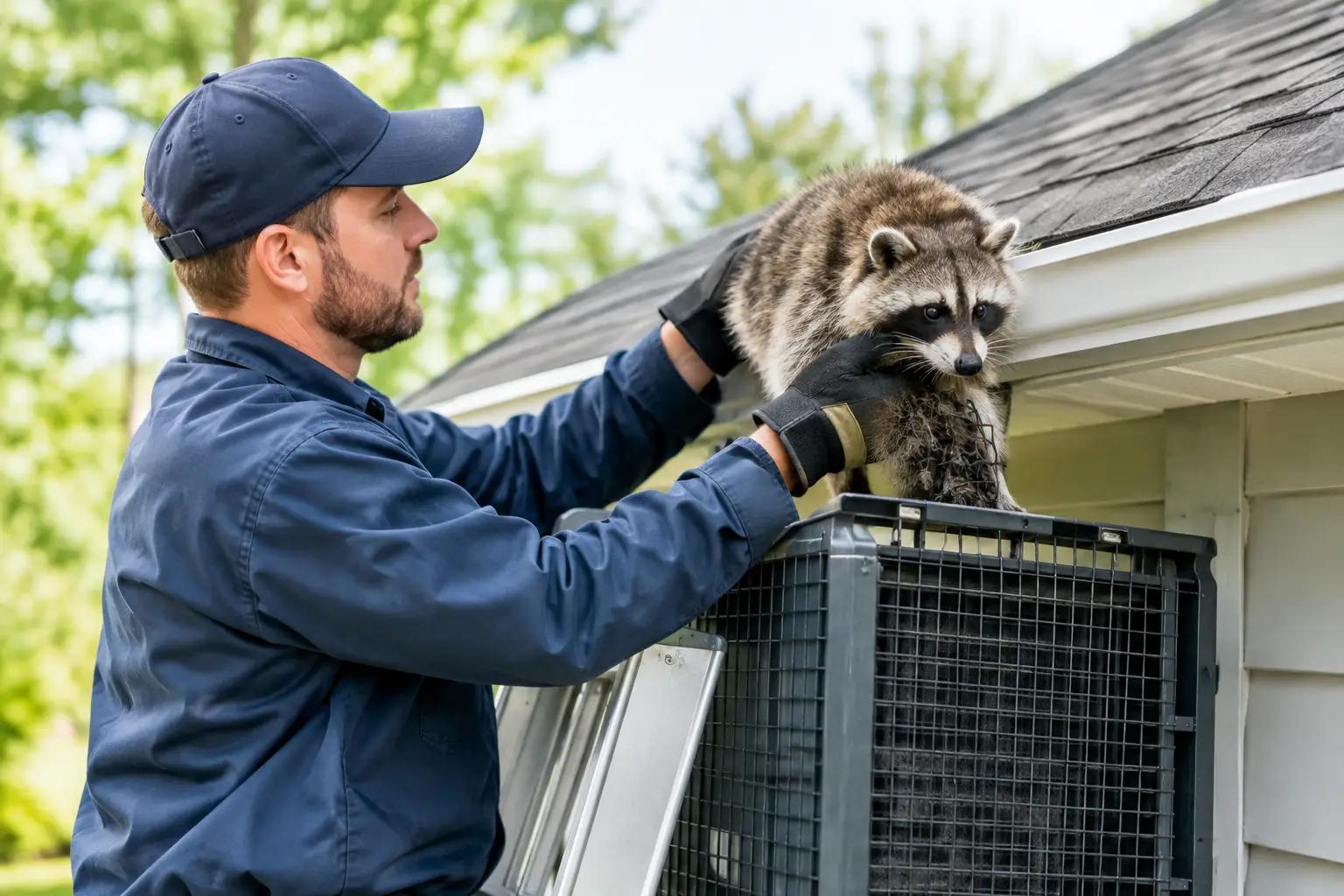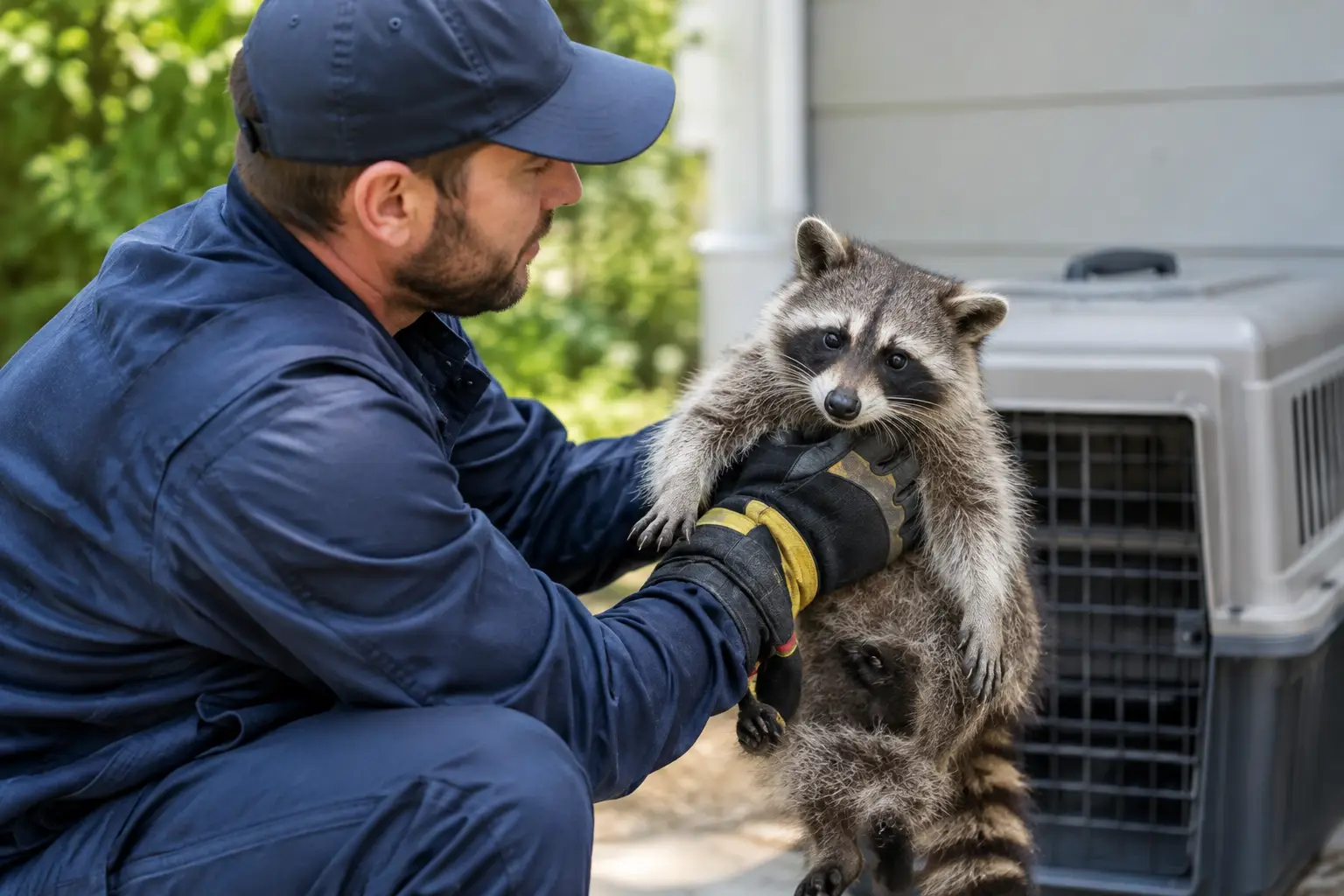
A raccoon in a New York City attic is not a minor nuisance. Once it finds an opening at a roofline, soffit, vent, chimney, or crawl space, it can tear insulation apart, damage ductwork, contaminate stored belongings, and create a recurring problem for everyone in the building. Professional raccoon removal NYC service addresses the animal, the entry point, and the mess left behind – because removing one raccoon without securing the structure rarely solves the issue.
For homeowners, landlords, property managers, and commercial operators, fast action matters. Raccoons are powerful climbers with dexterous front paws. They can exploit weak construction details that may look insignificant from the ground, then return night after night if those vulnerabilities remain open.
Signs You Need Raccoon Removal in NYC
Raccoons are most active after dark, but the evidence they leave is often obvious by morning. Heavy footsteps or thumping overhead is a common complaint, especially when a female raccoon has chosen an attic or wall void as a denning area. Unlike mice, which create light scratching sounds, raccoons can sound like a person moving around above the ceiling.
Watch for several signs at once. A single overturned trash can may be an outdoor feeding visit. Roof damage combined with nighttime noise, however, points to a possible structure intrusion.
- Loud walking, thumping, chattering, or crying sounds in an attic, ceiling, or wall
- Torn soffits, bent roof vents, damaged fascia boards, or gaps around chimneys
- Insulation pulled apart, compressed, or contaminated with droppings and urine
- Strong odors, stained ceilings, flies, or visible tracks near a roof access point
- Repeated trash disturbances, pet-food theft, or raccoons seen entering the same area
In multi-unit properties, do not assume the problem is limited to the apartment where noise is reported. Raccoons can travel through connected attic spaces, roof cavities, and utility chases. A professional inspection should identify the full route of entry before repair work begins.
Why Raccoons Choose City Buildings
NYC provides what raccoons need: food, water, shelter, and countless elevated routes. Garbage storage areas, outdoor dining zones, unsecured bins, bird feeders, pet food, and fallen fruit can attract them. From there, gutters, fire escapes, fence lines, utility lines, and low roofs provide access to upper building levels.
Older properties can be especially vulnerable. Aging mortar around chimneys, loose flashing, open ridge vents, deteriorated fascia, and poorly screened exhaust openings all create opportunities. Newer buildings are not immune either. Construction gaps, rooftop mechanical penetrations, and improperly sealed utility openings can become easy access points.
The timing matters. During denning season, a raccoon may be raising young inside an attic or enclosed roof area. Sealing an opening immediately without confirming whether animals remain inside can trap a mother or babies in the structure. That can lead to odor, noise, damage, and a more difficult removal situation. The right approach depends on the season, the location of the den, and whether juveniles are present.
The Right Way to Handle a Raccoon in Your Attic
Trying to force a raccoon out with loud noise, lights, chemicals, or an unsecured live trap can make the problem worse. A frightened animal may move deeper into a wall, damage more material while escaping, or defend itself if cornered. Raccoons may also carry parasites and can expose people or pets to health risks through bites, scratches, droppings, or contaminated areas.
Do not climb onto the roof to inspect a suspected entry hole at night. Avoid touching droppings, nesting material, or a dead animal without proper protection. Keep pets away from the area and make sure children do not approach a raccoon that is acting unusually calm, disoriented, aggressive, or unable to move normally.
Professional wildlife technicians begin by locating active entry points and determining whether the animal is currently inside. Humane trapping or controlled exclusion methods may be used based on the conditions at the property. This is not a one-size-fits-all process. The safe method for a raccoon entering a garage may differ from the solution for a mother and kits inside a fourth-floor attic.
What Professional Raccoon Removal NYC Service Includes
Effective removal is a complete property-recovery process, not simply a trap set near the building. Animal Control NYC & NJ provides professional wildlife trapping and removal with attention to the damage and contamination that can remain after the animal is gone.
A thorough service usually starts with an inspection of the attic, roofline, vents, soffits, crawl space, exterior walls, and other likely access points. Technicians look for rub marks, tracks, torn materials, nesting areas, and secondary openings that another raccoon could use later.
After removal is underway, exclusion work becomes the priority. Openings are repaired or reinforced with materials designed to withstand wildlife pressure. Depending on the property, that may involve securing roof and ridge vents, repairing soffits and fascia, screening vulnerable openings, sealing crawl space access, or improving gutter and roofline protection. The goal is to prevent the same animal or another one from returning through the same weak point.
Cleanup is equally important. Raccoon urine and droppings can soak into insulation and building materials. In severe attic infestations, damaged insulation may need to be removed and replaced. Sanitization, odor treatment, dead animal removal when necessary, and attic restoration help return the space to a safe, usable condition. If moisture and contamination have contributed to mold concerns, remediation should be evaluated as part of the recovery plan.
Raccoon Damage Can Spread Beyond the Attic
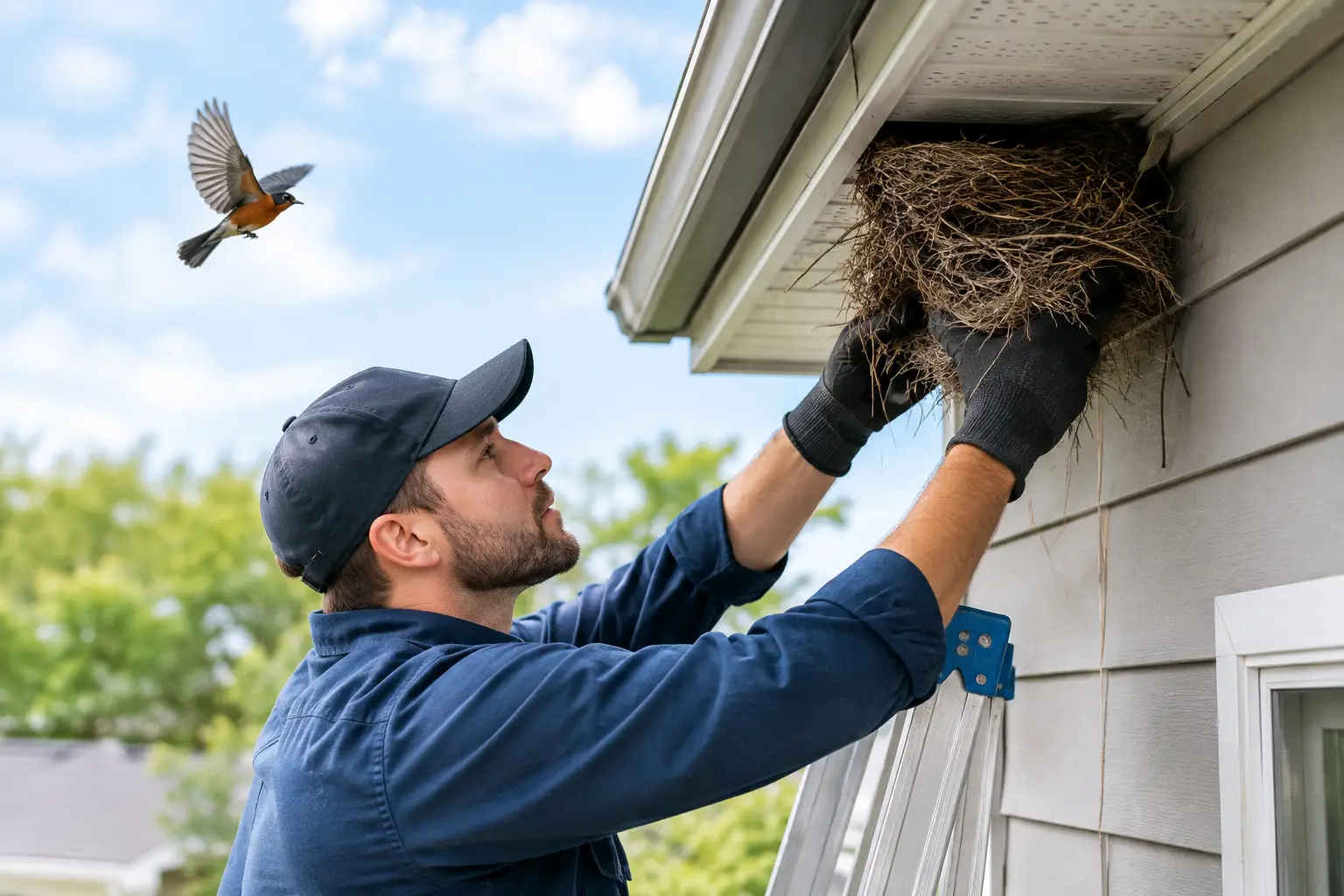
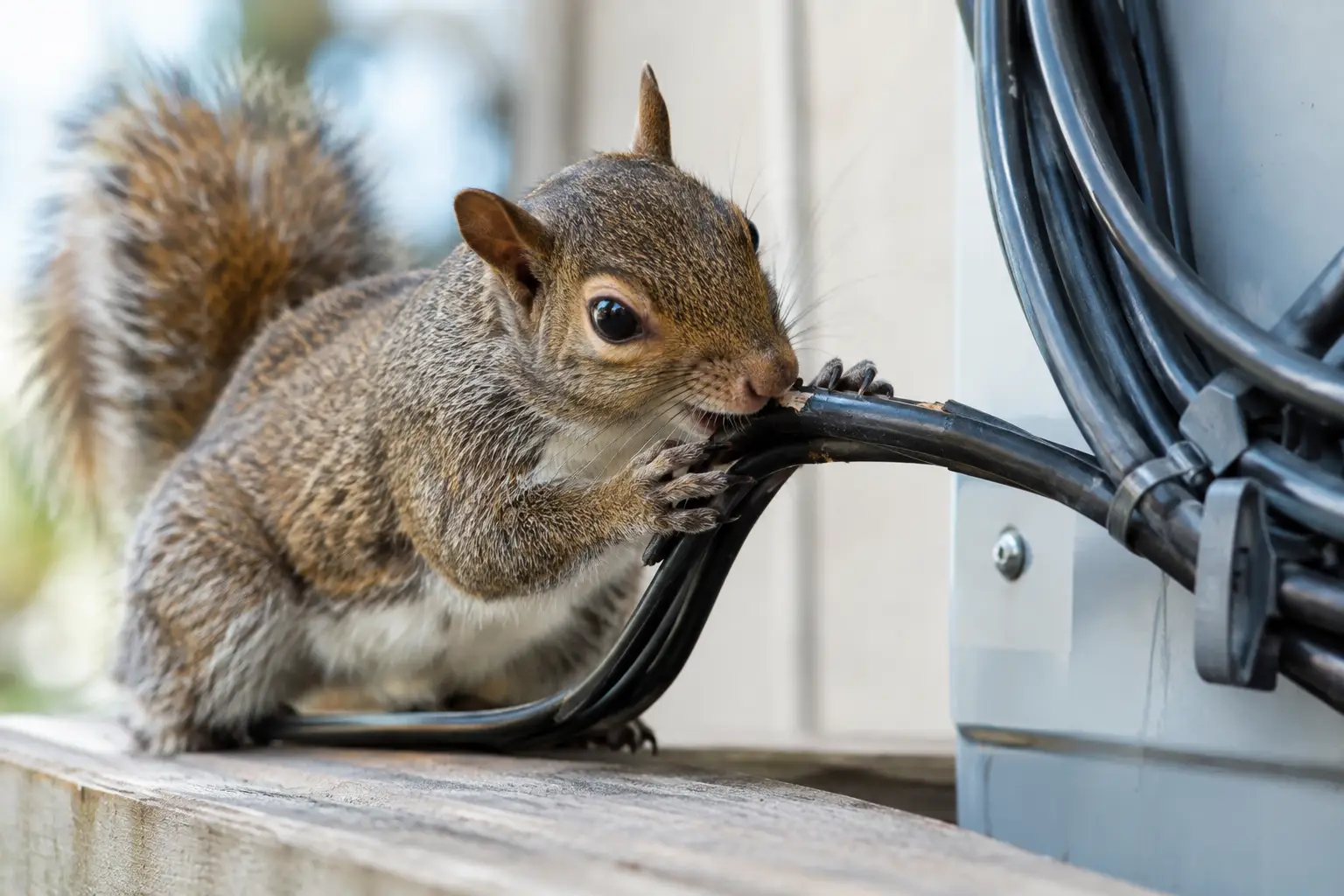
Property owners often call because of noise, then discover the damage is broader than expected. Raccoons may pull apart duct insulation, disturb electrical wiring, crush ceiling insulation, damage stored inventory, or create pathways for rodents and insects. A hole made by a raccoon can later become an entry point for squirrels, birds, bats, or mice.
For landlords and building managers, delay can also create tenant issues. Odors, ceiling stains, nighttime noise, and sanitation concerns can quickly become maintenance complaints. Commercial properties face additional concerns when raccoons access dumpster areas, loading zones, rooftop equipment areas, or food-adjacent spaces.
The trade-off is clear: a basic removal may appear less expensive upfront, but it can leave the property exposed to repeat entry and hidden cleanup costs. A full inspection, humane removal, sanitation, and exclusion plan is often the more durable solution.
Preventing Raccoons From Coming Back
After the building is secured, reduce the outdoor conditions that encourage raccoon activity. Keep trash containers closed and secured, clean food debris from outdoor areas, and avoid leaving pet food outside overnight. Trim branches that provide direct roof access where practical, and inspect roof edges after storms or construction work.
Property maintenance should include checking vents, chimneys, soffits, and exterior openings before they fail. In dense neighborhoods, even a small gap can be enough. Raccoons are persistent, and a repair that looks fine from the ground may need closer evaluation at the roofline.
If you hear heavy movement overhead, notice a damaged soffit, or find raccoon droppings in an attic or crawl space, do not wait for the problem to grow. Fast, humane removal followed by proper cleanup and exclusion protects the building, the people inside it, and the animal from a dangerous encounter.