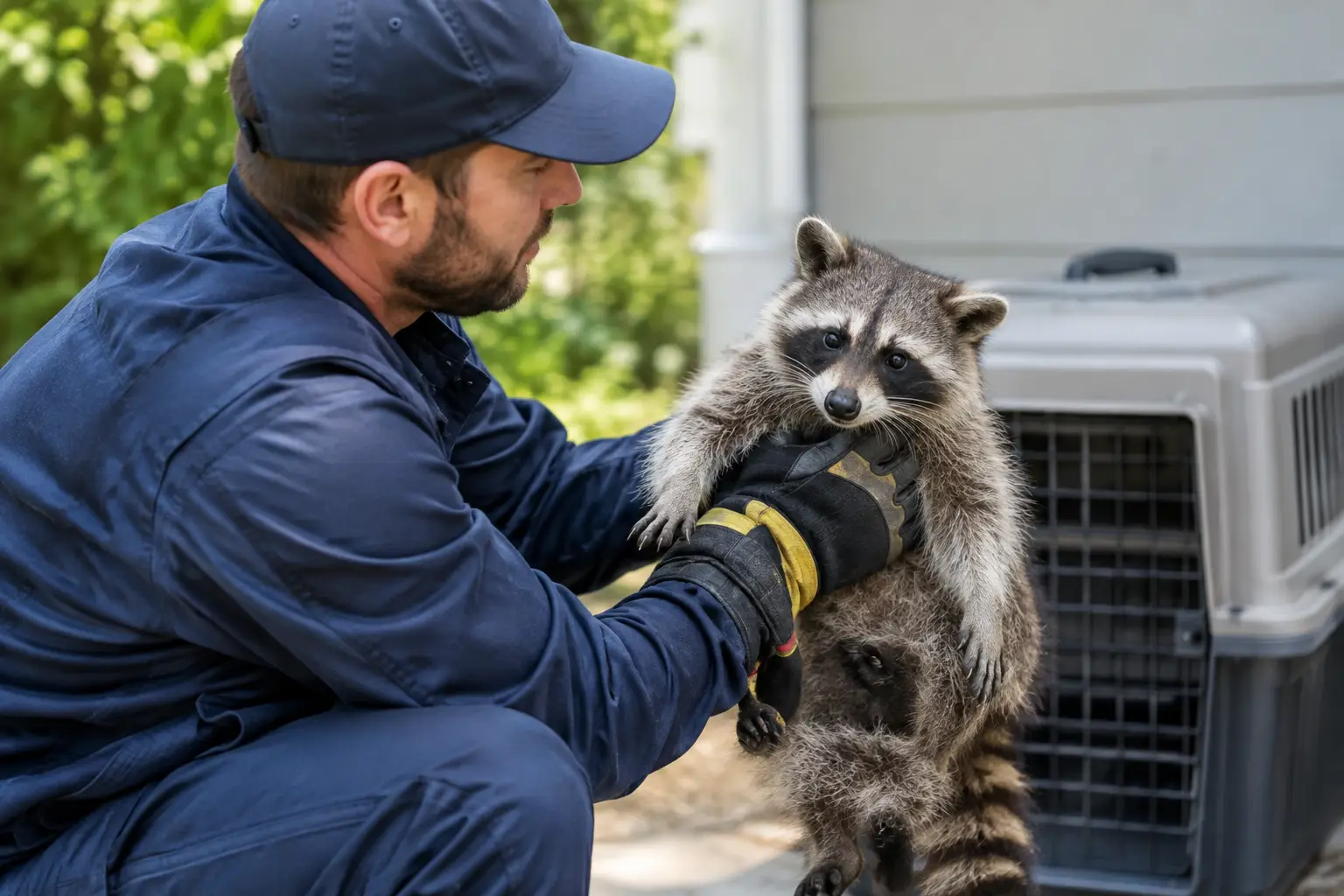
If you found small dark droppings in an attic, soffit, or wall void, the question gets serious fast – can bat droppings make you sick? Yes, they can. Bat guano is not just a mess or an odor problem. In the wrong conditions, it can expose people to harmful fungal spores and create unsafe air quality inside homes, apartment buildings, and commercial properties.
That risk is one reason bat problems should never be treated like routine housekeeping. Once guano starts building up, the issue is no longer just about getting the animals out. It becomes a contamination problem that needs proper removal, sanitizing, and in many cases repairs to the affected area.
Why bat droppings are a health concern
Bat droppings, also called guano, can support the growth of a fungus linked to histoplasmosis. This is a respiratory illness people can get when microscopic spores become airborne and are inhaled. The danger is usually not from simply seeing droppings on a surface. The bigger problem happens when guano is disturbed during sweeping, vacuuming, demolition, insulation removal, or even heavy air movement in a confined space.
Not every pile of bat droppings will make someone sick, and not every exposed person will develop symptoms. But that does not make the risk minor. In attics, crawl spaces, church steeples, warehouses, and older buildings where bats may roost undetected for long periods, contamination can spread farther than most property owners expect.
The risk also depends on the amount of guano, how long it has been there, ventilation conditions, and whether anyone in the building has asthma, a weakened immune system, or other respiratory concerns. For those groups, even limited exposure can be a more serious issue.
Can bat droppings make you sick right away?
Sometimes symptoms do not show up immediately. That is part of what makes guano exposure easy to underestimate. A person may disturb a contaminated attic on a weekend and not feel sick until days later. Early symptoms can resemble the flu or a chest infection, which means people do not always connect the illness to bat droppings.
Potential symptoms after exposure can include fever, cough, fatigue, chest discomfort, chills, and shortness of breath. In some cases, symptoms are mild. In others, especially with heavier exposure or underlying health problems, the illness can become more severe and require medical attention.
That is why any cleanup attempt that stirs up dust should be taken seriously. If you have had direct exposure and start feeling sick, contact a medical professional and mention the bat droppings exposure clearly. That detail matters.
Where guano problems usually show up
In NYC and New Jersey properties, bat activity often starts in upper sections of a structure. Attics are common, but they are not the only place. Guano can collect around rooflines, ridge vents, soffits, dormers, chimneys, wall voids, and behind fascia boards. In multifamily and commercial buildings, contamination may also show up above suspended ceilings, in mechanical areas, or near exterior entry points.
One of the biggest mistakes property owners make is assuming the visible droppings are the whole problem. In many cases, what you can see near an access point is only a fraction of the contamination hidden behind insulation or along framing members. The odor can also travel into occupied spaces, especially when HVAC systems pull air from affected areas.
If bats have been present for any length of time, staining, urine saturation, and compressed insulation are also common. That turns a wildlife issue into a property restoration issue.
Why DIY cleanup can make things worse
A shop vacuum, a broom, and a trash bag are not a safe bat guano cleanup plan. Disturbing droppings without the right containment and protective equipment can send particles into the air and spread contamination to clean areas. Standard household vacuums can make that worse if they are not built for hazardous particulate control.
There is also the bat removal side of the problem. Cleaning droppings before the bats are professionally excluded often means the mess comes right back. If the entry points stay open, you are treating the symptom and leaving the source in place.
Bat situations also involve legal and seasonal considerations. In many cases, bats cannot simply be trapped and removed at any time of year like other nuisance wildlife. Humane exclusion planning matters. The cleanup has to be coordinated with the removal process so the structure is handled safely and correctly from start to finish.
What professional bat guano cleanup should include
A proper response starts with inspection. The goal is to identify where bats are entering, where they are roosting, how far contamination has spread, and whether building materials have been damaged. That determines whether the job is limited surface cleanup or full remediation.
Professional cleanup may include controlled guano removal, contaminated insulation removal, disinfecting affected surfaces, deodorizing, and sealing off vulnerable areas after exclusion is complete. In more advanced cases, restoration work is needed because droppings and urine have damaged insulation, wood, drywall, or ventilation pathways.
This is also where full-service wildlife control matters. Removal alone is not enough if the attic still contains guano, odor, and ruined insulation. And cleanup alone is not enough if the bats still have access to the structure.
Signs the problem is bigger than it looks
A few scattered droppings near a vent do not always mean a large colony, but they should not be ignored. If you notice repeated droppings in the same area, scratching or fluttering sounds at dusk, staining near roof gaps, a strong ammonia-like odor, or bats seen leaving the structure in the evening, the issue may be active and expanding.
Property managers should be especially cautious when complaints come from top-floor tenants or maintenance staff working in attic access areas. In commercial buildings, a small exterior sign can point to a much larger sanitation issue above occupied space.
If anyone has already swept, vacuumed, or moved contaminated materials, the urgency goes up. At that point, it is not just an animal entry issue. It is also a potential exposure event.
What to do if you find bat droppings
First, do not disturb the area. Avoid sweeping, vacuuming, or handling droppings with bare hands. Keep children, pets, tenants, and unprotected workers away from the space if possible.
Next, limit traffic through the contaminated area. If the droppings are in an attic or utility zone, leave it alone until it can be inspected. If they are in a business or shared property, document the location and restrict access as needed.
Then arrange a professional inspection as soon as possible. A qualified wildlife control team can determine whether the droppings are from bats, confirm whether there is active bat entry, and outline the safest removal and cleanup plan. For urgent bat issues in homes and commercial buildings, Animal Control NYC & NJ handles exclusion, guano cleanup, sanitizing, and damage repair as one coordinated service.
Can bat droppings make you sick if they are old?
Yes, older droppings can still be a problem. In fact, dry guano can become more hazardous during cleanup because it breaks apart more easily and releases particles into the air. Property owners sometimes assume an old infestation is less dangerous because the bats are gone. The opposite can be true if contamination was left behind and later disturbed during renovations, roof work, or insulation replacement.
That is why old attic droppings should never be brushed off as a cosmetic issue. If the material is still present, the hazard is still present.
The real goal: remove the bats, remove the risk
When bat droppings are inside a structure, the right response is complete response. That means identifying the colony, excluding the bats humanely, removing contaminated material safely, sanitizing the affected space, and sealing the building so it does not happen again.
For homeowners, landlords, and facility operators, the practical question is not just can bat droppings make you sick. It is whether the property is being handled in a way that protects the people inside it. If there is guano in your attic, walls, or roofline, treat it like a health and building issue, not just a nuisance animal problem. The faster you address it, the simpler and safer the fix usually is.