Scratching above the ceiling at 2 a.m., a raccoon tearing at a soffit, or a dead animal odor spreading through a hallway is not a problem to put off until next week. An animal removal expert identifies what is in the building, removes it safely and humanely, and addresses the opening, contamination, and damage that allowed the problem to grow.
For homeowners, landlords, property managers, and business owners in New York City and New Jersey, wildlife issues can move fast. One squirrel in an attic may become damaged insulation and chewed wiring. A bird nest in a vent can restrict airflow. Rodent activity can trigger tenant complaints, contaminate storage areas, and create an ongoing sanitation concern. The right response is not simply getting the animal out. It is restoring control of the property.
What an Animal Removal Expert Actually Does
Professional wildlife removal starts with an inspection. Animals do not enter a structure by accident. They use loose rooflines, uncapped vents, gaps around utility lines, damaged soffits, open crawl-space access points, and weak areas along foundations. A trained technician looks for the entry route, signs of animal activity, nesting material, droppings, rub marks, odors, and damage that may be hidden behind walls or under insulation.
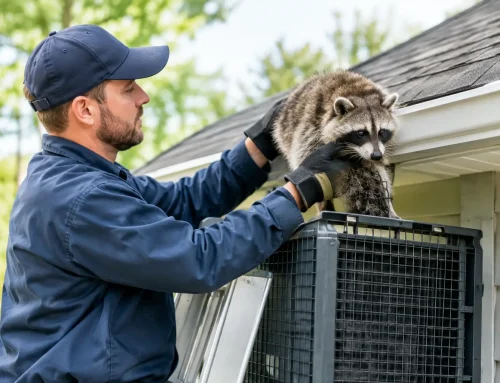
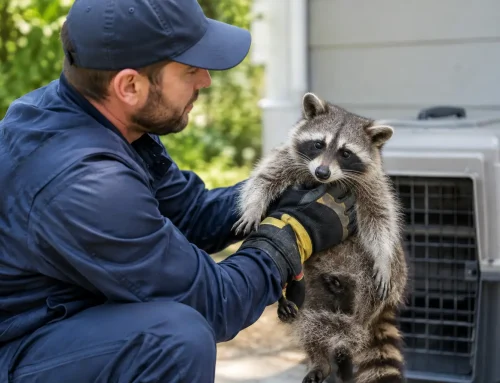
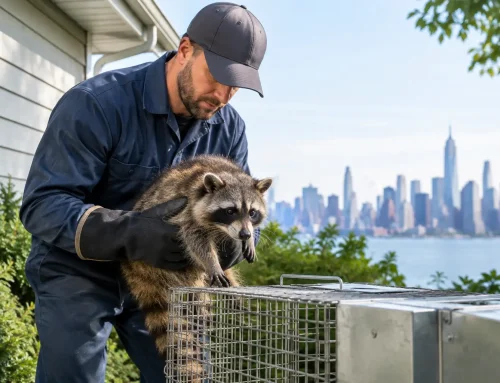
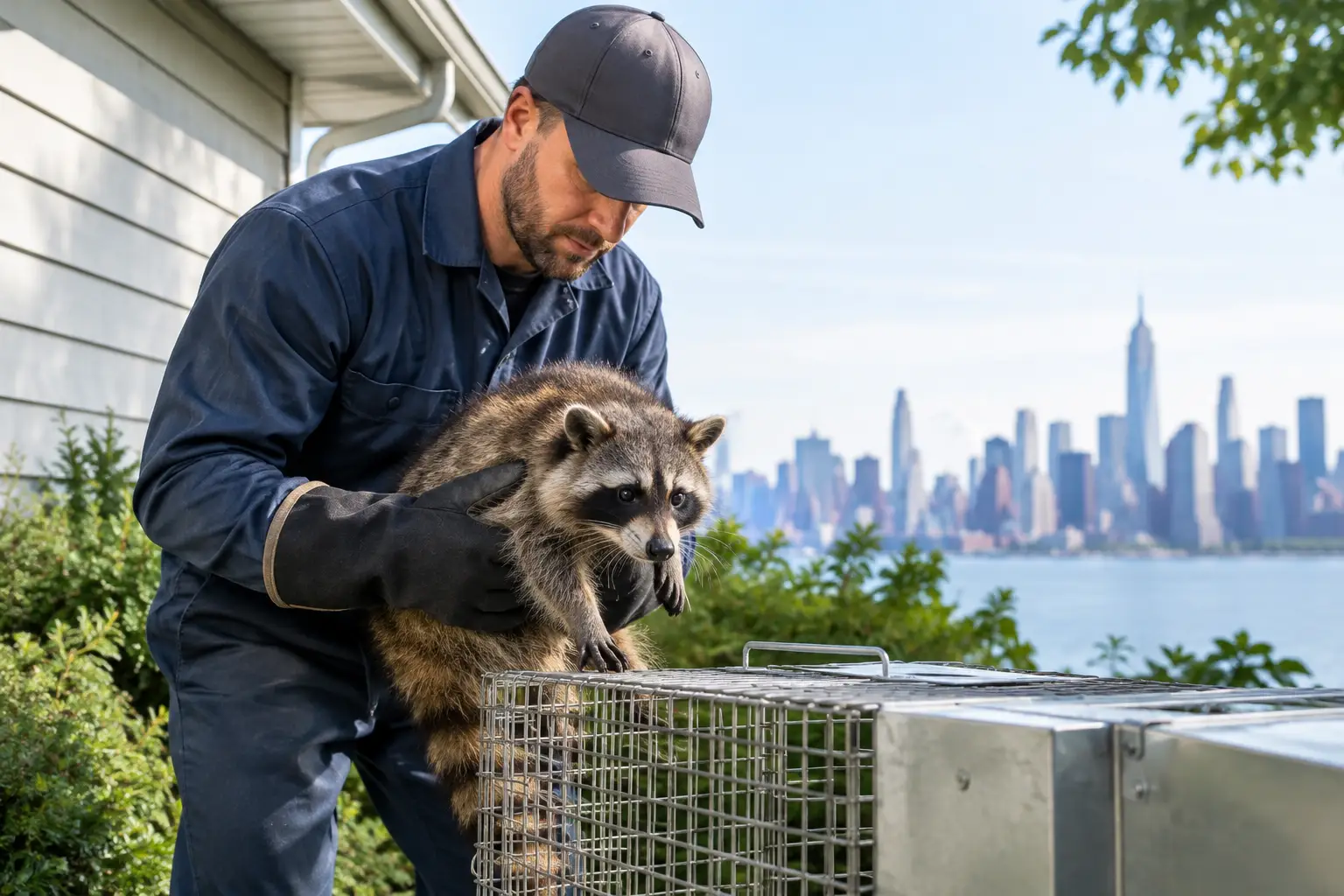
That inspection determines the removal method. A bat issue requires a different approach than a rat infestation. Raccoons may need trapping and controlled removal, while squirrels in an attic often require a carefully timed one-way exclusion process so young animals are not left behind. Bird removal may involve nest management, vent protection, and cleanup. The species, season, location, and condition of the building all matter.
After removal, the work should continue. A full-service animal removal expert can seal vulnerable entry points, replace contaminated insulation, disinfect affected areas, repair damaged materials, and install protective barriers where animals are likely to return. This is the difference between a temporary fix and a property recovery plan.
Signs You Need Professional Wildlife Removal Now
Some wildlife problems are obvious. You see a raccoon on the roof or a rat in a restaurant storage area. Others begin with small warning signs that are easy to dismiss until the damage becomes expensive.
Call for professional help when you hear repeated movement in walls, ceilings, crawl spaces, or attics, especially at night or around dawn. Persistent chirping, scratching, scurrying, thumping, or wing sounds can point to birds, bats, squirrels, raccoons, mice, or rats. A new foul odor may indicate a dead animal, urine buildup, or contaminated nesting material.
Exterior damage also deserves immediate attention. Loose fascia, torn vent screens, chewed siding, damaged ridge vents, gaps near the roofline, and disturbed gutters can all be entry points. In commercial properties, look for droppings near loading areas, mechanical rooms, trash enclosures, kitchens, storage spaces, and ceiling voids. One visible animal may indicate a larger access issue.
Do not wait for an animal to appear inside a living space. Once wildlife has moved deeper into the structure, removal, cleanup, and repairs can become more involved. Fast action protects occupants and limits damage to insulation, ducts, wiring, stored materials, and structural components.
Why Trapping Alone Is Not a Complete Solution
Removing an animal without fixing the access point is like repairing a leak without closing the valve. The immediate problem may disappear, but the property remains exposed. In dense NYC neighborhoods and suburban New Jersey communities, wildlife quickly finds recurring food sources, warm attic spaces, accessible roofs, and unprotected vents.
A proper service plan considers what attracted the animal and how it got in. Garbage access, pet food, unsecured bird feeders, roof debris, low branches, standing water, and open crawl spaces can contribute to repeat activity. Not every property needs every repair, but every job should include a clear explanation of the vulnerabilities found.
Sanitation is just as important. Rodent droppings, bird waste, urine, nesting debris, and carcasses can create unpleasant odors and health concerns. Attics and crawl spaces may require targeted disinfection, odor treatment, insulation removal, or mold remediation when moisture and contamination have been present for a long time. A professional should assess the actual condition instead of recommending unnecessary work.
Humane Removal Depends on the Animal and the Season
Humane wildlife control is not one method applied to every situation. It means choosing a species-appropriate process that protects people, pets, and the animal while complying with applicable regulations.
Raccoons, Squirrels, and Opossums
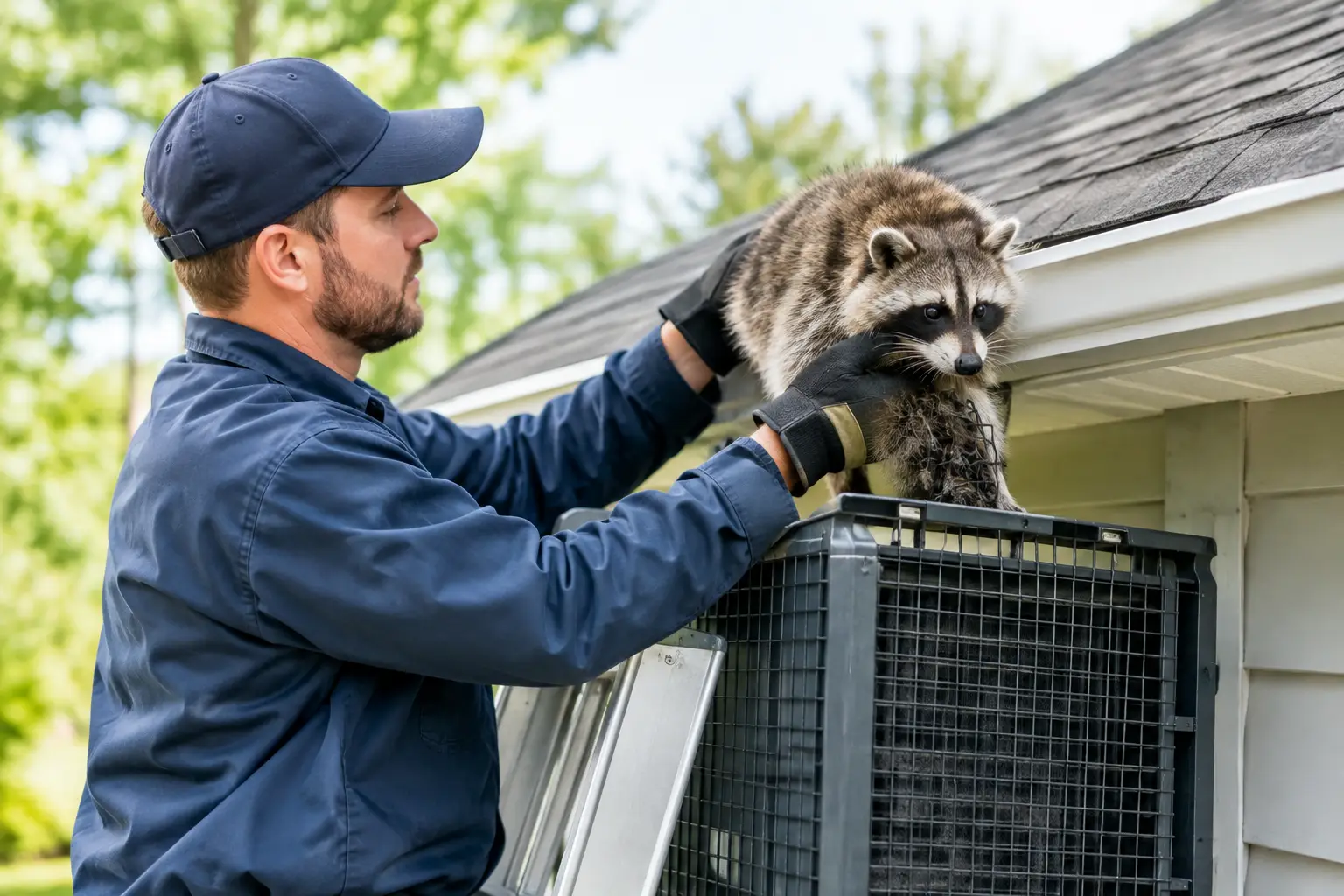
These animals commonly enter attics, chimneys, roof voids, and crawl spaces. Raccoons can cause severe damage because they are strong enough to pull apart weak vents and soffits. Squirrels may chew wood, wiring, and insulation as they build nests. Opossums often shelter under decks, sheds, and crawl spaces.
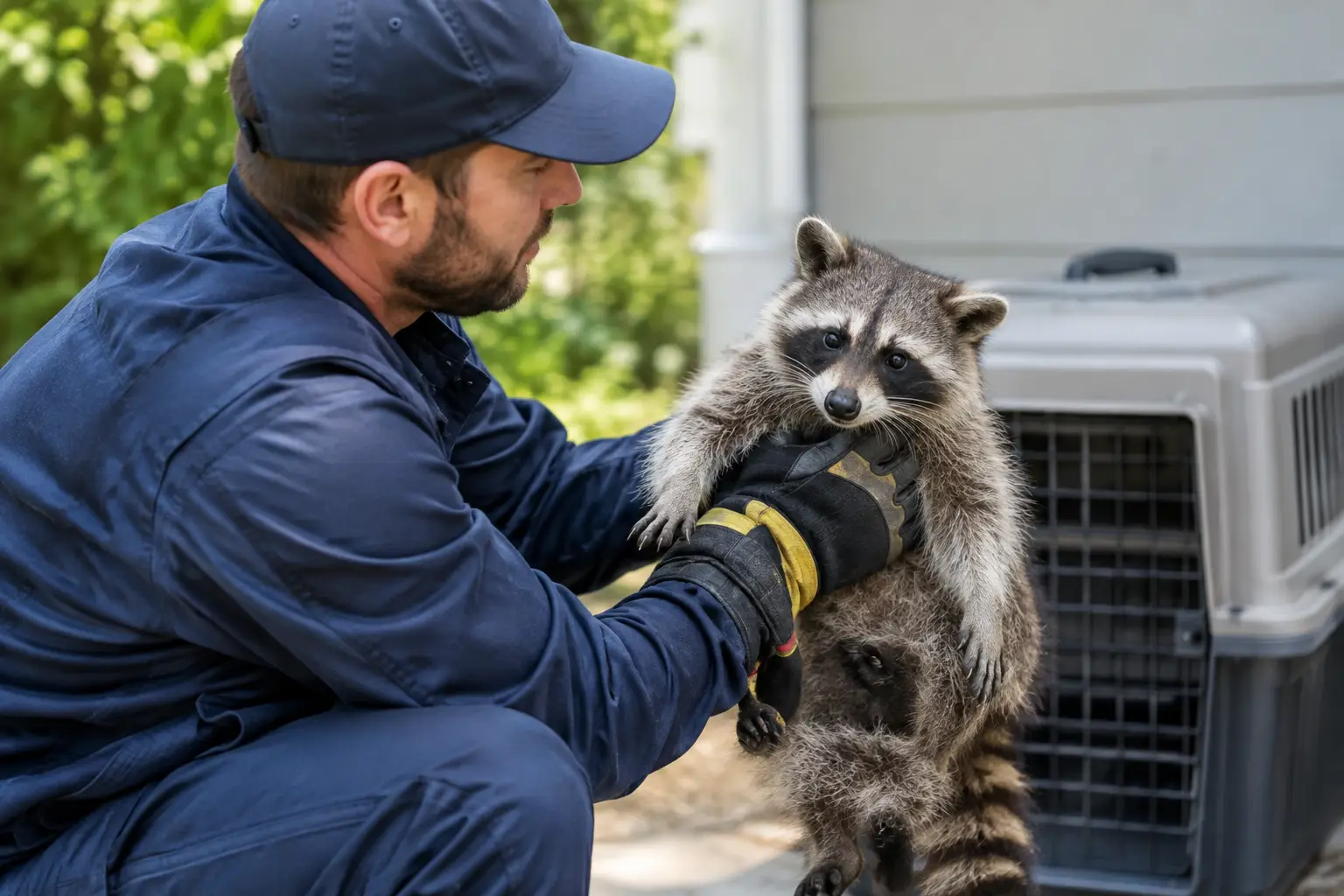
Removal may involve live trapping, one-way doors, or exclusion devices. Timing matters when dependent young may be present. Sealing an opening too early can trap animals inside, leading to more damage, odor problems, and animal welfare concerns. An experienced technician plans removal around the conditions found on site.
Rats and Mice
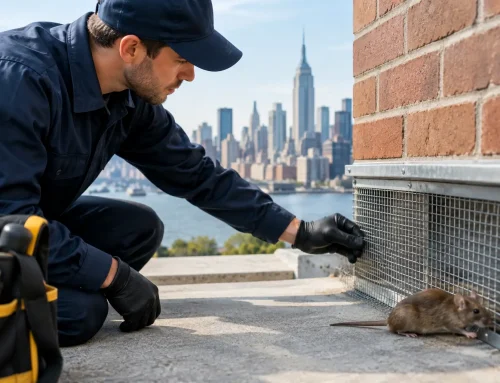
Rodents reproduce quickly and can move through surprisingly small gaps. In homes, they often travel through wall voids, basements, kitchens, garages, and attics. In commercial buildings, they may affect food areas, retail stock, offices, warehouses, and multi-unit housing.
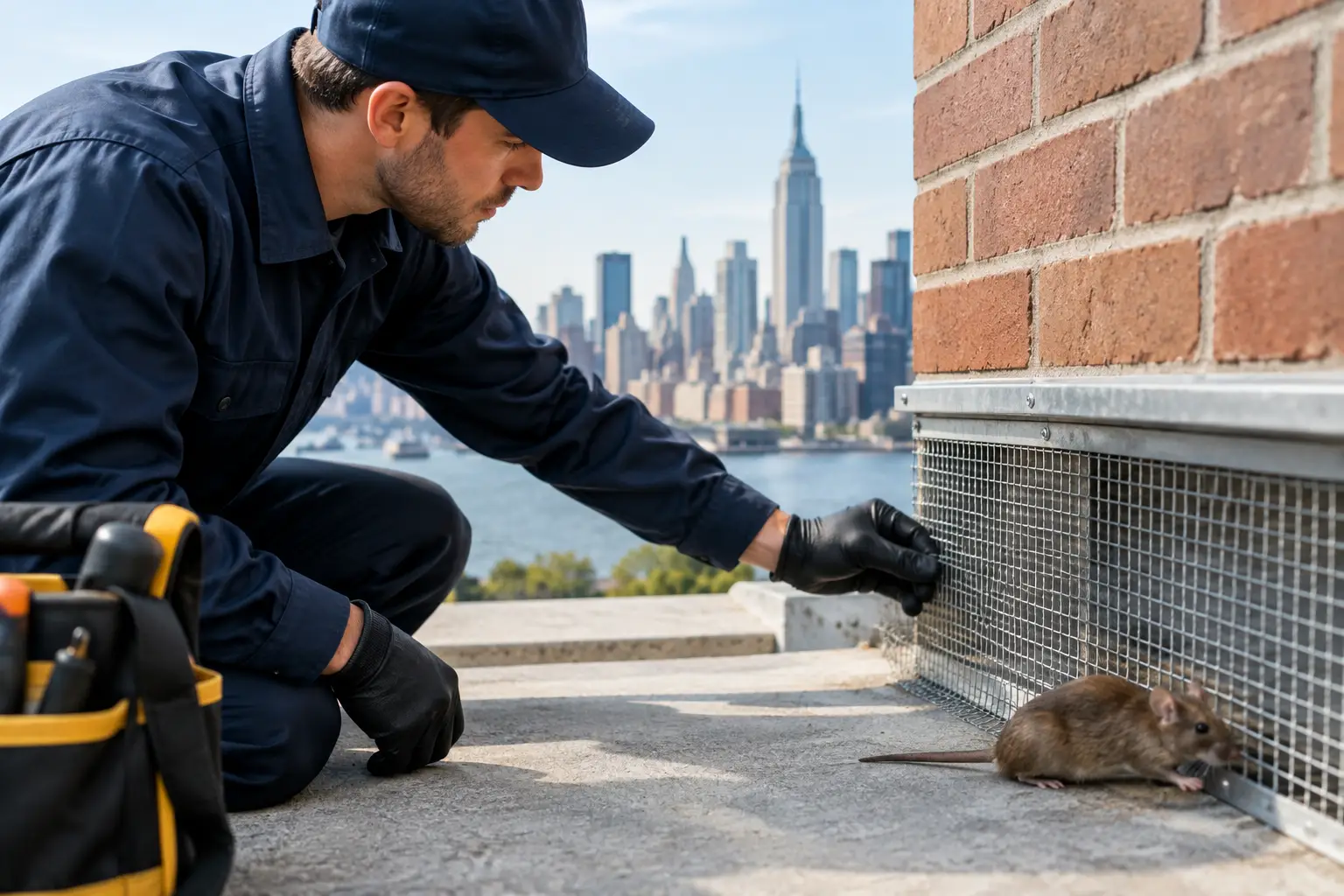
Effective rodent control combines targeted treatment with exclusion. If holes around pipes, foundations, doors, utility connections, or rooflines remain open, rodents can continue entering after the initial activity is reduced. Cleanup and monitoring may also be needed where infestations have been established.
Birds and Bats
Birds may nest in vents, rooflines, signs, and building recesses. Their droppings can damage surfaces and create sanitation issues, while blocked dryer or exhaust vents can create a serious maintenance concern. Bats require specialized handling because they may roost in small gaps around roofs, siding, chimneys, and attic areas.
These jobs should never be handled with improvised poisons, glue products, or blocked openings. Safe removal depends on identifying the species, locating all access points, and using the correct exclusion strategy. For bats in particular, seasonal restrictions and the possibility of young bats affect the timing of work.
Protecting the Building After Wildlife Is Gone
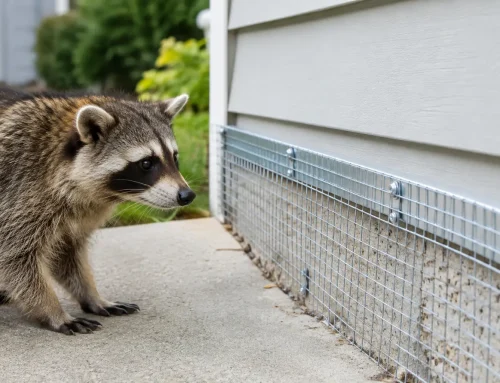
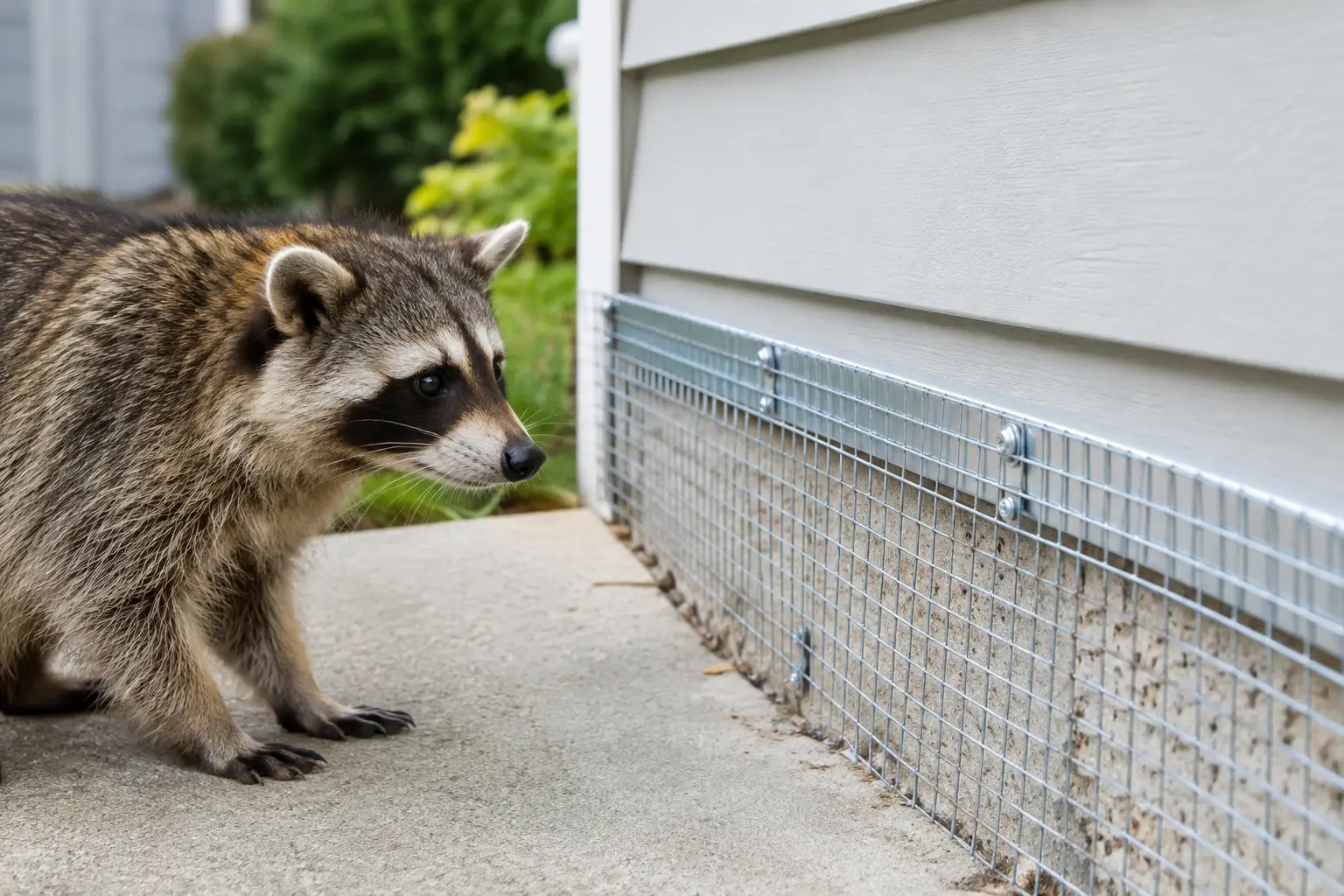
Wildlife exclusion is the long-term defense. It may include sealing gaps, reinforcing damaged soffits, securing vents, protecting ridge vents, screening openings, repairing crawl-space access, adding gutter guards, and animal-proofing solar panels. The goal is not to make a building look patched together. It is to close the routes animals actually use while preserving ventilation and drainage where needed.
Attic restoration can be necessary after a prolonged infestation. Insulation that contains urine, droppings, or nesting debris may no longer perform properly and can hold odor. Replacing it after cleanup can improve both sanitation and energy efficiency. Crawl spaces may need sealing, debris removal, disinfection, and moisture-related repairs before the area is safe to use again.
For property managers and business operators, documentation matters too. Clear findings, recommended repairs, and records of sanitation work help support maintenance decisions and communicate the response to tenants, employees, or ownership groups.
Choosing the Right Animal Removal Expert in NYC and NJ
Look for a company that can explain the problem in plain language before recommending a solution. You should know which animal is suspected, where it entered, what removal method will be used, what repairs are needed, and whether cleanup is part of the job. Beware of anyone promising to solve an attic or rodent issue without inspecting the structure.
Availability matters when an animal is inside an occupied space, a dead animal is causing odor, or a commercial property faces an urgent sanitation issue. A provider with 24/7 response can help limit disruption when the situation cannot wait for regular business hours.
It also helps to choose a company that handles the full scope of work. Animal Control NYC & NJ provides humane trapping and removal along with dead animal removal, rodent control, attic cleanup, exclusion, disinfection, and structural repairs. Using one experienced team can reduce delays and prevent the common handoff problem where removal is completed but the entry point and damage remain.
Do not handle cornered wildlife, touch droppings, or seal an active entry hole on your own. Keep people and pets away from the area, avoid disturbing nests or trapped animals, and arrange a professional inspection. The fastest path back to a clean, secure property is a response that removes the animal and makes sure it cannot come back the same way.