A scratching in attic ceiling at 2 a.m. is not a noise to ignore. In NYC and New Jersey properties, it often means an animal has found a gap near the roofline, vent, soffit, or chimney and is already using your attic as shelter. The longer it stays, the greater the chance of chewed wiring, contaminated insulation, damaged ductwork, odors, and repeat animal activity.
The sound alone cannot confirm the species, but its timing, volume, and location provide useful clues. A professional wildlife inspection identifies the animal, finds every entry point, and addresses the damage after removal. That matters because trapping one animal without securing the structure can leave your home open to the next one.
What Causes Scratching in Attic Spaces?
Squirrels, rats, mice, raccoons, bats, and birds can all create noises above a ceiling. Each behaves differently, and the proper removal method depends on the animal, the season, and whether young are present.
Squirrels
Squirrels are one of the most common daytime attic intruders in New York City and New Jersey. They are active shortly after sunrise and again late in the afternoon. Their movement may sound like quick scratching, scurrying, rolling, or light thumps overhead.
A squirrel can chew through wood, plastic vent covers, fascia boards, and weak areas around roof edges. Female squirrels may also use attics as nesting sites, especially during breeding periods. Closing an entry hole while babies remain inside can create a more serious problem: trapped young, distressed mothers trying to re-enter, and eventual odor issues.
Rats and Mice
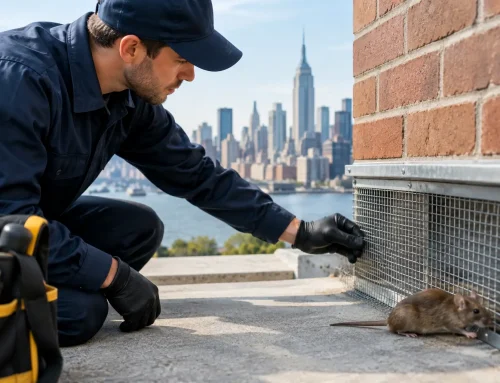
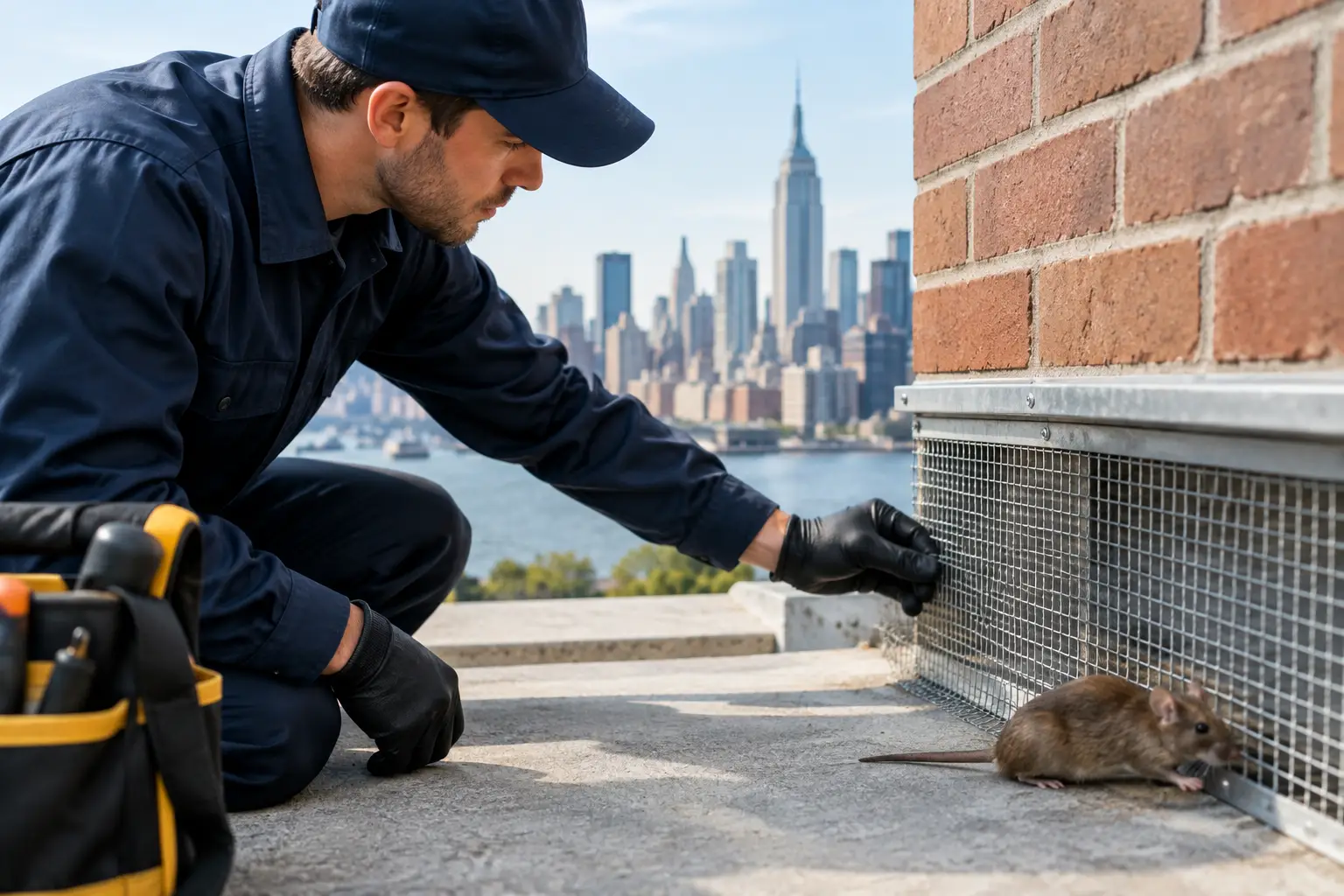
Rats and mice are usually heard at night. The noise is lighter than a raccoon but can be constant: scratching inside walls, quick running across ceiling voids, chewing, and occasional squeaking. Rodents often enter through gaps around utility lines, damaged vents, foundation openings, or roof defects.
Their biggest risk is not just the noise. Rodents contaminate insulation with droppings and urine, chew electrical wiring, and can spread through wall cavities to kitchens, basements, and tenant spaces. A few traps may catch an animal, but they will not solve an active rodent problem if entry points and nesting conditions remain.
Raccoons
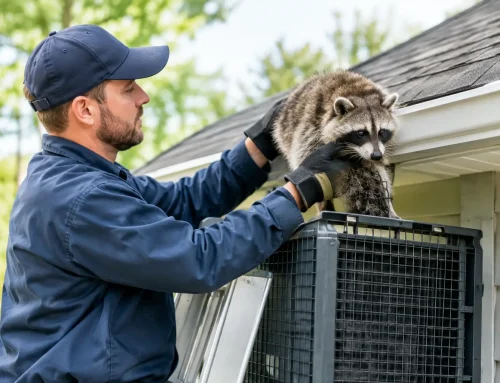
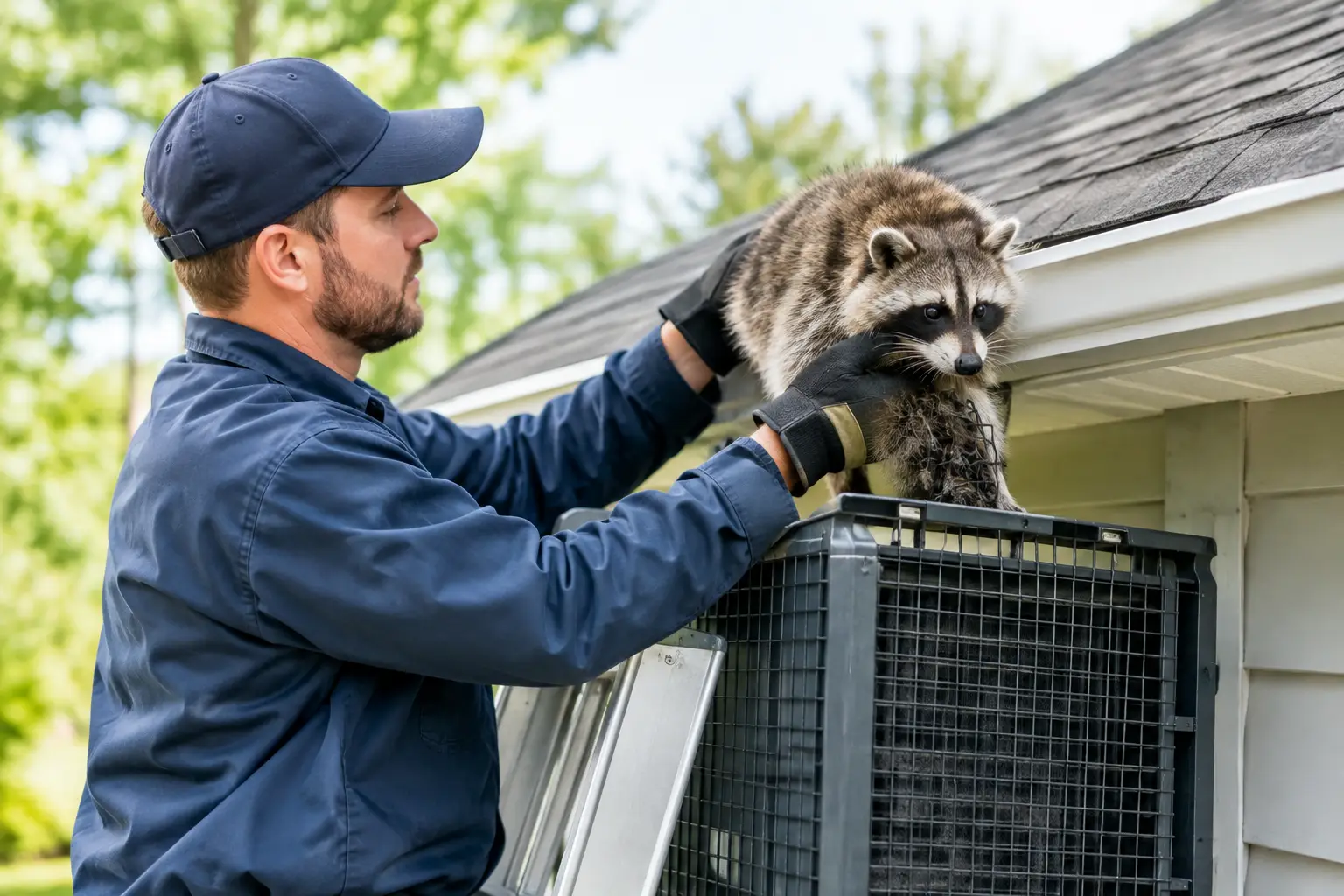
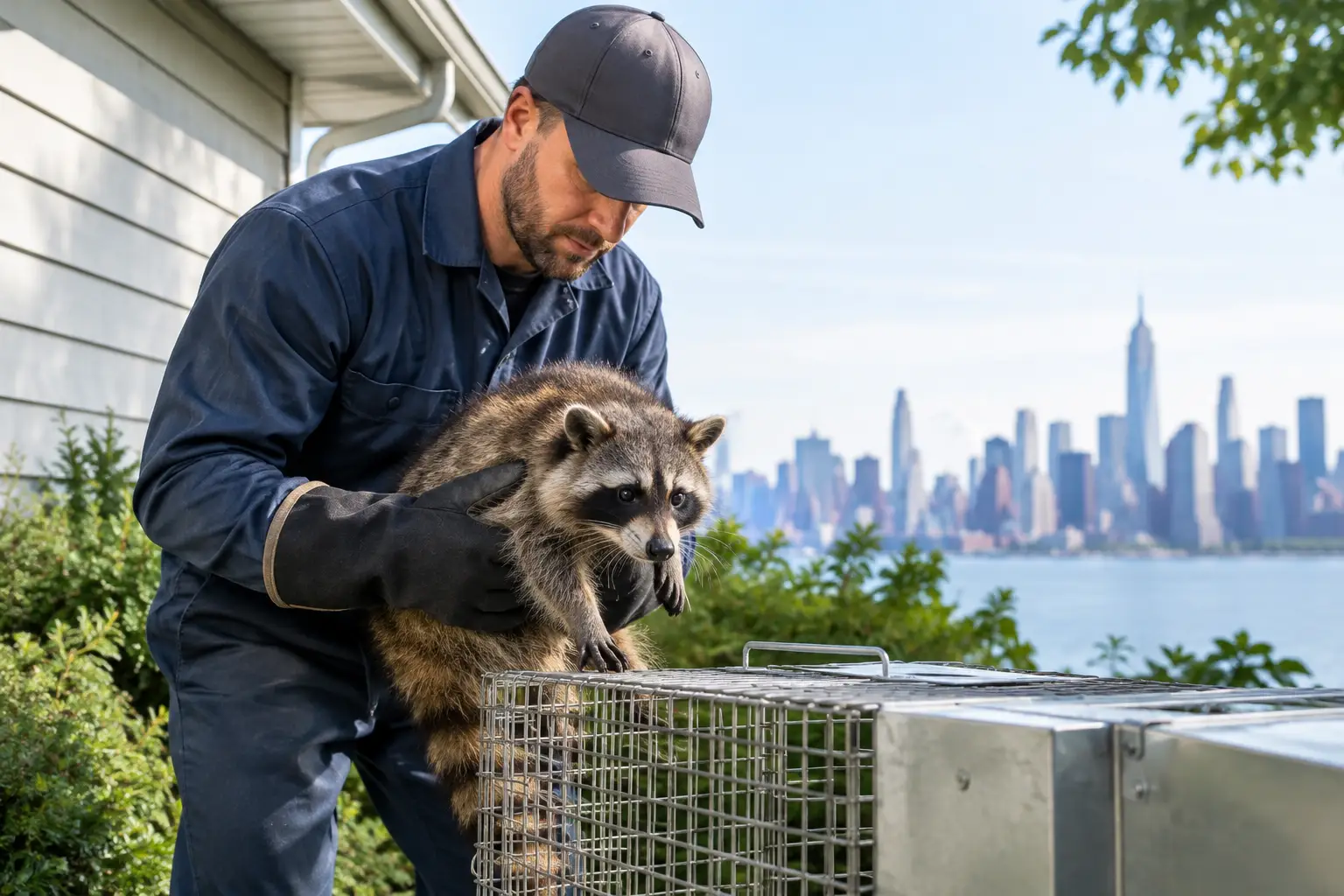
Heavy footsteps, loud dragging, banging, or persistent scratching at night often point to a raccoon. Raccoons are strong enough to pull open damaged soffits, tear through roof vents, and enlarge small openings. Once inside, they can compress insulation, damage framing, and leave substantial waste.
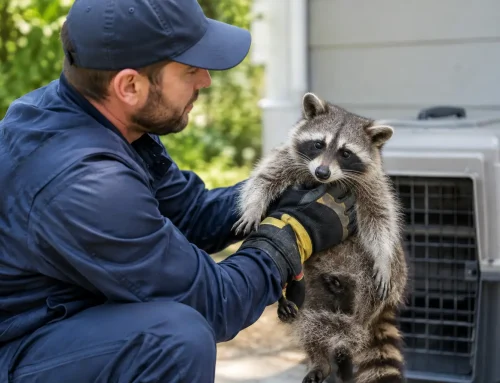
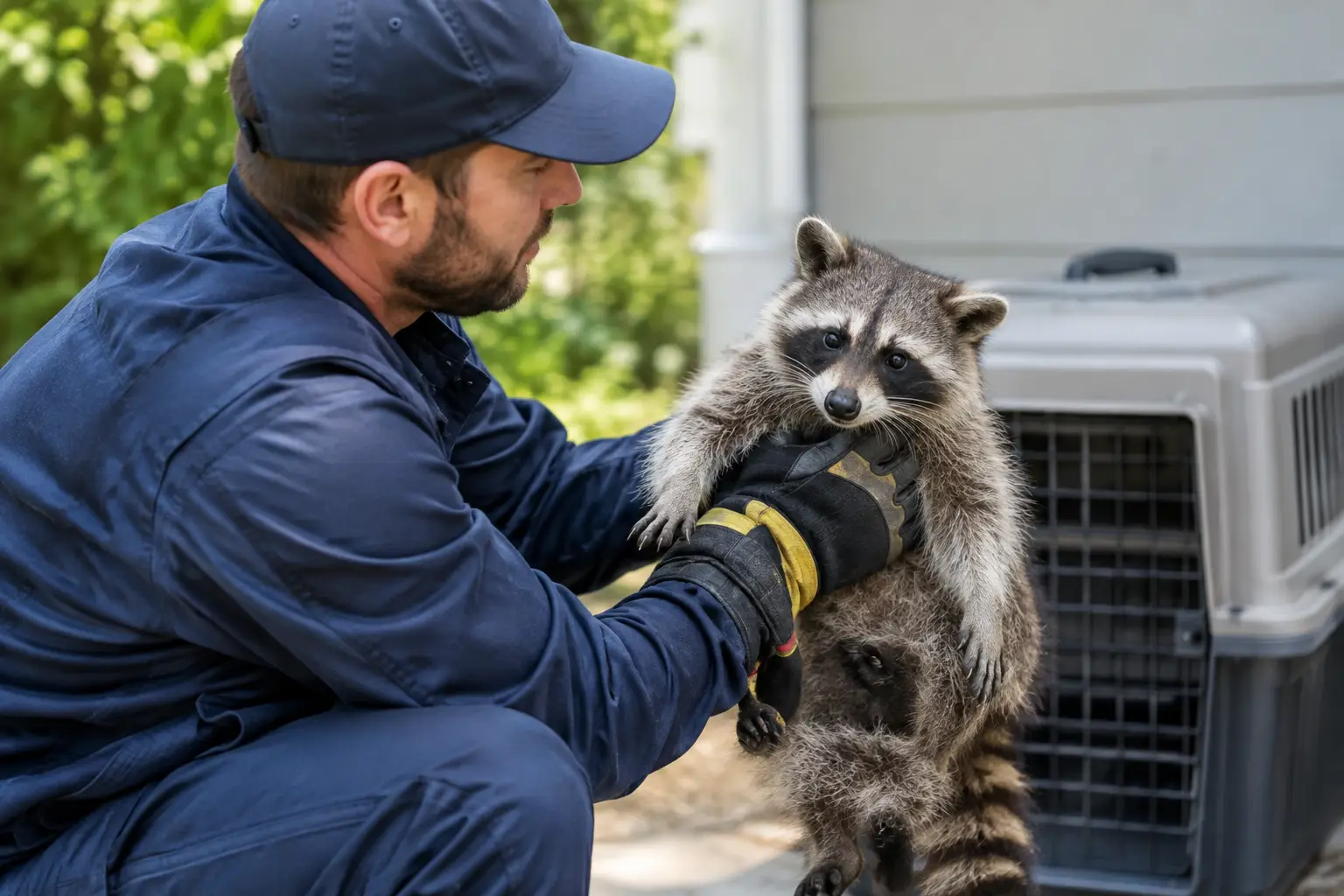
Raccoons may also den with young in attics. This is why random do-it-yourself exclusion can fail badly. A humane removal plan must account for the mother and dependent babies before repairs are completed.
Bats and Birds
Bats are often associated with faint scratching, fluttering, chirping, or movement near a chimney, gable vent, or roofline around dusk and dawn. Birds may create flapping and pecking sounds near vents or eaves. Both can leave droppings that require careful cleanup, not a quick sweep with a household broom.
Bat removal has timing and legal considerations, particularly when bats may be raising young. A trained wildlife professional can determine whether exclusion is appropriate and install the right protective measures once the animals have safely left.
When the Sound Happens Can Identify the Animal
Noise patterns are helpful, but they are not a substitute for an inspection. Daytime activity usually suggests squirrels or birds. Nighttime movement more often points to rats, mice, raccoons, or bats. A heavier animal may create distinct thumps, while rodents tend to produce lighter, rapid movement and chewing.
Location matters as well. Scratching directly above a bedroom may indicate travel through an attic or ceiling void. Noise concentrated along an exterior wall can mean an animal is climbing within a wall cavity. Sounds near a bathroom exhaust vent, chimney, or roof edge may reveal the entry route.
If the noise suddenly stops, do not assume the issue is gone. Animals may be resting, leaving temporarily to feed, or moving deeper into the structure. An attic can remain contaminated even after the animal is no longer audible.
Why You Should Not Ignore Attic Animal Activity
Wildlife in an attic is a property and health concern. Urine, droppings, nesting materials, parasites, and carcasses can create odors and contamination that spread through living spaces or ventilation systems. Damaged insulation loses effectiveness, increasing heating and cooling costs. Chewed wiring can also create a fire risk.
For landlords, property managers, and commercial facility operators, attic activity can quickly become a tenant complaint, maintenance emergency, or liability issue. In multi-unit buildings, animals may travel along shared walls, ceilings, and utility lines before anyone identifies the original entry point.
There is also a structural issue. Animals do not need a large opening to gain access. Mice can fit through very small gaps, while raccoons can exploit loose vents and deteriorated roof materials. If an entry point is left unsealed, another animal can use it after the first has been removed.
What to Do When You Hear Scratching in the Attic
Start by keeping people and pets away from the suspected area. Do not enter a dark attic to investigate an animal, especially if you hear heavy movement, see droppings, or suspect bats. Avoid placing poison in the attic. Poison can lead to dead animals in inaccessible walls and ceilings, creating long-term odor and insect problems.
Do not seal visible holes immediately. If an animal is inside, sealing it in can force it into living areas or separate a mother from her young. It can also cause the animal to damage more of the structure while trying to escape.
Instead, document what you notice: the time of day, type of sound, where it is loudest, and whether you see exterior damage. A professional inspection can then focus on likely entry points, travel paths, nesting areas, and contamination zones.
Professional Removal Is More Than Setting a Trap
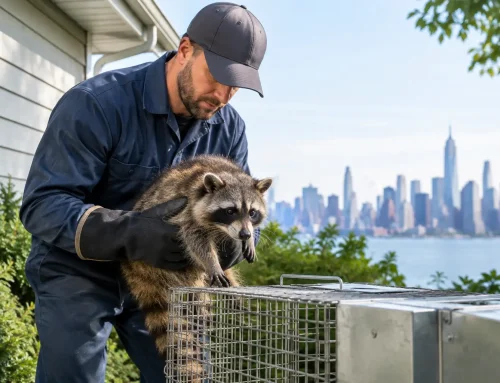
Effective wildlife control follows a full process. The first step is identifying the species and inspecting the attic, roofline, vents, soffits, crawl spaces, and exterior gaps. Removal methods should be species-specific and humane, with special care when babies or nesting animals are involved.
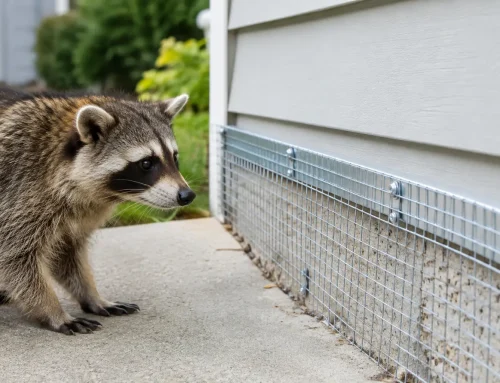
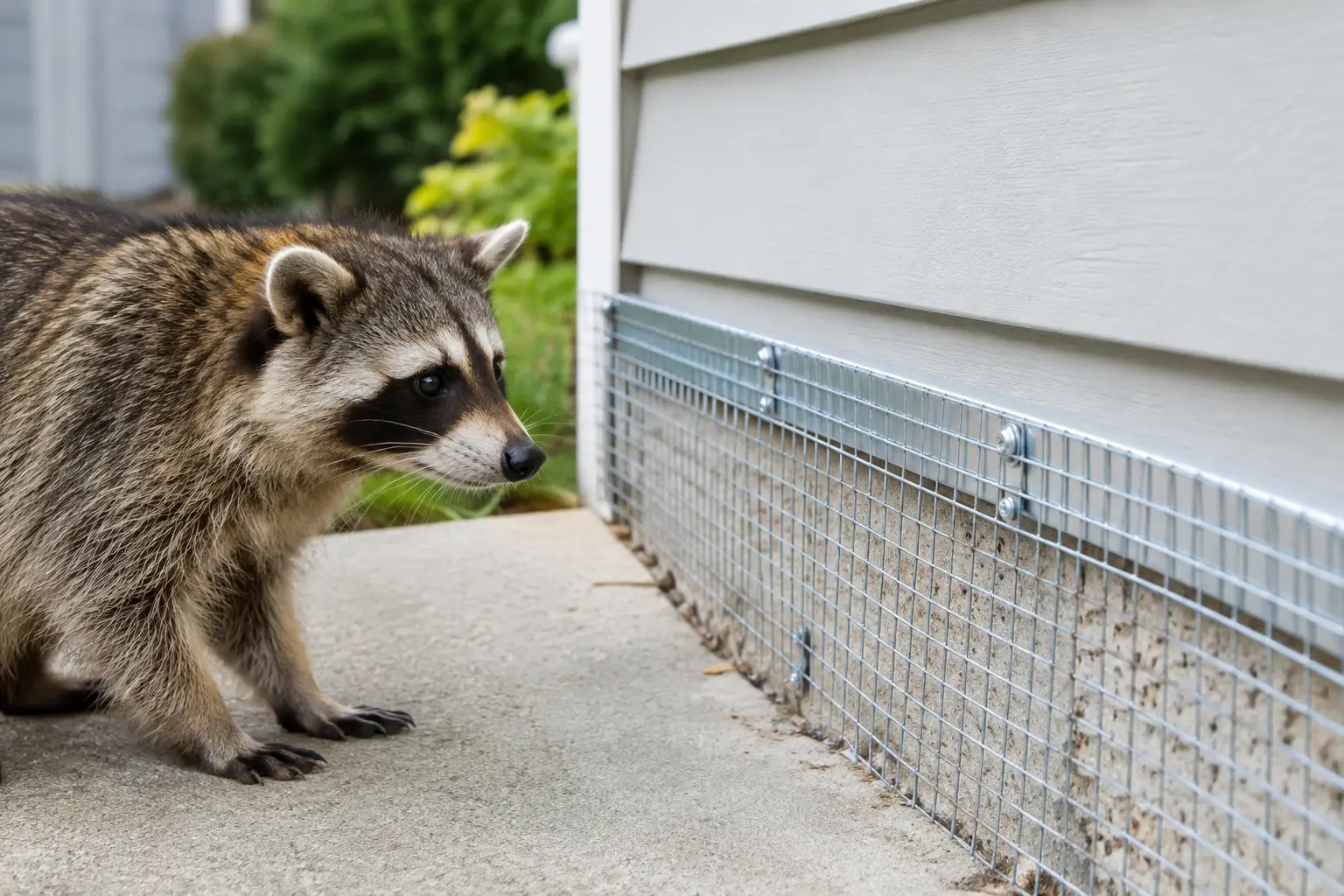
After removal, the real protection comes from exclusion and restoration. Damaged vents need proper screening or repair. Openings around roof edges, siding, pipes, and utility penetrations must be sealed with materials animals cannot easily chew or pull apart. In many cases, contaminated insulation needs removal and replacement, followed by disinfection and odor control.
Animal Control NYC & NJ provides 24/7 professional wildlife trapping and removal, attic cleanup, exclusion, and structural repair for residential and commercial properties. One coordinated service helps prevent the common cycle of removal followed by reinfestation.
Signs You Need Immediate Help
Call for professional assistance promptly if you hear loud nighttime movement, see a raccoon or squirrel entering the roofline, smell urine or decay, find droppings, notice water-stained or sagging ceilings, or see chewed wires and damaged vents. Fast action is especially important when an animal may be trapped inside, when babies may be present, or when the property houses tenants, customers, or vulnerable occupants.
A quiet attic should stay quiet. If scratching returns night after night, treat it as an active intrusion, not a minor nuisance. A proper inspection and humane removal plan can protect your property before a small opening turns into expensive attic damage.