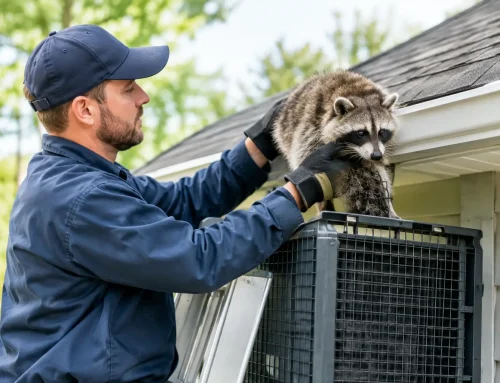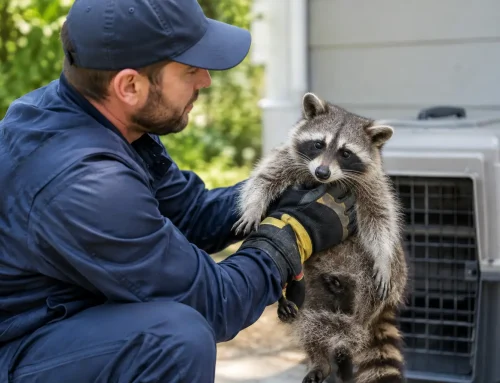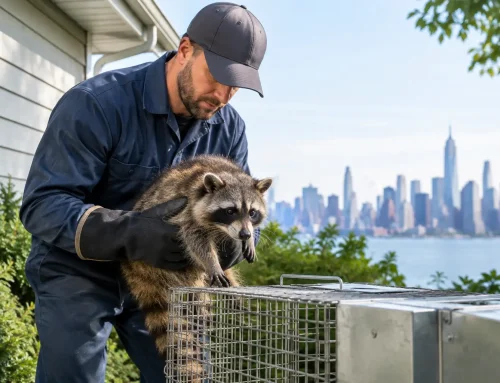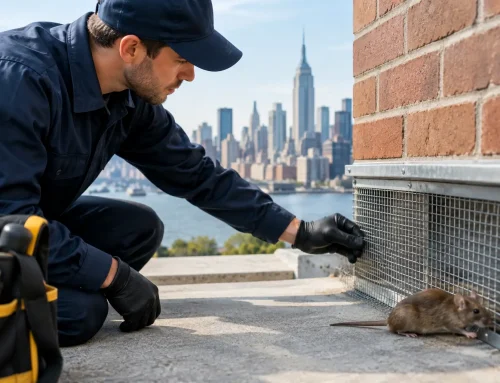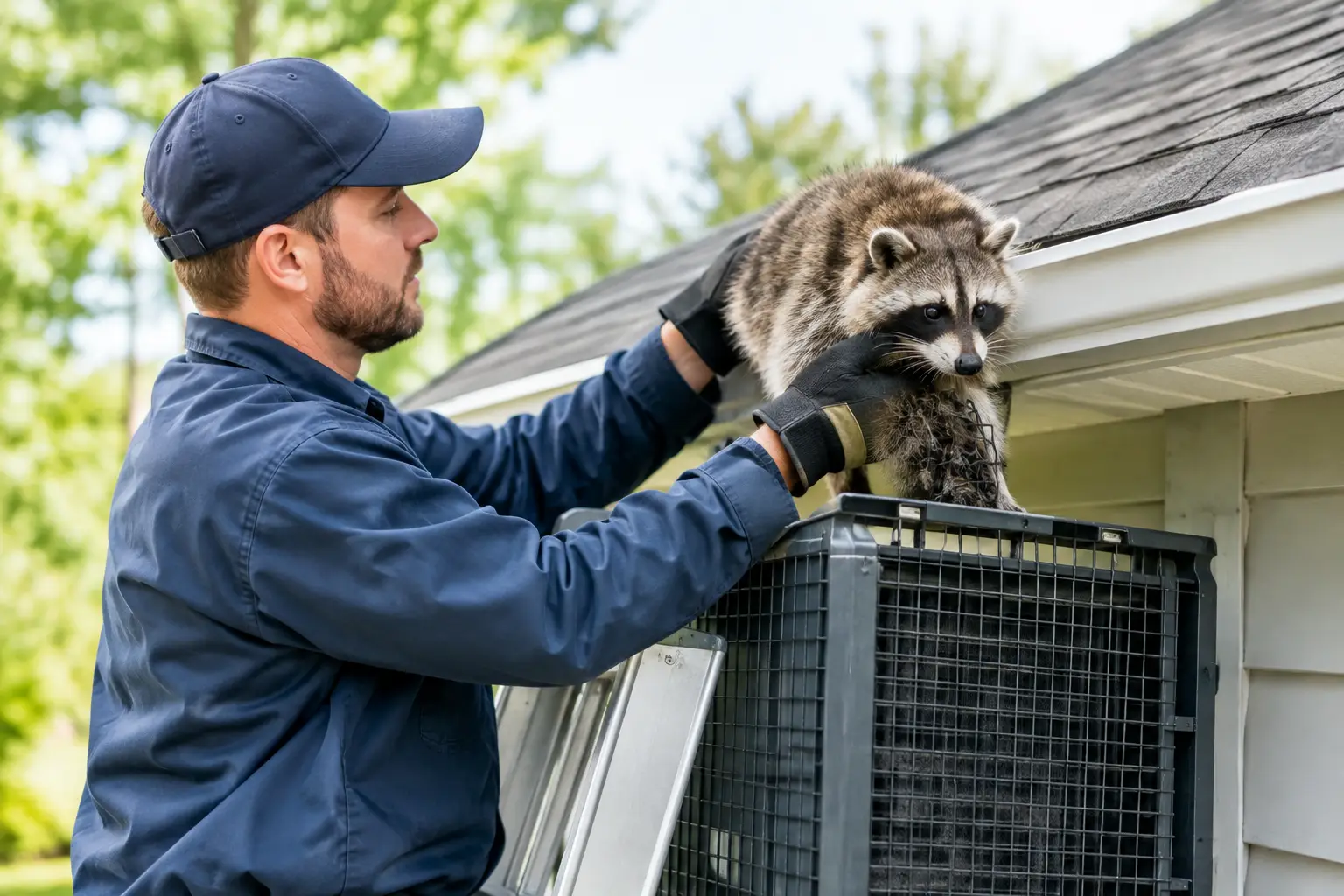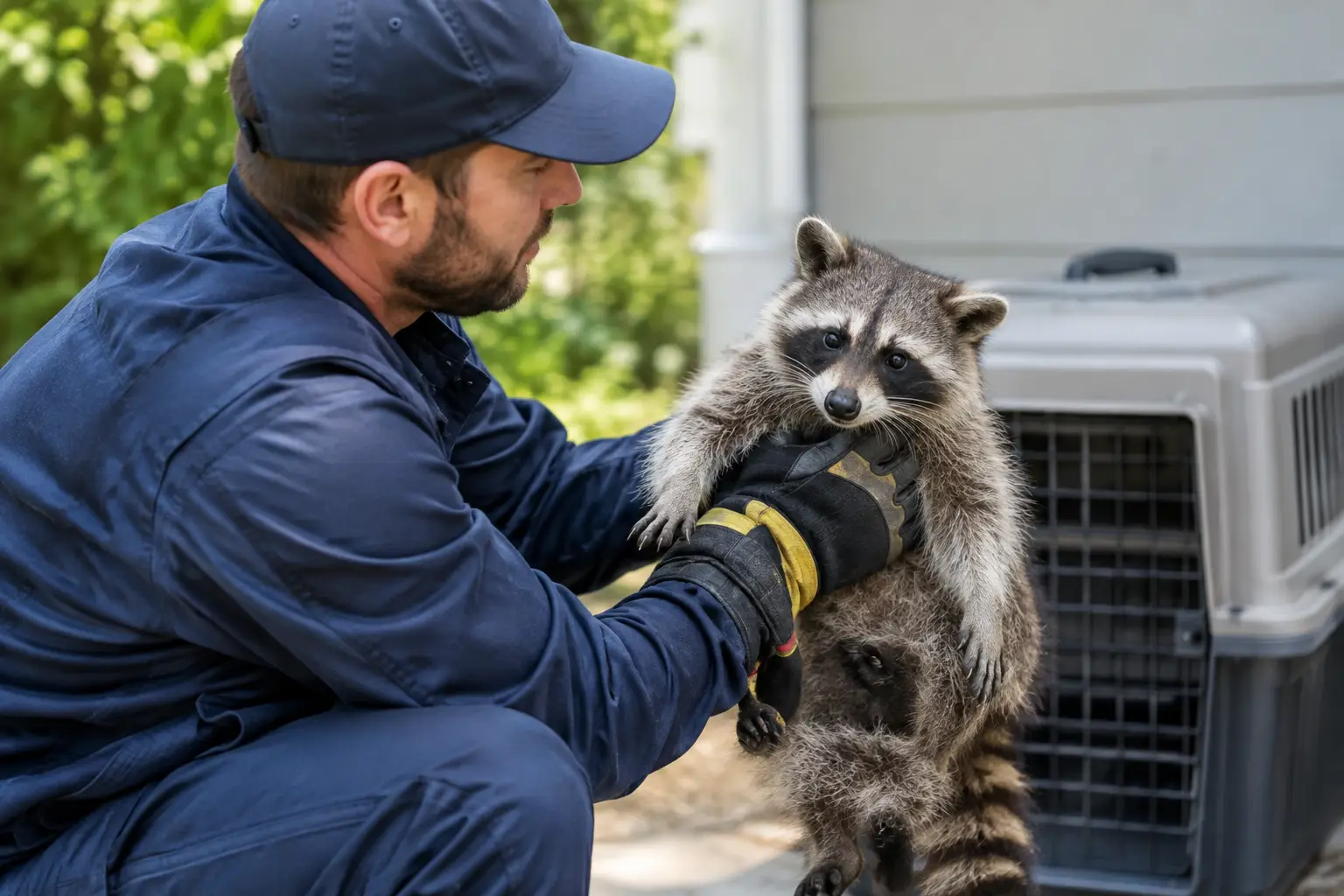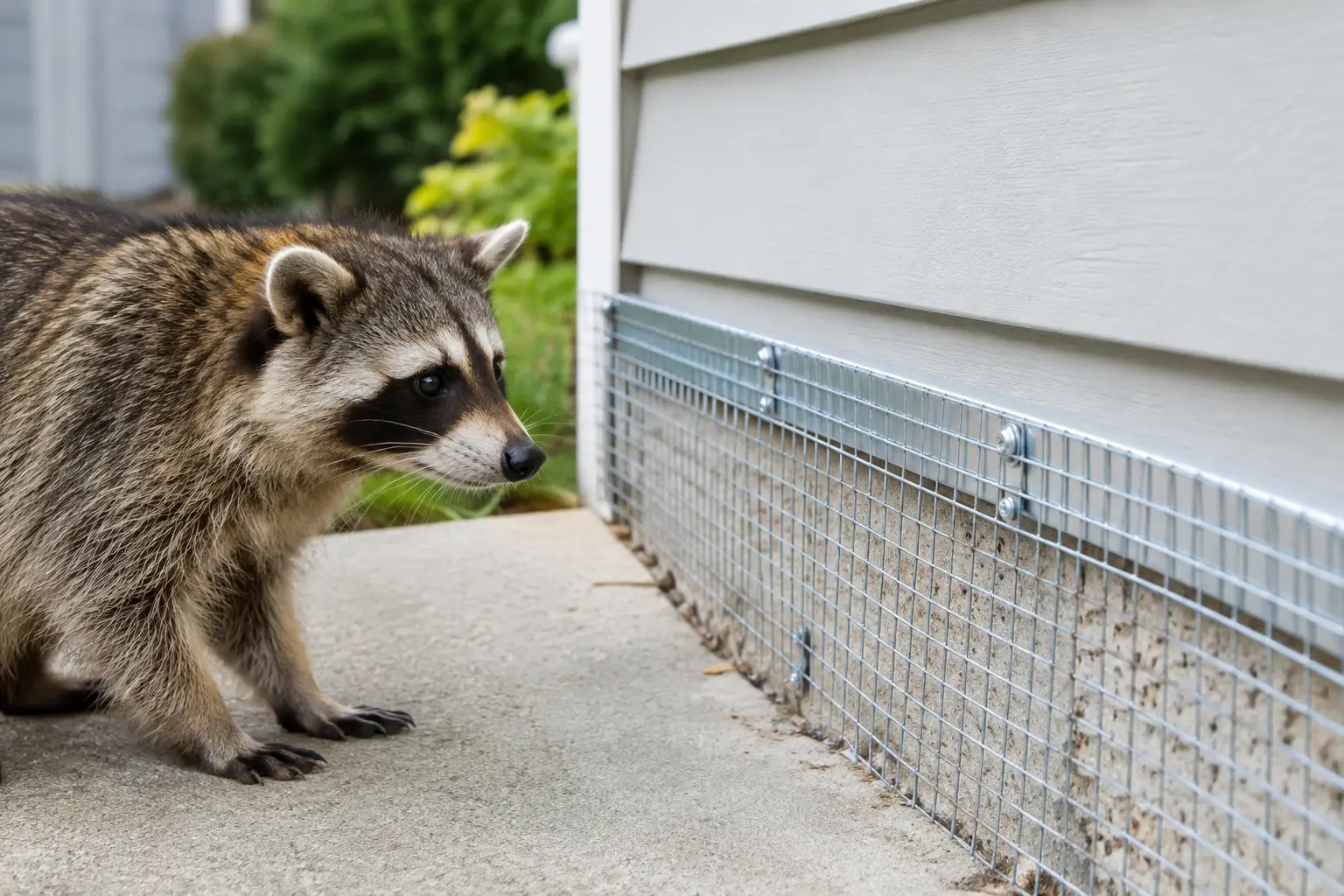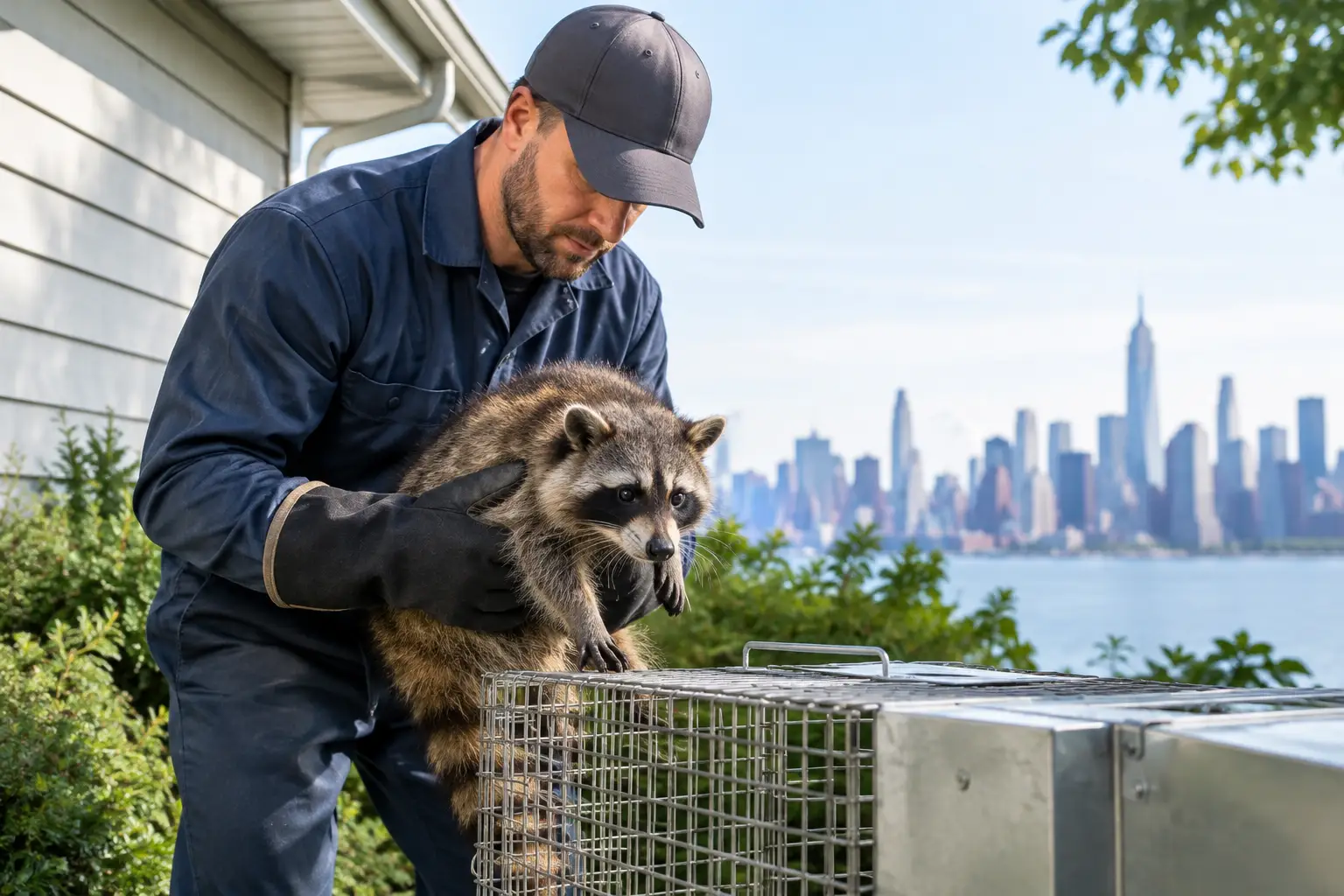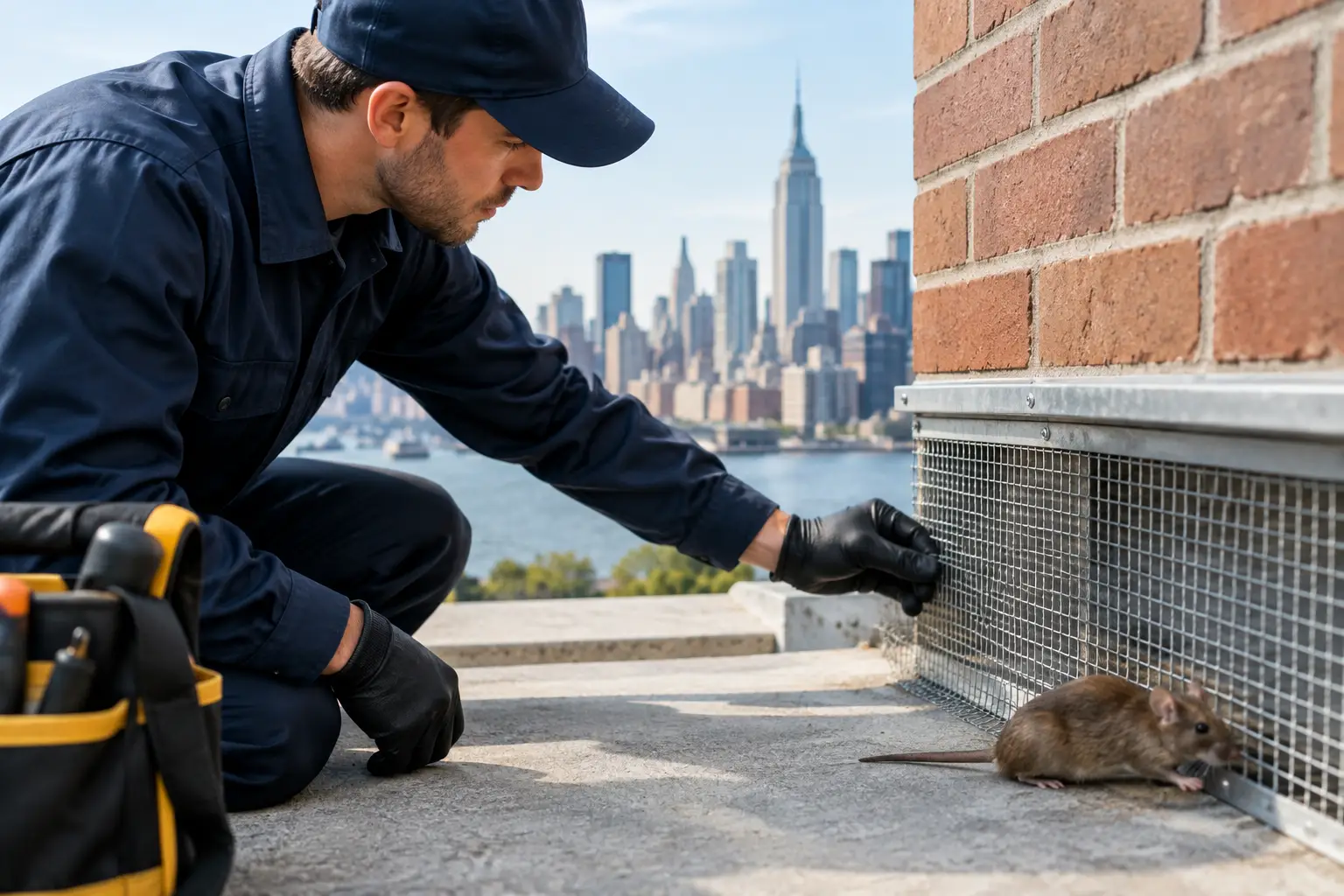
Scratching over the ceiling at 2 a.m., a raccoon pulling apart a soffit, or birds nesting behind a storefront sign is more than a nuisance. It is a property vulnerability. A professional wildlife proofing company identifies how animals got inside, removes them humanely, and closes the openings that invite the next animal in.
For property owners in New York City and New Jersey, the real problem is rarely just the animal you can hear. Squirrels can chew wiring and insulation. Rats and mice can contaminate stored materials and spread through wall voids. Raccoons can damage roofing, vents, and attic spaces. Bats and birds may leave droppings in areas that require careful cleanup. Fast removal matters, but lasting protection requires a complete plan.
What a Wildlife Proofing Company Actually Does
Wildlife proofing is the process of making a home, apartment building, commercial property, or exterior structure difficult for nuisance animals to enter, nest in, or damage. It is not a single patch over a visible hole. Proper work begins with a detailed inspection of the full structure, including the roofline, attic, crawl space, vents, siding transitions, utility penetrations, chimneys, gutters, foundations, and outdoor equipment.
A qualified technician looks for entry points as small as a mouse can use, as well as larger gaps that allow squirrels, birds, bats, raccoons, or opossums access. The inspection also identifies signs of an active infestation, such as tracks, rub marks, nesting material, droppings, chewed insulation, torn ductwork, and odor.
The goal is to solve three connected issues: remove the animal safely, eliminate the conditions left behind, and prevent re-entry. Skipping any one of those steps can turn a short-term fix into a repeat problem.
Removal Must Come Before Permanent Sealing
Sealing an entry point while animals are still inside can create a worse situation. An adult raccoon or squirrel may tear through a new repair to escape. Young animals may be trapped in an attic, wall, or chimney. That can lead to odor, insect activity, and additional property damage.
A wildlife professional determines whether the animal is actively using the opening and whether young may be present. Depending on the species, the property and the season, humane trapping, one-way exclusion devices, or carefully timed removal may be appropriate. The right method depends on the animal, local conditions, and where it has established shelter.
This is especially relevant in NYC and NJ, where dense building layouts can give animals access through shared rooflines, attached garages, exterior fire escapes, utility corridors, and aging construction details. A hole repaired on one side of a building may not solve an access route from the neighboring structure or roof section.
The Areas That Need Wildlife Proofing Most
Animals do not need a dramatic opening to get into a building. Many recurring infestations start in ordinary areas that are easy to overlook from the ground.
Rooflines, Attics, and Vents
Roof intersections, loose fascia, damaged soffits, ridge vents, attic louvers, and uncapped chimneys are common access points. Squirrels and raccoons are strong climbers and may use trees, fences, downspouts, or utility lines as routes to the roof. Birds and bats often target vents or gaps beneath eaves.
Professional proofing may include reinforced vent covers, ridge-vent protection, chimney caps, repaired soffits, and durable barriers fitted to the structure. Materials matter. Lightweight screening can be bent or chewed, while improperly installed mesh can create drainage issues or leave sharp edges. The repair needs to stop animals without interfering with ventilation or the roof system.
Crawl Spaces, Foundations, and Utility Openings
Groundhogs, rats, mice, snakes, and opossums may enter beneath decks, through crawl-space vents, or at gaps around pipes and utility lines. These areas can remain unnoticed until an odor, damaged insulation, or rodent activity becomes obvious indoors.
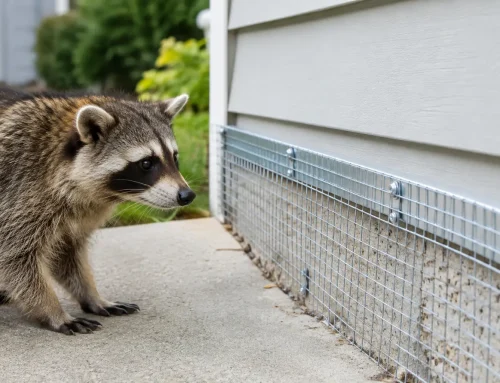
Crawl-space sealing often requires more than covering one opening. Technicians inspect the perimeter, secure vulnerable vents, close structural gaps, and address areas where soil, landscaping, or damaged lattice creates an easy path under the building. For burrowing animals, the barrier may need to extend below grade to discourage digging beneath it.
Gutters, Solar Panels, and Exterior Equipment
Birds, squirrels, and rodents often use exterior features as protected nesting areas. Gutter systems can collect nesting material that blocks drainage and contributes to water problems. Solar panels can create a sheltered cavity where birds nest and leave droppings that affect the area beneath the array.
Gutter guards and solar panel animal proofing can reduce these risks when installed correctly. The trade-off is that these systems must be fitted without damaging the existing equipment, obstructing drainage, or creating a new route for animals. A quick exterior patch is not enough if it interferes with the function of the property.
Cleanup and Restoration Protect the Building After Removal
Animals can leave behind much more than visible droppings. Urine, nesting materials, grease marks, parasites, damaged insulation, and carcass odors can affect indoor air quality and attract other pests. In attics and crawl spaces, contamination may be spread farther than the original nesting spot.
A complete service can include dead animal removal, removal of contaminated nesting materials, disinfection, odor treatment, insulation replacement, and attic or crawl-space restoration. If moisture has been present, mold remediation may also be necessary. The scope should match the damage. A small bird nest near an exterior vent is different from a raccoon den that has compressed insulation and contaminated a large attic area.
For landlords, property managers, and facility operators, documentation of the affected areas and repairs can also help support maintenance decisions and communicate clearly with tenants or stakeholders. The objective is a clean, usable space, not simply an empty one.
How to Choose the Right Wildlife Proofing Company
Look for a company that handles inspection, humane removal, exclusion, cleanup, and repairs as one coordinated service. When removal and repair are separated between multiple contractors, gaps in responsibility can delay the work and leave the original entry point exposed.
Ask how the company confirms that animals are out before permanent repairs are completed. Ask what materials will be used, which areas are included in the proofing plan, and whether damaged insulation or contaminated materials will be addressed. A professional should be able to explain the source of the problem in plain language rather than offering a vague promise to “seal things up.”
Response time matters when animals are inside living spaces, commercial areas, or active building systems. A 24/7 provider is particularly valuable when a raccoon enters through a ceiling, a bat appears indoors, a dead animal creates a strong odor, or rodents are affecting tenants or food-service operations. Animal Control NYC & NJ provides full-service wildlife control and property recovery for these urgent situations across the region.
Call Before the Damage Spreads
Do not wait for an animal problem to become a major repair. Call for professional help if you hear movement in walls or ceilings, find fresh droppings, notice a torn vent or soffit, smell an unexplained odor, see animals entering the same opening, or discover chewed wires or damaged insulation.
The safest result is not just getting the animal out today. It is restoring the affected area and making sure tomorrow’s squirrel, rat, bird, or raccoon cannot use the same opening again.