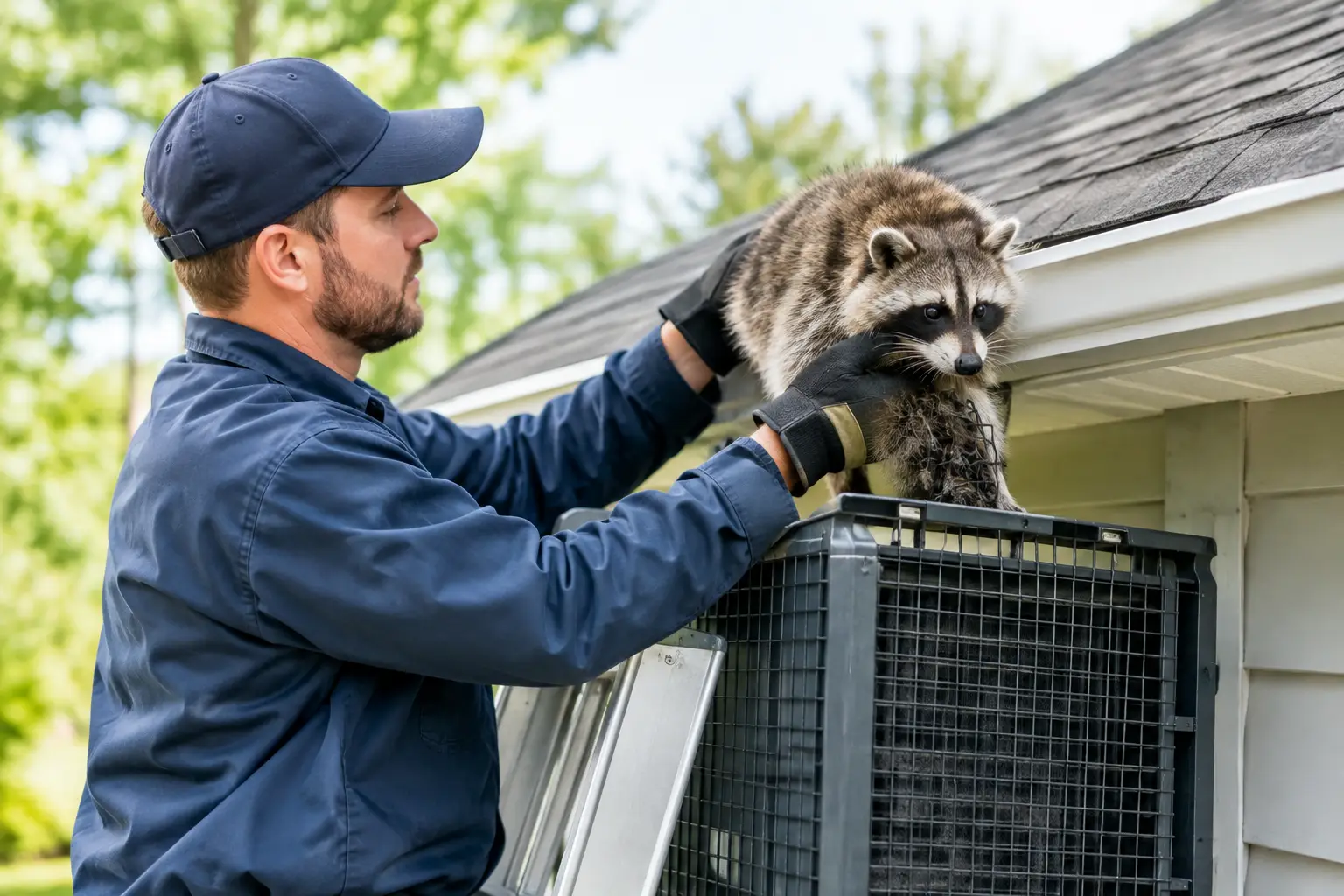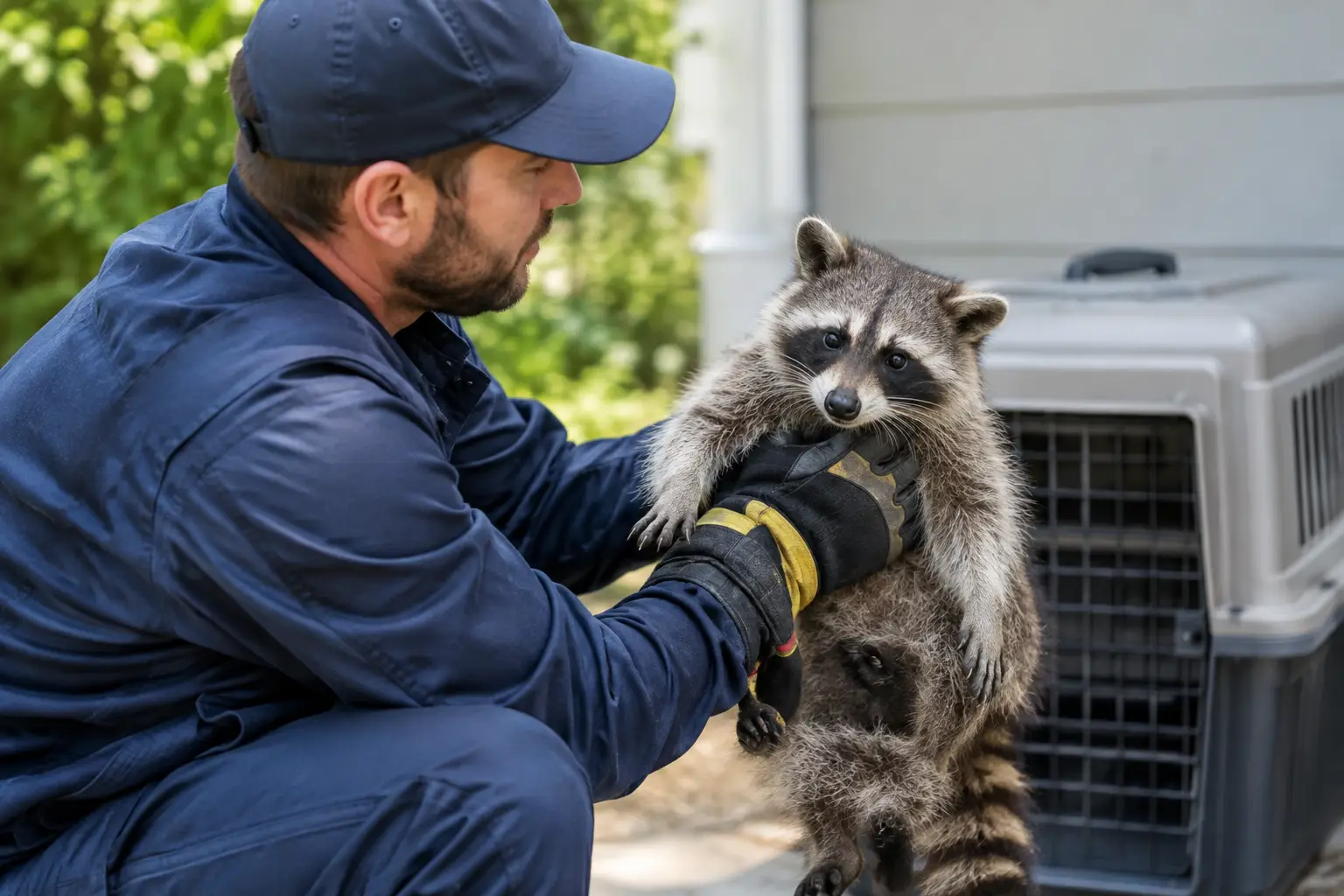
That sickly, sweet smell that seems to get stronger by the hour usually means one thing – something has died inside the structure. Dead animal odor removal is not a spray-and-wait problem. If the carcass stays in a wall, attic, crawl space, chimney, or ceiling void, the smell lingers, fluids can spread, insects move in, and the problem can quickly shift from unpleasant to unsafe.
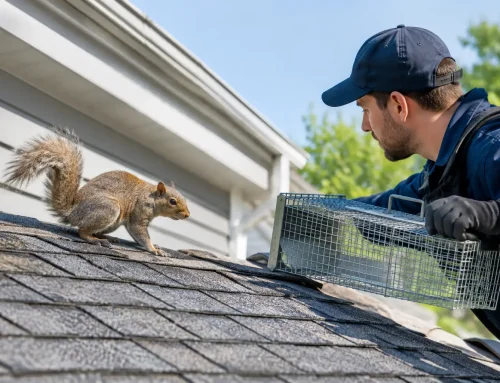
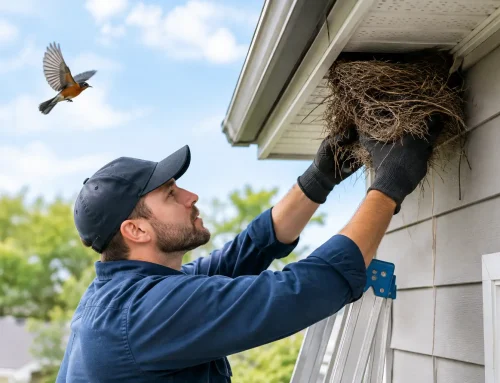
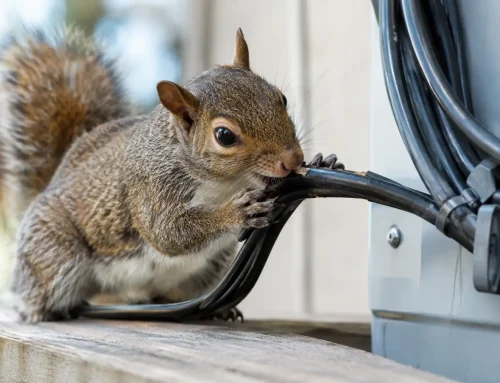
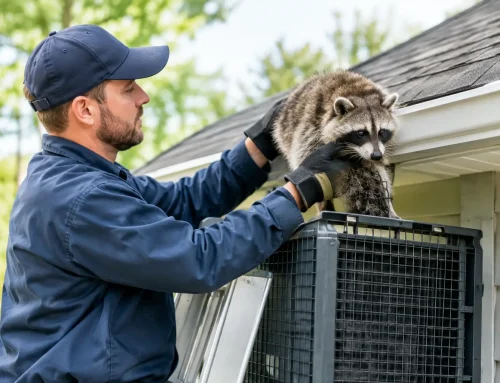
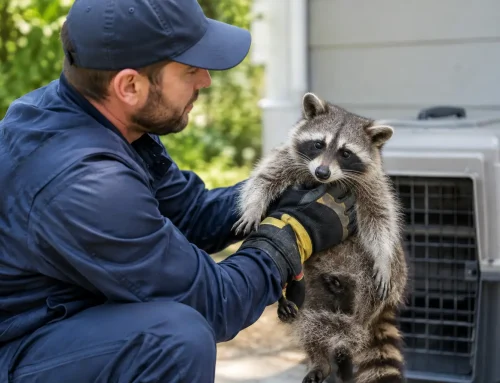
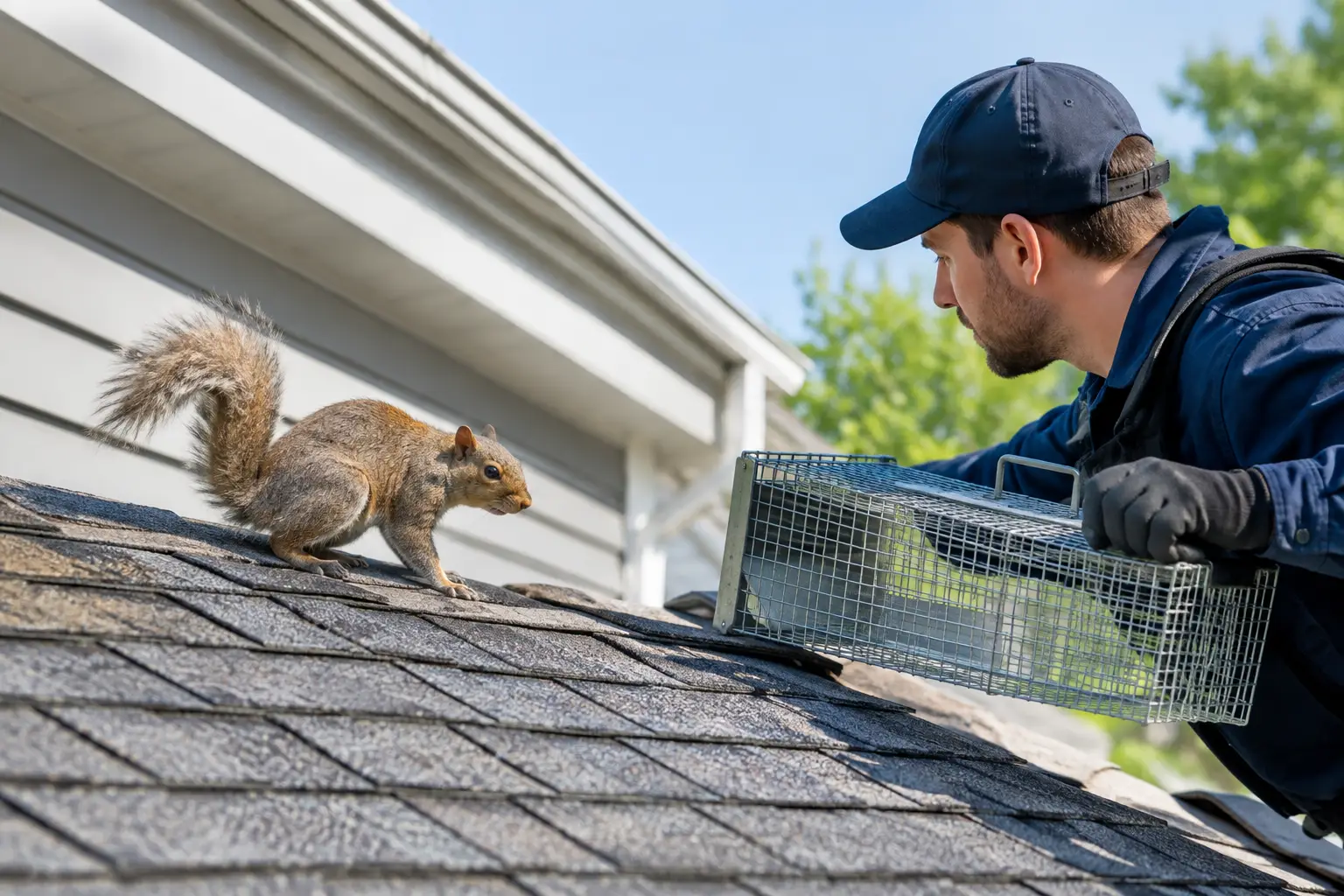
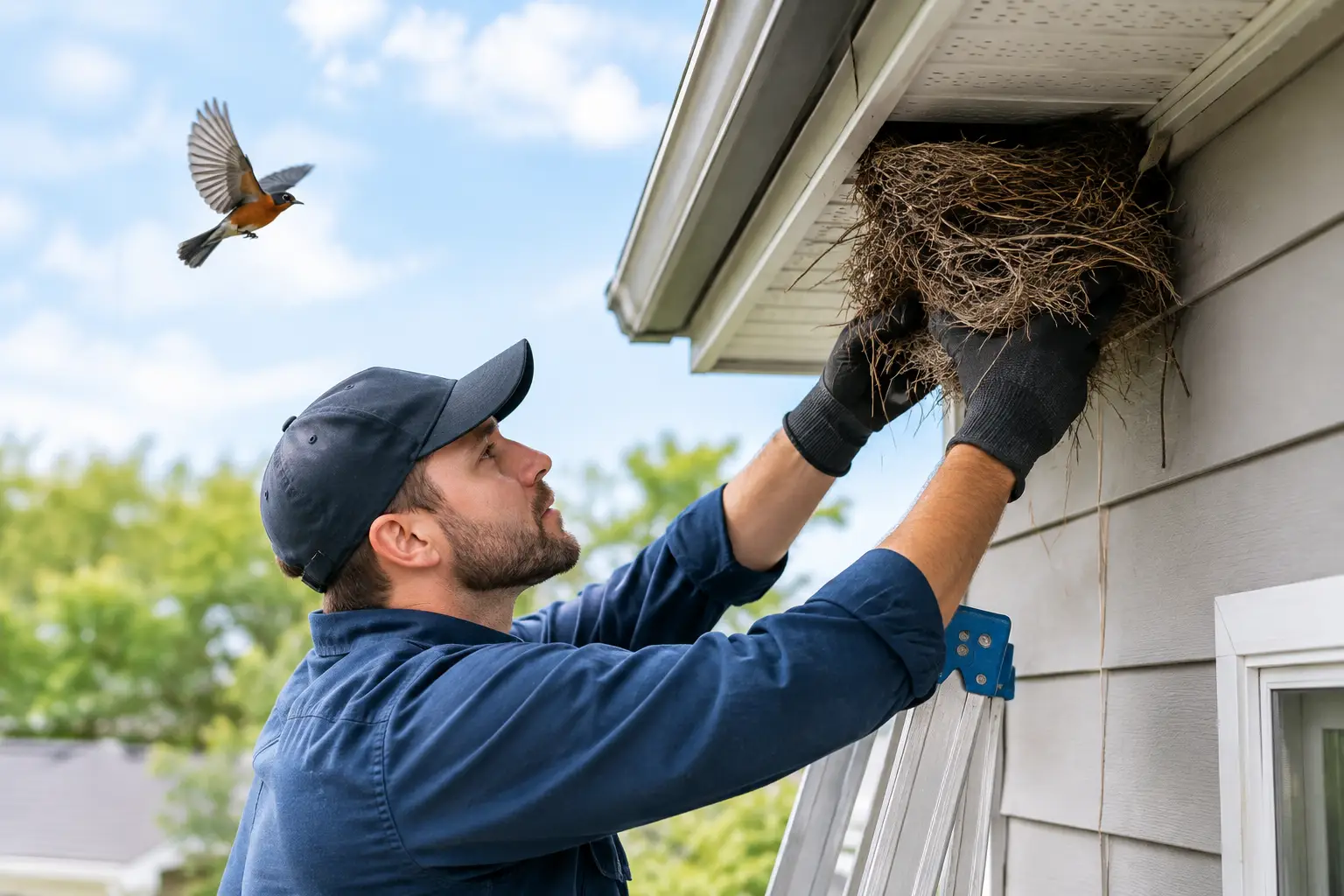
In New York City and New Jersey properties, this happens more often than many owners realize. Rats die in wall cavities after feeding in basements. Squirrels get trapped in attics. Raccoons and opossums die under decks or in crawl spaces. Birds can get stuck in vents or chimneys. In multifamily buildings and commercial spaces, one dead animal can trigger tenant complaints, health concerns, and a rush to find the source before the odor spreads through shared air pathways.
Why dead animal odor removal gets worse fast
The smell is caused by decomposition gases released as the carcass breaks down. Temperature matters. In warm attics, boiler rooms, utility chases, and sun-exposed wall cavities, odor builds fast and can become overwhelming within a day or two. In colder weather, decomposition may slow down, but the problem does not disappear. It just stretches out longer.
What makes this issue difficult is that the source is not always obvious. Homeowners often describe a smell in one room when the animal is actually several feet away in a soffit, chimney chase, suspended ceiling, or beneath insulation. In larger buildings, the odor can travel through duct runs, pipe penetrations, and wall voids, which makes guesswork a bad plan. If the wrong section is opened, you lose time and add repair costs without solving the problem.
There is also a health and sanitation side to this that property owners should take seriously. Decomposing animals attract flies, beetles, and other scavenging insects. Bodily fluids can contaminate insulation, framing, drywall, and stored contents. If the dead animal is a rodent, there may already be droppings, nesting debris, and urine in the same space. Odor removal alone is not enough if contamination remains in place.
What actually works for dead animal odor removal
Effective dead animal odor removal starts with locating and removing the carcass. That is the step many people try to avoid, but it is the one that matters most. Air fresheners, disinfectant sprays, charcoal bags, and ozone machines can reduce odor in the air for a short time, but they do not stop decomposition inside the structure.
Once the source is removed, the surrounding area needs to be cleaned and sanitized based on where the animal died and how far decomposition spread. In some cases, cleanup is limited to a small section of insulation or a narrow wall cavity. In others, contaminated insulation, nesting material, and portions of drywall or vapor barrier may need to be removed and replaced.
Then comes the odor treatment itself. This is where professional methods make a big difference. Deodorizers have to be matched to the material and the space. Porous surfaces such as insulation, wood, and unfinished framing absorb odor differently than tile, metal, or masonry. Sometimes a direct treatment works. Sometimes damaged materials have to be removed because no deodorizer will fully correct the problem once fluids soak in.
Why DIY dead animal odor removal often falls short
The biggest DIY mistake is treating the symptom instead of the source. If you cannot physically access and remove the dead animal, the odor will usually return. The second mistake is opening walls or ceilings without confirming where the carcass is located. That can turn a contained issue into a larger repair project.
There is also a safety issue. Dead animals can carry bacteria, parasites, and insect activity. Tight spaces like attics, crawl spaces, and wall openings may also contain electrical hazards, nails, poor footing, and heavy contamination from rodents or birds. For property managers and business owners, there is another concern – a poorly handled cleanup can create liability if odors persist or sanitation is incomplete.
DIY can sometimes make sense when the animal is fully visible and accessible, such as under a small exterior structure or near an open basement area. Even then, disposal, disinfection, and odor control still need to be done carefully. If the smell is inside a wall, above a ceiling, under flooring, or anywhere near HVAC pathways, professional service is usually the faster and less expensive route in the long run.
Where dead animals are usually found
In residential properties across NYC and NJ, the most common locations are attics, crawl spaces, basements, wall voids, chimneys, soffits, and under porches or decks. In attached homes, row houses, and brownstones, shared walls can make the source harder to isolate. In apartment buildings and mixed-use properties, dead rodents are often found near utility penetrations, drop ceilings, compactor areas, and pipe chases.
The species also changes the job. A dead mouse in a wall can cause a sharp odor in one room. A dead raccoon in an attic or crawl space creates a much stronger contamination event and may require more extensive removal of insulation and damaged material. Birds and bats can add another layer if droppings are present around the carcass location.
The full service approach matters
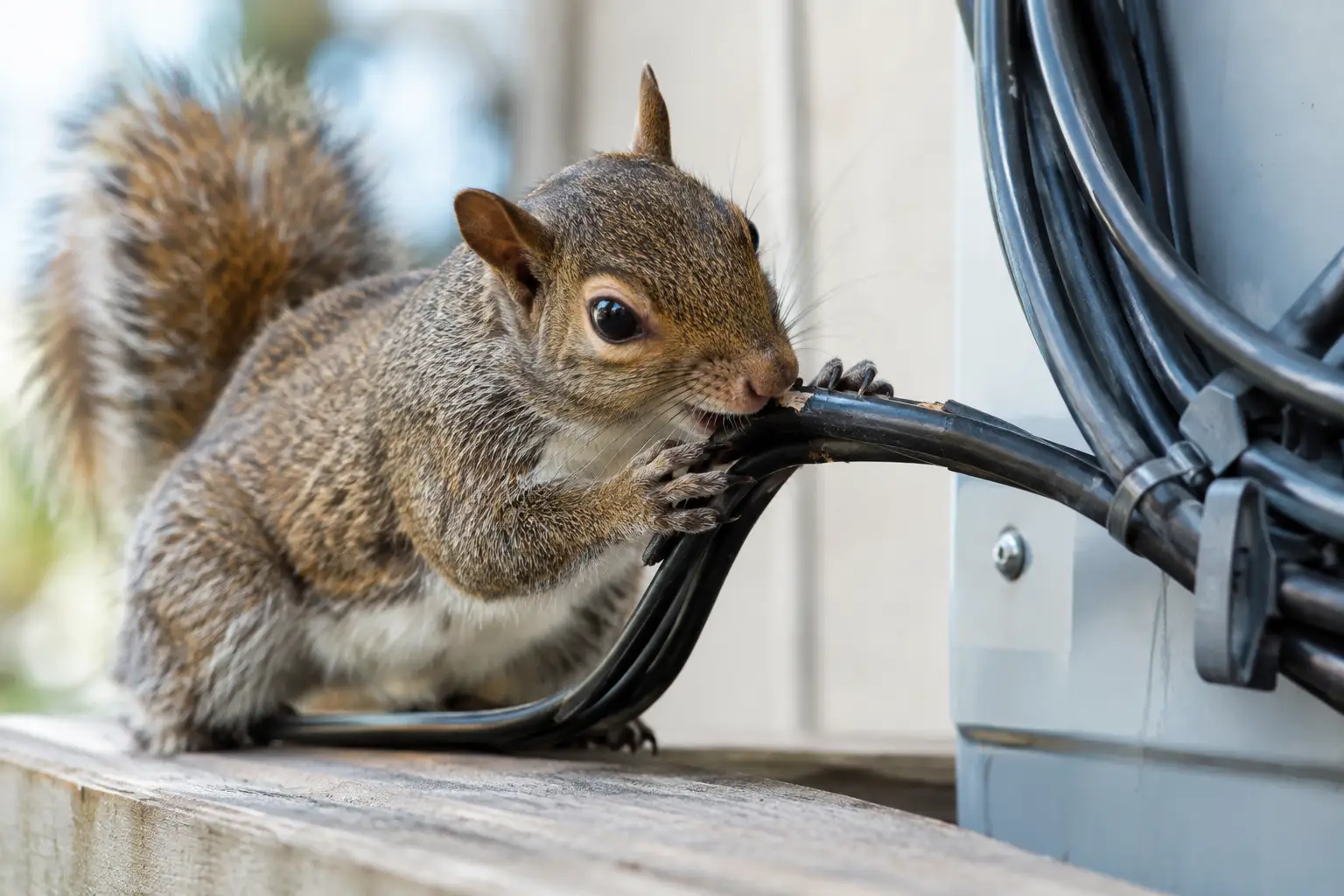
This is where many odor complaints are either fully solved or only half solved. Removing the carcass is one part of the job. Preventing the next one is just as important. If an animal got into the attic through roof gaps, damaged soffits, open vents, or loose fascia, the same entry point remains active until it is sealed.
A complete service approach includes inspection, removal, sanitation, deodorization, and exclusion repair. If the space is heavily contaminated, it may also require insulation replacement, crawl space cleanup, or attic restoration. For landlords and facility operators, this matters because recurring odor complaints are often tied to recurring animal access.
Animal Control NYC & NJ handles these problems the way they need to be handled – by finding the source, removing the dead animal, cleaning the affected area, and correcting the access point so the issue does not repeat.
When to call for professional dead animal odor removal
If the smell is strong, getting worse, or impossible to pinpoint, it is time to bring in a professional wildlife removal team. The same applies if flies suddenly appear around a wall, window, attic hatch, or light fixture. Those are common signs that a carcass is concealed nearby.
You should also call right away if the property is tenant-occupied, customer-facing, or tied to sensitive environments such as restaurants, offices, schools, healthcare spaces, or managed residential buildings. In those settings, speed matters because odor complaints escalate quickly and delays can affect health perception, occupancy, and day-to-day operations.
Professional help is especially important after a rodent control effort. Sometimes rats or mice die in inaccessible parts of the building after entering baited areas or after being trapped in hidden voids. If the odor starts shortly after a control program, inspection should focus on locating the carcass and checking for additional activity at the same time.
What to expect from a proper service visit
A real dead animal odor job starts with inspection, not masking. The technician should identify likely species, likely travel routes, and the most probable access points before opening anything. Once the source is confirmed, the carcass is removed, contaminated material is assessed, and the area is sanitized and treated for odor.
If structural access is needed, the goal should be targeted removal with the least disruption possible. After cleanup, the technician should also explain what repairs or exclusion work are needed to prevent another animal from entering the same space. That might mean sealing gaps, screening vents, repairing soffits, securing crawl space access, or replacing damaged insulation.
The best outcome is not just a better smell. It is a property that is clean, safe, and protected against repeat wildlife problems.
If your property smells like something died inside it, trust your nose and act quickly. The longer you wait, the more contamination, odor spread, and repair work you may be dealing with later. Fast, professional service gets the source out, restores the affected area, and helps you get back to normal without guessing.