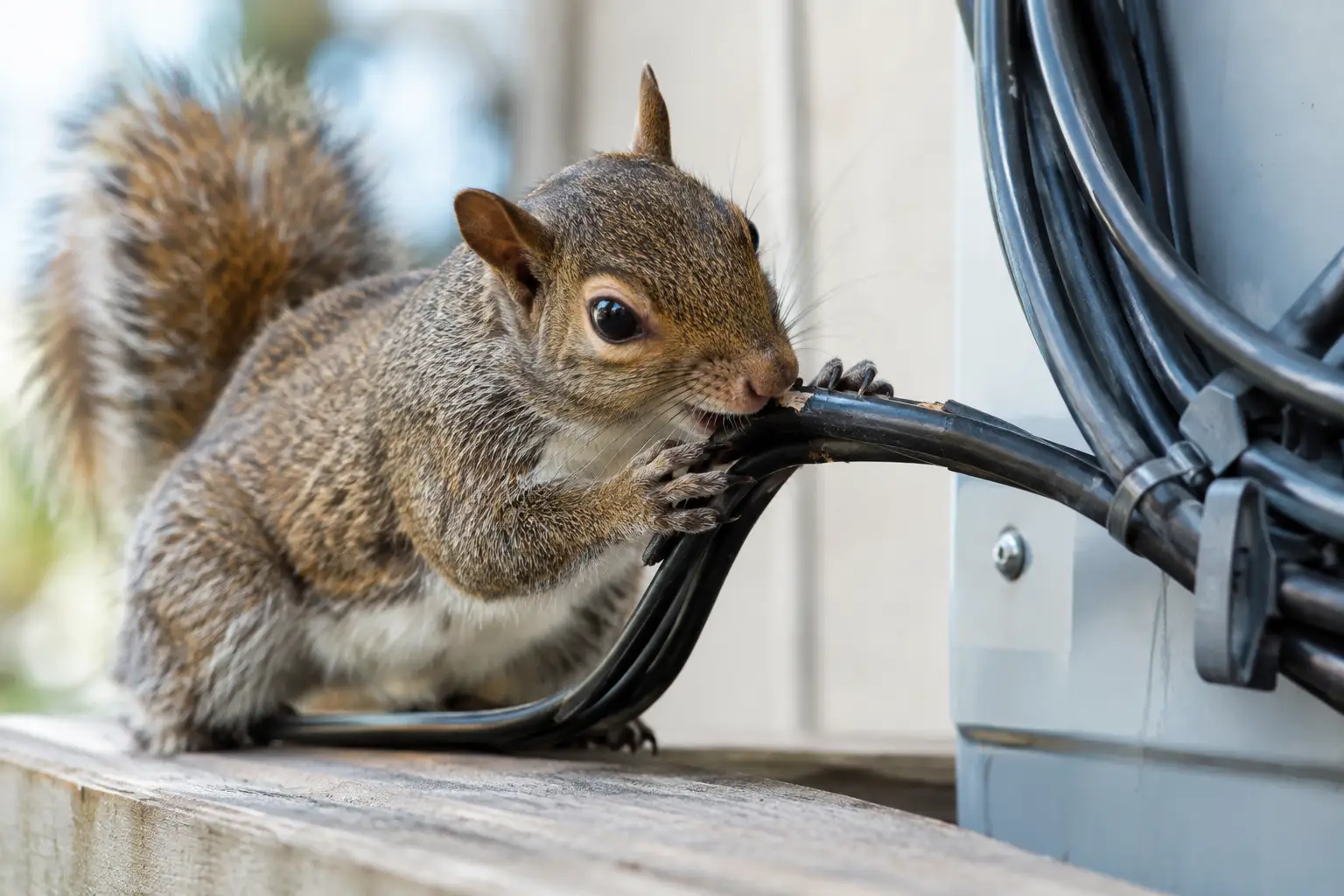
If you are searching for a solar panel critter guards review, chances are you already hear scratching on the roof, see nesting debris near the array, or have birds and squirrels turning your solar investment into a shelter. That is not a small maintenance issue. Once animals get under panels, they can chew wiring, block drainage, stain roofing, and create repeated service calls that cost far more than the guard itself.
For property owners in New York City and New Jersey, the real question is not whether critter guards are worth it. The question is which type actually holds up in the field, and which ones fail after one season of weather, nesting pressure, or poor installation. From a wildlife control standpoint, some systems do the job well. Others look fine on day one and then loosen, gap out, or trap debris where you do not want it.
What a solar panel critter guard is supposed to do
A proper guard closes off the gap between the solar panel edge and the roof surface so animals cannot enter the protected space underneath. That gap is ideal for pigeons, sparrows, squirrels, and sometimes rats. It offers shade, warmth, and cover from predators. Once nesting starts, the problem tends to grow.
The best guard systems block access without interfering with airflow, panel performance, or future servicing. That sounds simple, but it depends on material strength, mesh size, attachment method, and whether the installer understands both solar hardware and animal behavior. Wildlife pressure is different from basic debris control. Birds peck, squirrels pull, and roof exposure tests every weak point.
Solar panel critter guards review – what matters most
When we evaluate these systems, we are not reviewing them like a retail accessory. We are looking at them as exclusion products that must survive real animal activity on active roofs. That means four things matter more than marketing.
First is material quality. Powder-coated galvanized steel or stainless steel mesh usually performs better than thin plastic or light decorative screening. Plastic can become brittle, warp in heat, or crack after UV exposure. Light-gauge metal can bend too easily if squirrels or larger birds keep working at an edge.
Second is mesh opening size. If the openings are too large, small birds can still get through or begin pulling nesting material into the cavity. If the openings are too tight and the product is poorly placed, you can create debris buildup at the edge. There is a balance. A guard should block entry without becoming a clog point.
Third is the fastening system. This is where many installations go wrong. The guard needs to be secured without damaging the panel frame or roof. Good attachment clips and proper tension make the difference between a long-term barrier and a product that starts separating at the corners. Once one section opens, animals usually find it quickly.
Fourth is edge treatment and fit. Roofs are not perfectly uniform. Panel arrays can have awkward corners, elevation changes, and tight spots around conduit runs. A good product still needs a careful custom fit. A decent mesh installed well beats a premium product installed badly.
The main types of critter guards
Wire mesh guards are generally the strongest option for long-term exclusion. These are the systems we see perform best on buildings with active pigeon pressure or squirrel activity. They can be shaped to the array perimeter, clipped securely, and hold up better against chewing and pulling. If the coating is good and the clips are solid, this is usually the safest choice for durability.
Plastic guards are cheaper and sometimes marketed as easy DIY solutions. The trade-off is durability. On a low-risk property with mild bird activity, they may hold for a while. On urban and suburban roofs in NYC and NJ, where pigeons return to established roosts and squirrels are persistent, plastic often becomes a short-term fix.
Brush-style barriers exist too, but they are usually less reliable for this application. They can slow animal entry, but they do not always create a true exclusion seal around the perimeter. They may also catch leaves and nesting material more easily. For wildlife control, a fitted mesh barrier is usually the better standard.
What works well and what fails early
The best-performing critter guard setups share the same traits. They use corrosion-resistant metal mesh, panel-safe clips, tight corner finishing, and full perimeter coverage. They also account for roofline conditions so there are no inviting gaps at transitions.
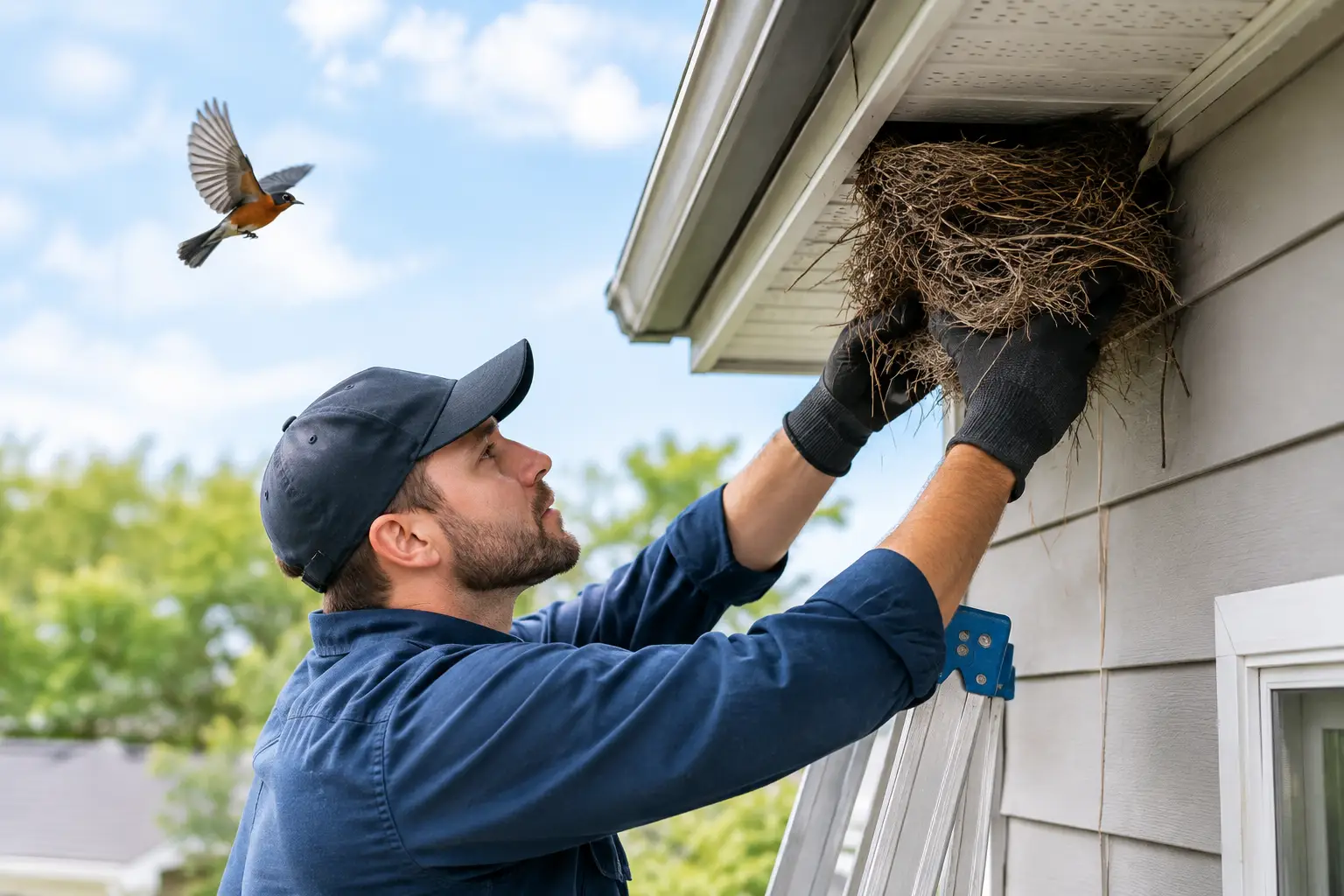
The most common failures are incomplete coverage, weak clips, and rushed installation. We also see problems when installers focus only on one species. A setup that seems adequate for pigeons may not stand up to squirrels. Another frequent issue is installing a barrier after animals have already nested under the panels without first removing all nesting material and contamination. That leaves odor, waste, mites, and future attraction in place.
A critter guard should be part of a complete correction, not a cosmetic add-on.
DIY versus professional installation
This is where a lot of property owners lose money. Buying mesh online is easy. Installing it correctly on a roof-mounted solar array is not. The challenge is not just attaching material around the edge. It is making sure the system does not damage the array, void warranties, leave entry points, or create service issues later.
DIY can make sense for someone with safe roof access, the right hardware, and a very simple panel layout. Even then, most property owners underestimate how much trimming, bending, fastening, and inspection is needed to secure the perimeter properly. One weak corner can make the whole project fail.
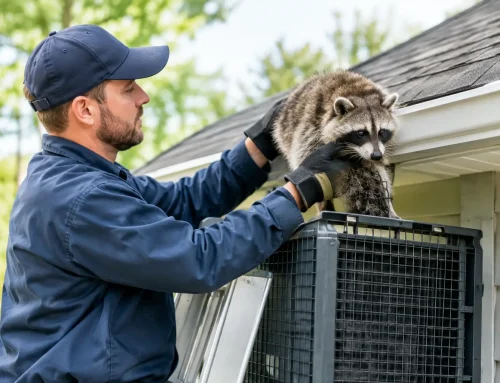
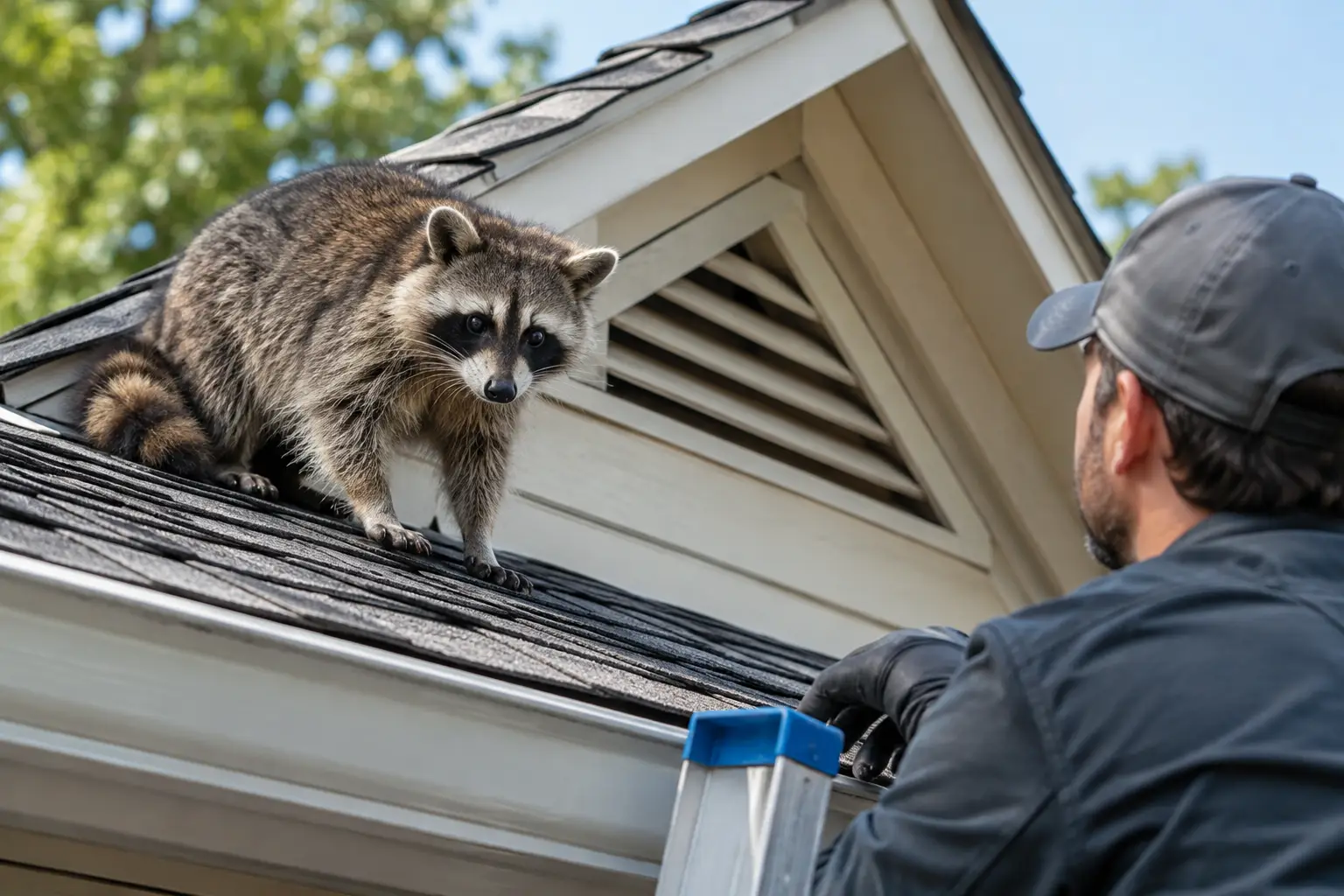
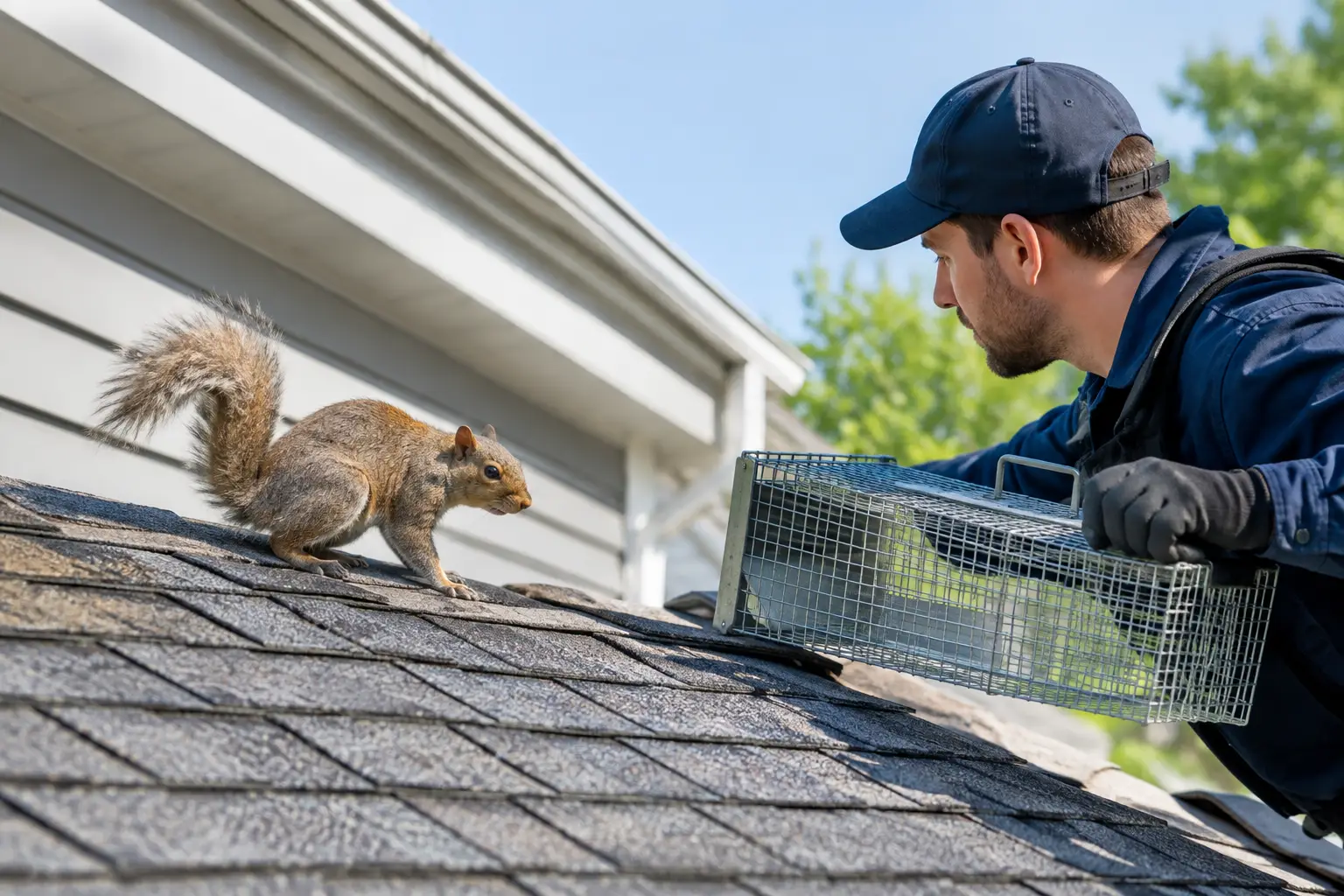
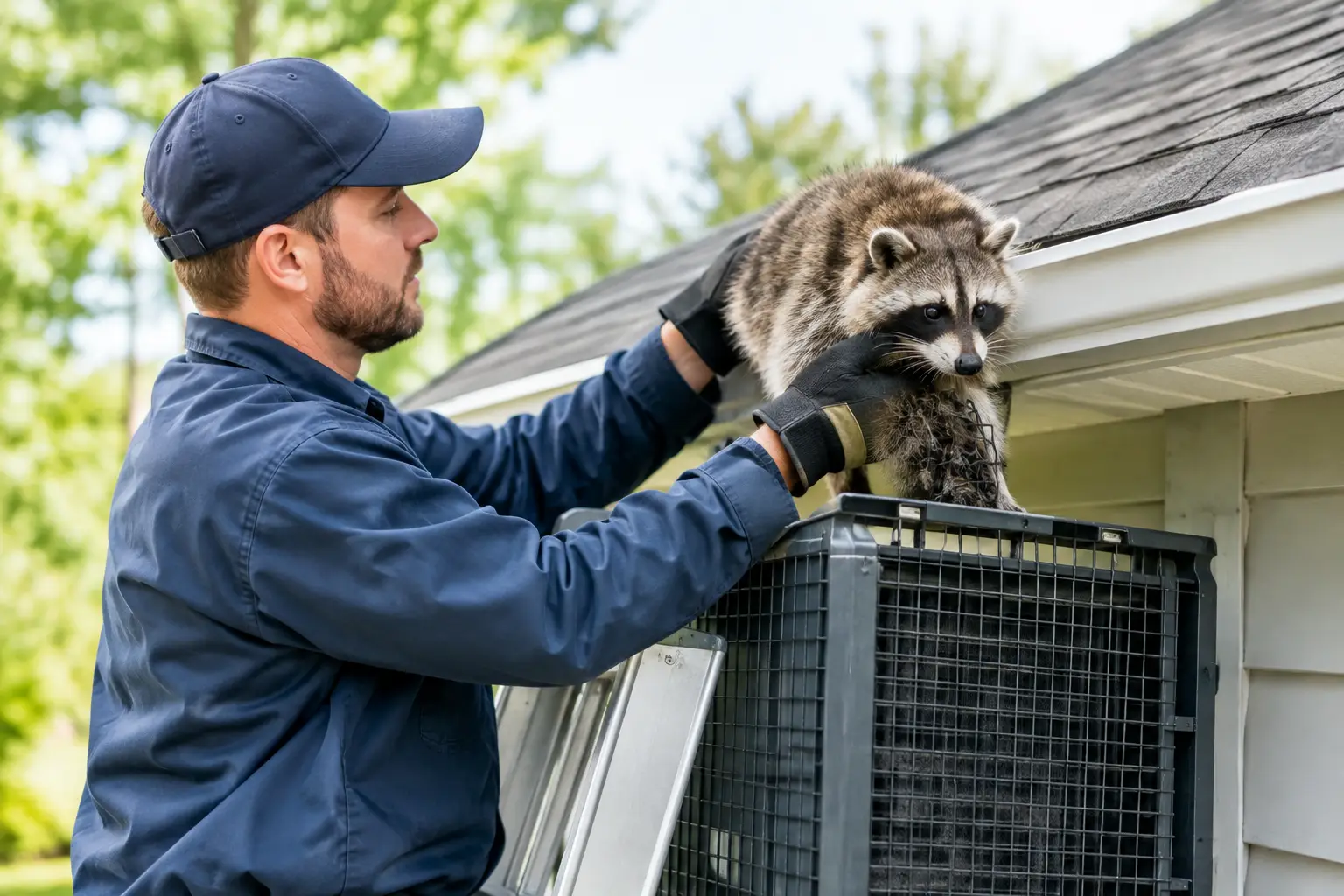
Professional installation is usually the smarter choice when there is active wildlife, a multi-panel array, a steep roof, or contamination under the panels. A trained wildlife control and exclusion team can remove animals humanely, clean out nesting material, disinfect affected areas if needed, and then install the barrier correctly. That matters because proofing works best when the infestation and the damage are addressed together.
Cost versus value
A lot of online reviews focus on the upfront price of the guard material. That is only part of the cost. The real expense comes from what happens if you wait too long or choose a weak system. Chewed wiring can affect production and lead to electrical repairs. Nesting debris can hold moisture against roofing materials. Bird droppings create sanitation issues. Repeated animal activity can turn one roof problem into several.
A stronger guard system with proper installation usually costs more than a budget DIY kit, but it also tends to last longer and prevent repeat service calls. For landlords, property managers, and commercial operators, that reliability matters. One callback to the roof can wipe out whatever was saved upfront.
Best fit for NYC and NJ properties
In this market, critter guards need to handle dense bird populations, seasonal squirrel pressure, and varied building types. Row houses, brownstones, multifamily buildings, warehouses, and suburban homes all create different access challenges. Wind exposure, snow load, roof pitch, and service access also matter.
That is why the best solar panel critter guards review is not really about picking one universal product. It is about matching the right mesh, clips, and installation method to the site. A clean suburban roof with minor sparrow activity needs a different level of response than a commercial building with established pigeon nesting and years of buildup under the array.
For local property owners, the safest standard is a professionally fitted metal mesh guard with panel-safe fasteners and complete perimeter sealing after the animals and nesting material are removed. That is the setup most likely to hold under real pressure.
When you need more than a guard
Sometimes the guard is only one piece of the job. If animals have been under the panels for a while, you may also need nest removal, disinfection, minor roof cleanup, or repairs to nearby vents, gutters, or entry points. Squirrels under solar panels often have access to other roofline gaps. Pigeons nesting under arrays may also be roosting on ledges or mechanical units nearby.
This is where a full-service wildlife control company has an advantage. The goal is not just to block one opening. The goal is to stop the animal activity, clean the affected area, and reduce the chance that the problem shifts to another part of the structure. For urgent cases in NYC and NJ, Animal Control NYC & NJ handles that type of start-to-finish response.
If your panels already have animal activity, do not wait for visible damage from the ground. By the time droppings, feathers, or chewed material are obvious, the problem under the array is usually bigger than it looks. A good critter guard is worth it, but only when it is the right product, fitted the right way, and installed after the wildlife issue is actually resolved.