You usually know something is wrong before you see the animal. Scratching in the ceiling at 2 a.m. A foul odor behind a wall. Droppings in a stockroom. Torn insulation in the attic. Wildlife removal and prevention is not just about getting an animal out of the building. It is about stopping property damage, reducing health risks, and fixing the entry points that let the problem start in the first place.
In NYC and New Jersey, these problems move fast. A squirrel pair in the attic can tear up insulation and wiring. Raccoons can rip open soffits and contaminate crawl spaces. Birds and bats can turn vents, rooflines, and commercial overhangs into nesting or roosting sites. Rats and mice can spread through walls, basements, kitchens, and utility chases with very little warning. When that happens, property owners need more than a trap. They need a complete plan.
What wildlife removal and prevention actually includes
Professional wildlife control starts with inspection. That sounds basic, but it is the step that separates real problem-solving from temporary relief. A trained technician looks for the species involved, how many animals are likely present, where they are entering, what damage has already been done, and whether there are sanitation or structural concerns that need immediate attention.
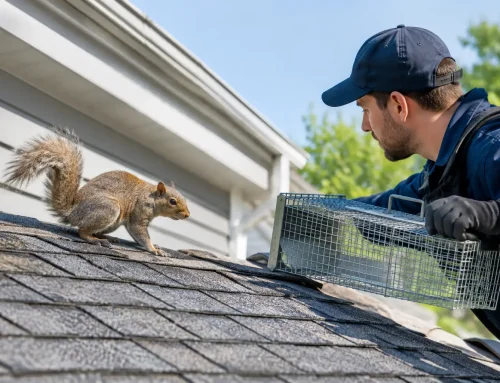
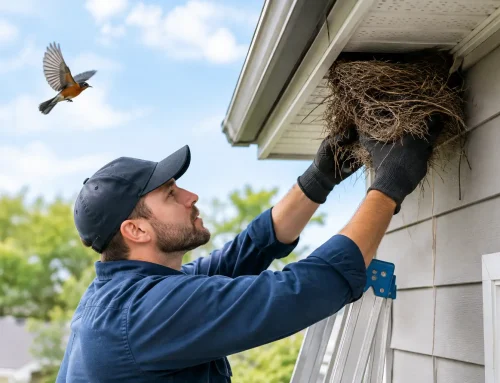
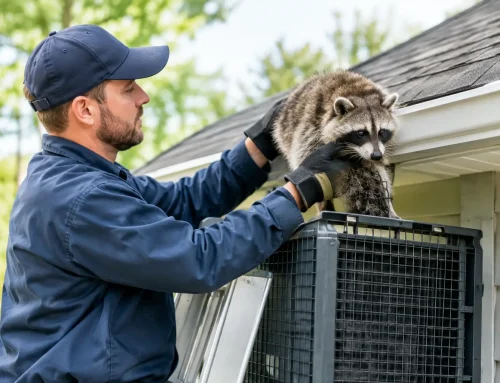
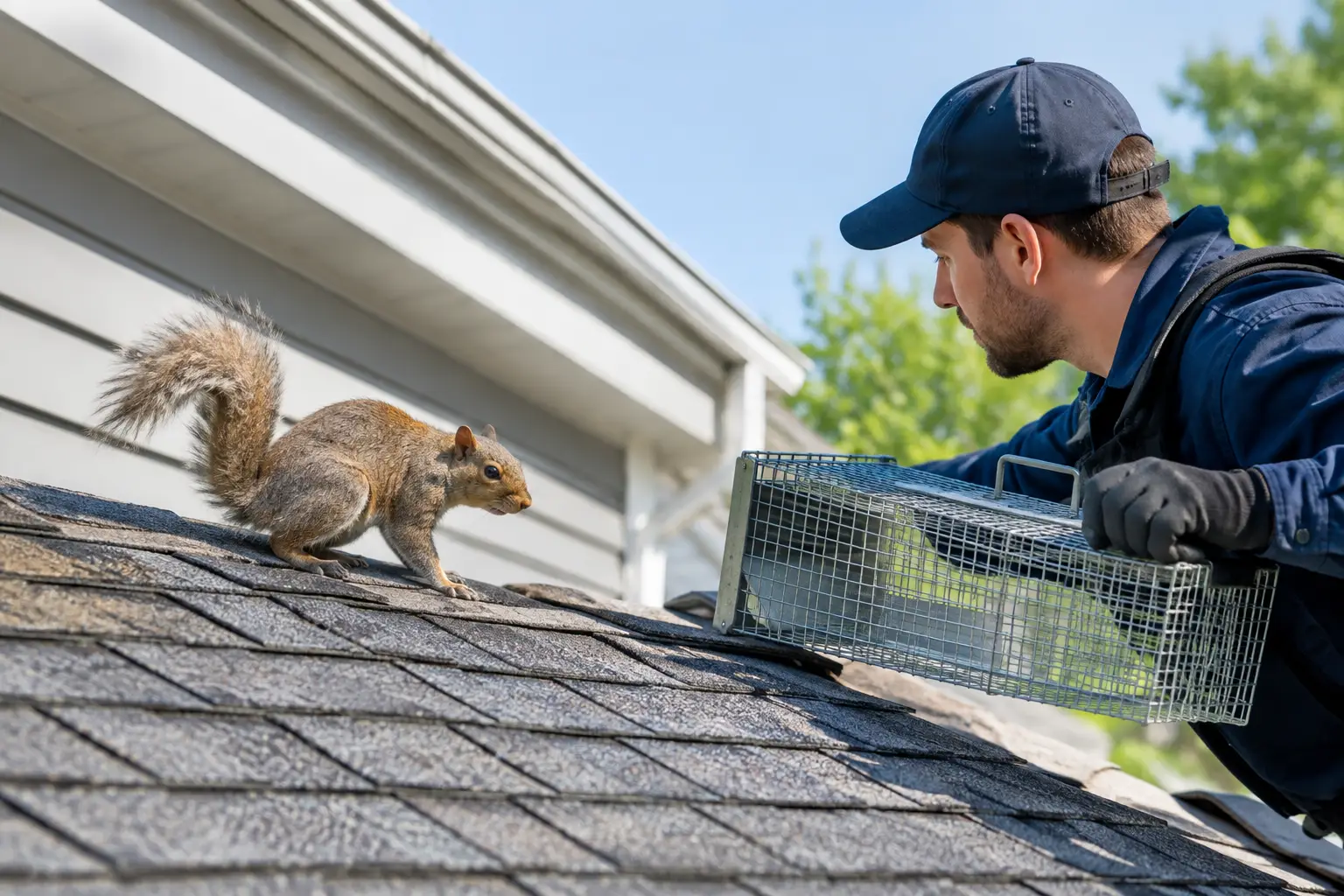
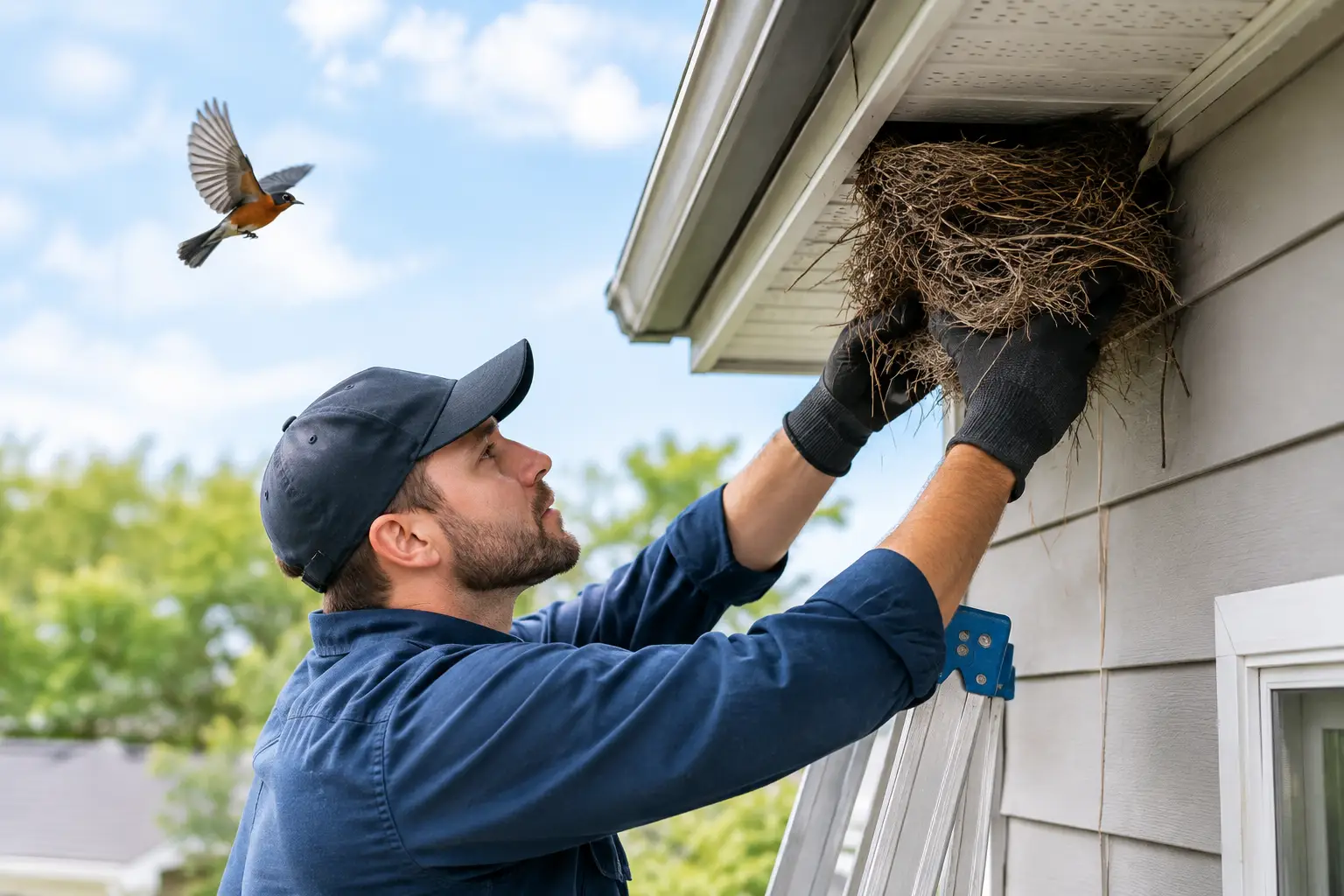
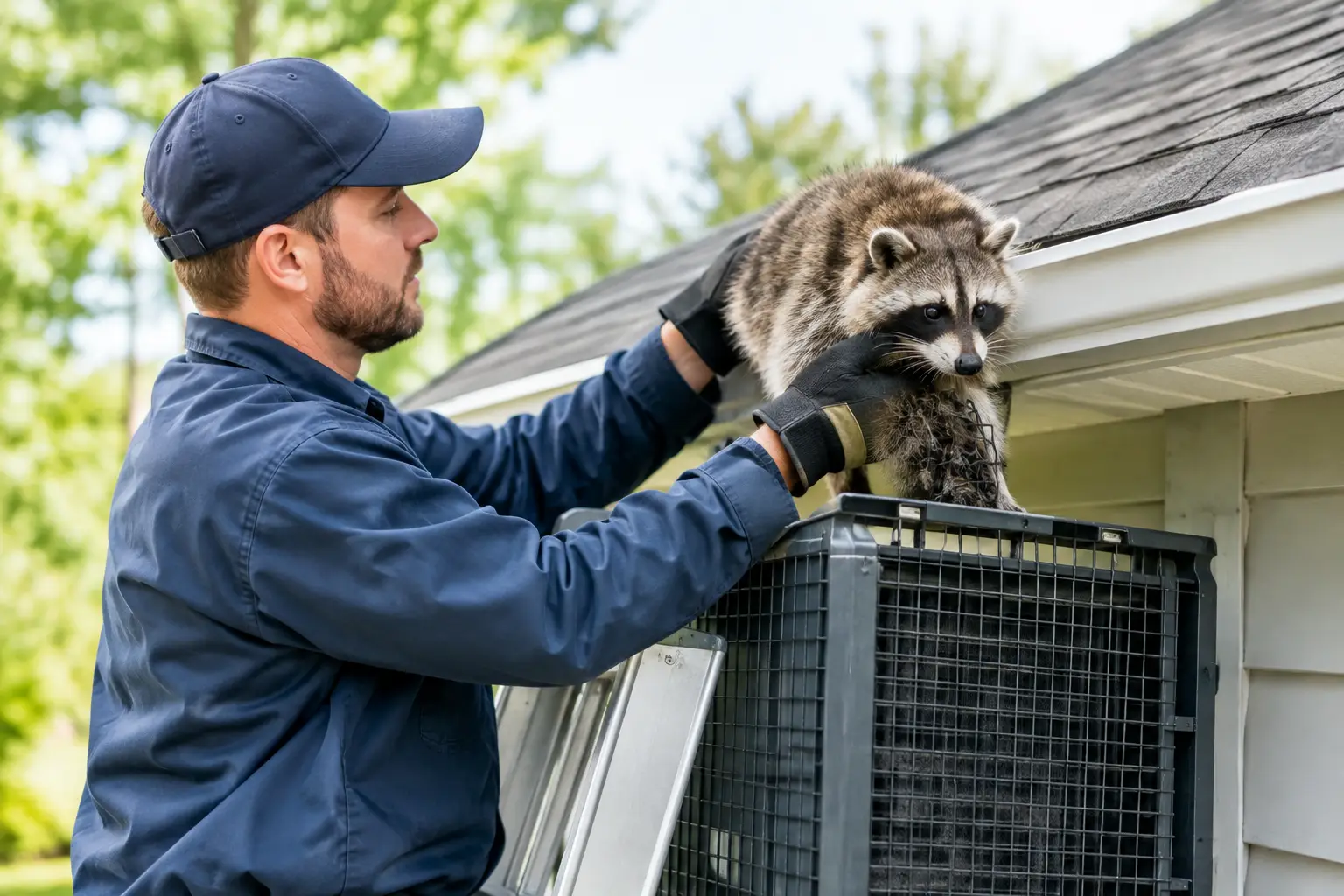
From there, the work depends on the animal and the property. Humane trapping and removal may be necessary for raccoons, squirrels, opossums, or groundhogs. Exclusion methods are often the right solution for bats and birds, where the goal is to let animals exit safely and prevent re-entry. Rodent control usually requires a broader strategy that includes monitoring, sealing entry points, and addressing food and harborage conditions.
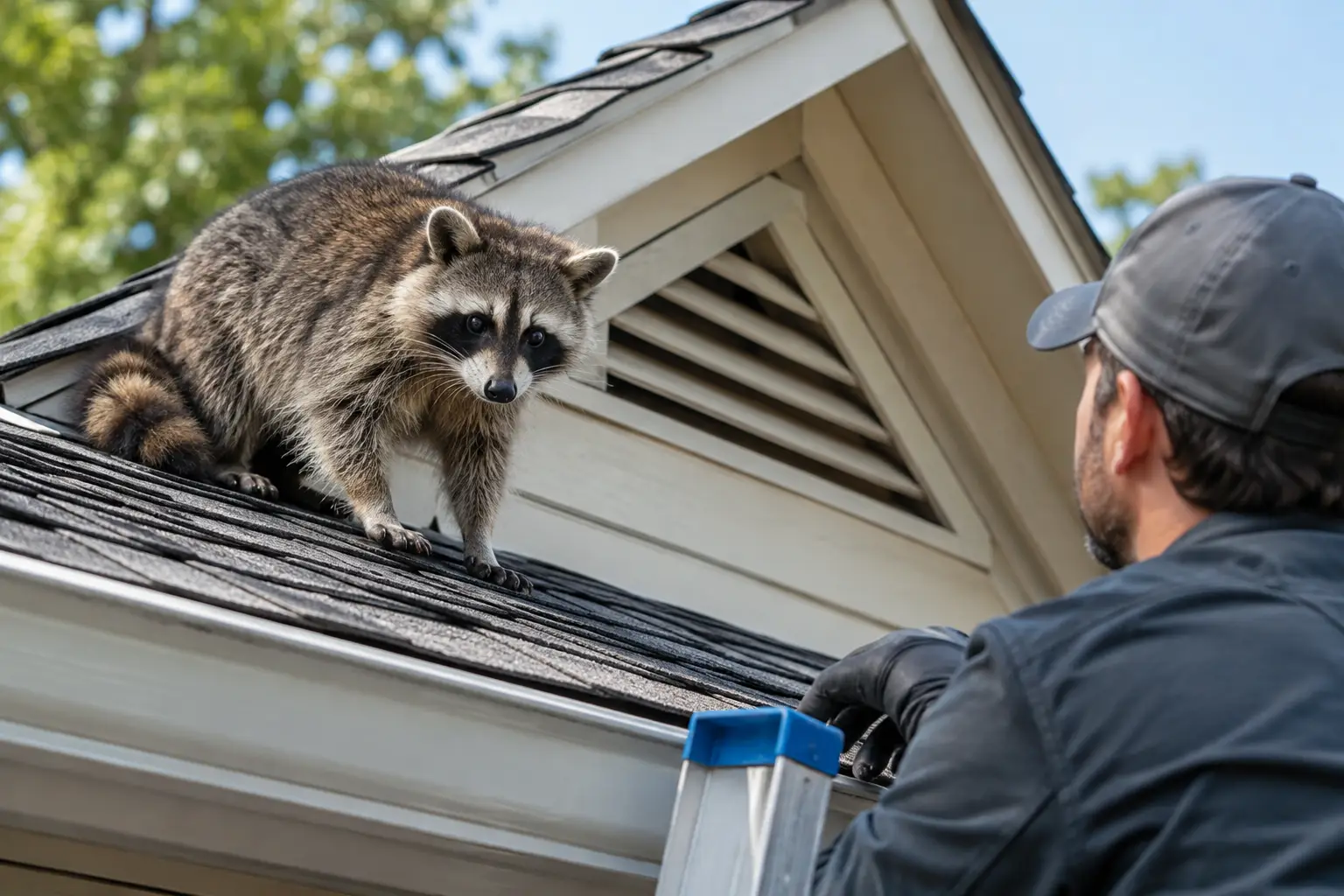
Removal is only half the job. Prevention means repairing the reason the intrusion happened. That may involve sealing roof gaps, screening vents, protecting ridge vents, securing crawl spaces, installing gutter guards, or animal-proofing solar panels. In many cases, damaged insulation, droppings, urine contamination, mold, or dead animal odors also need to be addressed before the property is truly recovered.
Why DIY wildlife removal usually costs more
A hardware-store trap or spray may look like a quick fix, but wildlife problems are rarely simple. If one raccoon is removed and the roof return point stays open, another one can move in. If squirrels are trapped during nesting season and baby squirrels remain inside, the odor and noise problem can get worse. If rodent activity is treated without sealing utility penetrations, the infestation often continues behind the walls.
There is also the safety issue. Many nuisance animals carry parasites, bacteria, or diseases that make direct handling risky. Droppings in attics and crawl spaces can contaminate insulation and air quality. Dead animals inside walls or ceilings can create severe odor and insect problems. Bats and birds require special handling and exclusion methods. In occupied buildings, especially rentals, restaurants, warehouses, and multifamily properties, delays can quickly become tenant complaints, code issues, or business disruptions.
The trade-off is straightforward. DIY may seem cheaper at the start, but if it misses the nest, the entry point, or the contamination, the total cost usually goes up.
Common wildlife problems in NYC and NJ properties
Urban and suburban buildings create ideal shelter for many species. Roof intersections, uncapped chimneys, loose soffits, aging vents, and foundation gaps give wildlife the cover they need. Once inside, attics, crawl spaces, basements, wall voids, and mechanical rooms offer warmth and protection.
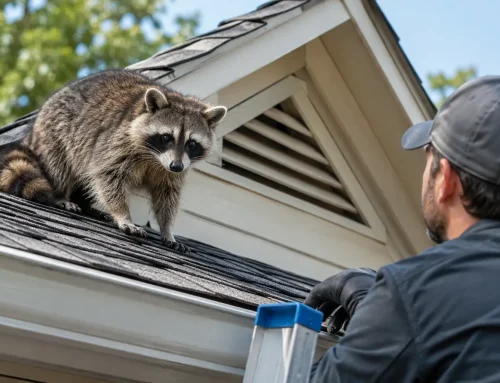
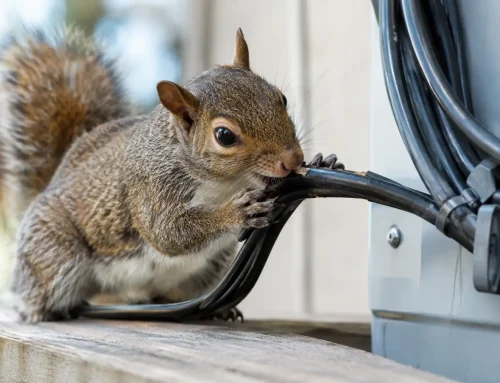
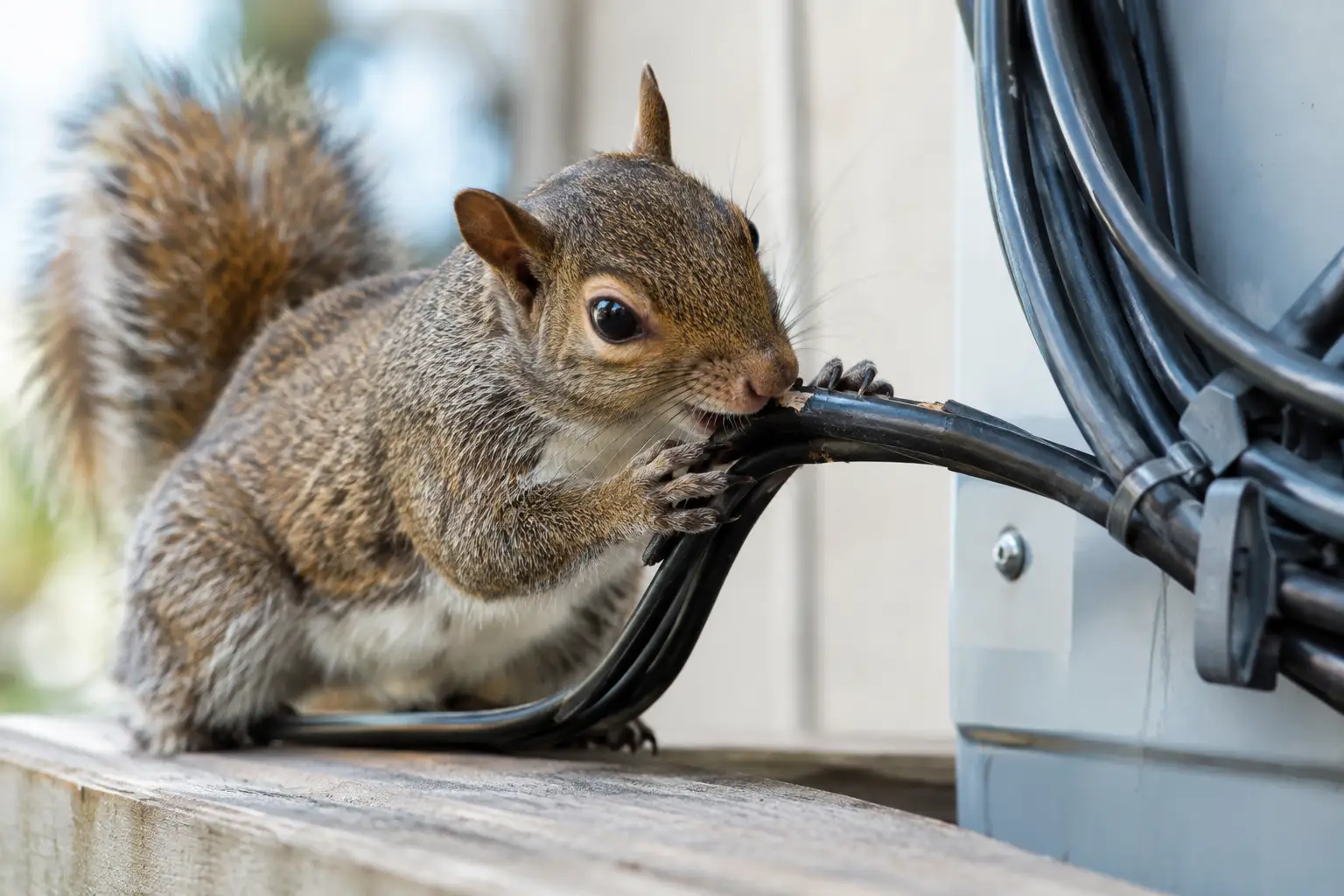
Squirrels are one of the most common attic intruders. They chew wood, insulation, and wiring, and they can enter through surprisingly small openings along the roofline. Raccoons are more destructive. They are strong enough to tear into soffits, fascia, and roof edges, and they leave behind heavy contamination.
Rats and mice are a year-round issue in both residential and commercial buildings. They exploit utility lines, drain gaps, alley-side openings, garage doors, and basement cracks. Birds often nest in vents, signs, ledges, and warehouse structures. Bats can enter through gaps that many property owners never notice until staining, odor, or interior sightings begin. Groundhogs, snakes, chipmunks, and opossums create a different set of problems, often around foundations, crawl spaces, sheds, and landscaped areas.
Every species behaves differently, which is why wildlife removal and prevention should never be treated like a one-size-fits-all service.
The right approach depends on the animal and the structure
A single-family home with squirrels in the attic requires a different plan than a commercial property with pigeons over an entryway or a multifamily building with rats in the walls. The species matters, but the structure matters just as much.
On some jobs, emergency removal is the priority because the animal is active in a living space, workplace, or tenant area. On others, the urgent problem is contamination from droppings, urine, nesting debris, or a dead animal. There are also cases where the removal itself is simple, but the prevention work is more involved because the building has multiple weak points.
That is why experienced wildlife control companies look at the full picture. Humane removal has to be paired with exclusion, cleanup, and repair. Otherwise, the same conditions remain in place for the next intrusion.
Wildlife removal and prevention for long-term protection
Long-term protection starts by closing access. That means more than stuffing a hole with temporary material. Entry points need to be identified correctly and secured with durable exclusion methods that match the location and species pressure. Roof vents, ridge vents, soffits, chimney gaps, crawl space openings, and exterior penetrations all need to be evaluated carefully.
The next step is environmental correction. Food sources, standing water, cluttered storage areas, and overgrown exterior conditions can increase activity around the property. In commercial settings, waste handling and loading-area sanitation are especially important. In homes, unsecured trash, pet food, and neglected exterior damage often contribute to repeat issues.
Then there is restoration. If animals have damaged insulation, left contamination in the attic, or created odor problems in walls or crawl spaces, that needs professional cleanup. Sanitization, insulation replacement, mold removal, and odor control are not cosmetic add-ons. They are part of returning the property to a safe, usable condition.
This is where a full-service provider makes a real difference. Instead of calling one company to trap the animal, another to clean the mess, and another to repair the structure, the work can be handled as one coordinated response. For urgent situations, that saves time and often prevents additional damage.
When to call for professional service
If you hear persistent scratching, chirping, or movement in ceilings or walls, do not wait for visible damage. If you find droppings, nesting material, grease marks, foul odors, or torn vents, the problem is already established. If an animal has entered a living space, office, restaurant, warehouse, or tenant unit, immediate service is the safest move.
The same goes for repeat activity. If you had an animal removed before but the sounds, odors, or signs have returned, prevention likely was not completed properly. A true wildlife control solution should answer three questions at once: what animal is involved, how it got in, and what it left behind.
For property managers and business owners, speed matters even more. Wildlife issues can trigger sanitation complaints, frightened tenants, damaged inventory, interrupted operations, and liability concerns. Fast response is not just about convenience. It protects the building and the people using it.
What to expect from a professional service visit
A strong service call should move from diagnosis to resolution, not just inspection to recommendation. The technician should identify the species, confirm activity zones, locate entry points, explain the risk level, and outline what removal, cleanup, and proofing are needed.
Depending on the situation, that may include humane trapping, one-way exits, dead animal removal, rodent control, attic restoration, crawl space sealing, disinfection, or structural animal proofing. The goal is not to sell extra work. The goal is to leave you with a property that is secure and recoverable.
That is the standard serious property owners should expect. Animal Control NYC & NJ approaches wildlife problems that way because emergency removal without repair is only a partial fix.
Wildlife issues do not usually stay small for long. If your property is showing signs of animal activity, the smartest move is to address the removal, the damage, and the prevention together before the next noise in the ceiling becomes a larger repair bill.