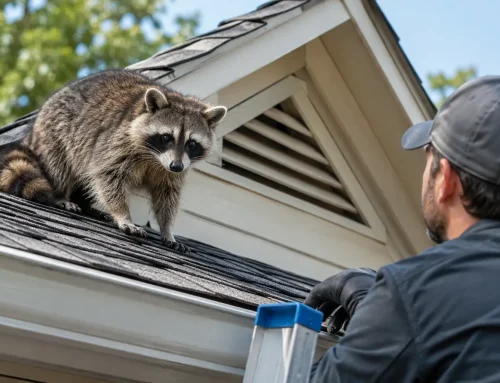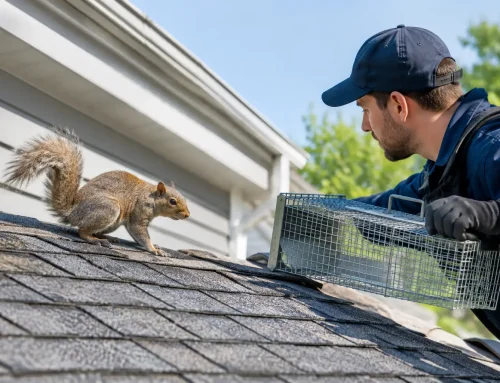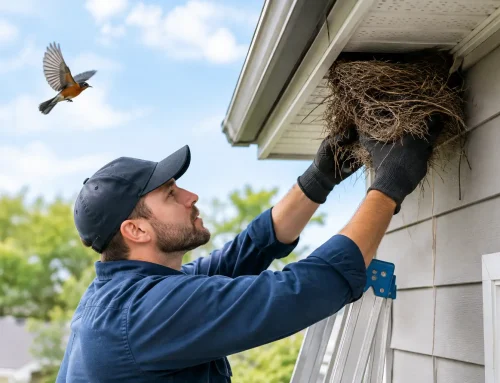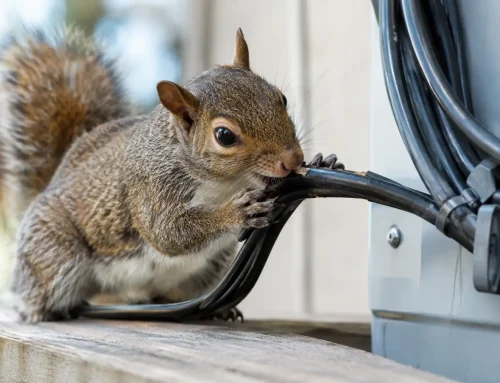
Scratching over the bedroom ceiling at 2 a.m. usually means the problem is already bigger than most property owners think. The best ways stop attic animals are not about setting one trap and hoping for quiet. They involve identifying the species, removing it humanely, sealing every entry point, and fixing the contamination and damage left behind.
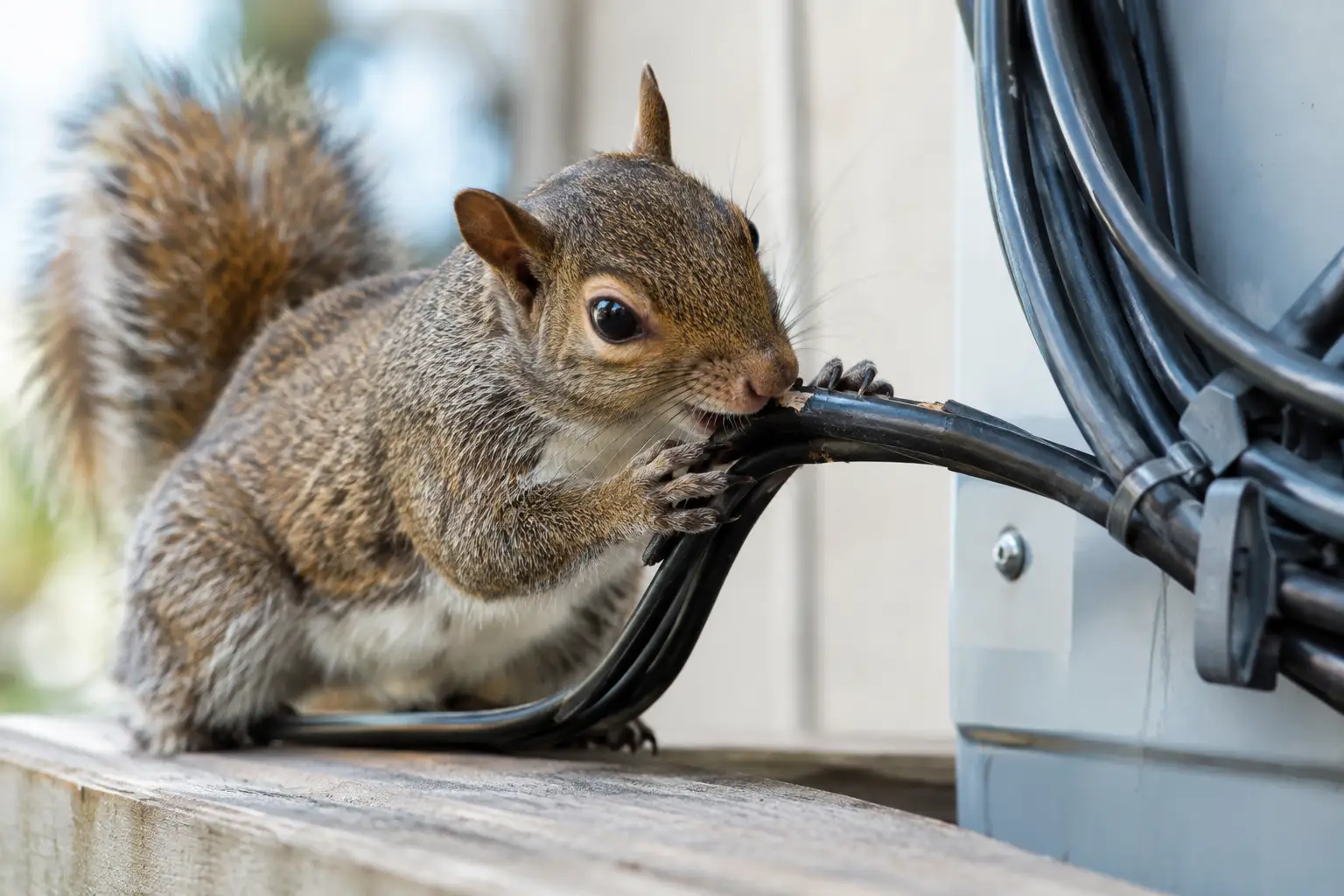
In NYC and New Jersey, attic intrusions move fast. Squirrels chew wiring and wood. Raccoons tear through soffits and insulation. Rats and mice contaminate stored items and spread through wall voids. Bats can create health concerns, and birds often turn vents into nesting sites. If you only address the noise, the infestation usually comes back.
The best ways to stop attic animals start with the right inspection
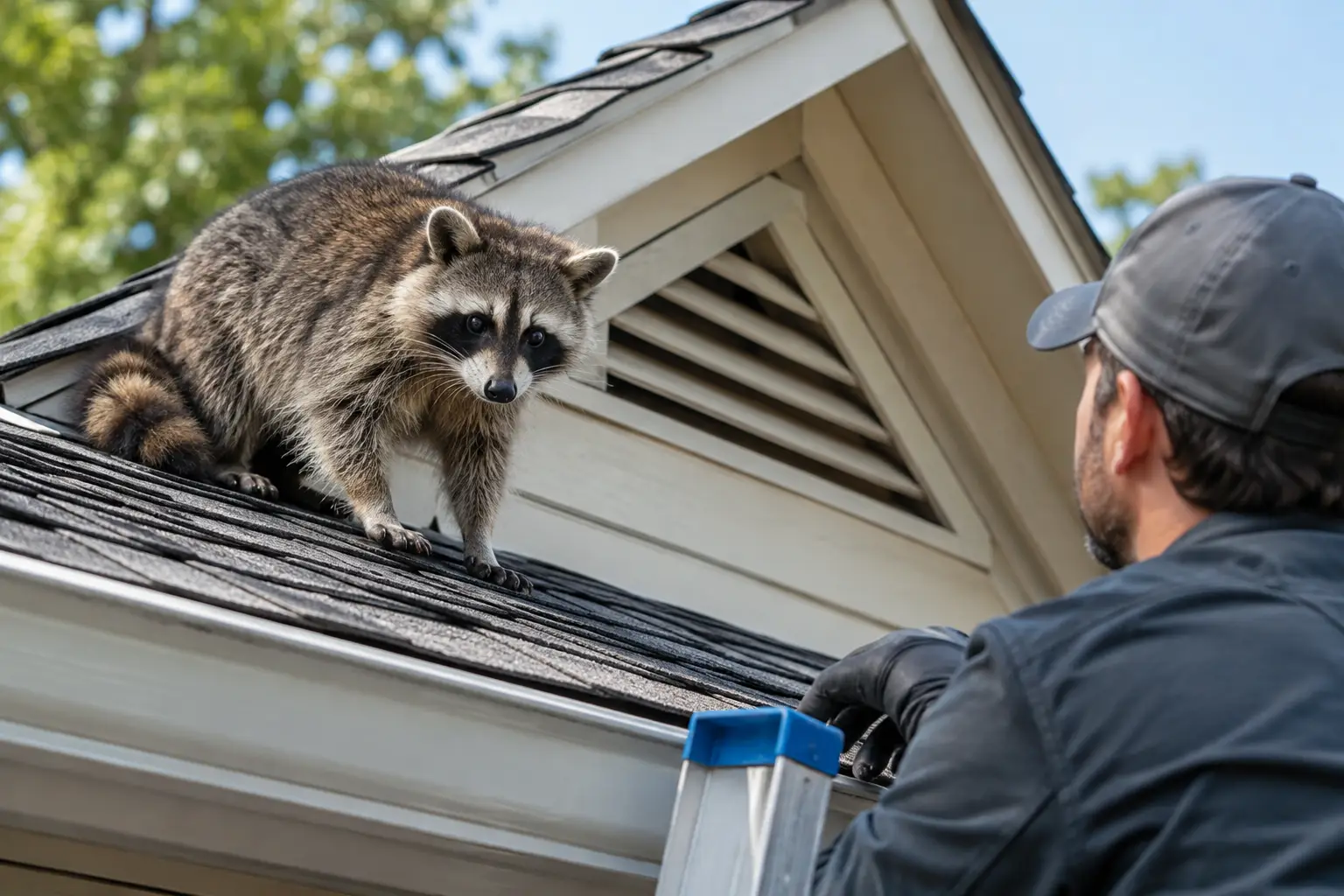
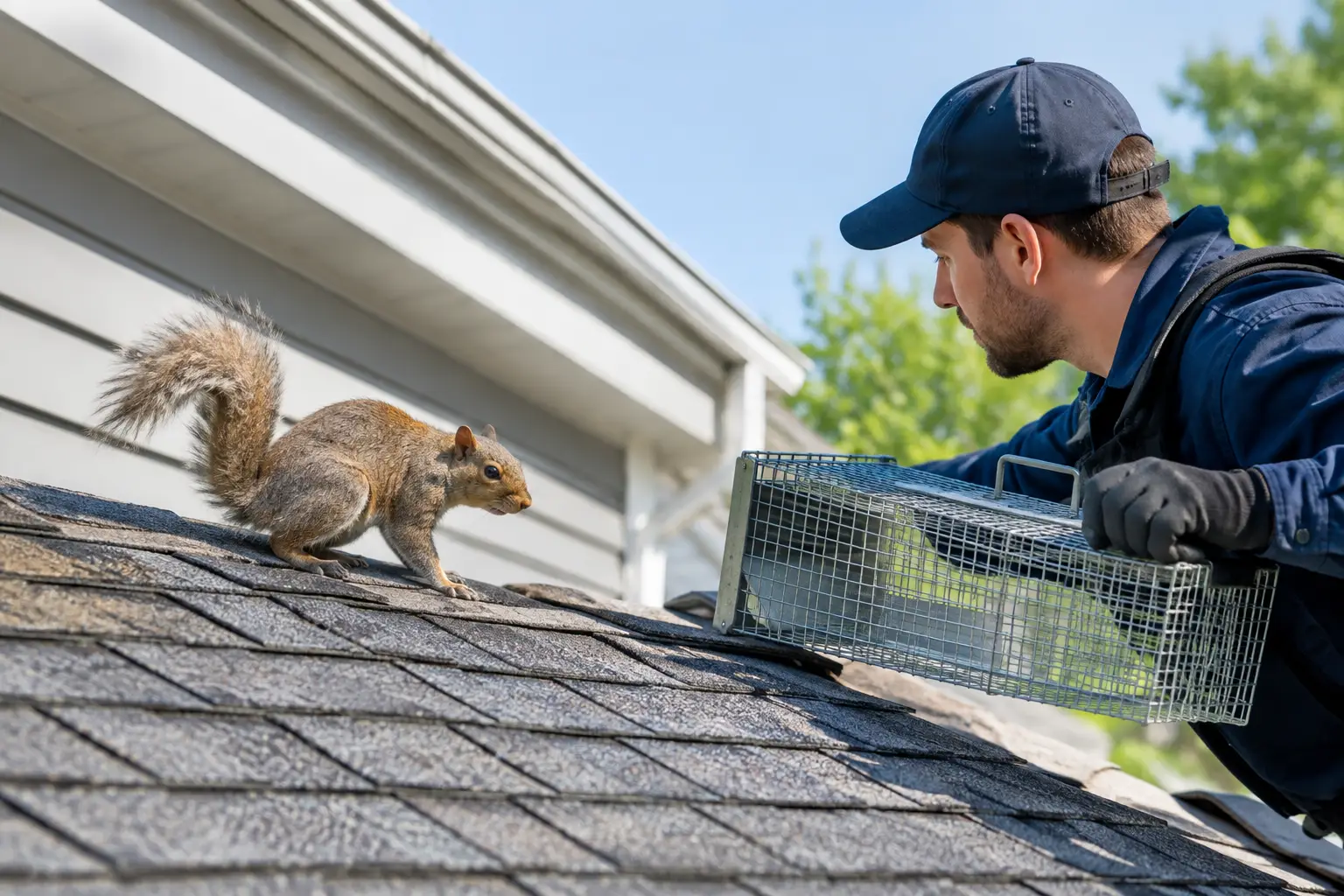
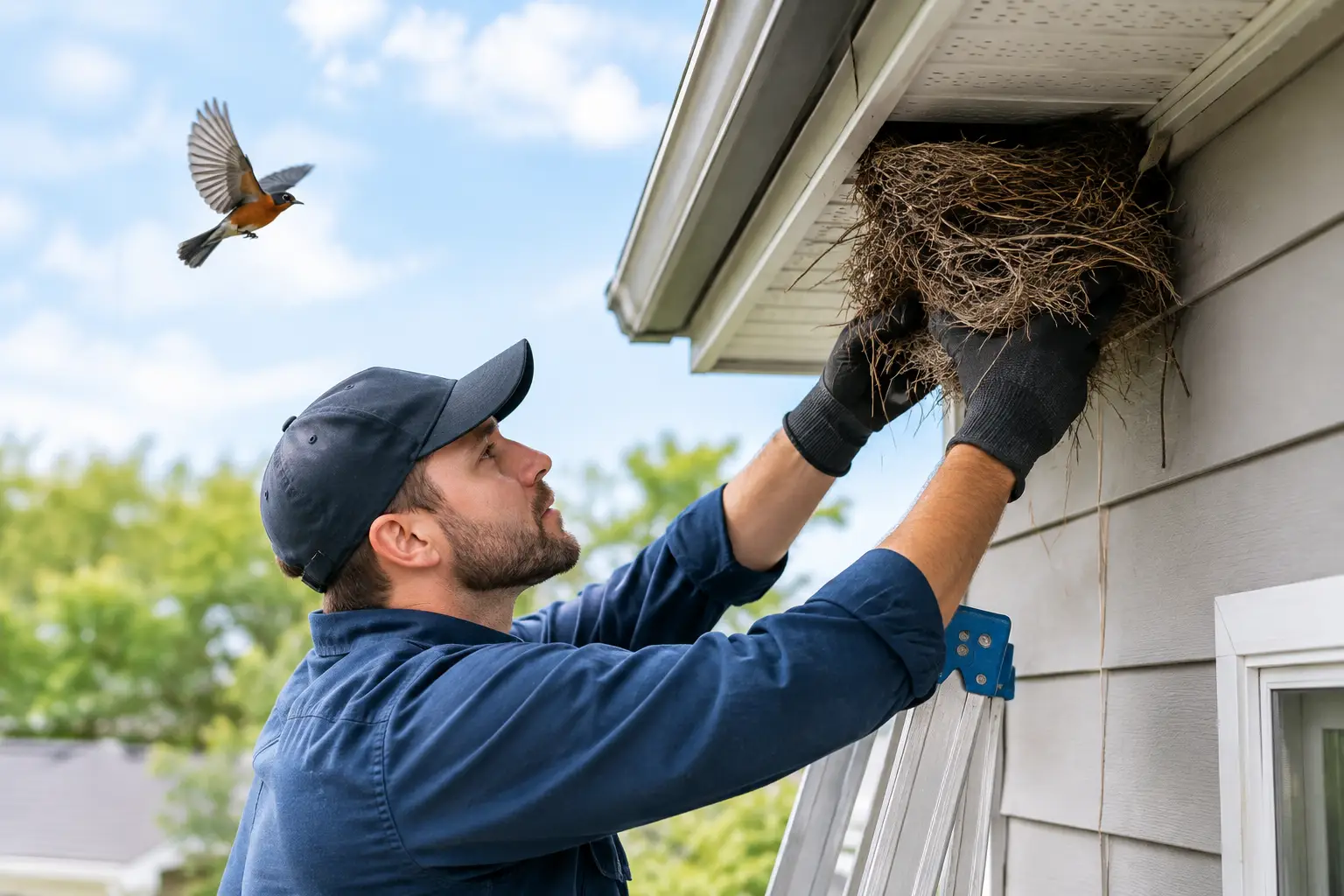
The first mistake many owners make is assuming every attic noise is the same. Fast, light movement during the day often points to squirrels. Heavy nighttime thumping may suggest raccoons. Light scratching in walls and ceilings can mean rats or mice. Chirping near vents may be birds, while squeaking and staining around roof gaps can indicate bats.
A proper inspection matters because each species behaves differently, enters differently, and requires a different removal plan. A raccoon with babies in spring is not handled the same way as a squirrel infestation in fall. Bat exclusions are also timing-sensitive in many cases. If you skip species identification, you risk using the wrong method and driving animals deeper into the structure.
A professional attic inspection should check the roofline, ridge vents, gable vents, soffits, fascia, dormers, utility gaps, chimney intersections, and crawl space connections. Inside the attic, it should also identify nesting zones, droppings, urine saturation, damaged insulation, and chewed materials. The goal is to understand the full problem, not just the sound overhead.
Humane removal is one of the best ways stop attic animals for good
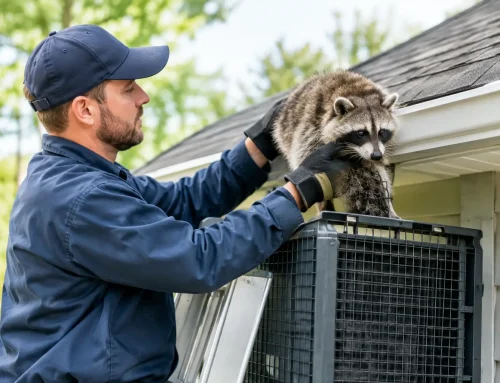
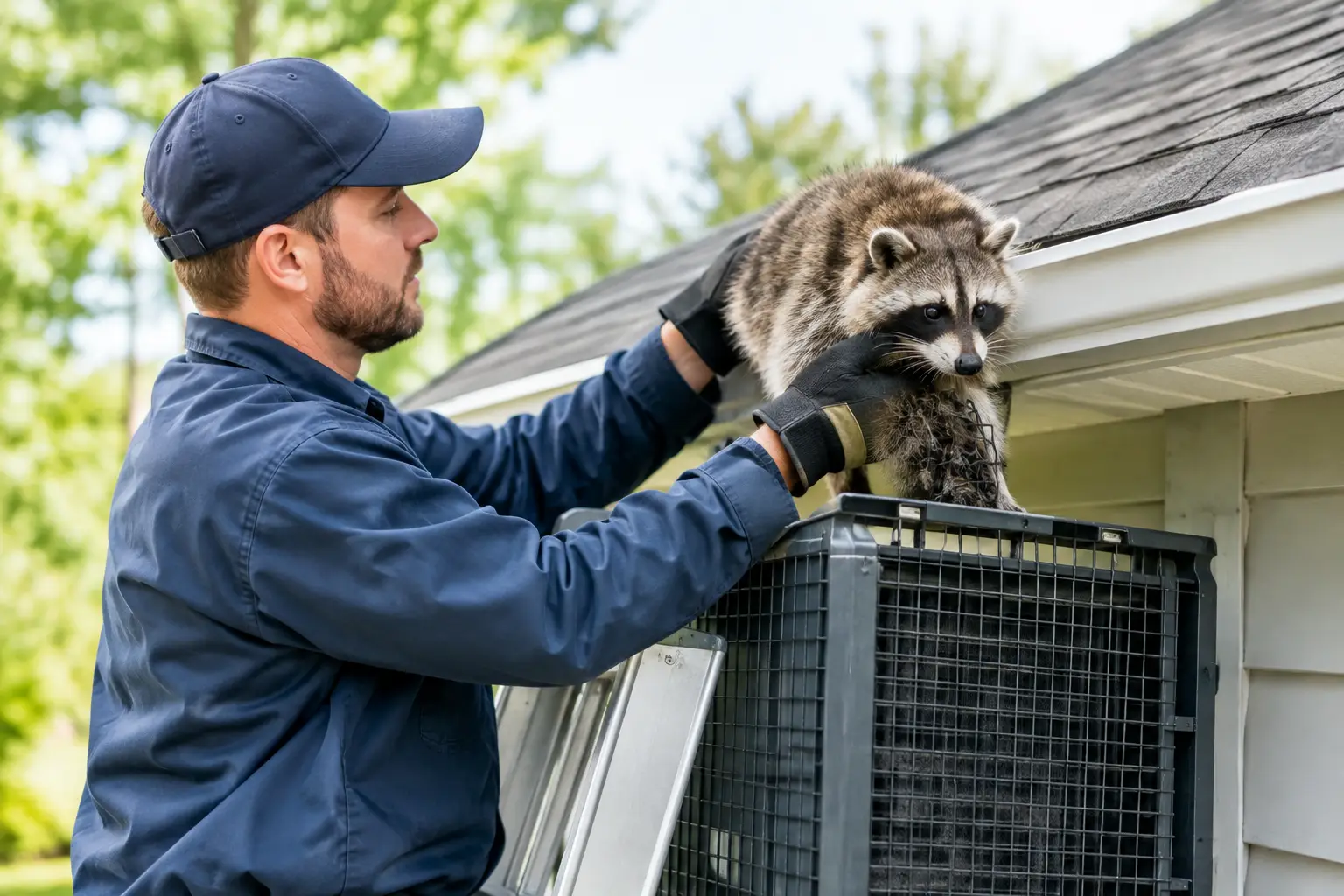
Getting animals out is the urgent part, but it has to be done correctly. Humane trapping, one-way exclusion devices, hand removal of young, and species-specific removal strategies are what actually solve the issue. Poison is rarely the right answer in an attic. It can lead to dead animals in inaccessible spaces, odor problems, insect activity, and a second service call for carcass removal and sanitation.
Humane removal also reduces the chance of animals panicking and damaging more of the home. A frightened raccoon can rip wider openings through roofing edges or soffits. Squirrels can chew even more aggressively when blocked inside. With bats, improper handling creates unnecessary health exposure and legal issues. Safe removal protects both the structure and the people living or working inside it.
This is where experience matters. Attic wildlife jobs are rarely one-size-fits-all. It depends on the species, whether young are present, how long the activity has been going on, and how many entry points exist. The fastest-looking solution is not always the one that prevents repeat calls.
Seal entry points after removal, not before
A lot of recurring attic problems come from premature sealing. If you close holes while animals are still inside, you may trap them in the attic, force them into living spaces, or separate mothers from young. That creates a worse emergency.
The right sequence is inspection, removal, confirmation that the structure is clear, and then full exclusion work. Once the attic is empty, every opening needs to be secured with durable materials designed for the target species. Lightweight patch jobs do not hold up against raccoons, squirrels, or rats.
Common problem areas include roof returns, ridge vents, construction gaps, loose flashing, uncapped vents, damaged soffits, and gaps around utility lines. In many homes, there is more than one opening. If you only seal the obvious hole, animals often re-enter a few feet away through a weaker point.
Repairs matter because animals attack weak structures
Wildlife does not choose attics at random. They look for warmth, shelter, and vulnerability. Rotten wood, bent vent covers, loose siding, aging roof edges, and uncapped chimneys make access easier. That means one of the best long-term ways to stop attic animals is correcting the structural weakness that invited them in.
This is especially important for landlords, property managers, and commercial owners. If the building envelope stays compromised, you may solve one complaint and create another a month later. The same applies to multi-unit properties where animals can move between attic spaces, wall cavities, and shared roof sections.
Good wildlife control should include repair recommendations that match the damage. That may involve replacing contaminated insulation, securing ridge vents, repairing soffits and fascia, screening vent openings, sealing construction gaps, or protecting solar panel edges where birds and squirrels nest. The removal and the repair have to work together.
Cleanup and sanitation are part of stopping attic animals
Once animals are gone, many owners think the job is finished. It is not. Attics often hold urine, droppings, nesting debris, food caches, parasites, and stained insulation. Those materials can hold odor, attract new wildlife, and create indoor air quality concerns.
Raccoon latrines are a serious issue. Rodent droppings can spread through insulation and along travel paths. Bird nesting material can clog vents and increase fire or moisture risks. Bat guano can accumulate in hidden areas and should be handled carefully. If the contamination stays in place, the attic may still smell like an active nesting site to other animals.
Professional cleanup usually means removing biologically contaminated material, disinfecting affected surfaces, deodorizing, and replacing insulation where needed. In some cases, mold growth or moisture damage also has to be addressed. That is why complete wildlife service is more effective than basic trapping alone.
The best ways to stop attic animals also include prevention outside the attic
Attic wildlife control starts on the roof, but it does not end there. Conditions around the property often support repeat intrusions. Overhanging tree limbs give squirrels easy roof access. Open garbage or food waste can attract raccoons. Exterior pet food, clutter near the foundation, and neglected crawl spaces can support rodent activity that eventually reaches the attic.
Prevention may include trimming back access routes, improving waste control, screening lower openings, and correcting drainage or moisture issues near the structure. On some buildings, gutter guards and vent protection also help reduce nesting opportunities. The exact approach depends on the species and the building design.
Urban and suburban properties in NYC and NJ need this wider view because wildlife pressure is constant. Animals displaced from neighboring buildings, construction activity, weather changes, and seasonal breeding patterns all push them toward available shelter. If your building remains the easiest option on the block, the problem can restart quickly.
DIY methods usually fail when attic activity is established
There are situations where a homeowner notices a minor issue early, like a loose vent screen before animals get in. But once wildlife is living in the attic, DIY work tends to create delays and extra damage. Store-bought repellents rarely solve active infestations. Sound devices have mixed results at best. Traps used without inspection and exclusion often remove one animal while others stay behind.
There is also a safety issue. Attics can contain contaminated insulation, exposed wiring, unstable footing, and defensive animals. Raccoons and bats present particular health concerns, and rodent cleanup should never be treated casually. For occupied buildings, the risk goes beyond property damage. It can affect tenants, employees, customers, and family members.
For that reason, the most cost-effective move is often early professional service. Fast response limits damage, shortens the infestation timeline, and prevents partial fixes that have to be redone.
When to call for emergency attic animal service
If you hear persistent movement, notice strong odor, see droppings, find torn soffits or vent covers, or spot animals entering the roofline, the situation should be treated as active. The same goes for baby noises, staining on ceilings, or sudden insect activity around wall and attic areas. These signs usually mean nesting, contamination, or a dead animal issue is already present.
For property owners who need a complete solution, speed matters. Removal without repairs leaves the building exposed. Repairs without removal trap animals inside. Cleanup without exclusion allows the next infestation. The work has to be coordinated from inspection through proofing and restoration.
That is why many homeowners and managers across the region look for one company that can handle trapping, removal, sanitization, damage repair, and exclusion in the same job. Animal Control NYC & NJ is built around that full-service model, which is what attic wildlife problems usually require.
If animals are in your attic, the smartest next step is not waiting for the noise to stop on its own. Quiet does not always mean gone. Sometimes it means the damage has moved deeper into the structure, and the fix just got more expensive.