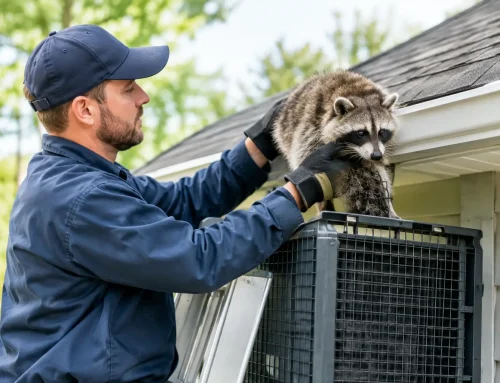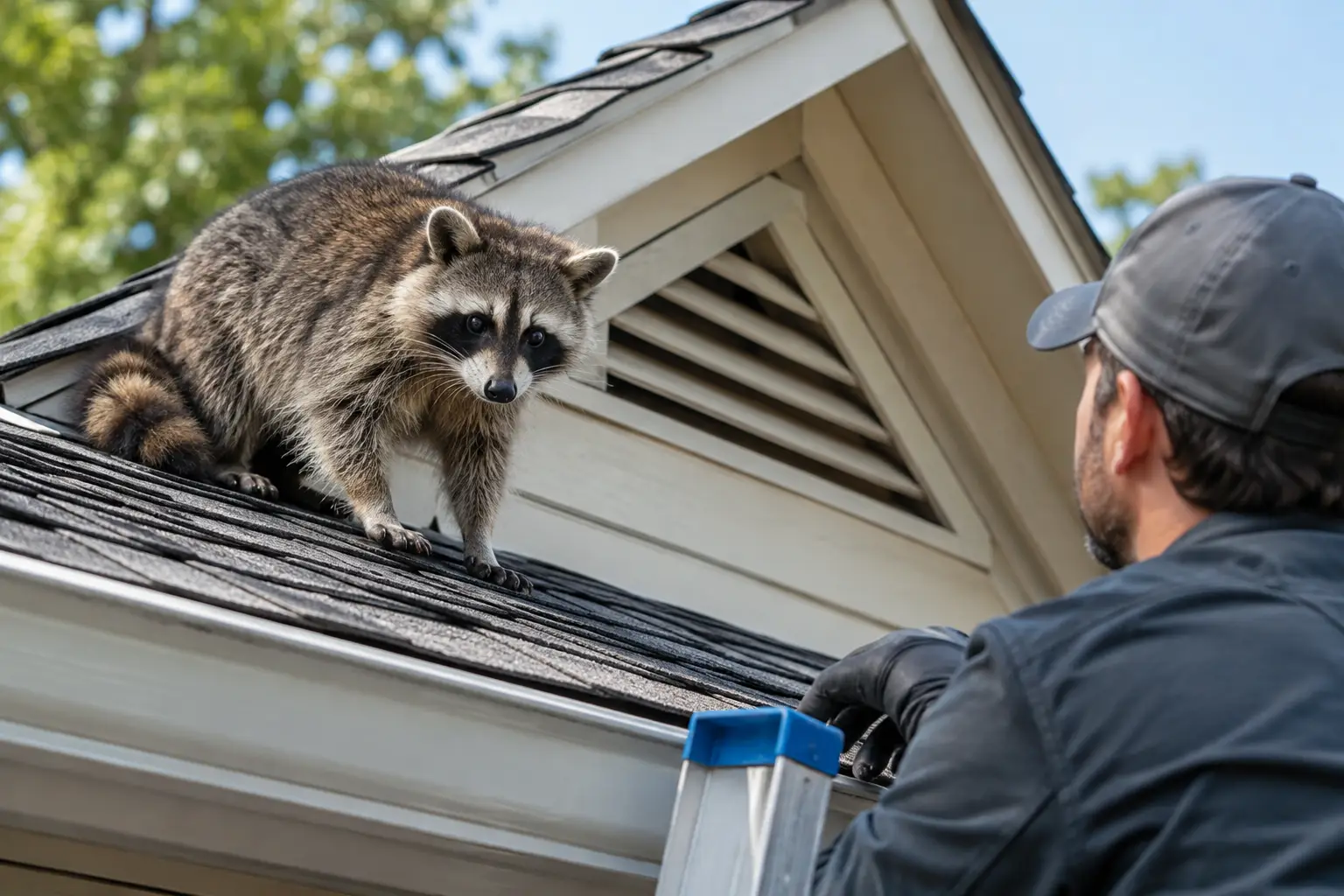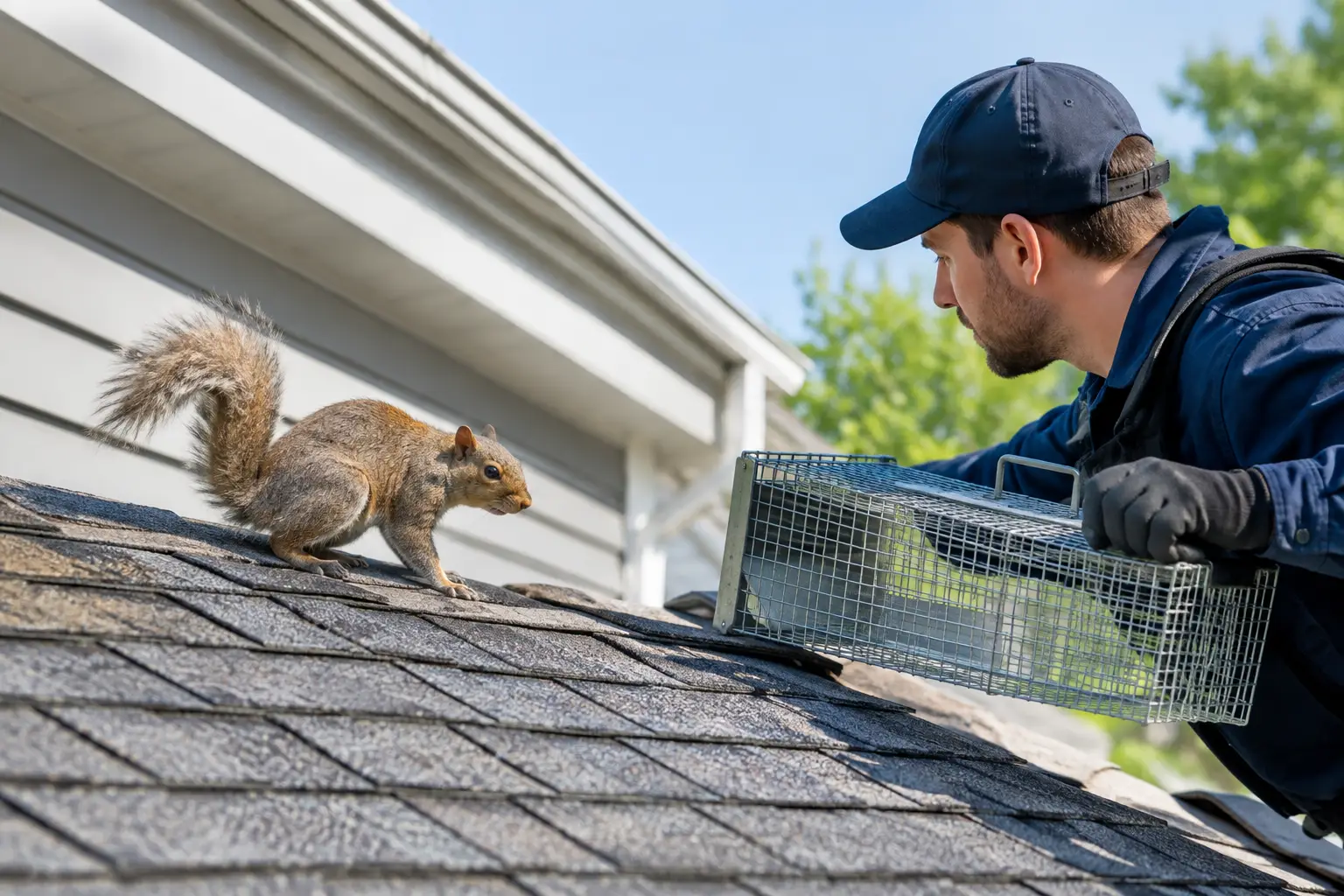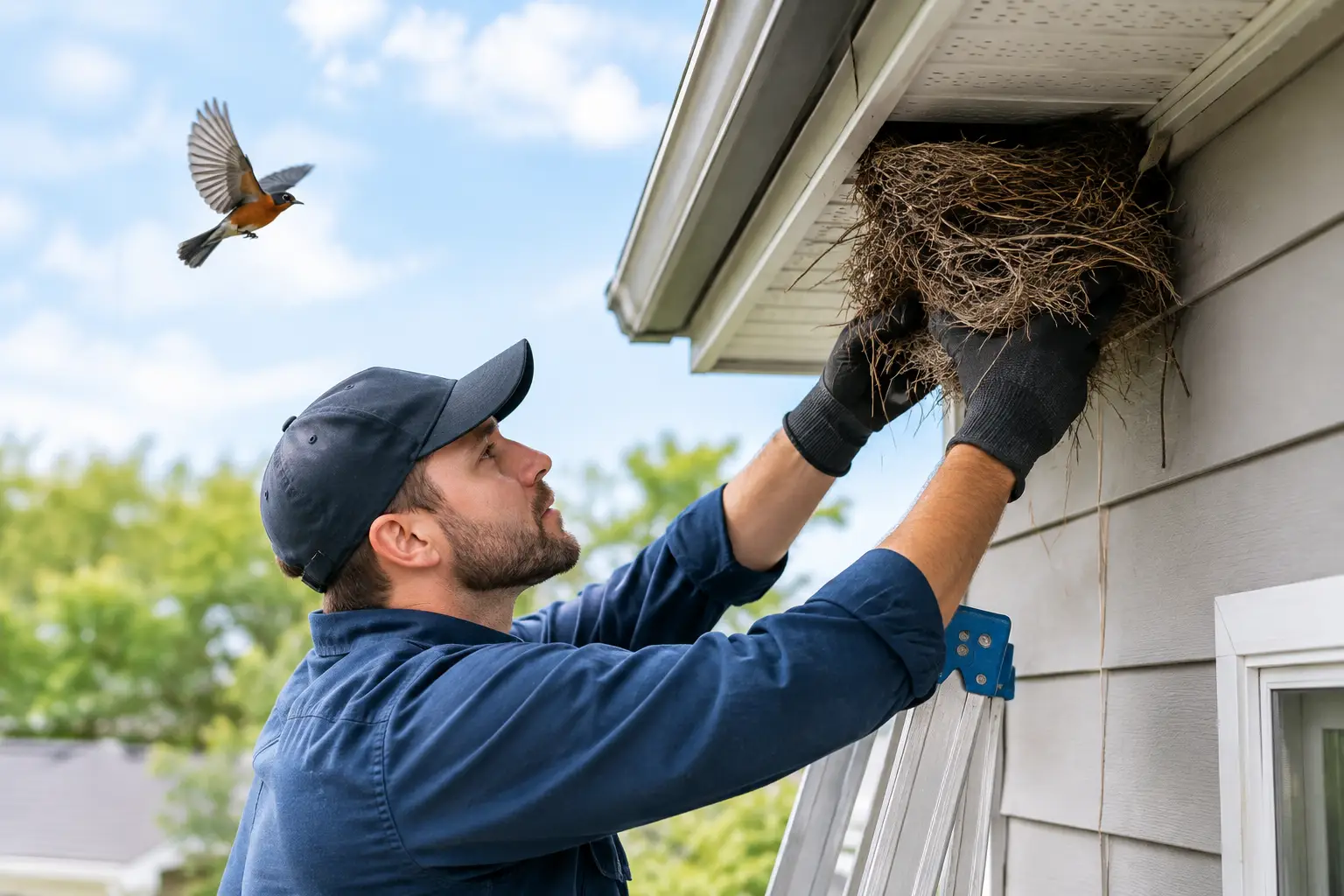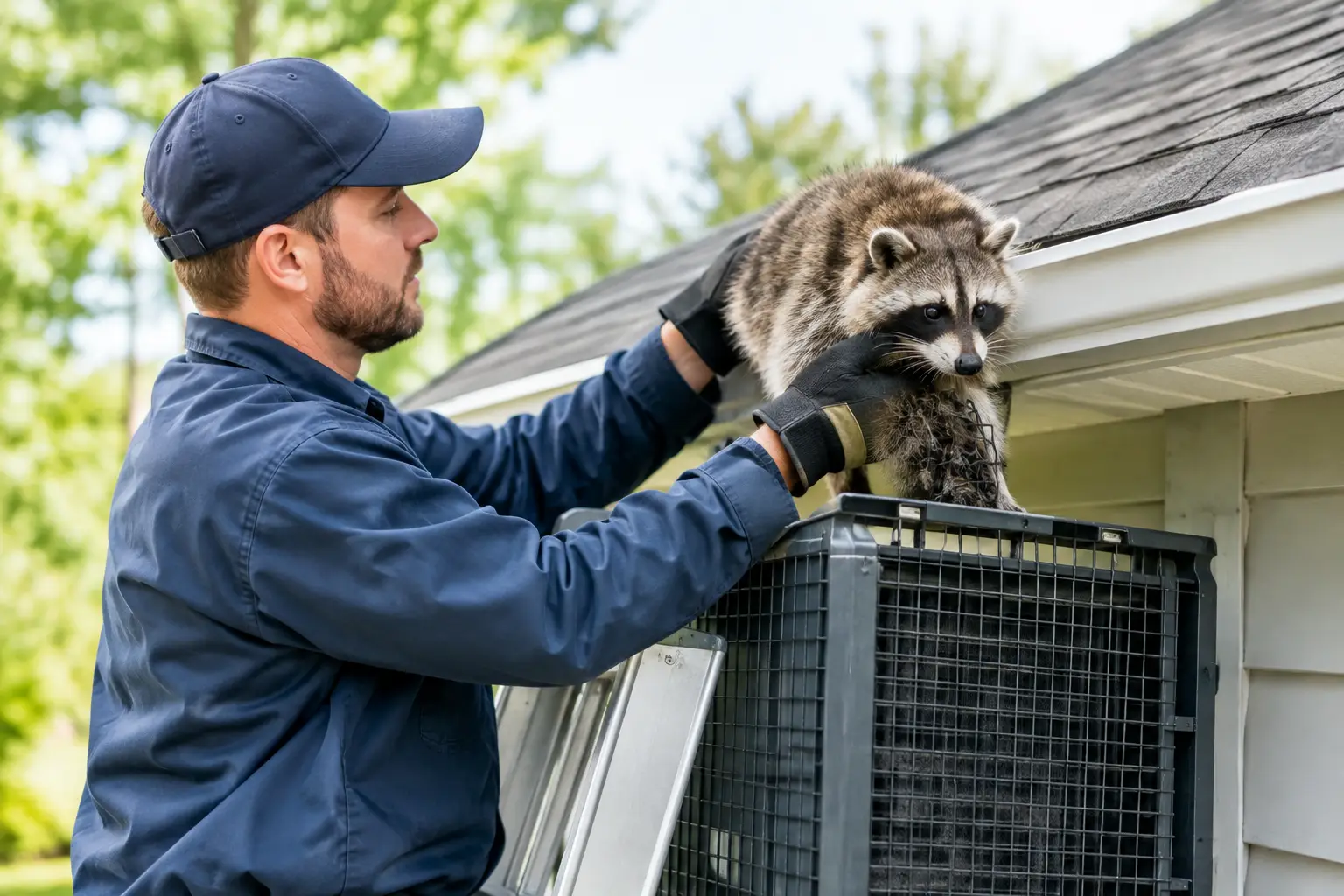
A raccoon in the attic is not just a noise problem. A squirrel chewing roof edges, pigeons nesting under solar panels, or bats leaving waste behind can turn into insulation damage, odors, stains, mold, and repeat break-ins fast. That is why wildlife animal damage repair matters just as much as removal. If the opening stays open or the contamination stays in place, the problem is not finished.
In New York City and New Jersey, that matters even more. Attached buildings, tight rooflines, older homes, multifamily properties, and busy commercial sites give wildlife plenty of opportunities to get in and come back. Property owners usually do not need a trapper, a cleaner, and a contractor separately. They need one team that can remove the animal, repair the damage, sanitize the area, and secure the structure so it does not happen again.
What wildlife animal damage repair really includes
A lot of people hear the word repair and think it only means patching a hole. In real wildlife work, the repair is broader than that. It starts with identifying how the animal got in, what it damaged while inside, and what conditions make the property vulnerable now.
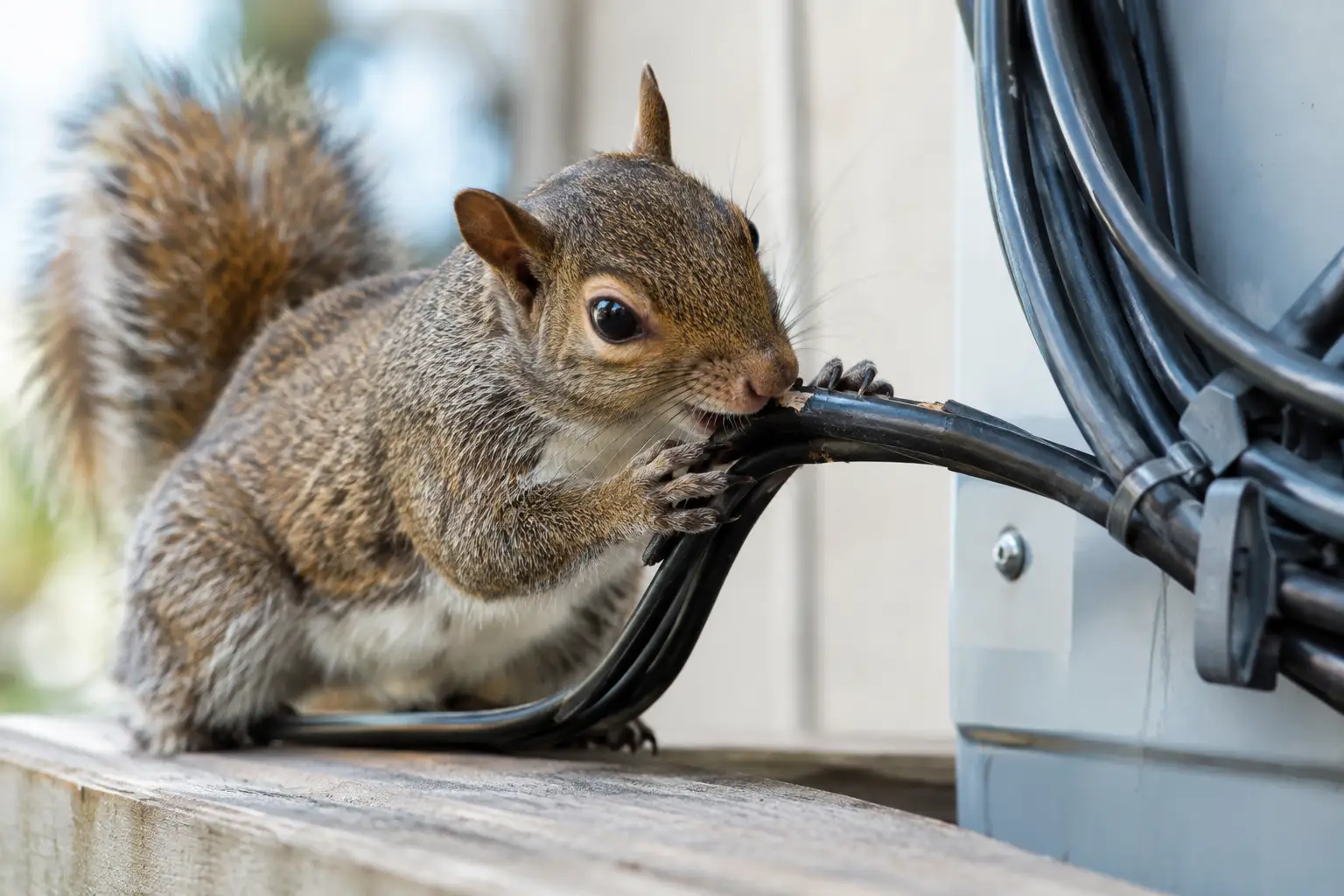
That can mean torn soffits, chewed fascia, broken vents, crushed insulation, contaminated attic areas, damaged crawl space barriers, nesting debris in duct paths, and staining around entry points. Birds can block vents and gutters. Squirrels can chew through wood, trim, and wiring. Raccoons can tear open roofing materials and flatten insulation. Bats and rodents can leave waste that creates odor and health concerns long after the animals are gone.
Good repair work addresses three problems at once. First, it restores what was damaged. Second, it removes contamination and odor sources. Third, it animal-proofs the weak points that invited the intrusion in the first place.
Why removal alone is not enough
If an animal has already entered a building, there is usually a reason. A vent cap may be loose. A ridge gap may be exposed. A crawl space door may not close properly. Roof returns, dormers, gutters, and utility line gaps often become repeat access points.
When removal happens without repair, the same property often sees the same problem again. Sometimes it is the original species returning. Sometimes another species finds the opening and takes advantage of it. That is why a one-step approach rarely holds up, especially in high-pressure environments like NYC and NJ where wildlife adapts quickly to buildings.
There is also the sanitation side. Animal waste, urine, nesting material, and carcass-related contamination do not go away because the live animal is gone. Odors linger. Staining spreads. Parasites and bacteria can remain. In attics and crawl spaces, trapped moisture from contaminated insulation can contribute to mold growth and poor air quality. Repair has to include cleanup when the situation calls for it.
Common damage by species
Different animals damage structures in different ways, and the repair plan should reflect that.
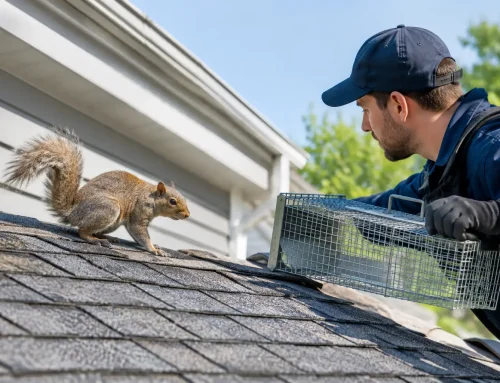
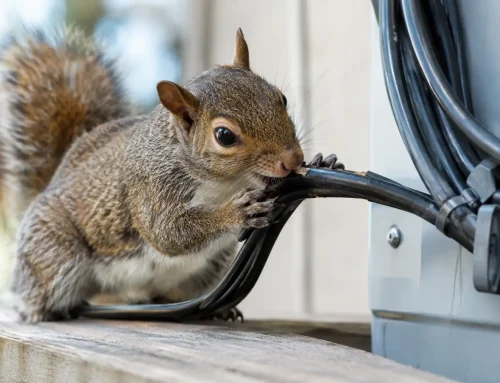
Squirrels usually create sharp, chewed access holes around rooflines, soffits, and fascia boards. Inside attics, they tear up insulation for nesting and may chew wiring or stored materials. The structural damage may look small from the outside, but hidden interior damage can be much wider.
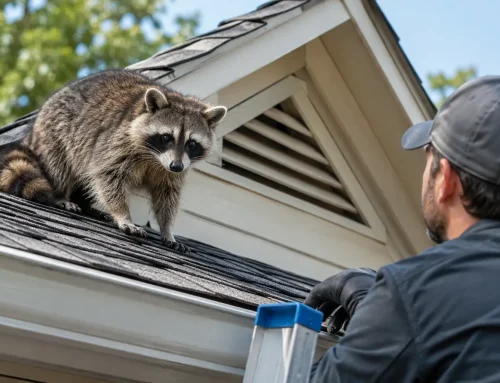
Raccoons tend to be more forceful. They rip shingles, peel back flashing, tear through vents, and crush attic insulation as they move and nest. If young are present, the damage often expands because the den stays active longer. Raccoon latrine areas also require serious cleanup, not just spot treatment.
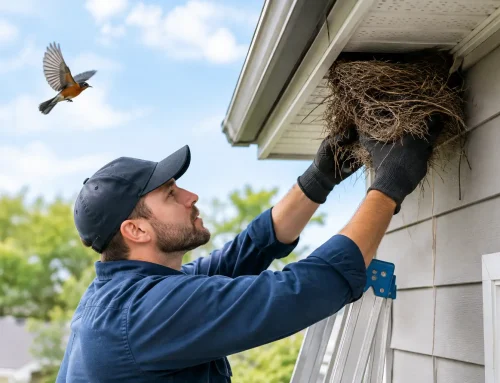
Birds often cause accumulation problems. Nesting under solar panels, inside exhaust vents, on ledges, or in gutters can lead to blockages, droppings, and water overflow. The repair may involve cleaning, disinfecting, replacing damaged vent covers, and installing guards or exclusion barriers.
Bats usually leave smaller entry signs, but the contamination issue can be significant. Guano buildup in attic spaces can affect insulation, create odor, and require careful removal and sanitation. The exclusion work must be precise. If sealing is done at the wrong time or in the wrong sequence, you can create a worse problem.
Rodents bring a different level of interior risk. Mice and rats contaminate insulation, chew wires, damage stored contents, and move through wall voids, basements, crawl spaces, and utility penetrations. Repair may include sealing dozens of small gaps rather than one obvious hole.
Wildlife animal damage repair in attics, roofs, and crawl spaces
Most serious wildlife calls involve hidden areas of a building. Attics, roofs, and crawl spaces are where damage spreads quietly.
In attics, repair often starts after the animals are removed and the full condition of the space is exposed. Insulation may need to be pulled out and replaced if it has been heavily contaminated, compressed, or soaked with urine. Wood surfaces may need sanitation treatment. Entry points at ridge vents, gable vents, eaves, or roof returns need to be rebuilt or reinforced with animal-resistant materials.
Roof damage is one of the most time-sensitive issues because it exposes the building to both animals and weather. A torn vent, open soffit, damaged flashing line, or lifted shingle section can become a leak path. In that case, wildlife repair is not cosmetic. It is part of protecting the building envelope.
Crawl spaces come with a different set of problems. Groundhogs, opossums, rats, and other animals may enter through loose skirting, broken lattice, foundation openings, or poor access doors. Once inside, they can disturb insulation, leave waste, and create odor that spreads upward into the property. Sealing and cleanup have to be handled together or the space stays vulnerable.
What a professional repair process should look like
A proper job starts with inspection, not guessing. The technician should identify all active and potential entry points, not just the hole that is easiest to see. On many buildings, there is a primary entry and several secondary vulnerabilities nearby.
After humane removal or exclusion, damaged materials are assessed. Some can be cleaned and restored. Some need to be replaced. This depends on the type of contamination, the extent of chewing or tearing, moisture levels, and whether structural components have been weakened.
Then the space is cleaned and sanitized as needed. This part is important in occupied homes, multifamily buildings, restaurants, warehouses, and any property where odor, airborne particles, or tenant complaints are a concern.
The final step is exclusion and reinforcement. This is where long-term value comes from. Vent screening, ridge-vent protection, soffit repair, gutter guard installation, crawl space sealing, and solar panel proofing are not add-ons for many properties. They are what stops the next invasion.
When property owners should act immediately
Some wildlife damage can wait a day or two. A lot of it should not.
If you hear movement overhead, see fresh droppings, notice a bad odor, find a visible hole in the roofline, or see insulation hanging out of an opening, the clock is already running. The same goes for commercial buildings with bird activity around vents, signs of rodents in utility areas, or tenant reports from upper floors and shared walls.
Fast action usually reduces total repair cost. A small entry point is cheaper to secure than a soaked attic. A limited cleanup is easier than a full insulation replacement. And once wildlife starts reproducing inside a structure, the repair timeline gets longer and the job gets more complicated.
That is why full-service companies are often the best fit. Animal Control NYC & NJ handles the removal, cleanup, repair, and proofing side together, which saves property owners from chasing multiple contractors during an active problem.
Choosing the right wildlife damage repair company
Not every animal removal company is built for remediation work. Some remove the animal and stop there. For a property owner, that can mean the hardest part is still ahead.
Look for a company that can document entry points, explain species-specific damage, handle sanitation safely, and make structural repairs that hold up. Humane practices matter, but so does construction awareness. The team should understand roofs, vents, crawl spaces, insulation systems, and the difference between a quick patch and a durable exclusion repair.
It also helps to work with a company that knows local building types. Brownstones, row homes, multifamily properties, warehouses, retail buildings, detached homes, and garden apartments all present different wildlife access patterns in NYC and NJ. A local operator sees those patterns every day and can usually spot weak points faster.
Wildlife damage does not fix itself, and it rarely stays limited to one corner of the building. The right repair work restores the property, removes the health risk, and closes the door on the next intrusion. If you are hearing noise, seeing damage, or dealing with contamination now, the best next step is simple – handle the repair as seriously as the removal.