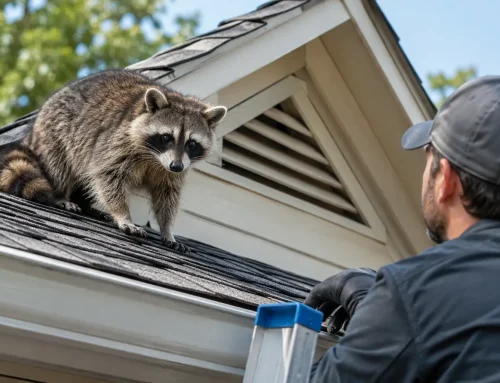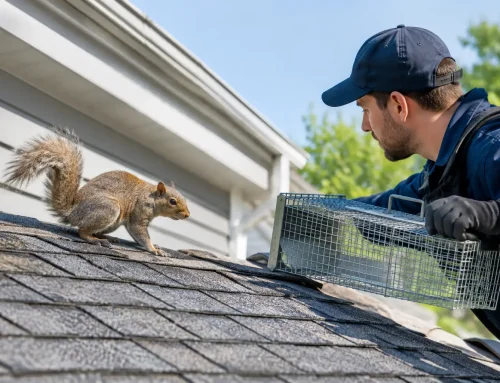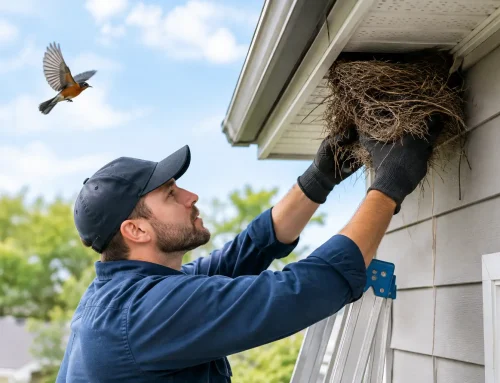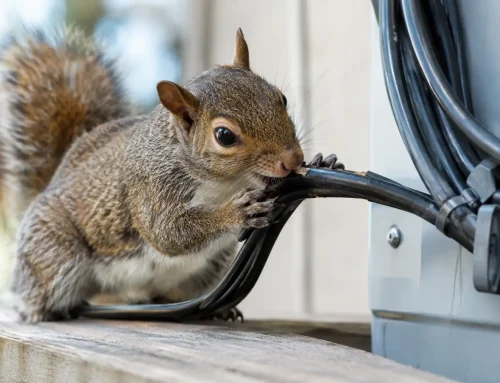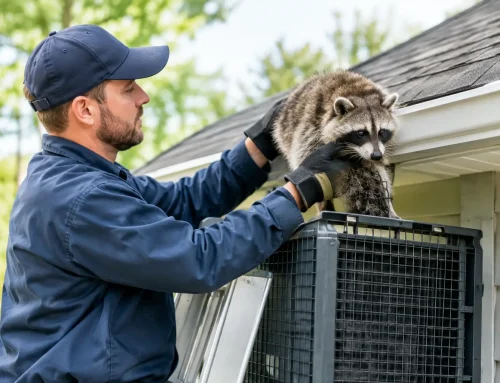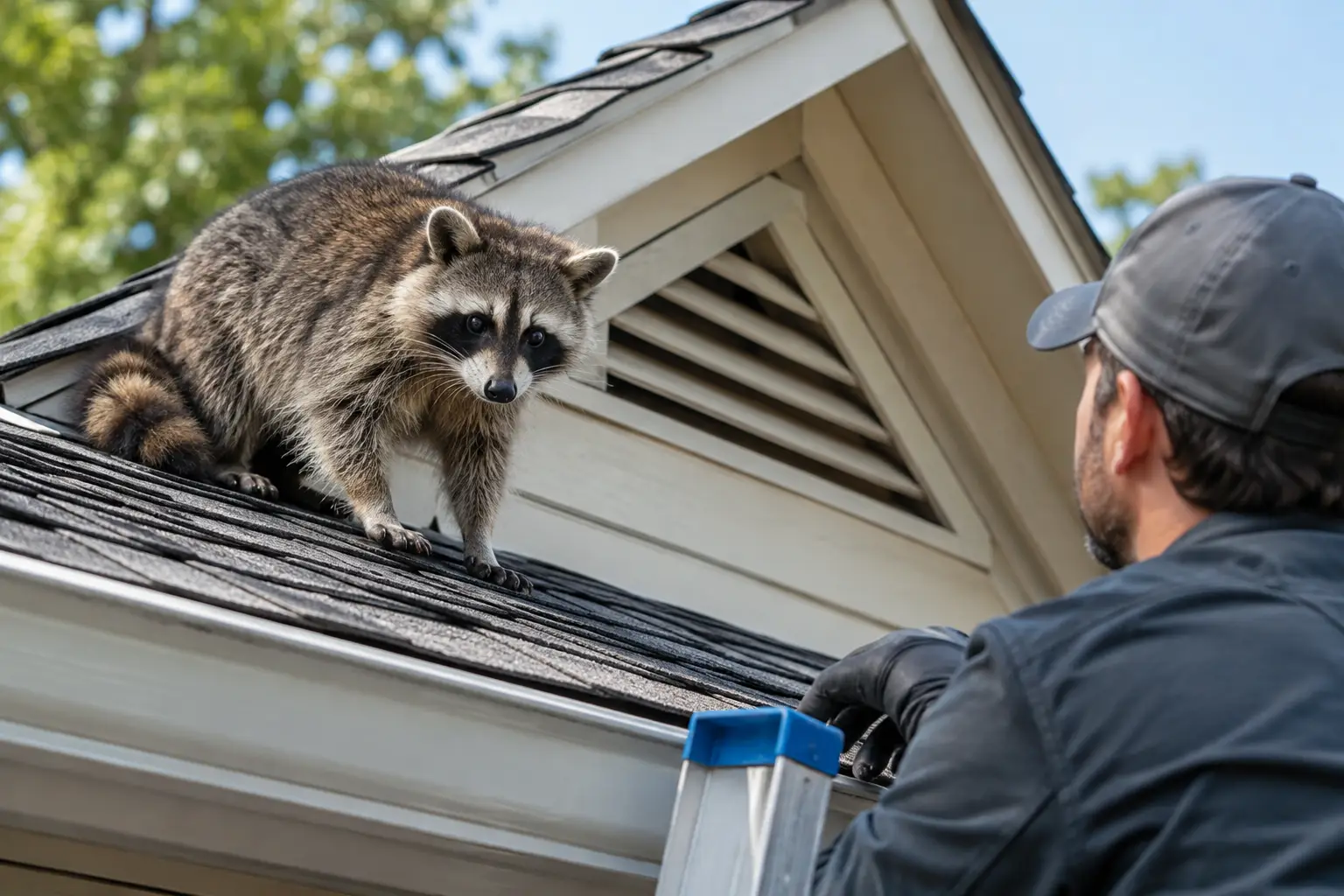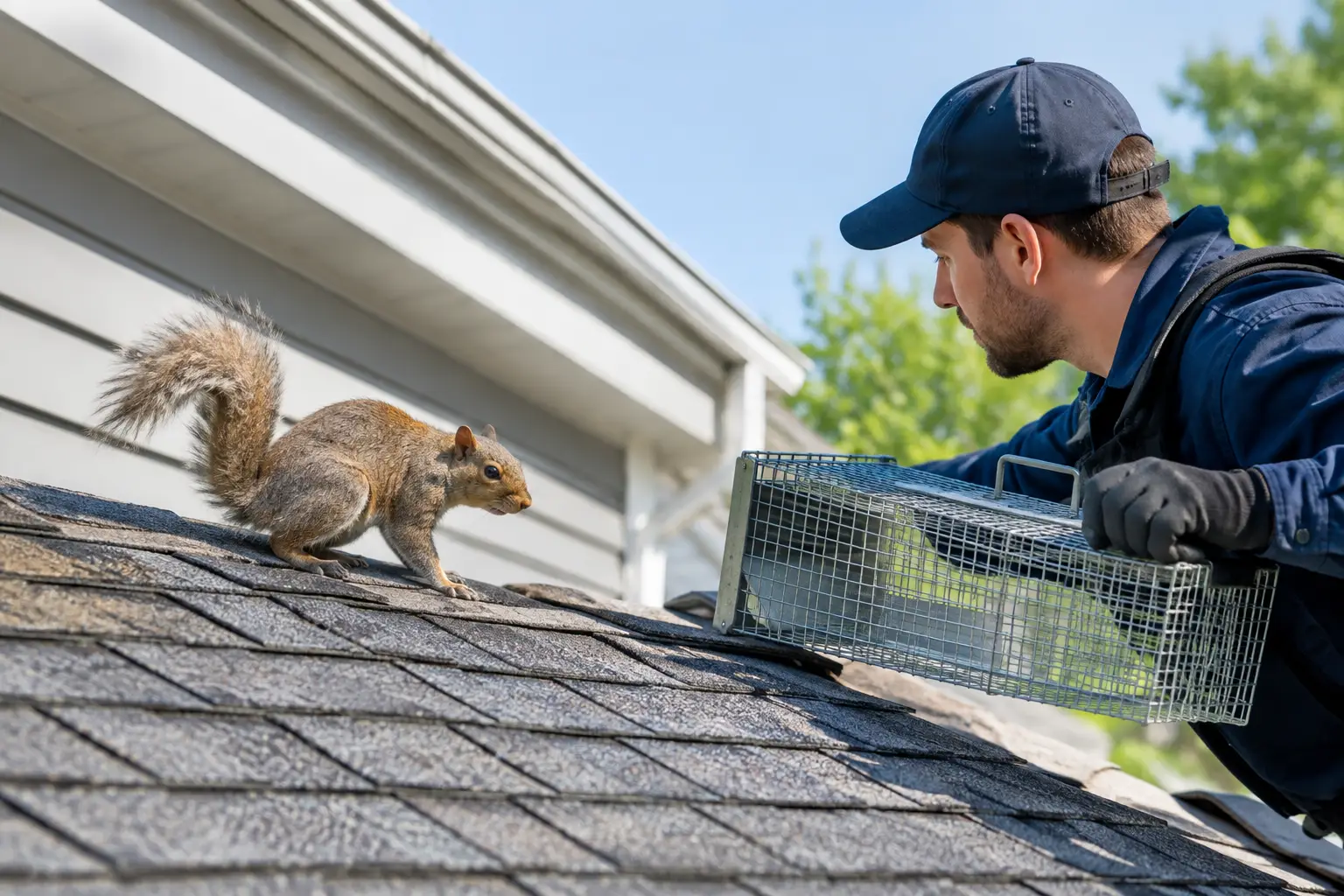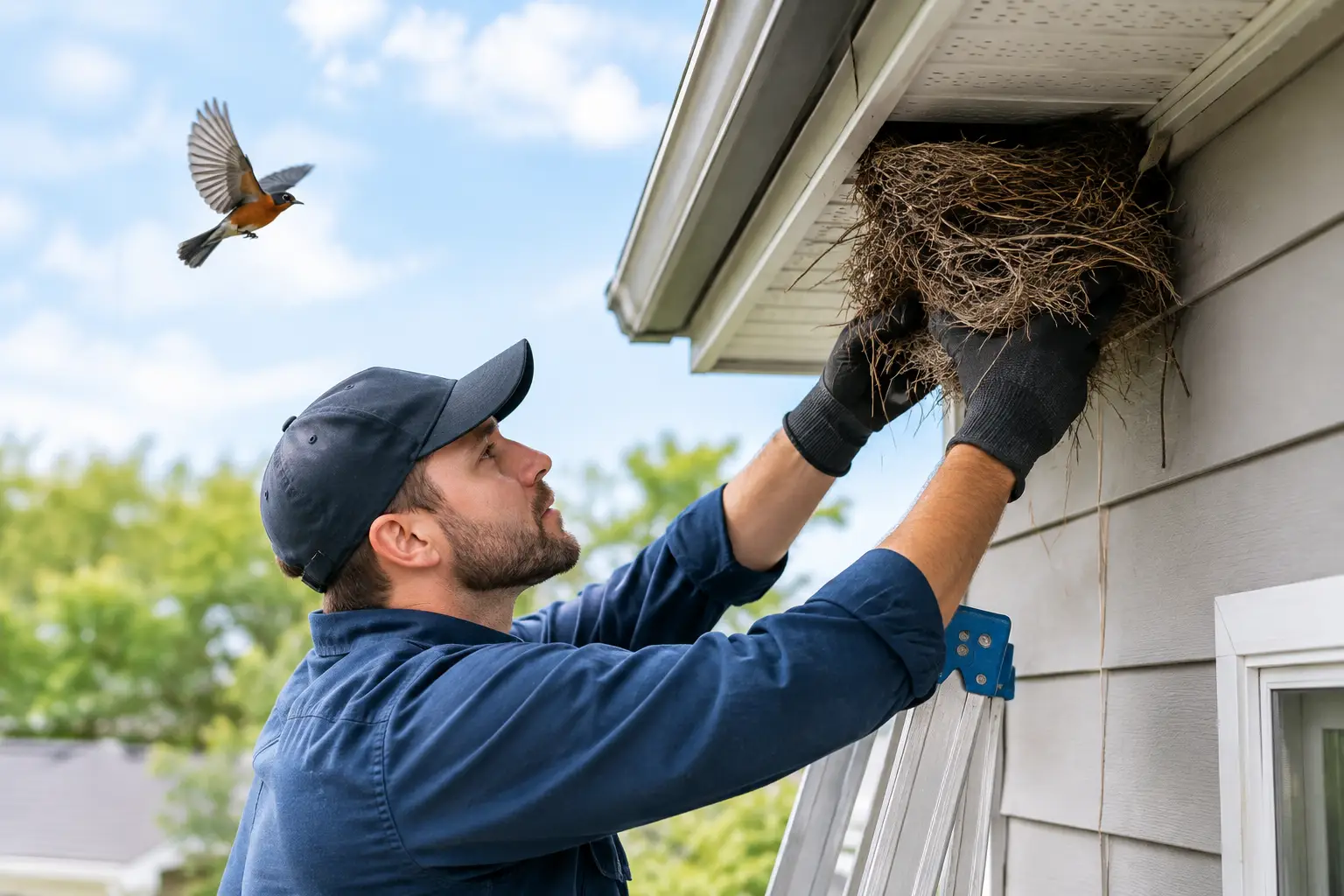
A raccoon in the attic at 2 a.m. or pigeons nesting under solar panels can make any property owner ask the same question fast: is animal control humane? The short answer is yes – when the work is done by trained professionals using species-specific methods, legal standards, and a full plan for removal, cleanup, and prevention. But the real answer depends on who is doing the work, what animal is involved, and whether the goal is relocation, exclusion, or emergency control tied to health and safety.
For homeowners, landlords, and facility managers in New York City and New Jersey, that distinction matters. Humane animal control is not just about catching an animal without hurting it. It is about reducing suffering, protecting people, following local rules, and making sure the same problem does not come right back through the same hole in the roof or gap along the foundation.
What humane animal control actually means
Humane animal control means using the least harmful effective method for the situation. In practice, that usually starts with a detailed inspection. A technician has to identify the species, where it entered, whether babies are present, how long the problem has been active, and what health risks exist on site. A squirrel in an attic is handled differently than bats in a soffit, rats in a restaurant wall, or a dead animal inside a crawl space.
Humane work is also bigger than trapping. If an animal is removed but nesting material, droppings, urine contamination, and open entry points are left behind, the job is incomplete. That can expose people to odor, bacteria, parasites, and repeated intrusion. A humane result protects both the animal during removal and the people who live or work in the structure afterward.
That is why professional wildlife control often includes one-way exits, hand removal of dependent young when appropriate, live trapping where allowed and effective, sanitation, and exclusion repairs. The end goal is not simply to get an animal off the property. It is to resolve the conflict responsibly.
Is animal control humane in every situation?
Not automatically. The phrase sounds simple, but field conditions are not. Humane standards depend on timing, species, law, and risk level.
For example, if baby raccoons are in an attic, sealing the mother out without checking for a den is not humane and it creates a bigger problem inside the building. If bats are present during a restricted season, exclusion may need to be timed carefully to avoid trapping flightless young inside. If rats are spreading contamination in a food-handling facility, the response may need to move faster and rely on a different control strategy than a squirrel on a detached shed.
So when people ask, “is animal control humane,” the better question is, “is the method appropriate for this exact situation?” Humane service is not one-size-fits-all. It is based on what solves the problem with the least unnecessary harm.
Humane removal starts with the right method
Different wildlife problems call for different techniques. The most humane companies do not force every job into the same playbook.
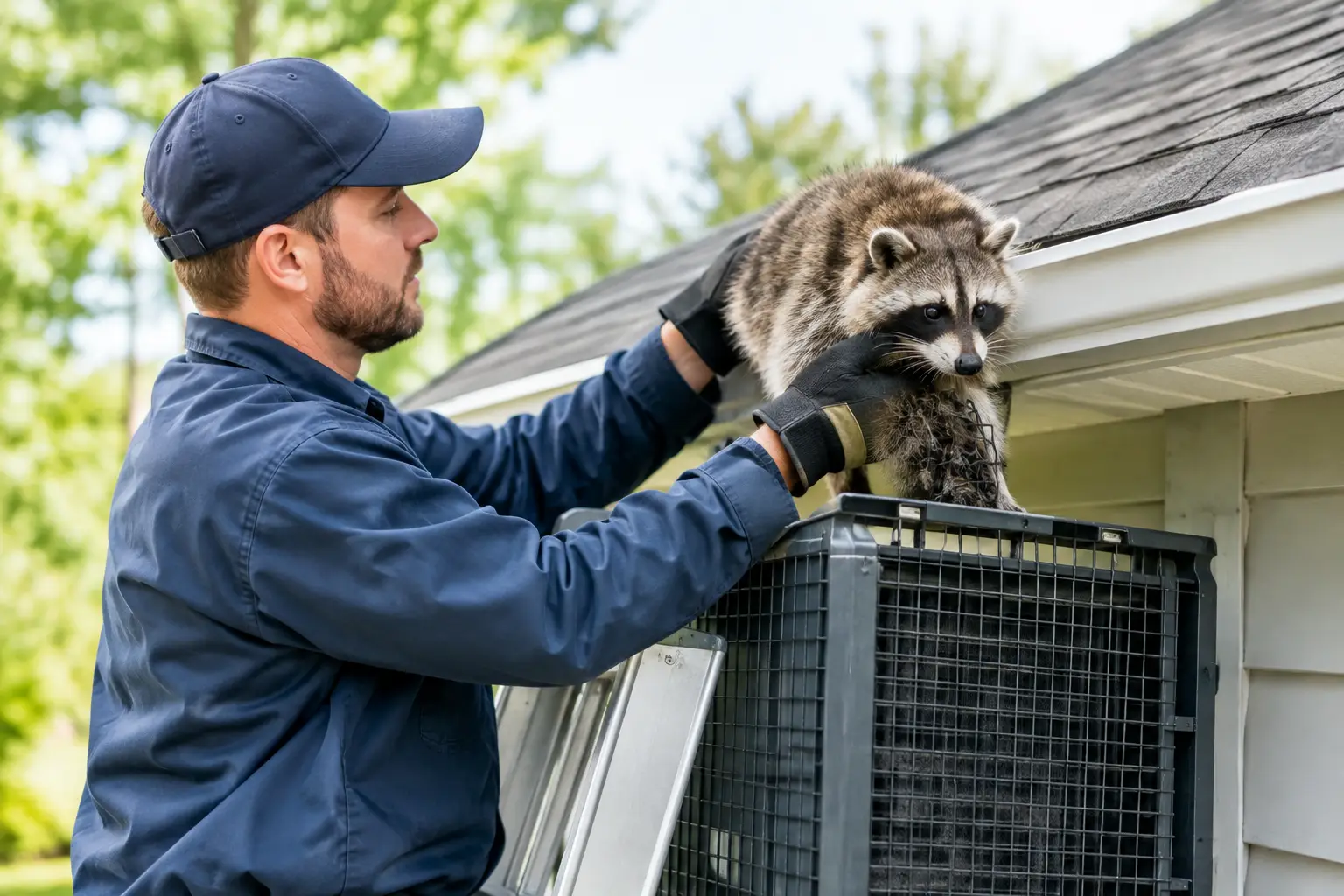
For squirrels, raccoons, and opossums, humane removal often means locating the active entry point, confirming whether young are present, and using trapping or direct removal in a way that keeps the family unit from being separated unnecessarily. For birds, the focus is often exclusion, nest management where legally allowed, and barrier systems that stop re-entry without injuring the animals. For bats, humane control is usually centered on proper exclusion devices and sealing secondary openings only after the colony can exit safely.
Rodent control is where people often have the strongest reaction. Mice and rats reproduce quickly, contaminate insulation, and create serious health concerns. Humane rodent control still prioritizes safety and effective population reduction, but it also means reducing suffering through professional placement, monitoring, and prevention work instead of letting an infestation spiral. In dense NYC and NJ environments, delaying rodent control is often the least humane option for both occupants and the animals, because unchecked infestations lead to worse outcomes across the board.
What makes animal control inhumane
The warning signs are usually clear. Inhumane work tends to be rushed, poorly planned, or focused only on removing visible animals while ignoring the rest of the problem.
A few common examples include trapping without checking traps promptly, sealing entry holes while animals are still inside, separating mothers from young carelessly, using methods that do not match the target species, or failing to address heat, dehydration, or stress during handling. Another major issue is abandoning sanitation and repair work. If contaminated insulation, feces, and urine-soaked materials remain in place, the property is still unsafe.
Property owners should also be cautious with anyone who gives a price over the phone without inspection, promises instant relocation as the answer to every wildlife problem, or talks only about removal but not exclusion. Humane control requires diagnosis, not guesswork.
Why exclusion is often the most humane solution
The public often thinks humane animal control means live trapping and relocating every animal. In reality, exclusion is frequently the better answer.
Exclusion means closing off access points so animals cannot re-enter the structure. That may include sealing roof gaps, screening vents, protecting ridge vents, repairing soffits, securing crawl spaces, installing gutter guards, or animal-proofing areas under solar panels. When done at the right time and with the right species-specific process, exclusion prevents repeat invasions without turning the property into a revolving door for wildlife.
Relocation sounds compassionate, but it has trade-offs. Moved animals can struggle to find food, shelter, or territory, and some species may try to return or create new conflicts nearby. Depending on local rules and the animal involved, relocation may also be restricted or not recommended. Humane service means choosing what is best supported by law, biology, and public safety – not what simply sounds nicest at first glance.
Humane animal control protects people too
A humane approach does not put animal welfare on one side and human safety on the other. It addresses both.
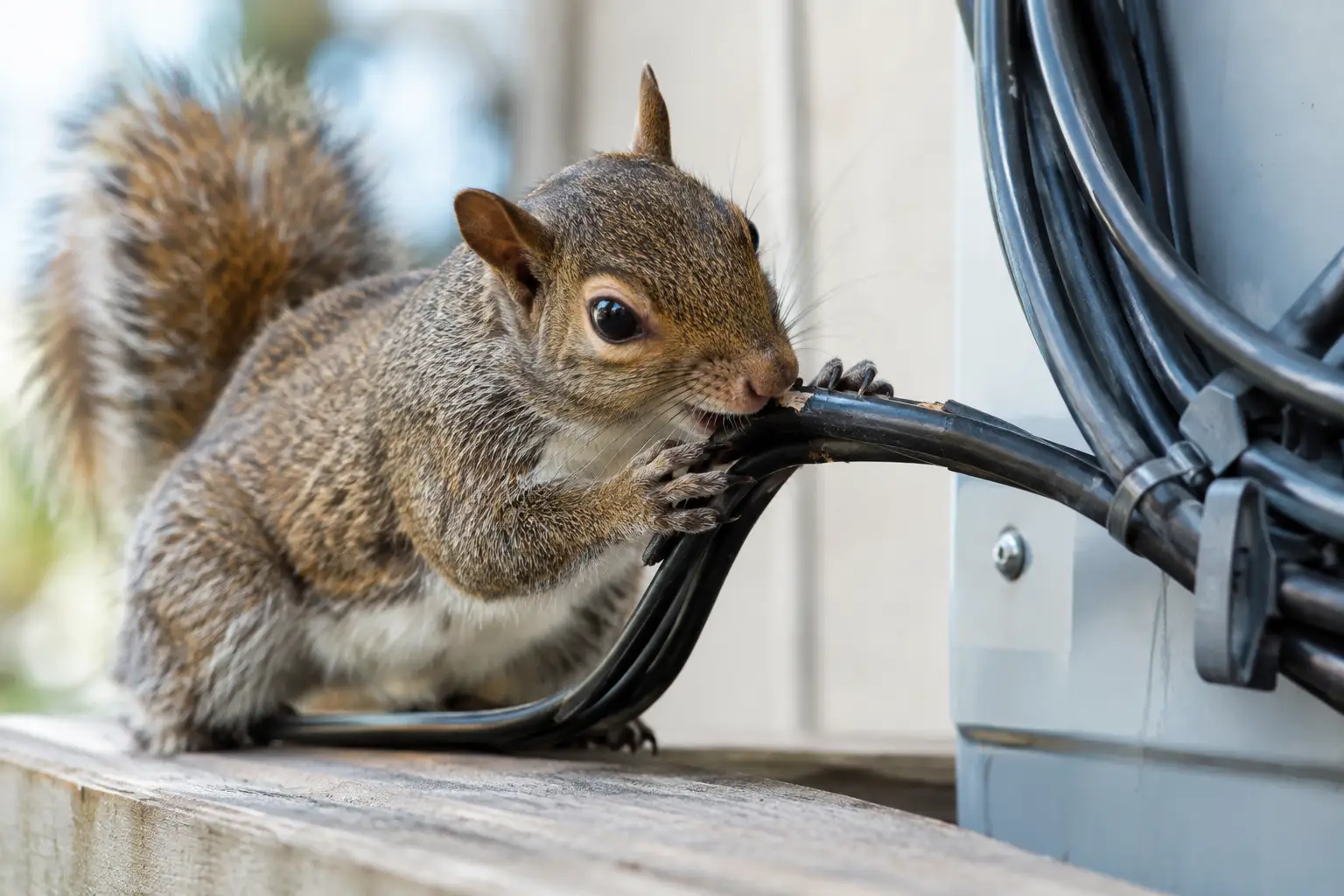
Wildlife in buildings can create fire hazards, structural damage, foul odors, noise complaints, and contamination issues. Bats can raise rabies concerns. Birds and rodents can spread disease organisms through droppings and nesting debris. Raccoons and squirrels can damage insulation, wiring, and ductwork. In apartment buildings, commercial properties, and multi-tenant spaces, one untreated wildlife issue can affect many occupants quickly.
That is why professional removal should lead into cleanup, disinfecting, deodorizing, and restoration. If attic insulation is destroyed, replacing it matters. If a crawl space has been contaminated, sealing and sanitizing it matters. If an opening near the roofline brought animals in once, repairing it matters. Humane service is complete service.
How to tell if a company uses humane animal control
Start with the inspection process. A reputable company should want to see the site, identify the species, and explain what method fits the job. They should discuss entry points, nesting conditions, cleanup needs, and what happens after the animals are removed.
Ask practical questions. Will they check for young? How often are traps monitored? What exclusion work is included? Will they remove contaminated material and disinfect the area? Do they handle repairs or leave you to find another contractor? Those answers tell you a lot more than a generic promise about being humane.
For property owners in NYC and NJ, local experience also matters. Urban and suburban wildlife behavior is different from what you see in rural areas. Row homes, apartment buildings, warehouses, retail sites, and tight rooflines create access issues that require skilled hands. Animal Control NYC & NJ is built around that reality, with service that covers removal, sanitation, proofing, and repair under one response plan.
When fast action is the humane choice
Some people wait because they are worried removal will be cruel. The problem is that delay often makes the situation harder on everyone.
A raccoon den gets larger. A squirrel chews more wiring. A rat population expands behind walls. A dead animal decomposes deeper into the structure. A bird problem spreads from one vent opening to a larger section of the building. By the time the odor, noise, or contamination becomes unbearable, humane options may be narrower and repairs more expensive.
Fast action gives professionals more room to solve the problem cleanly. It improves the odds of safe removal, proper cleanup, and limited structural damage. That is especially true during breeding seasons and in occupied buildings where health risks are already in play.
If wildlife has entered your attic, roofline, crawl space, storefront, or commercial building, the right move is not to hope it leaves on its own. The right move is to get a professional inspection and make sure the response is humane, lawful, and complete from removal through repair.