Rodents do not just nest in attic insulation. They urinate, leave droppings, shred materials for bedding, and create pathways that can spread contamination far beyond the visible nest. The best insulation after rodent infestation is usually new insulation installed only after the animals are removed, contaminated materials are handled safely, and every entry point is sealed.
For NYC and New Jersey property owners, this sequence matters. Reinsulating an attic before exclusion is complete can turn a repair into a repeat infestation. The right material can improve comfort and energy performance, but it cannot compensate for an open roof gap, damaged soffit, unprotected vent, or utility-line entry.
When Rodent-Damaged Insulation Should Be Replaced
A small, isolated mouse issue does not always require a full attic insulation replacement. If droppings are limited to one accessible area and insulation remains dry, a trained remediation crew may be able to remove the affected material and sanitize the surrounding surfaces. The decision should be based on the extent of contamination, not just the number of rodents seen.
Full removal is generally the safer option when insulation has widespread droppings or urine staining, strong odor, nesting tunnels, moisture damage, dead rodents, or signs of mold. This is especially common in attics where rats, mice, squirrels, or raccoons have been active over several seasons. Loose-fill insulation can be difficult to clean completely because contamination falls through the material and may be distributed across large areas.
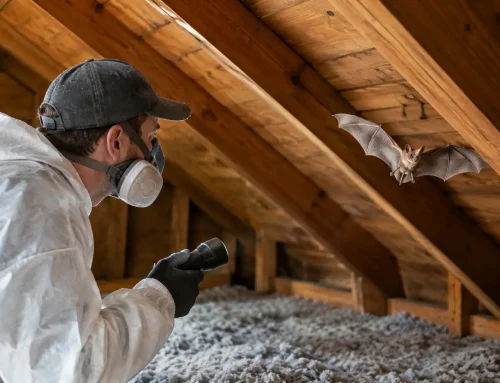
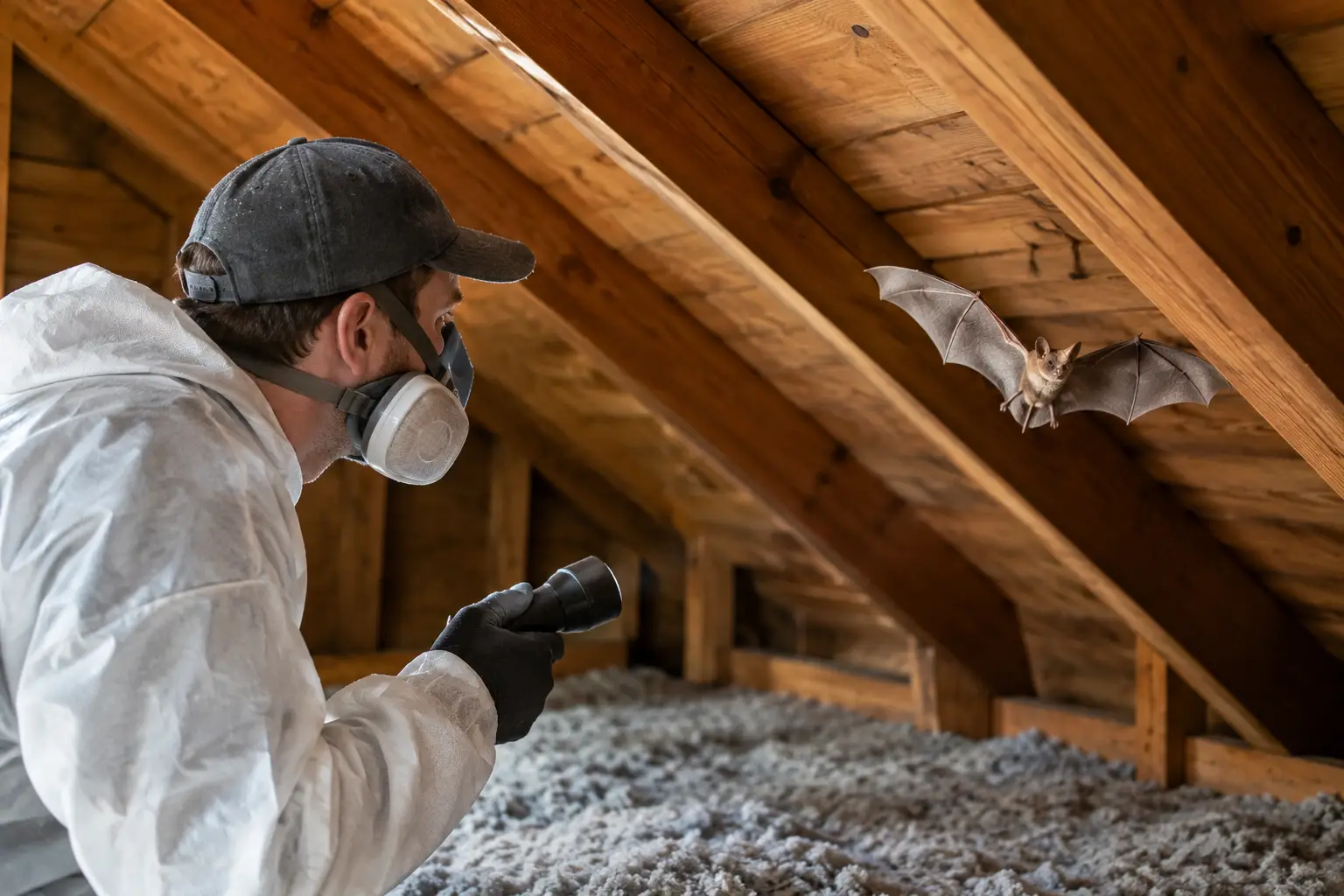
Rodent waste should not be dry-swept or vacuumed with a standard household vacuum. Disturbing dry droppings can send contaminated dust into the air. Professional removal uses controlled methods, proper protective equipment, containment practices, and HEPA-filtered equipment where appropriate. Once damaged insulation is out, exposed framing and attic surfaces can be disinfected and inspected for moisture, chewing damage, and hidden access points.
Best Insulation After Rodent Infestation: Top Material Choices
There is no single insulation material that makes a building rodent-proof. Rodents can nest in fiberglass, cellulose, and foam if they can get inside the structure. The best choice depends on the attic or crawl space, the level of past damage, local energy needs, and whether exclusion repairs have been completed.
Fiberglass insulation is often the practical choice
Fiberglass batts or blown-in fiberglass are common choices after a rodent cleanup. Fiberglass does not provide rodents with an edible food source, and it does not retain moisture as easily as some organic materials. It is also widely available, cost-effective, and suitable for restoring attic R-value after old material has been removed.
Blown-in fiberglass works well for open attic floors because it can cover irregular spaces and achieve consistent depth. Batts can be useful in accessible areas where careful placement around wiring, pipes, and framing is needed. The limitation is simple: fiberglass still becomes a nest if rodents regain access. It must be paired with durable exclusion work.
Cellulose can perform well, with the right conditions
Cellulose is made primarily from recycled paper products treated for fire and pest resistance. It can provide strong thermal performance and fills gaps effectively when professionally installed. Some property owners choose it for its recycled content and dense coverage.
After a serious rodent infestation, however, cellulose may not be the first choice for every property. It is still a loose-fill material that can hold odor and contamination when animals nest or urinate in it. If a future intrusion occurs, replacement may be more likely than localized cleaning. Cellulose is a reasonable option once the attic has been thoroughly restored and animal-proofed, but it is not a substitute for sealing the structure.
Mineral wool offers moisture and fire resistance
Mineral wool is a durable option for certain attic, wall, and crawl space applications. It resists moisture better than many traditional materials and has excellent fire-resistant properties. It is denser than fiberglass and can be useful where sound control is also a concern, such as a multifamily building or commercial space.
Its cost is often higher, and it may not be the most efficient choice for every large open attic floor. Still, mineral wool batts can be a strong fit around targeted repair areas, wall cavities, and locations that need a more resilient material.
Spray foam has a specific role, not a blanket solution
Closed-cell spray foam can help air-seal certain building cavities while adding insulation. It may be useful around rim joists, difficult penetrations, and areas where air leakage has contributed to drafts or moisture problems. It is not usually the first choice for covering an entire attic floor after rodent removal.
Spray foam is more expensive, can make future wiring or roof repairs harder, and should be installed only after all animal activity is resolved. Foam placed over contamination or active entry points traps the underlying problem instead of fixing it. A qualified inspection should determine where foam makes sense and where conventional insulation is more practical.
Exclusion Must Come Before New Insulation
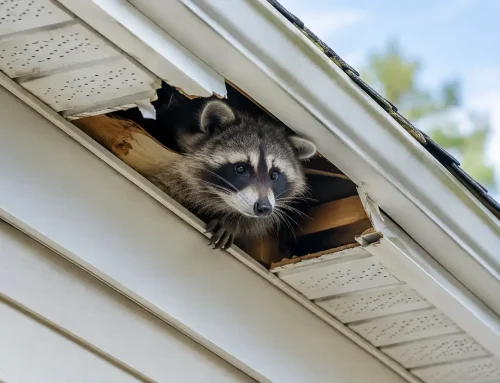
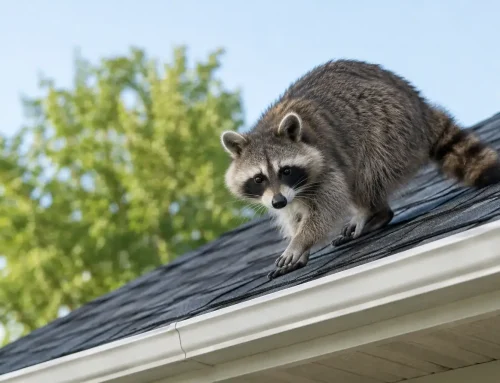
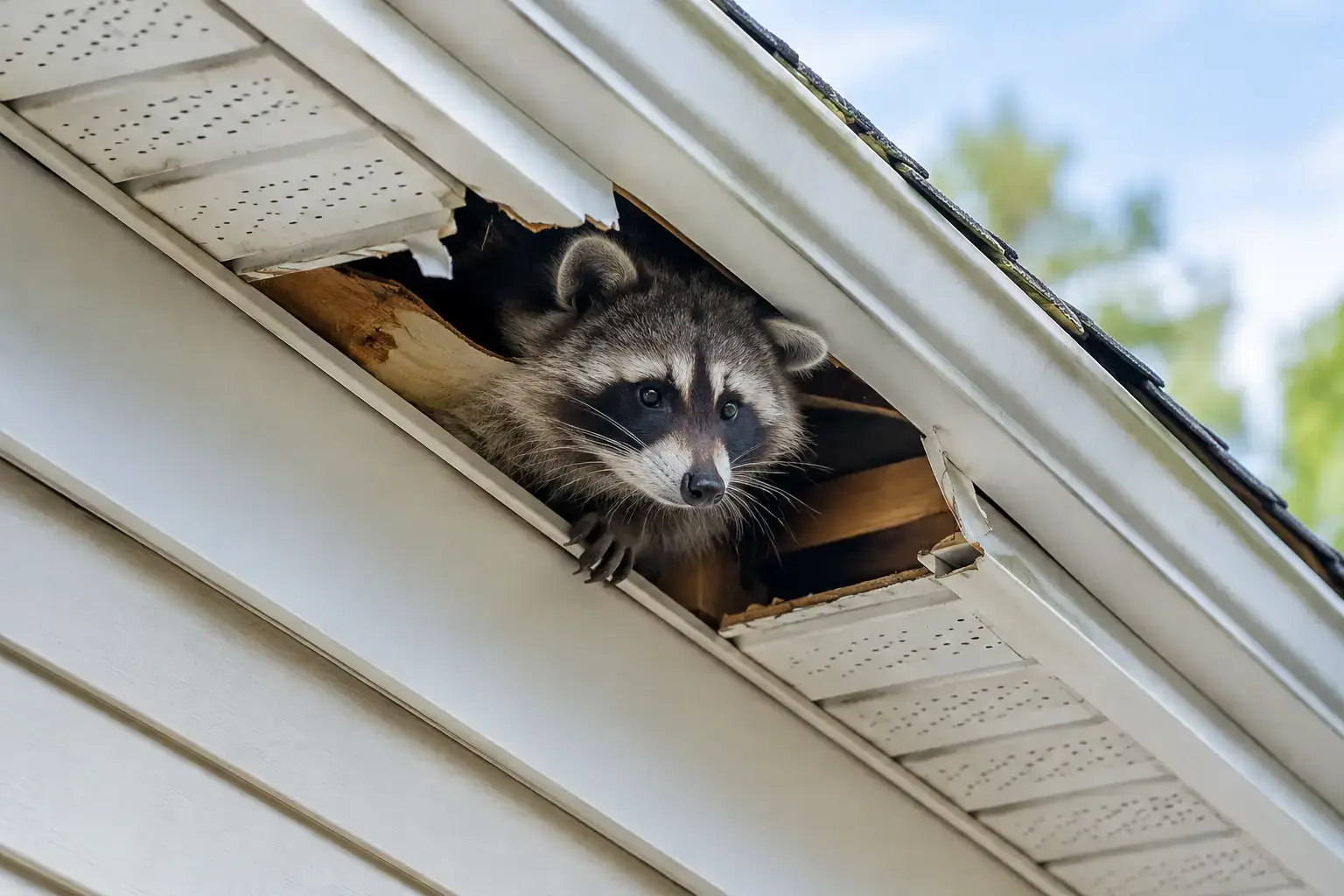
The insulation decision is only half the job. Rats and mice can enter through gaps as small as a quarter-inch, while squirrels, raccoons, and other wildlife exploit larger roofline openings. Common entry points include loose soffits, roof returns, damaged fascia, open construction gaps, uncapped pipes, exterior vents, and deteriorated chimney flashing.
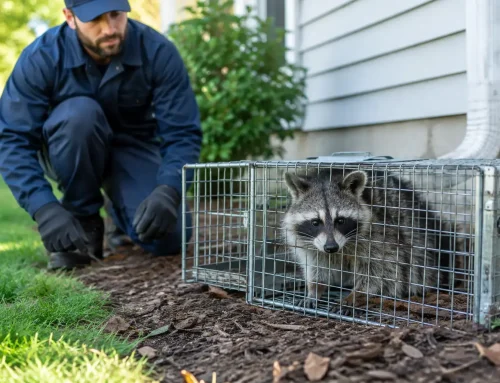
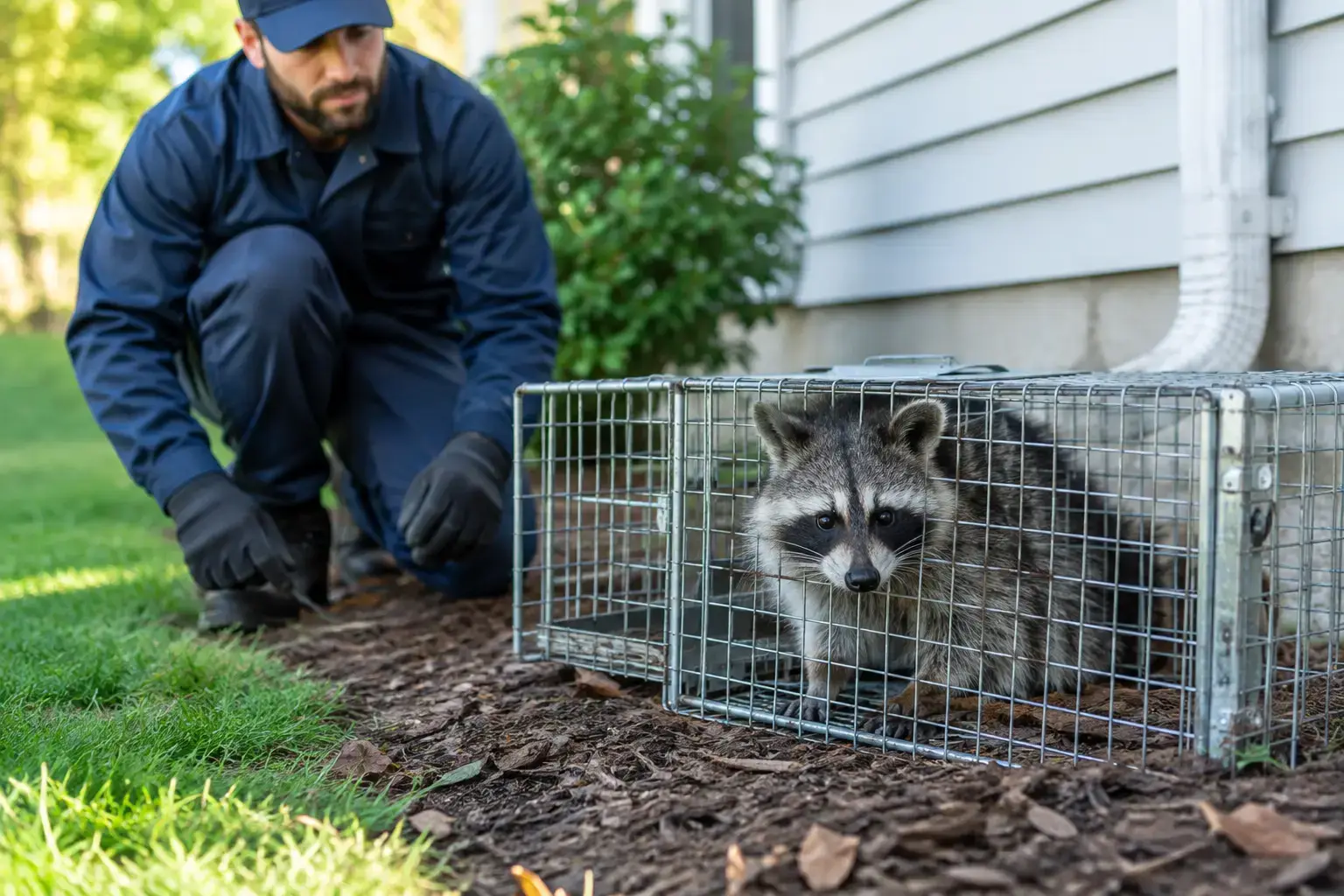
A complete restoration starts with species-specific removal. One-way exits, humane trapping, and targeted removal methods are selected based on the animal involved and the structure. Sealing must happen at the correct time. Closing an opening while animals are still inside can leave them trapped in walls or drive them deeper into the building.
After removal, exclusion repairs should use materials that animals cannot easily chew, pull apart, or bend. Professional-grade screening, metal flashing, vent protection, and structural repairs are more reliable than temporary foam, caulk, or light mesh. Those quick patches may block a draft, but they often fail when a determined rodent returns.
Do Not Insulate Over the Source of an Odor
A persistent attic odor after rodents are gone may indicate urine-soaked insulation, a dead animal, damp wood, or mold growth. Adding fresh insulation over the area can make it harder to find and treat the source. It can also allow odors to move into living spaces through ceiling openings, recessed lighting, duct chases, and other gaps.
Before reinsulation, the attic or crawl space should be checked for dead animals, damaged ductwork, exposed electrical wiring, compressed insulation, and roof or plumbing leaks. Rodents often reveal existing building problems because they are drawn to warmth, shelter, and accessible water. Correcting those conditions protects both the property and the new insulation investment.
For rental buildings, commercial properties, and shared-wall structures, a broader inspection may be needed. Rodents can move between units through utility penetrations and voids, so treating only one attic may not stop a building-wide issue. Property managers should document remediation, repair common access points, and address garbage storage or exterior conditions that attract rodents.
How Much Insulation Is Enough in NYC and NJ?
After cleanup, insulation should be restored to a level appropriate for the building and current local energy recommendations. Many older homes across New York City and New Jersey have uneven, compressed, or insufficient attic insulation even before wildlife causes damage. Replacing contaminated material is an opportunity to correct poor coverage and reduce heat loss.
The right R-value depends on the location, attic configuration, existing insulation, ventilation, and whether the space contains ducts or mechanical equipment. More insulation is not automatically better if it blocks soffit ventilation, buries recessed fixtures that are not rated for coverage, or traps moisture. Proper installation keeps airflow pathways open while creating continuous thermal coverage.
A professional inspection should also identify whether air sealing is needed before insulation goes in. Sealing gaps around plumbing stacks, wiring penetrations, top plates, and attic hatches can significantly improve performance. This work should be done with fire-safety requirements and building conditions in mind, not with random canned foam applied across the attic.
A Complete Recovery Is Better Than a Quick Patch
The lowest-cost insulation choice can become expensive if rodents return six months later. The better investment is a full recovery plan: remove the animals, eliminate contaminated insulation where necessary, disinfect affected surfaces, repair the entry points, and install insulation suited to the space.
Animal Control NYC & NJ handles wildlife removal, attic cleanup, insulation replacement, and exclusion repairs as one coordinated service. That matters when a homeowner or property manager needs a clean attic and a permanent solution, not another temporary patch.
If you can smell the infestation, see droppings, or find torn insulation near an exterior opening, do not wait for colder weather to expose the problem. A proper inspection now can protect indoor air quality, prevent further structural damage, and ensure your replacement insulation stays clean, dry, and where it belongs.