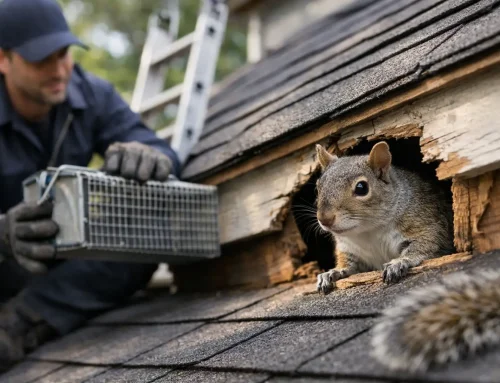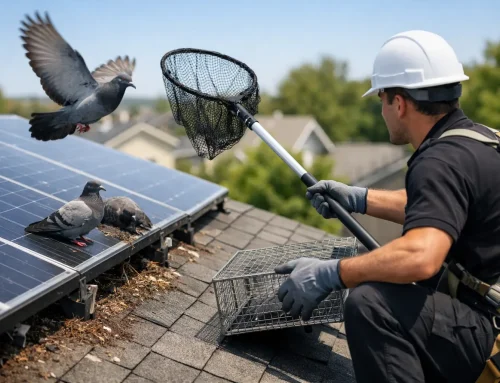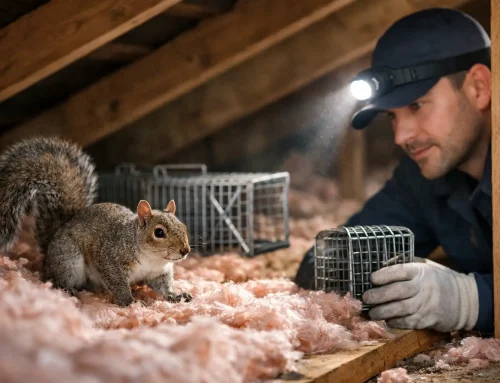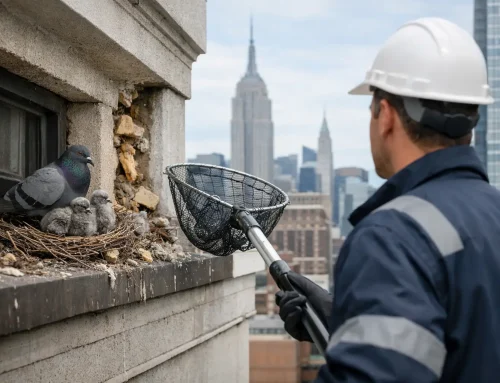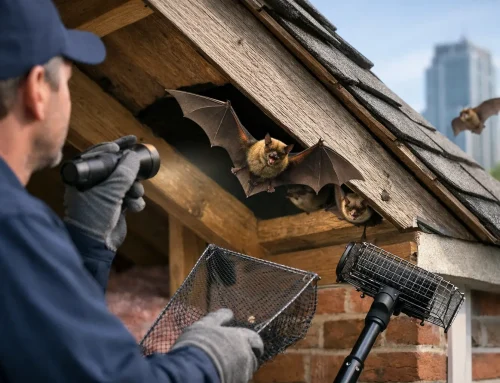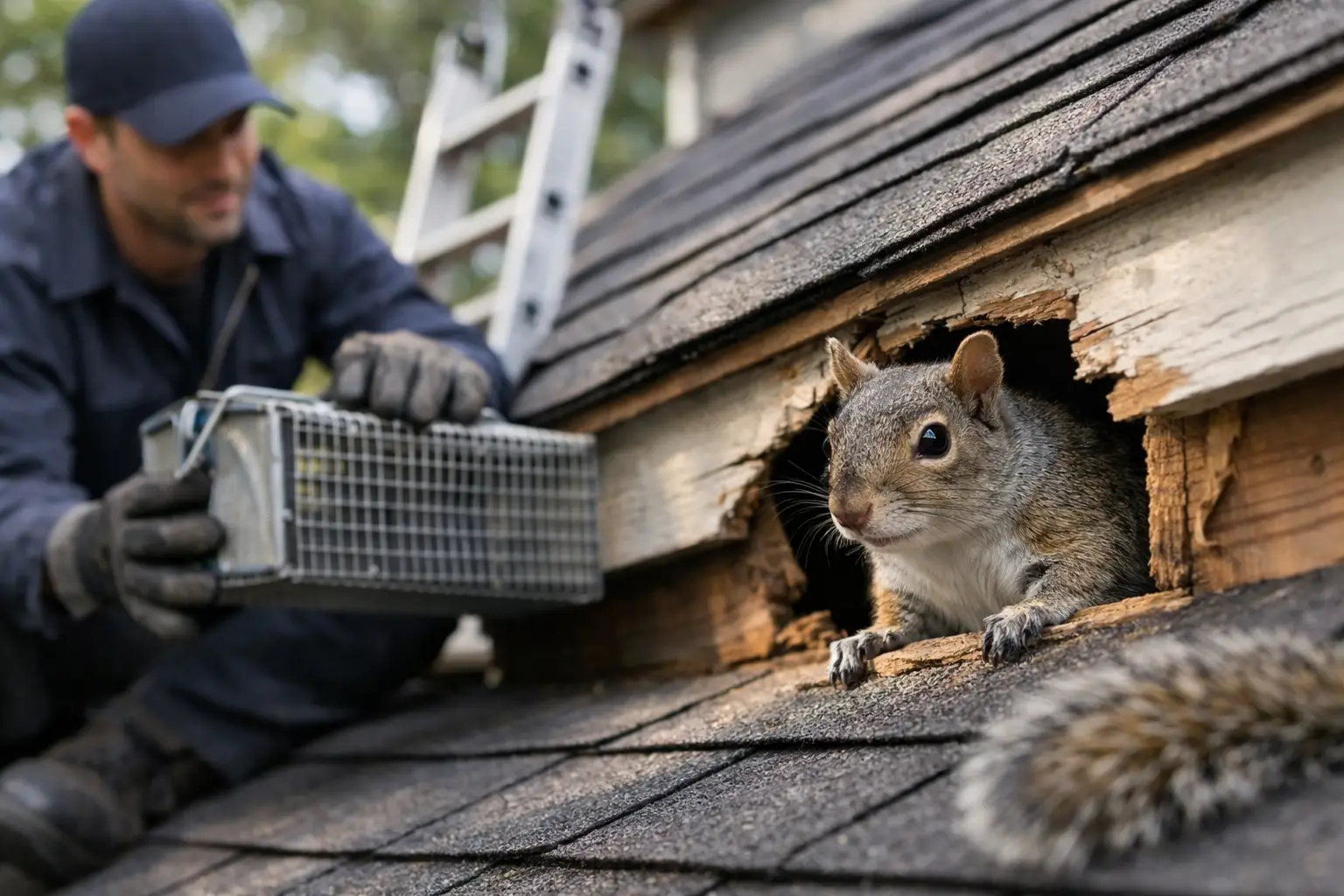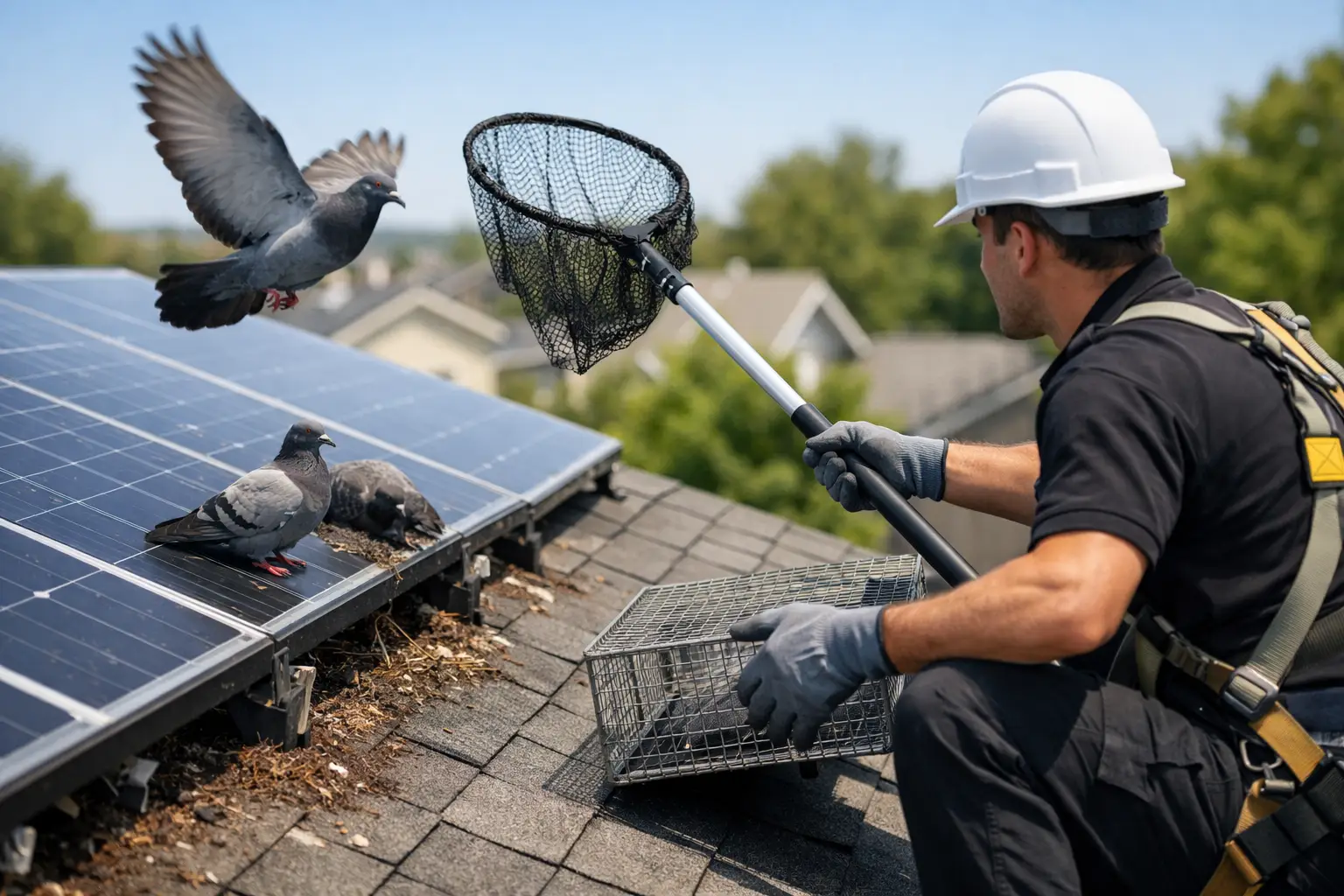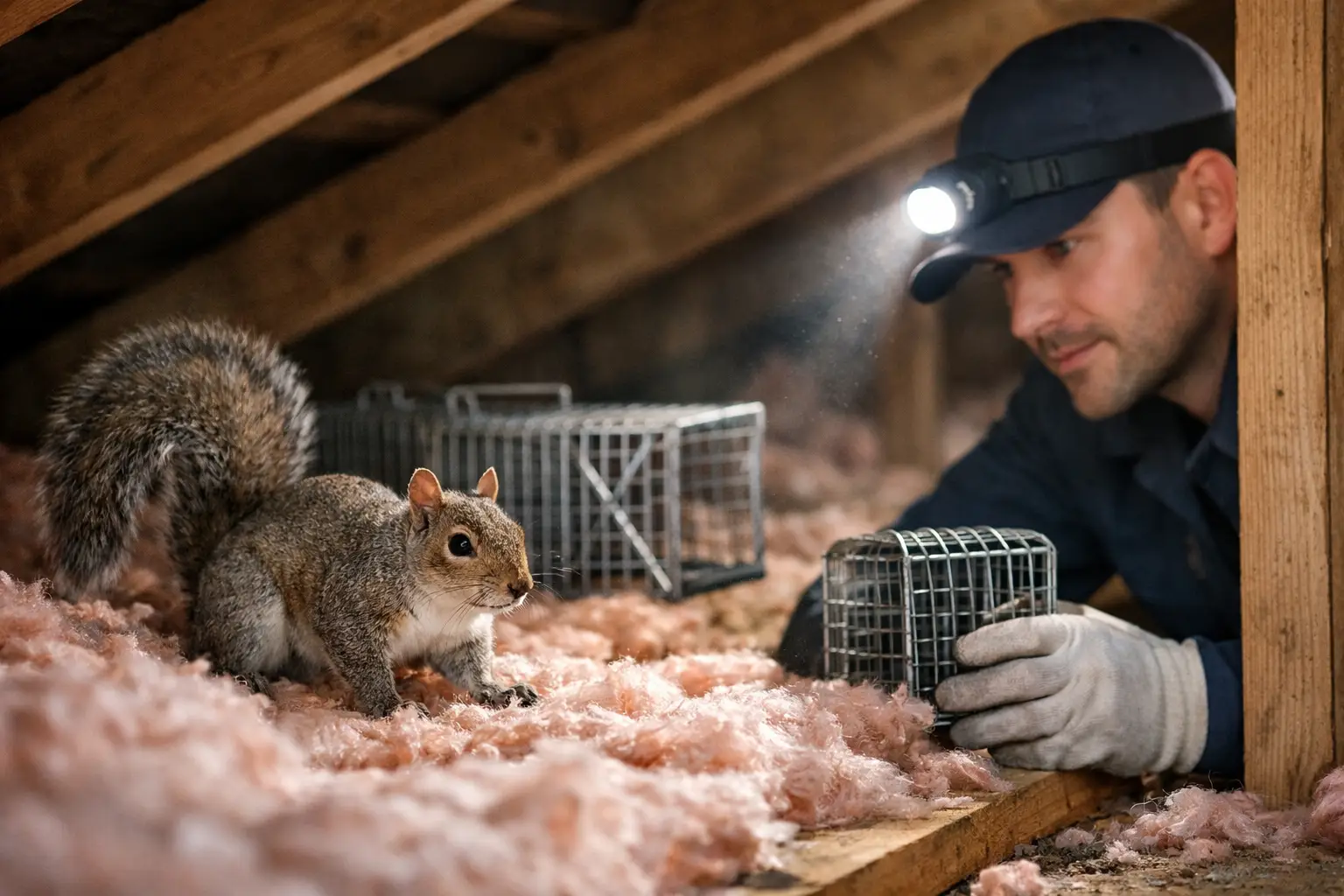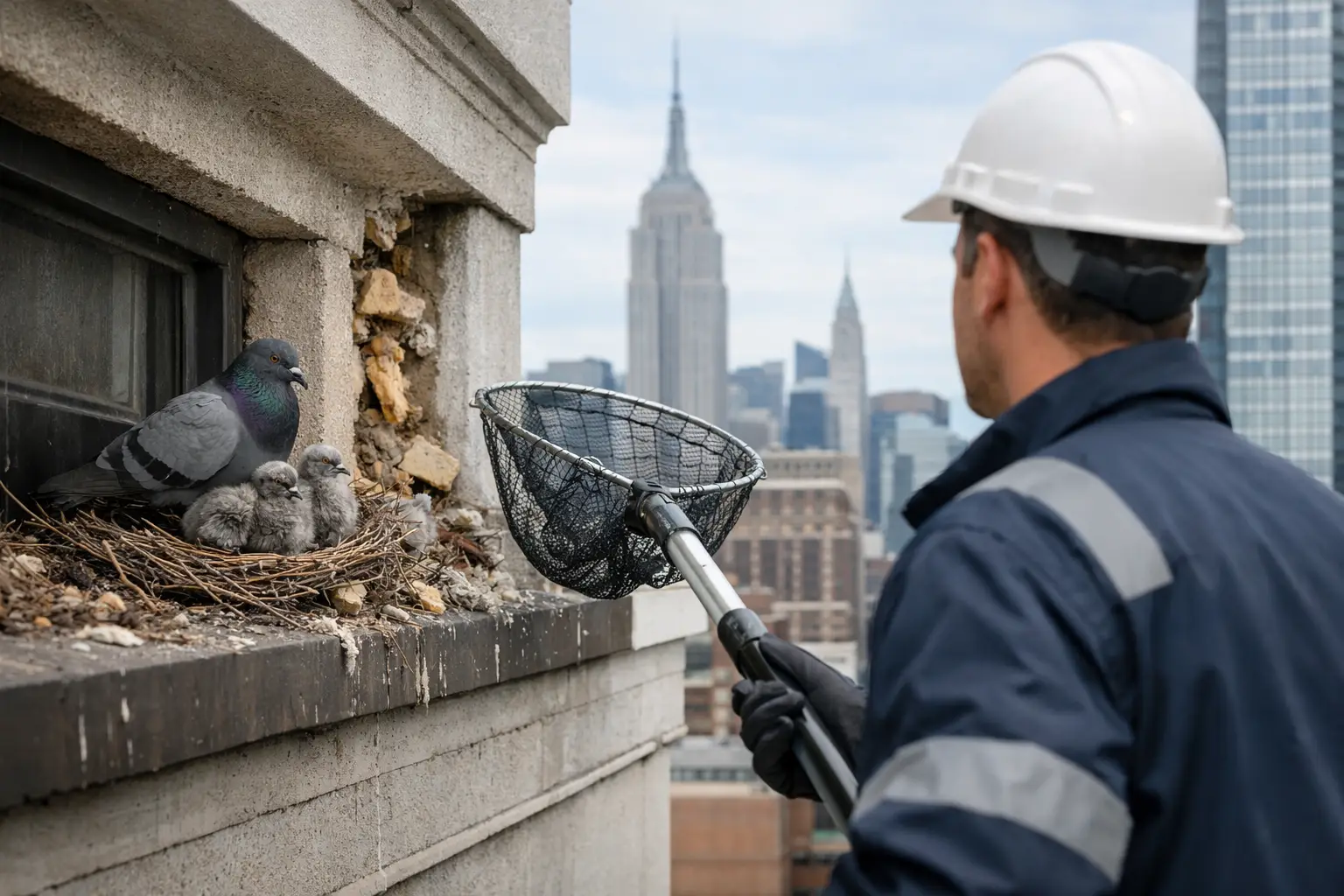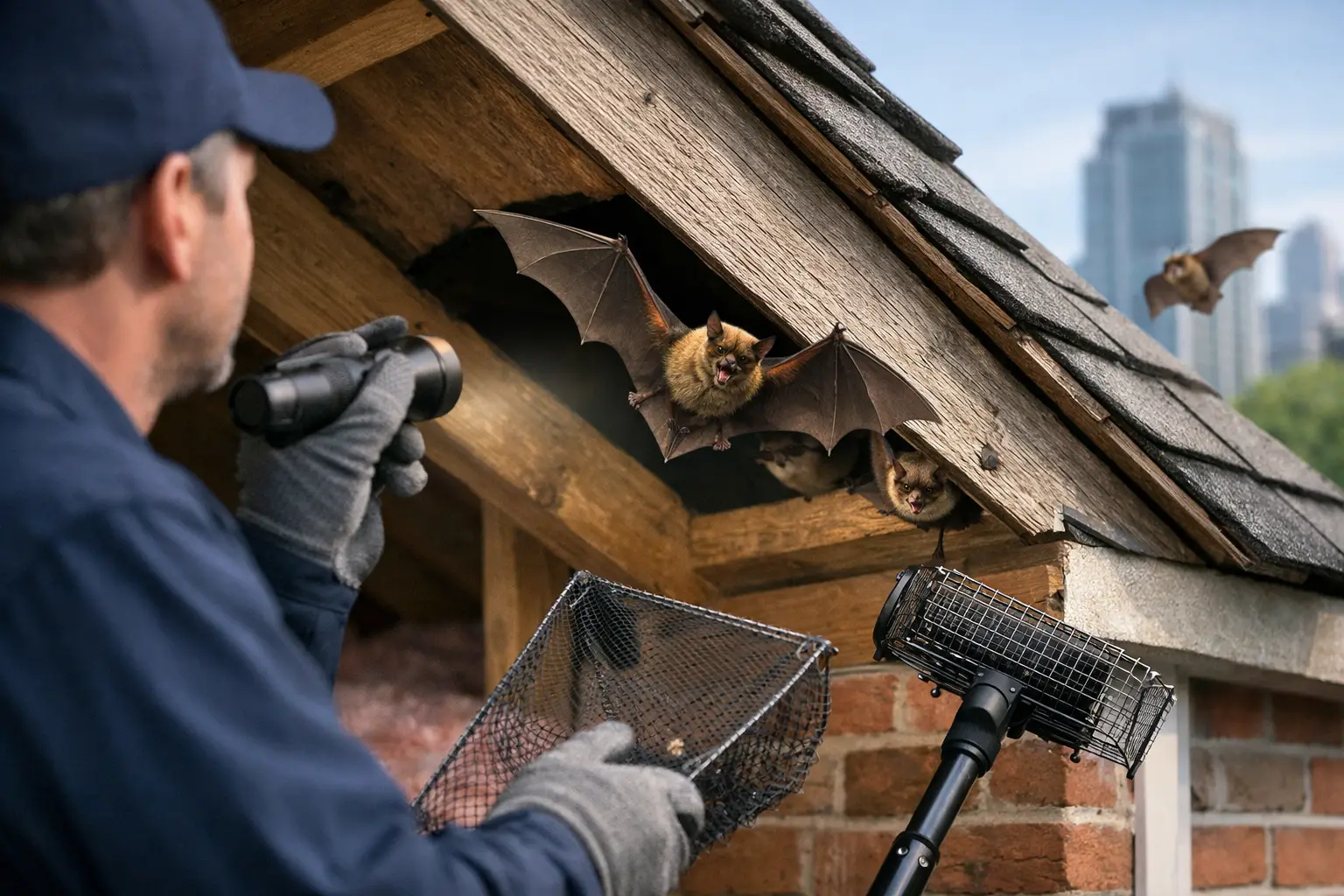
A raccoon in the attic or rats in the crawl space rarely leave with the problem. Once animals nest, urinate, drag in debris, or die inside a structure, moisture and contamination can build fast. That is why mold cleanup after animals has to be treated as a restoration job, not a simple spray-and-wipe task.
In homes and commercial buildings across NYC and New Jersey, we see the same pattern: the animal intrusion gets attention first, but the odor, staining, wet insulation, and mold growth are what keep the property unsafe and unusable. If the cleanup is incomplete, the smell lingers, mold returns, and the space can keep attracting new wildlife.
Why mold shows up after animal activity
Animals create the exact conditions mold needs. Urine soaks insulation, nesting materials trap humidity, and droppings hold moisture against wood and drywall. In attics, soffits, crawl spaces, and wall voids, airflow is already limited. Add repeated animal activity and the area can stay damp long enough for mold colonies to spread.
The type of animal matters, but the result is often similar. Raccoons can tear apart insulation and leave large urine latrine areas. Birds and bats create heavy organic buildup that stays damp. Squirrels and rats shred materials for nests and contaminate enclosed cavities. If a dead animal is involved, decomposition adds another layer of moisture and biohazard concerns.
This is where many property owners lose time and money. They assume removing the animal solved the issue, when the real damage is still sitting behind the ceiling, under the insulation, or inside the crawl space.
Mold cleanup after animals is not basic housekeeping
A lot of DIY cleanup attempts fail for one reason: they focus on what is visible. Spraying bleach on a dark stain in the attic might lighten the surface, but it does not remove soaked insulation, contaminated nesting material, or moisture trapped in the structure.
Professional mold cleanup after animals usually involves several steps working together. First comes the animal removal or confirmation that the intrusion is over. Then the contaminated materials have to be identified and removed safely. After that, the area needs sanitation, mold treatment, drying, and often repairs or exclusion work so the same problem does not come back.
There is also a health issue. Mold is one concern, but animal contamination can bring bacteria, parasites, and airborne particles from droppings and urine. In enclosed spaces, disturbing those materials without proper containment can spread contamination further into the property.
What a proper cleanup process should include
The first step is inspection. Not every attic stain is mold, and not every mold patch means the whole attic needs to be stripped. A trained technician looks at the source of moisture, the extent of animal contamination, the condition of insulation, and whether the damage has reached framing, drywall, or HVAC pathways.
The next step is controlled removal of contaminated materials. That often means insulation, nesting debris, droppings, and any porous material that cannot be reliably cleaned. If the infestation was active for a long time, spot treatment is usually not enough. Partial removal may leave odor pockets and contaminated sections behind.
After debris removal, the structural surfaces need to be cleaned and treated. Depending on the site, that may include disinfecting wood, vacuuming with commercial filtration equipment, applying mold remediation products, and drying the area to stop regrowth. If moisture came from roof leaks, plumbing issues, or condensation worsened by animal damage, that source has to be corrected too.
The last step is restoration and prevention. In many cases, fresh insulation is installed, access points are sealed, vent covers are upgraded, and damaged materials are repaired. If that part is skipped, you are paying to clean a space that may be reinfested.
Areas where the damage is often worse than it looks
Attics are the most common problem area because they give animals warmth, cover, and easy nesting material. By the time a homeowner hears scratching, the insulation may already be saturated and compressed. Mold can spread along roof decking, rafters, and the top side of ceiling drywall.
Crawl spaces are another major trouble spot. They stay dark, damp, and poorly ventilated, so contamination lingers. A small rodent issue under a building can turn into widespread odor, mold on joists, and moisture-damaged insulation.
Wall voids, drop ceilings, storage rooms, and commercial utility spaces also deserve attention. In multifamily buildings and mixed-use properties, contamination may spread beyond the original entry point. What starts in one unit or one roofline section can become a property-wide sanitation and mold issue.
Why timing matters
The longer contaminated material sits, the harder and more expensive the cleanup gets. Mold does not need a flood to grow. Repeated urine, wet nesting debris, and trapped humidity can be enough. In summer, heat speeds odor buildup. In winter, poor ventilation and condensation can make enclosed spaces stay wet for weeks.
Fast action matters for another reason: liability. For landlords, property managers, and business owners, a known contamination issue can quickly turn into tenant complaints, occupancy problems, and repair escalation. If animals have affected a shared attic, crawl space, or commercial ceiling area, delaying cleanup can increase both health concerns and restoration costs.
When DIY makes the problem worse
Small surface cleanup in an open, non-contaminated area may be manageable, but most animal-related mold situations are not clean or simple. Property owners often underestimate how far urine spreads into insulation or how much organic waste is hidden under debris. They bag some material, spray a cleaner, and assume the odor will fade. Then the smell returns, mold reappears, or flies and insects show up because the source was never fully removed.
There is also a safety trade-off. Entering an attic with raccoon waste, bird droppings, or rodent contamination without proper protective equipment is not worth the risk. The same goes for disturbing mold in tight, poorly ventilated spaces. A professional crew is not just there to clean faster. They are there to contain the mess, remove the damaged material correctly, and restore the area without spreading contamination through the building.
What NYC and NJ property owners should expect from a full-service response
In this market, speed matters. Whether you manage a brownstone in Brooklyn, a retail property in Newark, or a single-family home in Bergen County, you need one company that can handle the full chain of work. That means inspection, humane animal removal, contaminated material removal, mold remediation, sanitation, insulation replacement, and entry-point sealing.
Animal Control NYC & NJ is built around that model because splitting the job between multiple contractors wastes time and leaves gaps. One vendor removes the raccoon, another looks at mold, and a third comes back for repairs. Meanwhile the odor stays in the attic and the animal access point is still open. A complete response is faster, cleaner, and more reliable.
How to tell you need professional help now
If you notice a strong ammonia odor, stained attic insulation, visible mold near nesting areas, droppings in ceiling spaces, or recurring animal smells after removal, the cleanup is probably beyond a basic maintenance job. The same is true if tenants are complaining about odors, if insulation has been pulled apart, or if you had birds, bats, raccoons, or rodents inside a confined part of the building.
Another red flag is repeat intrusion. If animals keep returning to the same attic, soffit, or crawl space, there is a good chance old contamination and odor are still present. Wildlife often re-enter places that already feel habitable.
The right move is to treat the issue as a property recovery problem, not just an animal sighting. Remove the source, clean the contamination, restore the damaged area, and close the entry points. That is how you get back to a clean, safe structure instead of dealing with the same smell and damage a month later.
If animals have been in your attic, crawl space, roofline, or wall voids, do not wait for mold and odor to spread further. The sooner the cleanup starts, the easier it is to restore the space the right way.