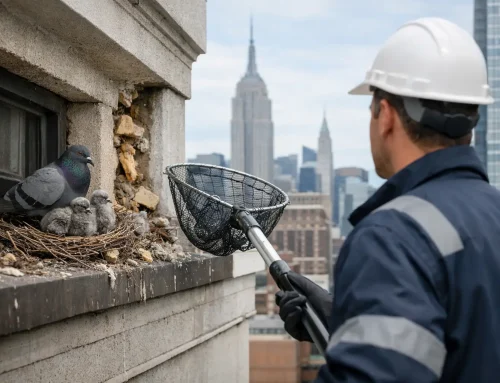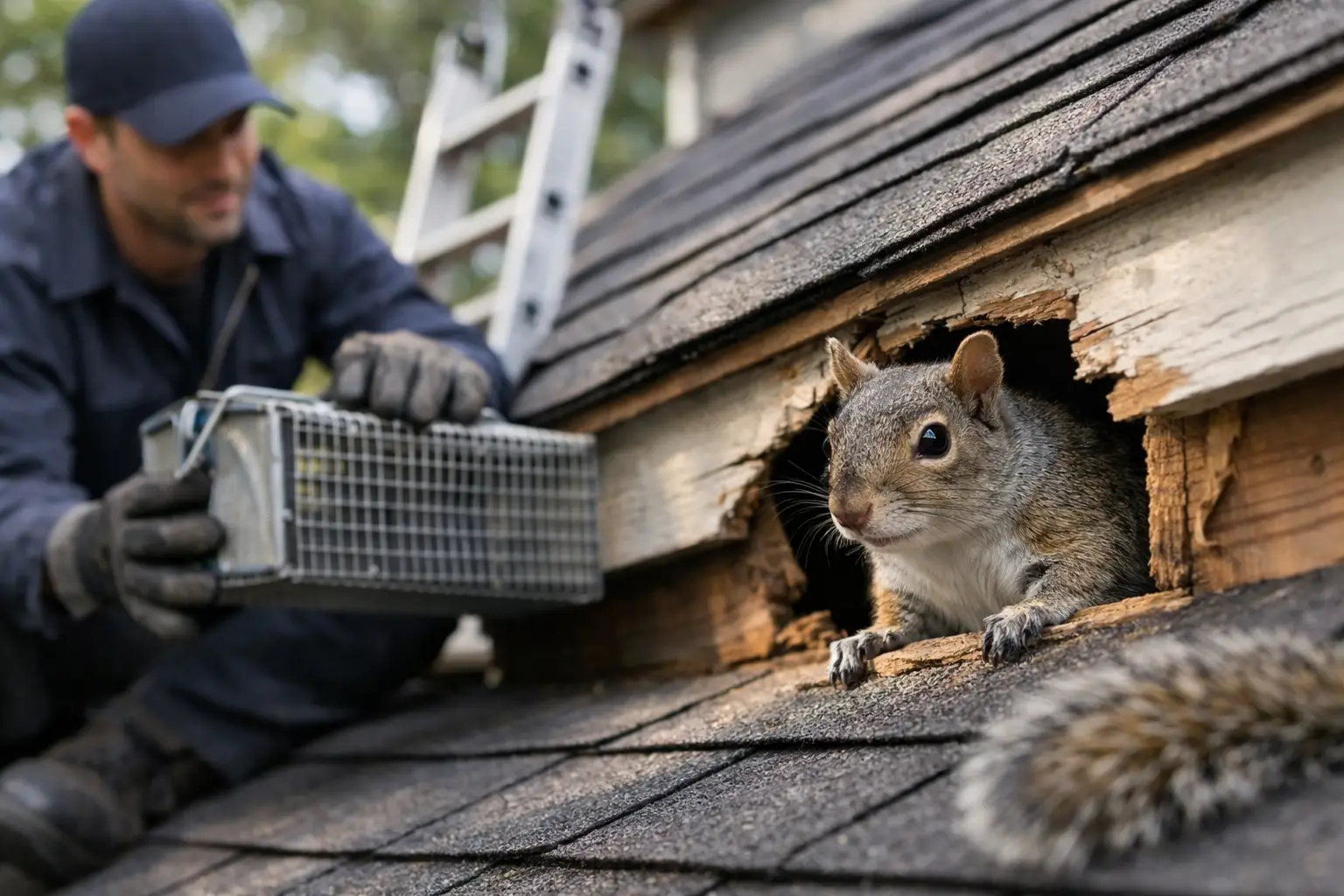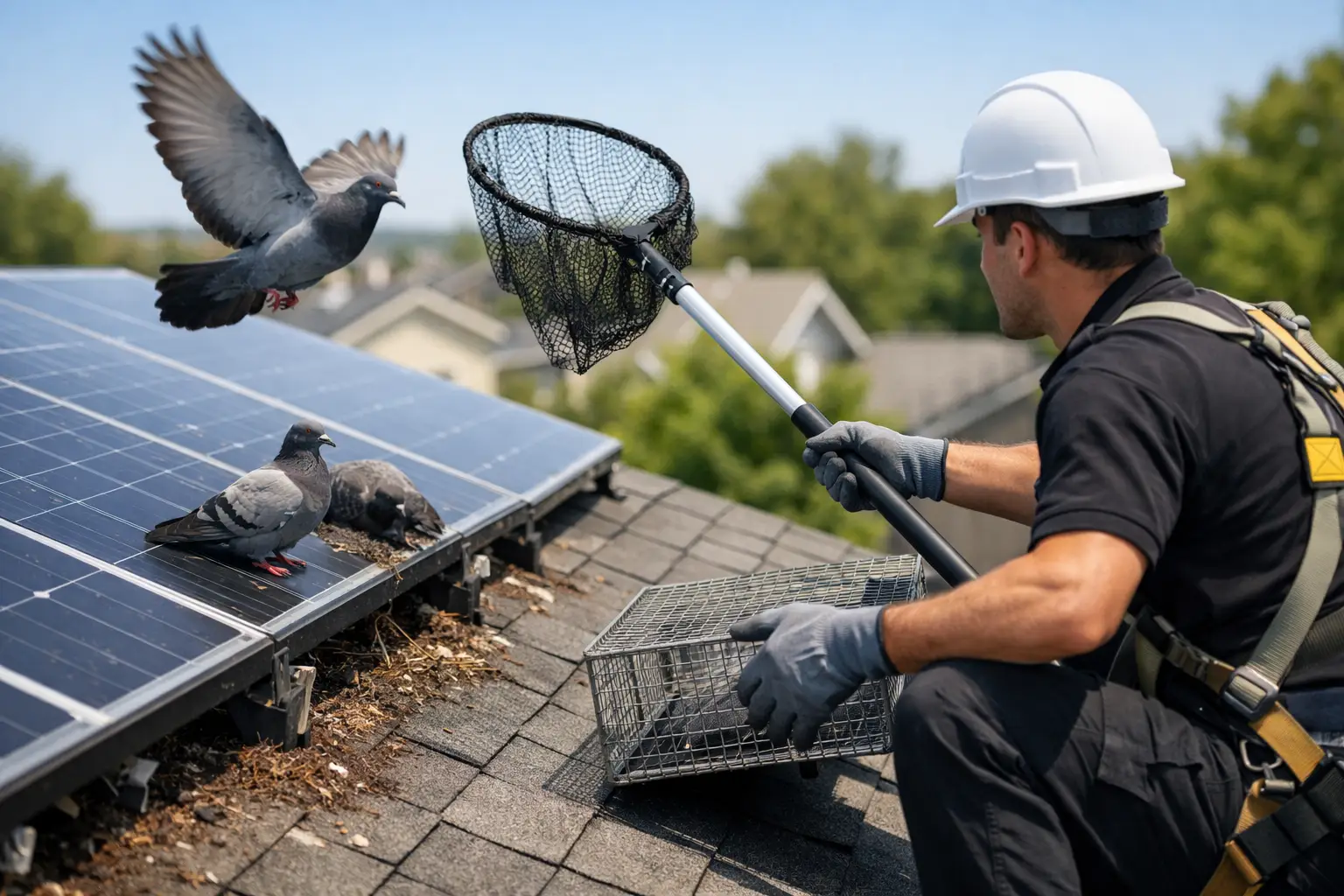
It usually starts with a noise you cannot place. Scratching over the bedroom ceiling at 2 a.m. A bat circling a hallway after midnight. A raccoon tearing into soffits behind a restaurant before opening. In those moments, a 24 hour wildlife hotline is not a convenience. It is the difference between a controlled response and a bigger, more expensive problem by morning.
For property owners in New York City and New Jersey, wildlife issues rarely happen on a neat schedule. Animals enter attics at night, birds get trapped in vents over the weekend, and rodents keep moving whether your office is open or closed. When there is risk to people, damage to the structure, or contamination inside the building, waiting for standard business hours can make the situation worse.
What a 24 hour wildlife hotline is really for
A true 24 hour wildlife hotline is built for active problems that need immediate guidance or dispatch. That does not mean every animal sighting is a full emergency. It means you have access to a trained response team that can quickly determine whether the issue is dangerous, urgent, or something that can be scheduled safely for the next available service window.
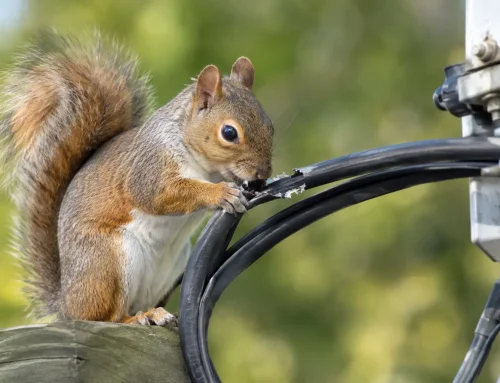
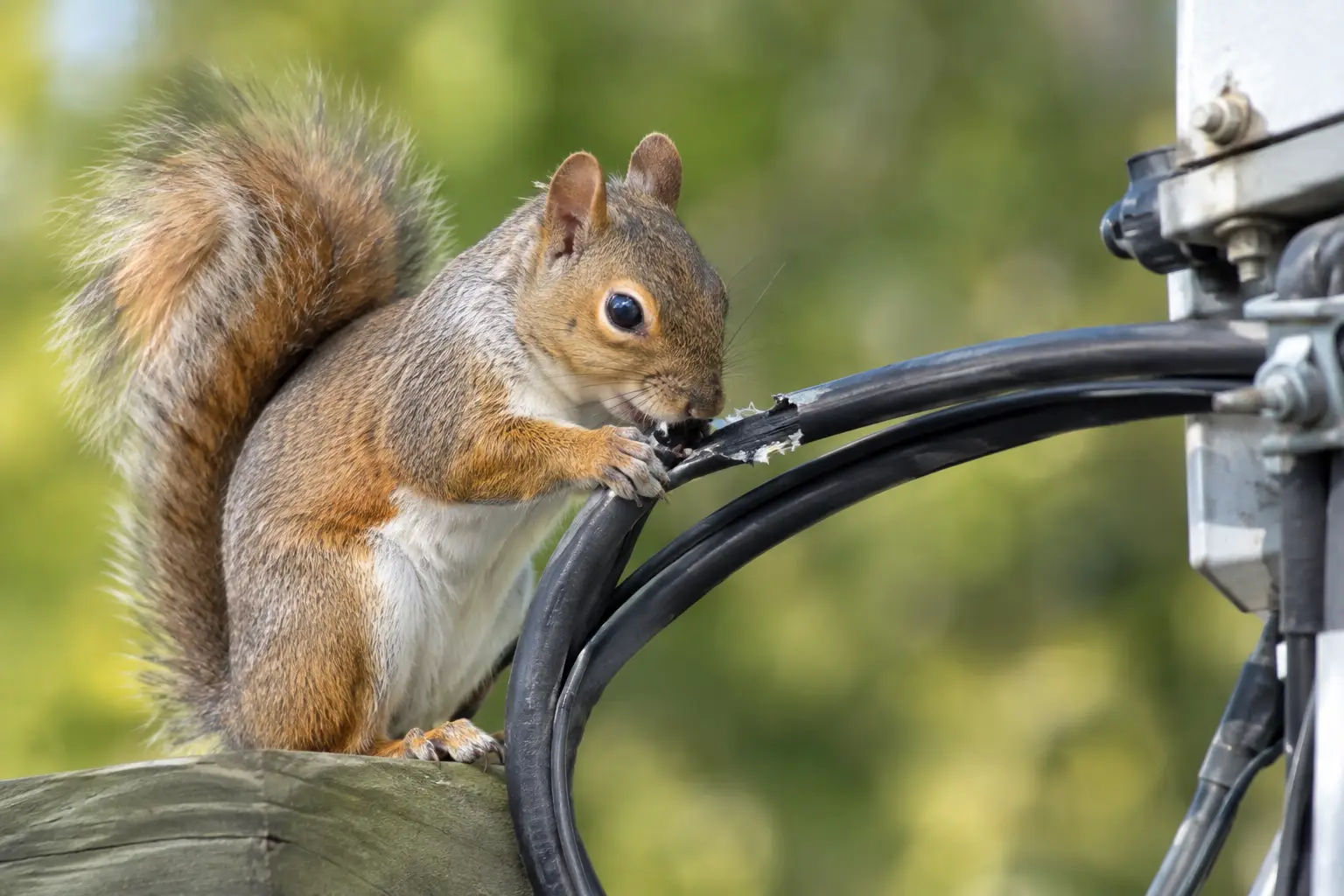
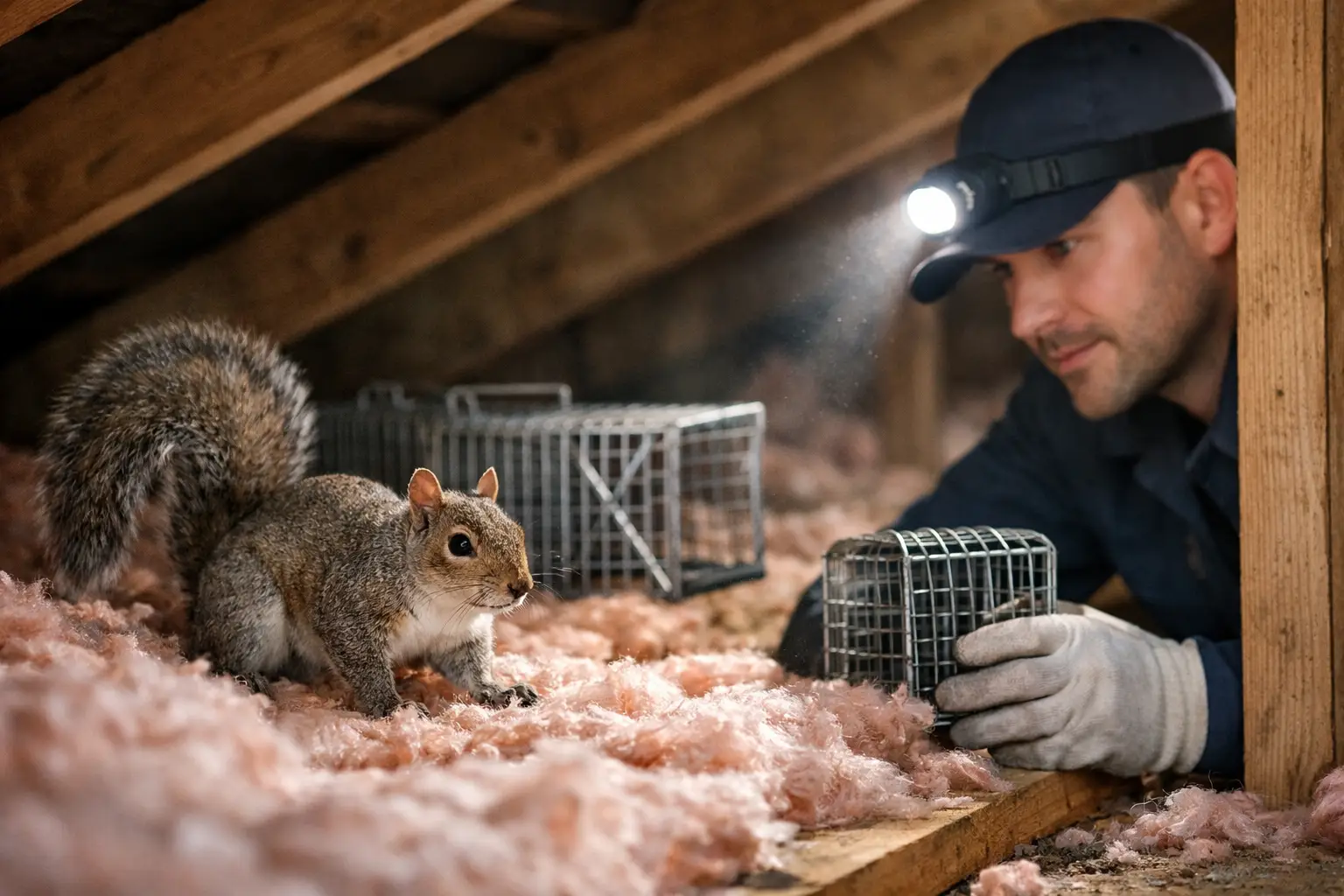
That distinction matters. A squirrel on a fence is normal. A squirrel trapped in a wall and chewing electrical wiring is not. A raccoon crossing your yard may be harmless. A raccoon inside your attic with visible damage, noise, or young present needs professional handling. The hotline exists to sort out those scenarios fast and keep property owners from guessing.
In a dense region like NYC and NJ, wildlife problems also affect more than one unit or one family. In apartment buildings, mixed-use properties, warehouses, restaurants, and schools, a single animal intrusion can trigger tenant complaints, sanitation issues, and liability concerns. Fast response is about more than catching an animal. It is about controlling disruption.
When to call a 24 hour wildlife hotline
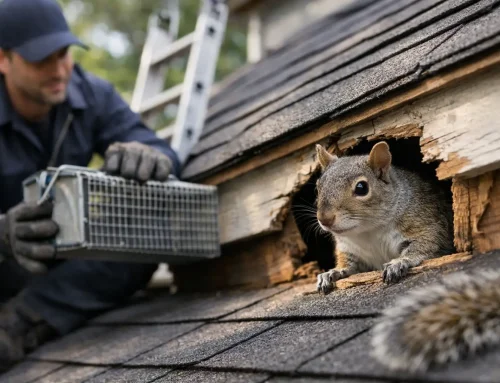
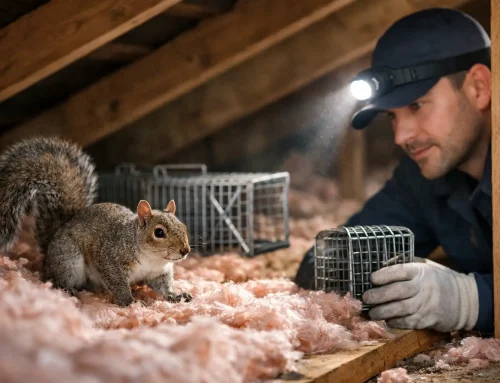
Some calls should happen right away. If a bat is flying inside occupied space, especially in a bedroom or near a child or sleeping person, that needs immediate professional advice. If a raccoon, opossum, or other wild animal is inside living space and acting aggressively, do not try to corner it yourself. If you hear heavy movement in an attic and suspect animals have broken in, fast action can prevent further damage.
The same applies when health risks are involved. Strong odors from a dead animal, visible droppings in occupied areas, or wildlife activity near food service operations should be treated as time-sensitive. Rodents, birds, bats, and raccoons can all leave behind contamination that spreads beyond the original entry point.
There are also after-hours cases that feel less dramatic but still should not wait. If an animal is trapped in a chimney, stuck in a wall, or damaging roofing materials during a storm, the problem can escalate overnight. If tenants are panicking, customers are affected, or your building cannot function normally, that is enough reason to call.
What happens when you call
A professional hotline should do more than answer the phone. The first job is triage. You describe what you are hearing, seeing, smelling, or dealing with, and the team helps determine the likely species, level of urgency, and safest next step. In some cases, that means immediate dispatch. In others, it means clear instructions to secure the area until a technician arrives.
Good intake questions are specific. Is the animal indoors or outdoors? Is anyone at risk of contact? Is there visible damage, droppings, nesting, or odor? Is the problem happening in an attic, crawl space, storefront, wall void, rooftop, or common area? The more accurate the information, the faster the right equipment and service approach can be sent.
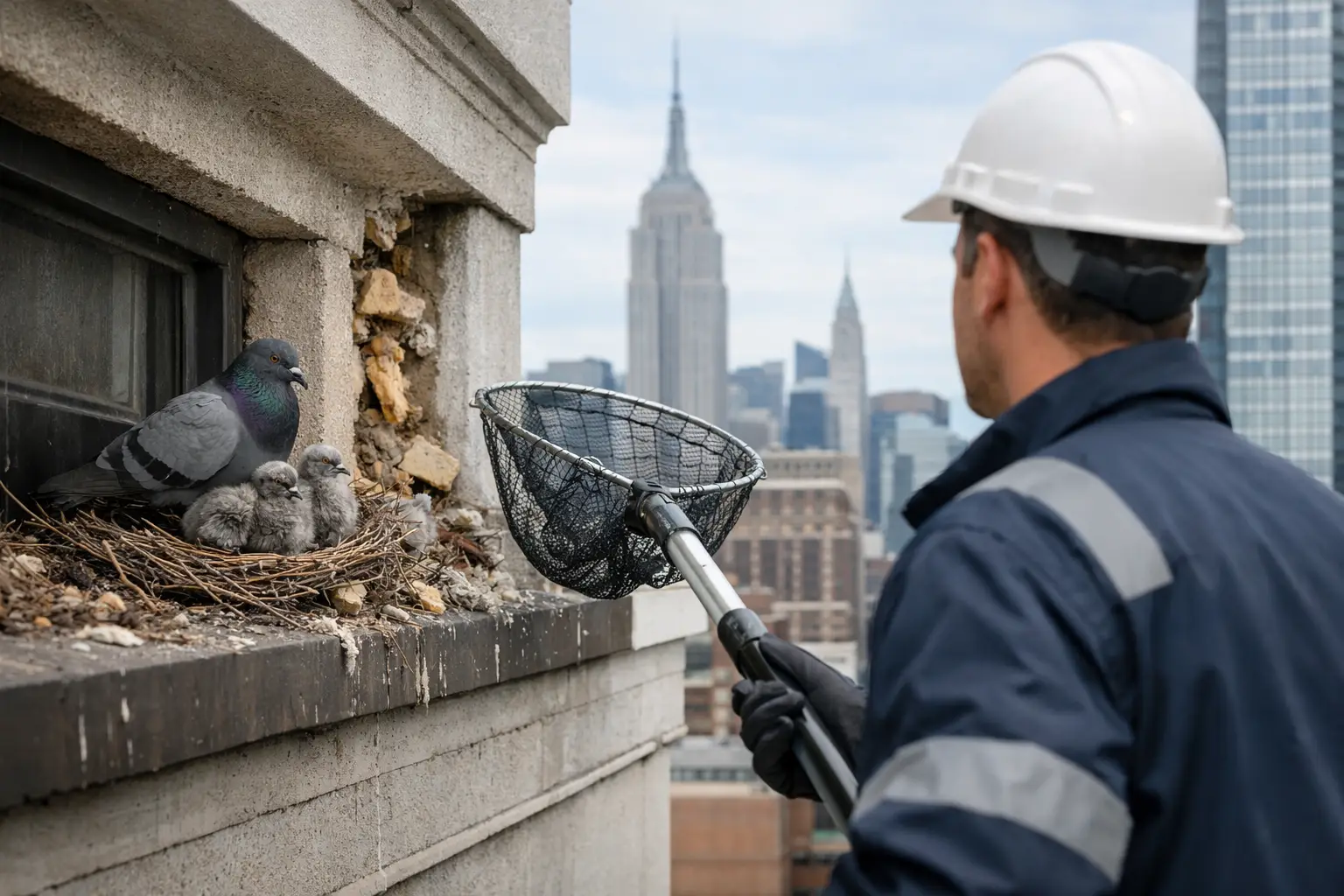
For example, a bat issue is handled differently than a rat infestation. A bird inside a commercial vent system is different from a dead squirrel under a deck. Humane trapping, exclusion, sanitation, and structural repair all depend on what is actually happening on site.
Why speed matters in wildlife emergencies
Wildlife problems compound quickly. One night of raccoon activity in an attic can turn minor entry damage into torn insulation, crushed ductwork, and widespread contamination. A rodent problem left active through the weekend can grow from a few signs of movement to gnawing, droppings, and tenant complaints on multiple floors.
There is also the issue of animal behavior. Many nuisance wildlife species are most active after dark or around dawn. If you only react during regular office hours, you may miss the best window to identify movement patterns, entry points, and nesting behavior. That makes removal harder and often extends the job.
The other reason speed matters is safety. Property owners under stress often try to handle the situation themselves. They block holes with the animals still inside, use store-bought traps incorrectly, or attempt direct removal without protective equipment. That can lead to bites, scratches, exposure to waste, or animals relocating deeper into the structure.
Not every call means immediate trapping
This is where experience matters. The best response is not always the fastest trap placement. Sometimes the urgent need is inspection and containment. Sometimes the right move is to remove a single animal from living space, then return for exclusion and cleanup once the full problem is confirmed.
With wildlife, there are trade-offs. If young animals are likely present, removal has to be handled carefully to avoid separating them from the mother and creating a second problem inside the structure. If the issue is in a commercial property, service may need to be staged around access, tenant activity, or sanitation protocols. If there is storm damage or roofline failure, repairs may be just as urgent as trapping.
That is why a professional wildlife company should not treat the hotline as a simple dispatch line. It should be the first step in a complete response that includes inspection, humane removal, cleanup, and proofing.
What property owners should do before help arrives
Keep your distance from any wild animal, even if it seems weak or cornered. Close interior doors if the animal is inside a room and keep children, pets, employees, or tenants away from the area. Do not attempt to grab, chase, or strike the animal. That often drives it deeper into the property or triggers defensive behavior.
If the issue involves an attic, crawl space, or wall void, avoid opening the area unnecessarily. You want to preserve signs of entry and activity so the technician can assess the source properly. If there is a strong odor or visible droppings, do not sweep or vacuum the material. Disturbing contaminated waste can spread particles into the air.
If it is safe, make note of where you heard activity, when it started, and whether you have noticed repeat patterns. That information helps the response team narrow down species behavior and likely access points.
What a full-service response should include
A strong 24 hour wildlife hotline should connect to more than removal alone. The real value is in solving the whole problem. That starts with identifying how the animal got in and whether more are present. From there, the work may include humane trapping, one-way exits, nest removal, dead animal removal, droppings cleanup, disinfecting, and sealing entry points.
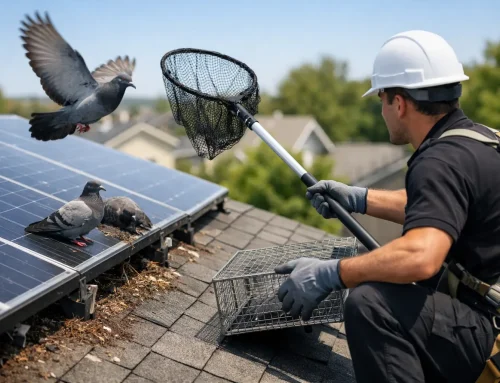
For many NYC and NJ properties, structural follow-up is what prevents repeat calls. Damaged soffits, roof gaps, loose vents, open crawl space access, and contaminated insulation all need attention. If those conditions remain, the same property can be reinfested by squirrels, raccoons, birds, bats, or rodents in a matter of weeks.
That is why companies like Animal Control NYC & NJ are built around complete recovery. Emergency response matters, but so does restoring the space after the animal is gone. A property is not fully protected until the contamination is addressed and the access points are closed.
Choosing the right hotline for NYC and NJ
Not all after-hours numbers offer the same level of service. Some are call centers. Some only book appointments. Some handle basic pest control but are not equipped for wildlife in attics, walls, roofs, or commercial structures. When you are choosing who to call, look for actual wildlife experience, humane handling methods, broad species coverage, and the ability to perform cleanup and exclusion work.
Local knowledge also counts. Buildings in this region present unique access challenges, from brownstone rooflines and multifamily attics to commercial loading areas and tightly packed row properties. A team that works these structures every day will move faster and make fewer mistakes.
If you are dealing with animal noise, odors, visible entry damage, or an active animal inside the building, do not wait for it to become undeniable. A fast call often prevents a much larger repair bill, a health issue, or a building-wide disruption. The right help at the right hour does more than remove wildlife. It gets your property back under control.