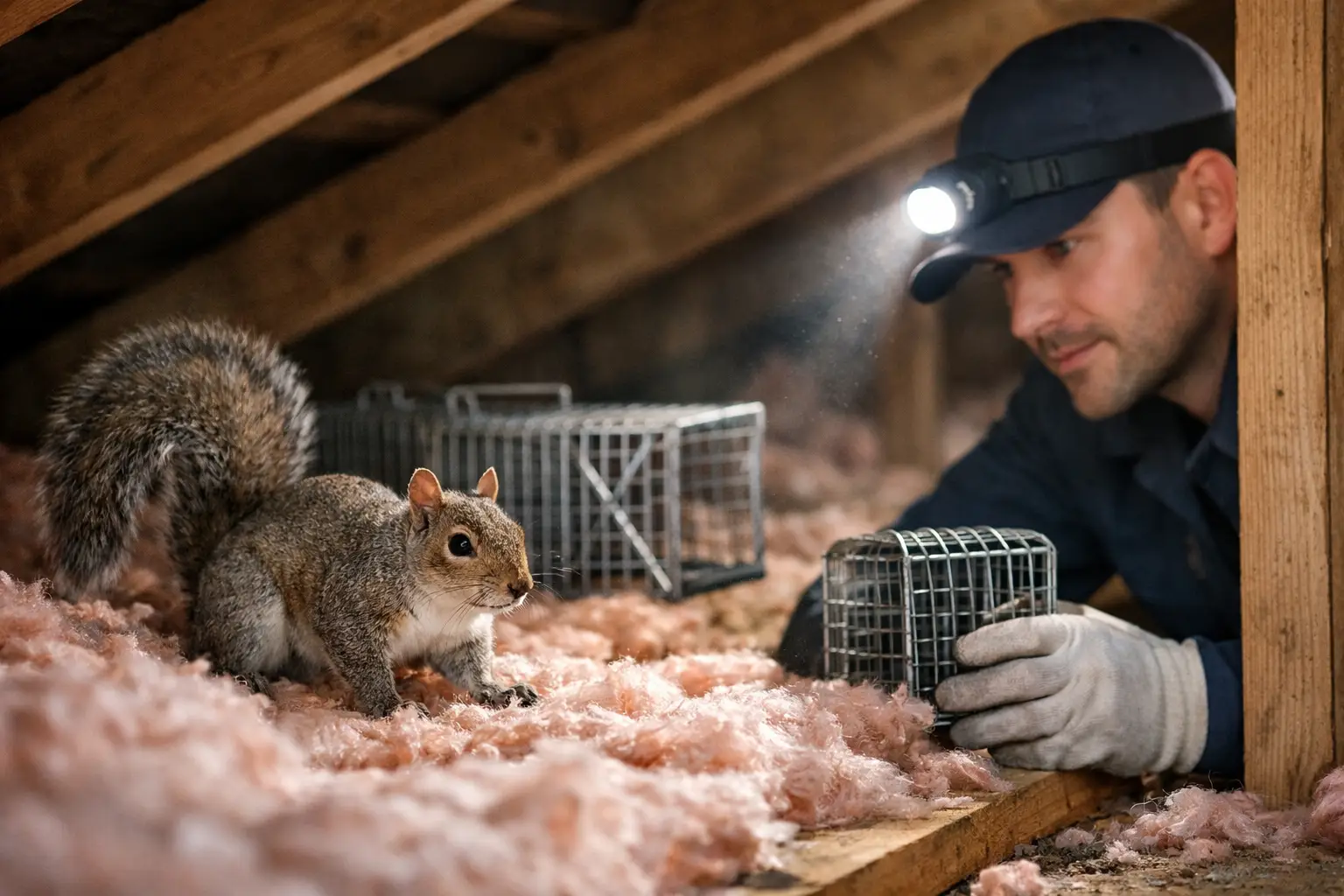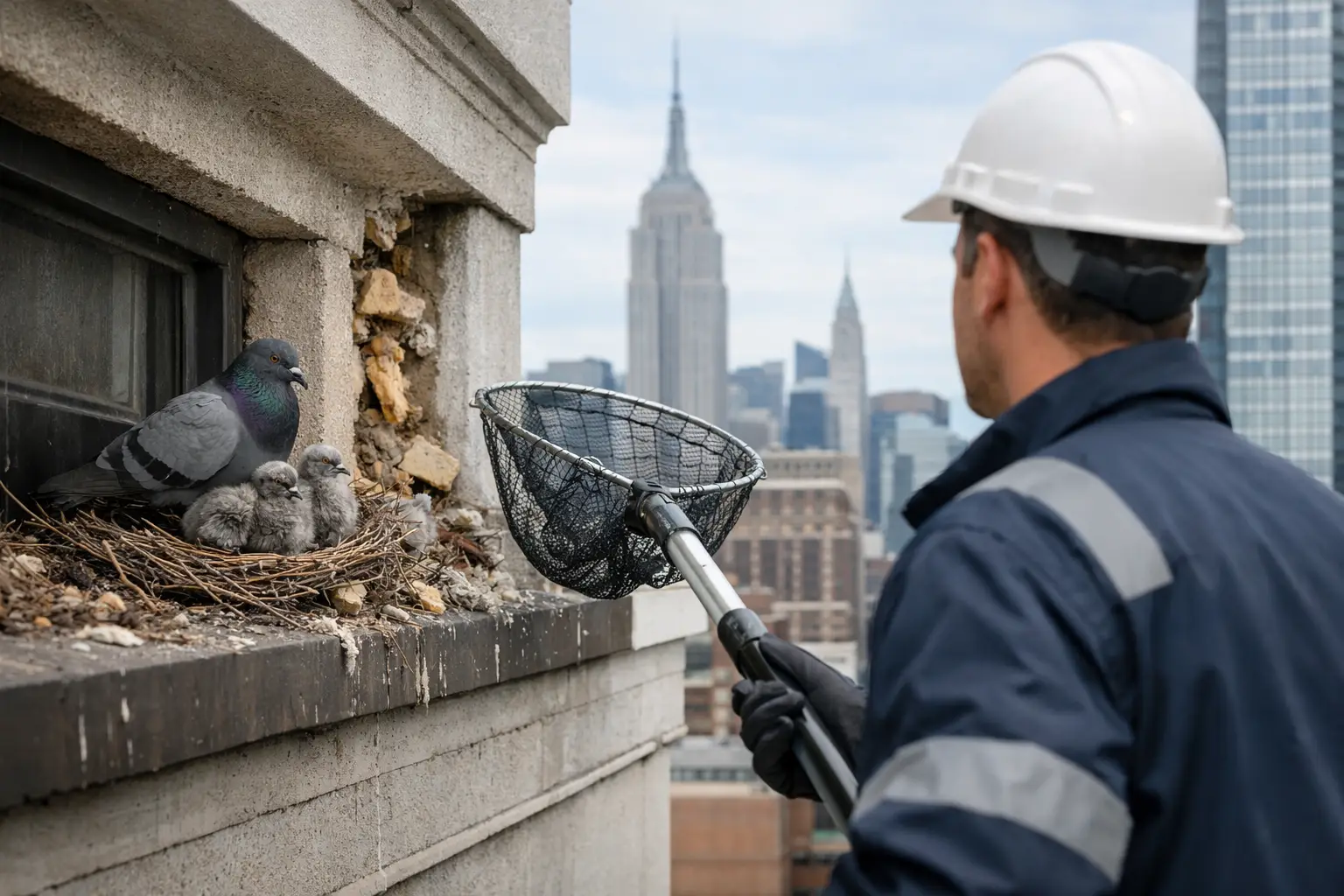
A raccoon in the attic is not just a noise problem. A squirrel in the soffit is not just a nuisance. Once wildlife gets into a building, the real cost often shows up after the animal is gone. Animal damage repair is what turns an emergency removal into a complete solution, and for homeowners, landlords, and commercial property managers in NYC and NJ, that difference matters fast.
When animal activity is left untreated, the damage keeps spreading. Insulation gets crushed and contaminated. Ductwork can be torn open. Wood, vents, fascia, and roofing materials get chewed, scratched, or pulled apart. In some cases, urine and droppings create odors, bacteria concerns, and mold conditions that affect indoor air quality. Removing the animal without repairing the damage usually means the problem returns.
Why animal damage repair matters after wildlife removal
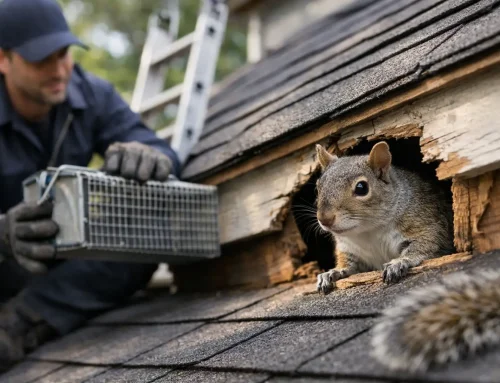
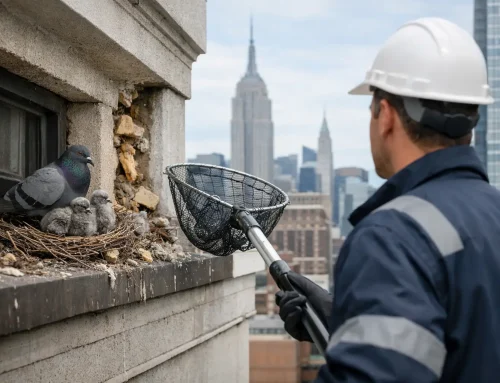
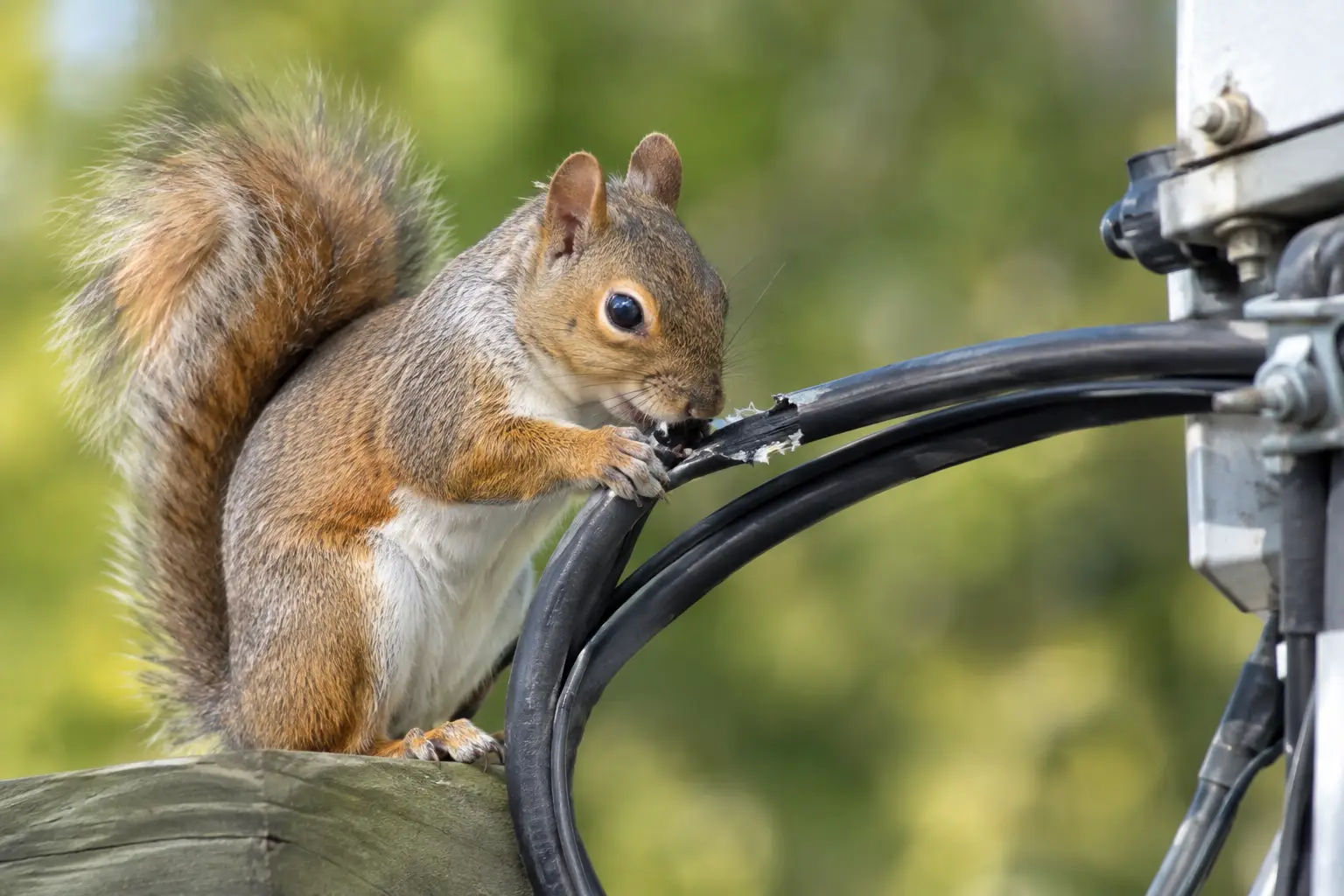
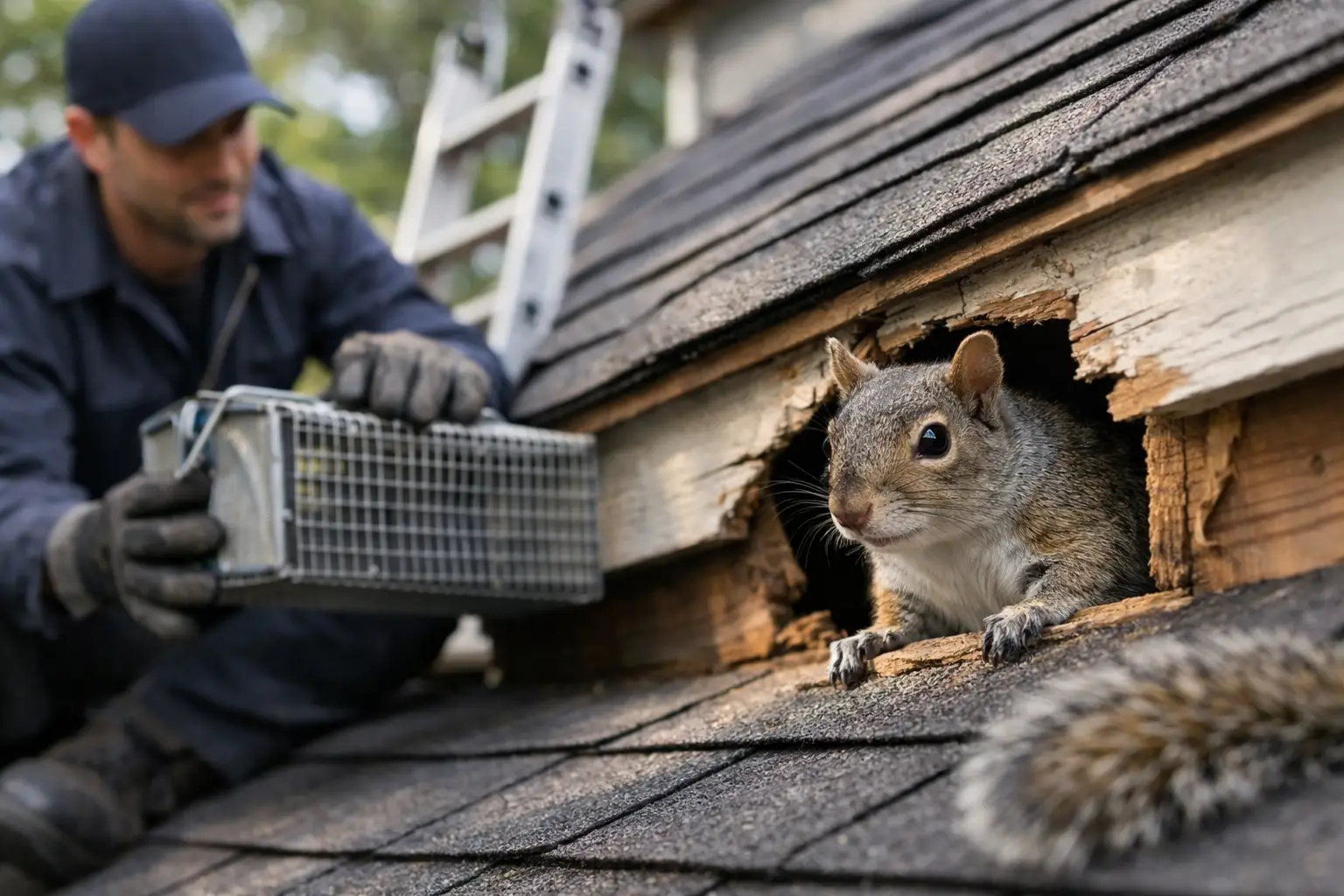
Wildlife does not enter a structure neatly. Raccoons rip open roof edges and soffits to create den sites. Squirrels chew through wood, aluminum, and weak vent covers to reach attics. Birds and bats leave behind nesting debris and droppings that can build up around vents, ledges, and interior voids. Rats and mice follow utility gaps, crawl spaces, and wall openings, then contaminate insulation and leave grease marks, droppings, and chew damage behind them.
That is why animal damage repair is not cosmetic work. It is part of protecting the structure. If a technician removes a mother raccoon and her babies but leaves the torn roof return exposed, another animal can move in within days. If bat guano is left in place, odors and health risks remain even after exclusion is complete. If nesting material stays packed into a bathroom vent, airflow issues and moisture problems can continue.
For property owners, the bigger point is simple. The removal solves the immediate intrusion. The repair solves the reason it happened and the damage it caused.
What animal damage repair usually includes
The scope depends on the species, how long the activity has been happening, and where the animals got in. A small mouse issue in a basement utility room is very different from a multi-raccoon attic den above a top-floor apartment. Still, most repair work falls into a few clear categories.
Entry point sealing and structural repair
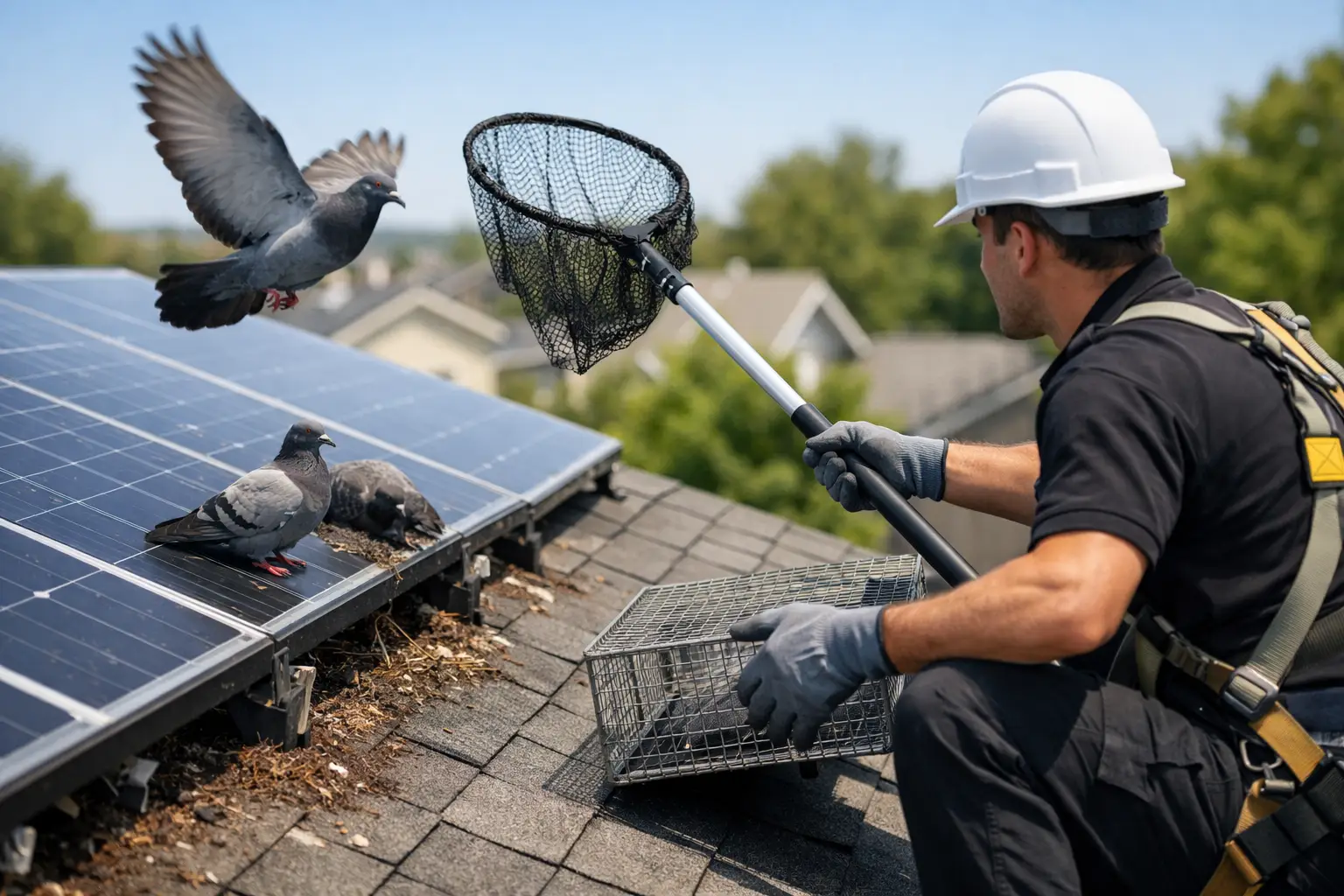
This is the first priority. Openings have to be identified, repaired, and reinforced with materials that hold up against future animal pressure. That can include replacing damaged soffits, screening vents, securing ridge vents, repairing fascia, sealing roof gaps, reinforcing crawl space access points, and protecting vulnerable areas around solar panels or gutters.
The right repair is not always the cheapest patch. In wildlife work, weak materials fail fast. A basic screen stapled over a raccoon hole may hold for a day or two. It will not hold through another nighttime entry attempt. Durable, species-appropriate exclusion work matters because squirrels, raccoons, rats, and birds all exploit different weaknesses.
Insulation removal and attic restoration
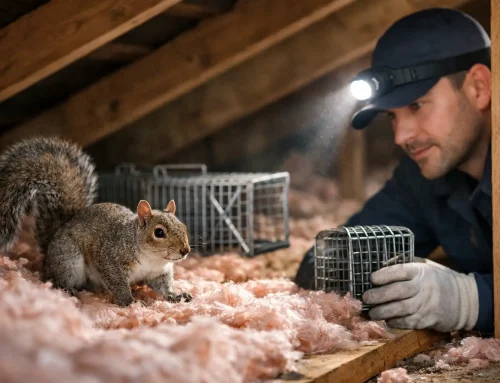
Attics are one of the most common places where hidden damage builds up. Animals compress insulation, nest in it, urinate on it, and spread contamination across large areas. Once that happens, the insulation is no longer doing its job well, and it may be carrying strong odor and biohazard issues.
In many cases, proper restoration means removing the damaged insulation, cleaning and disinfecting the attic space, and installing new insulation. This is especially common after raccoon, squirrel, bat, and rodent activity. The goal is not just to make the attic look clean again. It is to restore performance, reduce odor, and remove contaminated material from the home.
Sanitizing and contamination cleanup
Droppings, urine, nesting debris, food waste, and dead animal matter can all create serious sanitation issues. This is where professional cleanup matters. Disturbing contaminated material without the right process can spread particles into living areas or worsen exposure concerns.
A proper cleanup may include removal of waste, disinfectant application, deodorizing, and treatment of affected surfaces. In some jobs, mold removal is also necessary, especially where moisture and contamination have been sitting for an extended period. This is common in attics, crawl spaces, wall voids, and commercial storage areas where animal presence went unnoticed.
Common animal damage in NYC and NJ properties
Local building types shape the damage patterns we see. In dense city neighborhoods, row homes, brownstones, mixed-use buildings, and multifamily properties often have tight rooflines and aging exterior materials that give squirrels, rats, and birds easy access. In suburban parts of New Jersey, larger roof systems, chimneys, garages, and crawl spaces create ideal entry points for raccoons, bats, groundhogs, and mice.
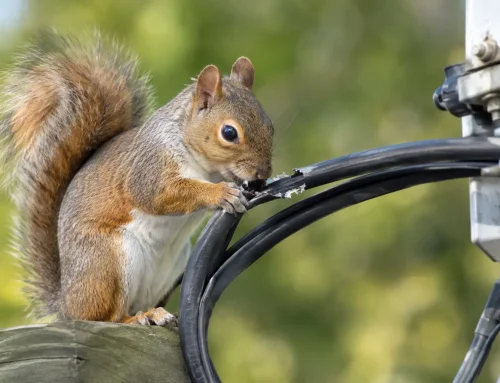
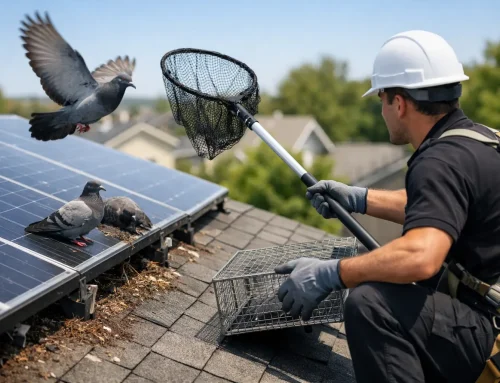
Raccoons often cause the most visible destruction. They can peel back shingles, rip apart soffits, crush insulation, and leave heavy waste in attic spaces. Squirrels are smaller but relentless. They chew constantly, widen small gaps, and often build nests near wiring and stored materials. Birds create repeated mess around vents, signs, rooftops, and ledges, while bats create contamination problems that can go undetected until odor or staining appears.
Rodents are different because the damage is often widespread but less obvious at first. A rat problem in a commercial building or apartment property may involve droppings, gnawing, burrow activity, and contamination inside wall cavities, ceilings, utility runs, or storage rooms. The repair side may include sealing utility penetrations, replacing damaged insulation, and correcting sanitation issues that support reinfestation.
Why one-contractor service saves time
Many property owners make the mistake of calling one company for trapping, another for cleaning, and a third for repairs. That can work, but it often slows everything down. It also creates gaps in responsibility. One contractor says the opening was sealed. Another says contamination was not addressed. Meanwhile, the smell is still there and the scratching starts again.
A full-service wildlife damage remediation approach is more efficient because the inspection, removal, cleanup, exclusion, and repair are tied together. The same job is evaluated from start to finish. That makes it easier to catch secondary access points, hidden contamination, and damage that a general handyman may miss.
It also matters in urgent situations. If a tenant is complaining about odor, a business has visible bird damage near an entrance, or a homeowner hears movement in the ceiling late at night, speed matters. Getting the animal out is only part of the response. The building still has to be made safe and secure.
When to act right away
Some animal damage can wait a day or two for scheduled service. A lot of it should not. If there is active attic noise, visible droppings, a strong urine or decomposition odor, torn roofline materials, animal activity near HVAC or vents, or signs that babies may be present, quick action is the safer call.
The same goes for commercial properties, multifamily buildings, and managed properties where one intrusion can affect multiple units or create liability issues. Delays usually increase the cleanup scope. More contamination builds up. More structural damage happens. More animals may enter through the same gap.
Animal Control NYC & NJ handles these situations as both a removal issue and a property recovery issue. That is the standard property owners should expect. Humane trapping and removal matter, but so do attic restoration, sealing, sanitation, and repair work that keeps the problem from repeating.
Choosing the right animal damage repair approach
The right fix depends on the species, the location, and the condition of the building. A quick patch may be enough for a minor exterior gap with no contamination behind it. A larger attic infestation needs a deeper response. There is no honest one-price-fits-all answer because some jobs need simple exclusion work and others need full restoration.
What should be consistent is the process. First identify the animal and every access point. Then remove the animal safely and humanely. After that, clean the affected area, remove contaminated materials when needed, repair the damage, and reinforce the structure so the same vulnerability does not stay in place.
That is what real animal damage repair looks like. It is not just fixing what is broken. It is restoring the property so you can move forward without the same problem coming back next season.