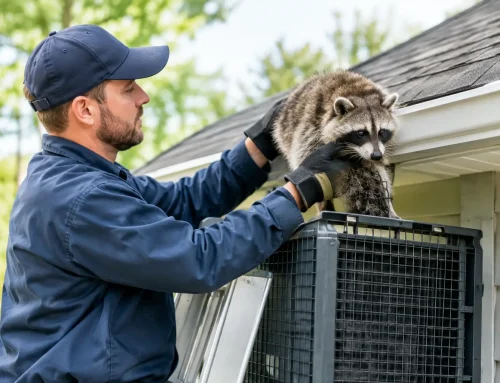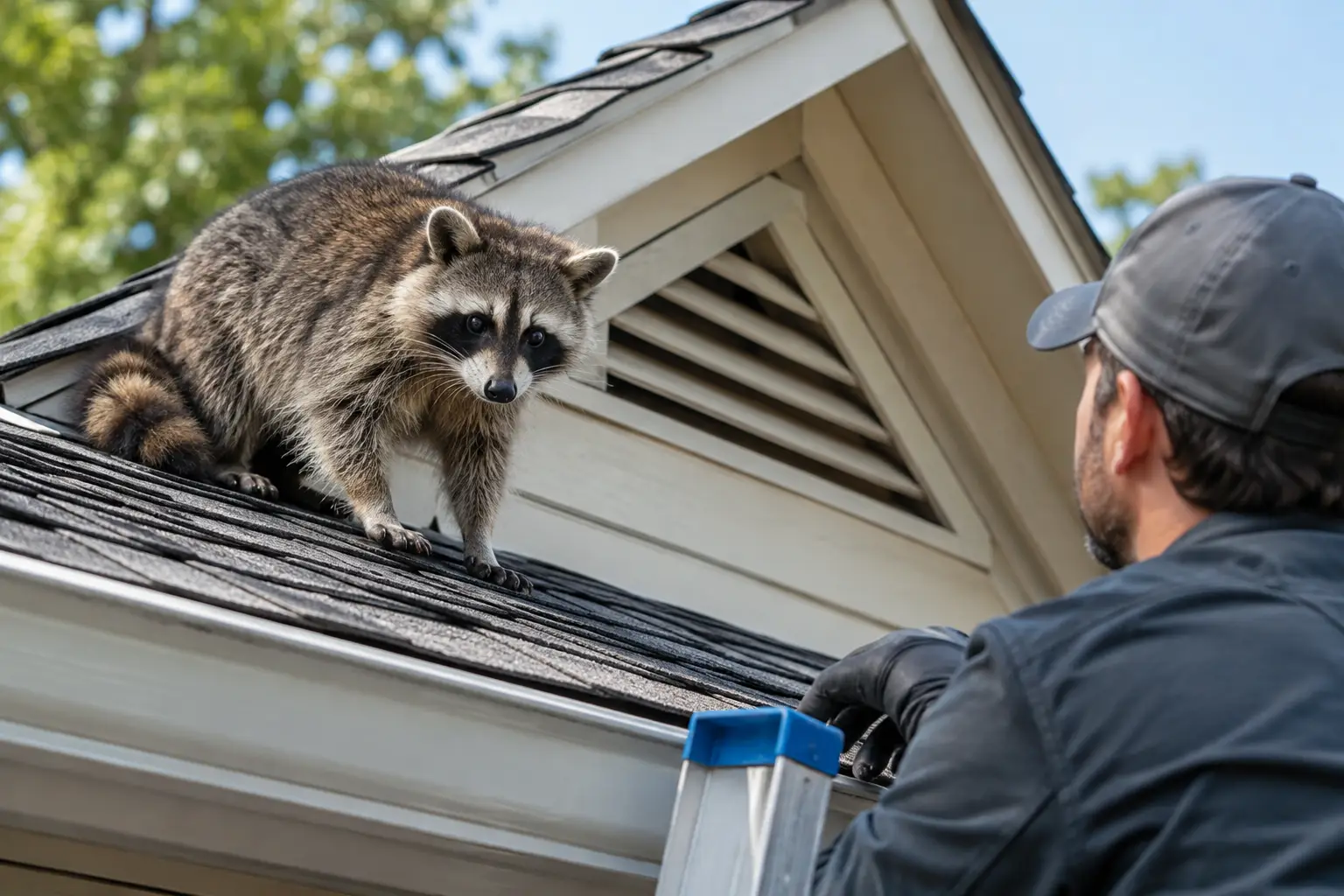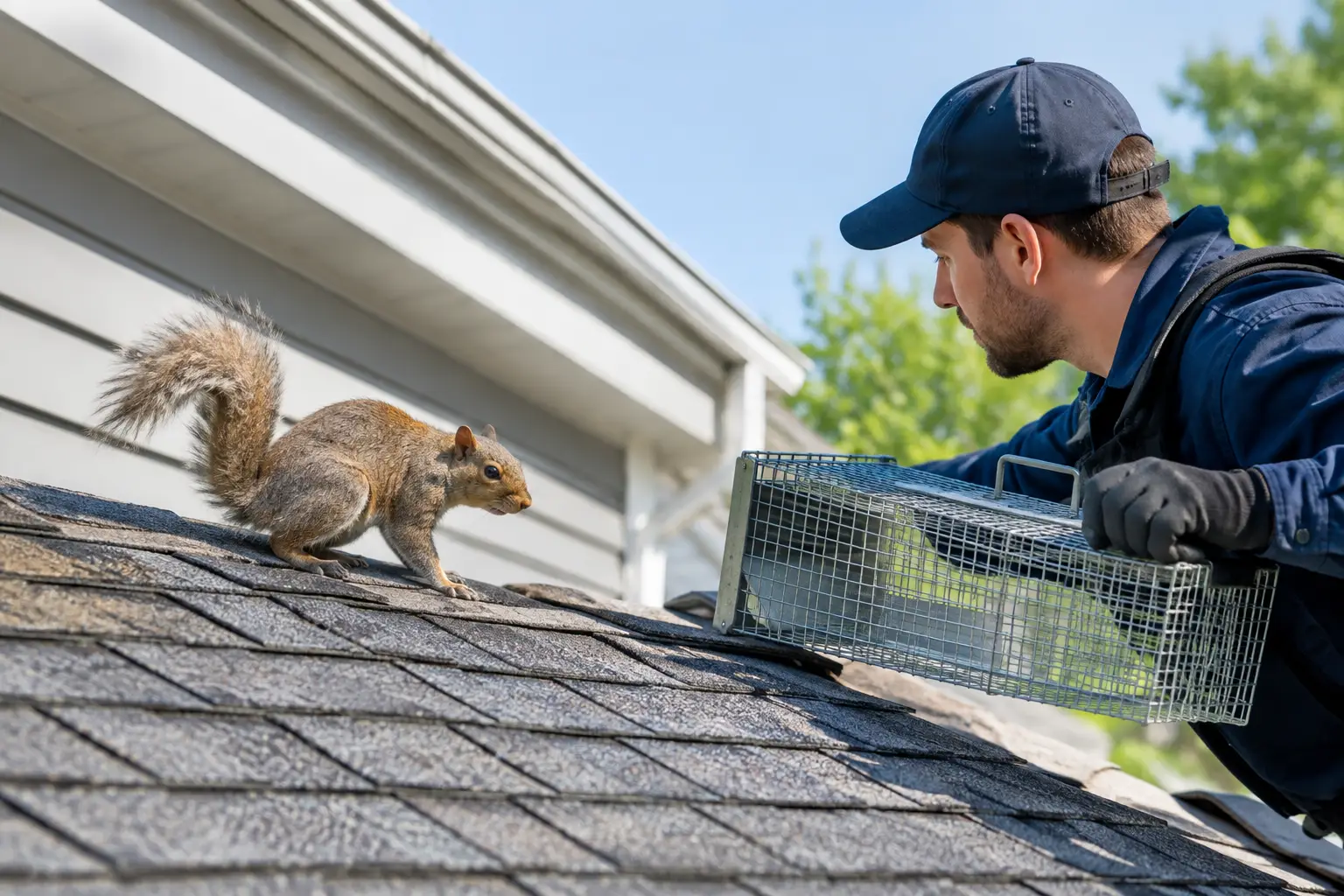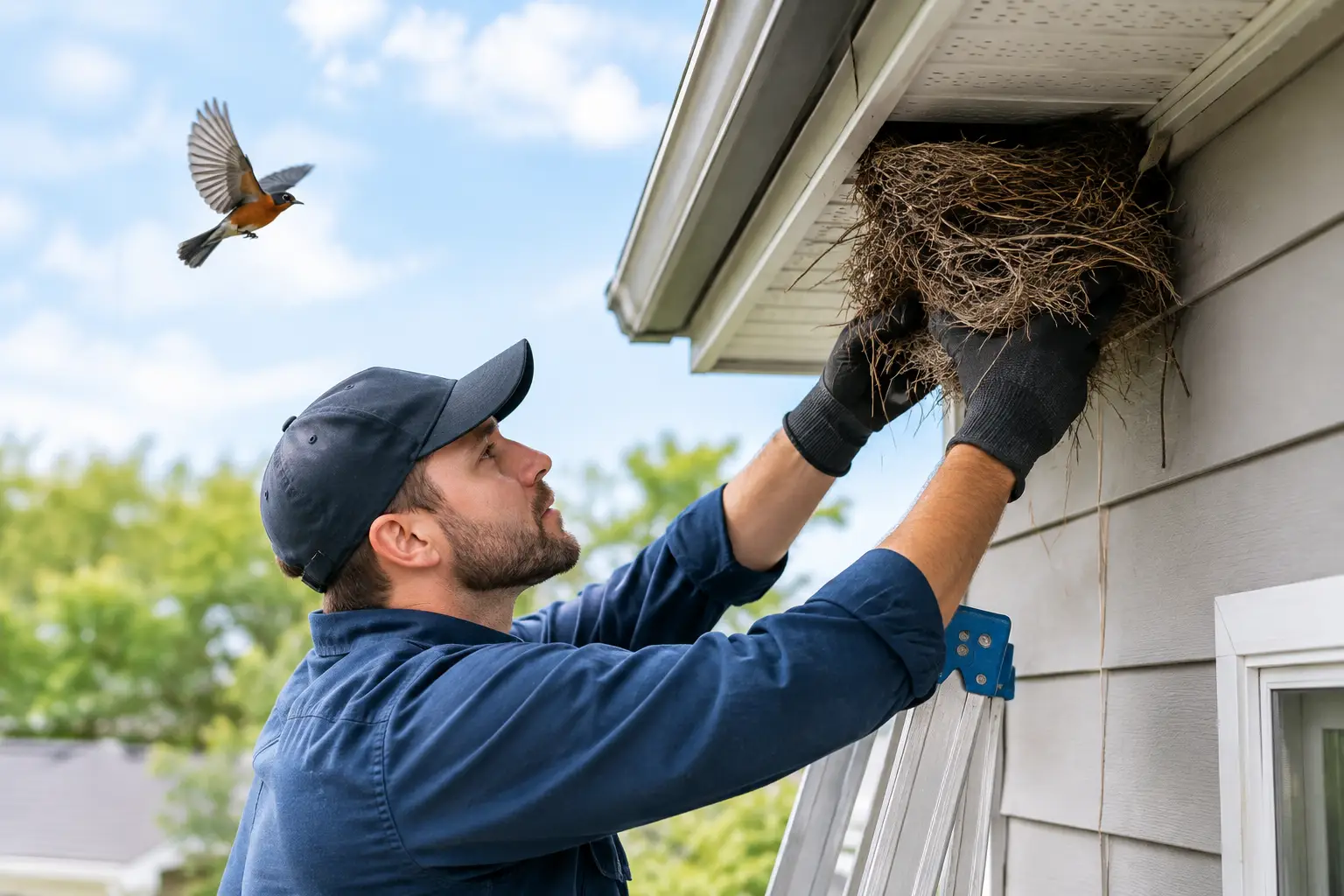
A scratching sound over the bedroom ceiling at 2 a.m. usually means one thing – the problem is already inside the building. That is when humane wildlife control specialists matter most. You do not need a company that only sets a trap and leaves. You need a team that can identify the animal, remove it safely, deal with contamination, and stop the next intrusion before it starts.
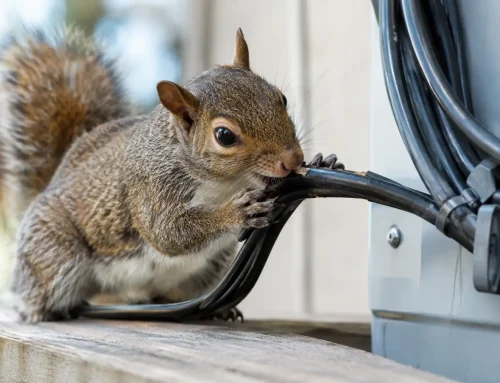
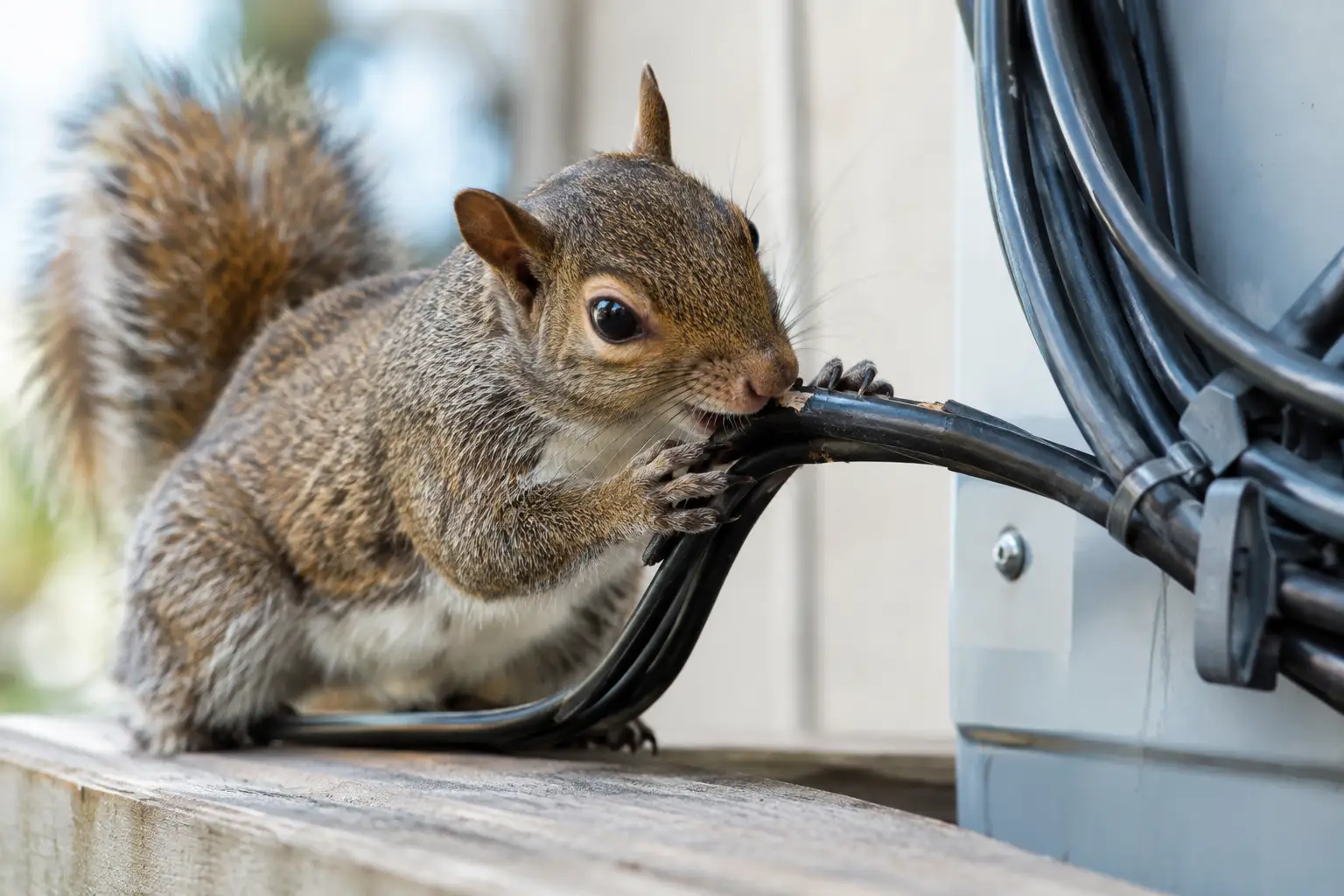
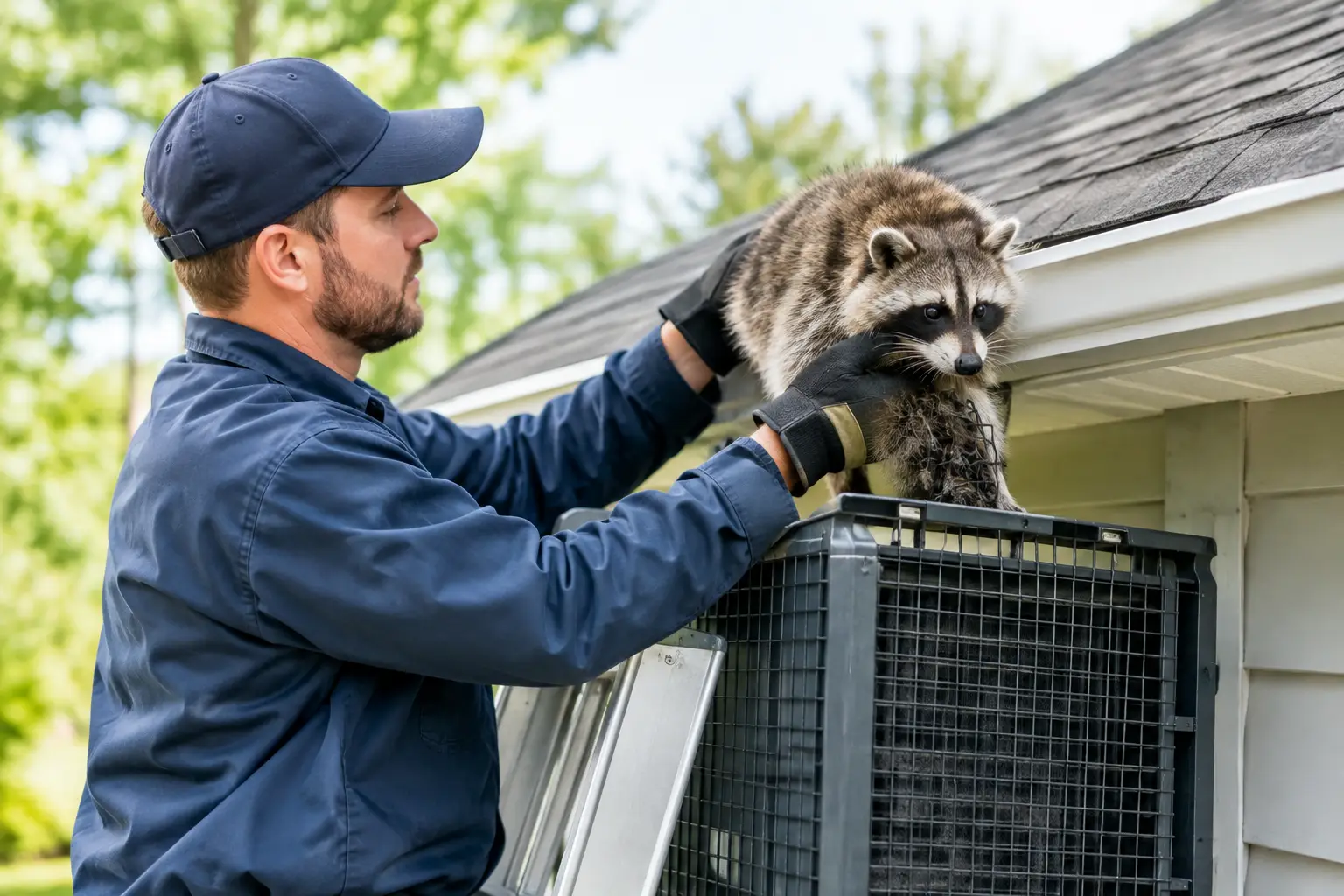
In New York City and New Jersey, wildlife problems are rarely simple. A squirrel in the attic can tear insulation and chew wiring. A raccoon on the roof can rip open soffits and create a repeat entry point. Birds under solar panels can build nesting material that leads to noise, droppings, and blocked drainage. Rats and mice spread quickly through wall voids, basements, kitchens, storage areas, and commercial spaces. The real job is not just removal. It is full property recovery.
What humane wildlife control specialists actually do
A professional wildlife job starts with inspection, not guessing. Different species leave different signs, and the response has to match the animal, the structure, and the level of risk. Bats, birds, raccoons, squirrels, snakes, opossums, groundhogs, and rodents all require different handling methods, timing, and exclusion strategies.
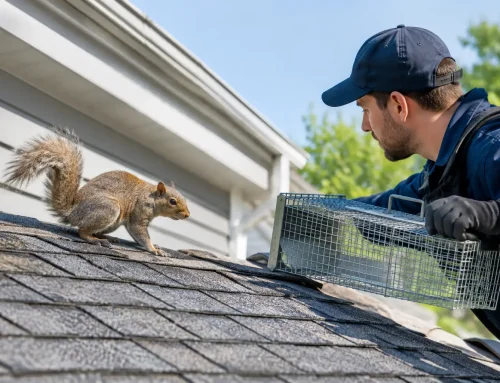
Humane wildlife control specialists focus on safe removal practices that reduce harm to the animal while protecting people, pets, tenants, and property. That can include live trapping, one-way exits, species-specific removal plans, and careful monitoring. It also means avoiding the kind of rushed work that separates young from mothers, leaves animals trapped inside walls, or drives them deeper into the structure.
That last part matters. Humane service is not only about ethics. It is also about results. If the removal method is poorly planned, you can end up with dead animal odor, hidden contamination, repeat entry, or an even larger repair bill a week later.
Why humane wildlife control is different from basic pest removal
Basic pest work often treats every problem like a quick dispatch. Wildlife control is more complex because animals behave differently from insects, and many invasions involve nesting, denning, food sources, and structural vulnerabilities. A raccoon in a chimney is not the same as pigeons on a warehouse ledge, and neither issue should be handled with a one-size-fits-all approach.
A humane strategy looks at the full chain of the problem. How did the animal get in. Is it raising young. Has it contaminated insulation or ductwork. Are there health concerns from droppings, urine, parasites, or decomposing material. Does the building need sealing, sanitizing, or restoration before it is truly safe again.
For property owners and managers, that difference affects cost and downtime. A cheaper removal that skips cleanup and exclusion often turns into multiple service calls, recurring tenant complaints, and bigger structural damage.
Humane wildlife control specialists for homes and businesses
Residential and commercial properties need different game plans. In a house, the priority may be family safety, sleep disruption, attic damage, or pet exposure. In an apartment building or mixed-use property, the pressure is different. Managers may be dealing with multiple units, sanitation concerns, reputation issues, or after-hours emergencies. In restaurants, warehouses, offices, and retail spaces, even a small wildlife issue can affect operations fast.
That is why experienced wildlife teams work across property types. The same company should be able to inspect a brownstone attic, a suburban crawl space, a multifamily roofline, and a commercial loading area without missing the details that lead to repeat problems.
In dense areas like NYC and throughout NJ, wildlife often uses the smallest structural gaps. Roof returns, ridge vents, loose soffits, crawl space openings, utility penetrations, damaged screens, and gaps around solar arrays are common entry points. Removal without proofing those areas is incomplete work.
Common wildlife problems in NYC and NJ
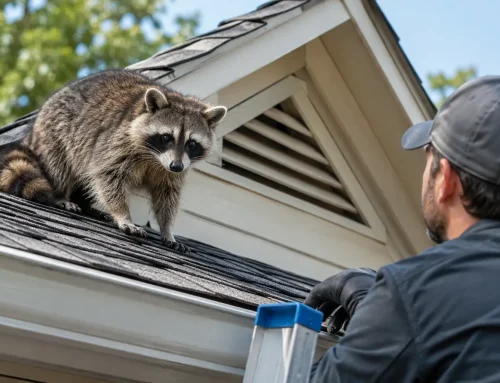
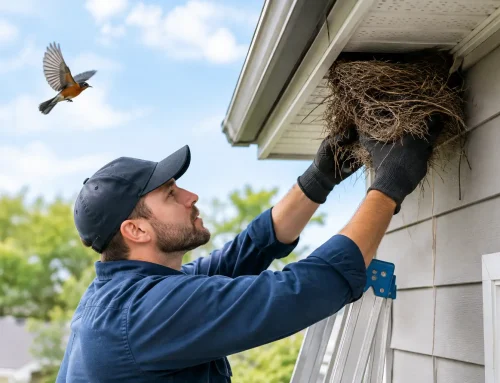
The species varies by neighborhood and season, but the pattern is familiar. Squirrels often enter attics through roof edges or vents and create noise during the early morning. Raccoons target roofs, chimneys, and upper structures, especially where construction gaps make entry easy. Bats can slip into small voids and create serious contamination concerns in attics. Birds gather on ledges, inside vents, and beneath solar panels, where nesting material and droppings build up over time.
Rodents remain one of the most persistent issues across both residential and commercial properties. Mice and rats do not just stay in basements. They travel through walls, ceilings, utility lines, and storage spaces, contaminating surfaces and creating ongoing sanitation risks.
Then there are the calls that surprise people – groundhogs damaging foundations and yards, opossums sheltering under decks, snakes in crawl spaces, chipmunks burrowing near structures, and dead animals hidden inside walls or ceiling cavities. These are not rare cases for a full-service wildlife company. They are part of the daily workload.
Removal is only half the job
One of the biggest mistakes property owners make is hiring for removal alone. If an animal spent days or weeks inside the structure, there is usually more to address. Insulation may be flattened, soaked, or contaminated. Wood may be stained. Ducts may carry odor. Entry points may still be open. In severe cases, moisture and waste can create conditions for mold growth.
Professional wildlife control should include cleanup, disinfection, and damage assessment. In many cases, attic restoration, insulation replacement, crawl space sealing, and odor control are what actually return the property to usable condition. Exclusion work like vent protection, gutter guards, chimney caps, roofline repair, and solar panel proofing is what keeps the problem from repeating.
This is where full-service capability matters. If you need one contractor to remove the animal, another to sanitize, and another to repair the structure, the job slows down and accountability gets blurred. A single provider that handles inspection, trapping, cleanup, proofing, and repair keeps the process faster and cleaner.
When to call humane wildlife control specialists
If you hear movement in walls, ceilings, attics, or crawl spaces, call early. If you see droppings, nesting material, chewed entry points, foul odor, grease marks, or damaged vents, call early. If tenants are reporting scratching sounds, bird activity around roof equipment, or repeated rodent sightings, call early.
Waiting rarely improves the situation. Wildlife problems tend to expand. A small roof entry can become a major attic contamination job. A single animal can turn out to be a mother with young. A minor odor can turn into a hidden carcass issue behind drywall. Fast response limits damage, lowers health risk, and gives you more options for humane removal.
Emergency availability also matters. Wildlife does not keep business hours. Nighttime raccoon activity, weekend bat discoveries, and dead animal odor before a tenant showing are all real situations that need prompt action.
What to expect from a qualified wildlife company
A reliable company should inspect first, explain what species is involved, and outline a clear removal and repair plan. They should be able to discuss health concerns without exaggeration and recommend the right level of cleanup based on what they actually find. They should also be prepared to protect the structure after removal, not just clear the current animal.
Ask whether they handle sanitation, exclusion, and restoration in-house. Ask how they address recurring access points. Ask what happens if young animals are present. Ask how quickly they can respond if the issue is active now. Good answers are specific, not vague.
For local property owners, it also helps to work with a team that understands regional building types and animal behavior. Brownstones, row houses, multifamily properties, warehouses, and suburban homes all present different wildlife access patterns. Local experience shortens diagnosis time and improves the repair plan.
Animal Control NYC & NJ is built around that full-service model – humane removal, emergency response, sanitation, exclusion, and structural recovery handled as one coordinated job.
Humane wildlife control specialists protect more than the structure
There is a safety issue behind every wildlife call. Sometimes it is contamination. Sometimes it is aggressive animal behavior. Sometimes it is the risk of bites, scratches, parasites, or airborne debris in attics and crawl spaces. For businesses and rental properties, there is also liability. Ignoring an active wildlife issue can quickly become a health complaint, a maintenance emergency, or a tenant retention problem.
Humane removal is the right standard because it protects all sides of the problem. It removes the animal responsibly, reduces unnecessary suffering, and gives the property a better chance of staying animal-free after the work is complete. That is the kind of result most owners actually want – not a temporary fix, but a clean building, sealed entry points, and no more noise overhead tonight.
If wildlife has already made it into your home, building, roofline, attic, or crawl space, the smartest move is to act before the damage spreads. The right specialist does more than remove an animal. They give you your property back.