Humane Wildlife Removal and Entry-Point Inspection
Humane Animal Control Near Me in NYC & NJ
When you search for humane animal control near me, something is usually already happening: scratching in the ceiling, birds nesting in a vent, raccoon damage near the roofline, rodent activity, odor, droppings, or an opening that needs attention. Animal Control NY/NJ helps inspect the issue and recommend humane removal and prevention options.
Humane wildlife control means solving the entry problem carefully, not just reacting to the animal. The plan depends on species, access, season, active young, entry points, contamination, and whether exclusion or repair work is needed.
We focus on identifying the active animal issue, the opening or damage involved, and the prevention steps that can help reduce repeat entry.
Inspection, entry-point review, and practical exclusion planning help guide the right next step.
Common Issues We Help With
Inspection FirstWe look for animal activity, entry points, droppings, odor, damage, access, and safety concerns.
Humane Removal PlanningRemoval recommendations depend on the animal, season, young animals, access, and building conditions.
Exclusion & PreventionScreening, sealing, vent guards, roofline repairs, and cleanup guidance can help reduce repeat entry.
How Service Usually Works
Inspect. We look for active animal activity, entry points, droppings, odor, damage, and safe access conditions.
Remove. We recommend a humane removal approach based on the animal, access, season, and whether young animals are present.
Exclude. We identify vents, roofline gaps, soffits, fascia, chimneys, crawl-space gaps, or other openings that may need screening or repair.
Prevent. We explain follow-up repair, cleanup, and proofing work that can help reduce repeat animal problems.
New Jersey wildlife guidance advises caution around nuisance wildlife and property-entry concerns. Read NJ Fish & Wildlife guidance.
What Customers Say About Animal Control NY/NJ
Read recent Google reviews from customers who contacted Animal Control NY/NJ for wildlife removal, animal entry inspection, exclusion, and prevention work.
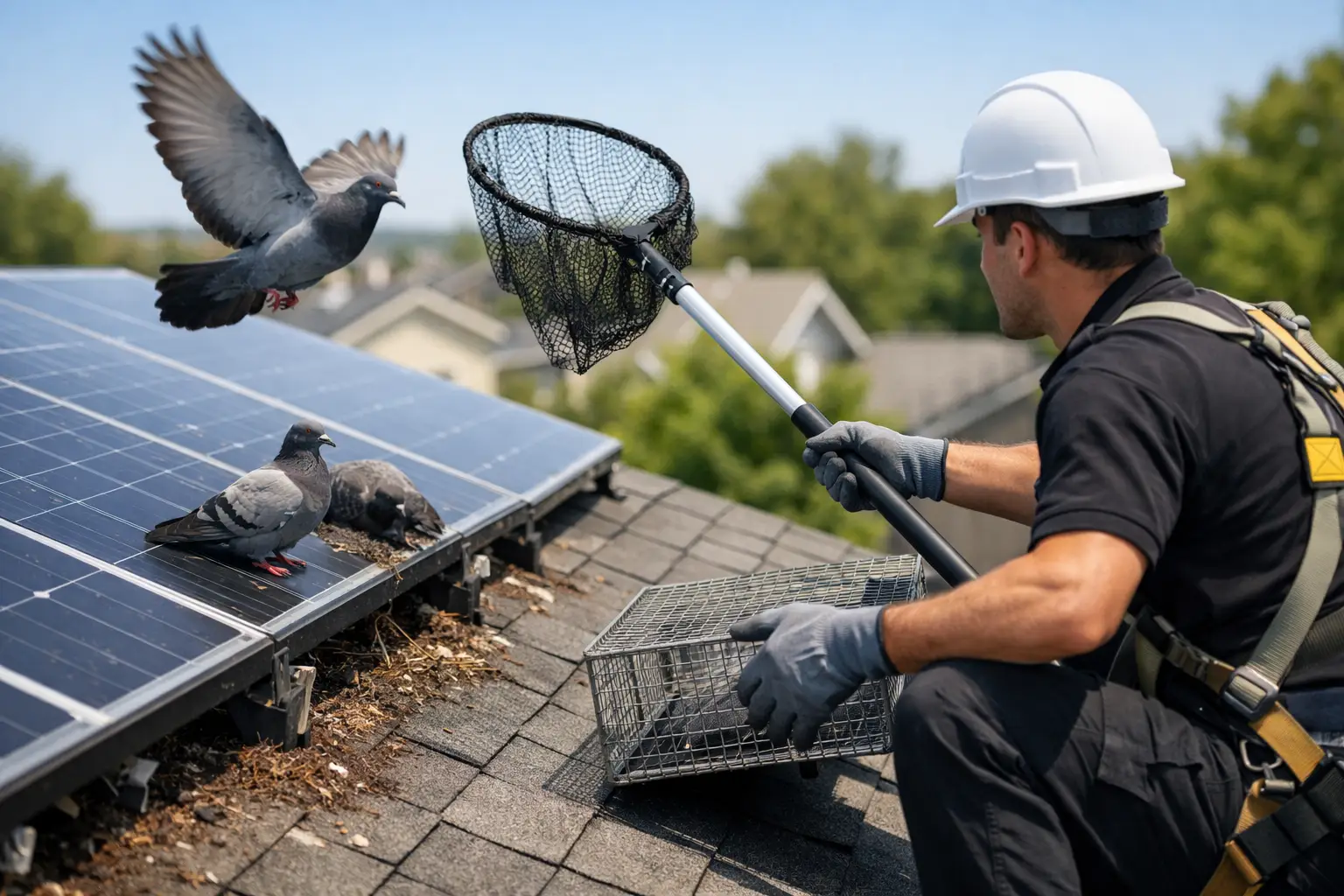
Animal control does not have to be without compassion. I was so grateful for Frank's compassion. I feel so lucky he returned my calls when nobody else would. He was so conscientious before even accepting the job. We had pigeons falling into and getting trapped in the top of a rolling gate, due a gap and a dent in the gate; caused by both a poor design and some damage. He took care of the current trapped pigeon then quickly and ingeniously came up with a solution. Best call I ever made.
Response from the owner:Hi Susan,
Thank you for such a thoughtful review. We’re glad we could find a practical solution that helped both the pigeon and the building. Your comments about compassion really mean a lot to us. Wildlife control doesn’t have to mean losing sight of the animal involved.
We truly appreciate you trusting us with the problem and taking the time to share your experience.
Best
The Team at Animal Control NY/NJ
I called Frank from Animal Control Wildlife Removal Services after realizing I had a rodent issue which needed immediate action in Keansburg NJ. I’d been hearing something in the roof moving around for weeks and it got so bad that something chewed right through my piping cause a major leak in one of the bedrooms.
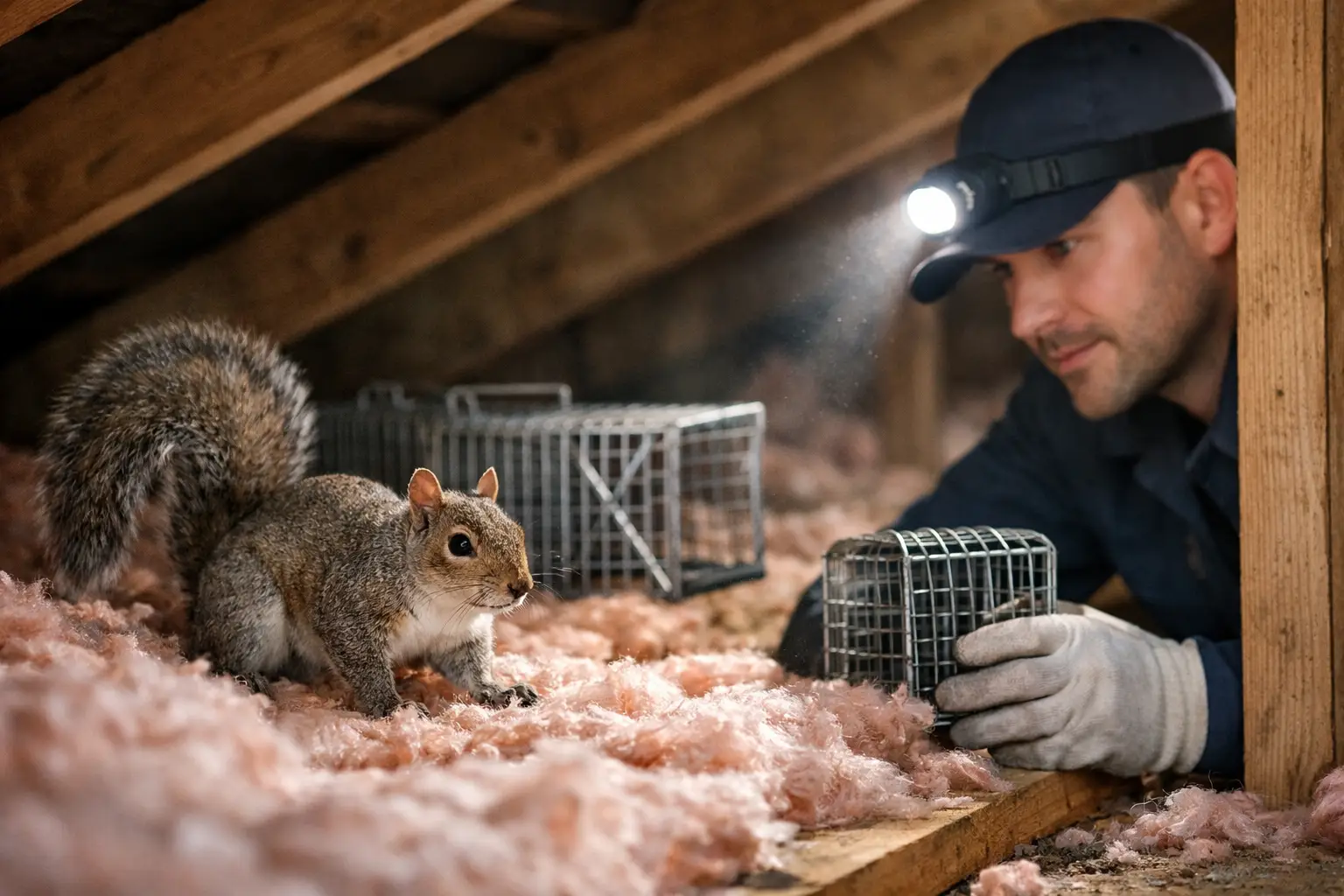
I explained everything to Frank over the phone and he was able to get me an appointment within the same week! Franks team arrived on my property and assessed everything in detail, taking the time to answer my many questions/concerns. They confirmed it was a squirrel hiding out in my roof causing the noise and issues. The work they did was transparent and documented every step of the way. I was provided with inspection findings, and any recommended corrective work.
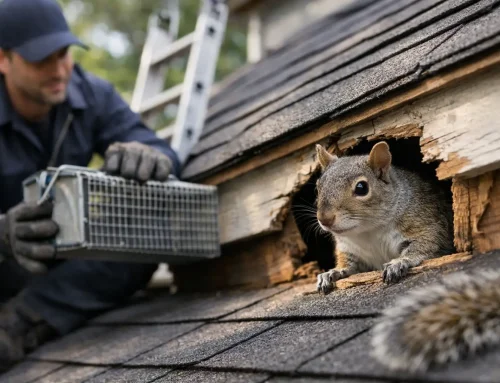
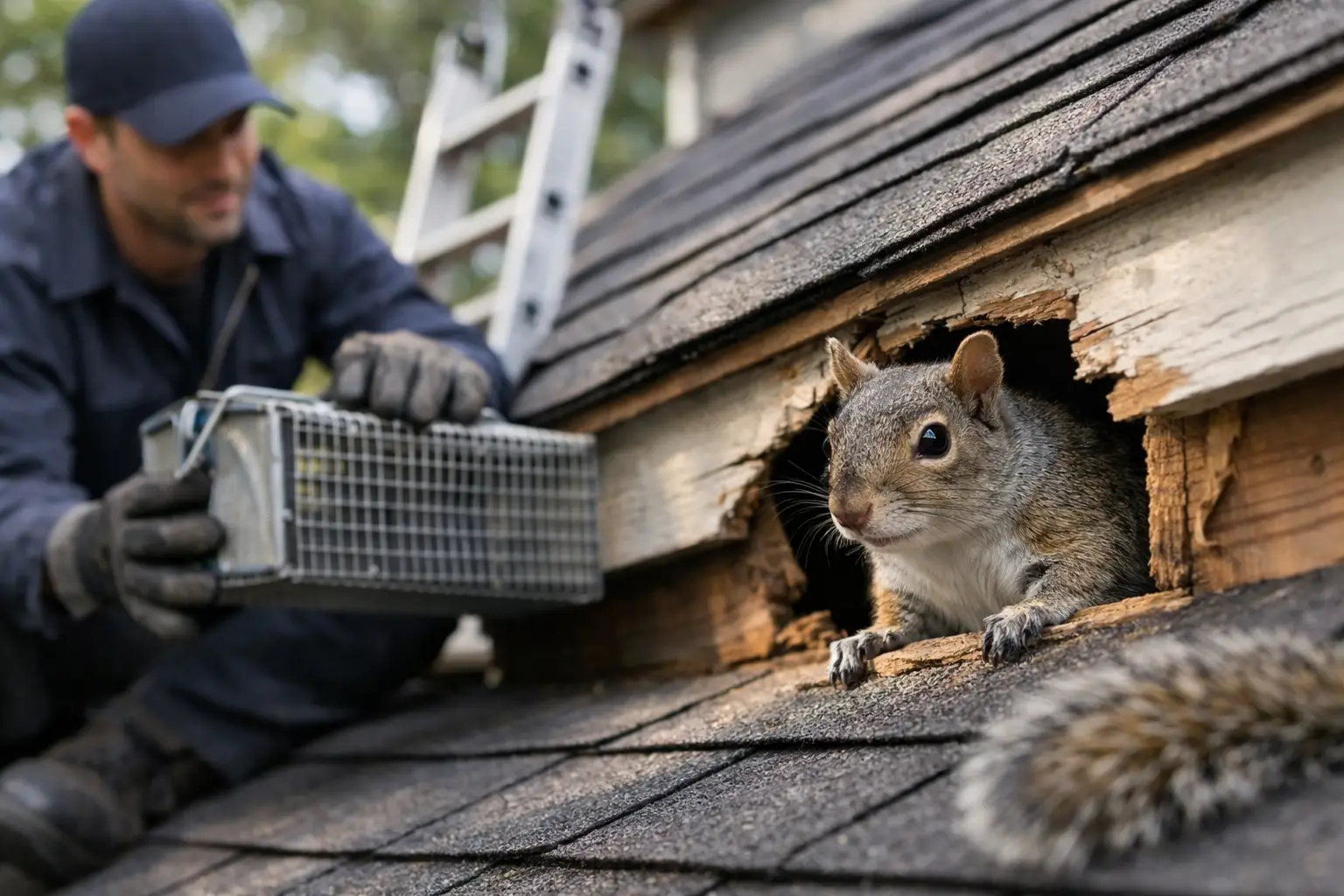
After agreeing on the service charge, Frank’s team got to work, setting up camera monitoring of the areas in question. They set up a one-way exclusion device that successfully got the squirrel out of the roof. Once the squirrel was out of the roof, the team secured the holes and openings on the roof, even cutting the tree branches outside my home near the roof to prevent further rodent access.
Frank and his team are very professional and highly effective. I would recommend their services 10/10 to anyone in need of animal control experts in the Keansburg NJ area!!!
Response from the owner:Hi Haider,
Thank you for taking the time to leave such a detailed review. We’re glad we were able to figure out what was going on in the roof and get the squirrel out before the damage got any worse. The camera monitoring, one-way exclusion, sealing, and trimming back the nearby branches were all important parts of making sure the problem was handled properly.
We really appreciate your trust and recommendation, especially for anyone in Keansburg dealing with squirrel or wildlife issues. Glad we could help get things quiet again.
Best
The Team at Animal Control NY/NJ
Hello everyone now I’m no wordsmith nor do do social media so bear with me please. On a Saturday morning about 2 am my wife says there’s something flying around in the attic which we use for storage etc but it’s used daily. I called every number frantically and by all means I’m a man’s man but that little bat owned the house lol. So Frank aka Batman as I got em in my contacts came twice. First couldn’t find it he left said give me a call if you see it and I’ll come back. So about 5 or 6 hrs later Frank came in and took care of business. This guy cares about the animals and he’s very knowledgeable about the business he’s in. Thank you Frank and seriously thank you again.
Response from the owner:Hi Mike,
This one definitely made us smile. Thanks for taking the time to leave such a great review, and I have to admit, “Batman” is a pretty good contact name. We’re glad Frank was able to come back out and get the bat handled safely. We really appreciate you recognizing the care he puts into the animals as well as the job itself.
Best
The Team at Animal Control NY/NJ