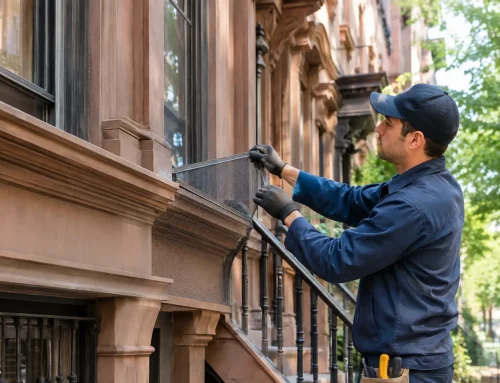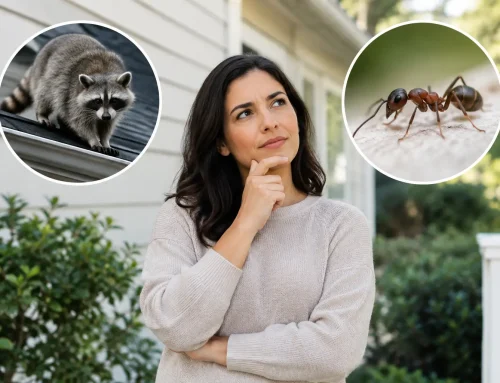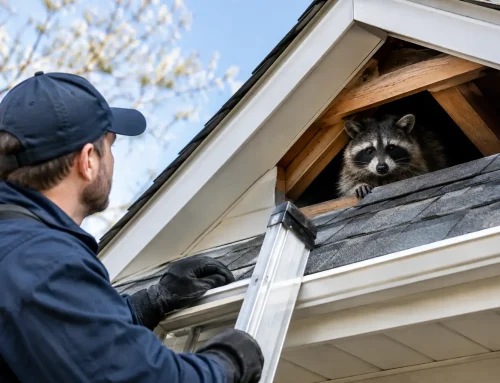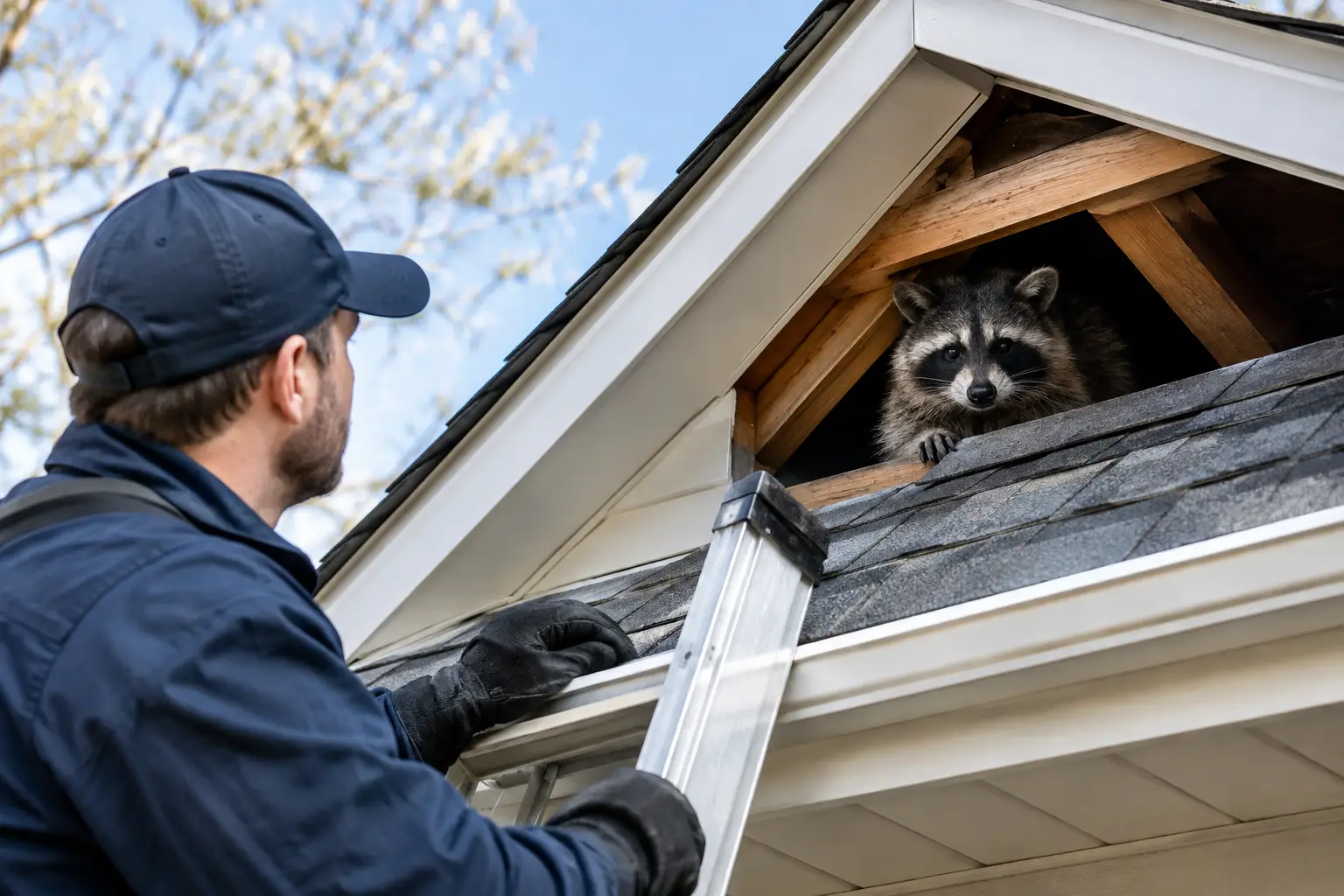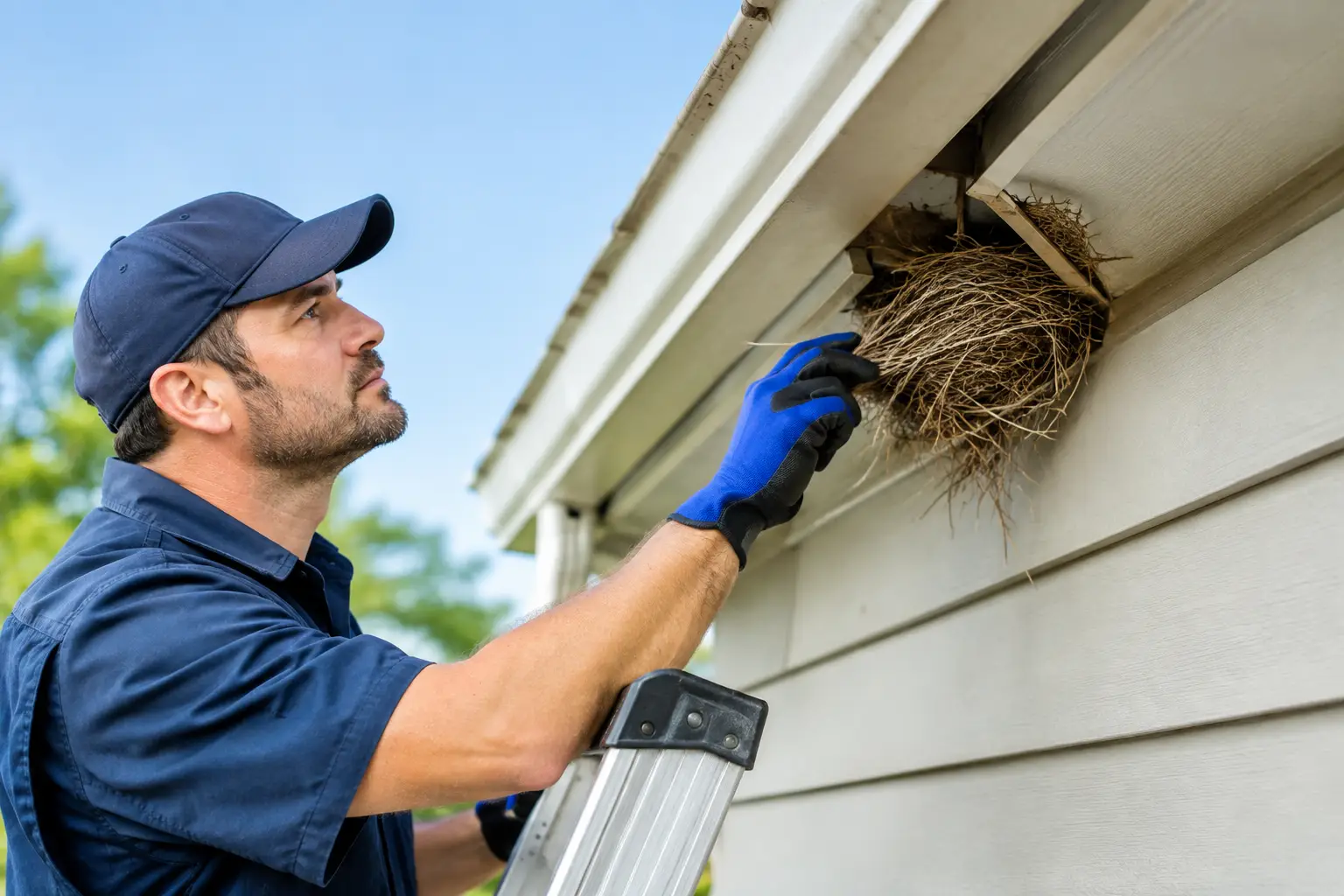
Scratching above the ceiling at 2 a.m., droppings in a storage room, a dead animal behind a wall, or a raccoon tearing through a roofline is not a job for a general handyman. An animal control specialist identifies the animal, removes it safely and humanely, finds how it entered, and repairs the conditions that let the problem start.
For homeowners, landlords, building managers, and business owners in New York City and New Jersey, the difference matters. Removing one animal may stop the immediate noise. Complete wildlife control stops the next animal from using the same gap, nest site, crawl space, attic, or damaged vent.
What an Animal Control Specialist Handles
Wildlife problems are rarely limited to the animal you can see. A squirrel in an attic may have chewed wiring and compressed insulation. A rat infestation can leave contamination behind walls, beneath cabinets, and around utility lines. Birds nesting near vents can block airflow, damage exterior finishes, and create persistent odor issues.
A qualified specialist handles the full chain of the problem: inspection, humane removal, cleanup, exclusion, and repair. That work is especially valuable in dense NYC neighborhoods and New Jersey suburbs, where attached buildings, older construction, roof access points, and shared utility penetrations give wildlife many ways to travel between structures.
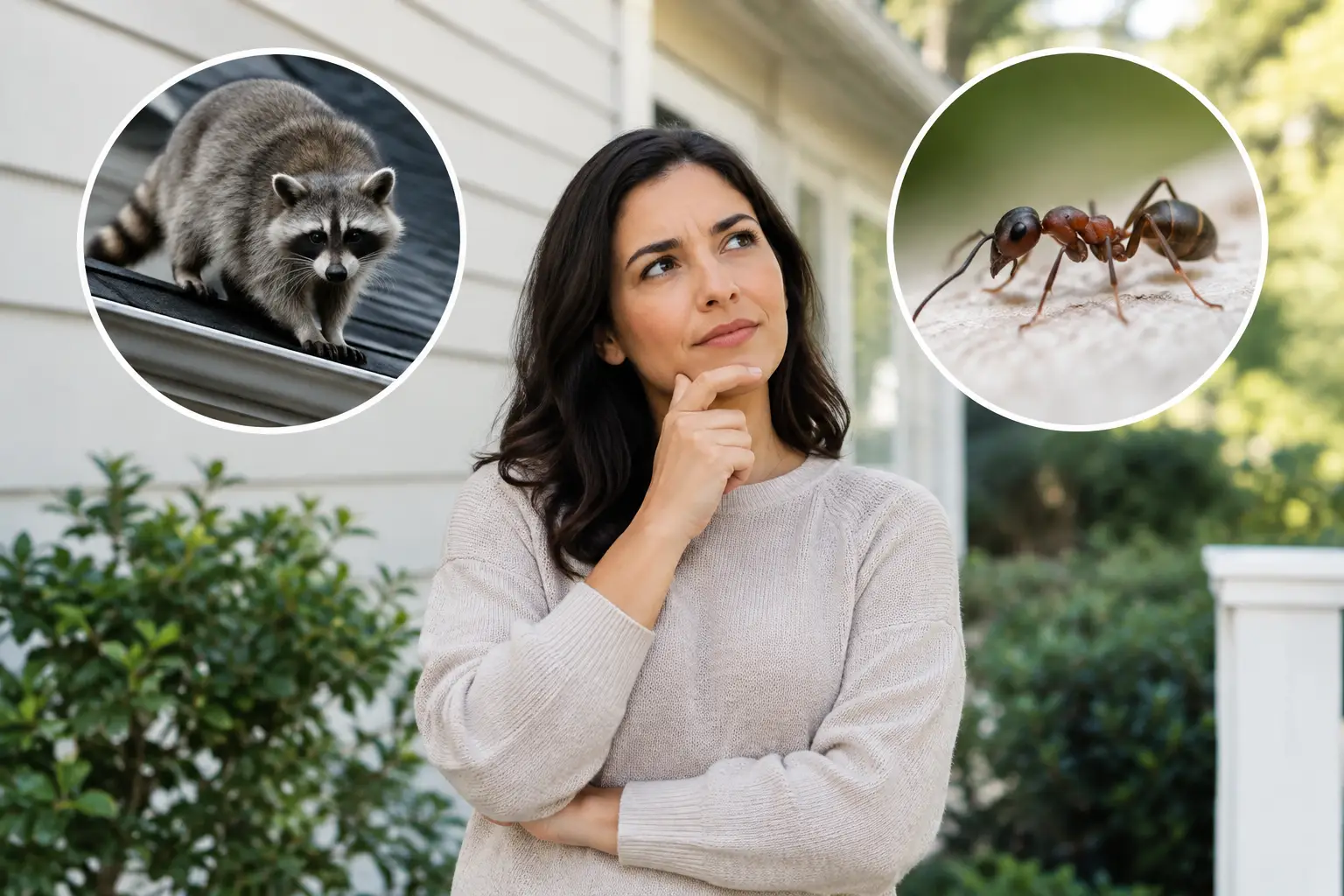
The most common calls involve rats and mice, squirrels, raccoons, birds, bats, opossums, snakes, chipmunks, and groundhogs. Each animal requires a different approach. A rat-control plan is not a bat-exclusion plan, and a raccoon trapped in a chimney should not be handled like a squirrel in a soffit.
Inspection comes before trapping
The first job is determining what is actually happening. A professional inspection looks for tracks, droppings, rub marks, gnawing, nesting material, odor, entry holes, and structural damage. It also considers where the activity occurs and when it happens. Heavy nighttime movement in a ceiling can suggest rats, mice, raccoons, or opossums. Daytime running and scratching in an attic often points to squirrels.
This step prevents expensive guesswork. Trapping without finding the active entry point can leave a property exposed. Sealing an opening while animals are still inside can create a worse problem, including animals dying in walls or chewing new exits through drywall, ducts, or roofing materials.
Humane removal requires species-specific methods
Professional wildlife removal is designed to protect people, pets, property, and the animal whenever possible. Depending on the species and location, the work may involve live trapping, one-way exclusion devices, controlled removal from a chimney or attic, nest management, or targeted rodent-control methods.
Timing matters. During nesting and breeding periods, young animals may be present even when only one adult is seen. A specialist checks for dependent offspring before closing access points. This is one reason a quick patch from the outside can be the wrong move.
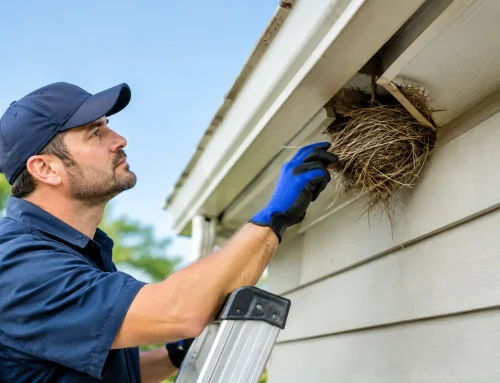
Bats also require special care. They can enter through extremely small gaps near rooflines, vents, flashing, and siding transitions. The proper approach is exclusion, allowing bats to leave without letting them return, followed by careful sealing of all viable access points. Handling bats without proper training raises health and legal concerns.
Why Removal Alone Does Not Solve Wildlife Damage
The animal is the symptom. The opening, food source, shelter, and existing damage are the conditions that keep the property vulnerable.
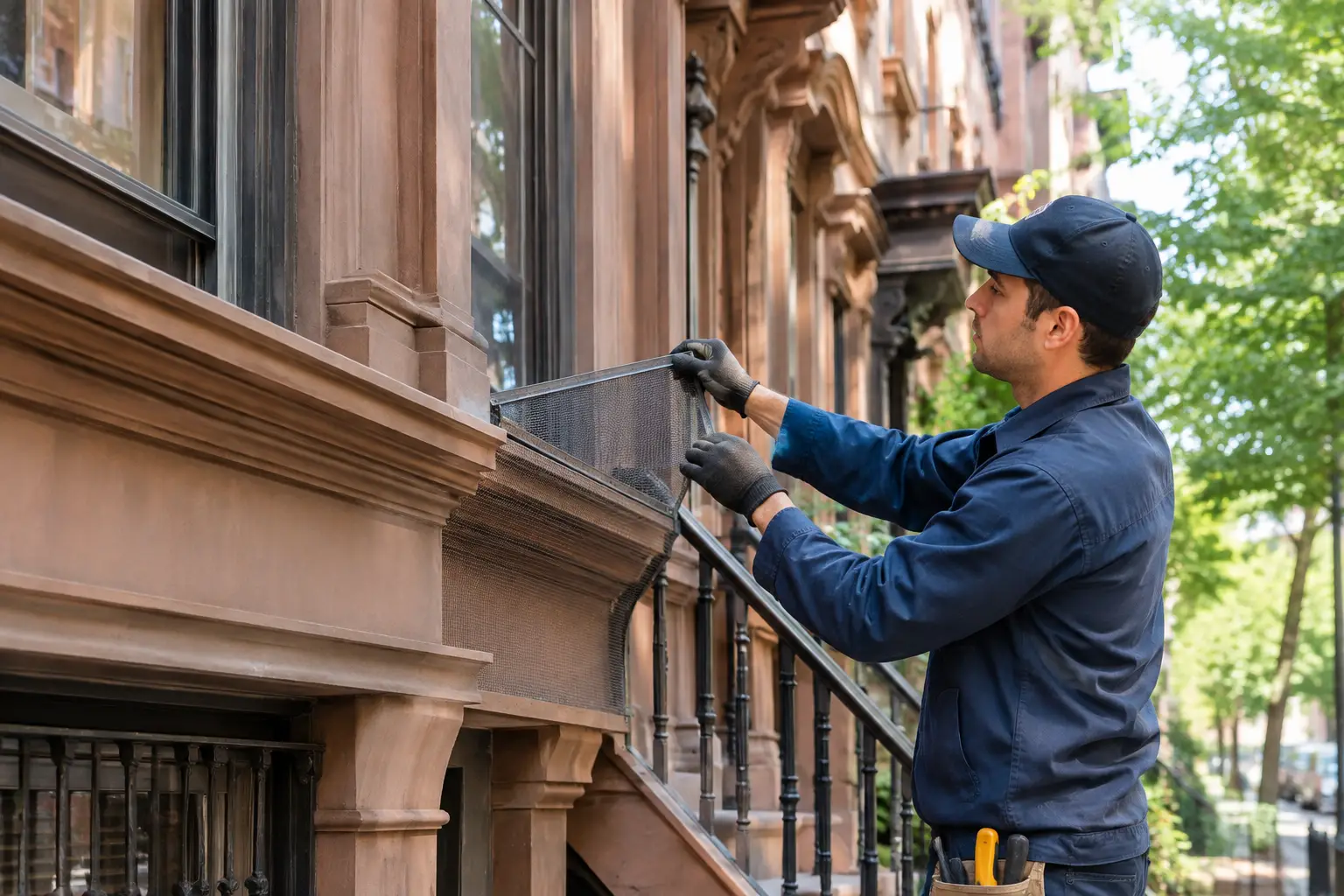
A complete service plan addresses those conditions after removal. In many cases, that means replacing torn attic insulation, removing contaminated nesting debris, disinfecting affected surfaces, sealing crawl space openings, repairing soffits, securing ridge vents, installing gutter guards, or animal-proofing solar panels. These repairs are not cosmetic. They block repeat entry and help restore a clean, usable area.
Rodent contamination deserves particular attention. Mice and rats can contaminate insulation, stored materials, mechanical spaces, and food-adjacent areas with droppings and urine. Dead animals can attract flies and create severe odors that spread through wall cavities and HVAC pathways. Cleanup should be handled with appropriate protective procedures, not a household vacuum or a quick spray of deodorizer.
For commercial properties, incomplete cleanup can become a tenant, customer, employee, or inspection issue. Restaurants, warehouses, multifamily buildings, offices, retail spaces, and healthcare-adjacent facilities need a plan that considers sanitation, access control, and operational disruption alongside animal removal.
Signs You Need an Animal Control Specialist Now
Not every animal sighting requires emergency service, but certain conditions should be addressed quickly. If an animal is inside living space, trapped in a wall or chimney, actively damaging a roof, or leaving droppings in occupied areas, waiting can increase the damage and health risk.
Call for professional help when you notice repeated scratching in walls or ceilings, visible entry holes near rooflines, chewed wires, strong unexplained odors, droppings, birds entering vents, bats around an attic opening, or raccoon activity near a chimney. A sudden fly outbreak indoors can also signal a dead animal in a wall, attic, crawl space, or ceiling void.
Property managers should act quickly when tenants report animal sounds, odors, or droppings. In multifamily buildings, one untreated unit or utility chase can affect neighboring apartments. Early action is usually less disruptive than waiting for activity to spread.
What Professional Wildlife Control Should Include
A dependable animal control service should provide more than a trap at the property line. The right scope depends on the species, the building, and the extent of damage, but a thorough response generally includes four connected stages:
- A detailed inspection to identify the species, entry points, nesting areas, and damage.
- Humane removal or exclusion suited to the animal and the location.
- Sanitation and restoration for contaminated insulation, nesting debris, odors, or dead-animal remains.
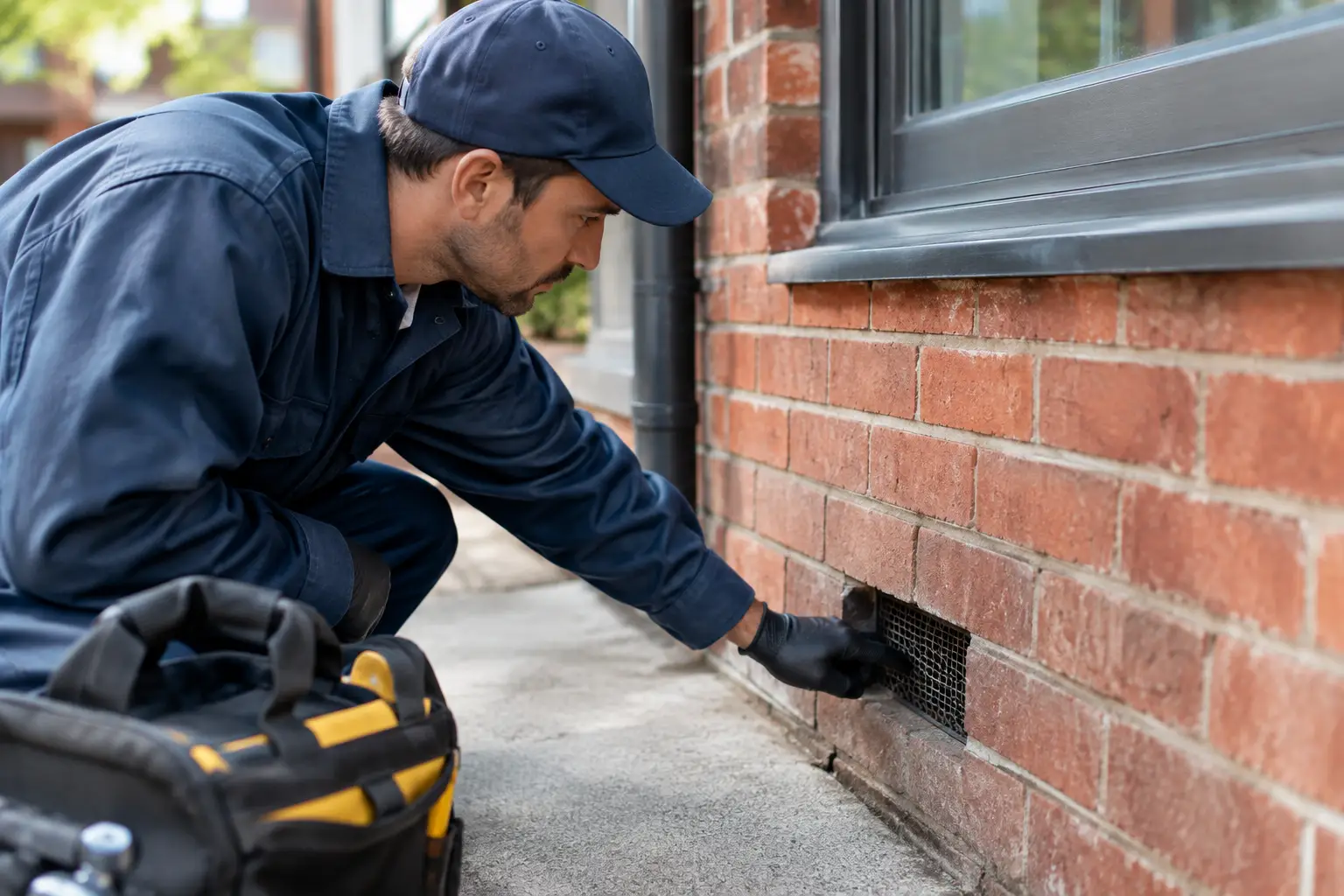
- Exclusion and repair work that closes access points and protects vulnerable exterior features.
Ask direct questions before service begins. Will the company inspect the attic, roofline, crawl space, vents, and exterior? How will it confirm the animal is gone? Are cleanup and repairs available? What happens if young animals are present? A professional should be able to explain the plan clearly rather than promise a one-size-fits-all fix.
Price can vary because the job can vary. A single squirrel exclusion is different from removing a raccoon family, restoring a contaminated attic, or addressing a rat problem across a commercial building. The lowest quote may cover removal only, leaving sanitation and repairs for another contractor. A complete estimate should make the scope clear.
Prevention Starts at the Building Exterior
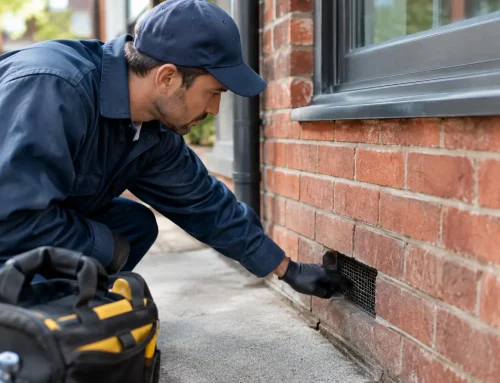
Most wildlife intrusions begin outside. Roof gaps, damaged soffits, open vents, loose flashing, unprotected chimney openings, broken crawl space grates, and gaps around pipes are common access routes. Trees touching a roof can give squirrels and raccoons a direct bridge to upper entry points.
Good prevention means maintaining the exterior before animals establish a nest. Keep trash secure, repair roof and siding damage promptly, address standing water, and avoid leaving pet food or bird seed accessible overnight. These steps help, but they do not replace professional exclusion when an active infestation is present.
For buildings with solar panels, the space beneath the panels can become a protected nesting area for birds and squirrels. Proper animal proofing can prevent nesting without interfering with panel performance. Likewise, protected ridge vents and durable gutter guards can reduce opportunities for animals to enter or build nests along the roofline.
Local Help for Urgent Animal Problems
Wildlife calls do not wait for business hours. Animals are often most active overnight, and damage can escalate quickly during storms, cold weather, or breeding seasons. Animal Control NYC & NJ provides 24/7 service for animal trapping, removal, cleanup, exclusion, and property repair across New York City and New Jersey.
If you hear movement in the attic, find droppings in a business, or see an animal using a damaged exterior opening, treat it as an active property issue. Fast, humane action protects your building, your occupants, and the animals that need to be removed from the wrong place.