A nest tucked into a roof vent, dryer exhaust, gutter, soffit, or commercial sign can quickly become more than a nuisance. Birds may leave droppings on walkways, block ventilation, bring mites into living spaces, and return season after season. Bird nest removal must be handled carefully, however, because timing, bird species, and nest activity all affect what can be done safely and legally.
For homeowners, landlords, and property managers in NYC and New Jersey, the right response is not simply knocking down a nest. The goal is to address the current bird activity, remove contamination where permitted, and close the access point so the problem does not restart next week.
When Bird Nest Removal Can Be a Problem
Many common wild birds are protected during nesting season. If a nest contains eggs or dependent young birds, disturbing or removing it may be restricted under federal, state, or local wildlife rules. The Migratory Bird Treaty Act protects many native bird species, which means an active nest should not be treated like ordinary debris.
That does not mean you have to live with a dangerous condition. A professional wildlife control inspection can identify the species, determine whether the nest is active, and recommend the appropriate next step. In some cases, the safest option is to wait until young birds have left the nest. In others, a permit, species-specific exclusion method, or immediate action may be appropriate because of a fire, ventilation, sanitation, or building safety concern.
Pigeons, house sparrows, and European starlings are handled differently from many native migratory birds, but property owners should not assume every nest is legal to remove. Nesting regulations and site conditions vary. A trained technician can help you avoid harming birds, violating regulations, or creating a bigger infestation by removing a nest at the wrong time.
Signs a Nest Is Creating a Property Risk
A bird nest on an open tree branch may not require intervention. A nest inside or against a building is another matter. Birds often select protected locations that also happen to be critical parts of a structure, including attic vents, bathroom exhaust vents, rooftop HVAC equipment, solar panel gaps, chimney caps, loading docks, and signage.
Watch for persistent chirping from a wall or vent, nesting materials protruding from an opening, feathers and droppings below rooflines, foul odors, clogged gutters, or birds repeatedly entering the same gap. In apartment buildings and commercial properties, tenant complaints about noise, droppings, insects, or birds near entrances often point to an established nesting area.
The greatest concerns arise when nesting material blocks airflow or sits near heat-producing equipment. Dry grass, twigs, insulation, and debris can create a fire concern around dryer vents, exhaust systems, and electrical fixtures. A blocked vent can also reduce appliance efficiency and contribute to moisture issues. Droppings around entrances and sidewalks create slip hazards and can make a business look poorly maintained.
Why DIY Nest Removal Often Fails
Property owners often remove visible nesting material only to find the birds rebuilding in the same location within days. That happens because the real issue is access. If a vent cover is missing, a soffit opening is loose, or a gap exists under solar panels, the site remains available.
DIY removal can also expose people to droppings, feathers, parasites, and contaminated dust. Bird droppings can carry bacteria and fungi, while nests may harbor bird mites, lice, fleas, and other pests that migrate indoors after a nest is disturbed. This is especially concerning in attics, crawl spaces, mechanical rooms, restaurant exteriors, healthcare facilities, and multi-unit buildings.
Ladders add another layer of risk. Roof edges, second-story soffits, steep pitches, and exterior signage are not safe places for improvised wildlife work. A nest may also be hidden behind siding, inside a chimney, or deep within a vent line, where pulling material out without the proper tools can damage the structure or trap young birds farther inside.
Professional Bird Nest Removal Starts With an Inspection
A proper service visit begins by locating every nesting and roosting area, not just the spot where birds are most visible. Birds can use multiple openings around a roofline, especially when a property has aging vents, damaged screens, open ridge vents, or unprotected solar panels.
The technician evaluates the bird species, nest status, entry point, contamination level, and condition of nearby building materials. This inspection determines whether removal can happen immediately or whether a humane waiting period or exclusion plan is necessary. It also identifies secondary issues such as damaged insulation, clogged gutters, odor sources, or insect activity around the nest.
Once the situation is assessed, the work may include humane removal where permitted, disposal of old nesting debris, cleanup of droppings, disinfection of affected surfaces, and repair or screening of vulnerable openings. For severe attic or crawl space contamination, insulation replacement and deeper restoration may be needed. This matters because droppings and nesting material left behind can continue to cause odor and pest problems long after the birds are gone.
Exclusion Is What Stops Birds From Returning
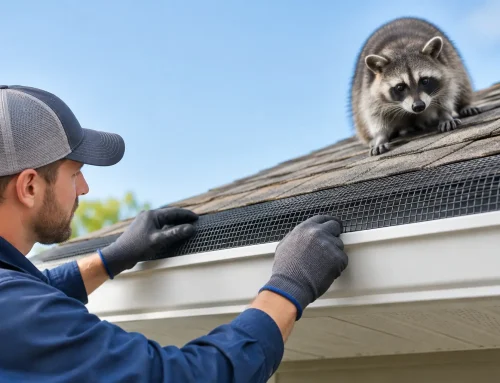
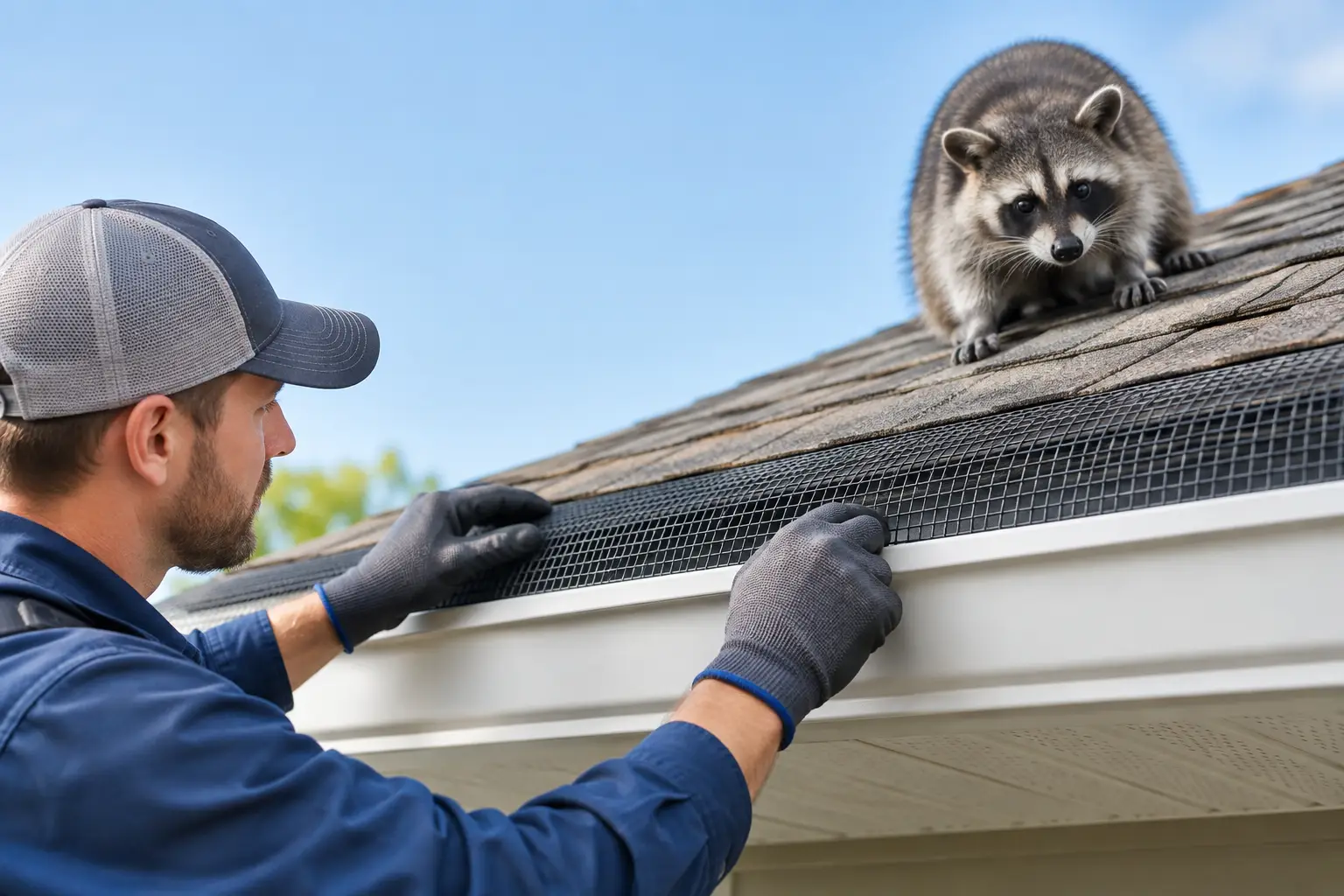
The best bird control work does not end when the nest is removed. It prevents the next nest. Depending on the location, exclusion may involve installing vent guards, chimney caps, gutter guards, ridge-vent protection, bird netting, screening, or solar panel animal proofing.
The material and method must fit the structure. A cover that restricts required airflow can create a new building problem, while lightweight screening may fail against persistent birds or weather exposure. Professional exclusion is designed to keep birds out without damaging ventilation, roofing systems, or drainage.
Timing matters here as well. Openings should not be sealed while birds or young are still inside. A responsible technician confirms that the area is clear or uses a humane method that allows birds to exit without regaining access.
Bird Problems Are Different in NYC and New Jersey
Dense city properties face different pressures than suburban homes, but birds exploit the same weaknesses: unprotected vents, roofline gaps, food sources, and sheltered ledges. In New York City, pigeons commonly roost on signs, fire escapes, HVAC units, facades, and loading areas. In New Jersey, homeowners frequently find nests in attic vents, gutters, chimneys, garage eaves, and beneath solar panels.
Property type also changes the response. A single-family home may need a vent cover and cleanup. A multi-family building may need coordinated work around tenant access, rooftop equipment, common areas, and multiple entry points. Restaurants, warehouses, schools, and retail centers may need faster sanitation measures because visible droppings and bird activity affect customers, employees, and compliance expectations.
Animal Control NYC & NJ provides professional wildlife trapping and removal service for property owners who need the full job handled, from inspection and humane bird control to cleanup, exclusion, and structural repair. When a nest is located near a vent, attic, roofline, or commercial structure, one coordinated service team can prevent delays between removal, sanitation, and repairs.
What to Do Before Help Arrives
Do not block the opening, spray chemicals into the nest, or attempt to pull out nesting material if you do not know whether eggs or young birds are present. Keep children, pets, and tenants away from droppings and avoid sweeping dry waste, which can send contaminated dust into the air.
If the nest is near a dryer vent, exhaust outlet, electrical equipment, or another potential fire hazard, stop using the affected system if it is safe to do so and arrange an inspection promptly. For nests above entrances or busy walkways, place temporary caution barriers below the area when possible. Take note of where birds enter and exit, but avoid close contact with the nest.
Fast action is useful, but careful action protects your property and the birds. A professional inspection can tell you whether removal is allowed now, what cleanup is necessary, and exactly how to keep that nesting site closed for good.