A raccoon in the attic is not a problem that improves with time. The scratching over the ceiling, torn soffit, overturned trash cans, or strong odor near a crawl space can point to an active entry that is already causing damage. Professional raccoon removal NJ service addresses the immediate animal problem, then closes the opening and restores contaminated areas so the same situation does not return.
Raccoons are strong, intelligent, and persistent. A loose roof vent, damaged fascia board, chimney gap, or weak soffit can become an entry point quickly. Once inside, they may tear insulation apart for nesting material, damage ducts and wiring, leave droppings throughout an attic, and create noise that keeps families or tenants awake at night.
Why Raccoons Enter New Jersey Properties
New Jersey properties give raccoons what they need: shelter, warmth, water, and easy food. Residential attics, crawl spaces, garages, sheds, decks, dumpsters, and commercial rooflines can all become attractive den sites. The risk rises when garbage is accessible, pet food is left outdoors, bird feeders spill seed, or exterior construction has gaps around vents and roof edges.
Female raccoons are especially determined when they are looking for a protected den to raise young. During baby season, an attic intrusion is not always a single adult animal. Removing or excluding a mother without locating dependent young can leave animals trapped indoors, creating odor, noise, and a much harder cleanup issue. That is why the timing and method of removal matter.
Property managers should take early reports seriously. A tenant who hears movement in a ceiling or sees a raccoon using the same roofline repeatedly may be reporting an active den, not a one-time sighting. Fast action can prevent a small roof opening from becoming extensive interior damage.
Signs You Need Raccoon Removal in NJ
Raccoons are mostly active at night, so homeowners often hear them before they see them. Heavy footsteps, thumping, chattering, or persistent scratching in the attic are common signs. Unlike mice, raccoons make substantial noise and can sound surprisingly large above a bedroom ceiling.
Exterior signs may include displaced shingles, bent vent covers, damaged gutter sections, torn soffits, claw marks on siding, or muddy tracks near a downspout or deck. Inside, you may notice a urine-like odor, stained ceiling areas, insulation pulled near an access point, or droppings in an attic or crawl space.
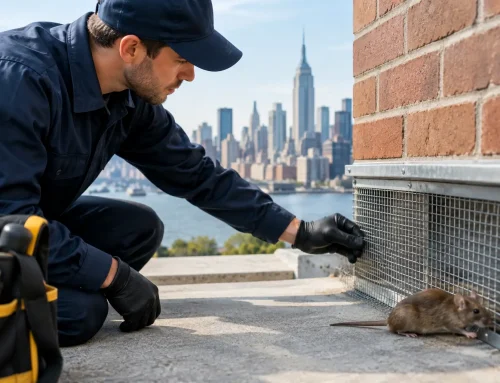
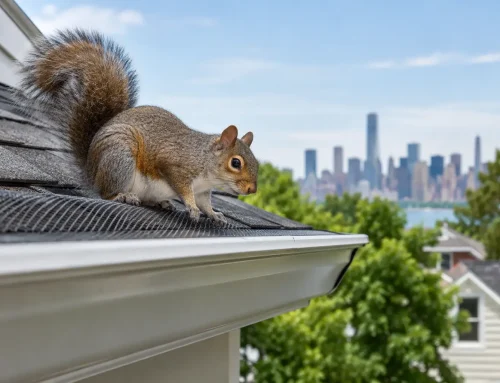
Do not assume every attic sound is a raccoon. Squirrels, birds, bats, and rats can also enter structures, and each species requires a different control approach. A detailed inspection identifies the animal, active entry points, travel routes, nesting conditions, and any sanitation or repair needs before removal begins.
Why DIY Raccoon Control Can Make Things Worse
A raccoon may look manageable from a distance, but cornered wildlife can bite, scratch, and cause serious injury. Raccoons also carry parasites and can contaminate insulation, surfaces, and stored belongings with urine and feces. Direct contact should always be avoided, especially when an animal appears disoriented, unusually aggressive, or active during daylight.
The other problem is exclusion timing. Sealing a hole immediately after seeing a raccoon leave may trap young inside. Sealing it while the animal is still inside can force it deeper into the structure, where it may damage more materials trying to escape. Poison is not an appropriate answer and can result in an animal dying in an inaccessible wall, attic, or duct area.
There are also legal and humane handling considerations for wildlife in New Jersey. Trapping, relocation, and removal methods should be handled by trained professionals who understand species behavior and applicable rules. The goal is not simply to make the animal disappear for a day. The goal is to remove it responsibly and keep it from re-entering.
What Professional Raccoon Removal NJ Service Includes
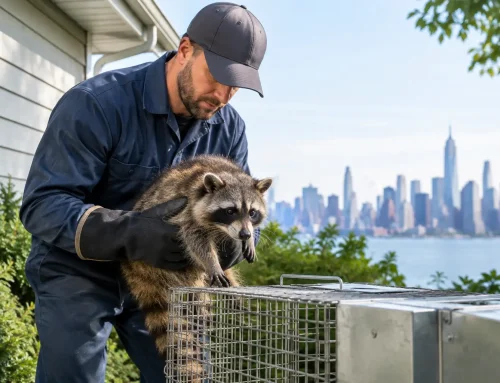
Effective raccoon control starts with a property inspection. A wildlife technician checks the roofline, attic, vents, chimneys, soffits, siding transitions, crawl-space access points, decks, and other likely travel routes. The inspection should determine whether the raccoon is currently inside, whether young are present, and how long the intrusion may have been active.
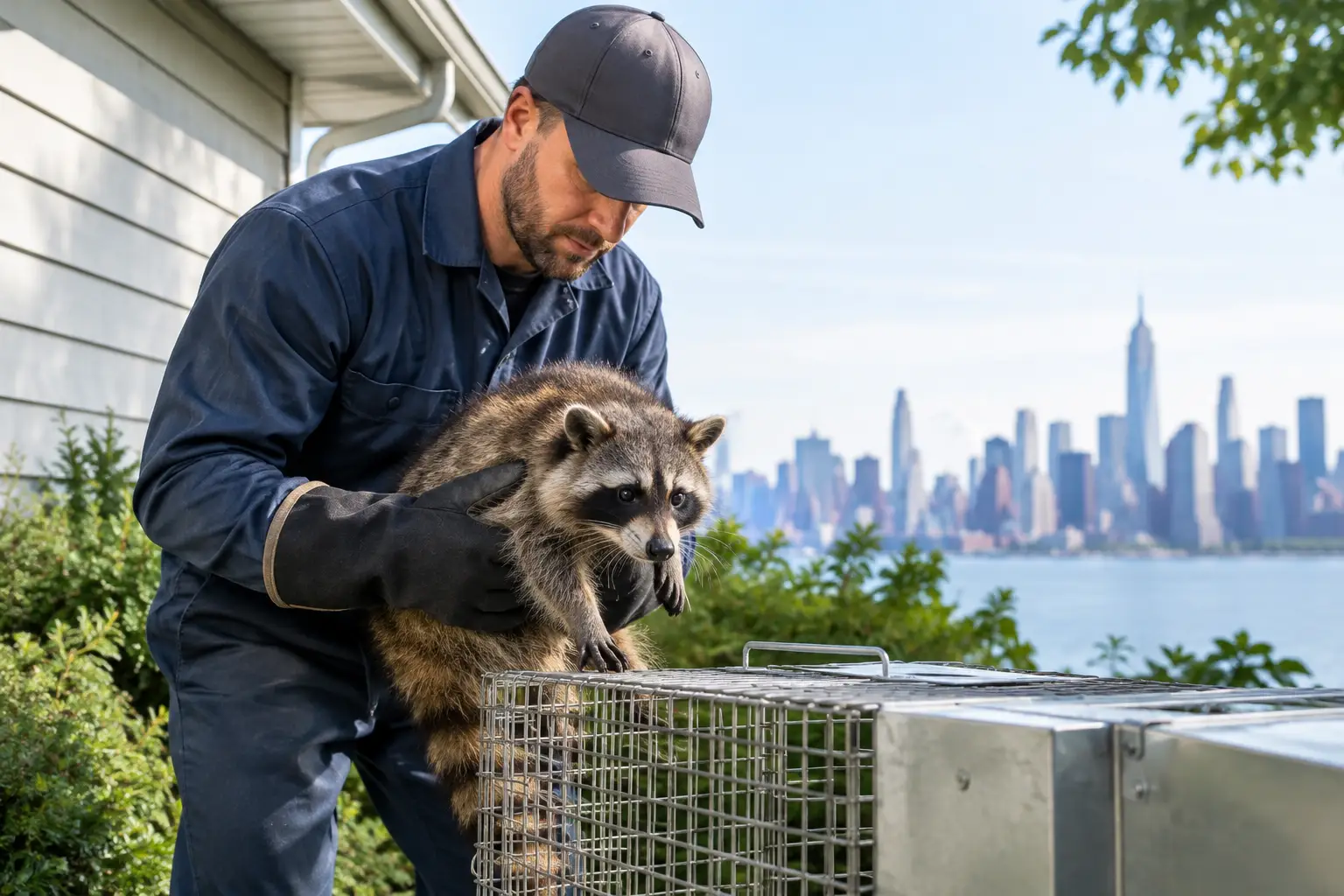
Humane trapping or one-way exclusion methods may be used based on the situation. The right method depends on the animal’s location, the season, whether babies are present, the condition of the structure, and the size of the opening. A professional approach avoids rushed sealing that creates a worse issue inside the building.
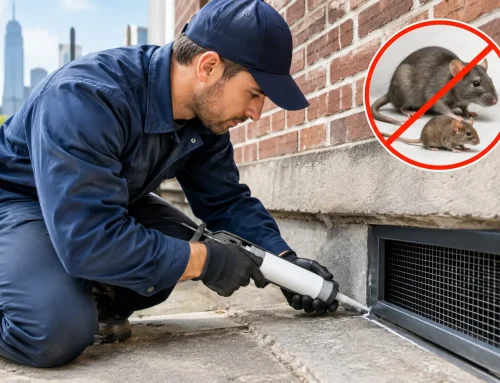
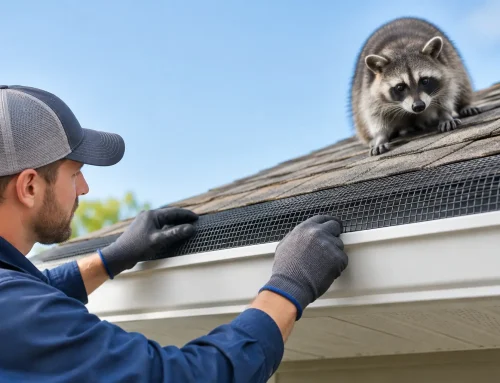
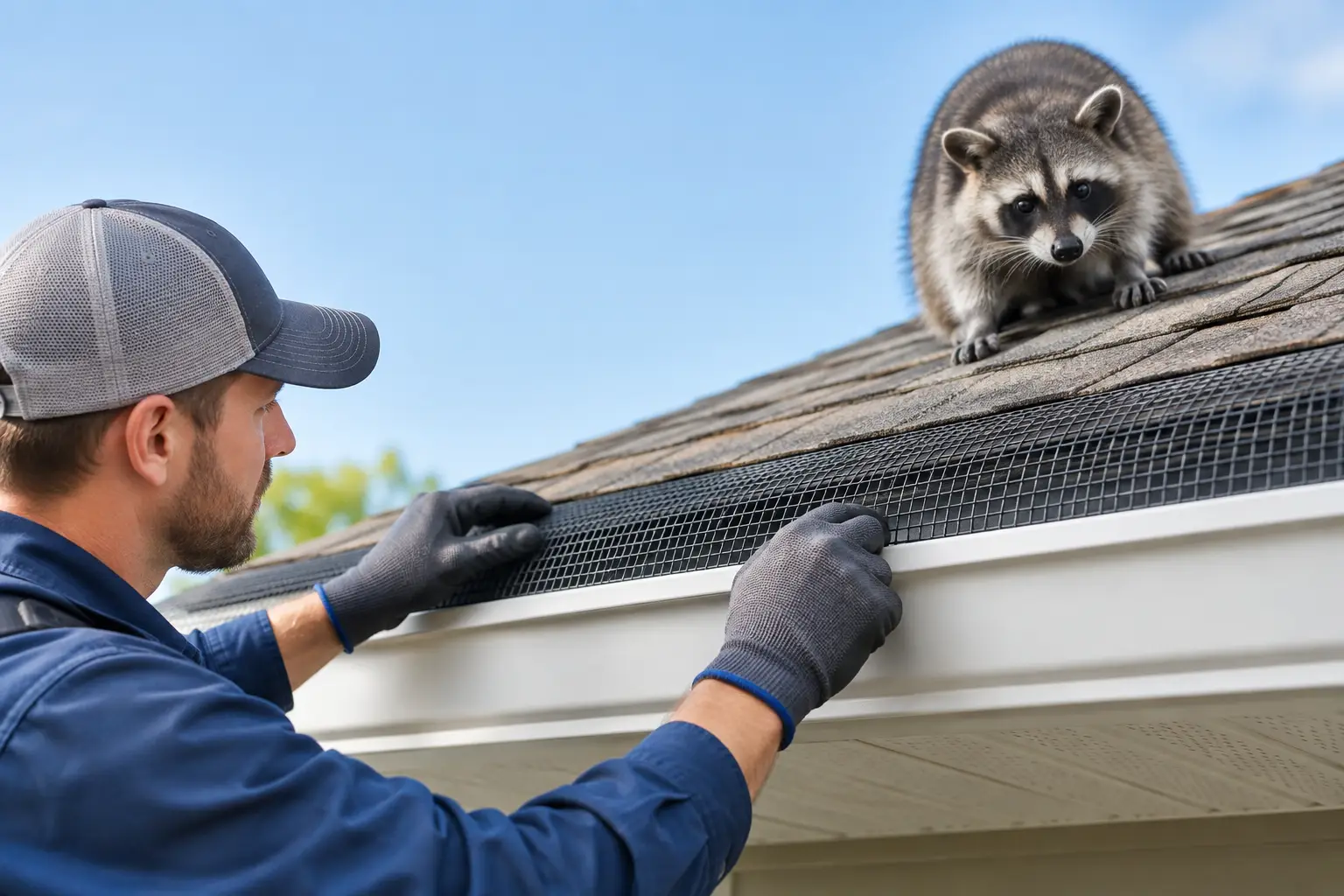
After removal, the work is not finished. Openings must be repaired or protected with durable materials that stand up to raccoon strength. Common problem areas include roof and ridge vents, chimney caps, attic louvers, loose fascia, damaged soffits, crawl-space vents, and gaps near utility lines. If an opening remains accessible, another raccoon or a different animal can use it.
Animal Control NYC & NJ provides wildlife removal as part of a complete property recovery process. That can include humane removal, exclusion work, attic restoration, insulation replacement, sanitizing, odor control, crawl-space sealing, and repairs to damaged exterior access points.
Cleanup Is a Health and Property Protection Issue
Raccoon droppings and urine are not just unpleasant. They can contaminate insulation and surfaces, attract insects, create persistent odor, and affect indoor air quality when attic air moves through a home or building. Disturbed droppings can also create exposure concerns, which is why unprotected sweeping or vacuuming is not recommended.
Professional cleanup may involve removing heavily contaminated insulation, treating affected framing and surfaces, sanitizing the area, and sealing odor sources. The right level of restoration depends on how long the raccoons occupied the space and how widely contamination spread. A short-term entry near a roof vent may need limited cleanup, while a long-standing attic den may require insulation removal and more extensive disinfection.
For landlords and commercial property operators, documentation of the issue and repairs can also be valuable. It demonstrates that the property was inspected, the animal was removed, and conditions that could affect occupants were addressed.
Preventing Raccoons From Coming Back
Prevention works best when it combines building repair with changes around the property. Secure trash containers and keep lids closed. Do not leave pet food outdoors overnight, and clean up fallen fruit, spilled bird seed, or other easy food sources. Trim branches that provide direct access to roofs where practical.
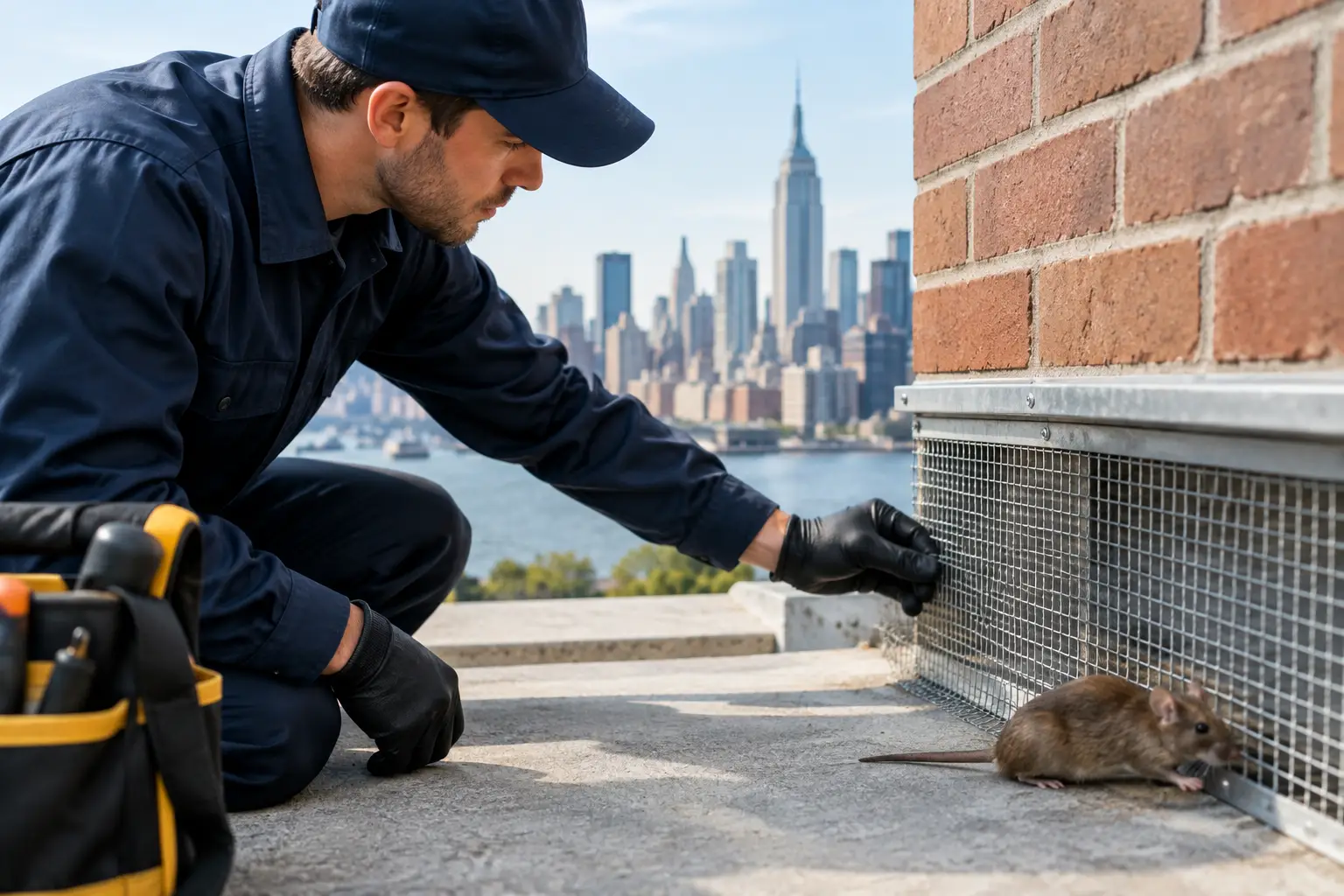
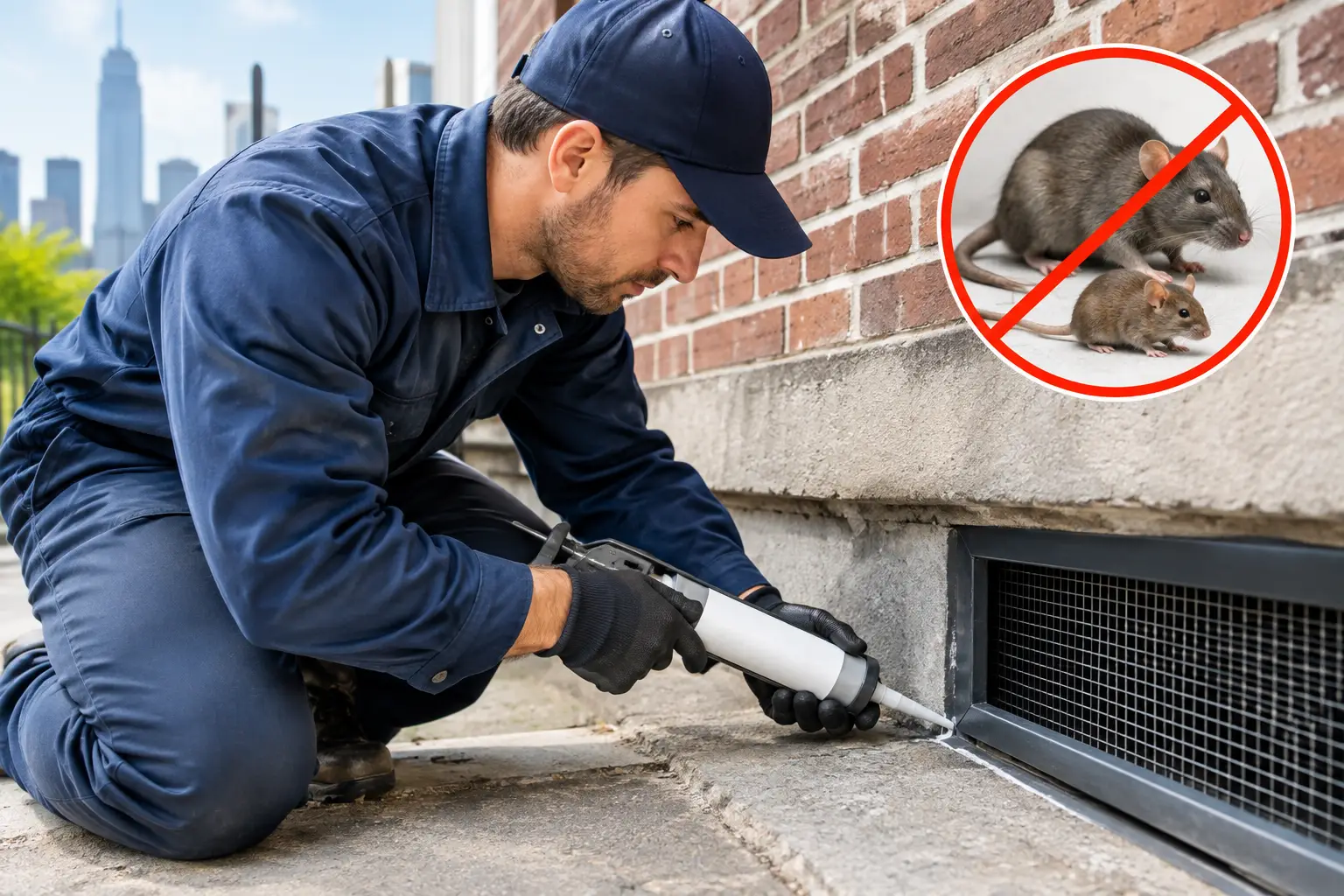
The most important step is structural exclusion. Raccoons can climb gutters, fences, trees, masonry, and utility structures, so the focus should be on denying entry at the building itself. Reinforced vent protection, chimney screening, secure soffits, repaired fascia, and properly sealed crawl-space openings help protect the areas raccoons target most often.
It depends on the building. A single-family home with a damaged attic vent may need a focused repair, while a multi-unit property with aging roofline materials may benefit from a broader inspection of every vulnerable opening. The best prevention plan is based on the property’s actual entry risks, not a one-size-fits-all fix.
When to Call for Emergency Raccoon Help
Call for professional help right away if a raccoon is inside a living space, trapped in a chimney or wall, entering an occupied attic, or behaving aggressively. Immediate service is also warranted when there is visible ceiling damage, a strong odor, a baby raccoon concern, or an animal has entered a restaurant, warehouse, office, school, or tenant-occupied building.
Do not try to handle the animal, block it into a room, or release it on your own. Keep children and pets away from the area, close interior doors if the animal is inside, and allow a trained wildlife professional to assess the safest removal method.
A raccoon problem is often a building problem in disguise. Prompt removal protects the people inside, while proper cleanup and exclusion protect the structure long after the noise in the attic stops.