A scratching sound over the bedroom ceiling at 2 a.m. is not the time for vague advice. If you are asking, “do I need animal control or pest control?” the answer depends on what is in the building, how it got there, and whether the problem involves wildlife damage, contamination, or a recurring insect infestation.
For NYC and New Jersey property owners, the distinction matters. A pest treatment may address a mouse or cockroach population, but it will not safely remove a raccoon from an attic, evict bats from a roofline, or repair the entry point squirrels have chewed through. On the other hand, calling wildlife removal for a pantry moth issue or bed bugs is usually not the right fit. The fastest way to protect your property is to match the problem to the right professional.
Do I Need Animal Control or Pest Control for My Problem?
Pest control generally focuses on insects and routine rodent activity. Think ants in a kitchen, roaches in a restaurant, termites in framing, flies around dumpsters, or mice and rats entering through small gaps. Pest control providers commonly use targeted treatment plans, monitoring, sanitation recommendations, baiting, and exclusion to reduce and prevent populations.
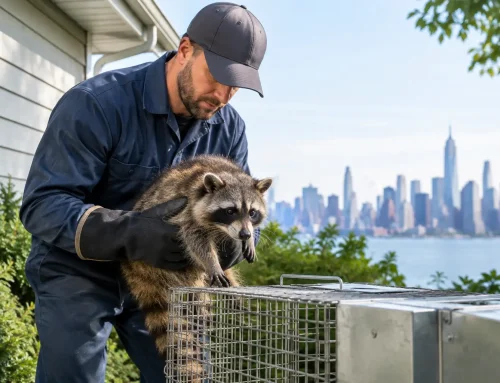
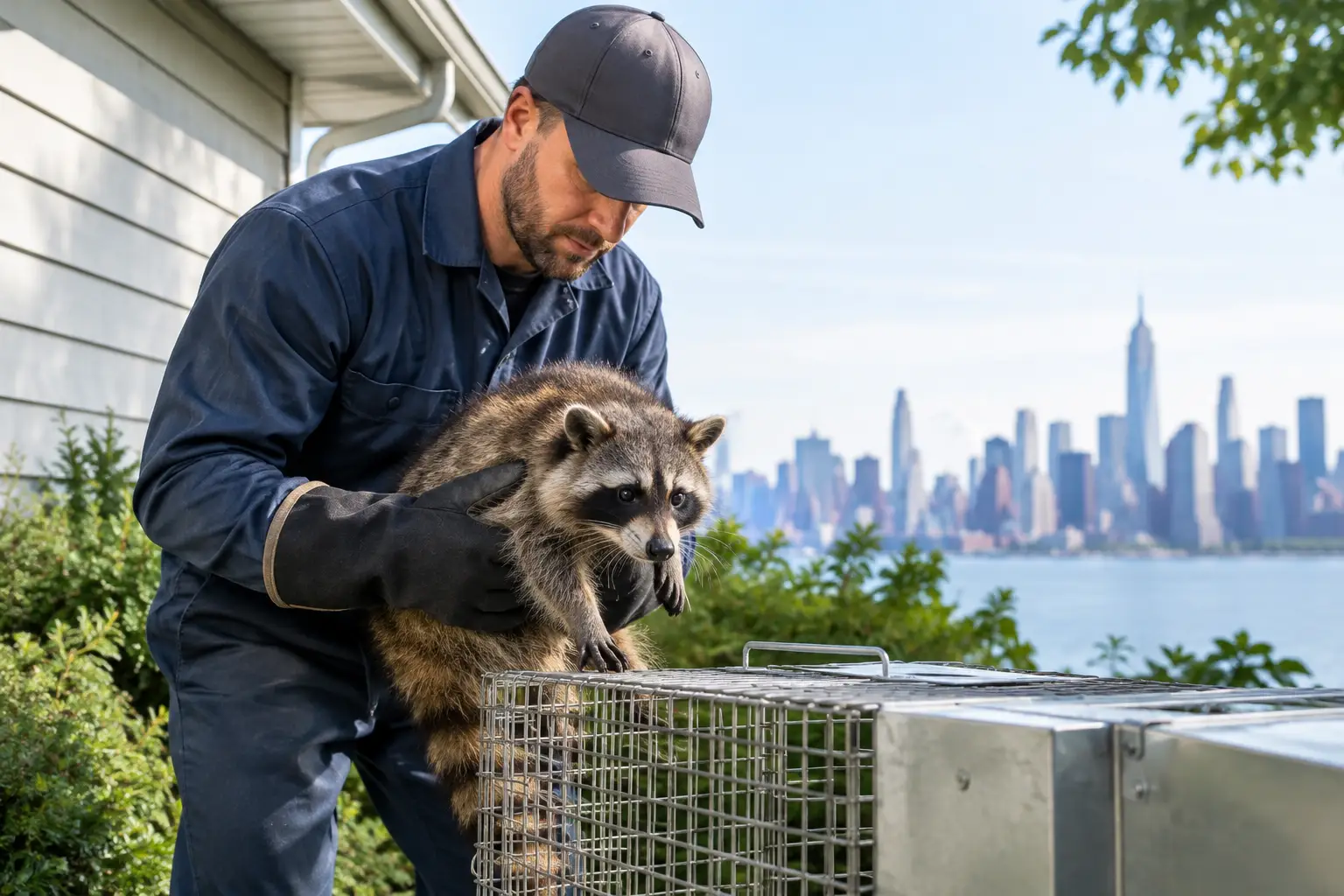
Animal control or wildlife control is the better call when a larger wild animal has entered, nested in, died in, or damaged part of a structure. This includes raccoons, squirrels, bats, birds, opossums, groundhogs, snakes, chipmunks, and similar nuisance wildlife. Professional wildlife work is not just about getting an animal out. It often requires species-specific trapping, humane removal, legal considerations, inspection of the structure, cleanup, and repairs that stop the animal from returning.
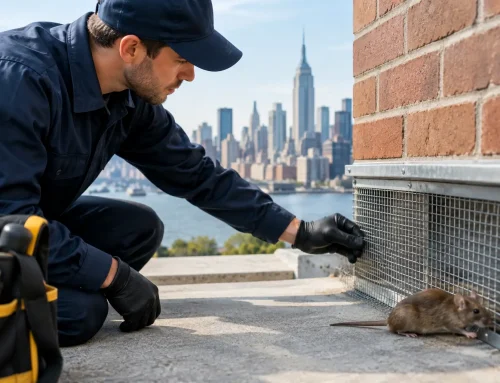
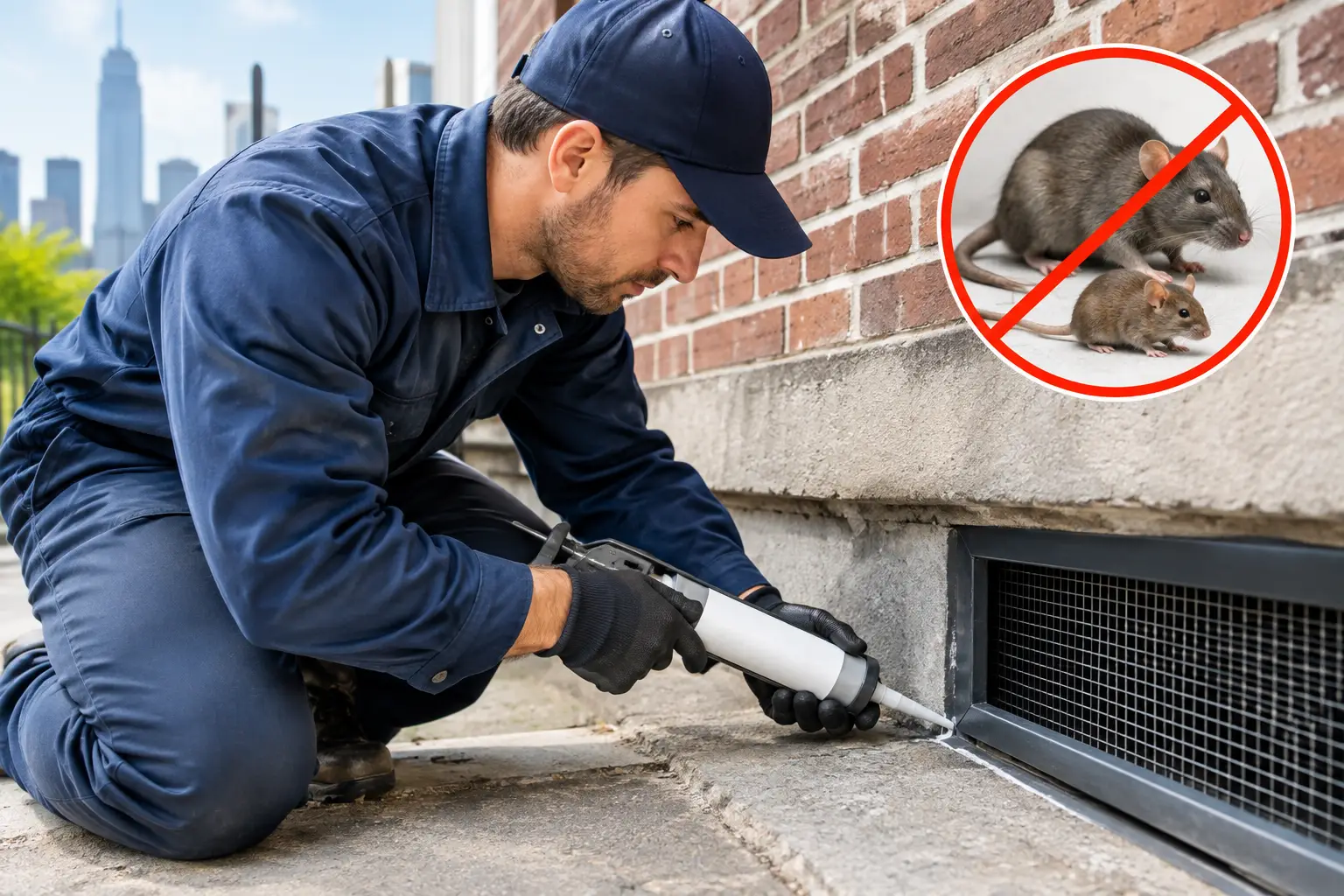
The line can overlap with rats and mice. A few mice may be a conventional pest-control issue. But a severe rat infestation in a crawl space, walls, basement, or commercial property can create substantial contamination and damage. In those cases, a provider that can remove animals, sanitize affected areas, seal entry points, and restore damaged insulation may be the more complete solution.
Signs You Need Professional Animal Control
Call animal control when you see or hear wildlife in areas where it does not belong. Noises in the attic, walls, roof, chimney, crawl space, or ceiling are common warning signs. So are torn soffits, damaged ridge vents, displaced roof shingles, gnawed wood, droppings, nesting material, and odors that worsen over time.
A trapped or injured animal also requires a wildlife professional. Do not try to handle a raccoon, bat, squirrel, bird, or snake yourself. Wild animals may bite or scratch when frightened, and some species can carry diseases or parasites. A mother animal may also have young nearby. Removing an adult without checking for babies can leave animals trapped inside a wall or attic, creating odor, noise, and a much larger cleanup problem.
Dead animal removal is another clear reason to call animal control. A carcass inside a wall, attic, crawl space, chimney, or commercial ceiling can quickly attract insects and create persistent odor. Locating the source, removing it safely, disinfecting the affected area, and identifying the access point are all part of solving the problem correctly.
Wildlife problems are usually structural problems
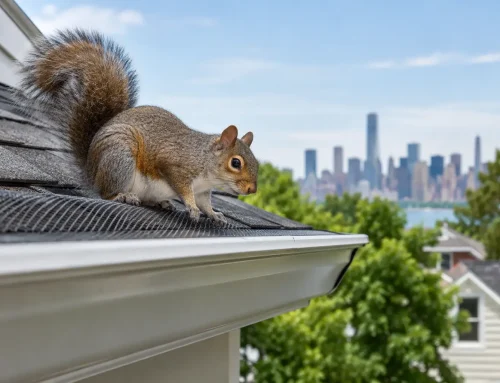
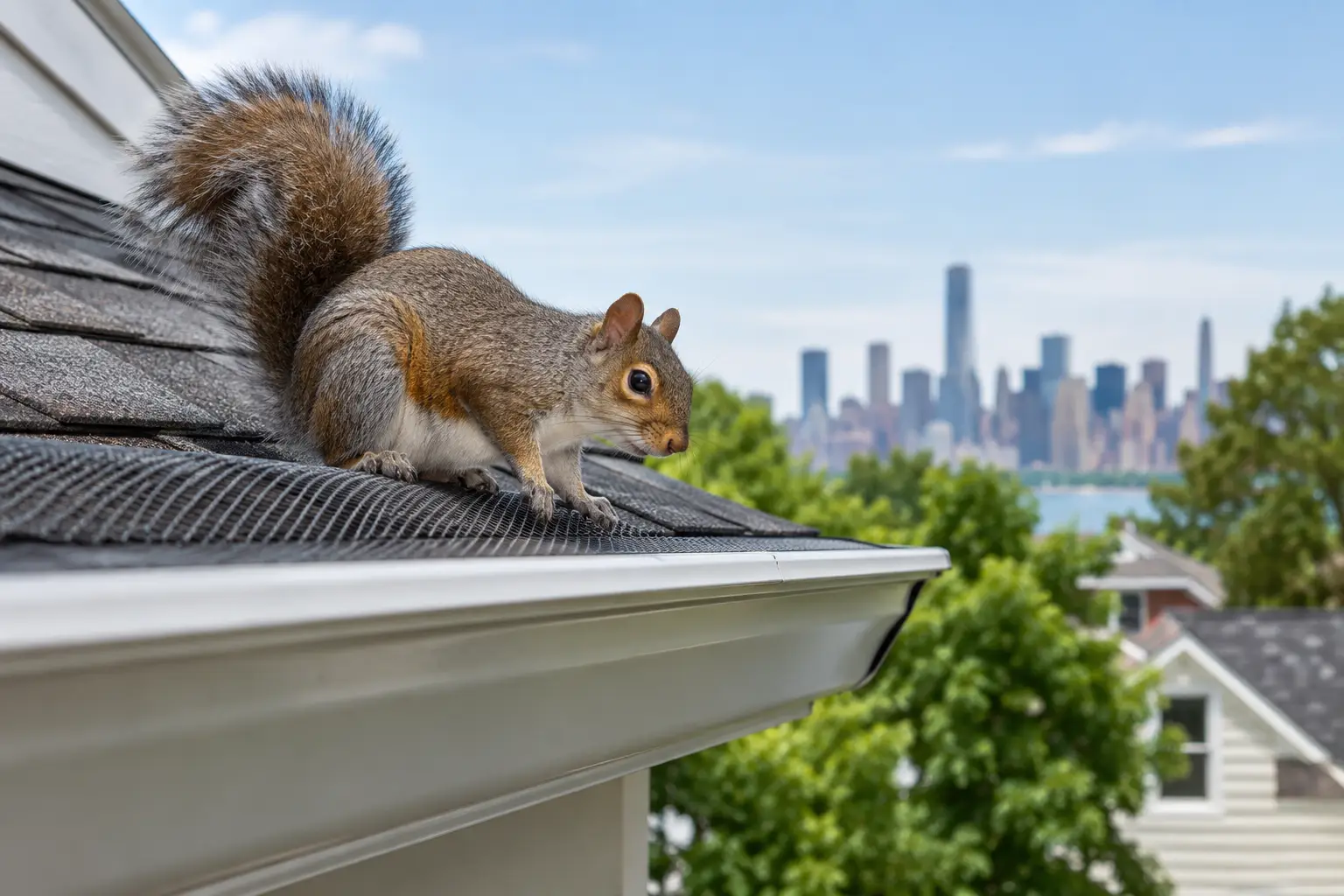
Wildlife rarely enters a building by accident. Squirrels exploit damaged fascia or roof gaps. Raccoons pull apart weak vent covers. Birds nest behind signs, in exhaust vents, and under solar panels. Bats can use extremely small openings near rooflines, flashing, and siding.
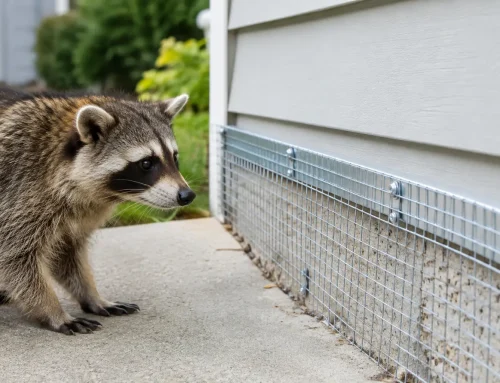
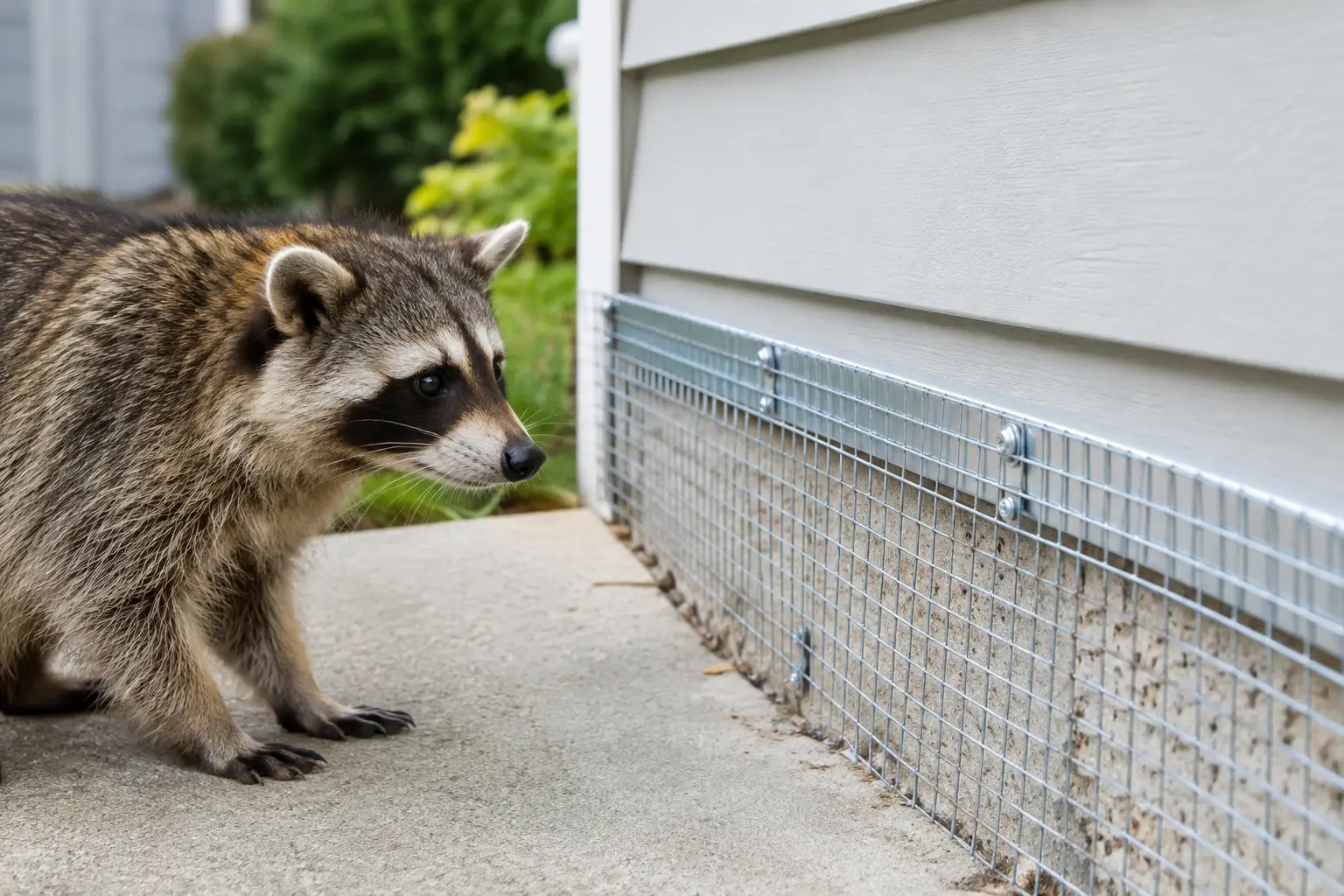
If removal is the only service performed, the same opening remains available for the next animal. That is why effective wildlife control includes exclusion work, such as sealing entry points, protecting ridge vents, screening vulnerable openings, repairing damage, and addressing exterior conditions that make the structure easy to access.
When Pest Control Is the Better Choice
Pest control is typically the right service for insects. Ants, cockroaches, bed bugs, fleas, mosquitoes, termites, pantry pests, and many other insects require identification and treatment methods that differ from wildlife trapping. The source may be food residue, moisture, plumbing leaks, landscaping, neighboring units, or a building-wide sanitation issue.
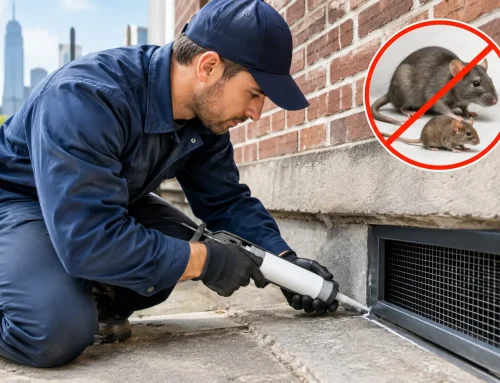
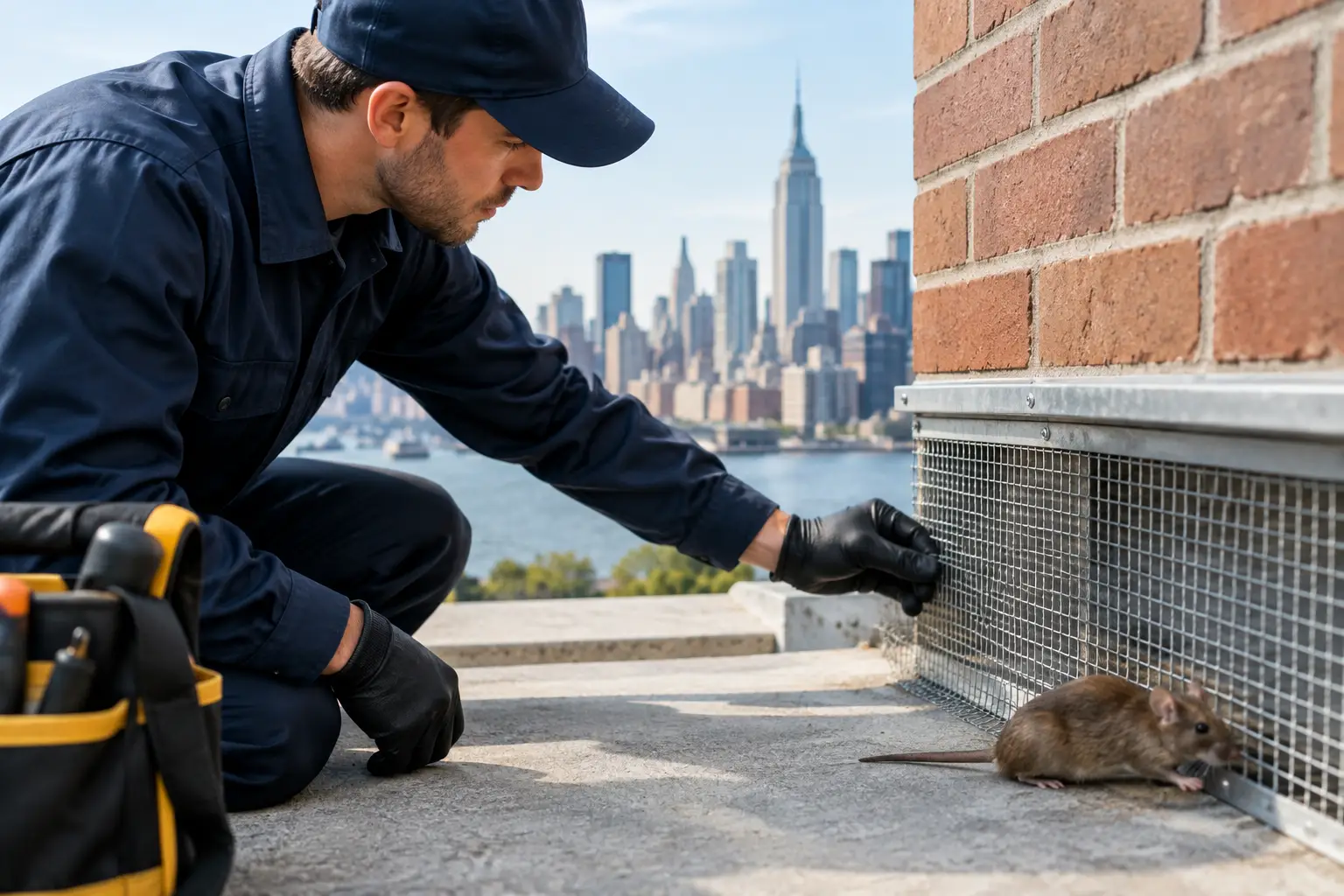
For mice and rats, start by considering the scale and location of the activity. Droppings in a kitchen cabinet, signs of mice near stored food, or rats around exterior garbage areas can often be handled through rodent control. A qualified provider should identify travel routes, reduce food and water sources, install monitoring or control devices, and seal practical entry points.
However, do not accept a treatment-only approach when rodents have contaminated insulation, damaged wiring, or established activity inside inaccessible parts of the building. Baits and traps can reduce the population, but they do not remove droppings from an attic or repair chewed openings around utility lines. Property recovery may require a broader wildlife damage remediation plan.
Why DIY Removal Can Make the Situation Worse
Homeowners often try store-bought repellents, poison, expanding foam, or a quick patch over the visible hole. These shortcuts can create expensive problems. Sealing an opening before confirming every animal is out can trap wildlife inside. Poison may leave a dead animal in a wall. Foam alone is easily chewed by rodents and squirrels. Repellents rarely solve an established nesting problem.
There is also a safety issue. Droppings, urine, nesting debris, fleas, mites, and parasites can contaminate enclosed spaces. Bats, raccoons, and rodents should never be handled casually, particularly if there has been direct contact with people or pets. In multi-unit buildings, an incomplete fix can shift the activity from one apartment, office, or ceiling void to another.
Professional animal control begins with inspection. The technician identifies the species, finds active and potential entry points, checks whether young may be present, and evaluates damage. The removal method should fit the animal and the property, followed by cleanup and exclusion rather than a temporary patch.
What a Complete Wildlife Service Should Include
For an attic raccoon, squirrel nest, bird infestation, or bat issue, removal is only the first stage. A complete service should address the conditions left behind and the weaknesses that allowed entry.
That may include humane trapping or one-way exclusion, removal of nesting material, dead animal removal when needed, disinfection, odor control, attic restoration, insulation replacement, crawl space sealing, and repairs to damaged vents, soffits, rooflines, or exterior gaps. Solar panels, gutters, chimneys, and roof vents may also need protection depending on the species involved.
This approach matters for landlords and property managers as much as homeowners. Tenant complaints, odors, noises, visible droppings, and animal sightings can become urgent maintenance issues. A single provider that handles removal, sanitation, and repair reduces delays between contractors and helps return the property to a safe, usable condition faster.
When the Situation Is an Emergency
Call for immediate professional help if an animal is loose inside a living or work area, a bat may have had contact with a person or pet, an animal is trapped in a vent or chimney, or you notice extensive water damage and exposed electrical wiring near an infestation. Fast response is also warranted when a dead-animal odor is spreading through occupied rooms or when rats are active in a food-service, healthcare, or commercial setting.
Avoid cornering or attempting to capture the animal. Keep children and pets away, close interior doors if it is safe to do so, and give the animal a clear path away from occupied spaces when possible. For wildlife in an attic or wall, do not block openings until a trained technician has inspected the area.
Animal Control NYC & NJ provides 24/7 professional wildlife trapping, removal, cleanup, and exclusion for residential and commercial properties. The goal is not simply to make the noise stop tonight. It is to remove the animal humanely, address the contamination and damage it caused, and make sure your attic, crawl space, roofline, or exterior is not an open invitation tomorrow.