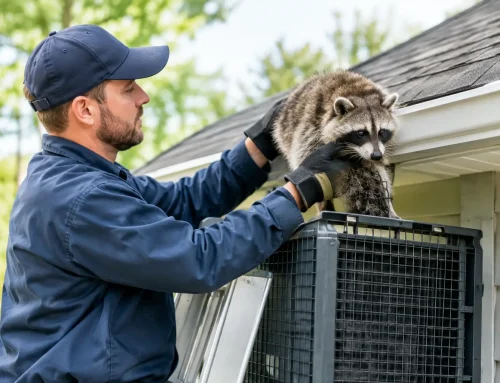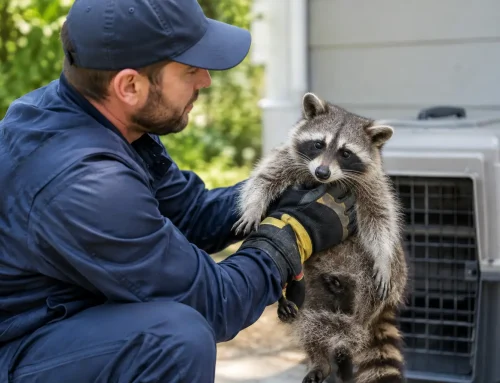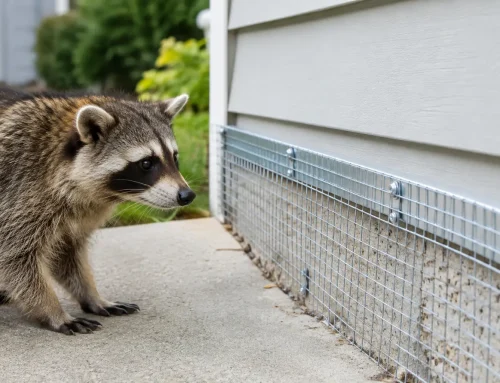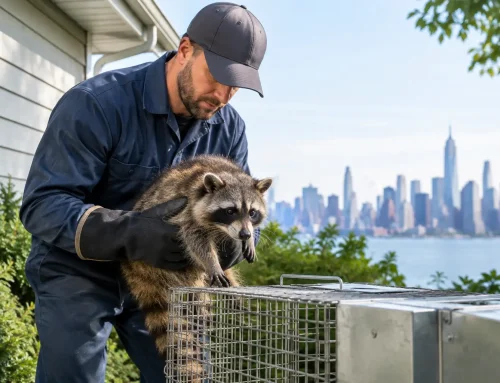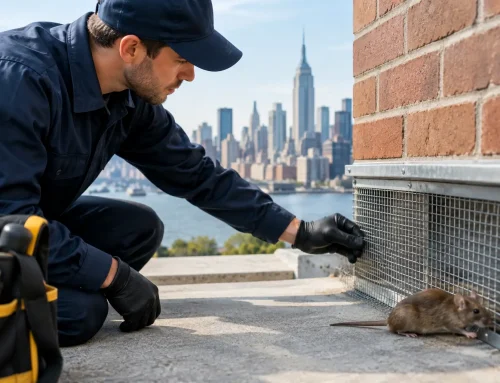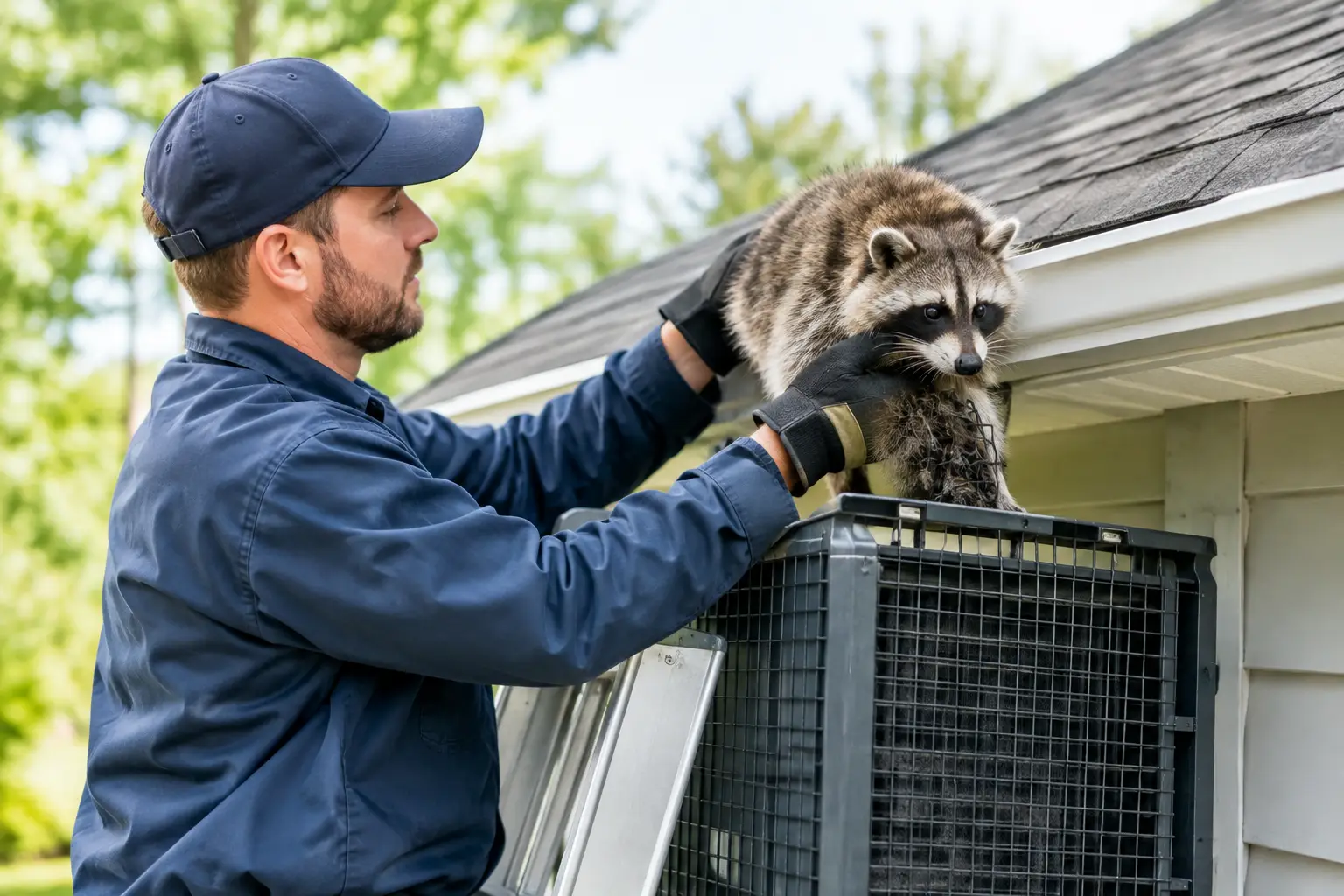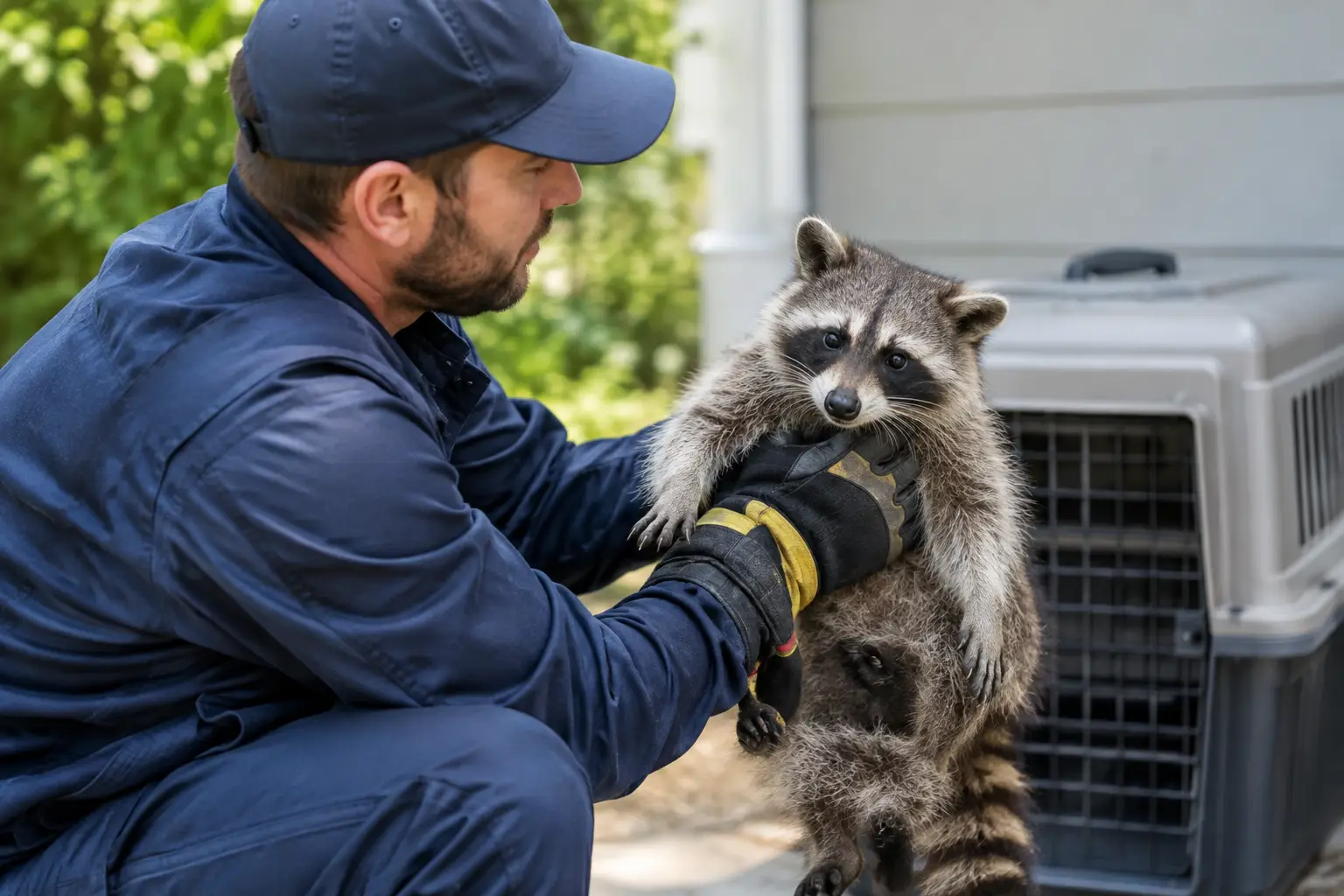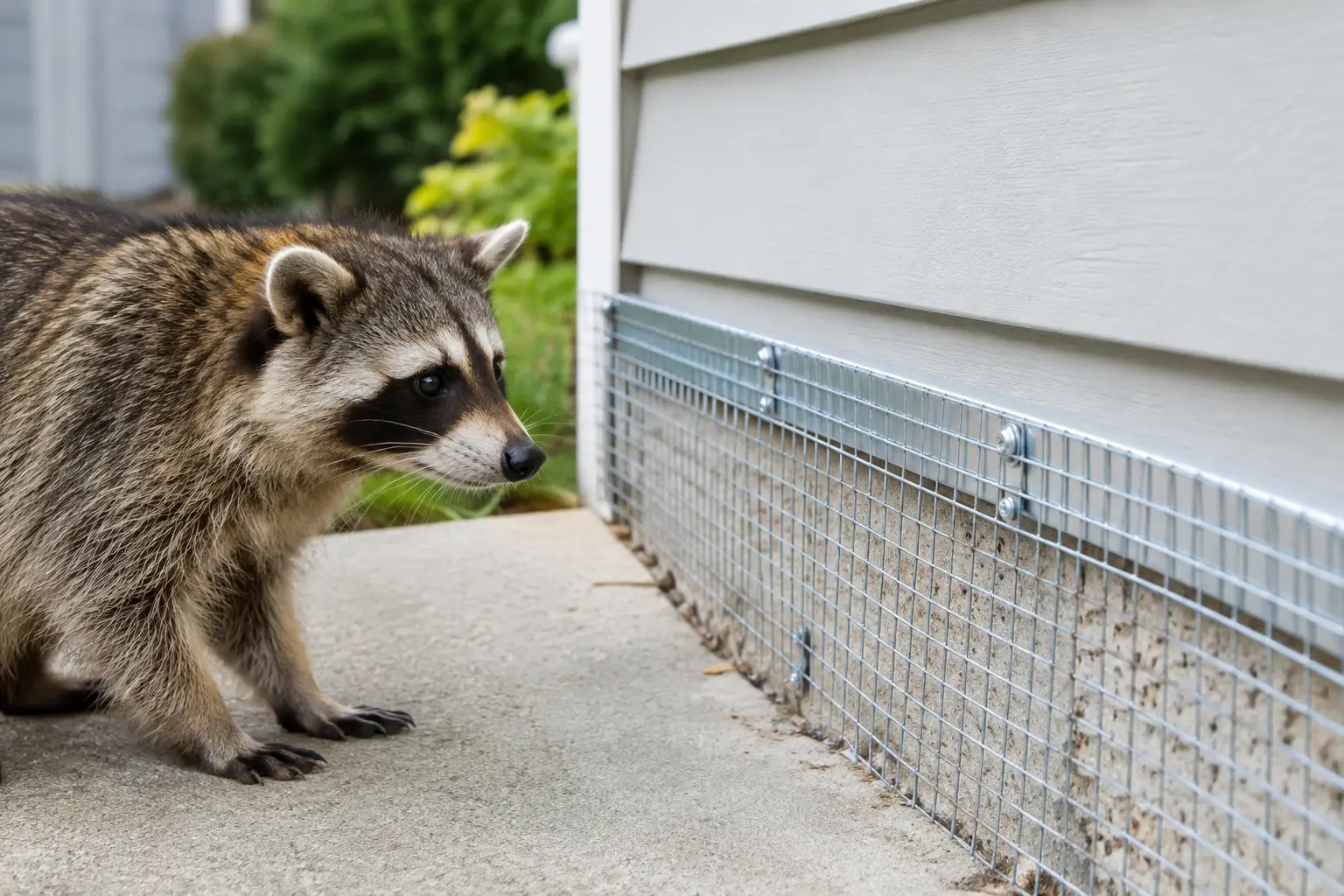
A brownstone can look solid from the sidewalk and still give wildlife exactly what it needs: a warm attic, a hidden wall void, and a small opening behind a gutter, cornice, or basement grate. In a connected NYC rowhouse, one untreated entry point can also become a building-wide problem. Wildlife proofing for brownstones NYC requires more than setting a trap or filling a visible hole. The work has to account for historic masonry, shared walls, aging rooflines, and the animal’s active route into the structure.
For homeowners, landlords, and property managers, the priority is simple: remove the animal safely, keep it from returning, and restore contaminated or damaged areas before the issue reaches another floor, apartment, or neighboring property.
Why Brownstones Are High-Risk Wildlife Structures
Classic Brooklyn, Manhattan, and Queens brownstones have architectural details that create natural shelter. Decorative cornices, wood trim, parapet walls, slate or flat roofs, stoop voids, rear extensions, cellar doors, and old utility penetrations all deserve inspection. Years of weather exposure can loosen mortar, create gaps at flashing, and leave openings where pipes and cables enter the building.
Rats often exploit foundation gaps, broken cellar vents, drain connections, and openings around utility lines. Mice can enter through gaps far smaller than most owners expect, then travel through walls, insulation, and ceiling cavities. Squirrels commonly chew into roof edges, soffits, fascia boards, and attic vents. Raccoons are strong enough to pull apart weak screens, lift damaged flashing, and enlarge compromised roof openings. Birds and bats may settle behind cornices, within vents, or near roofline gaps.
The construction itself adds another challenge. Brownstones share party walls, and many have been renovated in stages over decades. A hole sealed from one side may not address the actual route from a neighboring roof, a rear-yard tree, or an unprotected vent. Effective exclusion starts with understanding how animals are moving through the entire exterior envelope.
Signs You Need Wildlife Proofing for a NYC Brownstone
Noise is often the first warning. Scratching above a top-floor ceiling in the early morning may indicate squirrels. Heavy movement after dark, especially near a roof or rear extension, can point to raccoons. Fluttering, chirping, or repeated sounds behind a cornice may signal birds or bats. Rodents are more likely to leave droppings, gnaw marks, greasy rub marks along basement walls, and a persistent odor near kitchens, boilers, or storage rooms.
Exterior evidence matters just as much. Look for loose or displaced vent screens, chewed wood near eaves, damaged gutters, open mortar joints, droppings on stoops or fire escapes, staining beneath roofline openings, and debris around basement grates. A single gap may not look serious, but wildlife can widen it quickly.
Do not seal an opening immediately if you suspect an animal is still inside. Closing active access can trap an animal in a wall or attic, leading to odor, contamination, expensive demolition, or desperate attempts to chew out through another part of the home. Bats, birds, and animals with young also require careful, species-appropriate timing and methods.
A Proper Brownstone Exclusion Plan
A professional wildlife proofing job follows a sequence. Skipping steps may temporarily hide the problem but rarely solves it.
Inspect the entire structure, not only the visible damage
The inspection should cover the roofline, parapet, cornice, attic, rear extension, gutters, chimney areas, basement, sidewalk-level vents, crawl spaces, window wells, utility penetrations, and accessible party-wall conditions. On brownstones, technicians also examine transitions between original construction and newer additions. Those junctions are frequent entry points.
The goal is to identify active holes, potential holes, travel paths, nesting areas, and damage that could attract more animals. A roof opening may be obvious, while the real issue is a tree branch that gives squirrels easy access or a clogged gutter that has rotted the fascia beneath it.
Remove active wildlife humanely
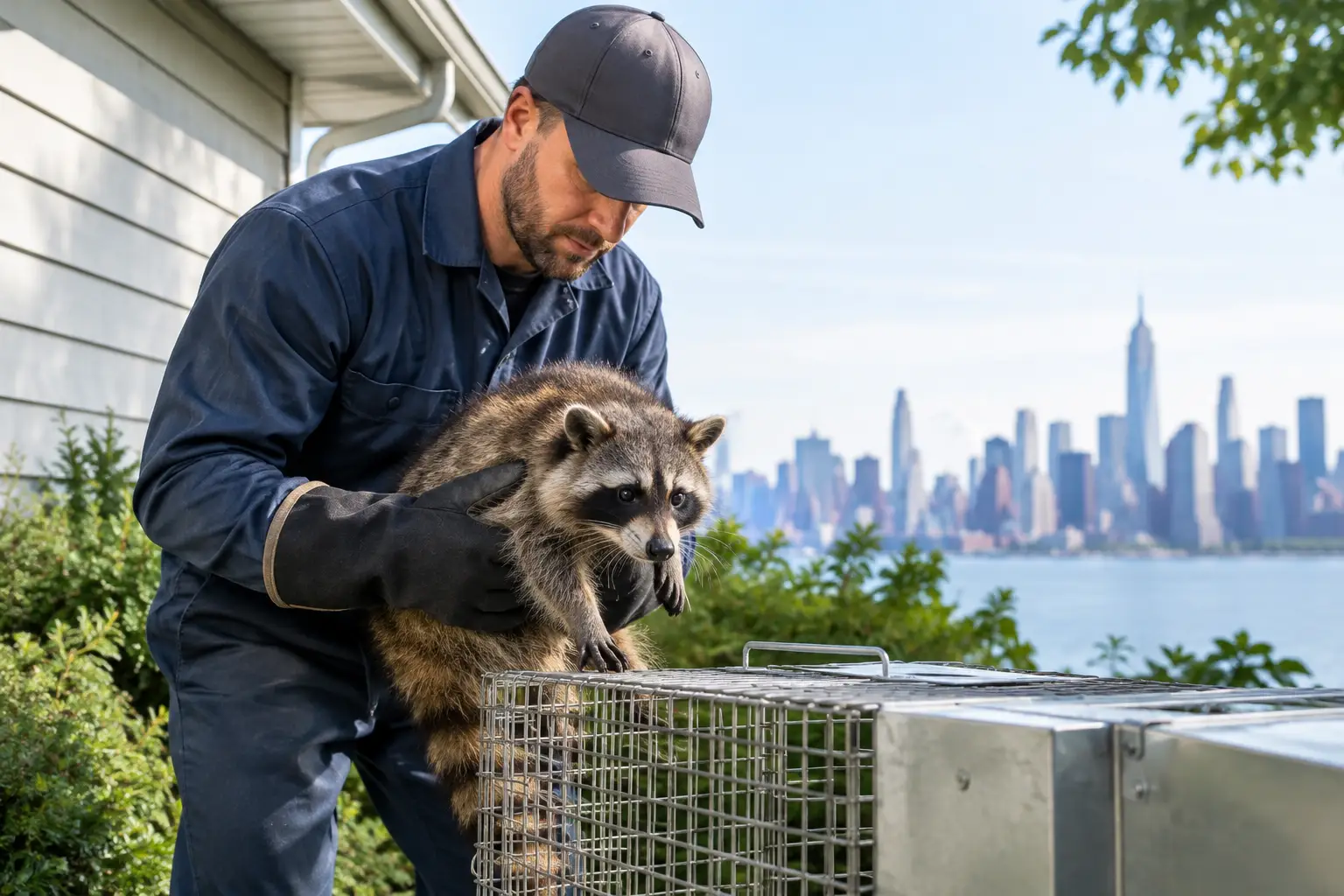
Exclusion comes after the animal is safely out, not before. Depending on the species and conditions, the right solution may involve humane trapping, one-way exclusion devices, targeted removal, or a controlled eviction process. The method should prevent animals from re-entering while avoiding unnecessary harm.
This step is particularly important with raccoons, squirrels, and birds during nesting periods. Young animals left behind create a second emergency. A trained wildlife professional can determine whether a den or nest is present and plan removal around that reality.
Close entry points with materials that match the threat
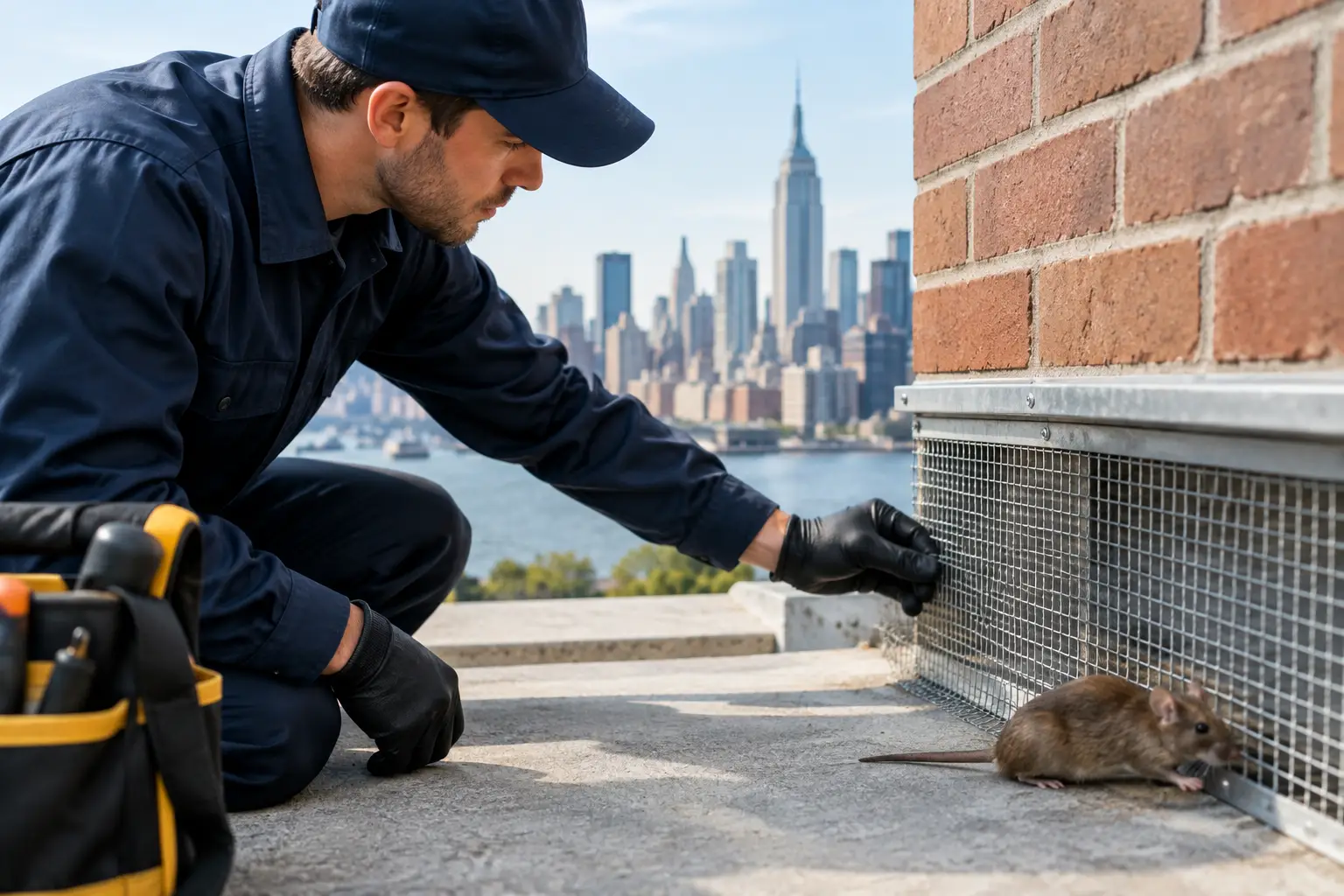
Foam alone is not wildlife proofing. Rodents can chew it, squirrels can tear through it, and weather can degrade it. Openings should be repaired with durable, animal-resistant materials and installed in a way that does not damage the building’s facade or block necessary ventilation.
For a brownstone, this can include reinforced vent covers, properly fitted metal mesh, chimney caps, flashing repairs, roof-edge reinforcement, cellar-door repairs, gap sealing around pipes, and replacement of deteriorated wood. The right material depends on the location. A basement vent needs a different solution than a roofline gap or an opening behind historic trim.
Correct the conditions that invite repeat activity
Wildlife proofing works best when the property is less attractive after repairs are complete. Secure trash and recycling, especially in rear yards and alley-access areas. Keep birdseed and pet food indoors. Trim branches away from the roof where possible. Repair leaking gutters and downspouts that create moisture around foundations. Address standing water, overgrown vegetation, and cluttered cellar storage that gives rodents cover.
These steps cannot replace exclusion work, but they reduce pressure on the repaired areas. In dense neighborhoods, animals have plenty of food sources. Your goal is to make your brownstone the harder place to enter and the less rewarding place to stay.
Sanitation and Damage Repair Are Part of the Job
Removing an animal does not remove the health risk. Rodent droppings, urine, nesting material, carcasses, and contaminated insulation can carry bacteria, parasites, and strong odors. In an occupied brownstone, those conditions can affect indoor air quality and trigger tenant complaints long after the animals are gone.
Attic and crawl-space restoration may include removal of contaminated insulation, disinfection, deodorization, mold treatment where moisture is present, and replacement of damaged materials. If squirrels or raccoons chewed wiring or roof components, those repairs should be evaluated quickly. If rodents have contaminated a basement utility area, cleanup should be handled with appropriate protective procedures instead of dry sweeping or vacuuming droppings into the air.
The trade-off is cost versus recurrence. A basic patch may cost less today, but leaving contaminated insulation, rotten fascia, or an unprotected adjacent vent can create another service call later. Complete repair is usually the better value when damage is extensive or the building has had repeated animal activity.
Common Brownstone Mistakes That Keep Animals Coming Back
Owners often focus on the location where they heard noise, rather than the place where the animal entered. They may repair a hole in the attic while leaving a damaged rear roof edge accessible from a fire escape or tree. Another common mistake is using hardware cloth or mesh that is too light for rats and raccoons, or installing it loosely enough for an animal to pull it aside.
Waiting can also make a manageable problem worse. A squirrel in an attic may begin with a small nest and end with chewed wiring, torn insulation, and new openings for rainwater. Rats in a cellar can spread through pipe chases and wall voids before activity is visible in living spaces. Prompt action protects the building and reduces the chance of an emergency removal situation.
When to Call a Professional
Call for professional help when you hear ongoing animal activity in walls, ceilings, attics, or crawl spaces; see an animal entering the building; find droppings or nesting material; notice an odor that could indicate a dead animal; or identify roof, vent, or foundation damage. Emergency service is especially appropriate for raccoons inside living areas, bats in occupied rooms, aggressive wildlife, or animals trapped in chimneys and wall cavities.
Animal Control NYC & NJ provides humane removal, exclusion, cleanup, and repair for brownstones and other NYC properties. A complete approach matters because trapping without proofing leaves the door open, while sealing without proper removal can create a bigger problem inside.
Your brownstone does not need to wait for a chewed roofline, contaminated attic, or tenant complaint to become urgent. A careful inspection and properly timed exclusion plan can protect the character of the building while keeping wildlife where it belongs: outside.