A bat slipping through a gap near a roofline can turn an attic, soffit, wall void, or commercial ceiling into an active roost. Humane bat exclusion solves the problem without trapping bats inside or causing unnecessary harm. For NYC and New Jersey property owners, the right response is not a quick sealant job. It is a planned process that lets bats exit safely, prevents re-entry, and addresses the contamination and structural openings that allowed the issue to start.
Bats are valuable wildlife outdoors, but they do not belong inside a building. Their droppings can accumulate in insulation, drywall cavities, and around HVAC equipment. A colony can also create persistent odor, staining, insect activity, and tenant complaints. If a bat is found in a living space, especially where someone may have been sleeping, avoid handling it and contact qualified wildlife professionals and local health authorities for guidance.
What Humane Bat Exclusion Actually Means
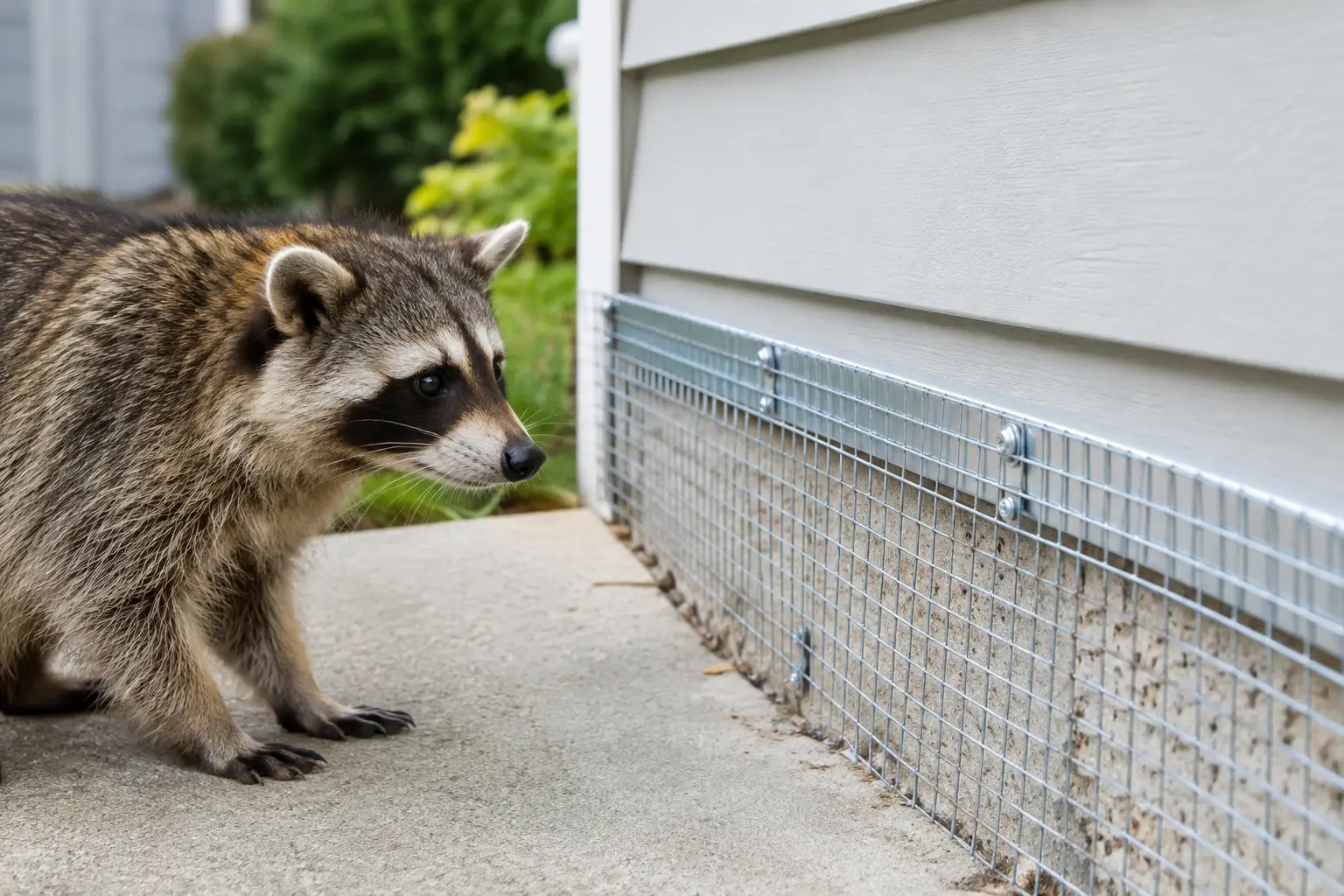
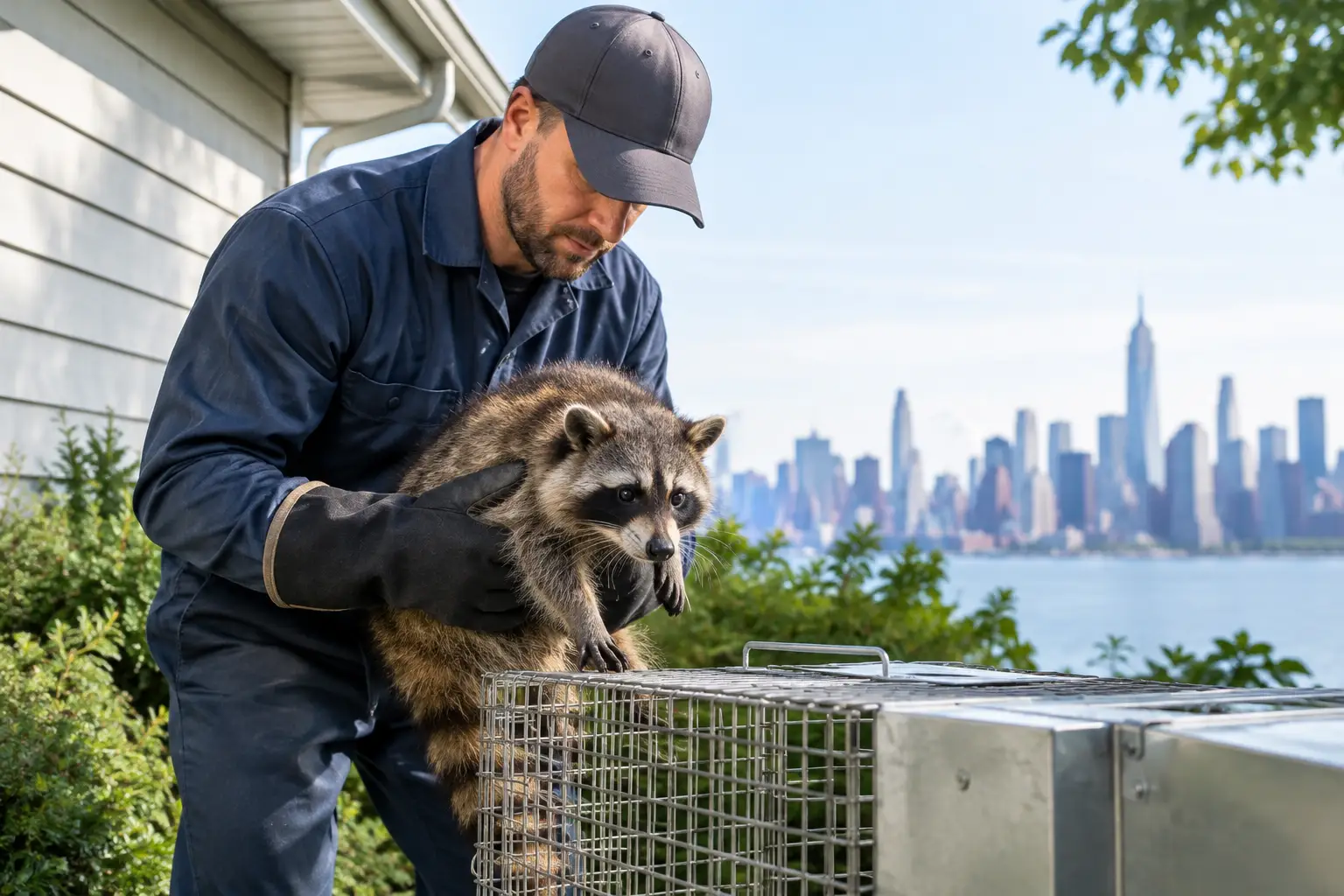
Humane exclusion is a species-specific removal method. Technicians first identify where bats are entering and leaving, then install one-way exclusion devices at active openings. These devices allow bats to leave at dusk but stop them from getting back inside. Once the structure is confirmed bat-free, the remaining gaps are sealed with durable materials suited to the building.
This approach differs from trapping, poisoning, or simply closing a visible hole. Bats can use small construction gaps around fascia boards, ridge vents, chimneys, roof returns, utility penetrations, siding transitions, and aging flashing. Sealing only the most obvious opening often redirects bats to another weakness or, worse, confines them inside walls and attic spaces.
A professional inspection looks at the whole structure, not just the point where a homeowner saw a bat. In dense NYC neighborhoods, attached buildings and older rooflines create complicated access routes. In New Jersey, larger homes, sheds, garages, and wooded properties may have multiple potential entry points. The exclusion plan should match the property, the bat activity, and the time of year.
Why Timing Matters for Bat Exclusion
Timing is one of the most important parts of humane bat removal. During maternity season, young bats may be unable to fly. Excluding adult bats during that period can leave pups trapped inside, creating an animal welfare issue as well as odor and sanitation problems for the property owner.
That is why responsible bat control starts with an inspection and seasonal assessment. The exact timing can depend on species, weather, local regulations, and whether non-flying young are present. A qualified technician will not treat every bat call the same way. If full exclusion must wait, temporary measures may be used to reduce risk while a safe removal window is identified.
The goal is straightforward: remove the colony from the building without separating dependent young from their mothers, then close the structure so the same colony cannot return. Property owners who rush to seal openings on their own can accidentally make the job harder and more expensive.
Signs Bats May Be Using Your Building
Bat activity is not always obvious during the day. Most property owners first notice small, dark droppings below an exterior gap, on an attic floor, or near a chimney. Guano may resemble rodent droppings, but it often collects in piles directly beneath a roosting or entry area. A strong, stale odor in the attic and brown staining around exterior openings can also point to long-term activity.
You may hear faint scratching, chirping, or fluttering near dusk and dawn. On commercial properties, activity may show up around parapet walls, rooftop equipment, loading areas, or upper-floor wall voids. Seeing bats emerge around sunset is one of the clearest signs, but do not stand close to the exit point or attempt to block it.
A single bat indoors does not always mean a colony is living in the building. It may have entered through an open door, fireplace, or damaged screen. Still, a professional inspection is the safest way to determine whether there is an established roost and whether other entry points need attention.
The Professional Humane Bat Exclusion Process
The process begins with a detailed exterior and interior inspection, when accessible. Technicians examine roof edges, vents, siding, trim, chimneys, attic conditions, and other vulnerable areas. They look for rub marks, droppings, staining, gaps, and active flight paths. On larger buildings, this may require observing the structure at dusk to confirm active exits.
Next, secondary gaps are sealed while the active primary exits remain open for one-way devices. This order matters. If every opening is closed before the colony has an exit route, bats may become trapped or enter living areas through interior gaps.
One-way devices are then installed at the confirmed exit points. They remain in place long enough for bats to leave under normal conditions. A return inspection verifies that activity has stopped before the devices are removed and final sealing is completed. Durable exclusion work may include screening, metal flashing, vent protection, repairs to damaged trim, and reinforcement around ridge vents or other recurring access points.
The work does not end at the roofline. Where droppings and urine have contaminated attic insulation or other materials, cleanup may be necessary. Depending on the extent of the problem, this can include controlled guano removal, disinfection, odor treatment, insulation replacement, and attic restoration. Damaged or contaminated insulation should not be ignored simply because the bats are gone.
Why DIY Sealing Can Create Bigger Problems
A tube of caulk may seem like the fastest answer, especially when bats are seen near one small gap. But bat exclusion is not a one-hole repair. Buildings shift, materials deteriorate, and bats can find openings that are easy to miss from the ground.
DIY work also carries safety concerns. Roof access, ladders, contaminated attic insulation, and direct contact with wildlife all create risk. Sprays, repellents, ultrasonic devices, bright lights, and mothballs are not reliable solutions for an established bat roost. They can disturb the colony without solving the entry problem, pushing bats deeper into the structure or toward occupied spaces.
The trade-off is simple: a professional exclusion may cost more than a temporary patch, but it is designed to prevent repeat entry, protect the animals, and avoid the cost of opening walls or replacing more contaminated materials later. For property managers, proper documentation of inspection, exclusion, cleanup, and repairs can also help address tenant concerns and maintenance records.
Protecting NYC and NJ Properties After Removal
Once exclusion is complete, prevention becomes part of normal property maintenance. Roof inspections should include ridge vents, chimney caps, soffits, fascia, flashing, gable vents, and utility lines. Any weather damage, loose screen, cracked mortar, or separated trim should be repaired promptly.
For multifamily and commercial buildings, regular exterior inspections are especially useful because bats may move between connected rooflines and wall systems. A problem at one section of the building can affect another unit or adjoining structure. Coordinating exclusion and repair work across the full building envelope produces better long-term results than responding to each complaint separately.
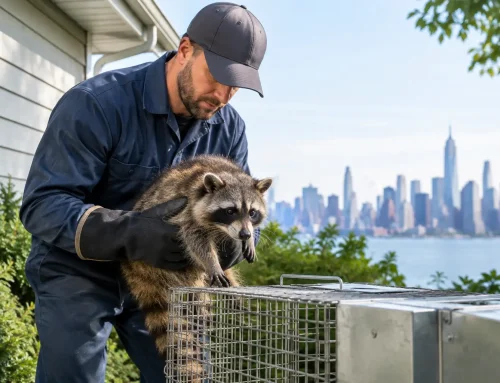
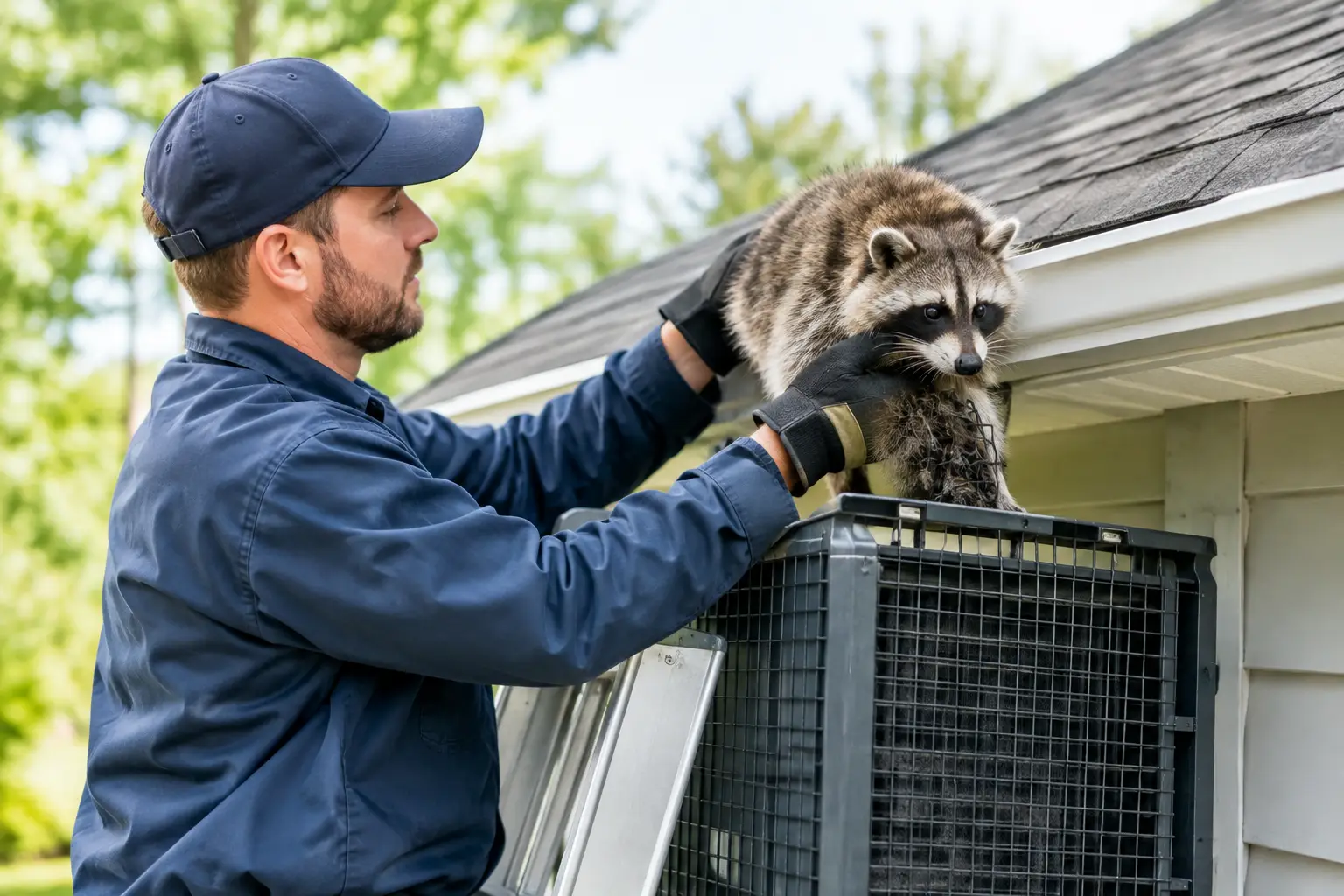
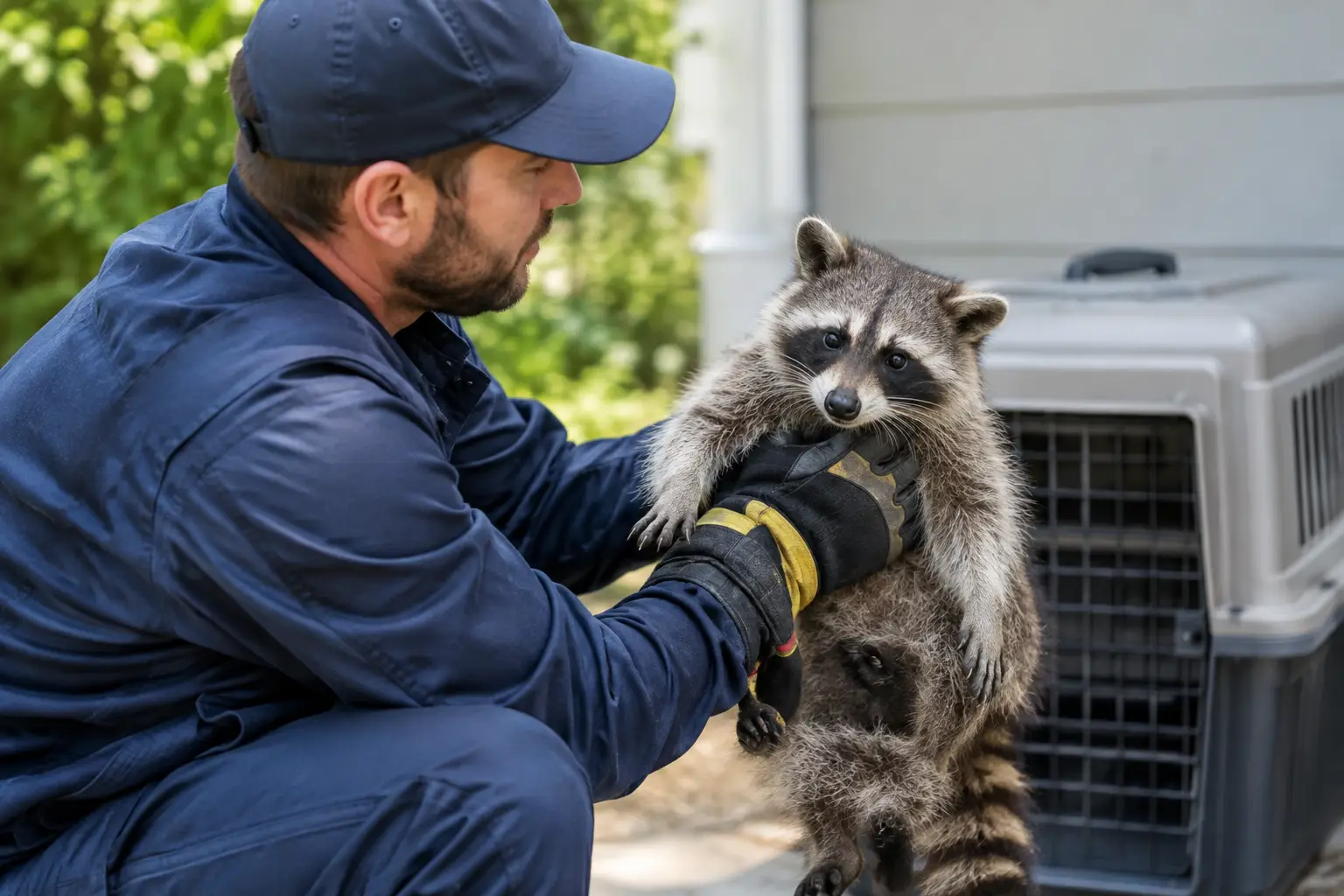
Animal Control NYC & NJ provides professional wildlife trapping and removal, exclusion, cleanup, and repair services for residential and commercial properties. When bats are involved, the priority is safe removal, humane handling, and a complete plan to protect the building after the colony has left.
If you see bats entering your roofline, find droppings in the attic, or discover a bat inside an occupied room, do not seal the opening or try to handle the animal. Get the property inspected promptly so the next step protects both the people inside and the wildlife outside.