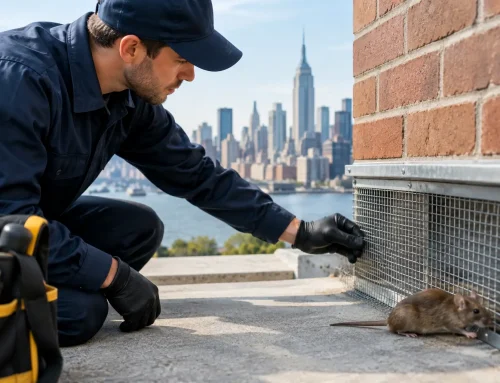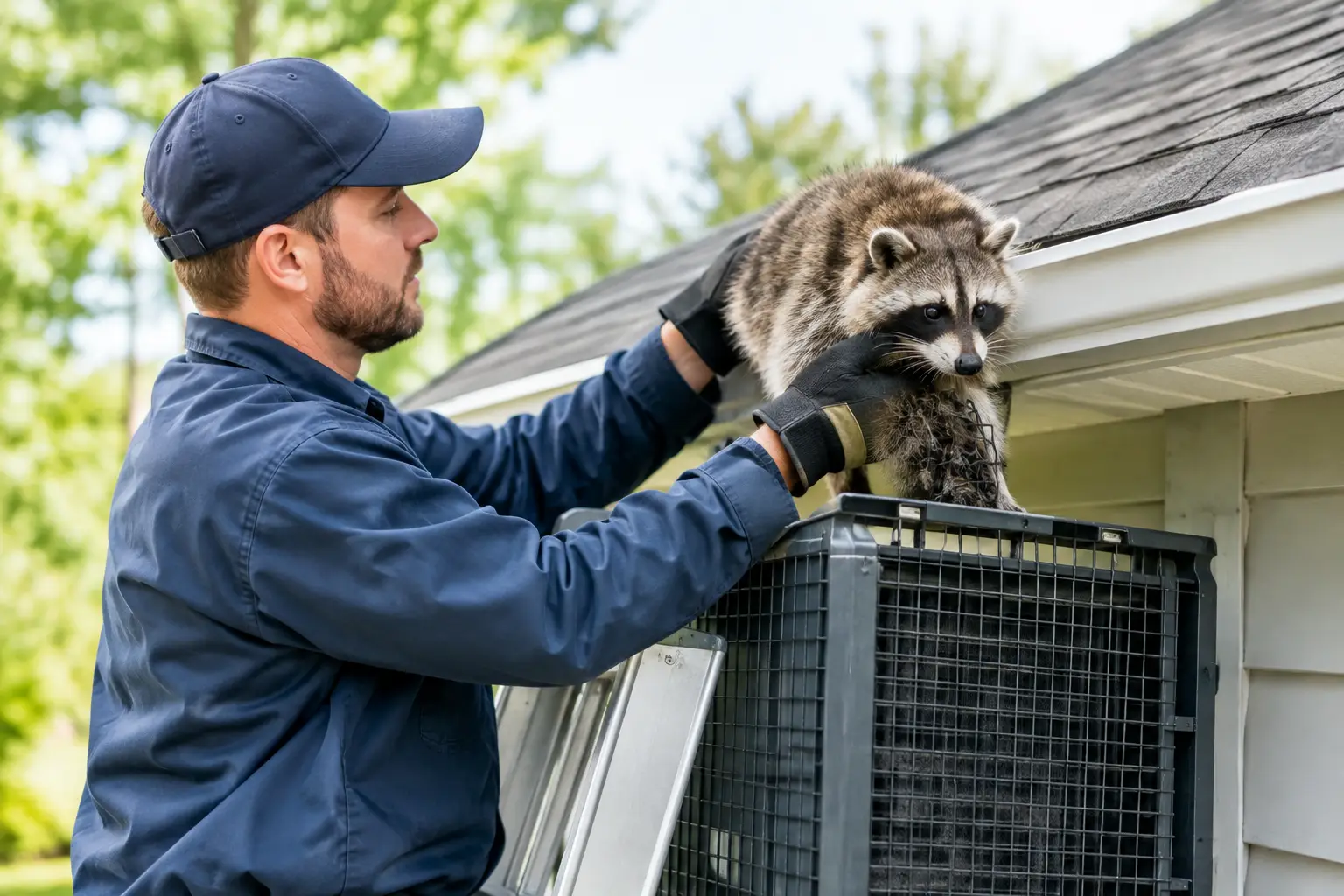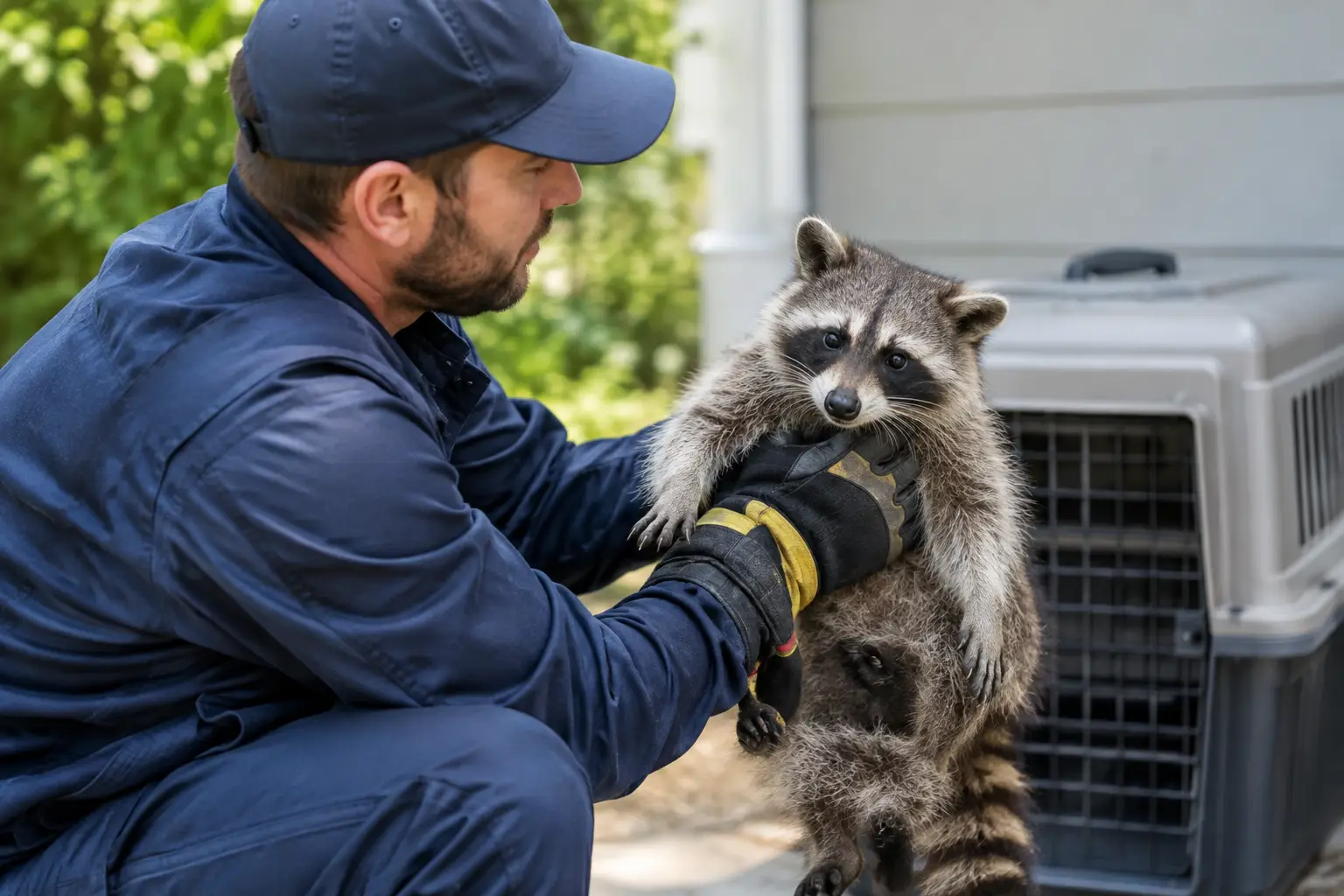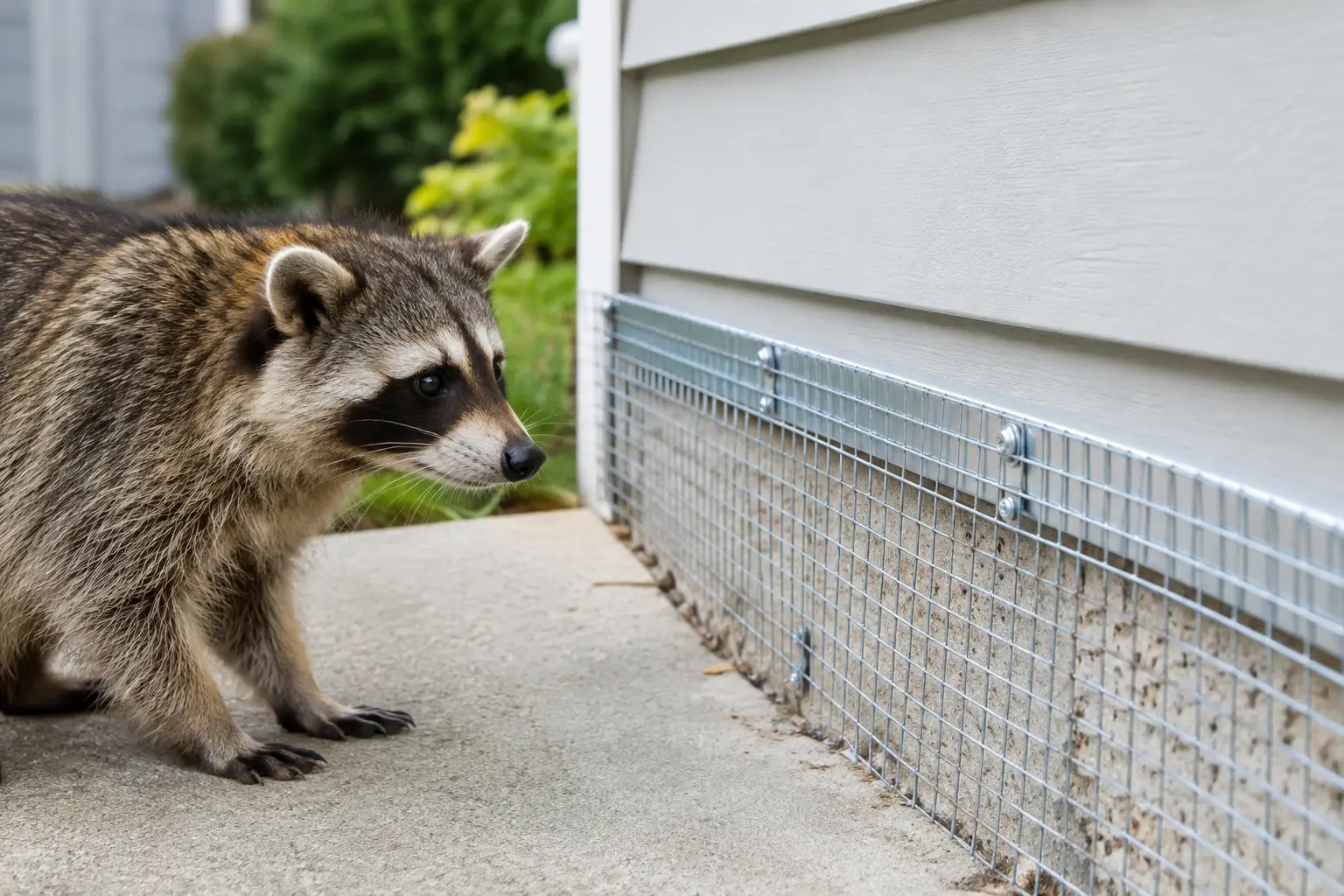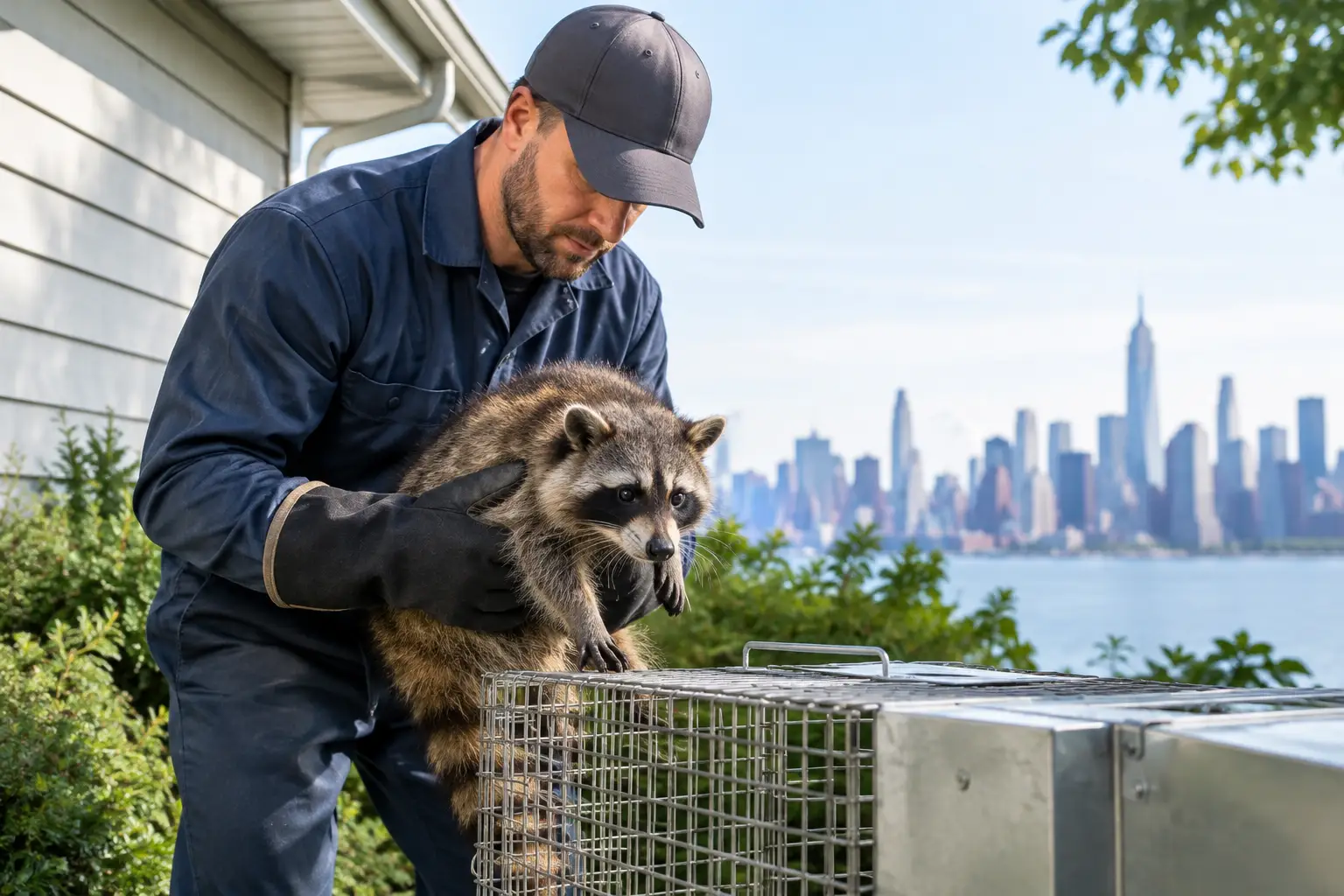
Hearing heavy footsteps over the ceiling at 2 a.m. is usually how this starts. By the time a raccoon is living in your attic, crawl space, roofline, or under a deck, you are not dealing with a minor nuisance. You need a clear guide to humane raccoon trapping that protects people, avoids unnecessary harm to the animal, and addresses the mess and structural damage left behind.
In New York City and New Jersey, raccoon problems are rarely just about removal. These animals tear soffits, damage insulation, contaminate attics with droppings and urine, and return to the same entry point if it is not sealed correctly. Humane trapping works, but only when it is done with the right timing, legal awareness, and follow-through.
What humane raccoon trapping actually means
Humane trapping does not mean setting any cage trap and hoping for the best. It means using methods designed to reduce stress, avoid injury, and solve the intrusion without separating dependent young or creating a worse problem elsewhere on the property.
That matters because raccoons are intelligent, strong, and highly adaptable. A panicked raccoon in the wrong trap setup can injure itself, damage nearby building materials, or become aggressive if approached. Humane work starts with identifying where the animal is living, whether babies are present, what food sources are attracting it, and how it entered the structure in the first place.
For homeowners and property managers, this is where DIY often goes off track. The trap may catch the raccoon, but the den remains active, the contamination remains in place, and another raccoon moves in through the same gap in the roof or siding.
Before any trapping, confirm the problem
A proper guide to humane raccoon trapping starts with inspection, not equipment. No professional should recommend trapping before confirming the exact location of activity and the condition of the structure.
In urban and suburban properties across NYC and NJ, raccoons commonly den in attics, chimney spaces, crawl spaces, garage voids, and beneath porches. The signs are usually obvious once you know what to look for – loud nighttime movement, torn shingles or fascia, damaged vents, droppings, strong odor, and insulation that appears flattened or pulled apart.
The timing of the noise also helps. Raccoons are mostly nocturnal, so activity after dark is a strong clue. If the noise becomes lighter and more frequent in spring, there may be a mother with kits. That changes the trapping approach completely.
Why baby season changes everything
This is one of the most important trade-offs in raccoon control. Fast removal sounds appealing, but if a nursing female is trapped without locating the young, the result can be crying baby raccoons trapped inside the structure, severe odor issues, and additional damage as the mother tries to re-enter.
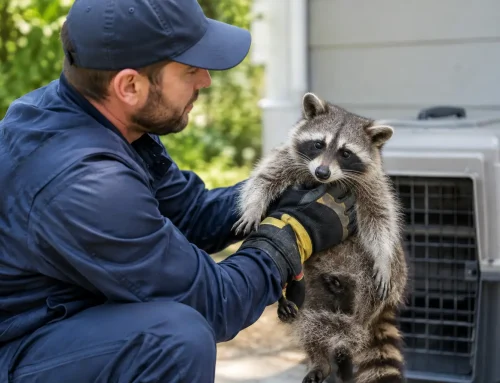
That is why humane raccoon trapping requires species-specific judgment. During maternity season, the best approach may involve locating and hand-removing the young, reuniting them when appropriate, or using eviction strategies before sealing and repair. It depends on the age of the litter, where the den is located, and what local regulations allow.
This is not a detail to overlook. A rushed trapping job can turn one raccoon into a larger animal removal and restoration project within days.
Choosing the right trap and placement
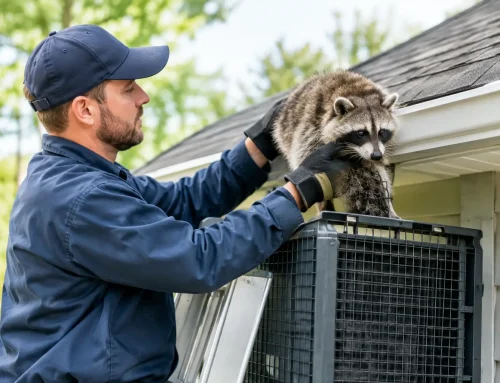
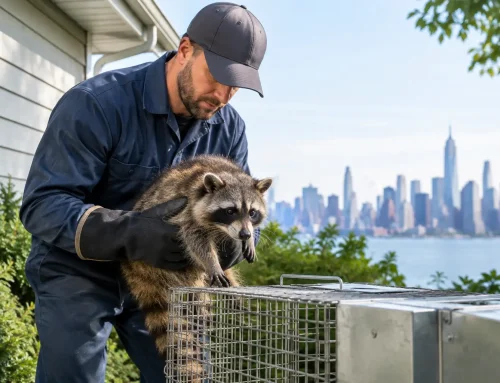
Live cage traps are the standard tool for humane raccoon trapping, but setup matters more than most people realize. The trap needs to be large enough for the animal, stable on level ground, and placed where raccoon activity is already confirmed. Random placement across the yard usually wastes time.
Trap location often depends on the structure. Near a known entry point, along a travel path, or close to a den access area is more effective than baiting open lawn space. In many cases, professionals also use protective positioning to reduce non-target captures from stray cats, opossums, or other urban wildlife.
Bait selection matters, but it is not the whole job. Raccoons are opportunistic feeders, so attractive bait can bring them in. The real issue is what happens next. A trapped raccoon must never be left exposed in direct sun, heavy rain, or for long periods without monitoring. Humane trapping requires prompt response after capture.
Safety risks property owners should take seriously
Raccoons are not animals to handle casually. Even when they seem calm, they can bite, scratch, and carry parasites or diseases that put people and pets at risk. Their waste can also contaminate insulation, stored items, and air quality in enclosed spaces.
For landlords, facility operators, and business owners, this creates a liability issue as much as a wildlife issue. A raccoon in a commercial building, dumpster area, ceiling void, or loading zone can trigger health concerns, tenant complaints, and property damage very quickly. Trying to move the animal yourself may also violate local rules depending on the municipality and circumstances.
If the raccoon is inside a living space, acting strangely, visible during the day without fear of people, or appears injured, professional response is the safer move. Those are not situations for trial and error.
Legal and practical limits of relocation
Many property owners assume humane trapping always means catch and relocate. In practice, it is more complicated. Local and state regulations may restrict transport, release locations, or how certain wildlife can be handled after capture. Releasing an animal in the wrong place can also create suffering rather than preventing it.
Relocated raccoons often struggle to find shelter, water, and territory. They may also spread the problem to another neighborhood or property. Humane outcomes depend on lawful handling, proper evaluation, and a plan that solves the original intrusion instead of just moving it.
That is one reason professional wildlife control is different from simple trapping. The goal is not just capture. The goal is complete resolution.
Humane trapping is only step one
Once the raccoon is removed, the property still needs attention. This is where many infestations restart. If the entry point is open, if food sources remain available, or if the nesting site still smells active, another raccoon can move in quickly.
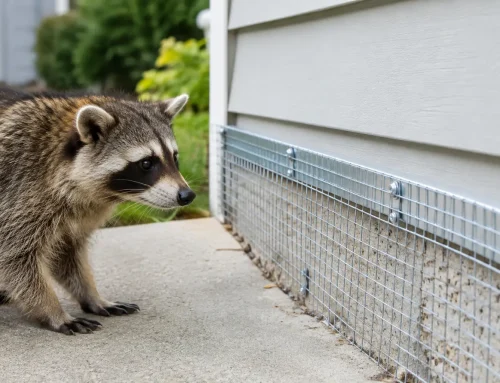
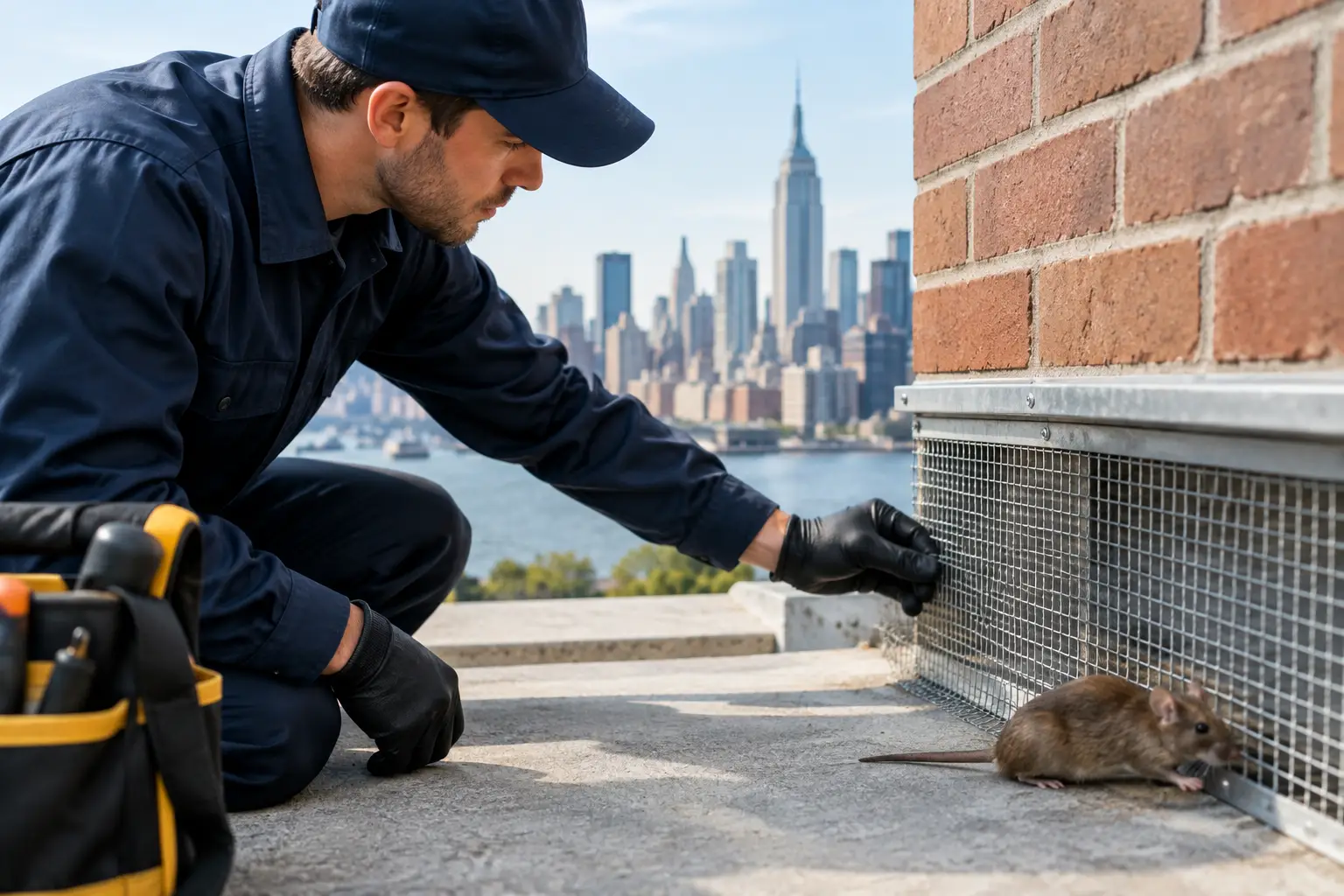
A complete response usually includes removing contaminated insulation if needed, disinfecting affected areas, sealing entry points, screening vents, securing soffits, and reinforcing vulnerable roof or crawl space access areas. In some homes, gutter lines, ridge vents, chimney gaps, or areas around solar panels become repeat trouble spots.
This is especially true in dense neighborhoods where wildlife pressure is constant. In NYC and NJ, raccoons do not need much space to exploit a structural weakness. A small gap at the roof edge can become a full attic intrusion before the owner realizes what happened.
When to call for professional humane raccoon trapping
There are situations where professional help is the smart first step, not the last resort. If you hear raccoons above the ceiling, see damage near the roofline, smell contamination in the attic, or suspect babies are present, delaying usually increases the cost of cleanup and repair.
Professional wildlife teams can inspect the structure, identify active entry points, determine whether young are inside, and carry out humane raccoon trapping with a plan for sanitation and exclusion. That matters because trapping without repair is temporary, and repair without confirming removal can trap animals inside.
For multi-unit buildings, restaurants, warehouses, schools, and managed properties, the need is even more immediate. You need documented, safe service that addresses the animal issue and the property condition together. Animal Control NYC & NJ handles that full scope, from humane removal to cleanup, animal proofing, and structural recovery.
A guide to humane raccoon trapping for lasting results
The best guide to humane raccoon trapping is simple: identify the den, evaluate the season, trap responsibly, remove contamination, and close every access point the animal used to get in. Skip any one of those steps and the problem can return.
There is no single method that fits every property. An attic den in spring is different from a raccoon under a deck in fall. A single-family home requires a different strategy than a commercial facility with tenant traffic and sanitation concerns. Humane, effective raccoon control always depends on the animal’s behavior, the building’s condition, and how quickly the issue is addressed.
If you suspect raccoons are on your property, act before the damage spreads. The right response protects your home, your tenants, and the animal from a situation that only gets harder to manage with time.