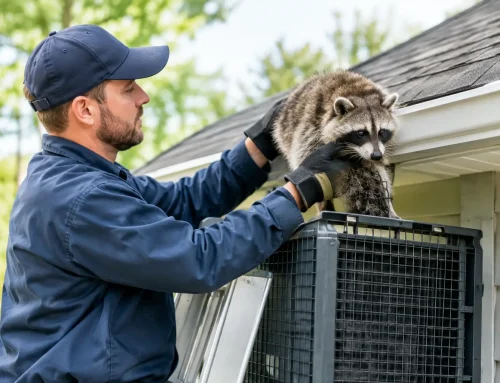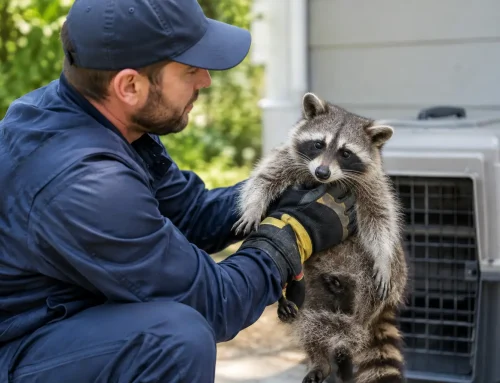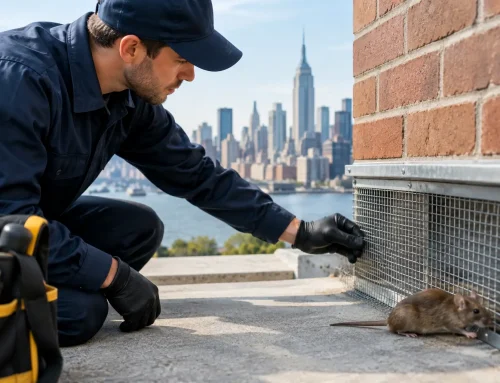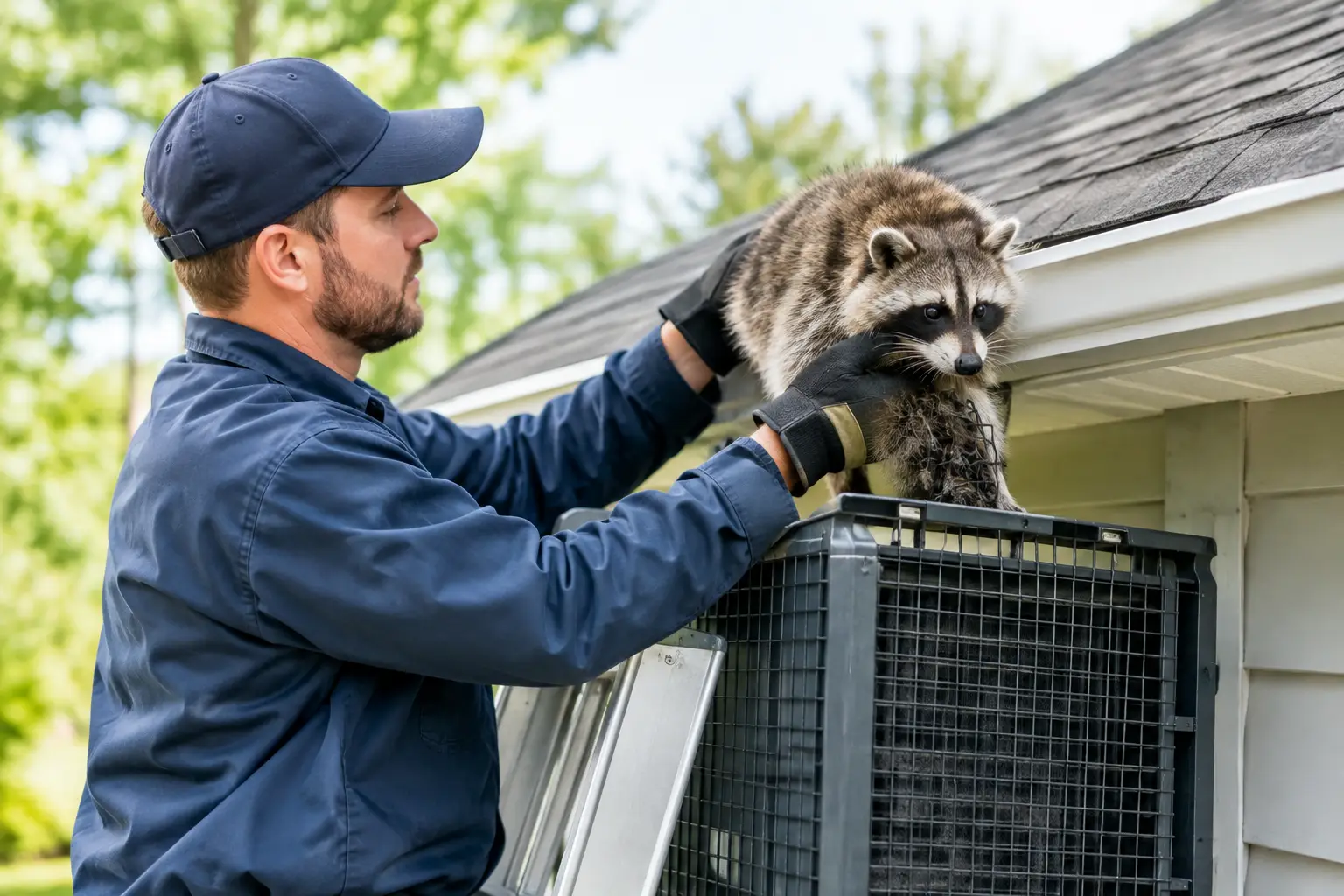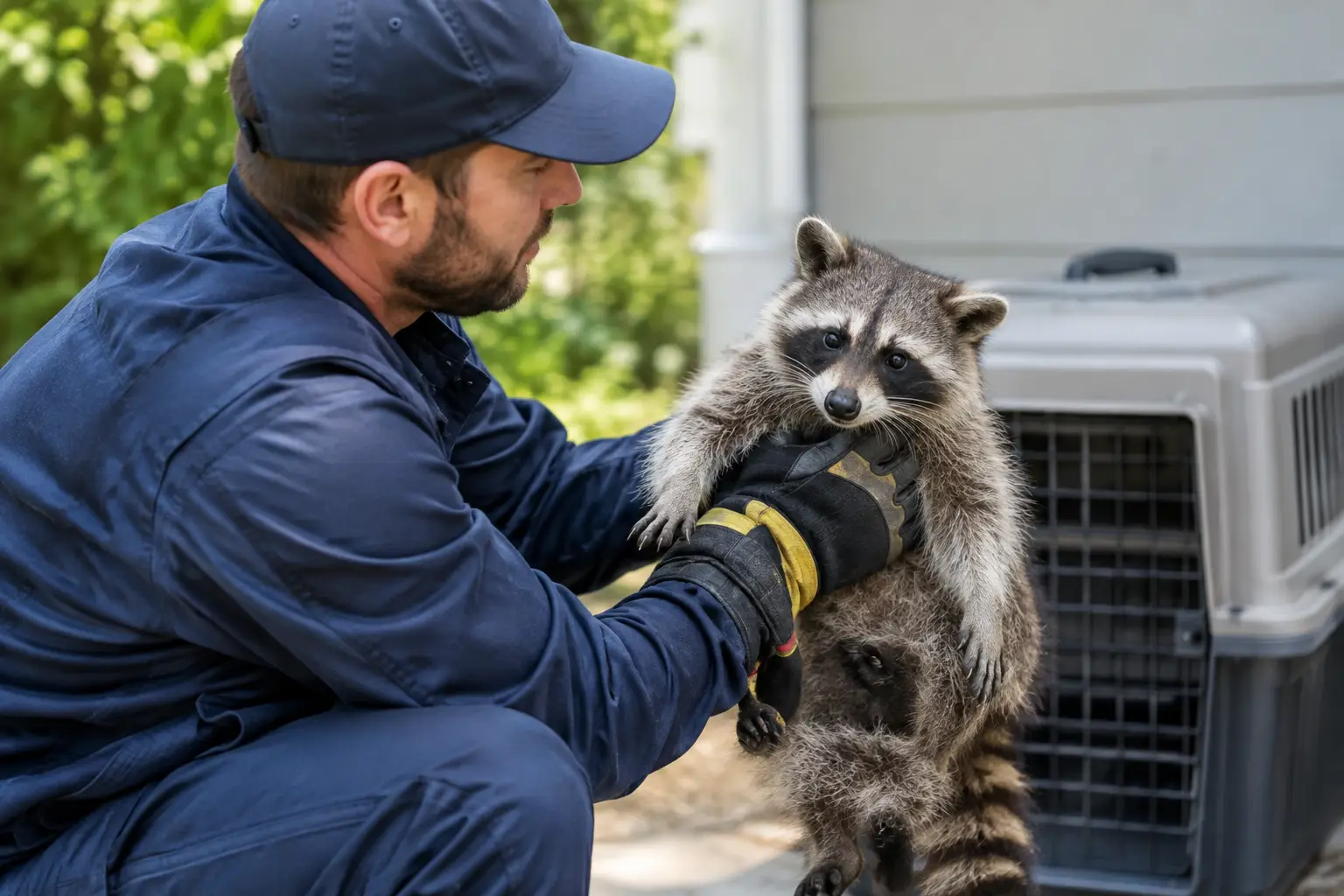
You usually know the attic is a problem before you ever open the hatch. Scratching at night, a sour odor on the second floor, stains spreading across a ceiling tile, or tenants complaining about noises in the walls are all signs that the damage has already moved past a simple animal visit. This guide to attic damage remediation is built for property owners in NYC and NJ who need to fix the mess completely, not just chase out what caused it.
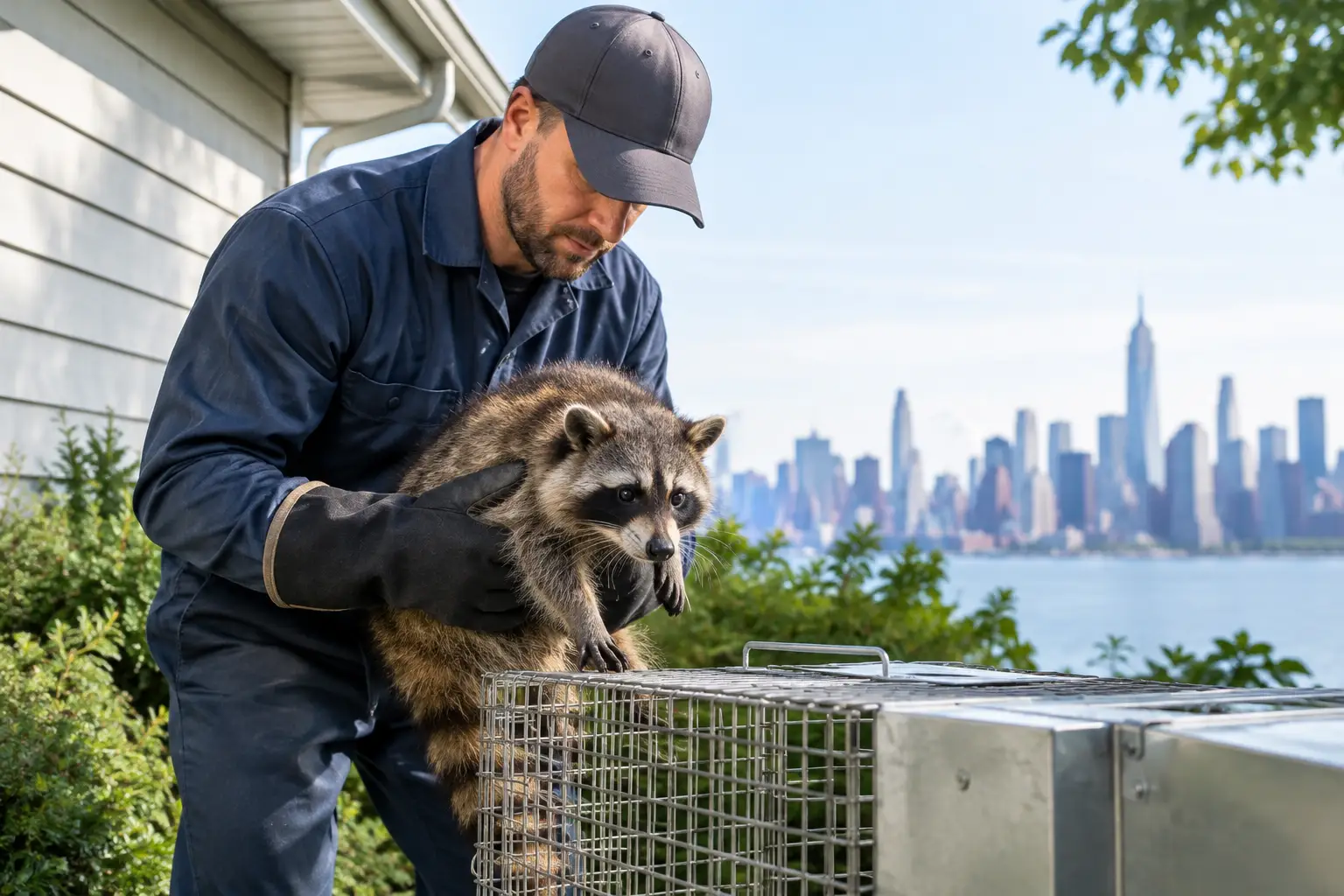
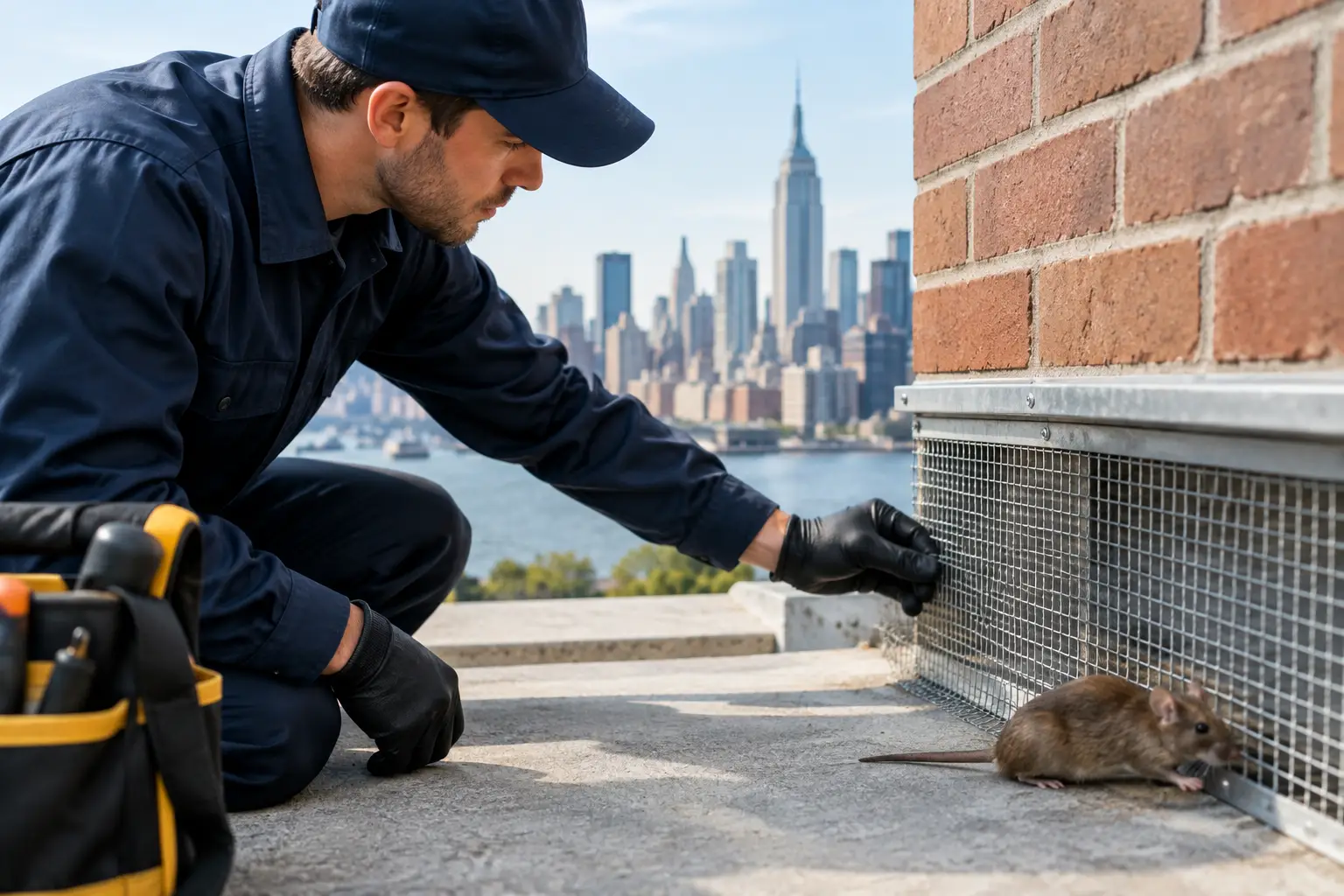
When wildlife gets into an attic, the real cost is rarely limited to one service call. Squirrels tear insulation and chew wiring. Raccoons crush ductwork, rip entry holes wider, and leave concentrated waste in one area. Birds and bats create contamination that can spread through insulation and vents. Rats and mice leave droppings, urine trails, and nesting debris in hidden spaces that stay active long after the animals are gone. If the cleanup is partial, the odor remains, health risks continue, and new animals often come back through the same weak points.
What attic damage remediation actually includes
A proper attic damage remediation job is a full recovery process. It starts with identifying the source of the problem, but it does not stop once the animals are removed. In many homes and commercial buildings, the visible mess is only a fraction of the total damage.
The first part is inspection. That means checking insulation depth, contamination levels, nesting areas, chewed wood, compromised vents, roofline gaps, and any signs of moisture or mold growth. In older NYC and NJ structures, it can also mean spotting previous patchwork repairs that failed because the original entry point was never properly secured.
The second part is removal of contaminated material. That often includes soiled insulation, nesting debris, feces, urine-damaged building materials, and carcass-related contamination if a dead animal is present. This is where many property owners underestimate the scope. A small raccoon family or long-term rodent activity can affect a much larger section of the attic than expected because contaminants spread through movement, air flow, and absorbent insulation.
The third part is cleaning and sanitizing. Surface treatment matters, but so does the method. Some areas need targeted disinfection. Others need deodorizing, enzyme treatment, or mold remediation if moisture and waste have created microbial growth. It depends on the species involved, how long the intrusion lasted, and whether the damage reached HVAC components or living areas below.
The final part is restoration and exclusion. New insulation, sealing of access points, vent protection, and repairs to damaged structural areas are what keep the same issue from starting again next month.
A guide to attic damage remediation after animal intrusion
The biggest mistake property owners make is treating attic damage as a cleanup issue instead of a building protection issue. If an attic is cleaned but not sealed, new wildlife will test the same opening. If an entry point is closed without removing contaminated insulation, odors and pathogens remain in the structure. Both steps have to happen together.
Species matters here. Squirrel damage often centers around gnawed wood, shredded insulation, and repeated entry along soffits or roof edges. Raccoon damage tends to be heavier and more destructive, especially around torn vents, broken fascia, and compressed insulation from foot traffic. Bat and bird problems often create widespread droppings near roosting areas, with contamination around eaves and ventilation openings. Rodents are different again because they spread damage across multiple hidden paths and can create fire hazards by chewing electrical wiring.
That is why remediation should follow the actual evidence, not a one-size-fits-all checklist. A light mouse issue in a small attic does not require the same level of material removal as a raccoon den over several weeks. On the other hand, even a modest rodent infestation can require aggressive sanitation if droppings are near air handling equipment or food-related commercial space.
Signs your attic needs more than basic cleanup
Odor is one of the clearest indicators that the problem is deeper than a few droppings. Persistent smell usually points to urine saturation, dead animal decomposition, or insulation contamination. If the odor gets stronger during heat or humidity, the attic materials may already be holding waste at a level that simple surface treatment will not solve.
Discolored ceiling areas are another warning sign. Some stains come from roof leaks, but animal activity can also contribute by disturbing insulation, creating moisture pockets, or damaging ventilation patterns. If the attic feels hotter than usual, if utility costs rise, or if upper floors become harder to cool and heat, damaged insulation may already be reducing energy performance.
You should also take visible entry damage seriously. Bent vents, torn screening, widened roof gaps, and chew marks are not cosmetic issues. They are active vulnerabilities. In dense neighborhoods across New York City and New Jersey, wildlife pressure is constant. One unprotected opening can quickly turn into repeat intrusion.
The cleanup process that actually works
Professional remediation usually begins with containment and safe removal of damaged materials. This prevents contaminated dust and debris from spreading into occupied areas. In homes, that helps protect family living space. In multifamily and commercial properties, it helps limit liability, odor migration, and tenant complaints.
Once contaminated insulation and nesting material are removed, all affected surfaces should be treated based on the level of contamination. Some attics need disinfection only in concentrated areas. Others need broad sanitation because rodents or larger animals traveled across joists, ducts, and stored materials. If mold is present, that has to be addressed separately and correctly. Covering mold with deodorizer is not remediation.
After cleanup, insulation replacement is often the turning point. Old insulation that has absorbed urine or been flattened by animal traffic loses both sanitary value and thermal performance. Replacing it does more than improve cleanliness. It helps restore energy efficiency and indoor comfort.
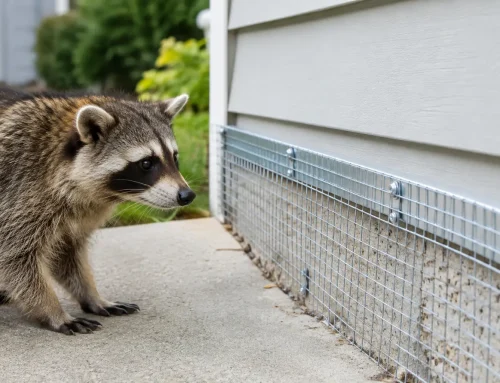
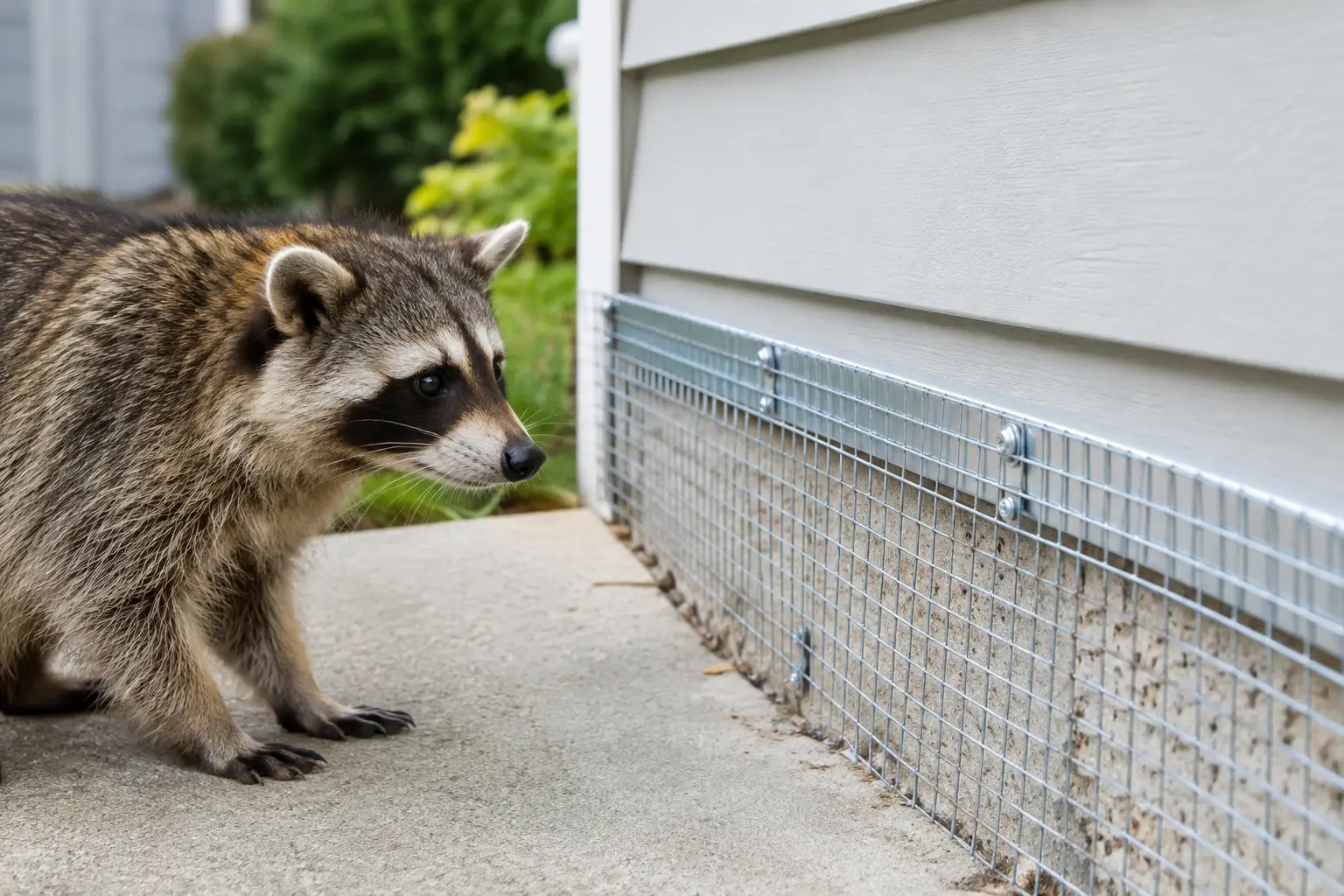
Then comes exclusion and repair. Ridge vents may need protection. Gaps at soffits, roof returns, and utility penetrations need to be sealed with materials that match the risk level. Some spots need screening. Others need structural repair because the surrounding wood is too damaged to hold a barrier long term.
Why speed matters in NYC and NJ attic damage cases
Attic problems move fast in this market. Shared walls, dense building placement, older housing stock, and heavy seasonal wildlife activity create conditions where a small opening can become a larger building issue quickly. In a single-family home, that can mean escalating contamination and repair costs. In a rental or commercial property, it can also mean complaints, vacancy pressure, and health concerns.
Summer heat intensifies odor and bacteria growth. Winter drives animals deeper into insulated spaces. Spring often brings nesting activity, especially with squirrels, birds, and raccoons. Waiting usually increases both the remediation scope and the repair bill.
There is also a safety issue. Droppings, urine, parasites, damaged wiring, and unstable insulation are not conditions most owners should handle alone. Disturbing contaminated attic material without proper controls can make the problem worse. Humane animal removal and post-removal restoration need to work as one plan.
Choosing the right attic damage remediation service
If you are hiring for attic remediation, look for a company that can handle removal, sanitation, insulation work, and animal-proofing as part of the same response. Splitting the job across multiple contractors often creates delays and finger-pointing. One company traps the animals, another cleans, another repairs, and the gaps between those steps leave the property exposed.
Ask whether the service includes a full inspection of entry points, species-specific recommendations, contaminated material removal, sanitizing, and permanent exclusion repairs. If the answer focuses only on trapping, you are not solving the whole problem.
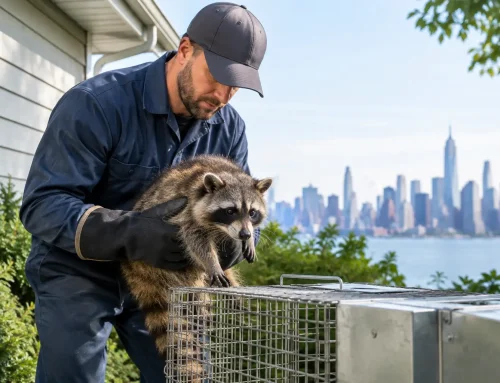
This is where a full-service wildlife damage company has a clear advantage. Animal Control NYC & NJ handles not only humane removal, but also attic restoration, insulation replacement, sanitizing, exclusion, and structural protection. That matters when the goal is complete property recovery, not a temporary fix.
What to do if you suspect attic damage now
Do not seal openings on your own if animals may still be inside. That can trap wildlife in the attic or force it deeper into walls. Do not disturb droppings, nesting material, or damaged insulation without proper protection. And do not assume the smell will fade once the animals leave.
The right move is to get the attic inspected, identify the species and access points, and build a remediation plan that covers removal, cleanup, restoration, and proofing in one sequence. That protects the structure, improves indoor conditions, and reduces the chance of starting over with the same problem later.
An attic should not smell like wildlife, leak contamination into your living space, or stay vulnerable after one repair. If there is damage overhead, act while it is still manageable – and make sure the fix is complete.