One rat sighting in a loading dock, trash room, or restaurant alley can turn into tenant complaints, failed inspections, contaminated inventory, and expensive cleanup fast. This guide to commercial rodent prevention is built for property managers, landlords, facility teams, and business owners in NYC and NJ who need real control measures that hold up under pressure.
Commercial rodent problems rarely start with a dramatic infestation. Most begin with a small gap under a service door, a grease-stained corner behind equipment, an overflowing dumpster area, or a wall void nobody has inspected in years. In dense urban environments, rats and mice do not need much. If your building offers food, water, warmth, and cover, they will test it constantly.
Why commercial rodent prevention fails
Many properties do some pest control without doing actual prevention. That distinction matters. Baits and traps can reduce activity, but if the structure still has entry points and sanitation gaps, the pressure stays in place. You are managing symptoms, not shutting down the cause.
The second problem is fragmented responsibility. In commercial buildings, housekeeping may handle sanitation, maintenance may handle repairs, tenants may control part of the space, and outside vendors may service dumpsters or kitchens. When nobody owns the full picture, rodents move through the weak spots between departments.
There is also the timing issue. Too many operators wait until they hear scratching in walls, find droppings in storage, or get a complaint from staff or customers. By then, rodents may already be nesting behind shelving, in ceiling voids, under slabs, or around utility penetrations. Prevention works best when it is routine, documented, and tied to the building itself.
A practical guide to commercial rodent prevention
The most effective commercial rodent prevention plan starts with inspection, not products. Before anyone places traps or applies bait, the property needs a full review of the exterior, interior, sanitation flow, and structural condition. In NYC and NJ, that often means looking beyond the obvious front-of-house areas and checking basements, compactor rooms, utility chases, rooflines, crawl spaces, and perimeter drains.
Start outside. Rats usually enter commercial sites because the exterior already supports activity. Dumpster pads, grease areas, cluttered alleys, damaged door sweeps, open drains, and gaps around conduits all matter. A building can have a clean lobby and still have severe pressure at the rear service entrance. Exterior inspection should focus on where rodents travel, feed, and gain access.
Then move inside with the same discipline. Look for rub marks, gnawing, droppings, nesting material, urine odor, and grease trails along walls. Mice often stay hidden longer than rats, especially in offices, retail stock rooms, and drop ceilings. In food-service properties, inspect beneath line equipment, behind coolers, around floor drains, and inside dry storage. In multifamily or mixed-use buildings, trash staging areas and shared utility spaces are common transfer points.
Seal entry points before activity spreads
Exclusion is one of the most important parts of any guide to commercial rodent prevention because rodents exploit buildings, not just messy conditions. Rats can force through damaged materials and use gaps that seem minor from a maintenance standpoint. Mice need even less space.
The challenge is that commercial properties have more openings than most people realize. Roll-up doors do not always close flush. Utility penetrations are often oversized. Older brick and block walls can separate around pipes. Roof edges, vents, louvers, loading docks, and worn foundation lines can all create access. If you only seal the openings you can see at eye level, you will miss the routes rodents actually use.
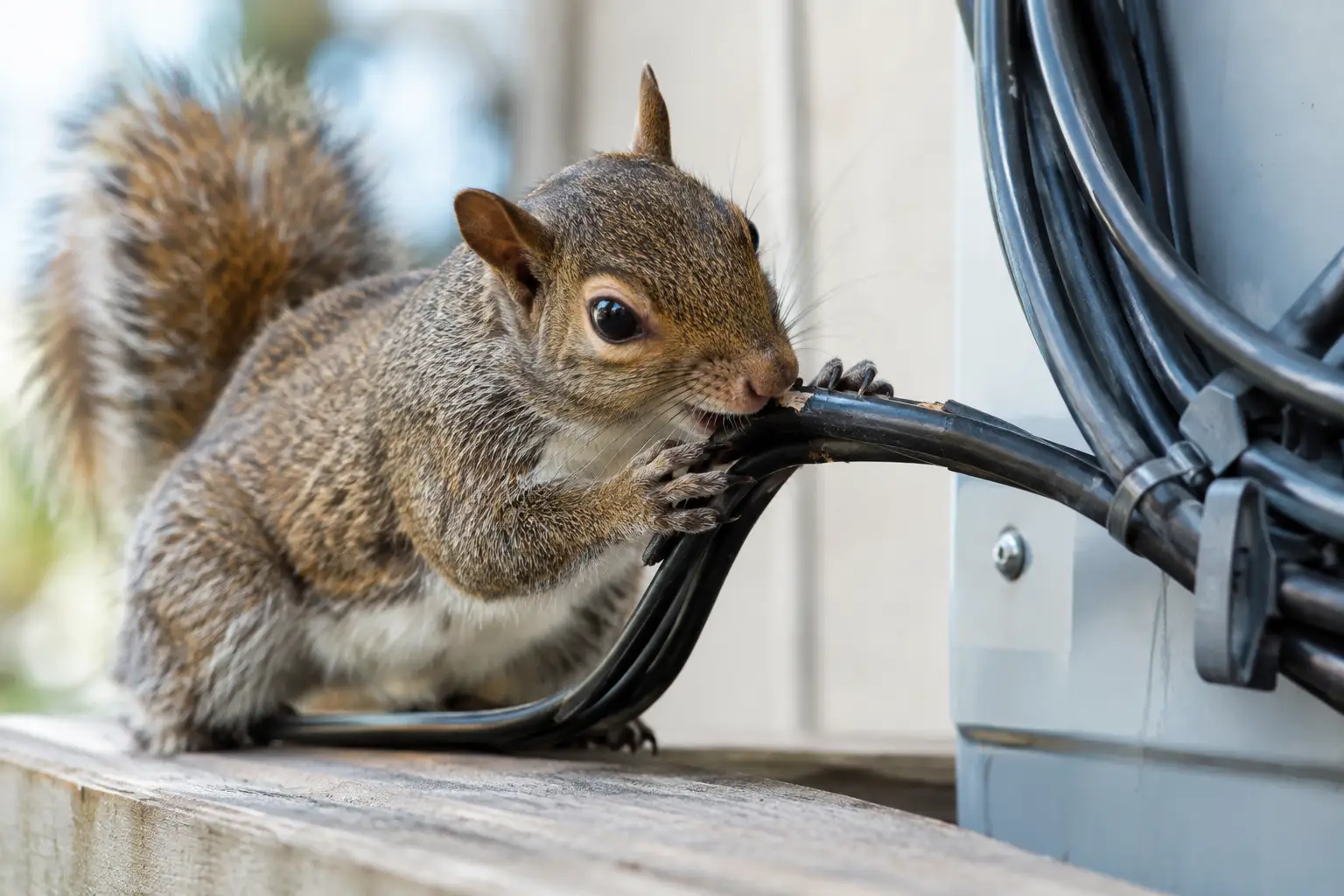
Good exclusion work has to be durable. Quick foam-only repairs usually fail in active rodent zones because rats and mice chew through weak materials. Door sweeps should fit tightly. Damaged vents need proper screening. Gaps around lines should be sealed with rodent-resistant methods that match the structure. If a property has recurring activity in one area, that usually means the repair addressed the surface but not the route.
Sanitation has to match the building type
Sanitation advice gets repeated so often that many operators tune it out, but poor waste handling is still one of the biggest reasons infestations persist. The key is being specific. A restaurant, warehouse, apartment building, school, and medical office do not generate the same attractants, so they should not use the same prevention checklist.
In restaurants and food production spaces, grease, standing water, spills under equipment, and unsecured dry goods are the biggest concerns. In office buildings, break rooms, vending areas, janitor closets, and overnight trash are more common issues. In multifamily properties, compactor rooms, chute rooms, bulk item storage, and tenant trash habits often drive pressure. Warehouses may struggle more with pallet storage, cluttered receiving areas, and long periods without disturbance behind inventory rows.
This is where trade-offs come in. Some sanitation improvements are simple, like changing trash pickup frequency or moving stored product off the floor. Others require operating changes that managers resist because they affect labor or workflow. Still, if the sanitation pattern keeps feeding rodents, treatment alone will never be enough.
High-risk areas that need routine attention
Not every part of a commercial building carries the same risk. The highest-pressure areas are usually the ones with food residue, moisture, shelter, and low visibility. That includes trash rooms, loading docks, ceiling voids, boiler rooms, crawl spaces, alley-facing storage, and any wall line with heavy utility penetration.
For mixed-use buildings in NYC and NJ, the risk often moves vertically. A basement trash issue can become a first-floor commercial complaint, then spread through wall voids into residential units above. That is why isolated spot treatment often disappoints. Rodent movement does not follow lease lines.
Exterior grounds matter too. Overgrown foundation plantings, stored materials against walls, unsealed drainage points, and neglected rear yards create harborage close to the structure. Even if rodents are nesting outside, they may still enter for food and warmth. The goal is not just to kill what is present. It is to make the property harder to use.
Monitoring, documentation, and fast response
Commercial prevention should be treated like a building operations issue, not a one-time service call. That means regular monitoring, written findings, and quick correction when new vulnerabilities appear. A missing sweep, broken lid, drain issue, or sanitation lapse can reopen the problem in a matter of days.
Monitoring works best when it is tied to mapped locations and repeated on schedule. That allows managers to see patterns instead of reacting to random complaints. If one side of the building keeps showing signs, there is usually a structural or sanitation reason. If activity increases after tenant turnover, renovation, or nearby construction, the prevention plan may need to change.
Documentation also matters for compliance, internal accountability, and tenant communication. When a property can show inspection notes, corrective actions, sanitation updates, and exclusion work, it is easier to manage complaints and prove the issue is being handled professionally.
When to bring in professional rodent control
Some commercial sites can handle minor prevention tasks in-house, but recurring activity, structural entry, contamination, or tenant-facing risk calls for professional help. That is especially true for restaurants, food storage facilities, healthcare settings, schools, multifamily properties, and buildings with complex basements or service corridors.
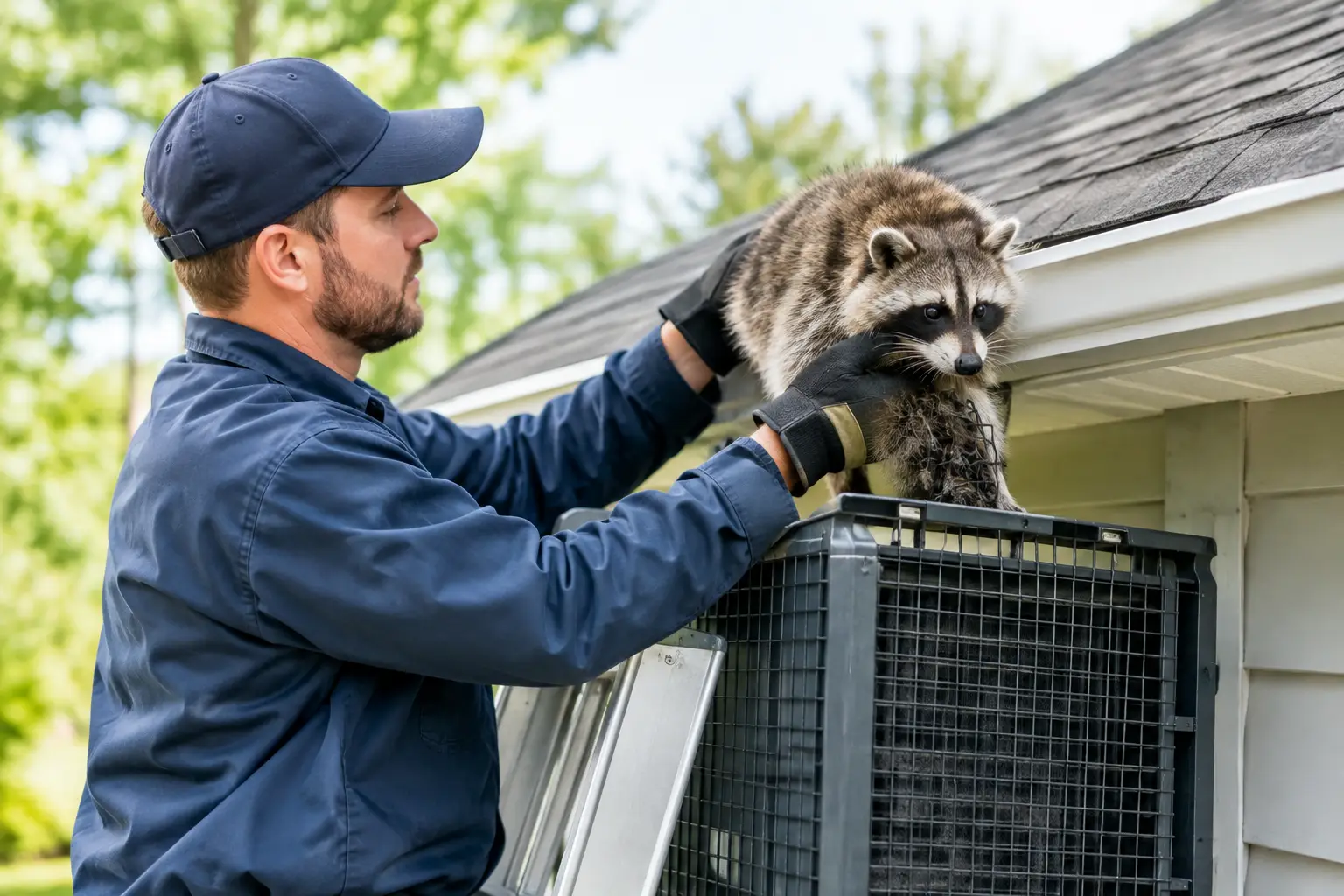
A qualified wildlife and rodent control team should do more than place traps. The right service includes inspection, species-specific control, sanitation guidance, exclusion, cleanup, and repair planning. If rodents have contaminated insulation, storage areas, crawl spaces, or wall cavities, cleanup and disinfection may be part of the job as well.
For urgent situations, speed matters. A dead rodent odor, visible daytime rat activity, repeated tenant complaints, or signs in customer-facing areas should not wait for a routine maintenance cycle. Animal Control NYC & NJ handles these problems with a full-service approach that addresses removal, sanitation, and structural vulnerabilities together, which is often what commercial properties need to stop the cycle.
Build a rodent prevention plan that lasts
The best commercial rodent prevention plans are not complicated, but they are consistent. Inspect the full property, close entry points with lasting repairs, tighten sanitation based on how the building actually operates, and monitor the places where pressure shows up first. If one part of that system breaks down, rodents usually find it.
For property owners and facility teams in NYC and NJ, the reality is simple. Rodent prevention is cheaper than rodent damage, and faster than dealing with violations, product loss, cleanup, and reputation issues after the fact. A building that is hard to enter and hard to feed from gives rats and mice a reason to move on.