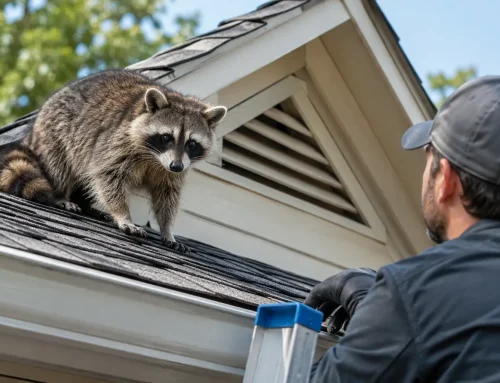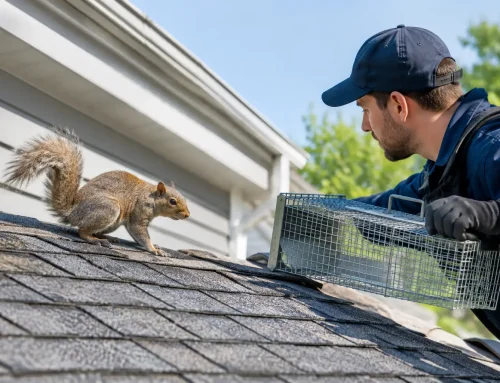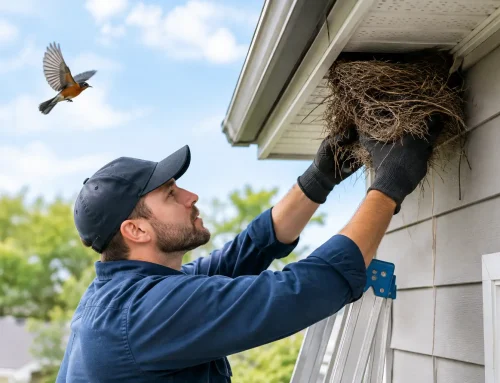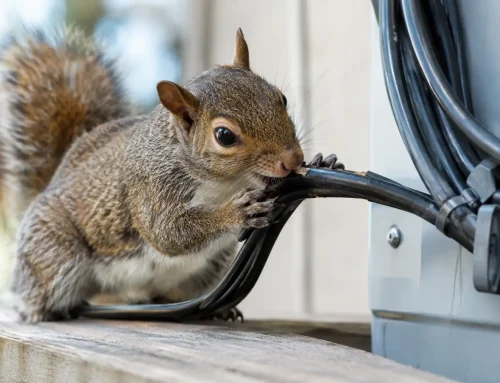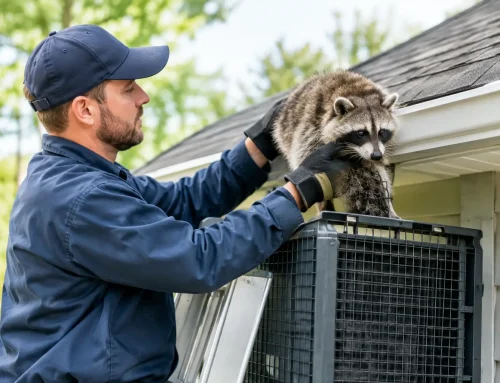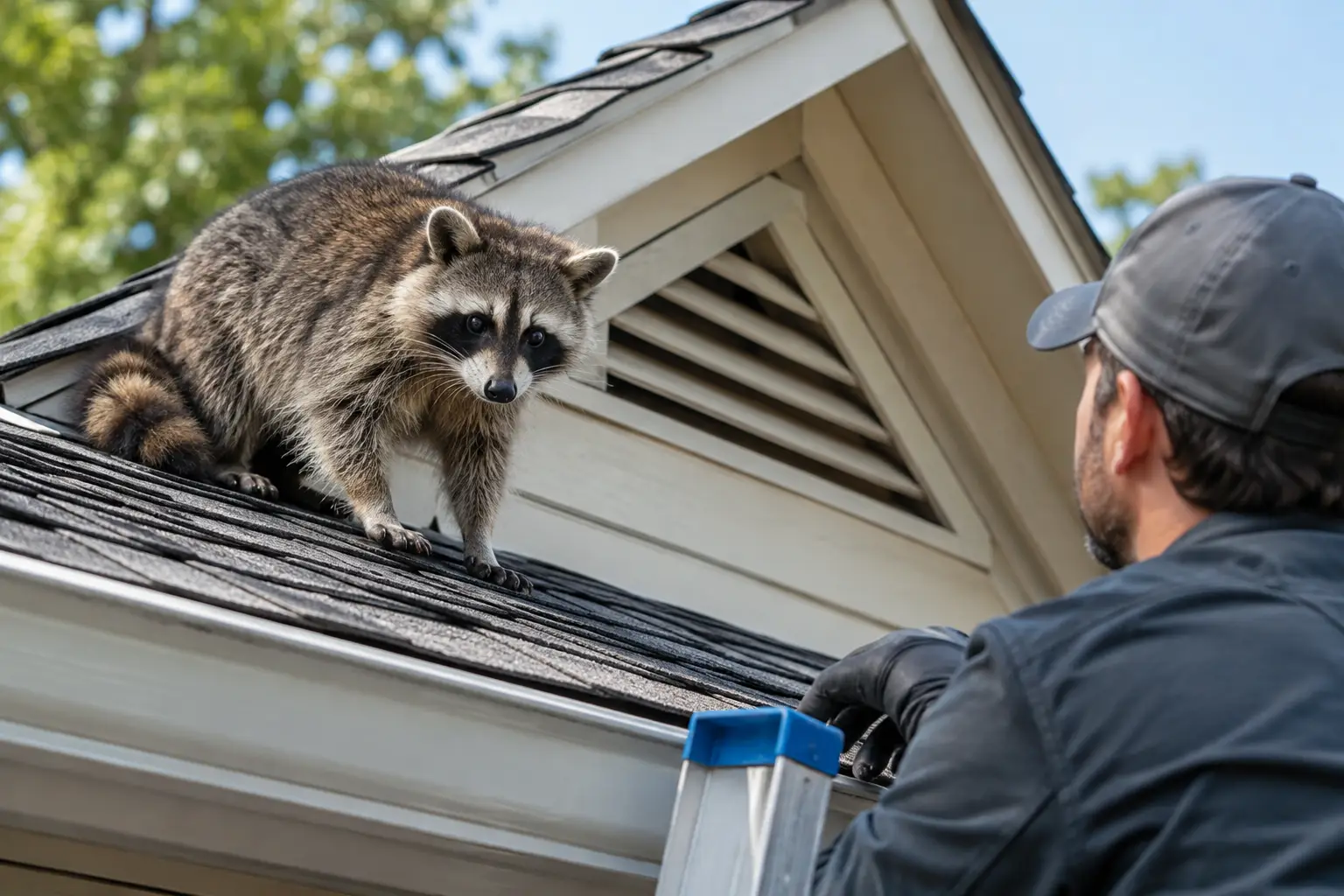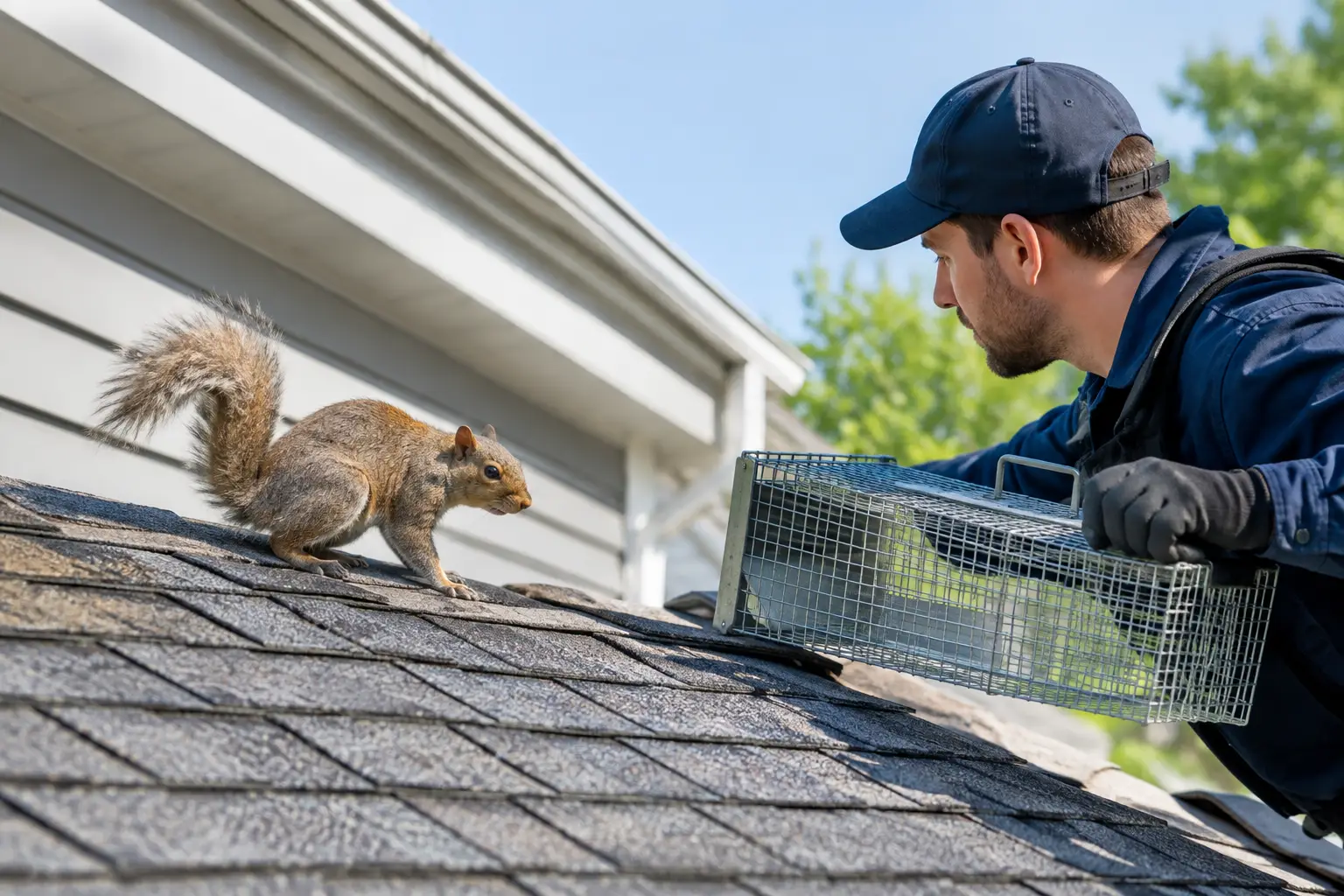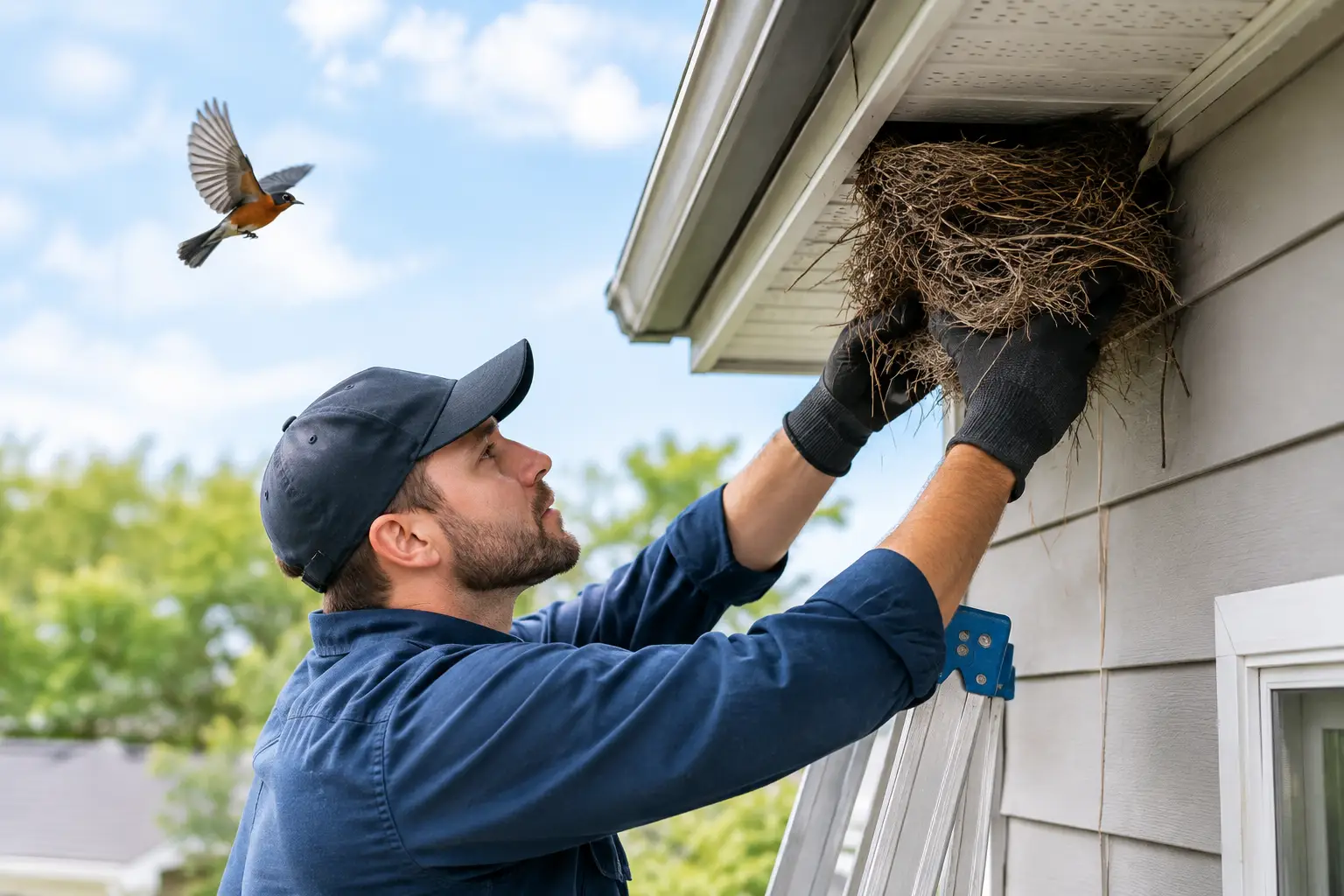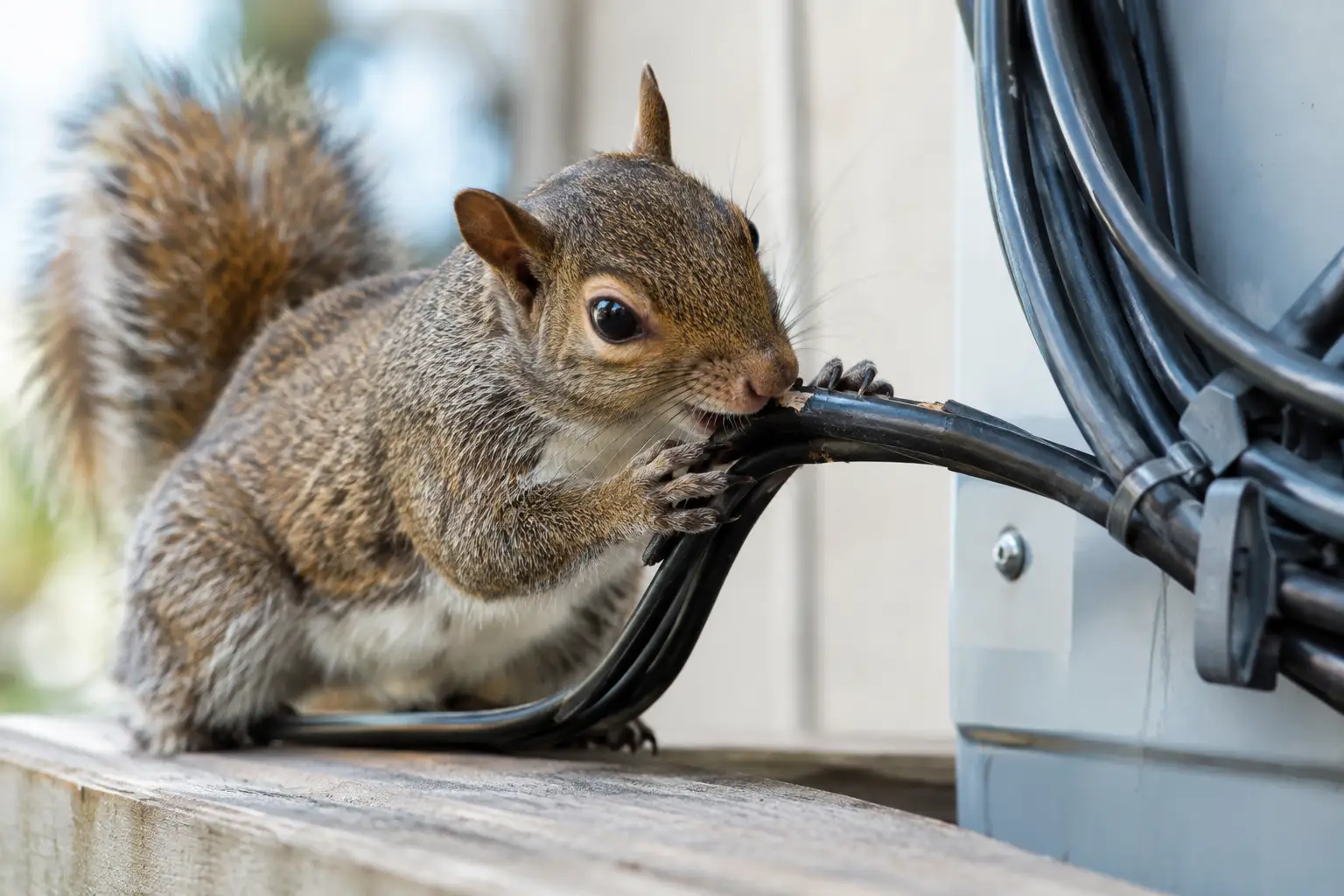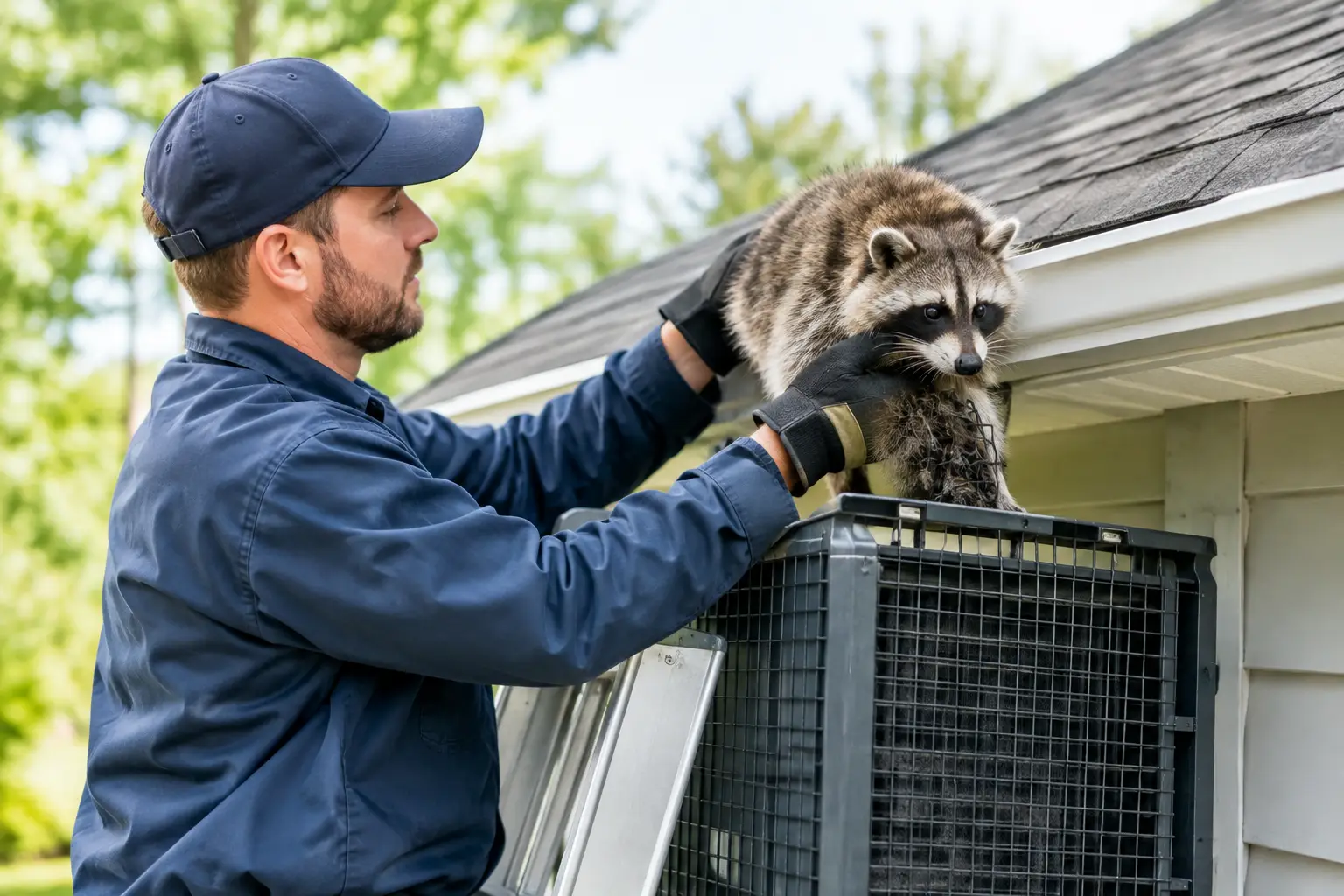
That sharp, stale odor in the attic is usually a warning, not just an inconvenience. If you are searching for how to disinfect attic safely, the first thing to understand is that attic contamination is rarely just about dirt. Rodent droppings, raccoon latrines, nesting debris, urine-soaked insulation, and dead animals can all turn a storage space into a health risk quickly.
In NYC and New Jersey homes, attics often become shelter for squirrels, rats, mice, raccoons, birds, and bats. Once animals have been active overhead, disinfecting the area has to be done with care. The wrong cleanup method can stir dangerous particles into the air, spread contamination deeper into the home, and leave damaged insulation and hidden odor sources behind.
Why attic disinfection needs a careful approach
A contaminated attic is different from cleaning a garage floor or wiping down a basement shelf. Animal waste can carry bacteria, fungal spores, and parasites. Dry droppings and nesting material can break apart easily, especially when disturbed by a broom, shop vacuum, or leaf blower. That means a simple cleanup attempt can create an airborne exposure problem.
This is where many property owners get into trouble. They see droppings, grab gloves and a trash bag, and assume they are handling it. But if the insulation below is saturated with urine or if there is a dead animal under the insulation line, the contamination is broader than it looks. In rental properties and commercial buildings, that can also become a tenant complaint, odor issue, or liability issue fast.
How to disinfect attic safely before any cleaning starts
Before you touch anything, confirm the animals are gone. Disinfecting an attic while rodents or wildlife are still active wastes time and money. New droppings, new urine trails, and fresh nesting will keep showing up until the entry points are sealed and the animals are removed.
Start with a visual inspection from the attic access point if possible. Look for droppings, chewed wood, stained insulation, nesting material, and dark rub marks along framing. Listen for movement. If you suspect raccoons, bats, squirrels, or a dead animal, stop there and bring in a professional. Larger wildlife contamination is not a light cleanup job.
Ventilation matters too, but there is a right way to handle it. You want controlled airflow, not aggressive air movement that spreads particles. Avoid setting up fans that blow directly across droppings or insulation. If the attic is extremely confined or heavily contaminated, it may not be safe for a DIY attempt at all.
Safety gear is not optional
If the contamination is minor and limited to a small area, proper protection is the minimum standard. Basic clothing is not enough. You need a properly fitted respirator suitable for contaminated dust exposure, disposable gloves, eye protection, and clothing or coveralls that can be safely discarded or washed immediately.
This is especially important in older attics where you may already be dealing with poor footing, exposed nails, low visibility, and possible mold or asbestos-related concerns depending on the age of the structure. The cleanup itself is only one risk. The environment around it matters too.
What not to do when disinfecting an attic
The biggest mistake is dry sweeping. Never sweep or brush animal droppings, dried urine residue, or nesting debris into piles. That sends fine contaminated particles into the air.
The next mistake is using a standard household vacuum. Unless you are using specialized filtration equipment designed for hazardous particulate cleanup, vacuuming can spread contamination rather than remove it safely.
Bleach is another area where people make assumptions. It can be useful in some situations, but it is not a cure-all. Spraying strong bleach over thick droppings or soaked insulation does not make the problem disappear. In some attic conditions, especially enclosed spaces, harsh chemical use can also create breathing hazards.
The safest process for light attic contamination
If the attic has a small, localized mess from mice or light rodent activity and there is no sign of heavy nesting, carcasses, or saturated insulation, a careful cleanup may be possible.
First, lightly mist the droppings and affected surfaces with an appropriate disinfectant or cleaning solution approved for this type of contamination. The goal is to dampen the material so particles do not go airborne. Do not soak the area to the point of causing runoff through ceilings or wall cavities.
Let the disinfectant sit for the recommended contact time. This step gets skipped often, but it matters. If the label says ten minutes, give it ten minutes.
Once the material is dampened and treated, use disposable towels or similar materials to lift and remove the waste. Place it directly into a heavy-duty sealed bag. After removal, re-clean the area with disinfectant and wipe surrounding surfaces that may have been exposed.
If contaminated insulation is limited to a very small section, remove that section carefully and bag it immediately. The moment contamination is widespread across insulation bays, though, the job changes. At that point, it is not really surface cleaning anymore. It is restoration.
When attic disinfection means insulation removal
Urine contamination is often the hidden problem. An attic may look manageable on the surface, but insulation below can hold odors, moisture, and bacteria long after visible droppings are gone. This is common after rat infestations and especially common after raccoon occupancy.
If insulation is clumped, stained, compressed, or producing a strong odor, disinfecting around it is not enough. It usually needs to be removed, the attic floor and affected framing treated, and clean insulation installed after the area is dry and safe.
This is one of the biggest trade-offs in attic cleanup. Homeowners want the faster, cheaper option of spot disinfection. Sometimes that works. Sometimes it leaves the real contamination in place and the smell comes back within days. A professional inspection helps determine whether you are dealing with a cleanup issue or a full remediation issue.
Wildlife contamination is more serious than basic rodent cleanup
Not all attic contamination carries the same level of risk. A few isolated mouse droppings near stored boxes are one thing. A raccoon latrine, bat guano accumulation, or decomposing animal in insulation is another.
Raccoons can create concentrated waste areas that contaminate large sections of attic flooring. Bat guano can build up over time and create significant airborne exposure concerns when disturbed. Dead animals introduce odor, insect activity, and fluid contamination that can spread beyond the visible source. In these cases, professional disinfection is the safer move from the start.
For property managers and landlords, this also affects habitability concerns. If odors enter occupied units or if tenants are exposed to contamination from ceiling penetrations, vents, or HVAC pathways, delays can become expensive.
How professionals handle attic disinfection safely
Professional attic disinfection is usually part of a larger wildlife damage recovery process. The first step is removal and exclusion, so animals cannot return. The next step is controlled cleanup of droppings, nests, carcasses, and contaminated insulation. After that comes surface disinfection, odor treatment where needed, and restoration.
A full-service wildlife control company can also identify the parts of the problem many people miss – soffit gaps, roofline openings, torn vents, damaged duct runs, and insulation loss. That matters because disinfection without sealing entry points is temporary.
For heavily affected attics in NYC and NJ, this kind of complete service is often the most efficient path. It keeps the job with one contractor instead of splitting removal, sanitation, and repairs across multiple vendors.
Signs you should not handle attic disinfection yourself
If you see a large volume of droppings, strong ammonia-type odor, matted insulation, insect activity, animal remains, or evidence of raccoons, bats, or birds, it is time to stop and call for help. The same applies if the attic has poor access, unstable flooring, electrical hazards, or contamination near air handling equipment.
Animal Control NYC & NJ handles these situations as a full-service wildlife damage and cleanup job, not just a spray-and-go service. That matters when the real goal is making the attic safe again, not just making it look cleaner for a day.
After disinfection, prevention is the real protection
A clean attic does not stay clean if the structure is still open. Once sanitation is complete, the next move is sealing entry points, replacing damaged vents, addressing roofline vulnerabilities, and restoring insulation where needed. Without that step, the same squirrels, rats, birds, or raccoons may be back next season.
If you want to know how to disinfect attic safely, the honest answer is this: safe disinfection starts with knowing the level of contamination and when the job has moved beyond DIY. Some attics need a careful wipe-down. Others need full containment, removal, sanitation, and repair. Knowing the difference protects your health, your property, and everyone living or working below that ceiling.
When an attic has been used by wildlife, the smartest move is not always the cheapest one up front. It is the one that actually leaves the space clean, sealed, and safe to use again.