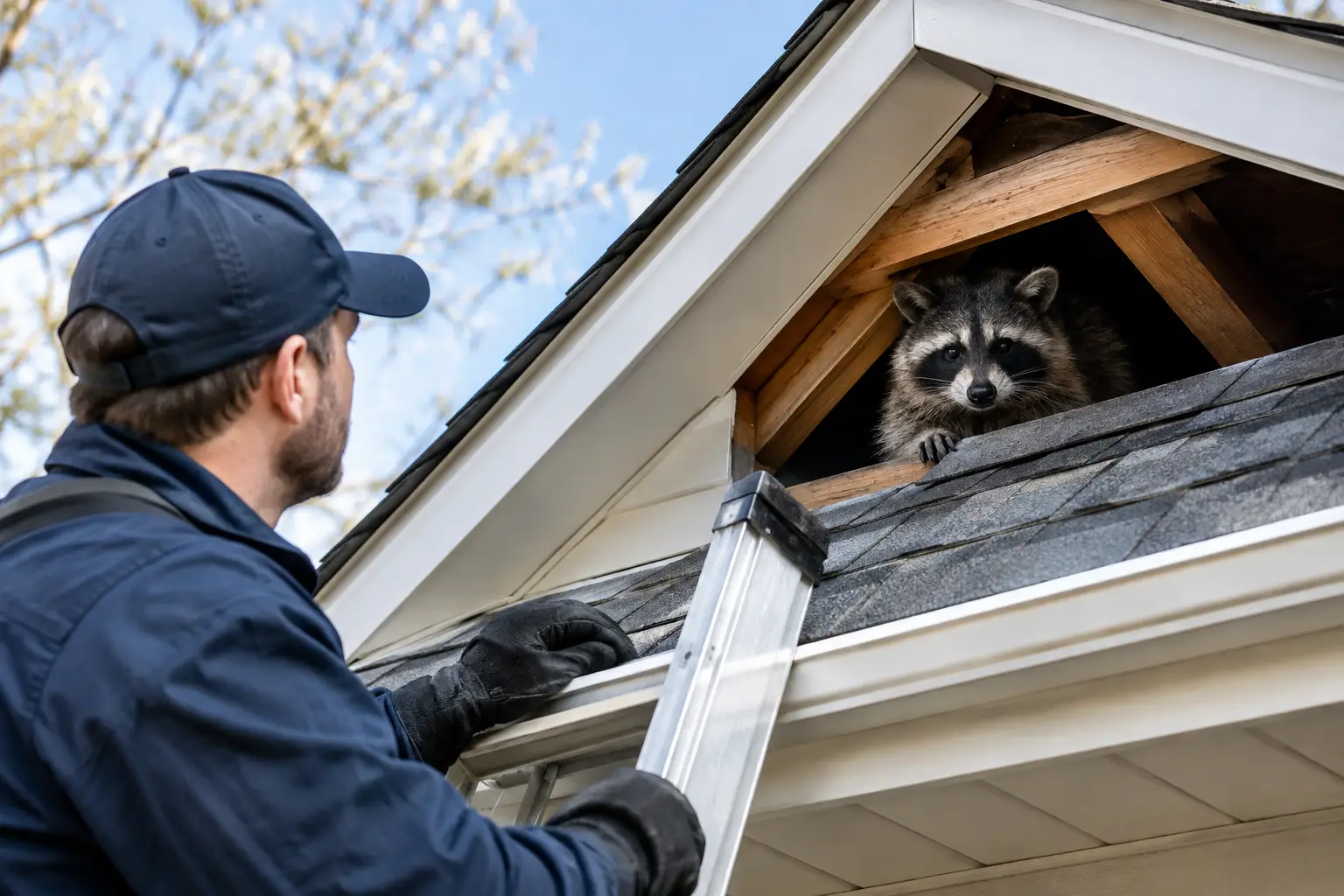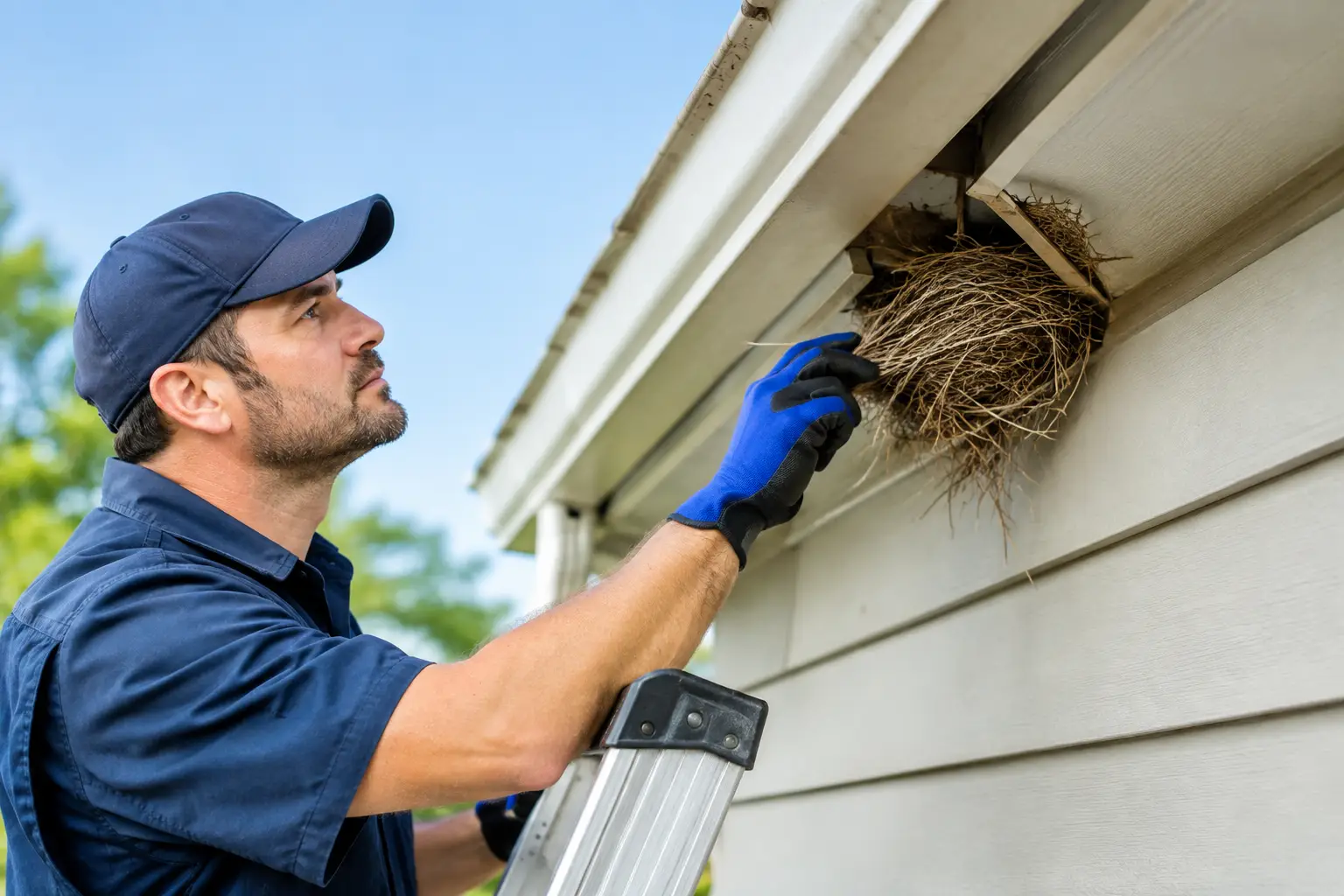
A torn soffit is not just an exterior repair. It can be the open door that lets squirrels, raccoons, birds, bats, mice, and rats move from the roofline directly into your attic. Soffit repair animal damage should be handled in the right order: identify the animal, remove it humanely, make sure no young are left behind, clean affected areas, and then close the opening with materials that can withstand another attempt.
For homeowners, landlords, and property managers in NYC and New Jersey, waiting can turn a small hole under the eaves into chewed wiring, contaminated insulation, water damage, and tenant complaints. Fast action protects the structure and stops an active wildlife problem from becoming an expensive restoration project.
Why Animals Target Soffits
Soffits cover the underside of roof overhangs. They often contain vents that help air move through the attic, but those vents and panel seams can become weak points. A loose aluminum panel, rotted wood section, cracked vinyl piece, or damaged vent screen gives an animal a place to grip, pull, chew, or pry open.
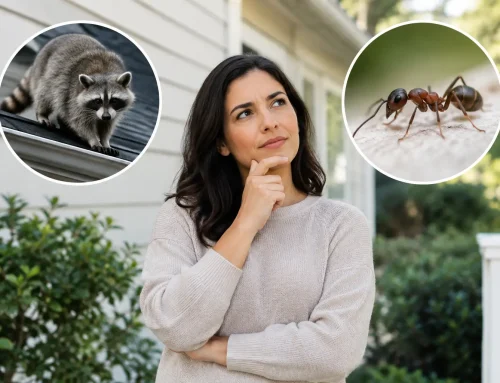
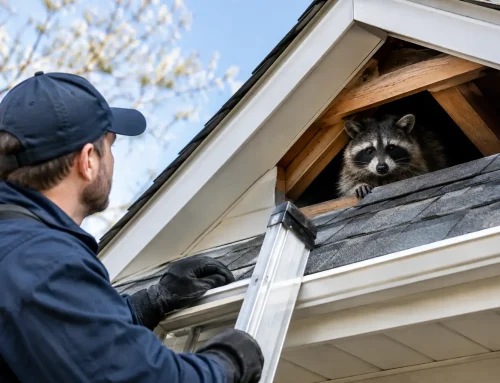
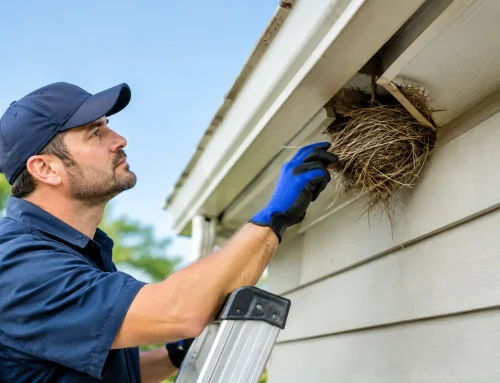
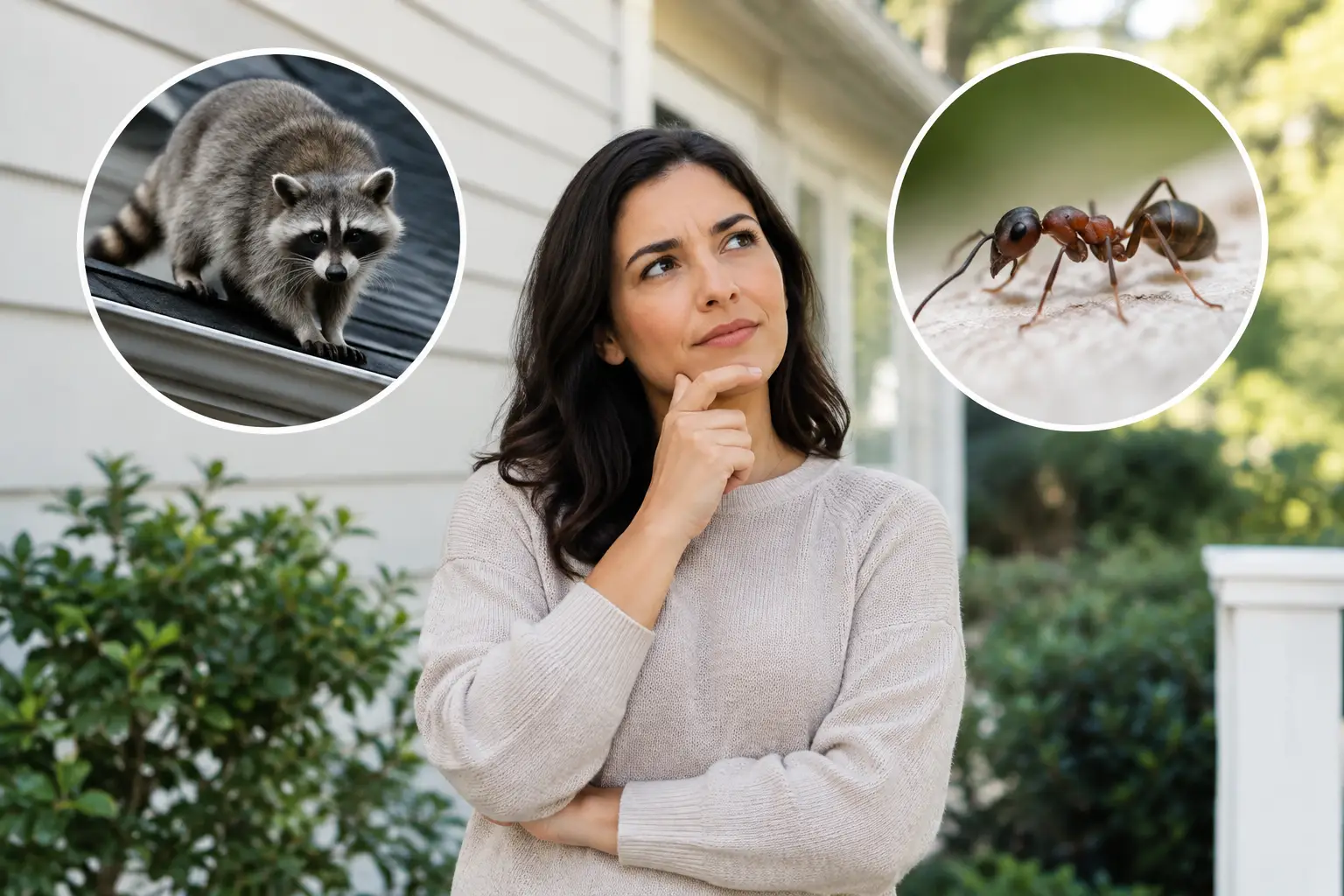
Squirrels commonly enlarge small gaps near roof edges and fascia boards. Raccoons are strong enough to tear apart weakened soffit panels, especially where moisture has softened the wood behind them. Birds may nest in open eaves, while bats can use gaps much smaller than most property owners expect. Mice and rats often use utility lines, trees, gutters, and exterior walls as pathways to the roofline.
The location of the damage can offer clues, but it does not confirm the species. Scratch marks, bent aluminum, scattered nesting debris, droppings, nighttime noises, and visible traffic at the roof edge all matter. A professional inspection is the safest way to determine what is using the opening and whether animals are already inside the attic.
Do Not Repair the Opening Too Soon
The most common mistake in soffit repair for animal damage is sealing the hole before the animal has been removed. That can trap wildlife inside the attic or wall cavity. A trapped raccoon, squirrel, or rodent may panic and chew a new path through drywall, roof decking, vents, or another section of soffit.
Timing also matters during breeding seasons. Raccoons, squirrels, bats, and birds may have dependent young in a nest or den. Closing an entry point without an inspection can separate a mother from her young, creating a humane concern and a serious odor problem if animals die inside the structure.
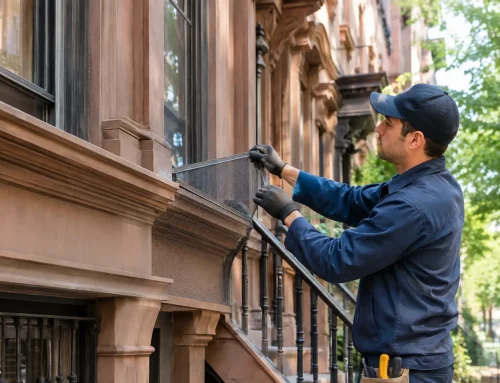
A proper service plan starts with a full exterior and attic inspection. The technician checks the damaged soffit, nearby vents, roof returns, ridge areas, chimney gaps, gutters, and other possible access points. In many cases, the visible hole is only one of several entry routes.
If an animal is active, removal should come first. Humane trapping, one-way exclusion devices, or species-specific removal methods may be used depending on the animal, its location, and whether young are present. Once activity has stopped and the structure has been checked, permanent repairs can begin.
What a Proper Soffit Repair Includes
A durable repair is more than covering a hole with a thin piece of metal or foam. The damaged area needs to be rebuilt so it keeps wildlife out without blocking necessary attic ventilation.
Remove Damaged Materials and Find the Cause
The first step is removing loose, chewed, rotted, or contaminated material. This may include soffit panels, vent covers, fascia boards, insulation near the entry point, or nesting debris. If moisture damage caused the soffit to weaken, that issue must be addressed as well. Otherwise, a new panel can fail in the same spot.
Technicians should also check for structural problems behind the visible damage. A raccoon may pull down a panel because the fascia is already deteriorated. Squirrels may chew through a vent because the existing screen is lightweight plastic. Repairing only the surface can leave the real vulnerability in place.
Install Wildlife-Resistant Exclusion Materials
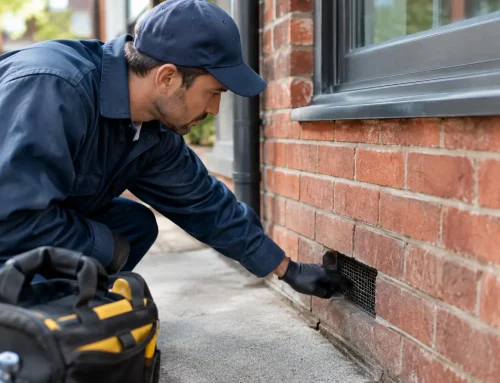
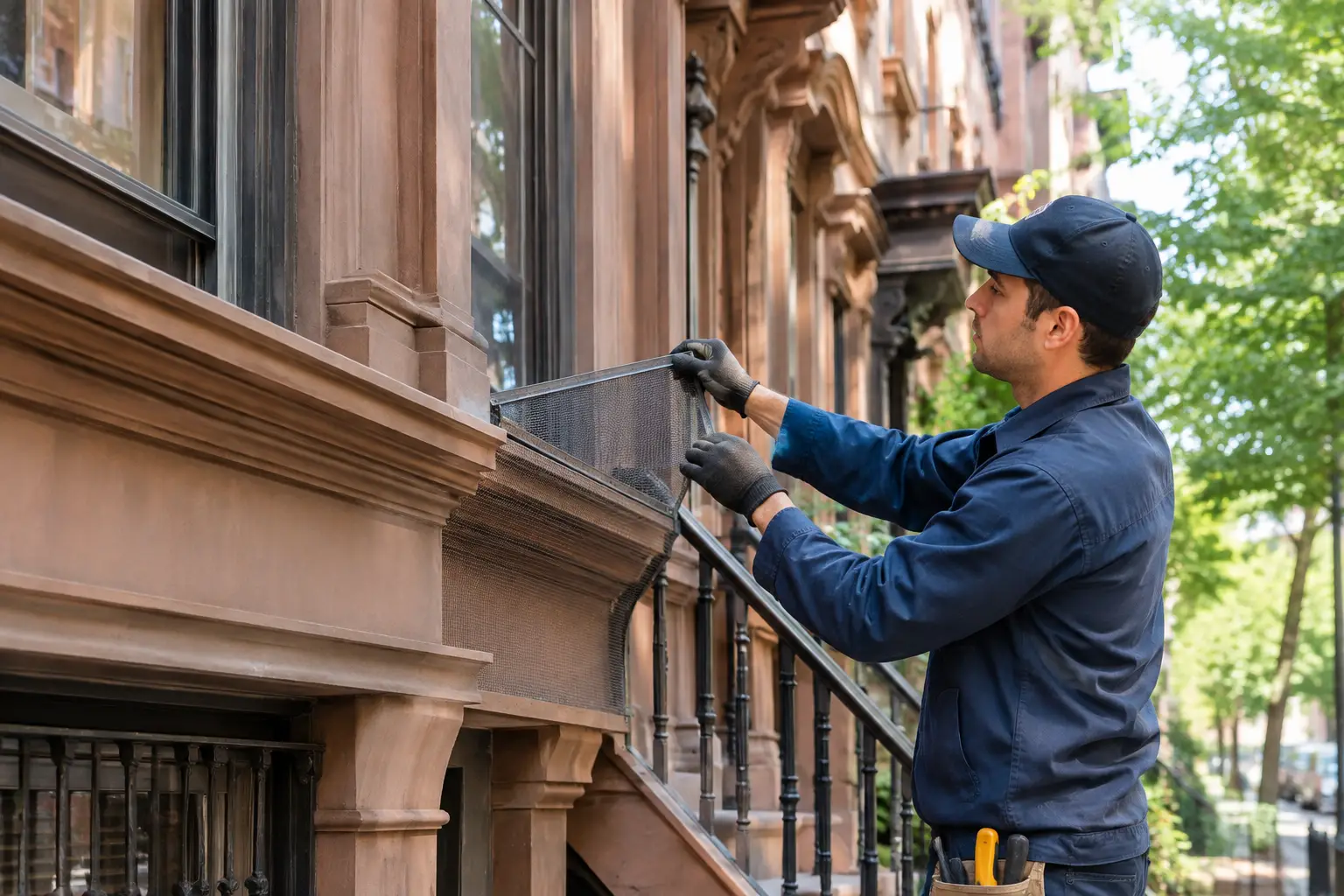
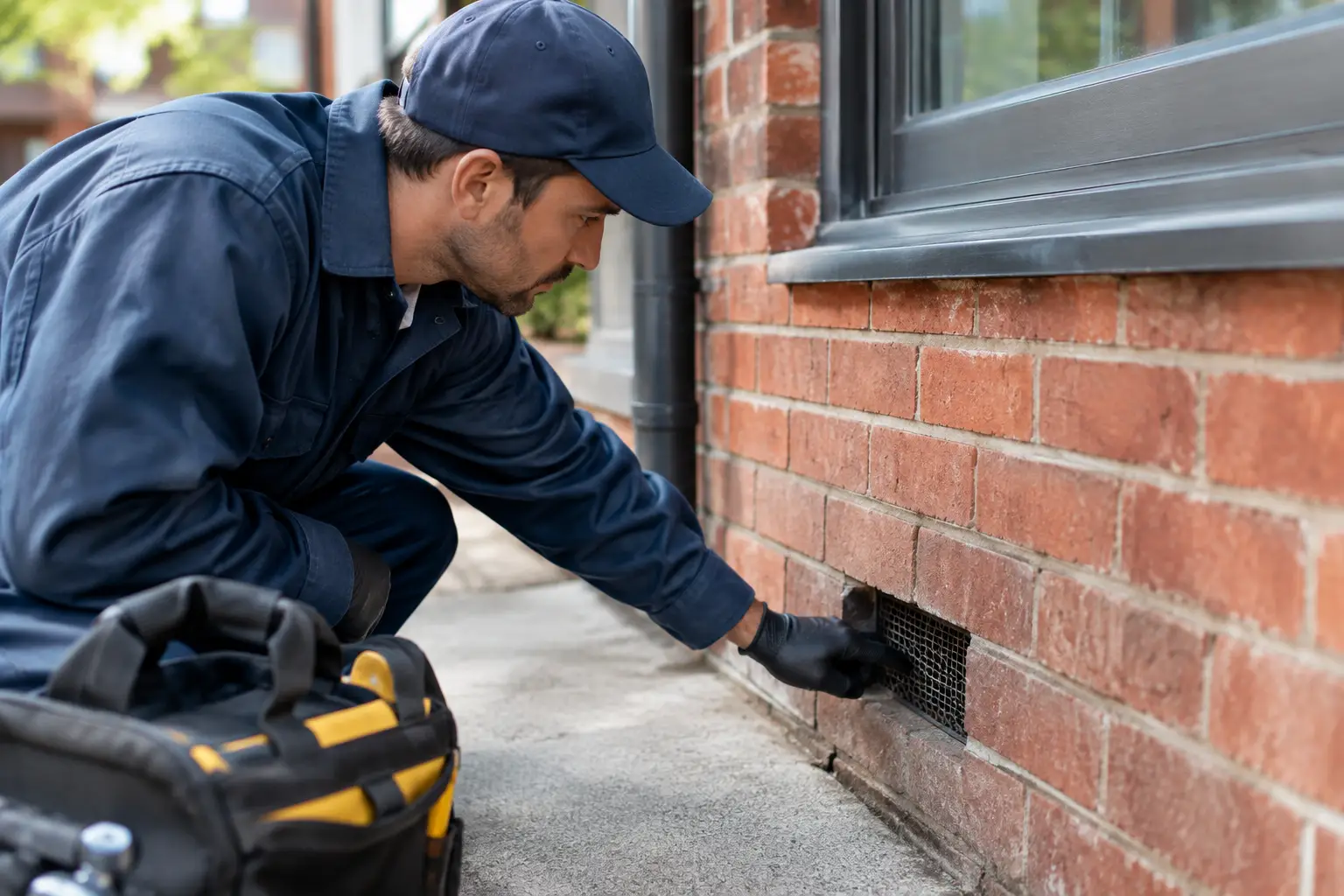
The replacement material depends on the soffit style and the animal involved. Aluminum or vinyl soffit can restore the appearance of the roofline, but vulnerable vent openings should be protected with properly fitted, wildlife-resistant metal screening or covers.
The goal is to prevent access while preserving airflow. Covering every attic vent with solid material can create heat and moisture problems. Using mesh that is too wide can allow rodents, bats, or insects through. Using material that is too flimsy may invite another raccoon or squirrel to tear it open. This is where species-specific repair work makes a difference.
Fasteners also matter. A screen secured only at the edges can be pulled loose. Properly anchored exclusion materials should sit flush, hold firmly against prying pressure, and avoid sharp exposed edges that could create a safety issue.
Seal Related Entry Points
Animals rarely limit their exploration to one opening. After the main soffit damage is repaired, nearby gaps should be inspected and secured. Common trouble spots include roof returns, gable vents, ridge vents, chimney flashing, utility penetrations, gaps behind gutters, and loose siding near the upper wall.
This is especially important for commercial properties and multi-unit buildings. A single open roofline area can lead to animal movement through shared attic spaces, suspended ceilings, storage areas, or wall voids. The repair plan should protect the entire affected section, not just the location where the first complaint started.
Clean Up the Attic Before Closing the Job
Animal removal and exterior repair solve the entry problem, but attic contamination can remain. Droppings, urine, nesting materials, animal carcasses, and damaged insulation can create odor and health concerns. Rodents may also leave behind parasites and contaminate stored belongings.
The extent of cleanup depends on what was found. A minor bird nesting issue near one vent may require limited debris removal and sanitization. A raccoon den, rodent infestation, or long-term squirrel activity may require insulation removal, detailed disinfection, odor treatment, and attic restoration.
Do not sweep dry droppings or disturb nesting debris without proper protection. Contaminated dust can become airborne, and some wildlife waste carries pathogens. Professional cleanup crews use appropriate protective equipment and containment practices to reduce exposure inside the home or building.
Signs You Need Immediate Soffit Repair
Call for professional help quickly if you see an animal entering or leaving the roofline, hear scratching or running overhead, find soffit panels hanging down, or notice droppings around eaves and exterior walls. A strong odor in the attic, stains on ceilings, flies near a wall or soffit, or insulation falling from a vent opening can also indicate a larger issue.
Emergency service is particularly valuable when a raccoon has torn open the roof edge, bats are suspected, or an animal may be trapped inside after a temporary repair. Avoid climbing onto the roof or trying to handle wildlife yourself. Roof work carries fall risks, and frightened animals can bite, scratch, or spread contamination.
Preventing Another Animal Break-In
After repairs are complete, prevention is mostly about reducing easy access. Keep tree limbs trimmed back from the roofline, secure loose gutters, and repair rotted fascia before it creates another weak point. Store garbage in secured containers and avoid leaving pet food outdoors, since food sources can draw raccoons and rodents closer to the building.
Property owners should also inspect rooflines after major storms. Wind can loosen soffit panels, heavy rain can expose rot, and snow or ice can affect gutters and fascia. Small repairs completed early are usually far less costly than restoring an attic after wildlife has moved in.
Animal Control NYC & NJ provides humane removal, attic cleanup, exclusion, and structural wildlife damage repairs for properties throughout New York City and New Jersey. One coordinated response helps ensure the animal is gone before the soffit is sealed and the contamination is addressed before the space is put back into use.
A damaged soffit will not improve on its own. Treat it as an active access point, not a cosmetic defect, and get the roofline inspected before the next animal decides your attic is home.