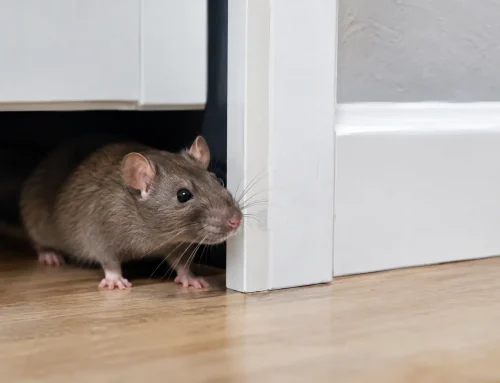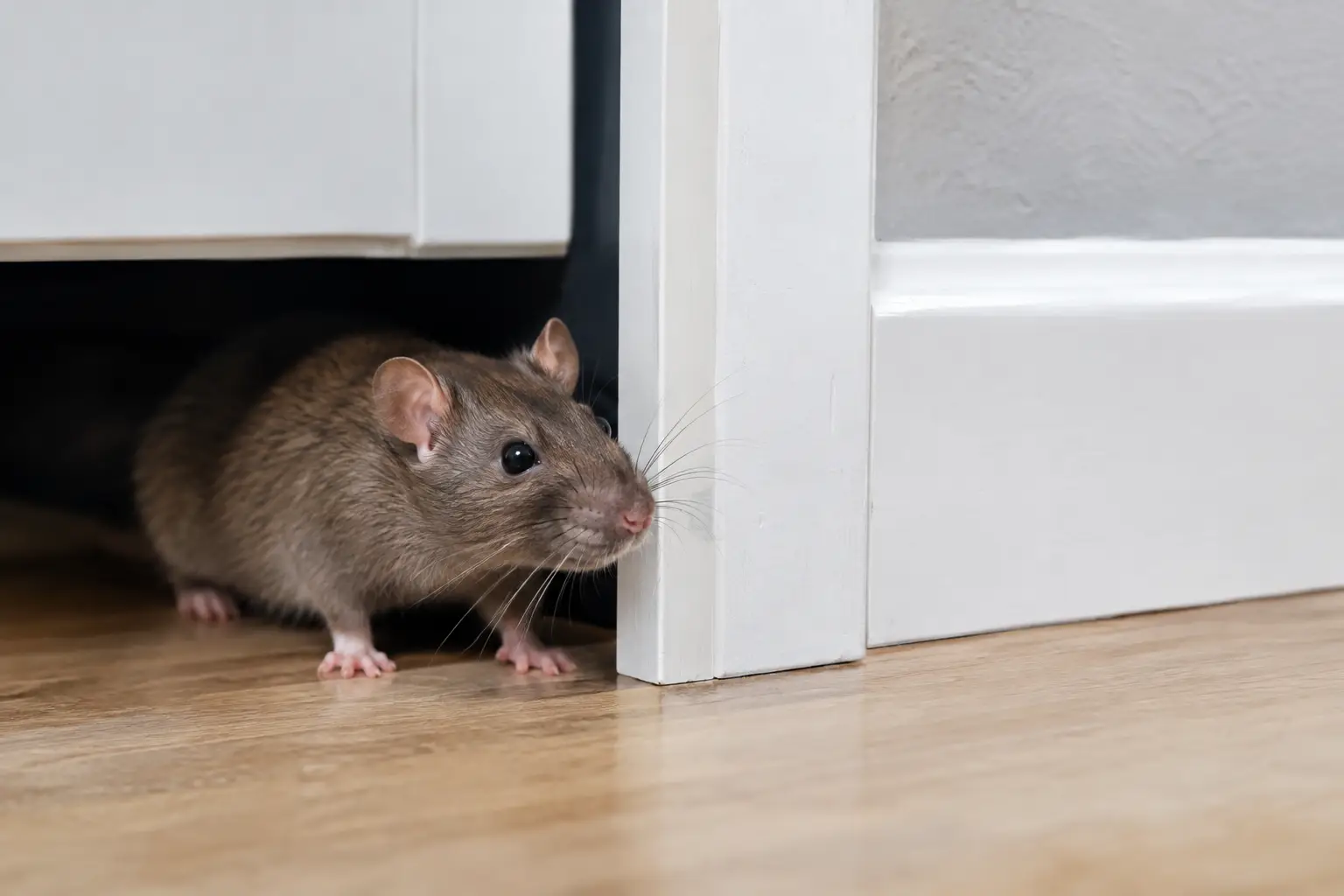
You hear scratching behind the basement wall at night, notice droppings near the water heater, or catch that sharp, stale odor that should not be there. At that point, the question is not abstract. Homeowners and property managers want a clear answer to why do rats enter basements, how serious the problem is, and what needs to happen next.
The short answer is simple. Basements give rats what they are always looking for – shelter, moisture, warmth, darkness, and easy travel paths. In New York City and New Jersey, where older foundations, dense building layouts, utility penetrations, and shared walls are common, basements are one of the most frequent entry and nesting areas we see.
Why do rats enter basements in the first place?
Rats do not need much to move in. A basement can offer protection from weather, fewer disturbances than upper living areas, and direct access to plumbing lines, drain systems, stored materials, and structural gaps. If the building has even a minor vulnerability, rats can turn a basement into a staging area for a larger infestation.
Food is one part of it, but it is not always the main reason. Property owners often assume rats only show up where food is left out. That happens, but many basement infestations start because of water access and safe harborage. A damp basement with clutter, cardboard, old insulation, and utility lines creates cover. Once rats feel secure there, they may expand into wall voids, crawl spaces, garages, or first-floor kitchens.
Season also matters. In colder months, rats push indoors for warmth and protection. During heavy rain, they may leave overloaded burrows, sewers, or exterior nest sites and look for dry shelter. In summer, they still enter basements if water, shade, and easy access are available. So the answer is not just weather. It is opportunity.
The biggest things that attract rats to a basement
Moisture is one of the strongest attractants. Leaking pipes, sweating foundation walls, floor drain issues, sump pump areas, and condensation around boilers or water heaters all create a reliable water source. Rats can survive in places with limited food if they have access to water.
Clutter is another major factor. Stored boxes, paper, fabric, and old furniture give rats hiding spots and nesting material. Basements that are rarely disturbed are especially attractive because rats can move around with less risk.
Trash and pet food also play a role. In multifamily buildings and mixed-use properties, basement areas sometimes hold garbage bins, maintenance supplies, or improperly stored food items. Even a small, recurring food source can support activity.
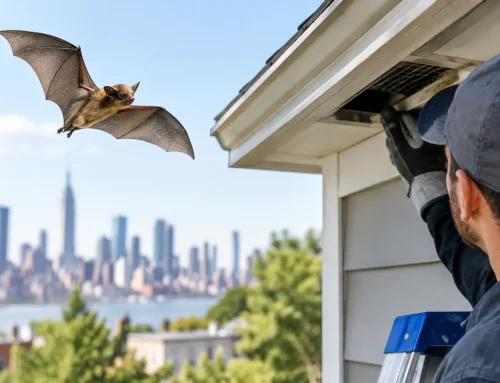
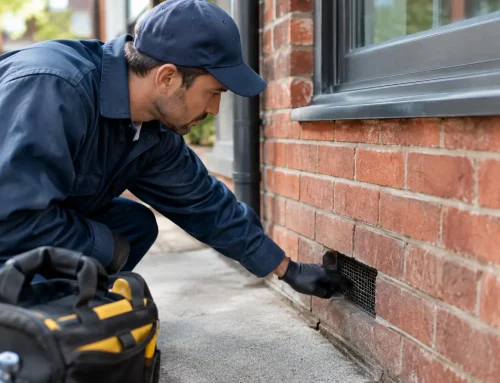
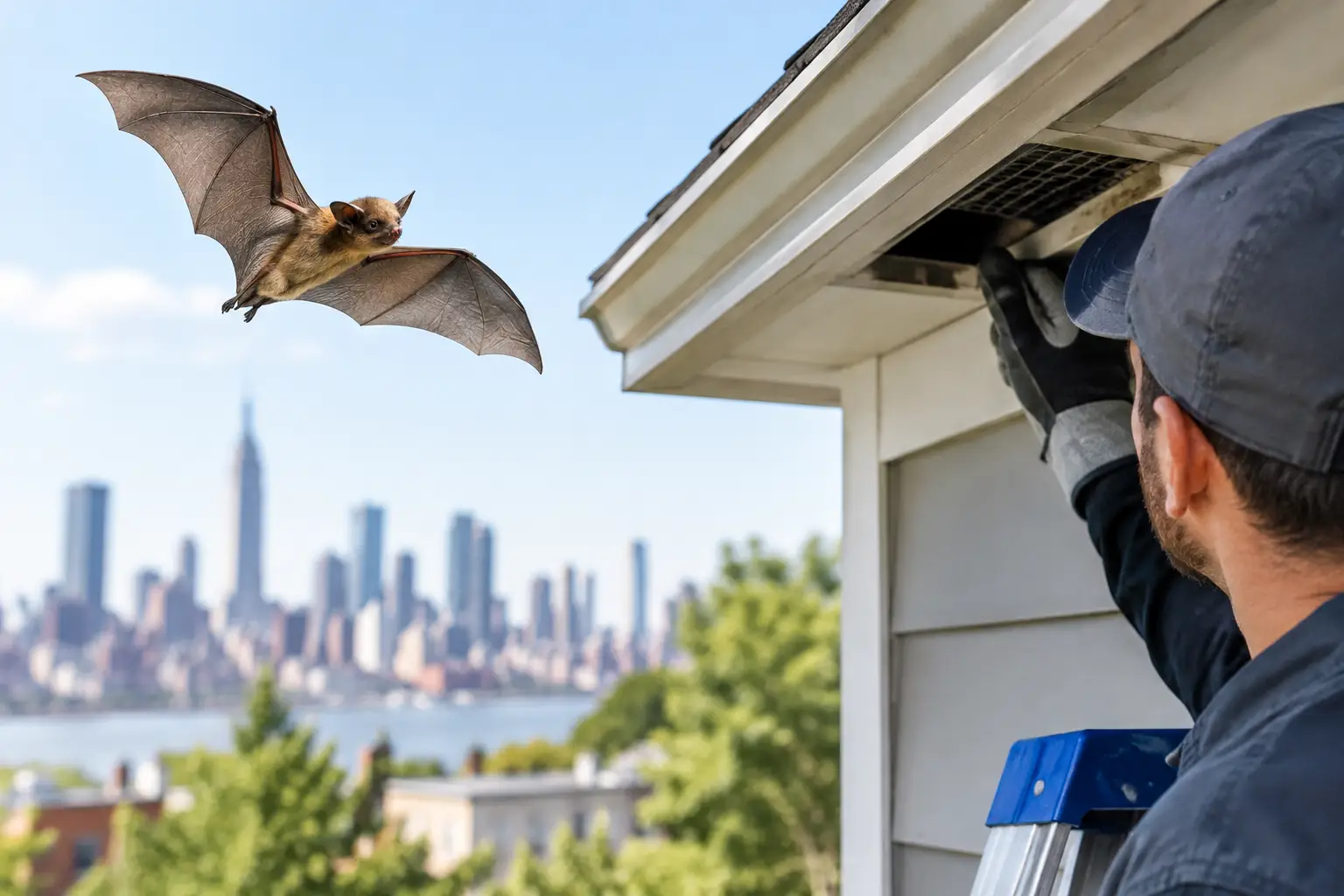
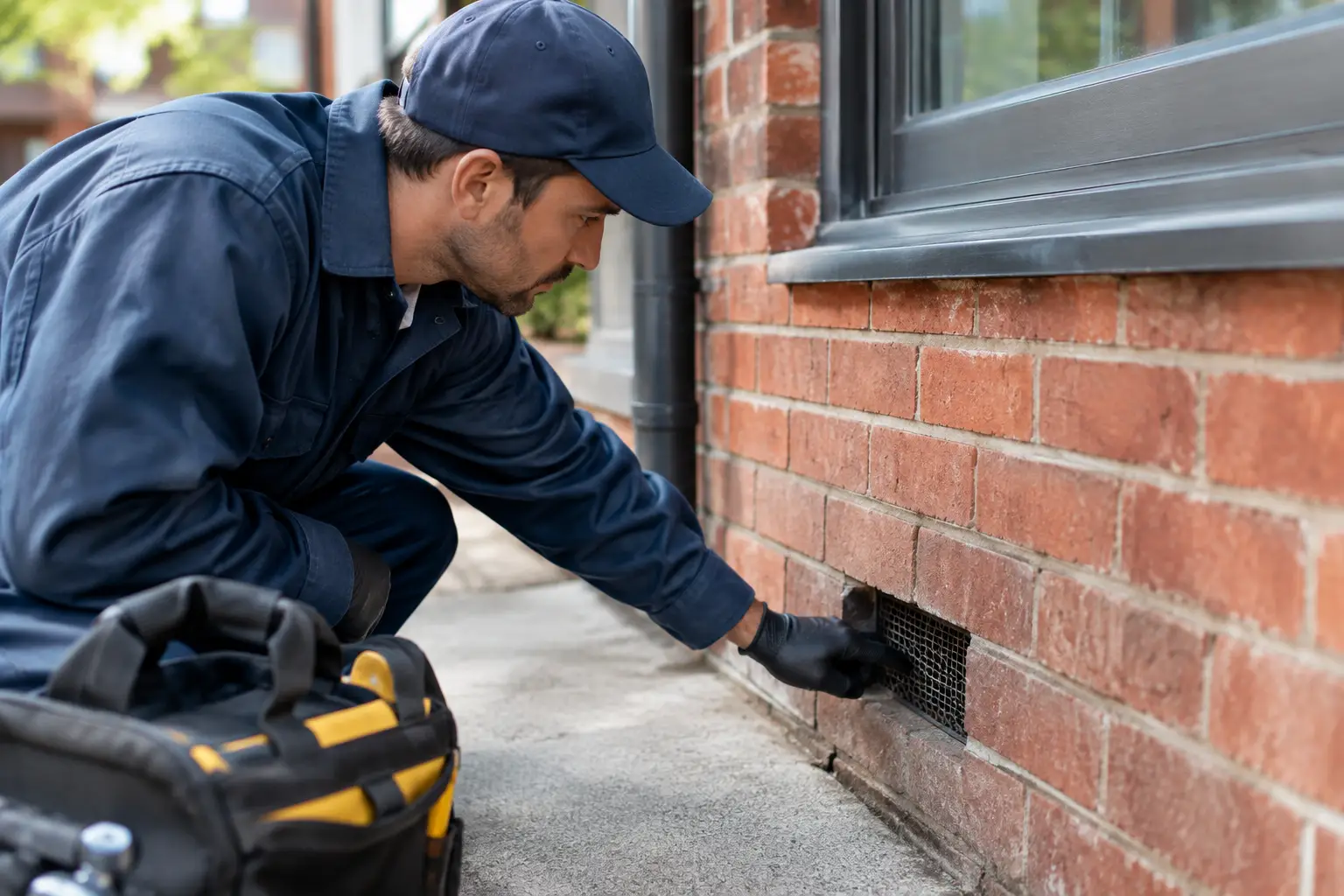
Then there is structure. Basements are full of openings that property owners do not always notice – gaps around gas lines, broken vent screens, open drain lines, cracked foundations, settling around utility penetrations, and worn door sweeps at bulkhead or exterior basement doors. Rats are persistent. If they can smell air movement, moisture, or food-related odors through an opening, they will test it.
How rats get into basements
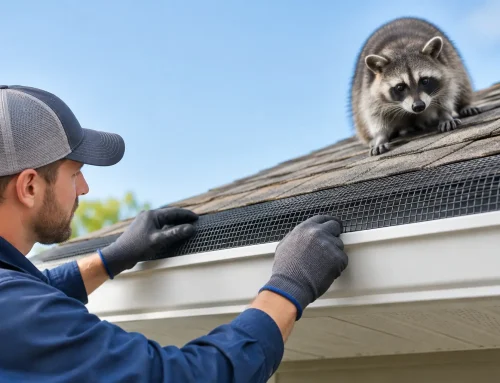
Most infestations start with a hidden exterior entry point or a connection from another part of the building. In urban and suburban properties across NYC and NJ, common access routes include foundation cracks, damaged sewer or drain lines, open pipe chases, garage-to-basement gaps, and spaces around electrical or HVAC penetrations.
In attached homes, row houses, and some commercial buildings, rats may also move between properties. That is one reason a basement rat problem is not always isolated to one unit. If neighboring structures have active infestations or sanitation issues, the pressure on your building increases.
Sewer-related entry is a separate concern and often a more serious one. Rats are strong swimmers and can travel through damaged drainage systems. If there is a break, failed backwater condition, or open route tied to the basement plumbing system, they may enter from below rather than from the foundation wall. That kind of problem requires more than basic trapping.
Signs the basement is becoming active
The obvious sign is droppings, usually found along walls, behind stored items, near utility lines, or close to heat-producing equipment. Grease marks on walls or pipes can appear where rats repeatedly travel. Gnawing on wood, plastic, insulation, or wiring is another common indicator.
Noise matters too. Scratching, movement at night, or sudden activity when lights come on often points to active travel routes. A musky odor may build up in enclosed sections of the basement, especially if nesting is established. In some cases, the first sign is not a live rat at all. It is contamination, shredded material, or damage to insulation and stored contents.
If the basement infestation has been active for a while, you may start seeing signs upstairs. That can include noises inside walls, droppings in kitchen cabinets, or rat activity around laundry areas and utility closets. Once that happens, the problem has moved beyond a single access point.
Why basement rats should be handled quickly
A basement rat issue is not just unpleasant. It is a health and property-risk problem. Rats contaminate surfaces with urine and droppings, damage insulation, and chew wiring, wood, and flexible piping. In commercial properties, the presence of rats can trigger tenant complaints, sanitation concerns, and reputation issues very quickly.
There is also the speed of reproduction to consider. One small intrusion can become a larger infestation fast if the environment supports nesting. Waiting rarely makes removal easier. It usually means more contamination, broader travel patterns, and more repair work once the infestation is over.
There is a trade-off here. Some property owners want to start with store-bought bait or a few snap traps to save time or money. That can work for a very minor issue, but it often misses the real problem, which is the access point and the conditions attracting the rats in the first place. If you trap one rat and leave the gap open, more can enter.
Why do rats enter basements even in clean buildings?
Clean buildings are less attractive, but clean does not mean sealed. This is where many property owners get frustrated. You can run a well-maintained property and still get rats if the basement has moisture, structural gaps, or a sewer-related vulnerability.
That is especially true in older homes and buildings with aging foundations. A clean, organized basement with one broken vent screen or one unsealed pipe opening can still become active. In multifamily housing, one tenant’s sanitation habits can also affect common basement areas or neighboring units. So cleanliness helps, but exclusion is what closes the door.
What professional rat control should include
Effective basement rat control starts with inspection, not guesswork. The goal is to identify how the rats are entering, where they are traveling, what is sustaining them, and whether contamination or structural damage is already present.
Trapping is often part of the solution, but it is only one part. A complete response may also include sealing entry points, correcting sanitation issues, removing contaminated nesting material, disinfecting affected areas, and addressing damaged insulation or crawl space conditions. If there is evidence of dead rats in walls or inaccessible voids, that may require removal and odor control as well.
In some cases, the job becomes more complex. Sewer-line issues, heavy structural gaps, recurring infestations in older buildings, or tenant-occupied properties require a more controlled plan. That is why professional wildlife control and rat removal is usually the fastest route to a true fix, especially when the problem has spread beyond one corner of the basement.
For property owners who want a complete response, companies like Animal Control NYC & NJ handle the full process – inspection, humane trapping where appropriate, contamination cleanup, exclusion, and repair recommendations – so the issue is not left half solved.
What you can do right now
If you suspect rats in the basement, start by limiting what is attracting them. Remove accessible food sources, reduce clutter, and address obvious water leaks as quickly as possible. Do not leave pet food, bird seed, or overflowing trash near basement access points.
At the same time, avoid disturbing a heavy nesting area without a plan. Moving boxes or tearing into walls can spread contamination and push rats deeper into the structure. If there are droppings, strong odors, or signs of active movement, it is better to have the area assessed before the problem expands.
The best results come from treating the basement as both an entry zone and a recovery zone. That means removing the rats, cleaning the contamination, and sealing the structure so the same conditions do not pull them back in.
If rats are choosing your basement, they are responding to something the building is offering. Find that reason early, fix it completely, and you stand a much better chance of keeping the problem from coming back.